Our verdict
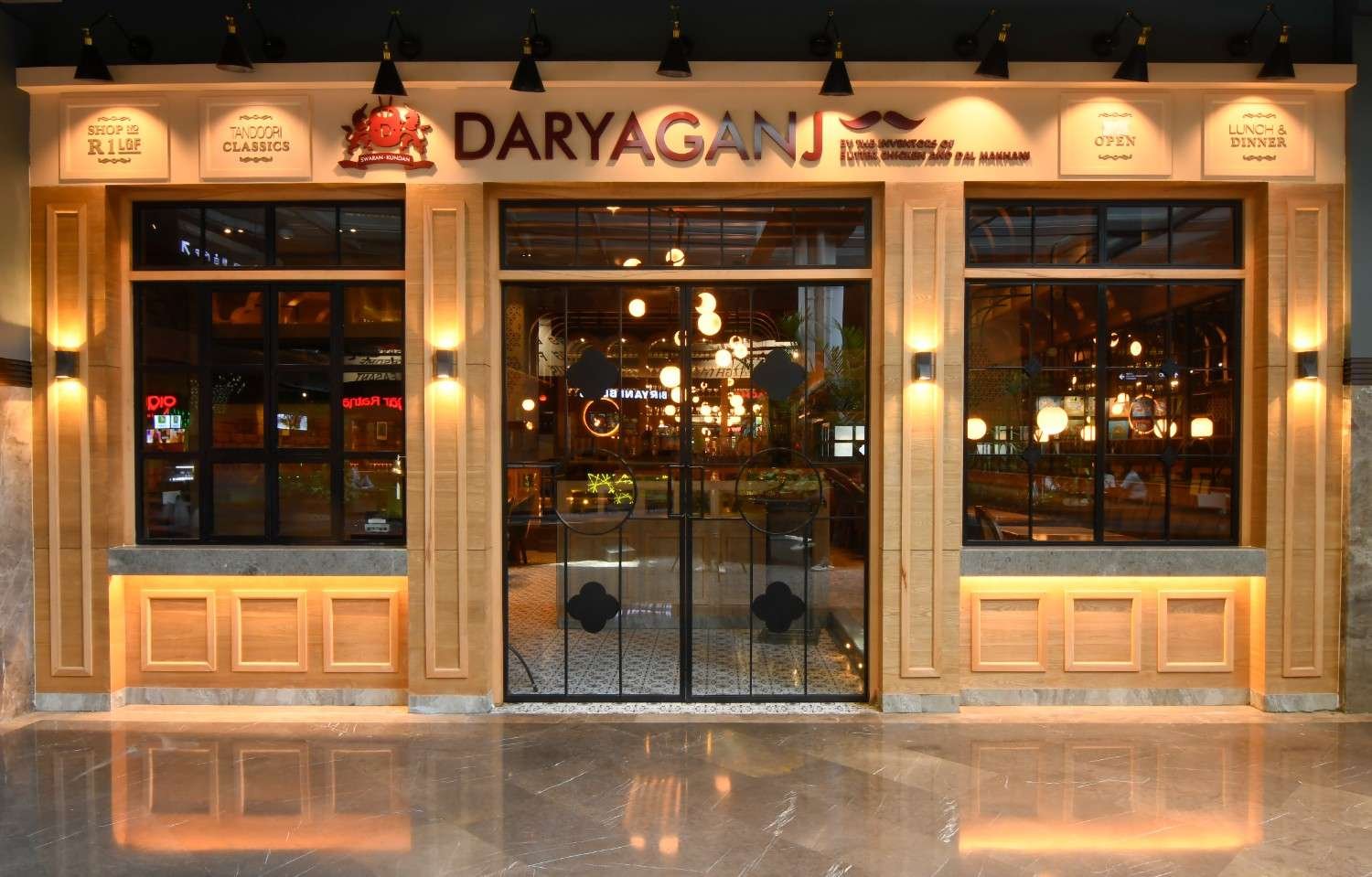
Daryaganj sits in Connaught Place's Regal Building, one of central Delhi's most historically loaded addresses, and draws from the north Indian culinary tradition with a menu structured around the dishes that defined the region's restaurant culture. The room pulls a broad cross-section of the city, from families with deep familiarity with the cooking to first-timers tracking down the butter chicken origin story.

Pearl is the En Primeur Club membership app — saves, bookings, and concierge access live there. Same editors, same standards.
- Address
- Shop No. 11, Regal Building, Sansad Marg, Hanuman Road Area, Connaught Place, New Delhi, Delhi 110001, India
- Phone
- +91 93557 91947
- Hours
- Mon–Thu 12–4 PM, 6–11 PMFri–Sun 12–11:30 PM
- Directions
- Get directions
The menu
What to order
- Butter Chicken
- Dal Makhani
- Tandoori Meats
- Original Butter Paneer
- Daryaganj Style Mutton Curry
Connaught Place and the Weight of a Delhi Address
Connaught Place has always been where Delhi transacts its public life. The colonnaded arcades of the Regal Building on Sansad Marg carry the architectural memory of a different city, one that predates the ring roads and the mall culture that now defines so much of the capital's commercial geography. Restaurants that choose this address are making an implicit argument: that they belong to a longer story about the city, not just the current dining moment. Daryaganj operates inside that argument, positioning itself as a carrier of the north Indian culinary record at a location that reinforces the claim before the food arrives.
The neighbourhood context matters more than it might at a venue in, say, Hauz Khas or Vasant Kunj, where the surroundings are essentially neutral. Here, the physical setting does editorial work. Arriving at the Regal Building primes a particular kind of expectation, one oriented toward legacy rather than novelty, and Daryaganj's menu is structured to meet it.
How the Menu Is Built, and What That Reveals
North Indian restaurant menus in Delhi tend to fall into two broad camps. The first is the comprehensive encyclopaedic format, where coverage of the subcontinent's breadth signals ambition and draws the widest possible audience. The second is the edited, region-specific format, where restriction signals confidence. Daryaganj leans toward the latter logic, organising its menu around the Mughal-influenced cooking traditions that gave Delhi its most durable restaurant identity: slow-cooked meats, layered spice work, bread-based architecture, and the kind of dal that functions as a litmus test for kitchen discipline.
The menu's centre of gravity is the dishes that connect to a specific origin narrative. Daryaganj has positioned itself in the public conversation around butter chicken, a dish with genuinely contested Delhi provenance. Whether one accepts the lineage claim or not, the positioning does something structurally useful: it frames the menu around a specific culinary moment rather than a general north Indian sweep. That specificity is a rarer menu philosophy than it sounds. Compare it to the broader international-facing approach at Indian Accent, where the menu explicitly mediates between classical Indian technique and contemporary global reference points, or the tandoor-anchored focus at Bukhara, where the menu's restriction is the whole point. Daryaganj operates in a different register from both: neither modernist reinterpretation nor austere single-technique statement, but something closer to the curated comfort of a well-run family restaurant at scale.
The biryani and kebab sections function as the menu's secondary structural pillars, which is consistent with how Delhi's Mughal-derived restaurant tradition typically organises itself. Slow-cooked preparations, particularly those requiring long marination or dum cooking, signal kitchen investment in a way that a wok-driven or grill-only format cannot. For a reference point on dum technique taken to its formal extreme, Dum Pukht at the ITC Maurya represents the category's most technically rigorous expression in Delhi. Daryaganj operates at a less formal register but draws from the same foundational tradition.
The Room and Who Fills It
Dining room at the Regal Building location holds the kind of crowd that reflects Connaught Place's unusual position in the city's social geography. Unlike South Delhi's more socially stratified restaurant corridors, CP draws across income and age lines: tourists using it as a central base, office workers from the surrounding government and commercial district, and families for whom the area carries genuine nostalgic weight. Daryaganj's pricing and format are calibrated to that mix, making it accessible at a price point that sits well below Delhi's formal fine-dining tier represented by venues like Inja or AQUA.
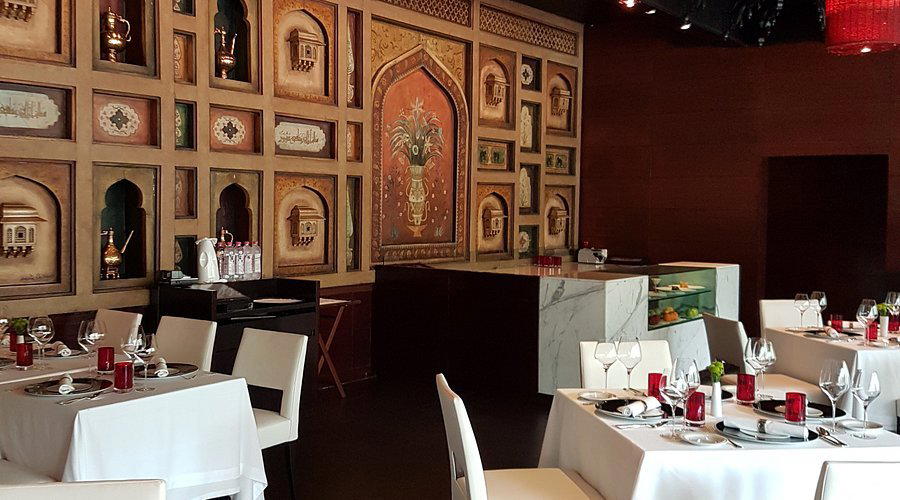
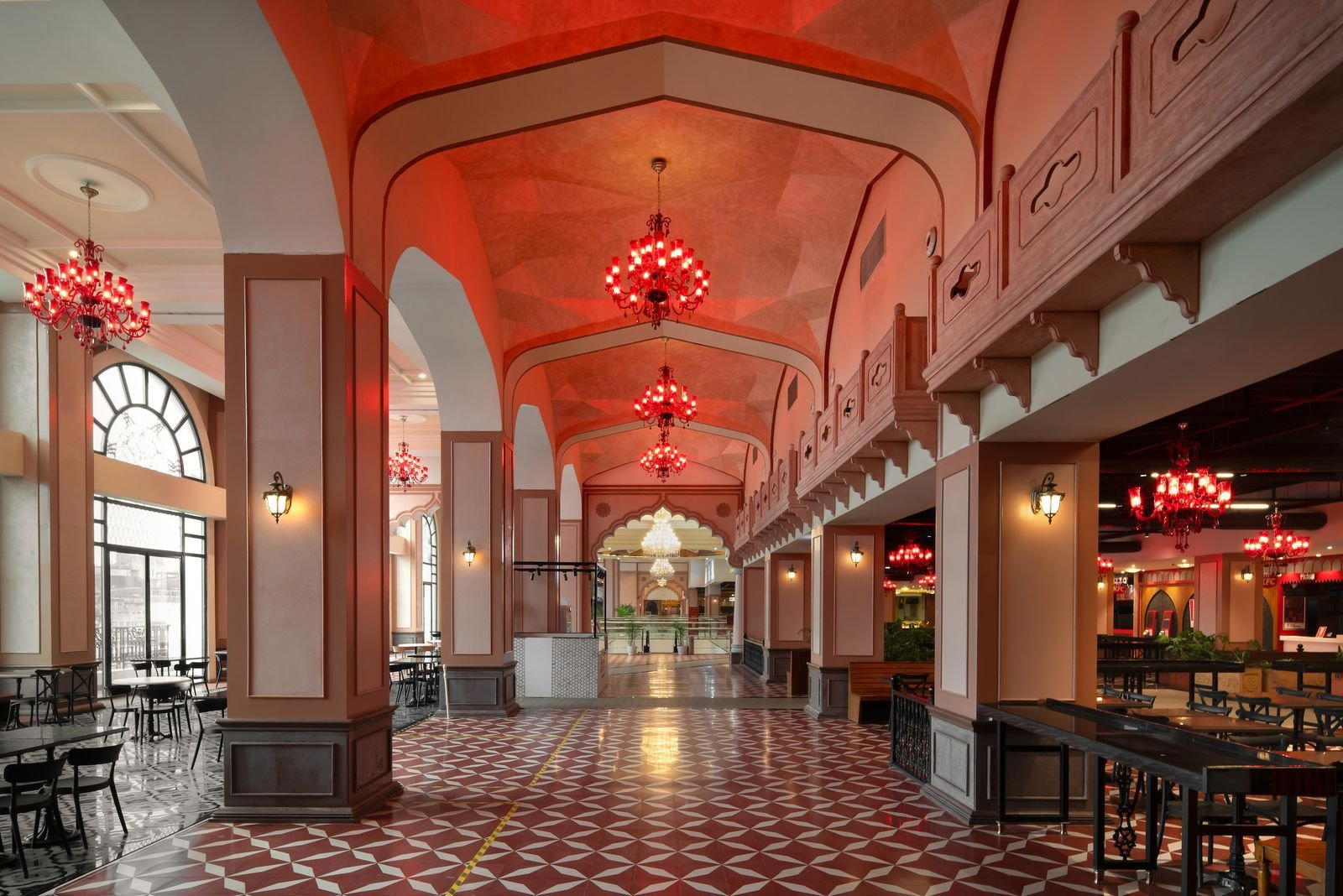
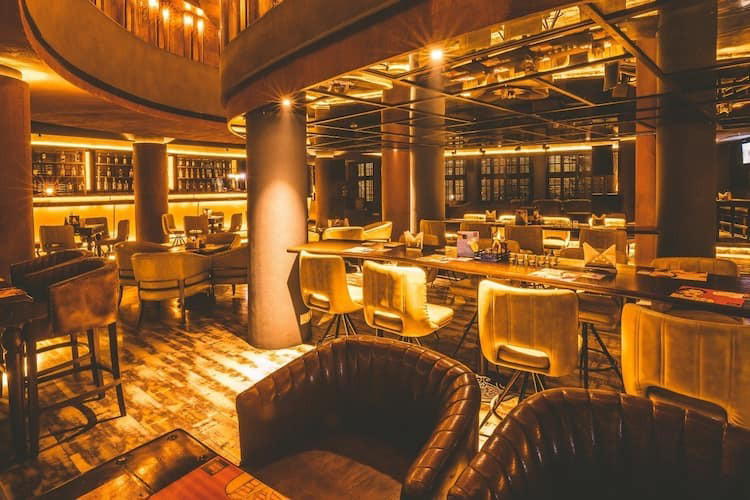
Room is not austere. It reads as comfortable rather than spare, which suits the menu's orientation toward dishes that carry emotional familiarity for a large portion of its audience. This is not the setting for a solitary tasting menu experience; it is a setting for the kind of collective eating that north Indian food is designed for, where dishes arrive at the table simultaneously and the meal is structured by sharing rather than sequence.
Daryaganj in the Context of Delhi's Broader Restaurant Moment
Delhi's restaurant scene has diversified considerably over the past decade. The city now supports a range of formats that would have been unusual fifteen years ago: the farm-to-table movement that has reached expressions like Farmlore in Bangalore, the heritage-palace dining format seen at Adaa at Falaknuma Palace in Hyderabad, and the regional specificity of places like Kappa Chakka Kandhari in Chennai. Against that expanding field, Daryaganj's decision to anchor in a specific north Indian legacy rather than broaden its frame is a coherent strategic choice, not a conservative default.
Across India, the restaurants generating the most sustained critical interest tend to be those that have made a clear decision about what they are. Naar in Kasauli is explicit about its Himalayan sourcing frame. Bomras in Anjuna is precise about its Burmese-Goan intersection. Daryaganj's clarity is different in kind but similar in logic: a restaurant that knows which part of the north Indian tradition it is in conversation with, rather than one that spreads across all of it.
For a broader map of where this restaurant sits relative to the full range of options in the capital, the EP Club New Delhi restaurants guide covers the city's key dining tiers and neighbourhoods. For readers approaching India's restaurant culture from other major cities, comparable editorial depth is available for Americano in Mumbai and Dining Tent in Jaisalmer, each of which occupies a distinct register within the country's wider dining geography.
Planning Your Visit
The Regal Building address on Sansad Marg places Daryaganj within walking distance of Rajiv Chowk metro station, which makes it among the more straightforwardly accessible restaurants in central Delhi without a car. For families, the format and price point make it a practical option without the formality pressure of a tasting menu venue. Weekday lunch hours at Connaught Place tend to be busier than the surrounding residential areas, reflecting the office concentration nearby, so timing around the midday rush or arriving early in the dinner window generally means a calmer room.
Frequently asked questions
Is Daryaganj child-friendly?
The Regal Building location in Connaught Place draws a cross-section of Delhi's dining public, including families, which makes it a reasonable choice for younger guests. The format is a sit-down North Indian restaurant rather than a fast-casual outlet, so children who are comfortable at a table-service meal will find it suits them. Confirm seating arrangements directly with the venue before visiting.
What is the atmosphere like at Daryaganj?
The Connaught Place setting inside the Regal Building on Sansad Marg shapes the room considerably. Connaught Place occupies an unusual position in Delhi's social geography, drawing government workers, tourists, and long-time Delhiites in roughly equal measure, and the dining room reflects that mix. The colonnaded surroundings carry architectural weight from the British-era construction, which gives the space a grounded, established feel rather than the self-conscious design of newer South Delhi openings.
What is Daryaganj's connection to the history of butter chicken in Delhi?
The restaurant's founders trace their lineage directly to Kundan Lal Gujral and Kundan Lal Jaggi, the cooks credited with developing butter chicken and dal makhani at Moti Mahal, the Daryaganj neighbourhood restaurant that defined North Indian cooking in post-Partition Delhi. That provenance has been the subject of considerable coverage in Indian food media and even a legal dispute over the dish's origins, which brought the claim into public record. For visitors interested in the genealogy of North Indian restaurant cooking in the capital, that context is the primary reason Daryaganj at Connaught Place carries weight beyond its address.
What's the signature dish at Daryaganj?
Daryaganj has been publicly associated with the butter chicken origin narrative, with the restaurant's founders claiming lineage to the dish's creation at Moti Mahal in the 1950s. That claim positions butter chicken as the dish most visitors prioritise when dining here. Menu specifics and current offerings are best confirmed with the restaurant directly.
How do I find Daryaganj?
Daryaganj is located at Shop No. 11, Regal Building, Sansad Marg, Hanuman Road Area, Connaught Place, New Delhi, Delhi 110001, India, New Delhi.
Reputation First
| Venue | Cuisine | Price | Awards | Notes |
|---|---|---|---|---|
| DaryaganjThis venue — the venue you are viewing | North Indian Heritage Cuisine | $10–20 | Not listed | Not listed |
| Bukhara | North West Frontier Tandoori | $30–50 | World's 50 Best #37 · La Liste Top Restaurants | Modern Indian |
| Indian Accent | Modern Indian Fine Dining | $50–100 | World's 50 Best #46 · La Liste Top Restaurants | Indian |
| Dum Pukht | Awadhi Dum Pukht Fine Dining | $50–100 | World's 50 Best #89 · La Liste Top Restaurants | Indian |
| Varq | Contemporary Indian Fine Dining with Molecular Fusion | $100–150 | Not listed | Not listed |
| Inja | Indian-Japanese Fusion | $50–100 | World's 50 Best #75 · The Best Chef One Knife | Not listed |
Continue exploring
More in New Delhi
Restaurants in New Delhi
Browse all →

Details
- Classic
- Well Known
- Rustic
- Group Dining
- Casual Hangout
- Family
- Celebration
- Historic Building
- Open Kitchen
- Beer Program
- A La Carte
- Family Style
- Beer
- Traditional Indian Beverages
- Vegetarian Friendly
Current opening hours
- Monday
- 12–4 PM, 6–11 PM
- Tuesday
- 12–4 PM, 6–11 PM
- Wednesday
- 12–4 PM, 6–11 PM
- Thursday
- 12–4 PM, 6–11 PM
- Friday
- 12–11:30 PM
- Saturday
- 12–11:30 PM
- Sunday
- 12–11:30 PM
Hours can change for holidays and private events. Last verified .
Red-brick interiors with nostalgic decor including framed historical newspaper articles, evoking the atmosphere of post-independence India with a blend of old-world charm and modern comfort.