Google: 4.7 · 7,712 reviews
Indian Accent operates from The Lodhi on Lodhi Road, placing one of Delhi's most closely watched fine-dining addresses inside a hotel property that brings its own contextual weight to the experience. The kitchen works within a creative Indian framework that has drawn sustained attention from the Asia's 50 Best Restaurants list over several years, positioning it against a small peer set of restaurants rethinking subcontinental cooking at the tasting-menu tier.
 Discover on Pearl
Pearl is the En Primeur Club membership app — saves, bookings, and concierge access live there. Same editors, same standards.
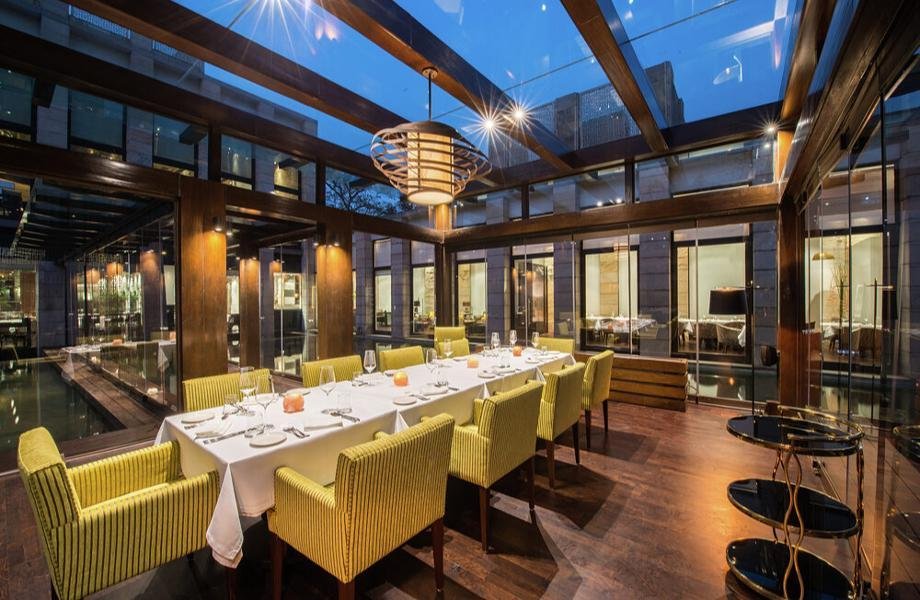
Lodhi Road and the Weight of Where You Eat
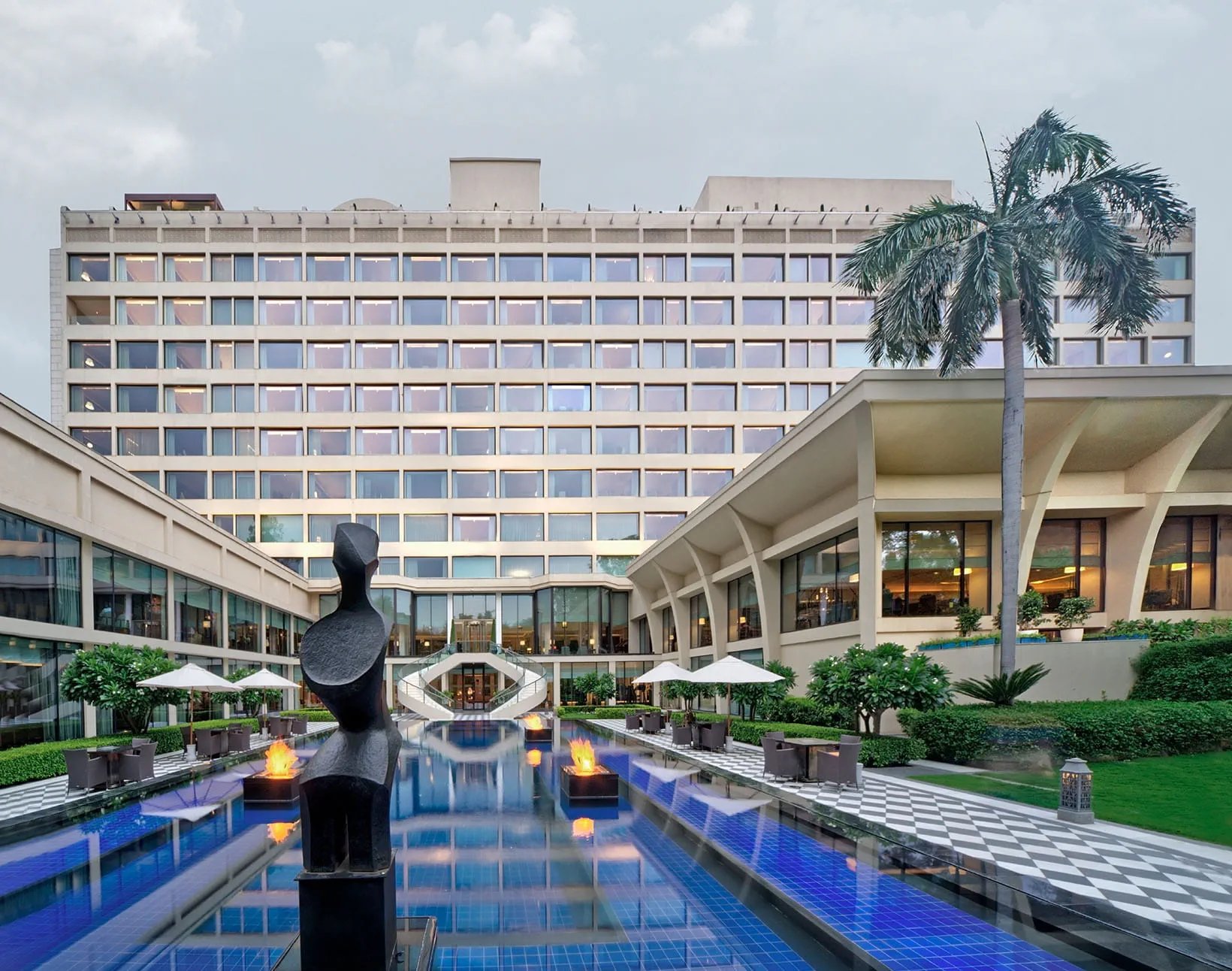
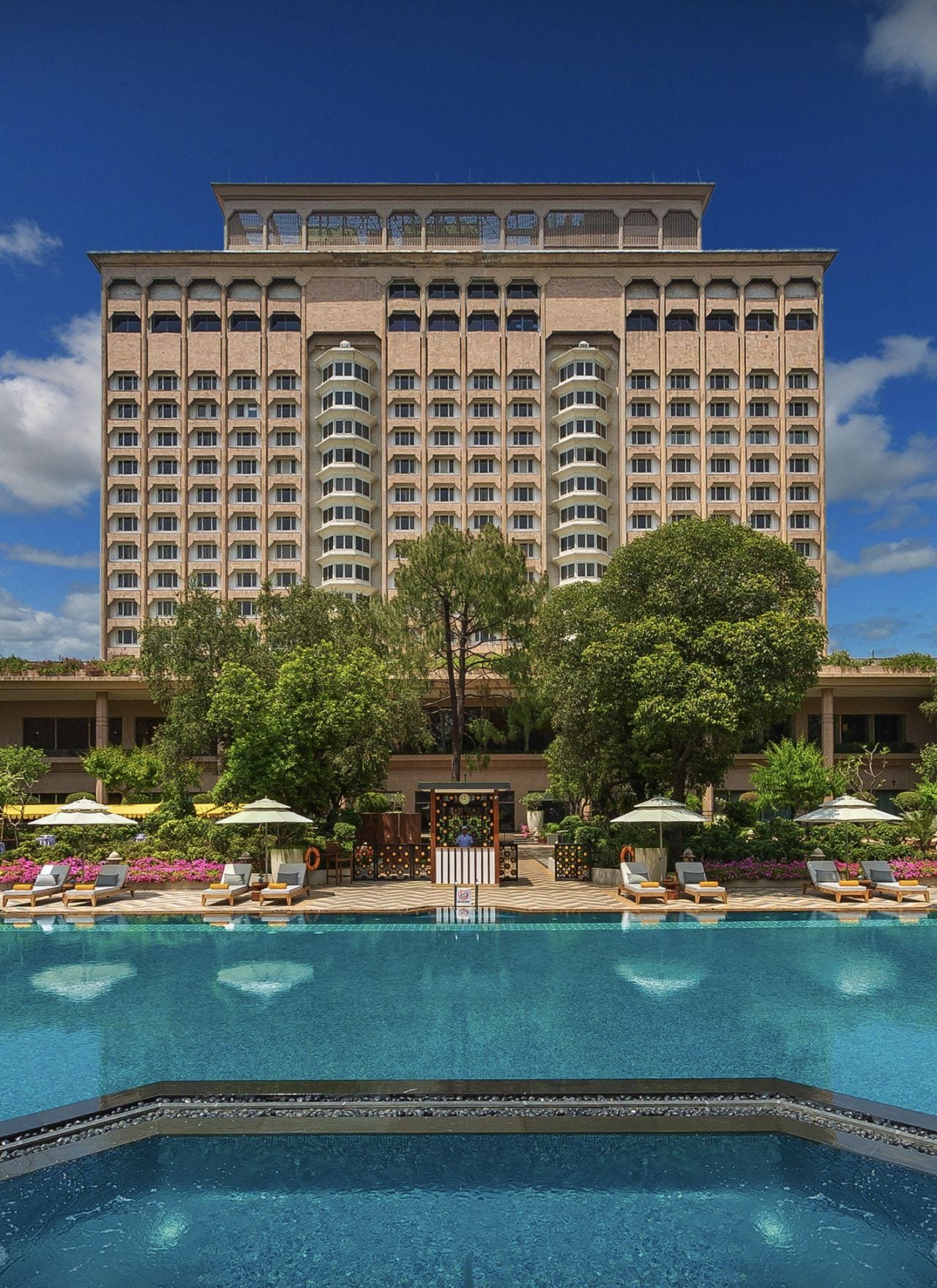
Lodhi Road carries a particular kind of Delhi gravity. The corridor runs past diplomatic compounds, the Archaeological Survey's administrative offices, and the sculpted gardens surrounding the 15th-century tombs of the Sayyid and Lodi dynasties. Hotels on this stretch don't compete on footfall or visibility in the way properties in Connaught Place or Aerocity do. They compete on discretion, grounds, and the kind of institutional calm that comes from being surrounded by protected heritage land rather than commercial density. The Lodhi, where Indian Accent operates, sits in that context: a low-rise luxury property set back from the road, with the kind of arrival sequence that resets your ambient noise level before you've reached the lobby.
That location matters more than it might appear for a restaurant. Delhi's premium dining scene has historically spread across two or three distinct zones: the five-star hotel circuits of Chanakyapuri, the market-adjacent standalone operations in Greater Kailash or Defence Colony, and the newer generation of addresses in pockets like Mehrauli and Vasant Kunj. Indian Accent has occupied The Lodhi position since moving there, and the Lodhi Road address gives it both the infrastructure of a major hotel and a remove from the city's more transactional restaurant strips. You are not walking past it by accident. You are going specifically, which filters the room before the food arrives.
Where Indian Accent Sits in the Delhi Fine-Dining Bracket
Delhi's upper-tier restaurant set is smaller than the city's scale might suggest. At the volume end of the prestige spectrum, addresses like Bukhara at ITC Maurya have operated for decades on the strength of a defined repertoire — the dal, the kebabs, the tandoor work — that has remained largely consistent and draws a loyal clientele including heads of state. That model relies on continuity. Indian Accent operates on a different axis: the kitchen frames Indian culinary tradition as a starting point for ongoing creative interpretation, which puts it in dialogue with a narrower global peer set of restaurants working at the intersection of national identity and fine-dining format.
Across India, a small number of kitchens are engaged in comparable work. Farmlore in Bangalore approaches it through a hyperlocal Karnataka lens. Adaa at Falaknuma Palace in Hyderabad embeds the creative Indian format within a heritage property setting. Inja in New Delhi works across Indian-Korean intersections. Indian Accent's position within this set is defined by longevity and the consistency of external recognition: it has appeared on Asia's 50 Best Restaurants across multiple editions, a signal that places it in the upper bracket of the subcontinent's tasting-menu tier and invites comparison with addresses like Le Bernardin in New York City or Lazy Bear in San Francisco , not in cuisine type, but in the category of restaurants that have sustained critical attention over time rather than arriving on a single wave of novelty.
The Format and What It Signals
Creative Indian fine dining at this tier operates through a tasting-menu or curated set-course format that allows the kitchen to control sequencing and narrative. This structural choice separates the experience from Delhi's many excellent à la carte addresses , places like Andhra Pradesh Bhavan, where the thali format delivers its own kind of disciplined abundance, or Chache Di Hatti, where the chole bhature operates as an institution in its own right. Those are restaurants defined by a single, deeply executed item or a fixed regional tradition. Indian Accent works differently: the format requires the kitchen to hold a position across eight to twelve courses, where each dish must justify its place in relation to what precedes and follows it.
For a broader view of how Delhi's restaurant scene is structured across price points and formats, the full Delhi restaurants guide maps the city's dining character from street-level counters to hotel fine dining. Indian Accent represents one specific bracket within that wider picture: the hotel-based tasting-menu address with sustained international recognition.
Across India's other major cities, comparable restaurants operate in similarly specific niches. Kappa Chakka Kandhari in Chennai works within a rigorous Kerala-cuisine framework. Bomras in Anjuna brings a Burmese-Indian overlay to the Goa market. Naar in Kasauli takes a Himalayan-ingredients approach in the hills above Chandigarh. Neel in Patiala and Leela Kerala Terrace in Trivandrum represent the hotel-restaurant format applied to regional cuisines in their home territories. Indian Accent sits at the leading of this national map in terms of recognition density: the Delhi flagship has generated the sustained press attention and award trajectory that the newer regional addresses are still accumulating.
Planning the Visit
The Lodhi Road location means Indian Accent is most logically approached from South Delhi or the diplomatic district rather than from the old city or north Delhi. Guests staying at The Lodhi access the restaurant directly through the hotel; those coming from elsewhere should factor in Delhi's traffic patterns, which make the same journey substantially longer in the evening than the map distance implies. Reservations at this category of restaurant in Delhi typically require advance planning, particularly during the cooler months from October through February, when the city's dining-out frequency increases and hotel restaurants see higher occupancy from international visitors. The summer months, when Delhi temperatures peak, tend to be less pressured for bookings, though the heat changes how you move through the city before and after the meal.
Guests oriented toward Delhi's more traditional end of the spectrum , the tandoor counters, the thali houses, the old-city chaat , will find Indian Accent a deliberate counterpoint rather than a continuation. For that traditional register, addresses like Bikanervala in Chandni Chowk or Curry Kitchen serve the purpose more directly. Indian Accent is the restaurant for when you want to examine what Indian cooking looks like when a kitchen is explicitly in conversation with global fine-dining conventions, rather than operating within a regional tradition on its own terms. Those are different experiences, and knowing which one you want before booking determines whether Indian Accent is the right call or whether one of Delhi's many excellent regional specialists serves you better. For more exploratory itineraries that include both registers in the same trip, the Dining Tent in Jaisalmer and Americano in Mumbai show how Indian hospitality ranges across format and geography when you look beyond a single city.
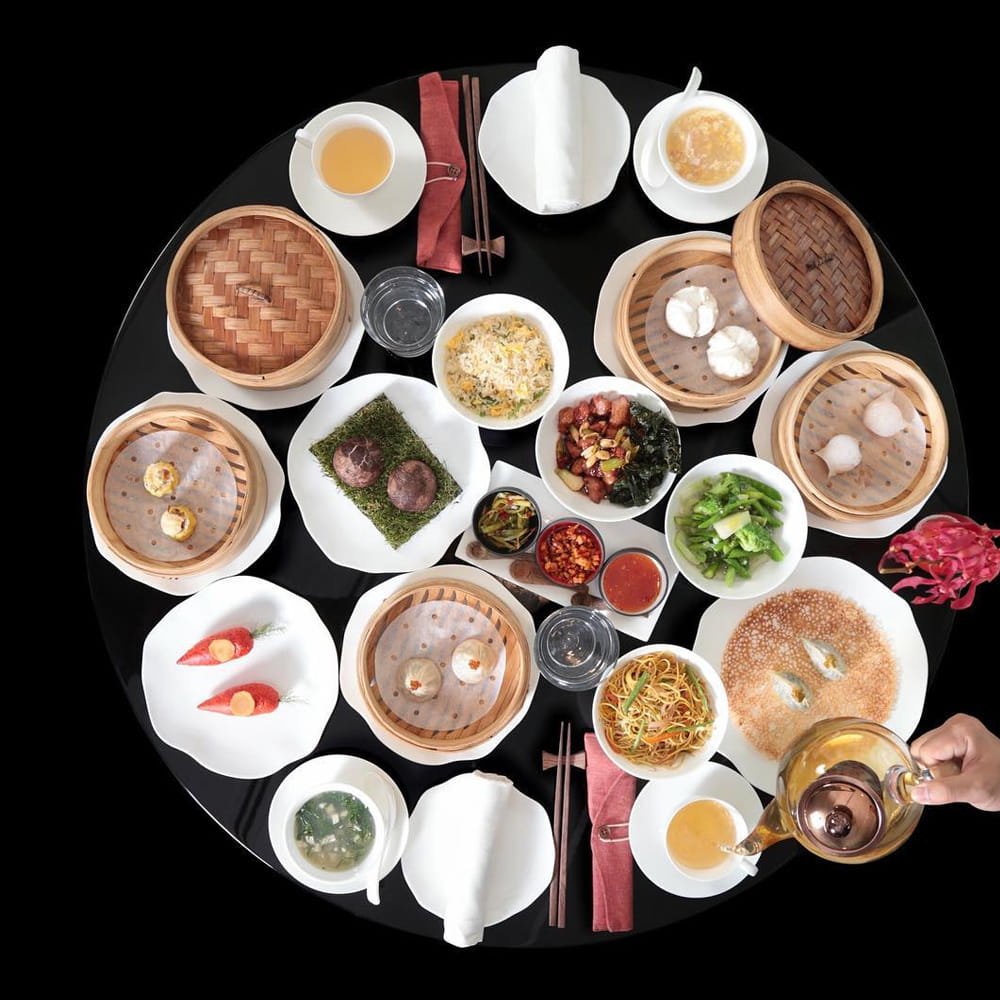
- Galautis with foie gras
- Pulled pork tacos
- Butter popcorn upma
- Duck khurchan
- Tamarind crab with coconut curry
- Khandvi ravioli
- John Dory moilee
The Minimal Set
A fast peer set for context, pulled from similar venues in our database.
| Venue | Notes | Price |
|---|---|---|
| Indian Accent | This venue | |
| Bukhara | ||
| Chache Di Hatti | ||
| Dramz Delhi | ||
| Rajdhani Thali Restaurant | ||
| Andhra Pradesh Bhavan |
At a Glance
- Elegant
- Modern
- Sophisticated
- Iconic
- Date Night
- Business Dinner
- Special Occasion
- Celebration
- Private Dining
- Garden
- Hotel Restaurant
- Open Kitchen
- Extensive Wine List
- Craft Cocktails
- Sommelier Led
- Local Sourcing
- Garden
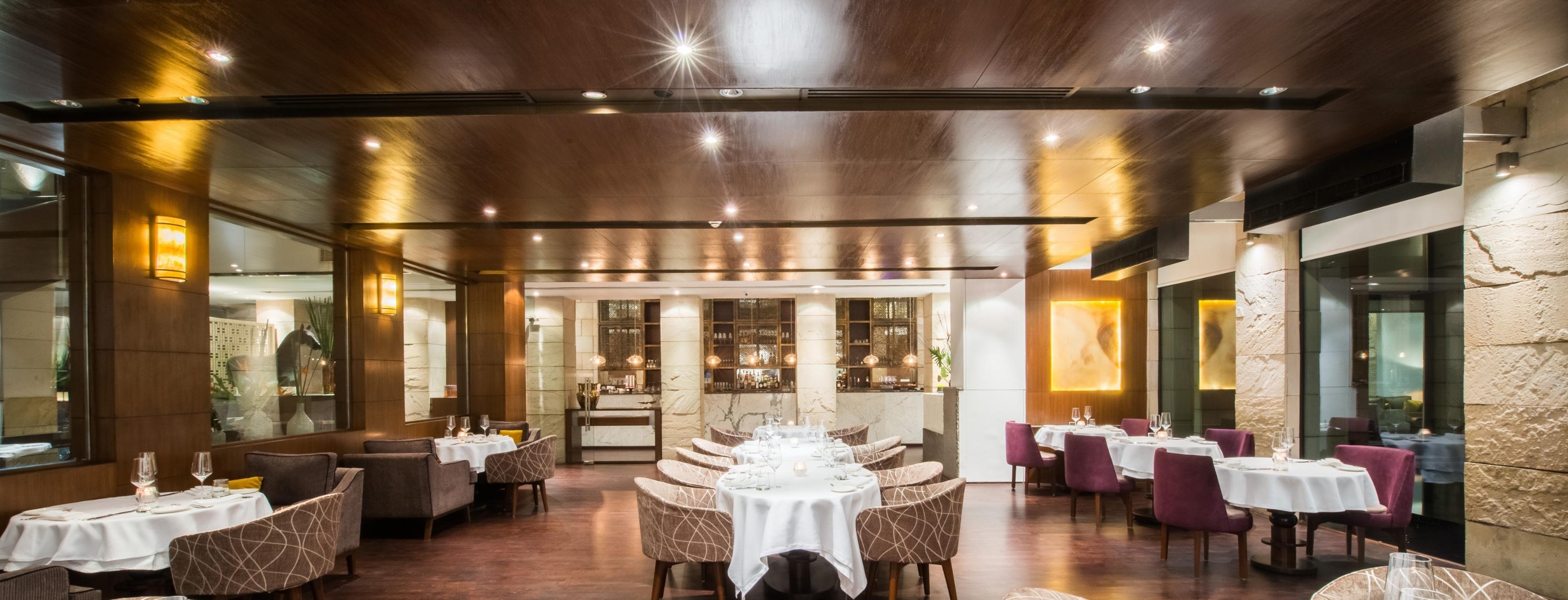
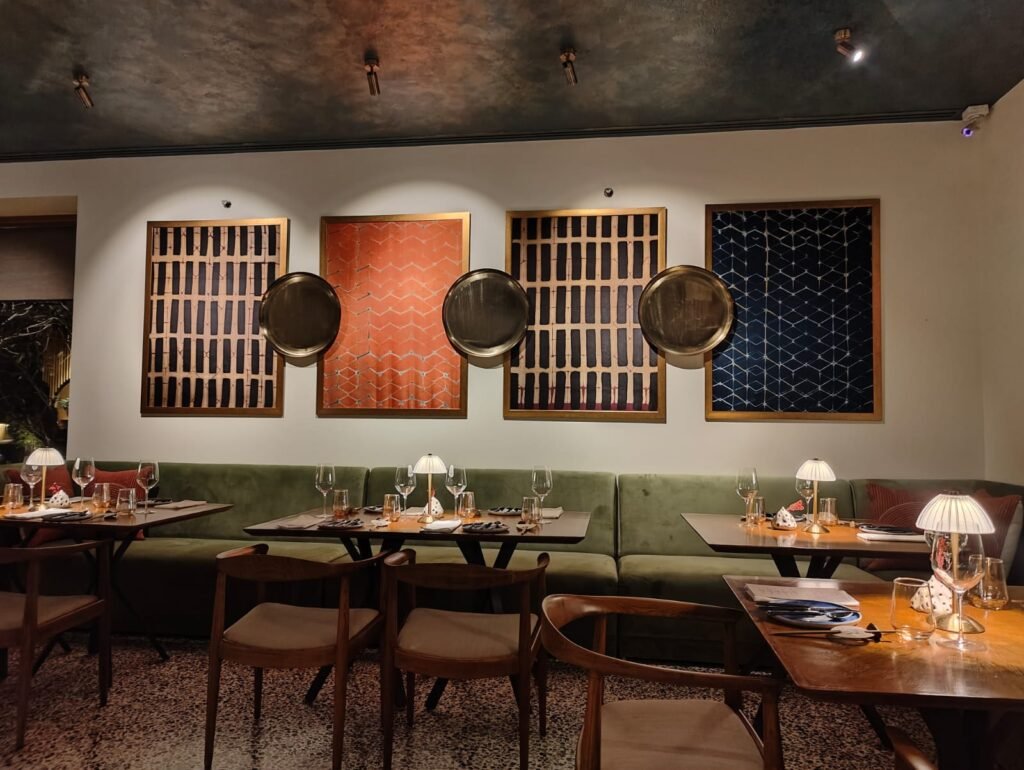
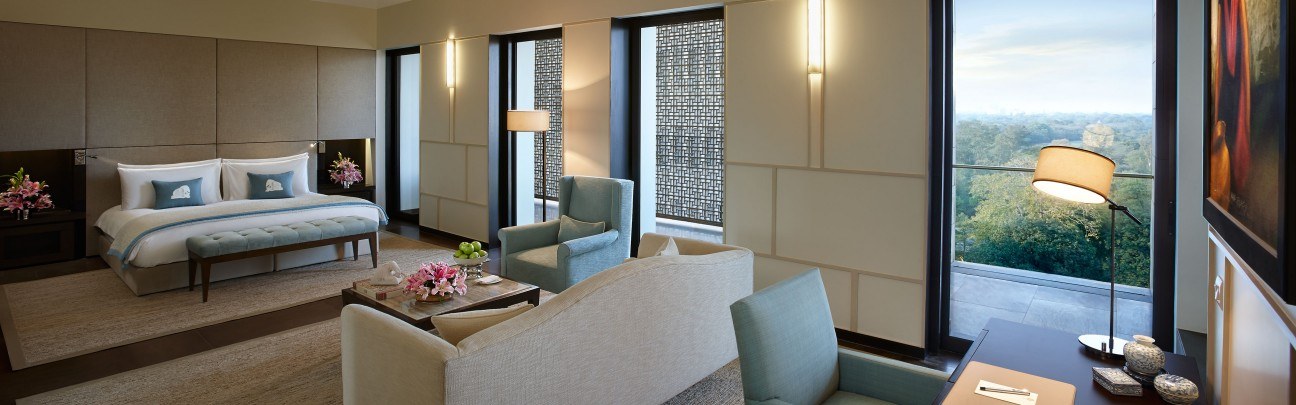
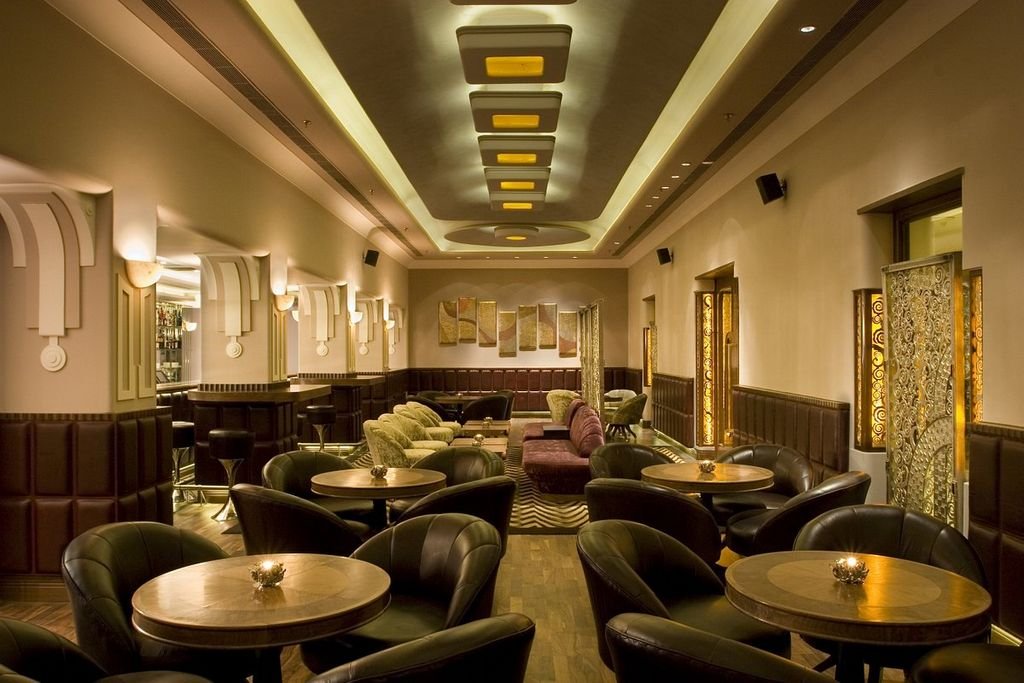
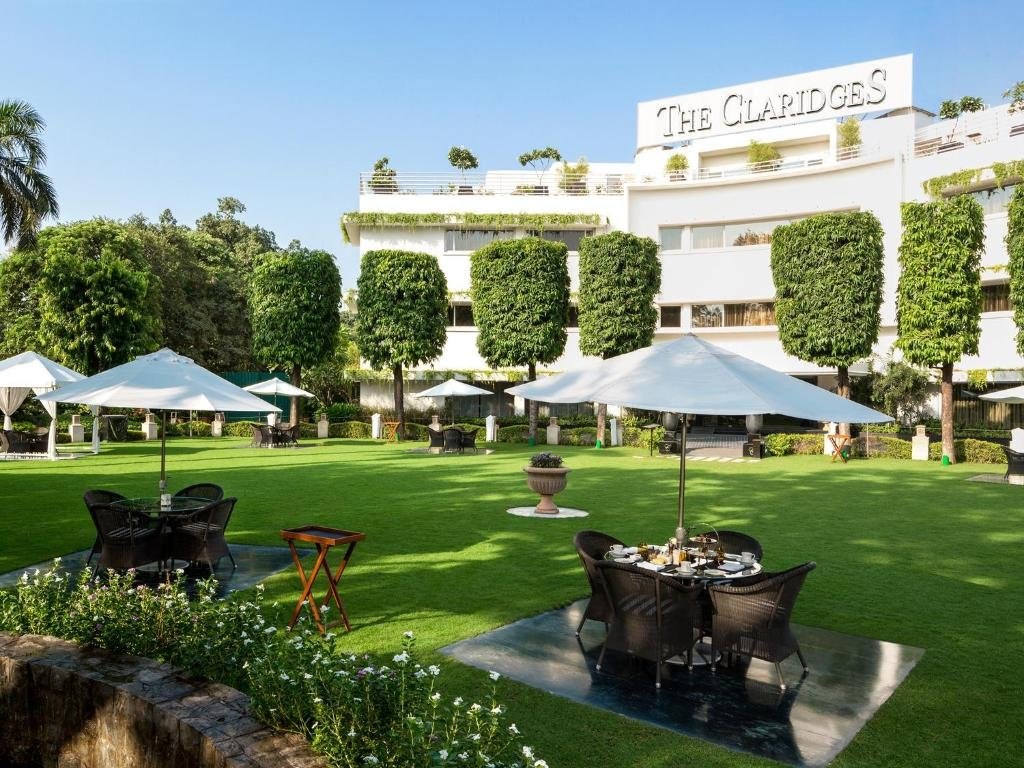
Contemporary dining room with marble flooring, crisp white tablecloths, floor-to-ceiling windows overlooking gardens, warm lighting with wood accents, sleek lines, and stone details; intimate yet refined atmosphere.
- Galautis with foie gras
- Pulled pork tacos
- Butter popcorn upma
- Duck khurchan
- Tamarind crab with coconut curry
- Khandvi ravioli
- John Dory moilee