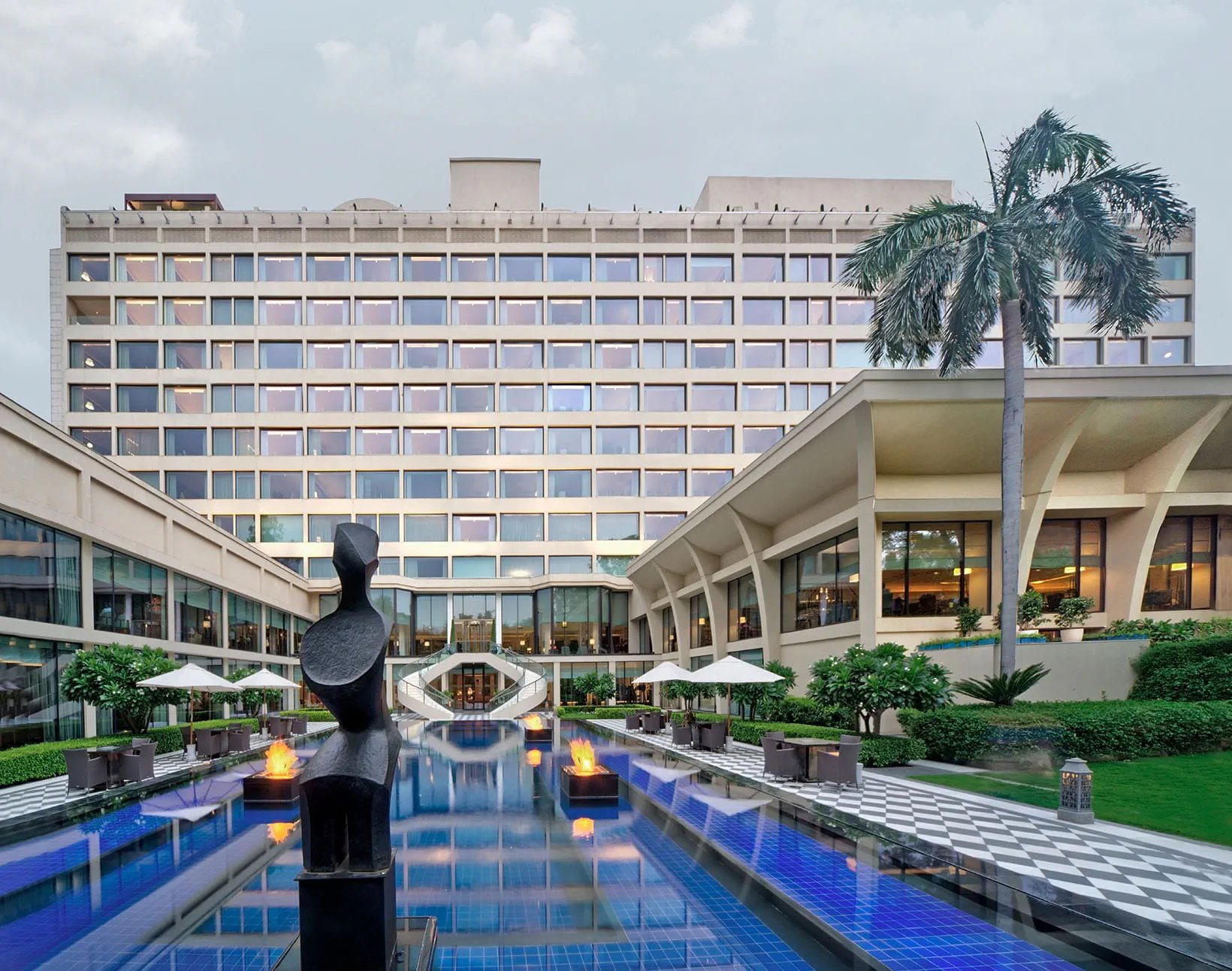
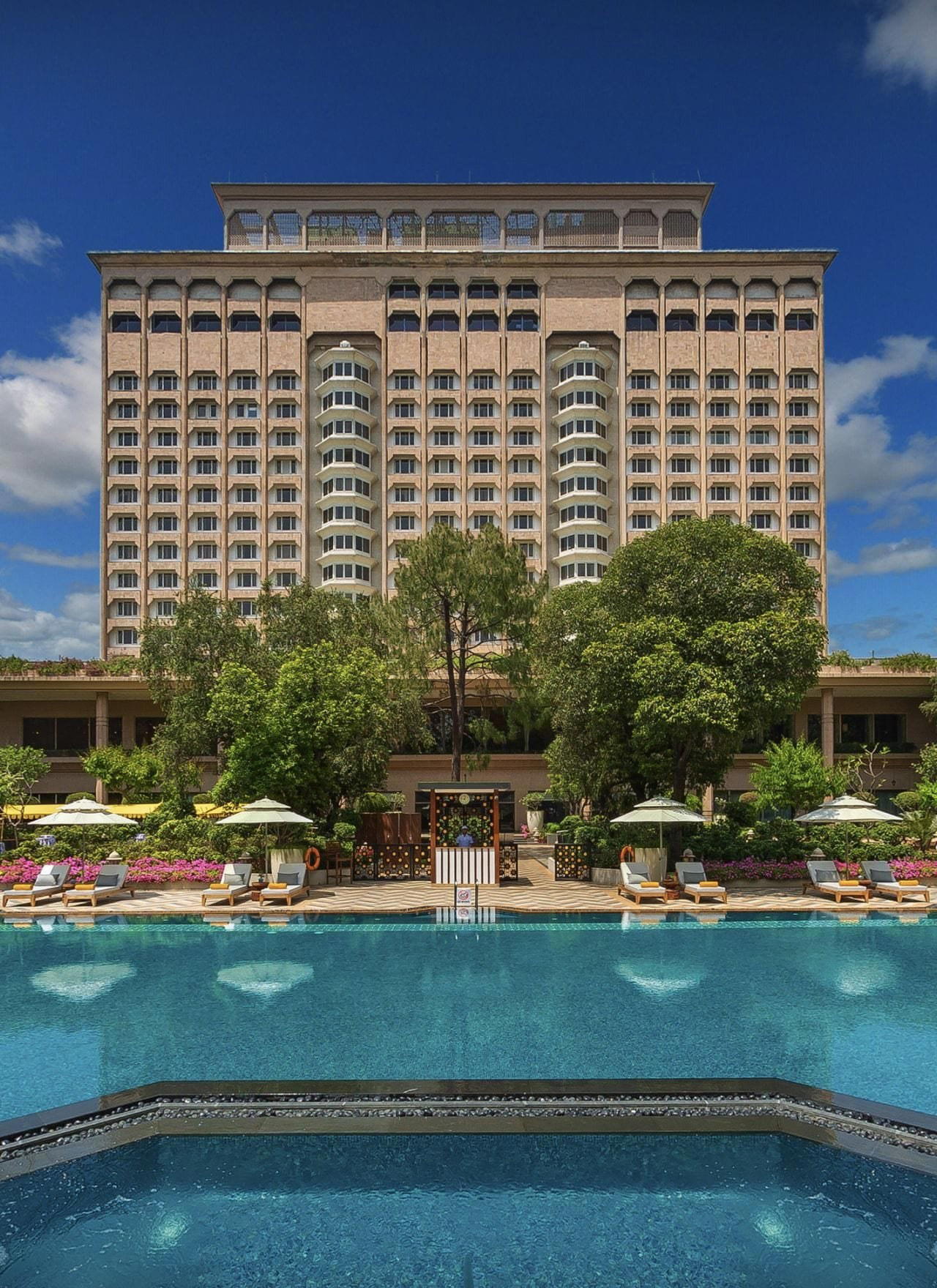
The Oberoi, New Delhi occupies a considered position on Dr Zakir Hussain Marg beside the Delhi Golf Club, where the city's diplomatic and business circuit has long measured hospitality against a particular standard. As one of the Oberoi Group's flagship urban properties, it represents the format in which Indian luxury hotel dining operates at its most formal and considered register. Reservations are advisable for dining outlets, particularly during the winter season when Delhi's social calendar peaks.
Pearl is the En Primeur Club membership app — saves, bookings, and concierge access live there. Same editors, same standards.
- Address
- Dr Zakir Hussain Marg, Delhi Golf Club, Golf Links, New Delhi, Delhi 110003, India
- Phone
- +91 11 2436 3030
- Website
- oberoihotels.com
- Directions
- Get directions
 Saves & bookings on Pearl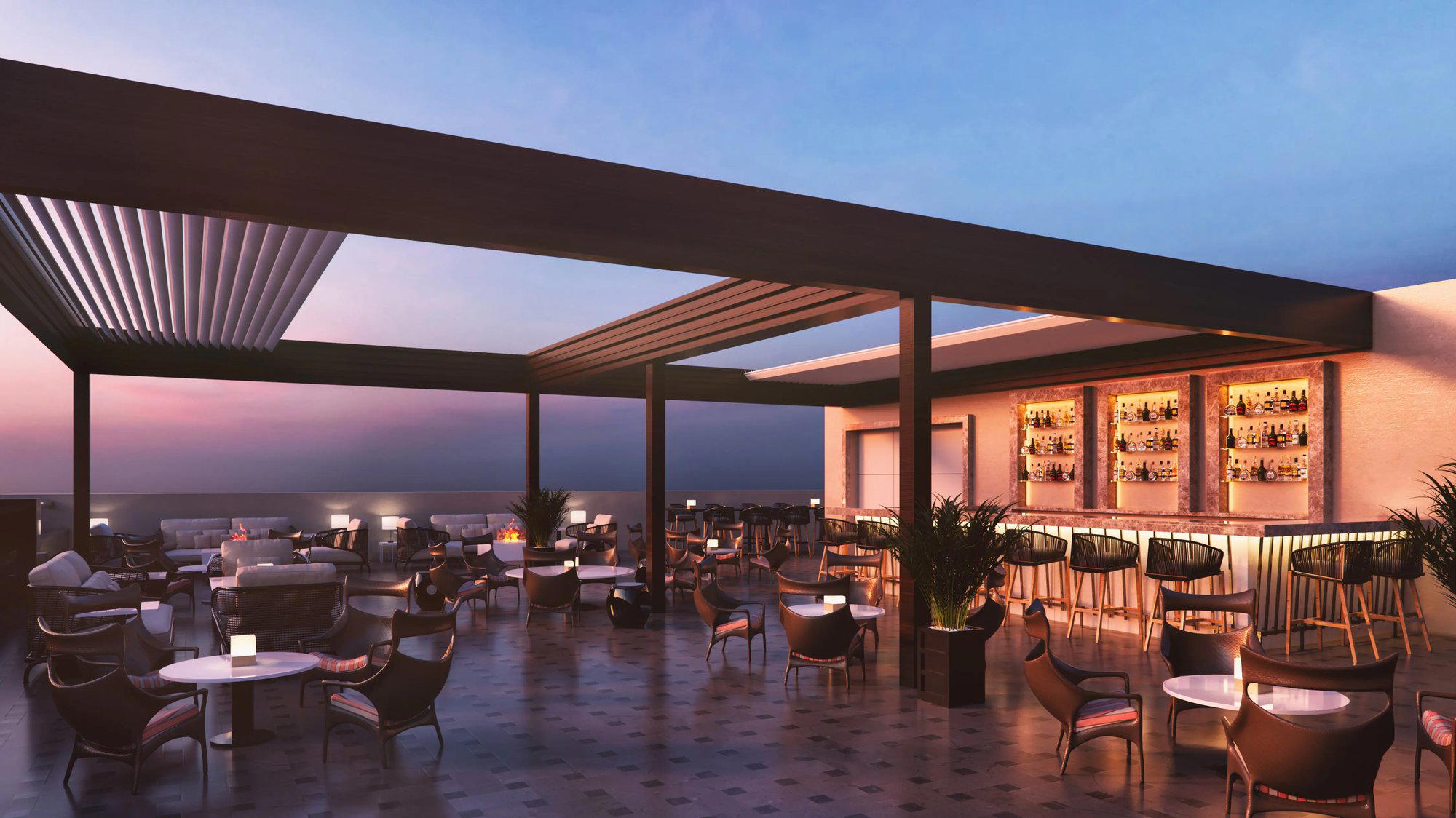
The Ritual of Arrival: Hospitality as Protocol
The Oberoi, New Delhi is a bar on Dr Zakir Hussain Marg in New Delhi, priced at about $50 per person, with a smart_casual dress code and recommended reservations. The approach to The Oberoi, New Delhi on Dr Zakir Hussain Marg, with the Delhi Golf Club greens on one side and the measured formality of the Golf Links neighbourhood on the other, establishes a register before you reach the lobby. This is not hospitality as spectacle. It is hospitality as protocol, in which each stage of the guest's entry is managed according to a sequence that the city's older hotels have refined over decades. That sequence carries weight in Delhi's social imagination in a way that no amount of interior renovation can replicate in a newer address.
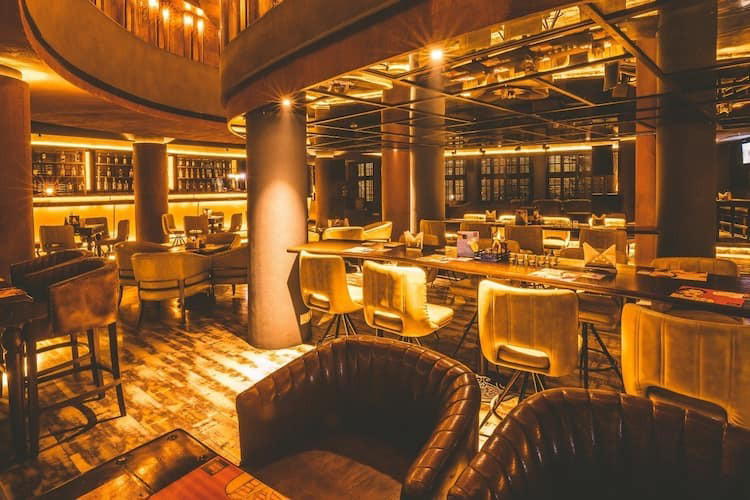
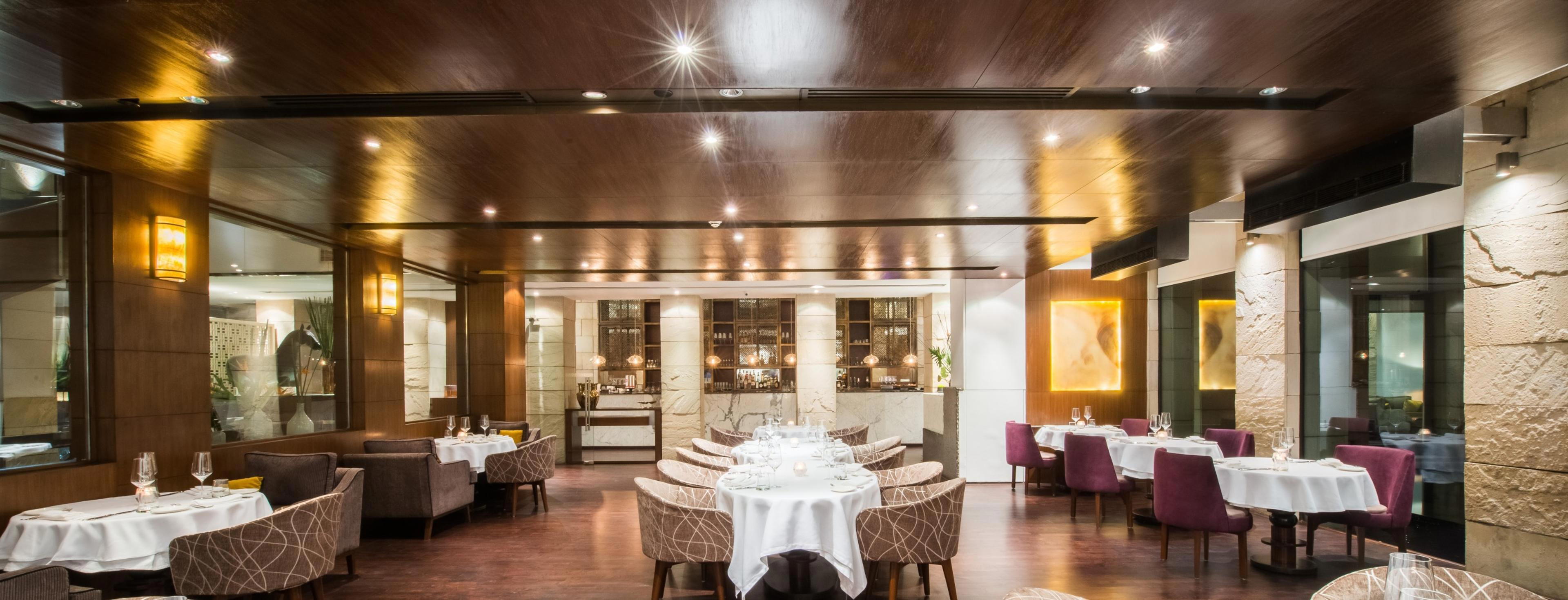
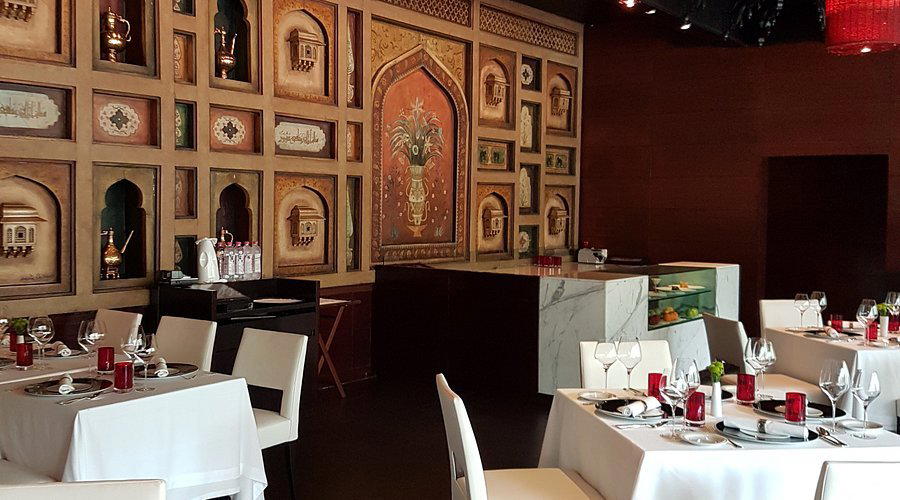
Delhi's luxury hotel dining operates on a different logic than standalone restaurant culture. At properties of this tier, the meal is not a discrete event but part of a longer choreography that begins at check-in and extends through every service touchpoint. The pacing of a dinner here reflects that broader discipline: courses arrive with the kind of measured spacing that signals kitchen confidence, and the floor team reads tables with the attentiveness that comes from years of working within a structured service hierarchy. That structure can feel formal to visitors accustomed to more casual contemporary formats, but it reflects a genuine hospitality tradition rather than an affectation.
Where Delhi's Hotel Dining Sits in the City's Wider Scene
Delhi's restaurant scene has diversified considerably over the past decade. Standalone venues like Indian Accent have demonstrated that Indian fine dining can operate outside the hotel frame, while neighbourhood venues from Hauz Khas Social to late-night addresses like 24/7 Bar have built a parallel city of food and drink that operates on entirely different terms. Against that backdrop, the senior luxury hotels occupy a specific and deliberately maintained niche. Their dining rooms are not competing with the standalone scene on creativity or informality; they are competing on consistency, on the depth of wine and spirits lists, and on the reliability of a service experience that a business traveller or visiting dignitary can count on across multiple visits.
The Oberoi Group's Delhi flagship is positioned within that niche at the upper end, alongside properties like the Taj Mahal Hotel on Man Singh Road. The comparison is instructive: both represent an era of Indian luxury hospitality in which the hotel was the primary venue for serious dining, and both continue to attract a clientele for whom that association remains meaningful. The difference between these properties and more recent international entrants to Delhi's luxury market is partly architectural, partly historical, and partly a question of how deeply embedded the property is in the city's institutional life. Embassies, corporates, and old Delhi families return to addresses like this not because nothing newer exists but because continuity itself carries value in certain contexts.
The Dining Room as Social Form
Understanding how to use a hotel of this kind productively requires treating the dining experience as a social form with its own internal logic. Business lunches at Delhi's senior hotels follow a rhythm that is distinct from both the working lunch at a casual address and the formal banquet. Arrival is expected a few minutes ahead of the reservation; the first conversation happens over drinks in a lounge or at the table before menus arrive; the pace of service is calibrated to accommodate extended conversation without allowing courses to cluster. For visitors joining Indian hosts, this format signals seriousness and respect in a way that a more casual venue would not.
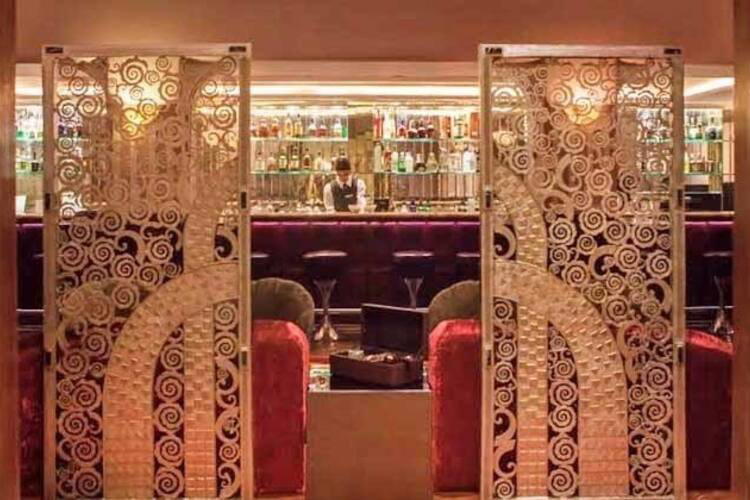
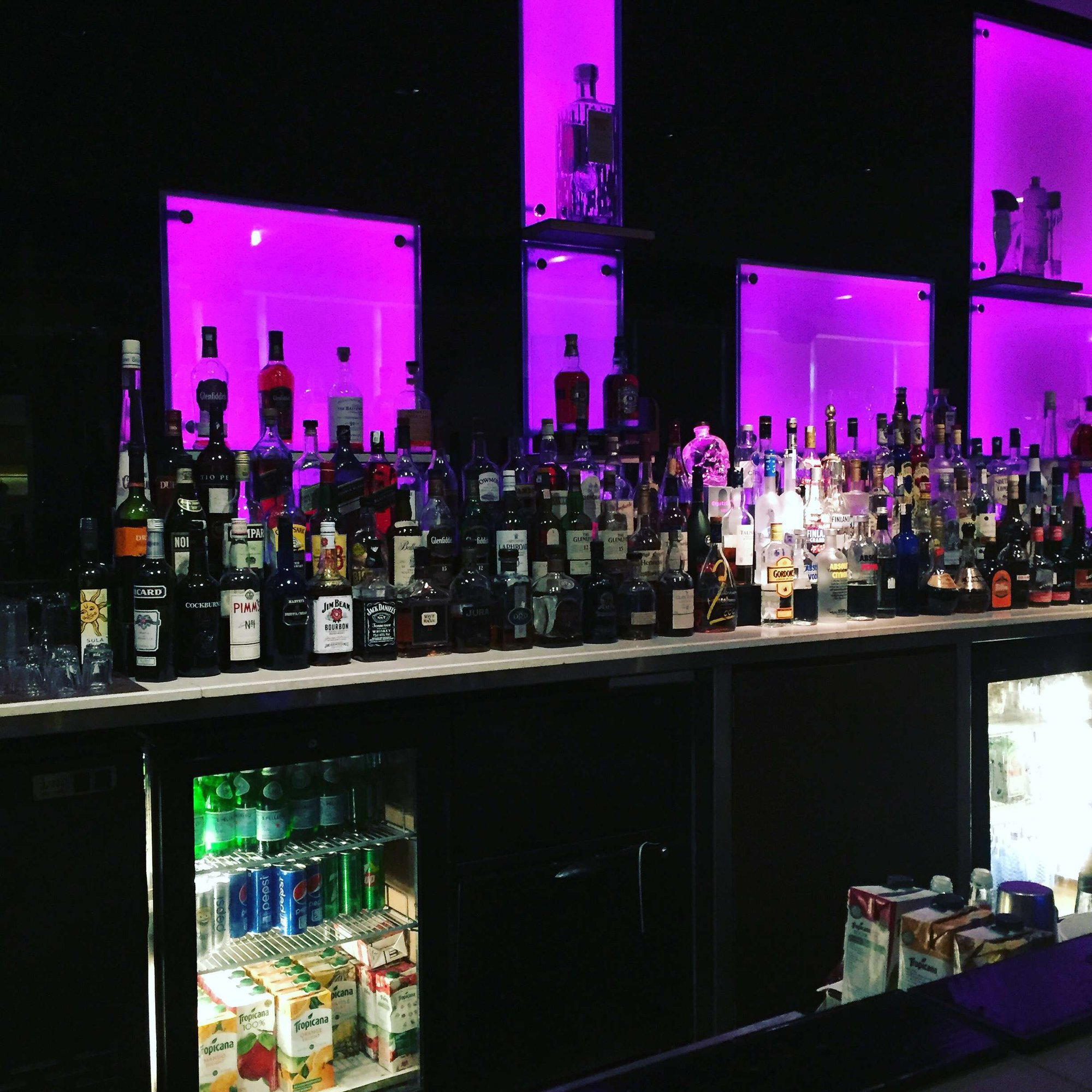
The bar offering at a property of this tier is worth treating as its own category. Delhi has developed a number of strong standalone drinking destinations, including Chandler's Burger Bistro for a different register entirely, but a well-stocked hotel bar with a trained spirits program remains one of the more reliable environments for a conversation that needs to run long and uninterrupted. The same logic applies across India: venues like AER Bar & Lounge in Mumbai, Aqua New Delhi, and Bar Spirit Forward in Bengaluru reflect a broader pattern in which hotel and resort drinking programs occupy a distinct position from the standalone bar scene, with different strengths in terms of service depth and spatial comfort.
Seasonal Timing and Practical Considerations
Delhi's dining calendar is sharply seasonal in a way that cities with more moderate climates are not. The October-to-March window is when the city's social life intensifies: the temperature makes outdoor terraces and courtyards viable, the conference and diplomatic season brings transient demand to the luxury tier, and the general energy of the city is at its most concentrated. Reservations for hotel dining outlets at properties of this standard are worth securing ahead of time during this period, particularly for weekend evenings and around major festival dates including Diwali, which typically falls in October or November. The summer months are quieter, and the monsoon season from June through September brings a different character to the city that affects dining patterns across the board.
For readers building a broader picture of Delhi's hospitality and dining scene, our full Delhi restaurants guide maps the city across price points and formats. For those extending their India itinerary, the same senior hospitality logic applies at properties across the subcontinent, from Bar Outrigger in Goa and Tesouro in Colvá to Copitas in Bangalore. And for those comparing hotel hospitality formats across a wider arc, Bar Leather Apron in Honolulu offers an instructive contrast in how a different regional hospitality tradition handles the same balance of formality and welcome.
Cuisine and Awards Snapshot
Comparable venues nearby, for context on price, style, and recognition.
| Venue | Cuisine | Price | Notes |
|---|---|---|---|
| The Oberoi, New DelhiThis venue — the venue you are viewing | rooftop_bar | $$$$ | Not listed |
| Kitty Su Pop's up at The LaLiT New Delhi | hotel_bar | $$$$ | Connaught Place |
| The Flying Saucer QBA Bar In Connaught Place | lounge | $$ | Connaught Place |
| 24/7 Bar | hotel_bar | $$$ | Connaught Place |
| Hauz Khas Social | lounge | $$ | Hauz Khas Village |
Continue exploring
More in Delhi
Restaurants in Delhi
Browse all →
At a Glance
- Elegant
- Sophisticated
- Scenic
- Date Night
- Special Occasion
- Rooftop
- Panoramic View
- Hotel Bar
- Lounge Seating
- Outdoor Terrace
- Craft Cocktails
- Skyline
- Garden
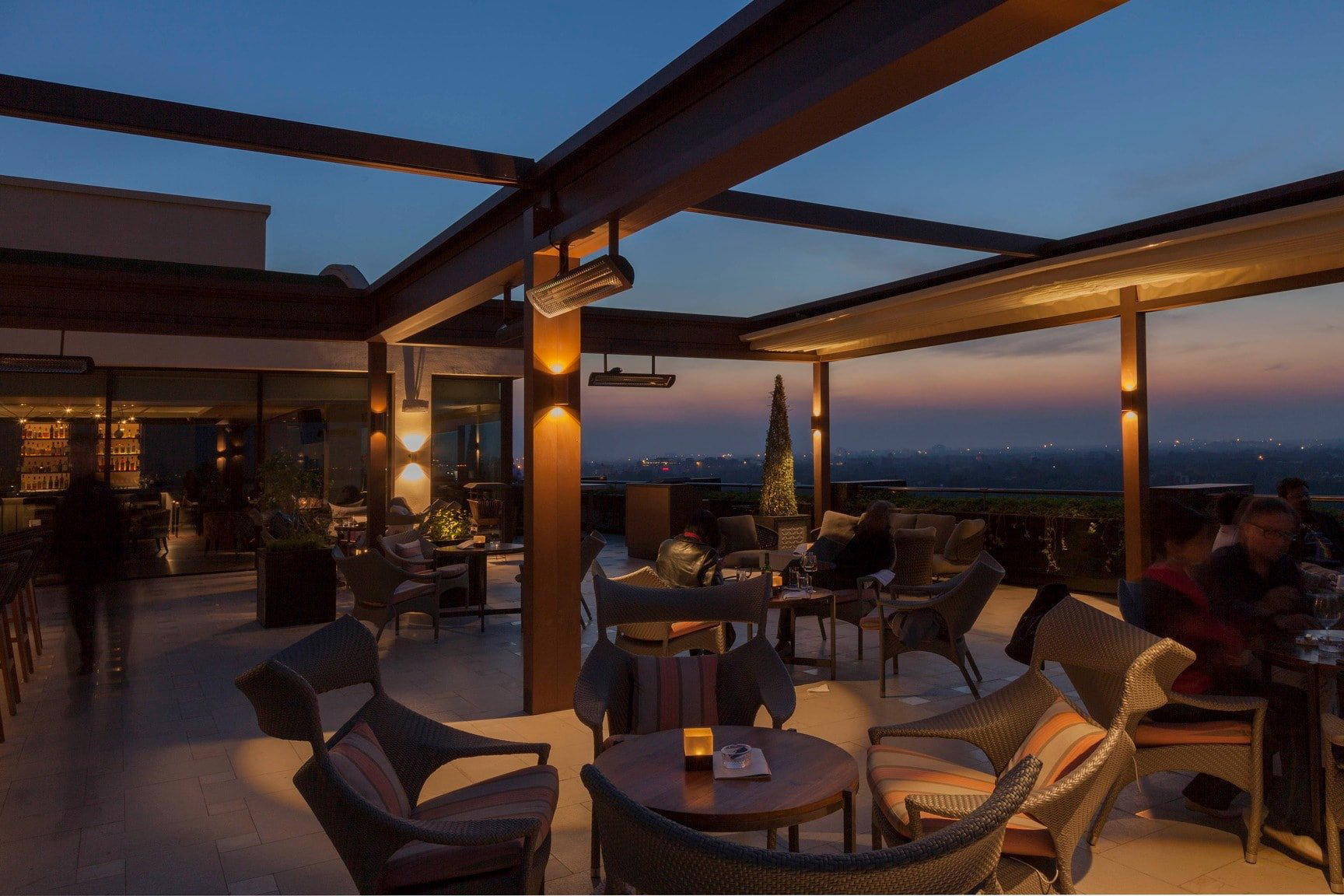
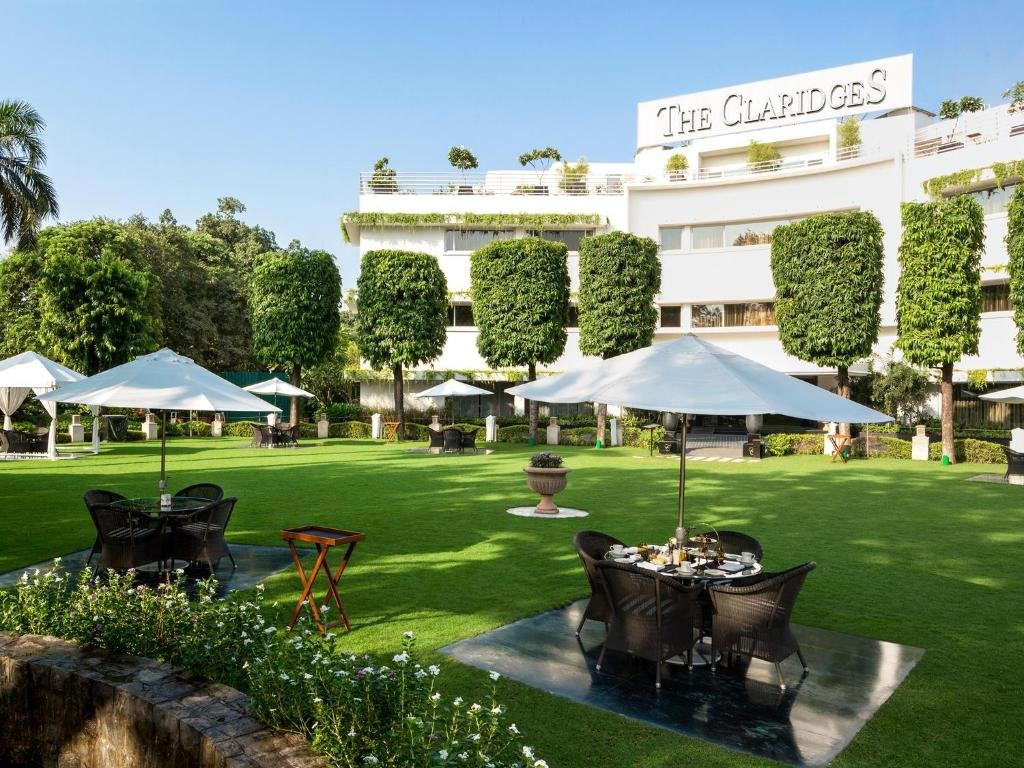
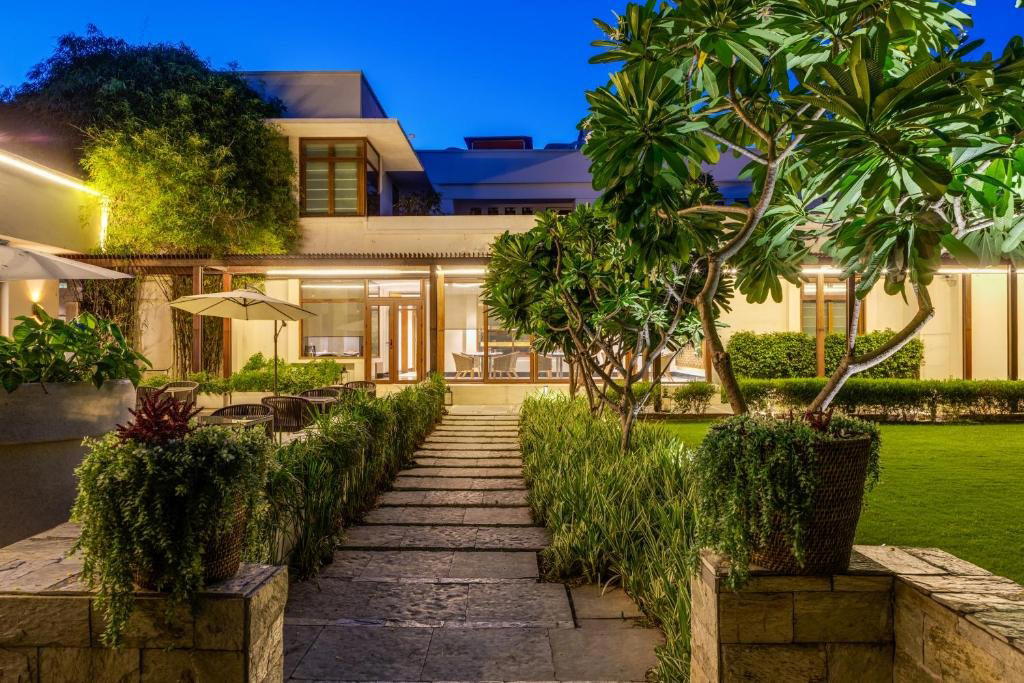
Al fresco rooftop with bird’s eye views of New Delhi, golf course, and Humayun's Tomb, featuring warm hospitality, curated music, and a fashionable drawing-room-like atmosphere.