



2 Michelin Keys · La Liste Top Hotels · Virtuoso Luxury Hotel Partner
Operating from its Janpath address since 1936, The Imperial New Delhi occupies a different tier from the city's newer luxury entrants. Its Victorian, Art Deco, and Lutyens' architecture frames 229 rooms, a collection of over 5,000 original artworks, and public spaces including the 1911 Bar that have shaped Delhi's social calendar for nearly a century. La Liste ranked it at 92 points in 2026.

Pearl is the En Primeur Club membership app — saves, bookings, and concierge access live there. Same editors, same standards.
- Address
- Janpath Ln, Janpath, Connaught Place, New Delhi, Delhi 110001
- Phone
- +91 11 4150 1234
- Website
- theimperialindia.com
- Directions
- Get directions
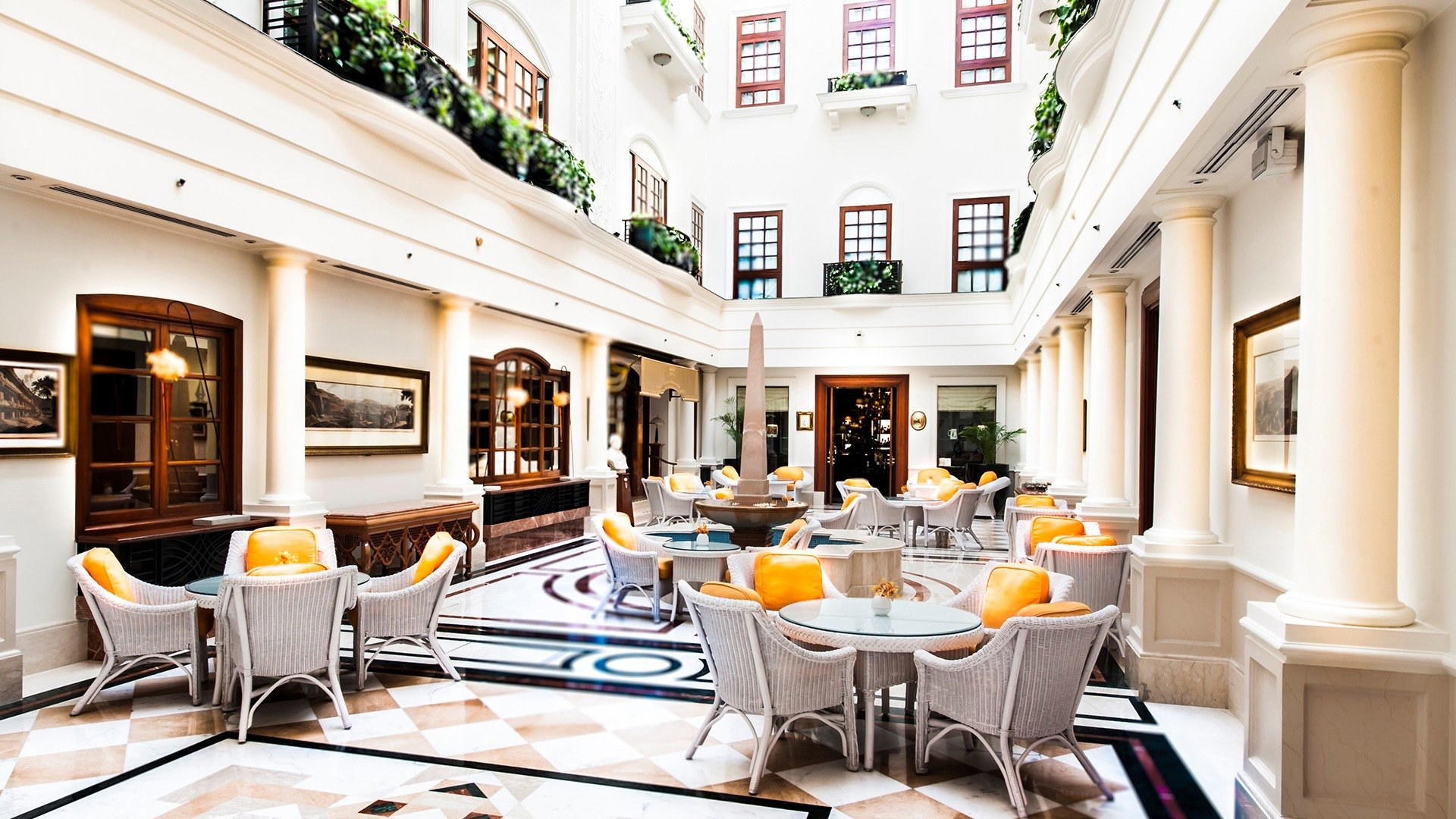
Janpath, Then and Now
Some addresses carry weight that no amount of renovation or rebranding can manufacture. Janpath, formerly Queensway under the British administration, was laid out as part of Lutyens' master plan for New Delhi, designed to project permanence and civic authority. The Imperial has occupied its eight-acre plot on that road since 1936, and the address still works in its favour in ways that newer properties in the capital cannot easily replicate. Government ministries, the India Gate corridor, and Connaught Place's commercial core sit within reach, which explains why the hotel has functioned as Delhi's default venue for political meetings, diplomatic receptions, and high-stakes business encounters across successive decades. The International Airport is roughly a 30-minute drive away, making arrival logistics direct without requiring a peripheral location.
That positioning distinguishes The Imperial from properties that trade on distance, greenery, or escape from the city. This hotel does not pretend to be outside Delhi. It sits at the centre of the capital's administrative geography and treats proximity to power as a feature rather than a complication. For travellers whose Delhi itinerary involves the National Museum, Rajpath, or meetings near South Block, the address removes the calculation entirely.
Architecture as Argument
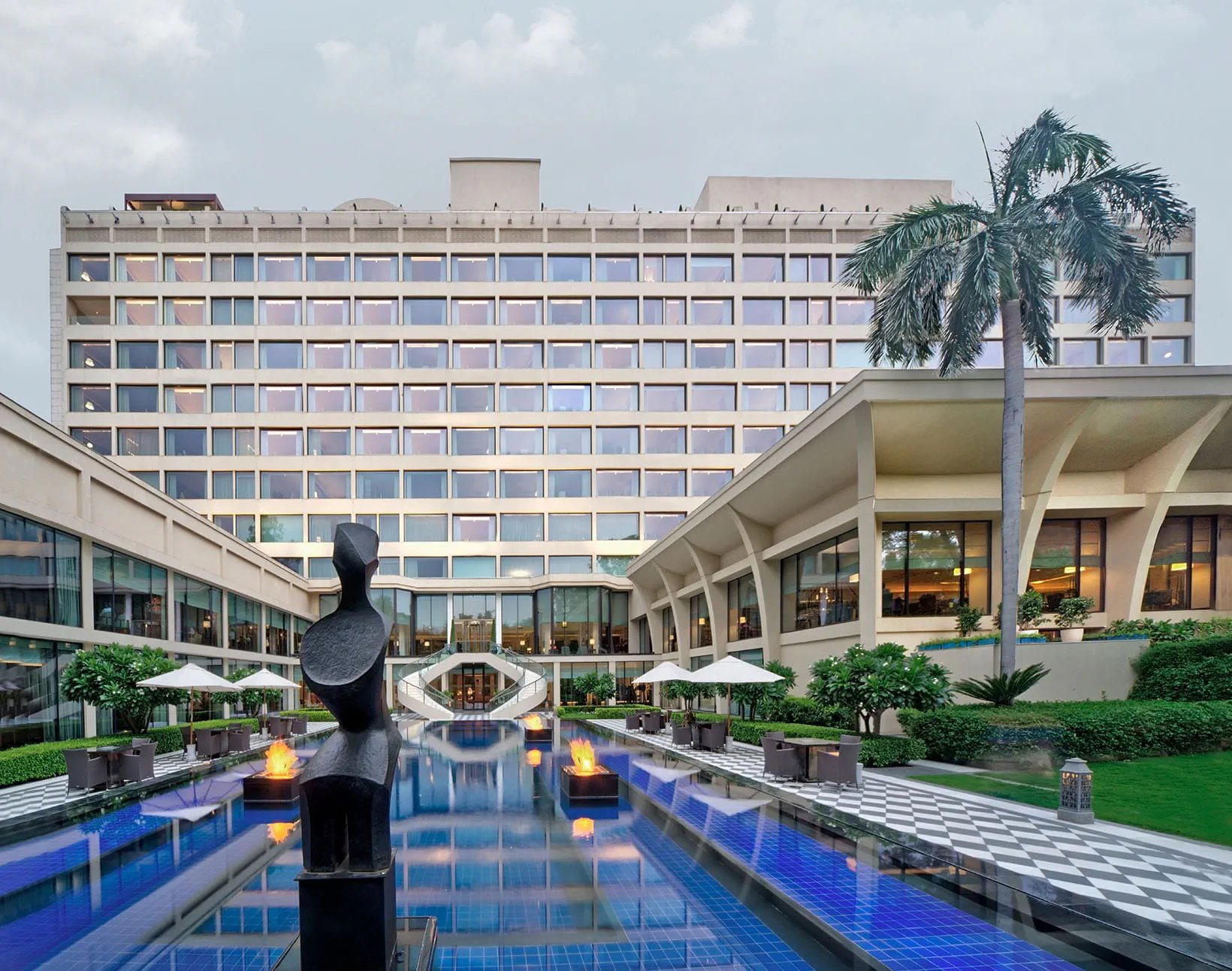
Grand hotels that opened in the 1930s across Asia drew on several competing influences, and the result at The Imperial is a layered conversation between Victorian formalism, Art Deco detailing, and the Lutyens' idiom that defined New Delhi's planned districts. The building was designed by an associate of Sir Edwin Lutyens, which anchors it architecturally to the same project that produced the Secretariat buildings and the President's Estate. That lineage is not merely decorative. It means the hotel's proportions, its colonnaded veranda, and its relationship to open space reflect the same planning logic as the monuments that visitors travel to see.
Delhi's luxury hotel sector has grown considerably since liberalisation, with newer entrants like The Leela Palace New Delhi, The Lodhi, and The Oberoi, New Delhi offering contemporary luxury in purpose-built or extensively modernised buildings. The Imperial occupies a different competitive position: it is a historic structure that has been maintained rather than replaced. The Claridges New Delhi and Taj Mahal, New Delhi share heritage credentials to varying degrees, but the physical coherence of The Imperial's original architecture across its public spaces gives it a specific claim on this category. The marble colonnades, hand-knotted Persian carpets, and the veranda that catches the garden light in the morning are not recreations. They are the original fabric.
The Art Collection as Context
Heritage luxury hotels across Asia increasingly position art as a differentiator, but the scale and provenance of The Imperial's collection sets a specific benchmark. Over 5,000 original artworks from the 17th and 18th centuries are distributed across common areas, floors, and guest accommodations. This is not a curated selection of contemporary commissions placed to signal cultural alignment. The works predate the hotel itself and document the period when the subcontinent was the subject of intense European artistic and documentary interest. Walking the corridors is a compressed survey of that era's visual record, which adds a layer of content to the building that no amount of interior design budget can replicate. La Liste's 2026 ranking awarded the hotel 92 points, which places it among the recognised upper tier of Indian luxury properties, and the art collection is part of what distinguishes the product at that level.
Rooms, Public Spaces, and Where the Reputation Sits
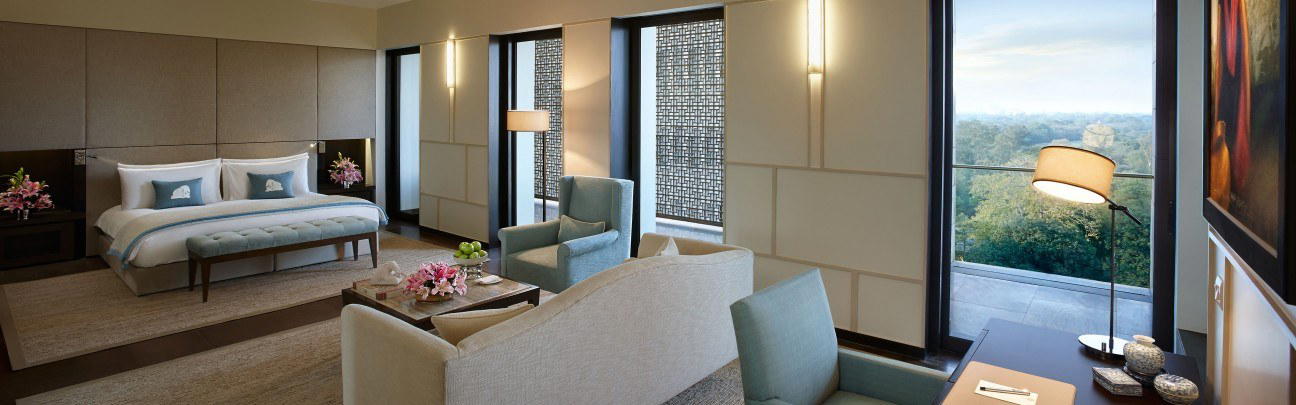
The hotel operates 229 rooms across a range of styles, from traditionally furnished English-inflected interiors to a more contemporary Art Deco interpretation. Amenities in the rooms draw on international luxury suppliers, with Porthault linens and Fragonard bath products noted among the fixtures. Rates from approximately $418 per night position The Imperial at the upper end of the Delhi market, though marginally below the pricing of some newer five-star entrants in the city.
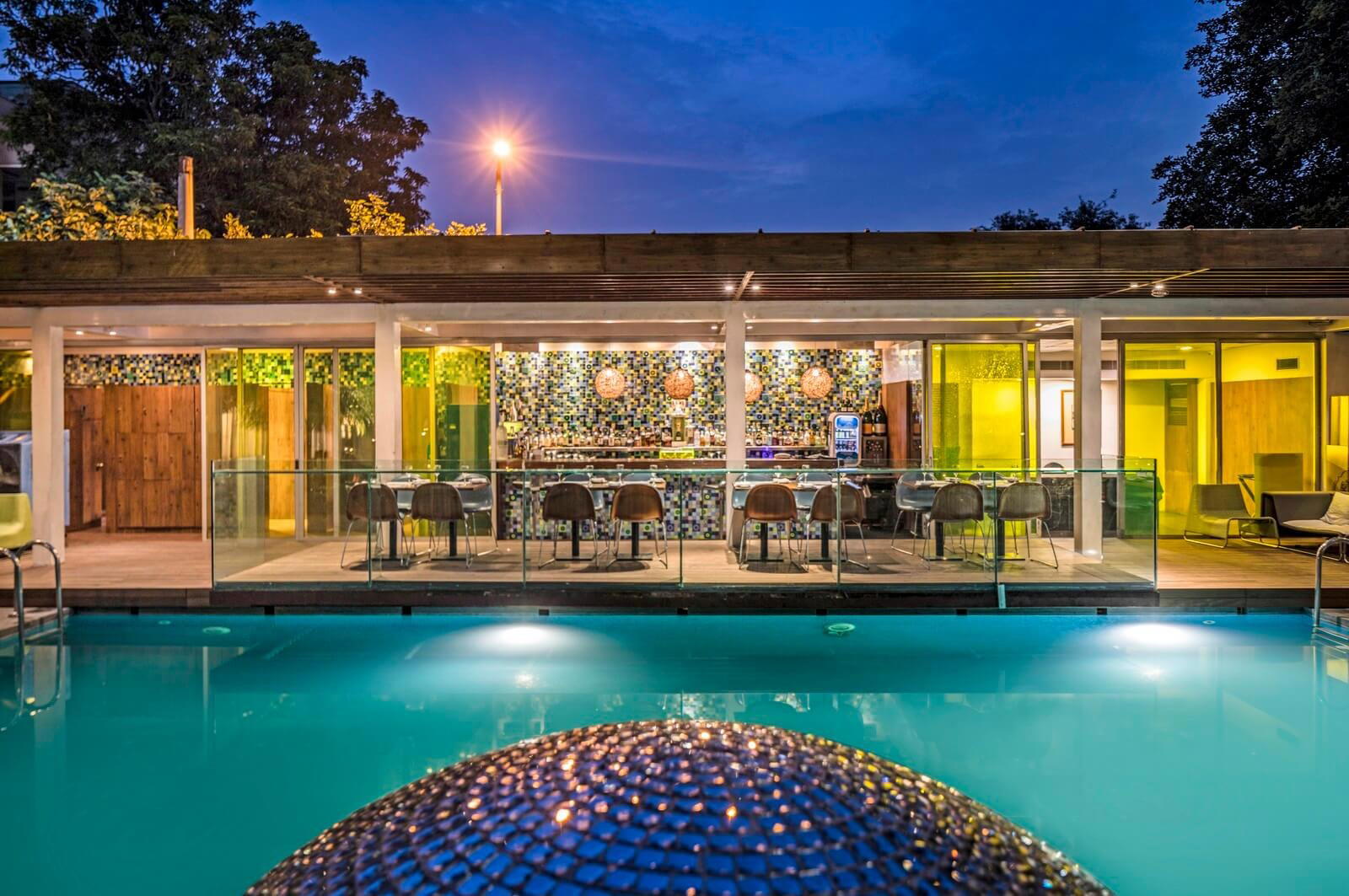
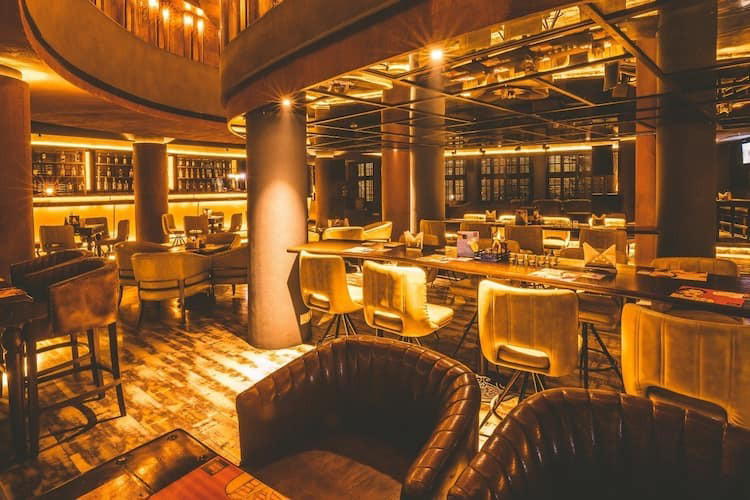
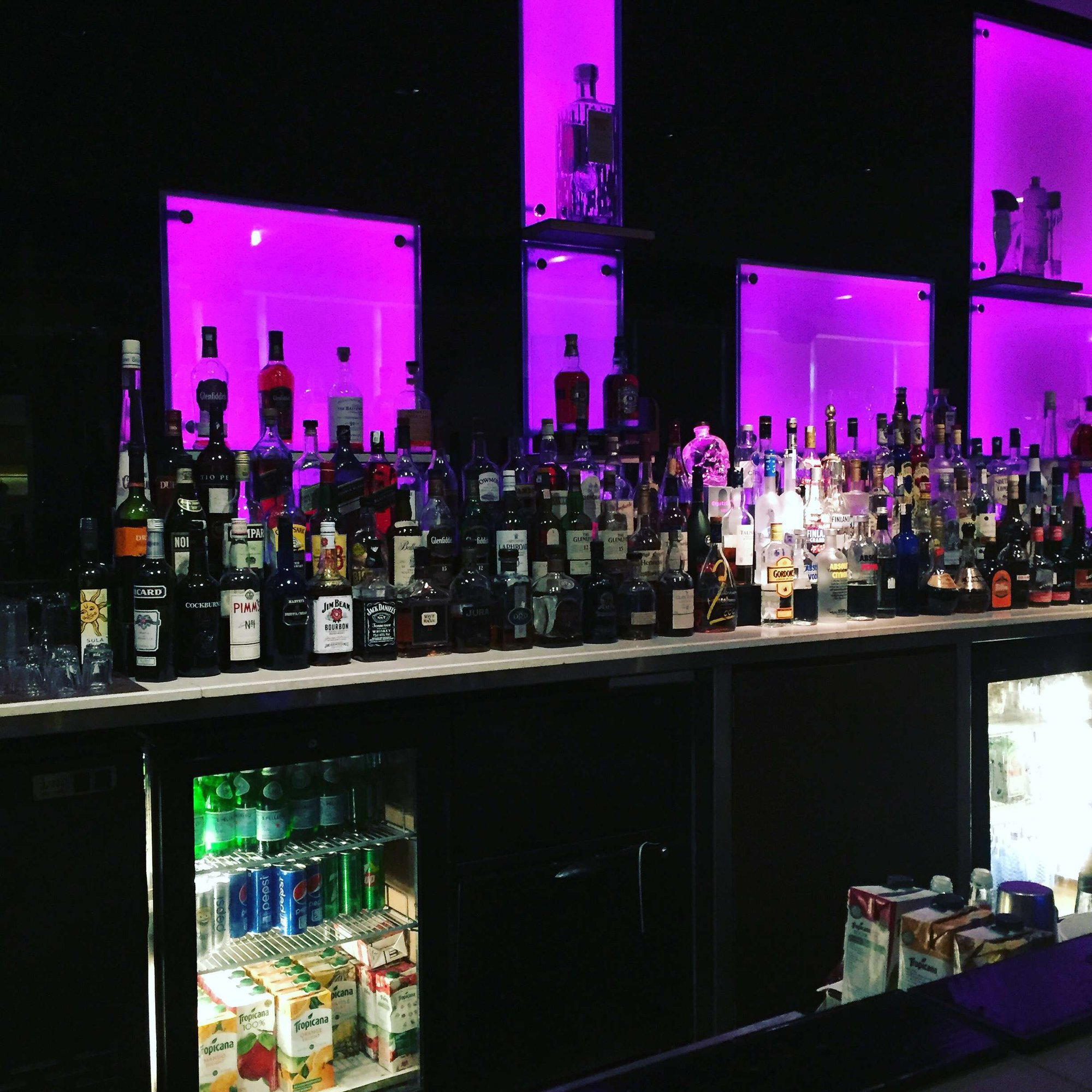
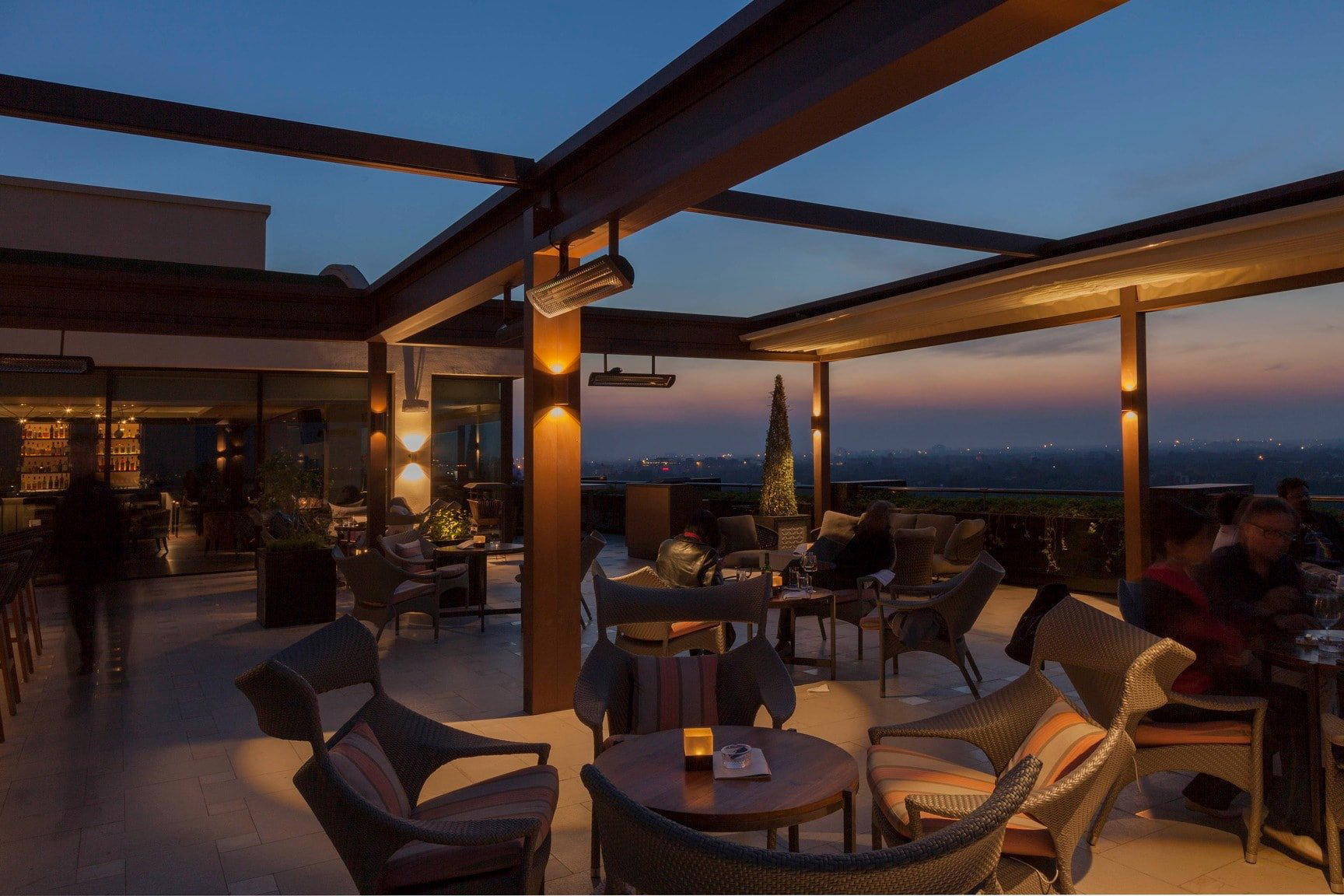
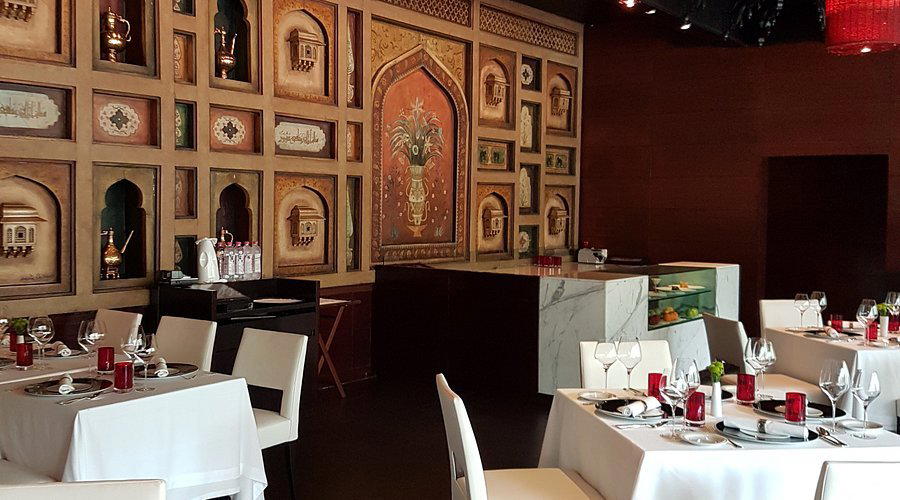
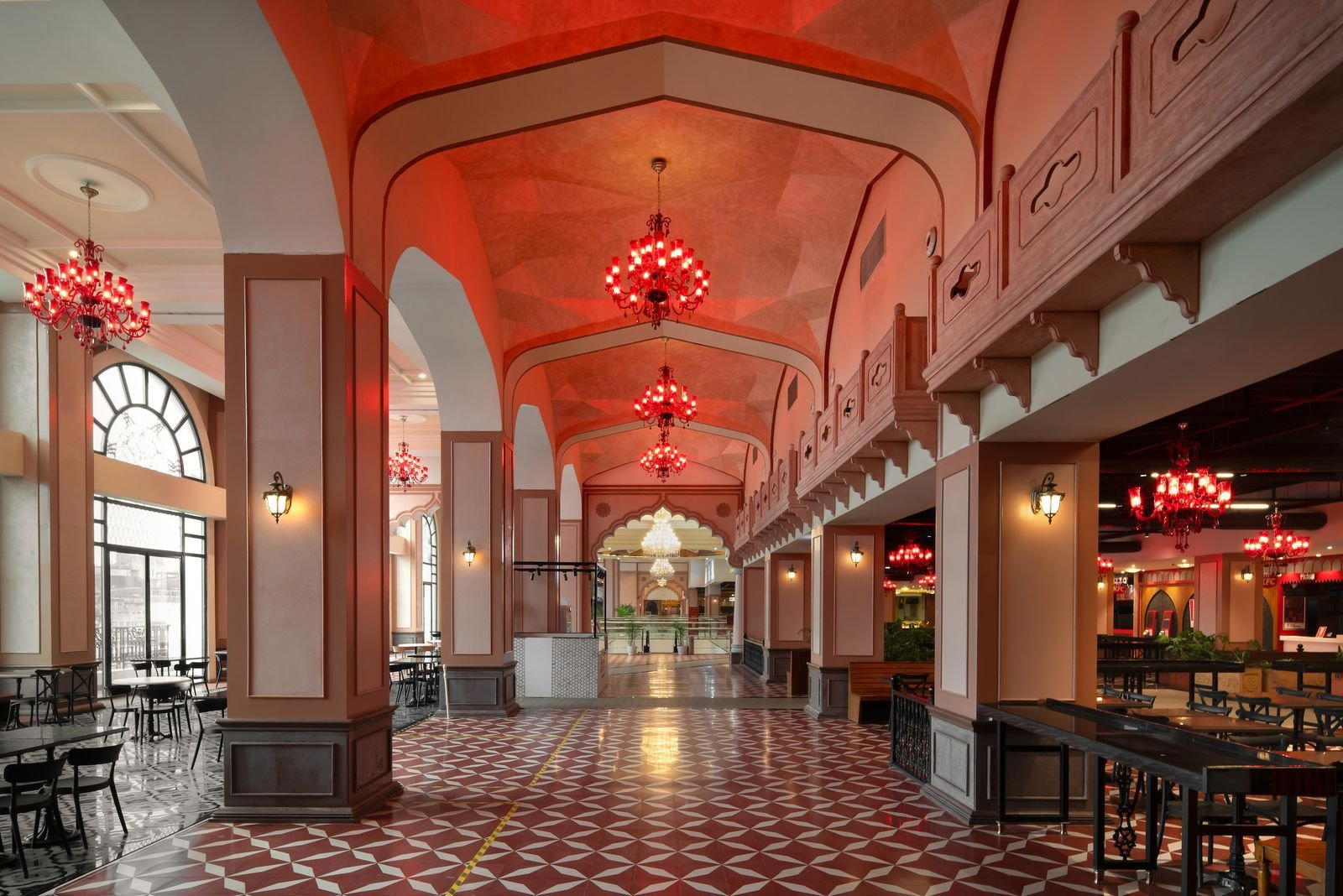
The more revealing measure of the hotel's character is its public spaces. The 1911 Bar, the veranda, and the dining rooms have operated as social infrastructure for Delhi's elite and its visiting dignitaries since the hotel opened. These are not lobby amenities designed to hold guests until their room is ready. They are the reason certain guests book the hotel in the first place. The outdoor swimming pool and spa extend the hotel's offer toward the urban resort model, meaning a guest who never leaves the eight-acre grounds has access to a complete range of facilities. That self-contained quality matters in a city where movement between districts involves real time and effort.
For travellers planning wider itineraries across northern India, The Imperial functions well as a base for trips that extend toward Rajasthan or the Golden Triangle. The Leela Palace Jaipur in Jaipur and Amanbagh in Ajabgarh are logical continuations for guests moving into Rajasthan, while The Oberoi Amarvilas in Agra covers the Taj Mahal corridor. Those looking for a more immersive rural contrast might consider Suján Jawai in Pali. The Imperial's Janpath address, as a Leading Hotels of the World member, provides a coherent anchor for any of these extensions.
Within Delhi itself, Haveli Dharampura in Delhi offers a completely different register for travellers interested in the Old City. The Manor New Delhi and The Ultimate Travelling Camp represent further alternatives for guests whose priorities differ from heritage scale. Our full New Delhi restaurants guide covers the dining options that complement a stay in Connaught Place.
For those comparing the Imperial's heritage model against luxury grand dames in other global cities, the structural parallels are worth considering. Properties like The Fifth Avenue Hotel in New York City and Aman Venice in Venice inhabit similar intersections of historic fabric and contemporary luxury operation, each shaped by the specific architectural and social history of their address.
Planning a Stay
The Imperial sits on Janpath in Connaught Place, a central location that makes it walkable to a number of Delhi's key reference points and easily accessible from the rest of the city. The airport drive runs approximately 30 minutes under normal traffic conditions, though Delhi traffic can extend that considerably at peak times, so early morning arrivals or late evening returns are worth scheduling with margin. The hotel's membership in Leading Hotels of the World means the booking process integrates with that consortium's reservation platform, which can be useful for travellers who accumulate status or benefits within that network. At a base rate of around $418 per night across its 229 rooms, the hotel occupies a competitive position relative to Taj Palace, New Delhi and other central luxury properties, though specific room category pricing varies. Guests focused on the public spaces, the art collection, and Delhi's administrative district will find the address does consistent work across the duration of a stay.
| Venue | Price | Awards |
|---|---|---|
| The Imperial New DelhiThis venue — the venue you are viewing | $300–500 | 2 Michelin Keys · La Liste Top Hotels |
| The Leela Palace New Delhi | Not listed | 2 Michelin Keys · La Liste Top Hotels |
| Taj Mahal, New Delhi | Not listed | 1 Michelin Key · Virtuoso Luxury Hotel Partner |
| Taj Palace, New Delhi | $300–500 | La Liste Top Hotels · Virtuoso Luxury Hotel Partner |
| The Claridges New Delhi | Not listed | Michelin Selected · Preferred Hotels L.V.X. Collection |
| The Lodhi | Not listed | 1 Michelin Key · Mr & Mrs Smith Seal of Approval |
Recognition history
Dated appearances from independent guides and award organizations, with the underlying list record or original source where available.
Michelin 2 Keys
Michelin
La Liste Top Hotels
La Liste
Virtuoso Luxury Hotel Partner
Virtuoso
Leading Hotels of World Member
Leading Hotels of World
Full recognition history (5 entries)
Michelin 2 Keys
Michelin
Continue exploring
More in New Delhi
Hotels in New Delhi
Browse all →

Details
- Elegant
- Sophisticated
- Classic
- Well Known
- Romantic Getaway
- Business Trip
- Anniversary
- Celebration
- Historic Building
- Garden
- Destination Spa
- Private Dining
- Terrace
- Wi Fi
- Pool
- Spa
- Fitness Center
- Room Service
- Concierge
- Business Center
- Valet Parking
- Restaurant
- Bar
- Garden
- Wheelchair Accessible
- Elevator
- Accessible Restroom
- Accessible Parking
Sophisticated and serene with classical elegance; the property features dark wood paneling, stained-glass details, and manicured gardens that create a tranquil retreat despite the central location. Warm, attentive service and refined public spaces evoke old-world luxury.