Dramz Delhi occupies a striking position near the Qutub Minar in Mehrauli, one of Delhi's most historically layered neighbourhoods. The setting frames a drinking and dining experience shaped by the area's Mughal-era atmosphere, placing it among a small cohort of venues that trade on architectural context as much as the menu. For visitors moving between Delhi's monument circuit and its restaurant scene, Mehrauli offers a distinct alternative to the capital's hotel-bar corridor.
Pearl is the En Primeur Club membership app — saves, bookings, and concierge access live there. Same editors, same standards.
- Address
- 1580/1, KD Marg, Near Qutub Minar, Mehrauli, New Delhi, Delhi 110030, India
- Phone
- +91 93110 22419
- Website
- dramz.in
- Directions
- Get directions
 Saves & bookings on Pearl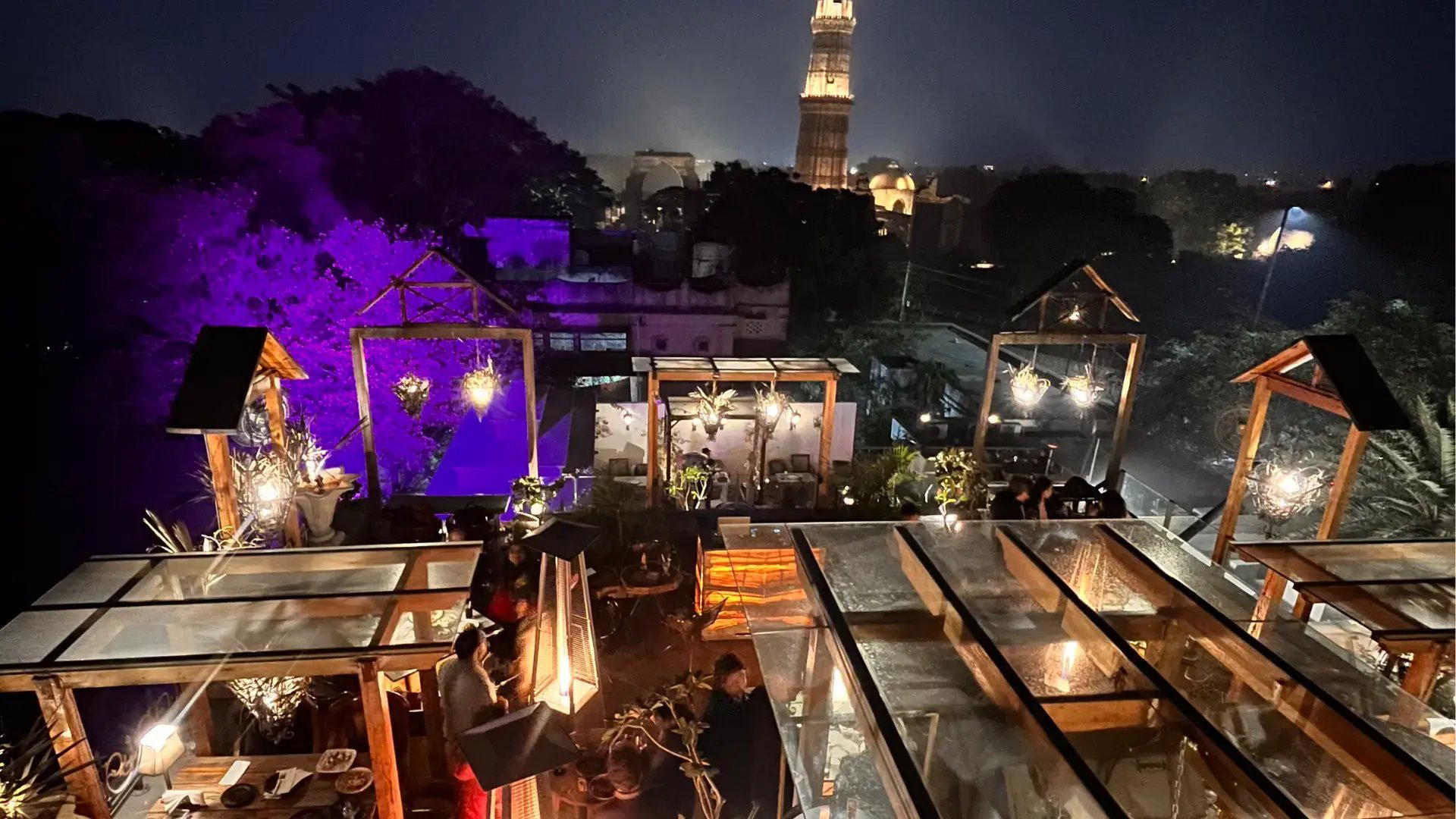
Mehrauli After Dark: Where Delhi's Monument Quarter Meets Its Bar Culture
The road that runs past the Qutub Minar after sunset carries a different quality than most of Delhi. The minaret's floodlit silhouette sits above a neighbourhood that predates Mughal rule by centuries, and the restaurants and bars that have opened in its shadow operate with that context pressing in, whether they acknowledge it or not. Dramz Delhi, at KD Marg in Mehrauli, is a restaurant in Delhi known for its multi-cuisine fine dining with North Indian and European influences, located near Qutub Minar.
Mehrauli's emergence as a dining destination reflects a broader pattern in how Delhi's restaurant geography has shifted over the past decade. South Delhi's monument belt, long treated as a tourist transit zone rather than a residential dining address, has attracted a wave of venues that depend on atmosphere and setting rather than sheer footfall. Dramz fits that template, drawing from a crowd that moves between the area's historic ruins, its upscale residential pockets, and its increasingly curated hospitality options.
The Ritual of the Meal in a Setting That Does the Work
In a city where dining rituals range from the structured formality of a Bukhara dal makhani service, plates arriving in a specific sequence, the tandoor bread timed to the main course, to the democratic chaos of a Chache Di Hatti breakfast queue, the pacing of an evening at a Mehrauli bar-restaurant sits somewhere between those poles. The expectation is that you arrive after the worst of the traffic has cleared, that drinks come before food rather than alongside it, and that the table extends naturally into a longer evening. Delhi's restaurant culture in this tier rewards unhurried occupancy.
That ritual matters more when the physical setting is doing significant work. Venues near the Qutub complex benefit from what might be called borrowed atmosphere, the weight of the neighbourhood seeps in regardless of interior design choices. A bar that understood this would resist over-decorating, letting the surrounding context anchor the experience. Mehrauli openings have often operated on this principle: restraint inside, drama outside.
This approach is evident across a wider pattern in Indian dining, where location-embedded experiences are increasingly competing with purely culinary ones. Farmlore in Bangalore uses its farm setting as primary narrative; Dining Tent in Jaisalmer makes the desert landscape its main proposition. In Delhi, Mehrauli is the equivalent move: geography as editorial statement.
Delhi's Bar Scene and Where Mehrauli Sits Within It
Delhi's bar culture has matured considerably since the days when five-star hotel lobbies held a near-monopoly on anything resembling a serious drinks program. The city now supports a range of formats, from the high-concept cocktail menus at venues like Inja in New Delhi to the more casual registers of neighbourhood bars scattered through Hauz Khas and Shahpur Jat. Within that range, Mehrauli represents a geographic outlier: south of the main restaurant clusters, closer to the airport than to the city's traditional hospitality centre, and anchored by a sense of place that most bar districts in Delhi cannot manufacture.
The comparison with established formats elsewhere is instructive. Bar programs in cities like New York, where venues such as Le Bernardin in New York City or Lazy Bear in San Francisco have built reputations around precision and pacing, differ fundamentally from what Delhi's bar-restaurant hybrids attempt. Delhi operates with a different set of constraints, regulatory, cultural, logistical, and particularly interesting venues adapt rather than translate. A Mehrauli bar that tries to replicate a Manhattan cocktail bar's formula will always feel incongruous; one that reads its own location correctly will find an audience with no real competition.
Placing Dramz in Delhi's Wider Restaurant Geography
Delhi's dining options spread across a wide register, and understanding where Mehrauli sits helps calibrate expectations before arrival. The capital's most institutionally significant restaurants, Bukhara for the tandoor tradition, Andhra Pradesh Bhavan for regional thali, Bikanervala | Chandni Chowk Delhi for Old Delhi's snack culture, draw on decades of reputation and distinct culinary traditions. Mehrauli's newer venues operate in a different register: atmosphere-driven, less institutionally rooted, and aimed at a crowd that treats the evening as an experience rather than a specific culinary errand.
That positioning is neither better nor worse than what Curry Kitchen or a Chandni Chowk lunch institution offers; it simply serves a different purpose. The visitor who wants to understand Delhi's food culture in depth would be shortchanging themselves by skipping the city's older registers entirely. But the visitor who wants to spend an evening in a part of Delhi that feels genuinely distinct from the congested centre will find Mehrauli a credible answer. For a broader view of how these options stack up across the city, the full Delhi restaurants guide maps the range across neighbourhoods and price tiers.
For context on what atmosphere-driven dining looks like at comparable venues across India, Adaa at Falaknuma Palace in Hyderabad and Bomras in Anjuna both demonstrate how setting and culinary offer can be weighted differently without either element feeling like an afterthought. Neel in Patiala and Naar in Kasauli offer north Indian comparisons where location specificity anchors the dining proposition. In South India, Kappa Chakka Kandhari in Chennai and Leela Kerala Terrace in Trivandrum show how regional specificity can anchor even casual formats. Americano in Mumbai represents the urban bar-restaurant hybrid in its western-Indian form.
Planning a Visit
Mehrauli's location on KD Marg, close to the Qutub Minar complex, makes it accessible from South Delhi residential areas in under twenty minutes during off-peak hours, though evening traffic from central Delhi can extend that considerably. Most visitors sensibly combine a trip here with a late-afternoon visit to the Qutub complex itself, timing arrival at Dramz for after the monument closes. Parking is easier here than in most of central Delhi's restaurant districts. Direct contact details and current hours are best confirmed through the venue or local booking platforms before travel, as operational details for Mehrauli's bar-restaurant openings can shift seasonally.
Cuisine-First Comparison
Comparable venues nearby, for context on price, style, and recognition.
| Venue | Cuisine | Price | Notes |
|---|---|---|---|
| Dramz DelhiThis venue — the venue you are viewing | Multi-Cuisine Fine Dining with North Indian & European | $$$ | Not listed |
| La Piazza | Authentic Italian Trattoria | $$$ | Bhikaji Cama Place |
| Spicy Duck | Sichuan and Cantonese Chinese | $$$ | Chanakyapuri |
| Lodi Slow Dining | Modern European with Mediterranean influences | $$$ | Lodhi Estate |
| Oh! Calcutta | New Delhi | Authentic Bengali Fine Dining | $$$ | Greater Kailash |
| Sly Granny | European Fusion Gastropub | $$ | Khan Market |
At a Glance
- Elegant
- Romantic
- Scenic
- Sophisticated
- Date Night
- Business Dinner
- Celebration
- Special Occasion
- Terrace
- Panoramic View
- Historic Building
- Open Kitchen
- Wine Cellar
- Private Dining
- Extensive Wine List
- Craft Cocktails
- Street Scene
Current opening hours
- Monday
- 1 PM–1 AM
- Tuesday
- 1 PM–1 AM
- Wednesday
- 1 PM–1 AM
- Thursday
- 1 PM–1 AM
- Friday
- 1 PM–1 AM
- Saturday
- 1 PM–1 AM
- Sunday
- 1 PM–1 AM
Hours can change for holidays and private events. Last verified .
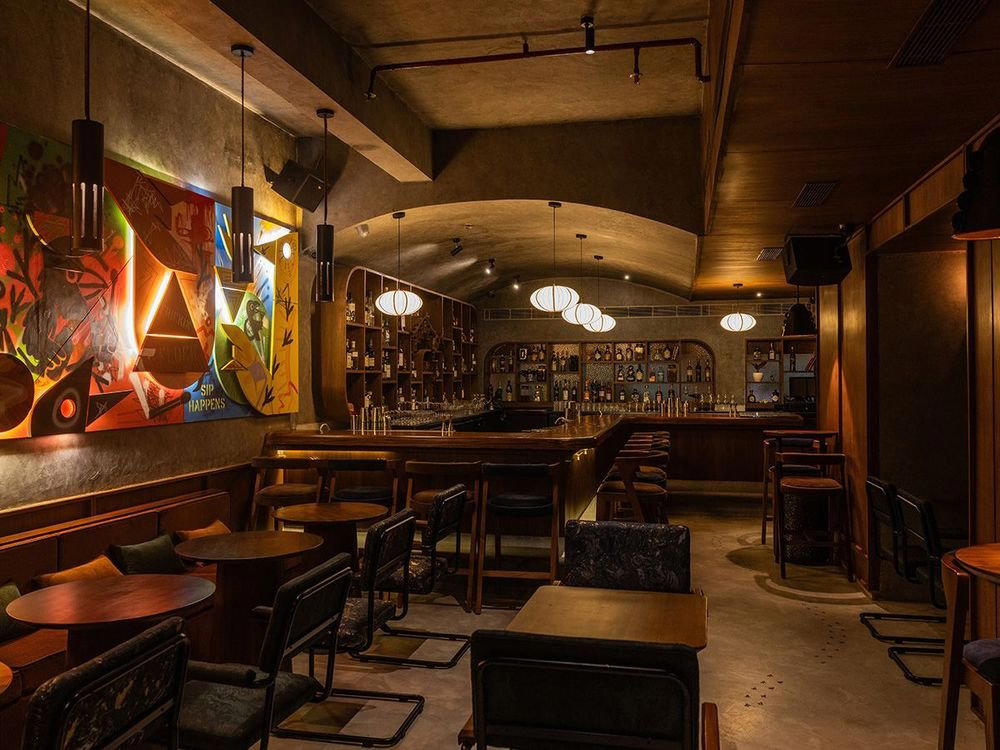
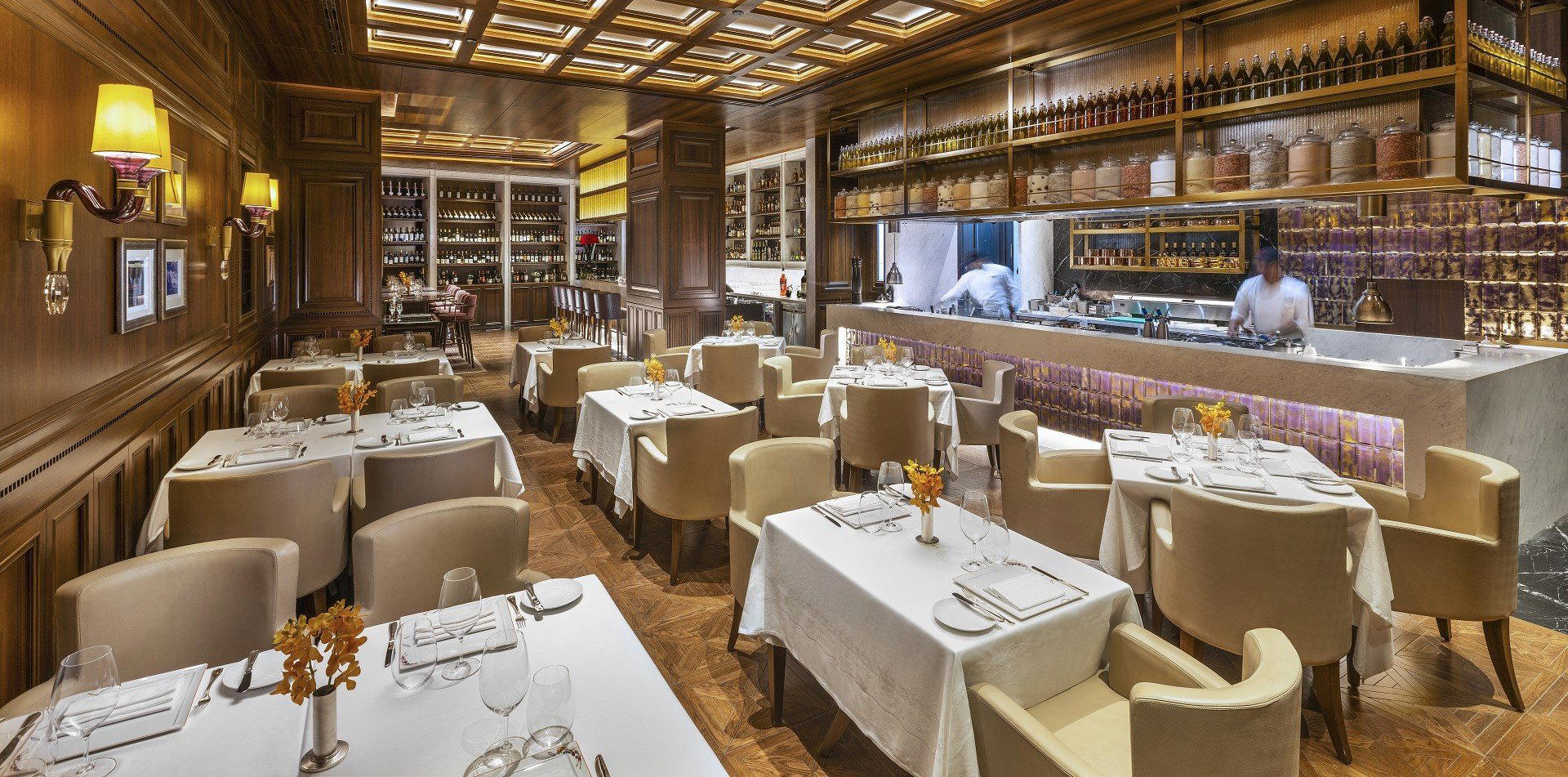
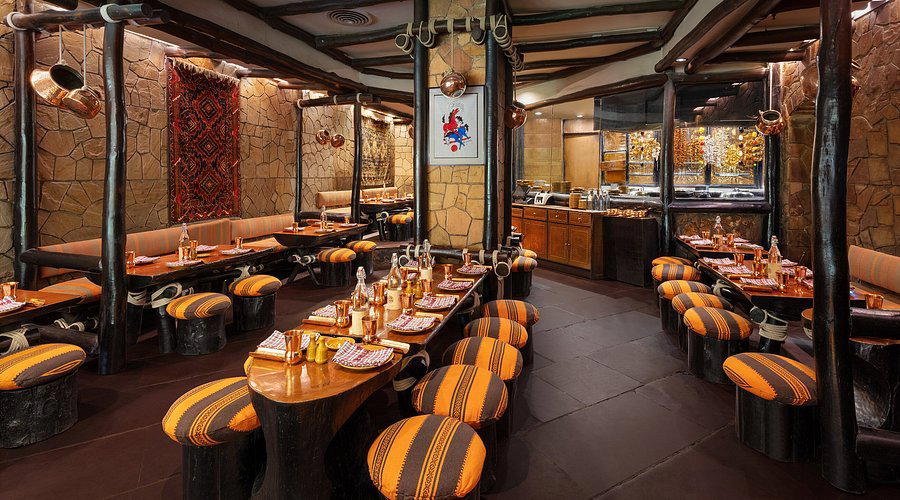
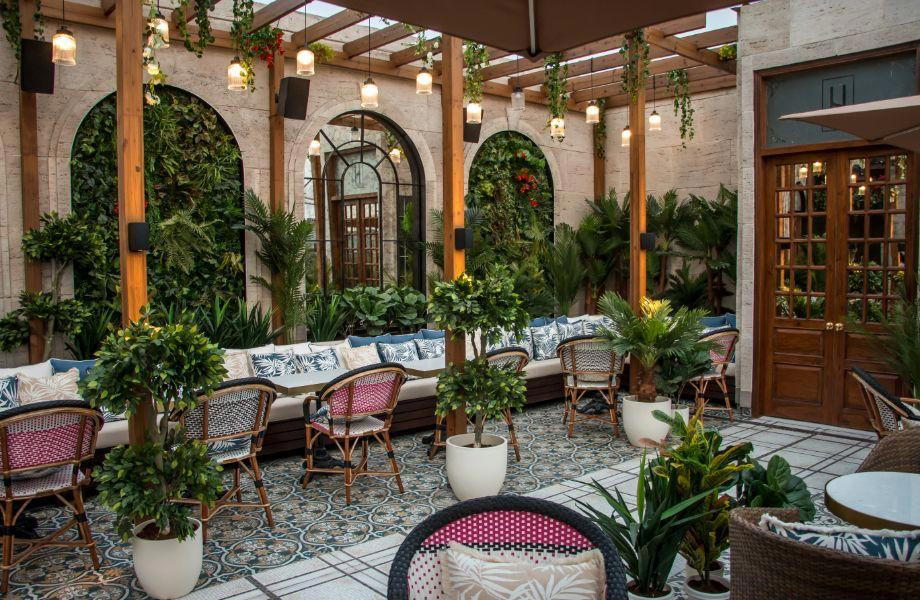
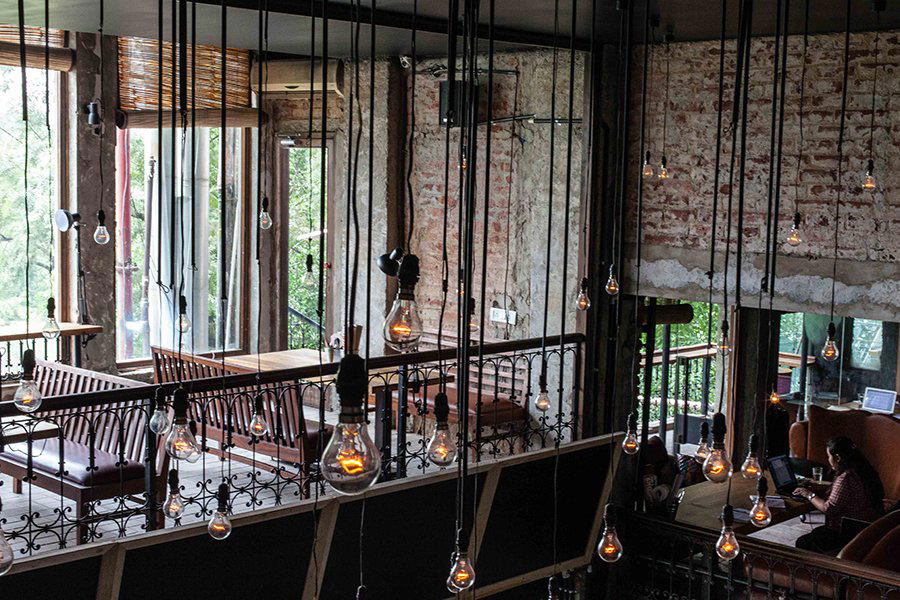
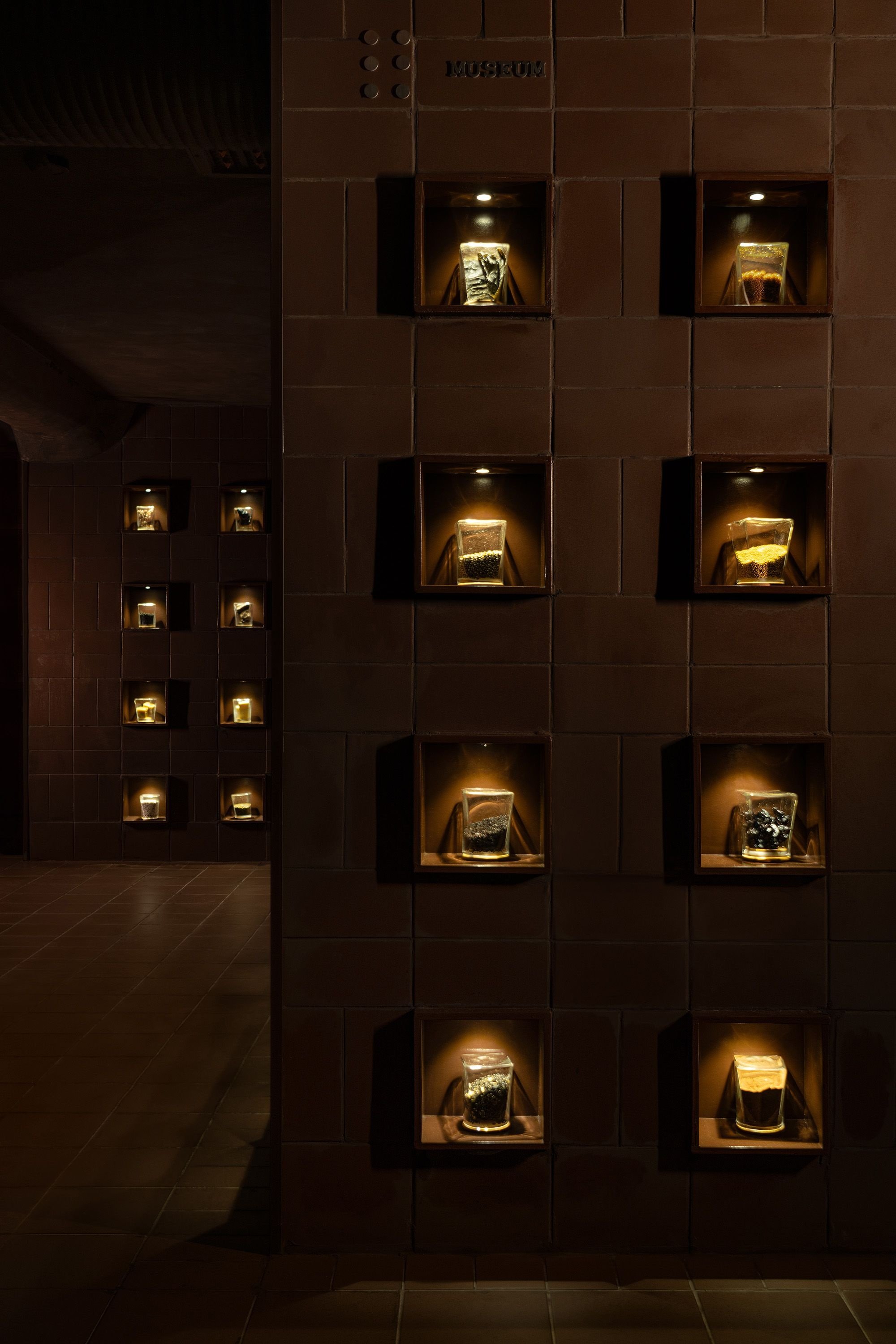
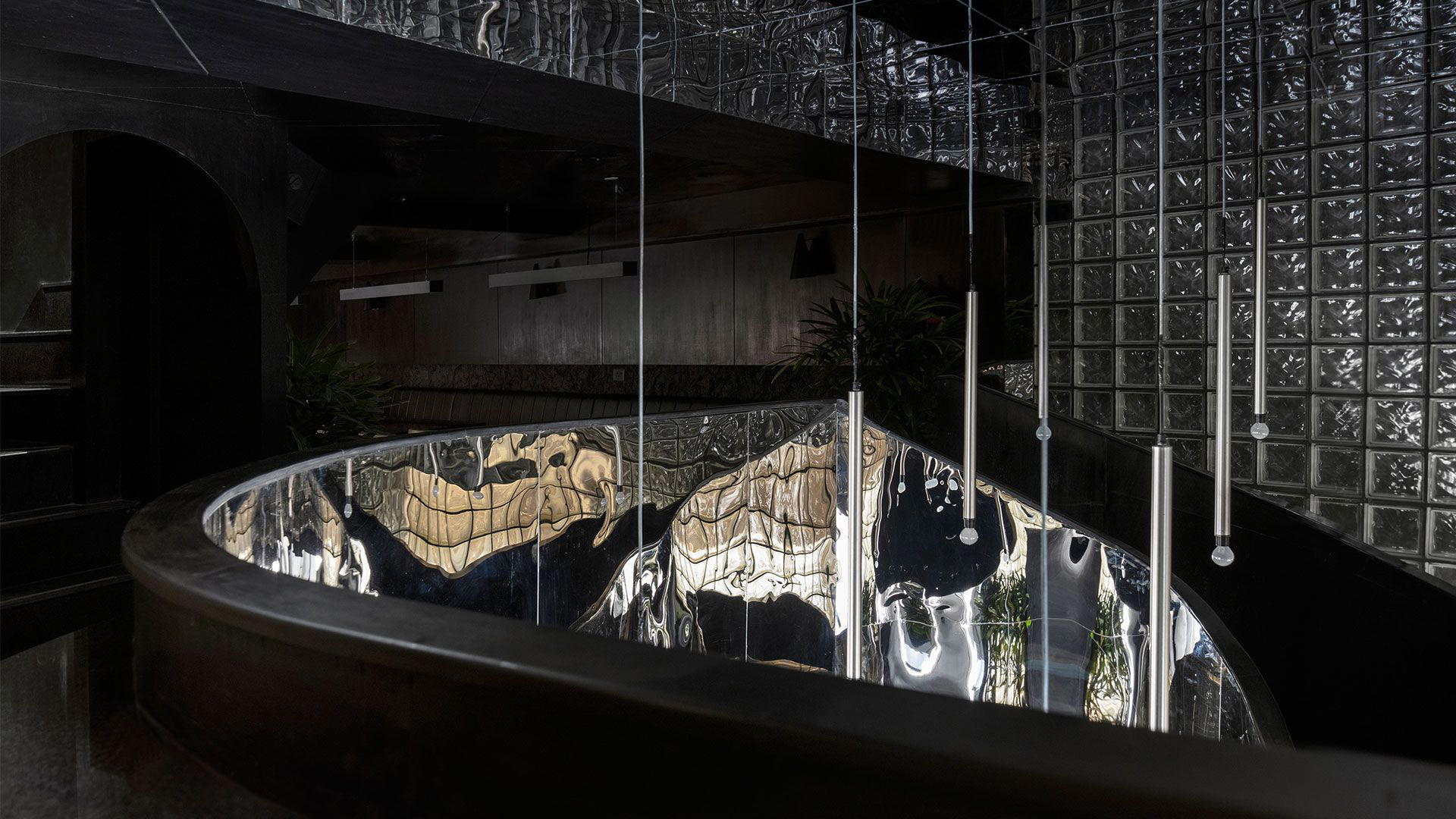
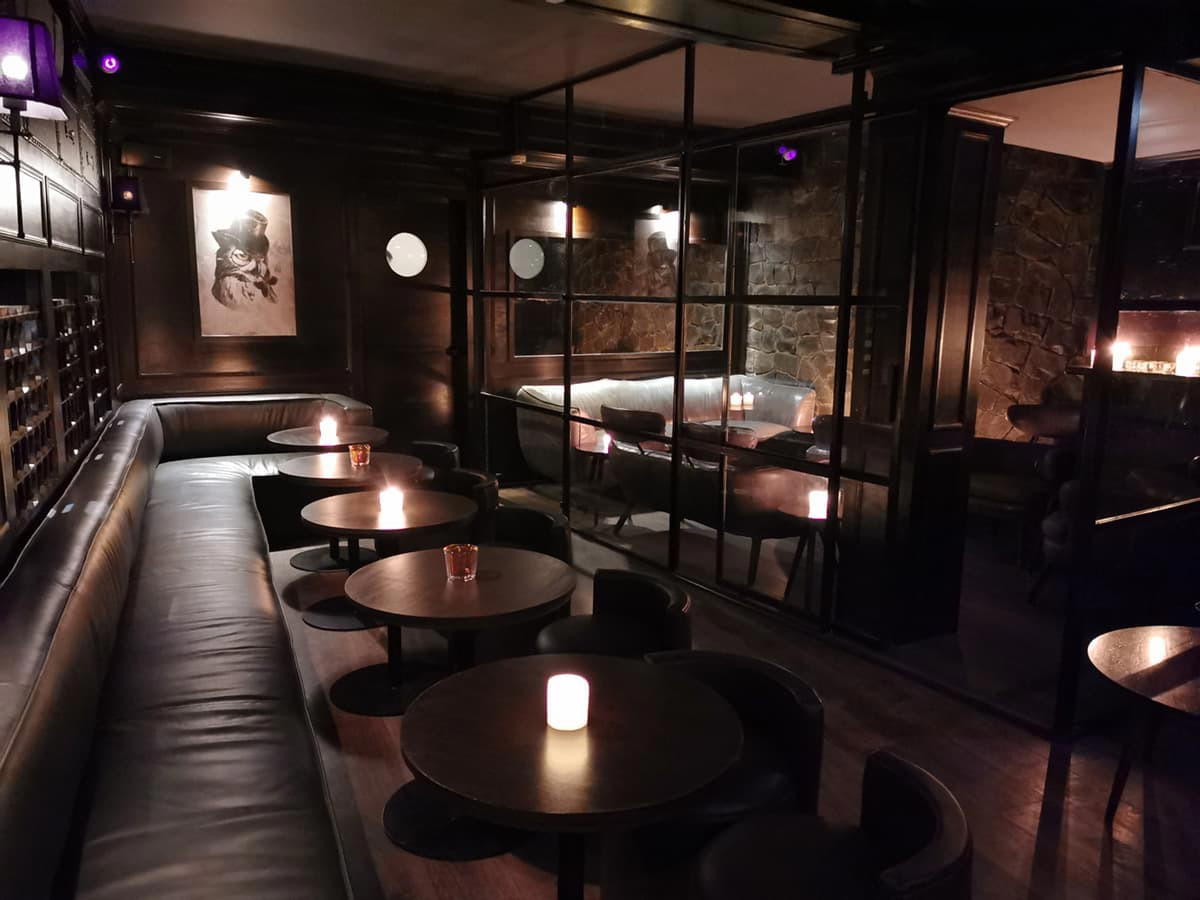
Sophisticated and luxurious with warm evening lighting highlighting the historic monument views; designed in old English/Scottish cottage style with elegant decor across four floors.