Raíx
.png)
Raíx holds a 2025 Michelin Plate recognition in Buenos Aires's contemporary dining tier, positioning it among the city's mid-range restaurants with serious culinary intent. Located in the Floresta neighbourhood at Asunción 4405, it draws a Google rating of 4.4 across 263 reviews. For diners tracking where the capital's ingredient-driven cooking is happening outside the obvious centre-city addresses, Raíx is a reliable reference point.
 Discover on Pearl
Pearl is the En Primeur Club membership app — saves, bookings, and concierge access live there. Same editors, same standards.
- Address
- Asunción 4405, C1419HHC C1419HHC, Cdad. Autónoma de Buenos Aires, Argentina
- Phone
- +54 11 5102-9003
- Website
- raix.meitre.com
Where the Produce Leads the Room
There is a particular register of Buenos Aires restaurant that announces its seriousness not through grand rooms or celebrity chefs, but through what arrives on the plate and where it came from. Raíx is a restaurant in Buenos Aires, Argentina, on Asunción 4405 in Floresta. The neighbourhood itself is instructive: west of Caballito, removed from the Palermo-Recoleta circuit where most of the city's dining press concentrates. Arriving here is a quiet signal that the kitchen is not banking on location as a substitute for craft.
The name, Spanish and Catalan for "roots", is less a branding decision than a working principle. Contemporary Argentine cooking in this tier has increasingly anchored itself to provenance: which province, which producer, which season. That shift in emphasis distinguishes the more considered mid-range tables from places that apply technique to ingredients without asking where those ingredients began. Raíx sits inside that movement, earning a 2025 Michelin Plate.
The Sourcing Logic Behind Contemporary Argentine Cooking
Argentina's agricultural geography gives its kitchens an unusual range to work with. The Pampas produce beef that is structurally different from grain-fed alternatives; Patagonian lamb and fish arrive from some of the most remote pasture and cold water in the Southern Hemisphere; the northwest provinces, Jujuy, Salta, Tucumán, contribute quinoa, maize varieties, and herbs that rarely surface in Buenos Aires restaurants oriented toward European technique. The question for any contemporary Argentine kitchen is how much of that range it is willing to actually use, and how it narrates the sourcing to the diner.
In that context, the word "contemporary" on a Buenos Aires menu covers a wide spread. At the upper end, places like Aramburu operate at $$$$ price points with tasting-menu architecture and clear international reference points. At the accessible end, the $ tier, where Raíx sits alongside Anafe and 4ta Pared, asks whether genuine cooking ambition can hold at lower price thresholds. The answer, in the leading cases, is that it can, precisely because the discipline of sourcing thoughtfully replaces the cost of theatrical presentation.
Michelin's Plate designation, introduced to mark restaurants "where the inspectors have discovered quality cooking," functions differently from a star. It is closer to a professional endorsement than a ranking. For a contemporary restaurant in a neighbourhood that most visiting diners would not automatically route through, the 2025 Plate is a meaningful credential.
Floresta in the Wider City Context
Buenos Aires dining has historically concentrated in a triangle running roughly between Palermo, Las Cañitas, and Puerto Madero, with the financial district and Recoleta adding institutional weight. Floresta sits outside that triangle, and that geography produces a different kind of restaurant economics. Lower rents allow kitchens to allocate more of their budget to product. The clientele tends toward neighbourhood regulars rather than the Instagram-and-reservation-app crowd, which means menus can evolve without the pressure to maintain a signature dish that photographs reliably.
That dynamic is visible across Buenos Aires's western residential belt. A Fuego Fuerte and Alcanfor represent a similar off-centre logic, where address functions as a filter for diners willing to make a deliberate trip. Raíx benefits from the same filter: the guests who arrive on Asunción already know why they are there.
Placing Raíx in the $$ Contemporary Tier
Price tier and ambition are not always aligned in Buenos Aires, partly because the city's economic volatility has repeatedly reset what different price points can deliver. At a mid-range price tier in 2025, a restaurant that holds a Michelin Plate is doing something the guide considers noteworthy for its category. The comparison is useful: Crizia operates in a different register (seafood-focused, with a stronger waterfront orientation), while the traditional end of the $$ market, represented by places like El Preferido de Palermo, prioritises continuity over evolution. Raíx occupies the space between received tradition and formal innovation, contemporary in approach, accessible in price, and Michelin-endorsed in standard.
For a broader view of where this kind of cooking sits in the Argentine context, the ingredient-sourcing argument travels well beyond Buenos Aires. Azafrán in Mendoza works the same provenance logic against a wine-country backdrop. EOLO in El Calafate and Awasi Iguazu in Puerto Iguazu do it within lodge formats where the surrounding landscape is the direct ingredient source. La Bamba de Areco and Cavas Wine Lodge frame the same conversation through estancia and wine-estate hospitality. What connects them is the insistence that Argentina's agricultural geography should appear on the plate legibly, not processed into anonymity. El Colibrí in Santa Catalina takes a similar approach in the northwest, where the ingredient palette is genuinely different from the Pampas baseline. Internationally, the contemporary format has strong reference points in places like César in New York City and Jungsik in Seoul, where regional sourcing is framed through a technically rigorous contemporary lens.
At this price tier, consistency is the harder achievement.
Know Before You Go
Know Before You Go
- Address: Asunción 4405, Floresta, Buenos Aires
- Price range: $$ (mid-range)
- Recognition: Michelin Plate 2025
- Google rating: 4.4 / 5 (263 reviews)
- Cuisine: Contemporary
- Booking: Reservation status not confirmed in public data; given the Michelin recognition, booking ahead is advisable, particularly on weekends
- Getting there: Floresta is accessible by Buenos Aires metro (Line A toward San Pedrito) or taxi from Palermo (approximately 20 minutes depending on traffic)
The Quick Read
Comparable venues nearby, for context on price, style, and recognition.
| Venue | Cuisine | Price | Notes |
|---|---|---|---|
| RaíxThis venue — the venue you are viewing | Contemporary | $$$ | |
| Osaka Concepción | $$$ | Colegiales, Nikkei (Peruvian-Japanese Fusion) | |
| Sucre | Belgrano, Modern Argentinian Grill | $$$ | |
| Osaka | Palermo, Nikkei Peruvian-Japanese Fusion | $$$ | |
| Picarón | $$ | Chacarrita, Contemporary Argentinian Fusion Small Plates | |
| Fervor | $$$ | Recoleta, Traditional Argentine Steakhouse & Grill |
Continue exploring
More in Buenos Aires
Restaurants in Buenos Aires
Browse all →
Bars in Buenos Aires
Browse all →

Hotels in Buenos Aires
Browse all →




At a Glance
- Industrial
- Modern
- Elegant
- Intimate
- Date Night
- Special Occasion
- Solo
- Chefs Counter
- Open Kitchen
- Historic Building
- Extensive Wine List
- Sommelier Led
- Local Sourcing
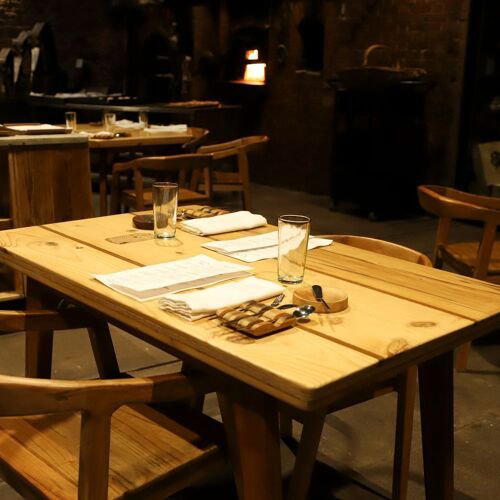
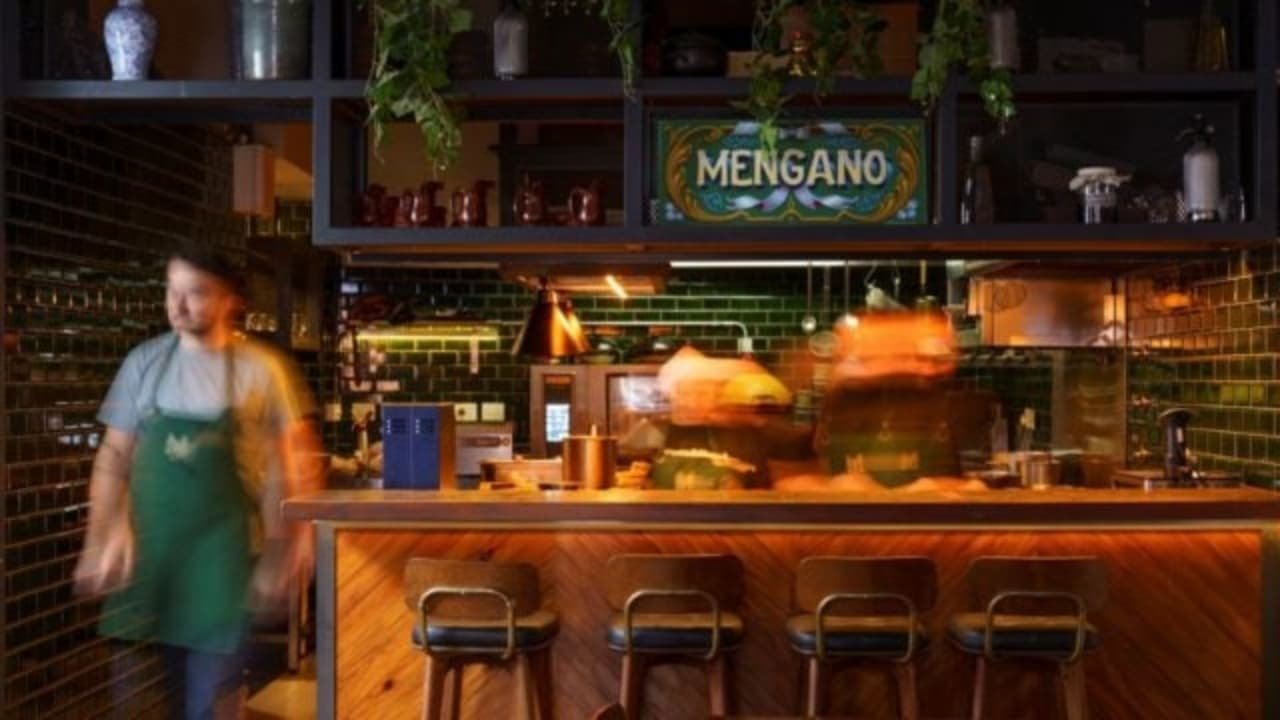
Industrial-chic with exposed brick, patinaed iron, and glowing antique oven, creating an evocative and warmly grounded atmosphere.