Café San Bernardo
Café San Bernardo runs in a historic building on Av. Corrientes and focuses on craft beer, with standing room and communal tables suited to casual, group-led stops.
Pearl is the En Primeur Club membership app — saves, bookings, and concierge access live there. Same editors, same standards.
- Address
- Av. Corrientes 5436, C1414 Cdad. Autónoma de Buenos Aires, Argentina
- Phone
- +54 11 4855 3956
- Website
- cafesanbernardo.com.ar
- Directions
- Get directions
 Saves & bookings on Pearl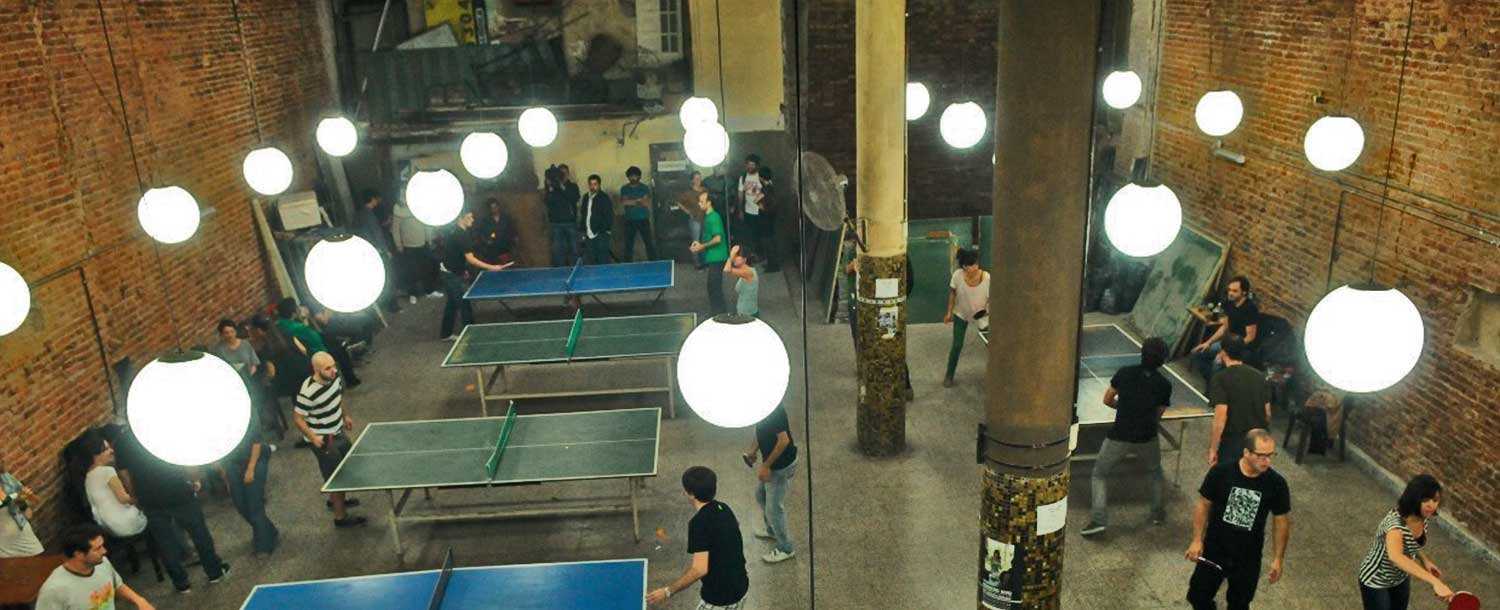
Avenida Corrientes After Dark: The Bar That Refuses to Modernize
Café San Bernardo is a casual walk-in bar in Buenos Aires at Av. Corrientes 5436,281 reviews. Avenida Corrientes runs long and loud through Buenos Aires, a street that has always belonged to night people: theatregoers, bookshop browsers, tango-hall wanderers, and the kind of drinkers who consider a 2 a.m. whisky as ordinary as an afternoon coffee. Along this corridor, bar culture stratifies quickly. You have the polished cocktail programs competing for international recognition, the tourist-facing parrillas with beer lists designed for volume, and then, at Av. Corrientes 5436, a different proposition entirely: Café San Bernardo, a bar that has been operating long enough to have outlasted several generations of Buenos Aires nightlife trends without appearing to notice any of them.
The Buenos Aires bar scene has grown increasingly bifurcated over the past decade. Venues like Florería Atlantico and CoChinChina have built international reputations on technical programs, elaborate concepts, and a self-conscious relationship with Argentine identity. At the same time, a smaller category of older, unmediated spaces has persisted with no such ambition, and often a more devoted local following because of it. Café San Bernardo belongs to that second category, and its position on Corrientes puts it at the intersection of Buenos Aires cultural life in a way that few purpose-built cocktail bars can replicate.
The Physical Container
The architecture at the bar does what good bar architecture always does: it makes time feel suspended. The interior reads as a mid-century Argentine café that was never stripped of its original fixtures. The wooden bar runs long and functional. The ceiling is high enough that the room holds noise without amplifying it into aggression. Mirrors and age-darkened wood panels line the walls in the pattern common to Buenos Aires bars of a certain era, a visual shorthand for continuity and permanence that no amount of designed-to-look-vintage renovation can convincingly produce.
Seating is arranged around the logic of the room rather than any particular hospitality concept. Tables are close enough for neighbourhood-level social density, but the space does not manufacture intimacy the way smaller, darker venues do. This is a bar that holds different social configurations simultaneously: a couple at the counter, a group occupying a full table for two hours over a single round, a solo drinker with a newspaper. The physical container supports all of them with equal indifference, which is a compliment.
That kind of spatial neutrality is rarer than it sounds. The current generation of cocktail bars, including well-regarded international comparisons like Kumiko in Chicago or Bar Leather Apron in Honolulu, make deliberate spatial choices that signal to guests how to behave and what to order. The bar signals nothing except that you should sit down and have something.
Fernet, Vermouth, and the Argentine Drinking Tradition
Argentina's bar culture is not built primarily around craft cocktails. The foundational drinks are simpler, more social, and deeply tied to Italian immigration: Fernet con Coca, vermut (vermouth served with soda and an olive), and draft beer. In Buenos Aires specifically, the aperitivo tradition occupies a similar cultural position to the Italian aperitivo hour, but without the time constraint and usually without the food component. You drink vermouth at a marble bar counter at any hour that seems reasonable to you, and no one finds this notable.
The bar sits inside this tradition in a way that bars operating closer to international cocktail norms cannot. The drinks program, to whatever extent that phrase applies, is oriented around what Argentine drinkers actually order at a place like this: amaro-based serves, vermouth-forward options, and beer. The absence of an elaborate cocktail menu is not a gap; it is the format. Bars like Jewel of the South in New Orleans or Julep in Houston operate as platforms for their cocktail programs. The bar operates as a platform for Argentine bar culture itself, which predates and largely ignores the international craft cocktail movement.
For visitors arriving from cities with codified cocktail bar hierarchies, this distinction is worth sitting with. The value here is not the drink list; it is the social form, the bar as durable neighbourhood institution, which is a category that cities like Buenos Aires have maintained far more successfully than most.
Corrientes as Context
Avenida Corrientes is one of Buenos Aires' primary cultural arteries, running from the microcentro westward through Villa Crespo and beyond. The stretch around the 5000-block address of the bar falls into the section associated with Argentine theatre culture, independent bookshops, and the kind of café life that has made Buenos Aires a reference point for urban intellectualism in Latin America. This is not the polished Palermo Soho bar district, and it is not the tourist-dense San Telmo circuit.
Bars operating in this part of Corrientes serve a local population with specific habits and specific expectations. The social contract is different from the contract at a high-concept bar like 878 Bar or the Four Seasons bar. No one here is performing for the room. The neighbourhood is not fashionable in the Instagram-destination sense, which is precisely what preserves its character. For visitors who have made the Argentina trip primarily around wine tourism, routing through Antares Mendoza or spending time at Colomé Winery in Molinos or Chato's Wine Bar in Cafayate, the bar represents the Buenos Aires counterpoint: drinking not as connoisseurship but as civic habit.
Planning a Visit
The bar is located at Av. Corrientes 5436 in Buenos Aires. No booking is required or expected; the format is walk-in, as it has always been for Argentine bars operating in this register. The address sits in the Almagro district, accessible by subte (Línea B, Ángel Gallardo station is the closest stop). Pricing is about $10 per person, and the bar is walk-in friendly. Evening hours align with Argentine social rhythms, with service running late into the night.
The Short List
Comparable venues nearby, for context on price, style, and recognition.
| Venue | Cuisine | Price | Notes |
|---|---|---|---|
| Café San BernardoThis venue — the venue you are viewing | Not listed | $ | Not listed |
| The Clubhouse | Palermo, lounge | $$ | Not listed |
| La Vermutería | Not listed | $$ | Once, wine_bar |
| La mía vita restaurante | Palermo, Bar | $$$ | Not listed |
| BAR SUR Tango Show | San Telmo, lounge | $$$ | Not listed |
| Naranjo | Not listed | $$$ | Chacarrita, wine_bar |
Continue exploring
More in Buenos Aires
Bars in Buenos Aires
Browse all →
Restaurants in Buenos Aires
Browse all →
Hotels in Buenos Aires
Browse all →
Wineries in Buenos Aires
Browse all →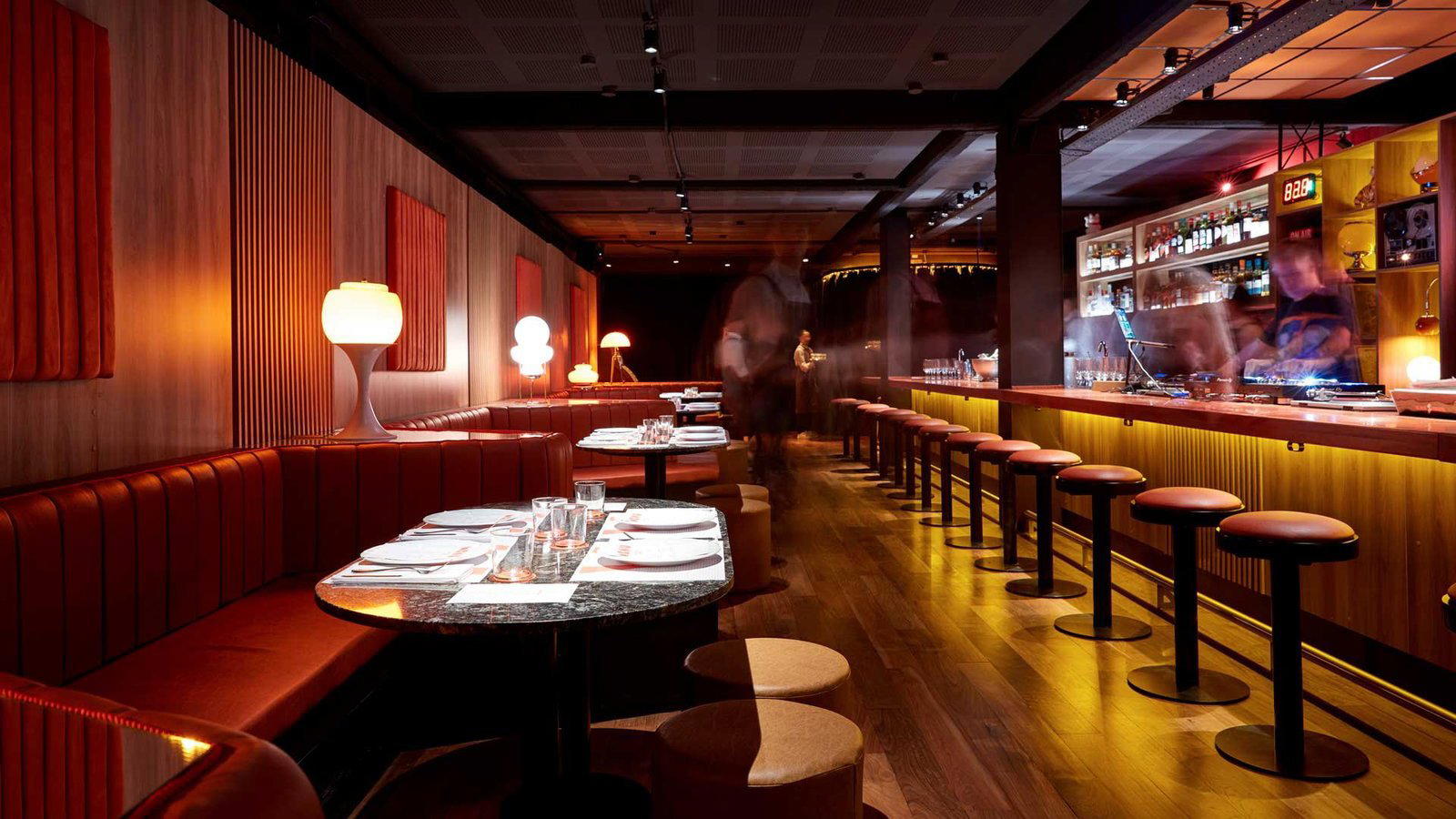
At a Glance
- Lively
- Classic
- Energetic
- Well Known
- Group Outing
- Casual Hangout
- Late Night
- Historic Building
- Standing Room
- Communal Tables
- Craft Beer
Current opening hours
- Monday
- 10 AM–3:30 AM
- Tuesday
- 10 AM–3:30 AM
- Wednesday
- 10 AM–3:30 AM
- Thursday
- 10 AM–3:30 AM
- Friday
- 10 AM–3:30 AM
- Saturday
- 8 AM–3:30 AM
- Sunday
- 6 PM–2 AM
Hours can change for holidays and private events. Last verified .
Dark, cavernous space with fans on walls, tiled floors, battered pool tables, and stacks of beer crates creating a lively, casual gaming atmosphere.