Gin Chanteclair

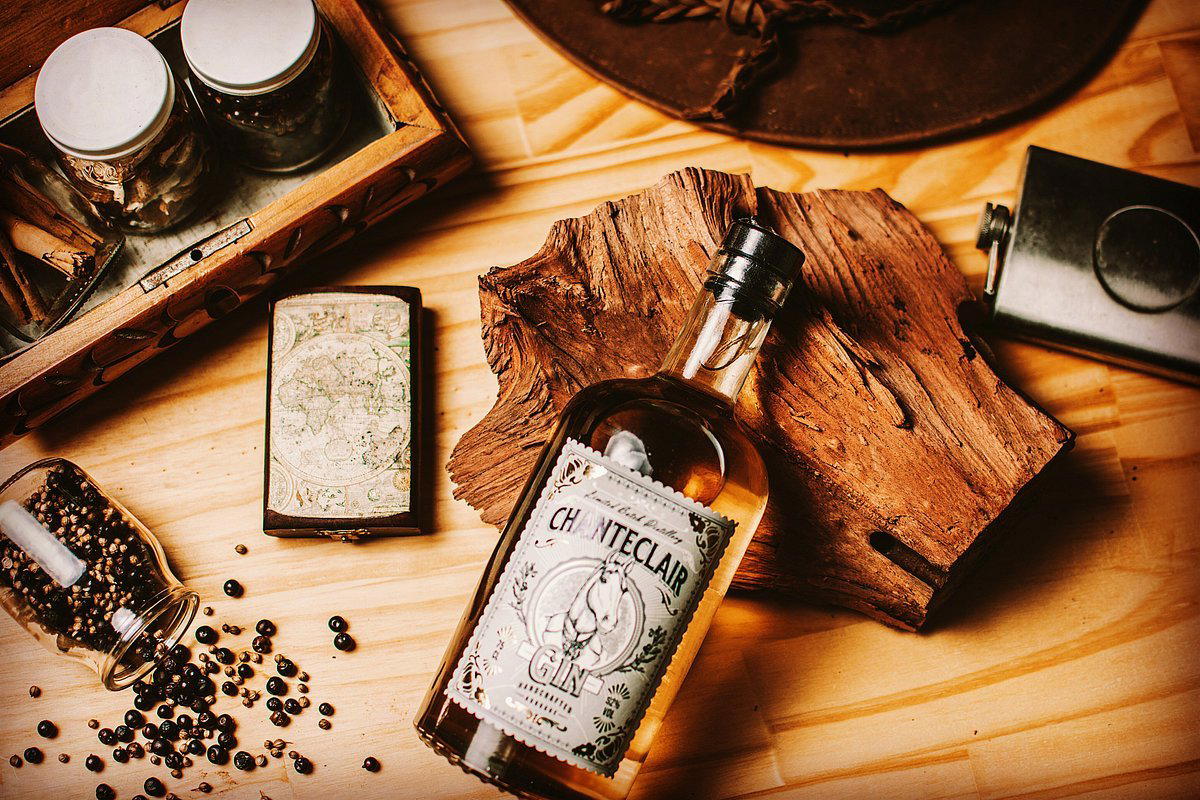
Gin Chanteclair sits in Burzaco, on the southern edge of Greater Buenos Aires, and earned a Pearl 1 Star Prestige in 2025. The address places it outside the city's established cocktail circuit, which makes its recognition all the more pointed. For anyone tracking Argentina's emerging artisanal spirits scene, it belongs on the itinerary alongside the capital's better-documented producers.
 Discover on Pearl
Pearl is the En Primeur Club membership app — saves, bookings, and concierge access live there. Same editors, same standards.
- Address
- Av. San Martín 313, B1846EWQ Burzaco, Provincia de Buenos Aires, Argentina
South of the Centre, Inside the Recognition
Burzaco sits roughly 25 kilometres south of central Buenos Aires, past the ring of barrios that most visitors never cross. The suburb is industrial in stretches, residential in others, and not the kind of address that appears on cocktail tourism itineraries assembled in Palermo or San Telmo. That is precisely what makes Gin Chanteclair's 2025 Pearl 1 Star Prestige award worth paying attention to. Formal recognition reaching this far into the southern conurbation says something less about one producer and more about how broadly Argentina's artisanal gin and spirits scene has spread over the past decade.
The broader pattern is familiar across South America: a first wave of artisanal producers clustered around capital-city neighbourhoods with high foot traffic and easy media access, followed by a second wave that moved to lower-cost industrial or peri-urban spaces where larger stills, more experimental botanicals, and slower production timelines became financially viable. Gin Chanteclair belongs to that second geography. Its position on Av. San Martín in Burzaco places it among neighbours who are more likely to be manufacturers or logistics operators than bar professionals, which tends to produce a different kind of maker: one who is accountable primarily to the liquid rather than to nightly footfall.
Ingredient Sourcing as Editorial Argument
Argentina's gin producers have increasingly used the country's extraordinary botanical range as a point of differentiation from European benchmarks. The Andean northwest supplies high-altitude aromatics: yuyo, muña, and various altitude-adapted herbs that carry a dryness and mineral edge distinct from the humid lowland flora of the Pampas. The Mesopotamian northeast offers citrus varieties and subtropical botanicals that skew sweeter and more floral. Patagonia contributes its own register, with cold-climate berries and resins that appear in a growing number of southern producers' recipes.
For a producer operating in the Buenos Aires province, sourcing decisions carry real logistical weight. Ingredients from Salta or Jujuy require either direct supplier relationships or purchasing through specialist botanical brokers, both of which add cost and lead time relative to using commodity aromatics. The producers who make that investment tend to show it in the resulting spirits: more regionally specific profiles, less interchangeable with imported or generically sourced gins. Whether Gin Chanteclair sources from the northwest, the northeast, or closer to home in Buenos Aires province, the structural incentive for a prestige-tier producer at this location is to lean into Argentine specificity rather than replicate a London Dry profile that better-capitalised European distilleries will always produce more cheaply.
This is the context in which the Pearl 1 Star Prestige designation carries meaning. The Pearl system awards recognition across a broad range of hospitality categories, and a 2025 star at this address signals that the liquid, the production ethos, or the overall experience cleared a threshold that proximity to the capital did not automatically confer. That threshold matters more when the producer is not riding a neighbourhood reputation or a high-profile bar partnership.
Buenos Aires Province and the Artisanal Spirits Circuit
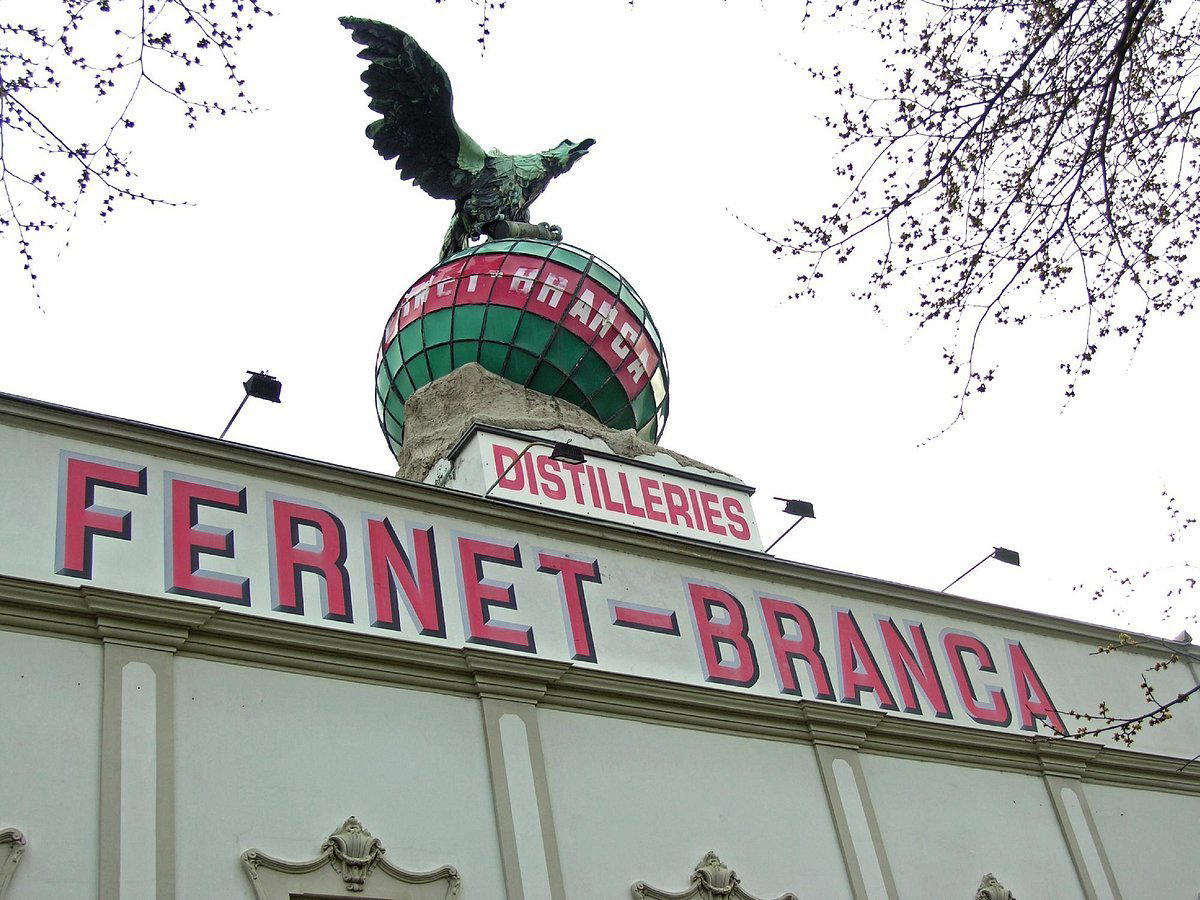
The Buenos Aires metro area has developed a loose but navigable spirits circuit over the past decade. In the city proper, producers like Fratelli Branca Distillery occupy one end of the spectrum, with deep historical roots and large-scale production, while newer artisanal operations like Destilería Dellepiane, Destilería Demian, Destilería Spiritu Santo, and Sinestesia Destilería represent the craft end. Gin Chanteclair sits outside that urban cluster, which creates a different visit proposition.
Getting to Burzaco from central Buenos Aires takes roughly 45 to 55 minutes by car, or longer by commuter rail on the Roca line, which stops at Burzaco station. This is not a casual detour between lunch in Puerto Madero and cocktails in Palermo; it requires intention. Producers at this distance from the centre tend to attract a visitor profile that is either locally rooted or specifically motivated, both of which tend to produce better visits than passing tourism. Anyone building a serious itinerary around Argentine spirits, rather than one that ticks off the obvious city-centre names, will find the southern conurbation more rewarding than its low profile suggests.
For broader Argentine wine and spirits geography, the country's most documented production zones remain Mendoza and the Andean northwest. Properties like Bodega El Esteco in Cafayate, Bodega Norton in Luján de Cuyo, Escorihuela Gascón in Godoy Cruz, Familia Schroeder in San Patricio del Chañar, Bodega Colomé in Molinos, Bodega DiamAndes in Tunuyán, and Rutini Wines in Tupungato represent the wine side of Argentina's premium production story. The artisanal gin scene in Greater Buenos Aires occupies a different register: less internationally marketed, more variable in quality, but increasingly capable of serious production when the incentives align. The Pearl recognition at Gin Chanteclair is evidence of that capacity reaching the southern suburbs.
Planning a Visit
Gin Chanteclair is addressed at Av. San Martín 313 in Burzaco, Buenos Aires province. The distance from the city centre makes an unconfirmed visit a significant time cost if the producer is closed or not set up for drop-in visitors.
Continue exploring