Destilería Dellepiane

Destilería Dellepiane occupies the tenth floor of Av. del Libertador 6343 in Buenos Aires, earning a Pearl 2 Star Prestige rating in 2025. The address places it in the Belgrano corridor, where a small cluster of distillery-focused venues has emerged as a counterpoint to the city's wine-dominated drinks culture. It sits alongside peers like Destilería Demian and Destilería Spiritu Santo in a category that prizes local grain and botanical expression over imported spirits.
 Discover on Pearl
Pearl is the En Primeur Club membership app — saves, bookings, and concierge access live there. Same editors, same standards.
- Address
- Av. del Libertador 6343 piso 10, C1428 Cdad. Autónoma de Buenos Aires
- Phone
- +54 11 4789-5100
- Website
- dellepianespirits.com.ar

A Tenth-Floor Proposition on Libertador
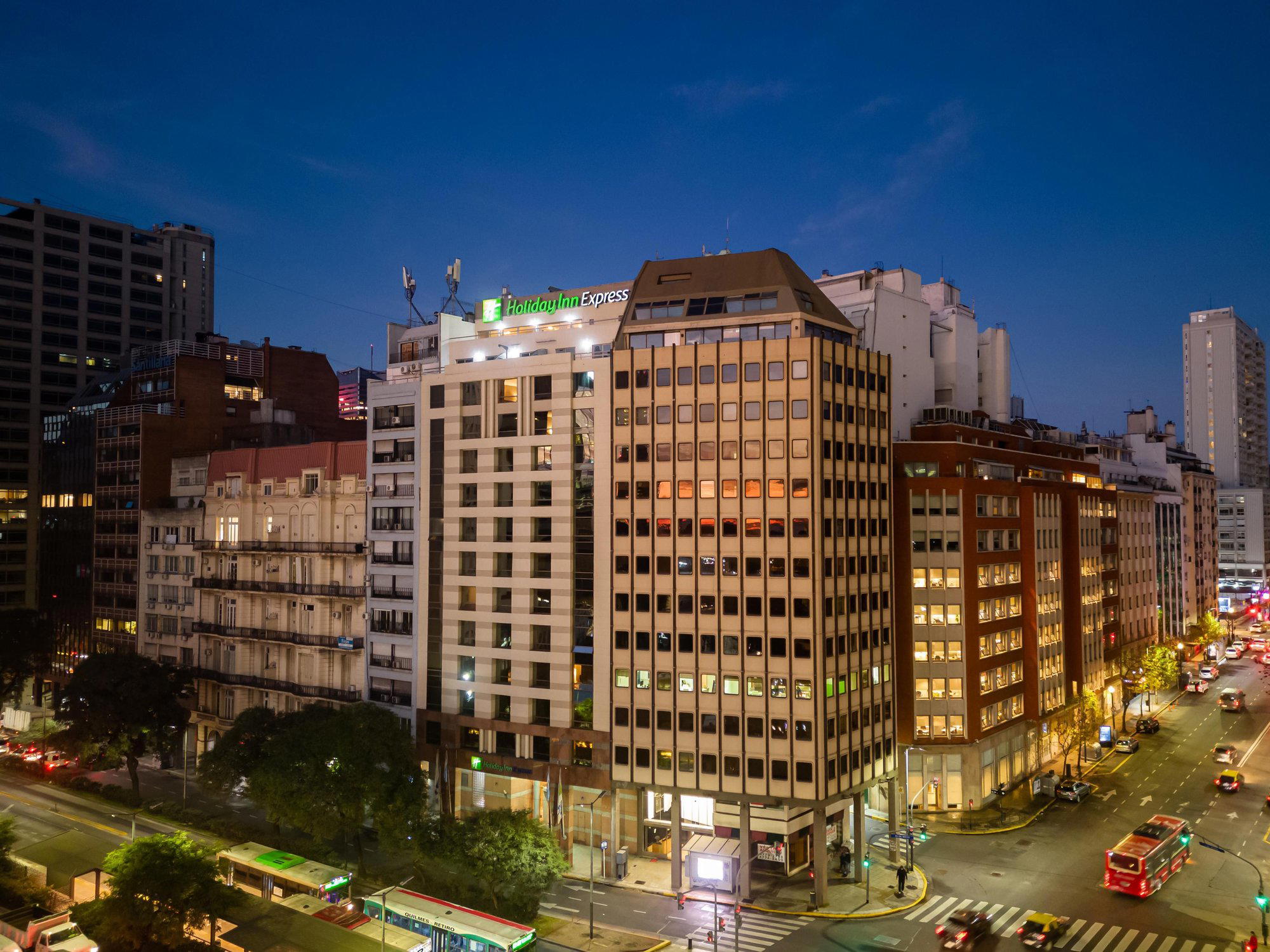
Av. del Libertador runs northeast through Buenos Aires like a spine, carrying traffic from the Microcentro past the parks of Palermo and into the residential density of Belgrano. At number 6343, the building rises above the avenue's steady noise, and on the tenth floor, the city reorganises itself into a different kind of context. From that height, Buenos Aires reads less as a restaurant city and more as a production city, one where the question of what gets made here, and from what, is starting to compete with the question of what gets imported. Destilería Dellepiane sits at Av. del Libertador 6343, piso 10, in Buenos Aires.
The broader pattern matters before the address does. Buenos Aires has operated for decades as a wine city by default, its drink culture shaped by Mendoza Malbec and the economics of a country where domestic viticulture produces at scale. But a separate current has been running through the capital since the mid-2010s: small-format distilleries, many of them occupying upper floors or repurposed industrial spaces, working with local botanicals, native grains, and production philosophies that owe more to craft spirits traditions than to the Argentine wine canon. Destilería Demian, Destilería Spiritu Santo, and Sinestesia Destilería belong to that current. So does Dellepiane.
What a Pearl 2 Star Prestige Rating Signals
In 2025, Destilería Dellepiane received a Pearl 2 Star Prestige rating, the credential that positions it inside the upper tier of Buenos Aires's assessed spirits venues. The Pearl framework does not recognise volume or visibility; it assesses quality of production and experience relative to the venue's category and comparable set. A 2 Star Prestige rating places Dellepiane above the baseline assessed tier and into a bracket where the expectation is consistent, considered output, not occasional quality. That puts it in direct conversation with operations like Fratelli Branca Distillery and Destilería Moretti, both of which operate in the same city and face the same reader question: what distinguishes one distillery visit from another in a market still building its vocabulary for craft spirits?
The answer, in Dellepiane's case, appears to come back to place. The tenth-floor address is not incidental, it is part of how the experience is constructed. Distilleries that occupy refined positions in dense urban environments make an argument about perspective: the city is the raw material, the view is part of the tasting, and the distance from street level is a deliberate editorial choice about how to present what's being produced below.
Terroir in an Urban Register
The concept of terroir travels poorly when extracted from viticulture and applied to spirits, but it survives the translation if the terms are defined carefully. For wine, terroir describes how geology, altitude, and climate leave fingerprints in a grape. For distilleries operating in a city like Buenos Aires, the equivalent question is: what does this place contribute to what's in the glass? That question is harder to answer than it sounds.
Argentina's spirits geography is genuinely diverse. Producers drawing on Andean botanicals from Salta or Jujuy, or working with grains from the Pampas, or fermenting with wild yeasts that carry regional microbial signatures, are all making terroir claims in a meaningful sense. The comparison points extend well beyond the capital: Bodega Colomé in Molinos operates at altitude in the Calchaquí Valleys, where the combination of extreme elevation and arid conditions produces wines with a particular mineral tension. Bodega El Esteco in Cafayate works within the same high-altitude register. Familia Schroeder in San Patricio del Chañar draws on Patagonia's cool southern conditions. These are wines shaped by geography in ways that are measurable and documented.
Urban distilleries make a different argument: that sourcing decisions, production philosophy, and the character of the city's water and ambient conditions constitute a form of place-based identity. Whether Dellepiane pursues that argument explicitly is a question the verified record does not yet answer in detail. What the 2025 Pearl 2 Star Prestige rating does confirm is that the execution has reached a level where the claim carries credibility within its peer assessment framework.
The Belgrano Corridor and Its Emerging Drinks Geography
The Belgrano address puts Dellepiane at the northern end of a loose distillery corridor that runs along and around Libertador. That corridor is not yet institutionalised the way Palermo's cocktail bar density is, but the pattern is visible. Upper-floor venues with production components, distillery experiences that combine tasting with a view, and operations that market their craft-spirits credentials to a Buenos Aires audience increasingly curious about what's being made domestically: these are the consistent signals. Sinestesia Destilería and Destilería Spiritu Santo operate in that same register.
The international comparison points are instructive. In cities like London, Melbourne, and New York, urban distilleries that survived the initial craft spirits wave have typically done so by anchoring to a specific identity: a signature botanical, a defined production method, a particular relationship with a local ingredient. Those that tried to compete on breadth against established importers or wine producers generally contracted. The Buenos Aires cohort is still early in that consolidation, which means the distinction between venues like Dellepiane and its peers may sharpen considerably over the next few years as the market matures and consumers develop clearer preferences.
For context on how Argentine producers outside the capital have built terroir-grounded identities, the Mendoza corridor remains the reference: Bodega Norton in Luján de Cuyo, Escorihuela Gascón in Godoy Cruz, Bodega DiamAndes in Tunuyán, and Rutini Wines in Tupungato each illustrate how place-based identity compounds over time when production decisions are consistent and the source geography is legible to the consumer. Buenos Aires distilleries are working toward an equivalent legibility, from a more compressed and urban starting point.
Planning a Visit
Destilería Dellepiane is located at Av. del Libertador 6343, piso 10, in the C1428 postal district of Buenos Aires. The Belgrano neighbourhood is well-served by public transport, with bus connections along Libertador and the Mitre line running through Belgrano R and Belgrano C stations providing access from central Buenos Aires. The tenth-floor position means the elevator is part of the arrival sequence. Booking details, current hours, and pricing are not confirmed in the available record, so direct contact or checking the venue's current listings is the practical first step. Given the 2025 Pearl 2 Star Prestige recognition, demand from informed visitors has likely increased, and advance planning is worth building in. For a broader map of where Dellepiane sits within the city's drinks and dining options, our full Buenos Aires guide covers the range.
For readers whose interest in spirits extends internationally, the comparison points go well beyond Argentina. Aberlour in Aberlour represents the Speyside distillery tradition at its most established, where terroir arguments are made through water source, barley provenance, and maturation warehouse conditions. Accendo Cellars in St. Helena illustrates the Napa Valley premium tier, where land cost and allocation scarcity have produced a different kind of prestige hierarchy. Dellepiane is building its identity in a different context and at an earlier stage, but the 2025 recognition suggests the foundations are in place.
Continue exploring
More in Buenos Aires
Wineries in Buenos Aires
Browse all →

Bars in Buenos Aires
Browse all →
Restaurants in Buenos Aires
Browse all →
At a Glance
Industrial production facility with modern technology in a large plant.