Alcanfor

The restaurant sits at the accessible end of the city's recognised dining range, making it one of the few Michelin-acknowledged addresses at the mid-price point. For visitors cross-referencing the city's broader scene, it represents a calibration point between neighbourhood dining and formal recognition.
Pearl is the En Primeur Club membership app — saves, bookings, and concierge access live there. Same editors, same standards.
- Address
- Aguirre 949, C1414 Cdad. Autónoma de Buenos Aires, Argentina
- Phone
- +54 9 11 3477-8619
- Website
- alcanfor.meitre.com
- Directions
- Get directions
 Saves & bookings on Pearl
Villa Crespo's Contemporary Tier
Buenos Aires has spent the last decade sorting its restaurant scene into increasingly distinct brackets. At the leading, addresses like Aramburu (two Michelin stars) and Don Julio (one star) operate at the $$$$-tier, drawing international reservations months in advance. Below that band, a quieter cohort of contemporary kitchens has attracted Michelin recognition without the attached price escalation. Alcanfor, at Aguirre 949 in Villa Crespo, sits in that second group: a 2025 Michelin Plate holder priced at the $$ range, which positions it as one of the few formally acknowledged tables in Buenos Aires where the entry cost does not require the same commitment as the city's starred addresses.
Villa Crespo itself shapes the expectation before you arrive. The neighbourhood runs west of Palermo, carrying some of that barrio's creative energy but with lower commercial intensity. The streets around Aguirre are mixed-use in the way that produces good neighbourhood restaurants: enough foot traffic to sustain a kitchen, enough residential density to build a returning local clientele. Walking the block, you are more likely to pass a small design studio or independent wine shop than a chain. The physical environment signals a place where a serious kitchen can operate without performing for a tourist corridor.
How the Menu Is Built
Contemporary cuisine in Argentina occupies a particular position. It does not mean fusion in the broad sense, nor does it mean a strict departure from local ingredients. The contemporary label, applied to Buenos Aires kitchens, generally signals a kitchen that uses Argentina's agricultural range, from the pampas protein traditions to the Andean and Patagonian larder, as raw material for technically informed cooking rather than as a set of fixed preparations. The menu architecture that emerges from this approach tends to favour progression: smaller, more precise courses that build through flavour and texture before arriving at the proteins that anchor Argentine dining culture.
At this price tier, that architecture requires editing. A $$ contemporary menu cannot sustain the length of a tasting format at Aramburu, but the Michelin Plate recognition signals that the kitchen is executing at a standard that reviewers found worth noting. The Plate designation, introduced alongside the starred system in Michelin's Buenos Aires coverage, is awarded where inspectors identify solid cooking that does not yet reach the single-star threshold for consistency or complexity. It is a meaningful marker at the mid-price level, and it places Alcanfor in a small group of accessible Buenos Aires restaurants that have cleared that bar.
For comparison within the $$ bracket, El Colibri in Santa Catalina and similarly positioned neighbourhood kitchens across Argentina tend to rely on a shorter, rotated menu that reflects market availability. That format rewards repeat visits but requires first-timers to commit to the kitchen's current direction rather than a fixed set of signatures.
Where It Sits Among Buenos Aires Contemporaries
Mapping Alcanfor against the wider Buenos Aires contemporary scene clarifies what kind of visit it suits. Anafe and 4ta Pared occupy adjacent territory in the city's mid-tier contemporary space, each with their own neighbourhood anchoring and kitchen approach. Crizia trends toward seafood-forward contemporary cooking, while A Fuego Fuerte stays closer to the fire-cooking tradition that runs through Argentine cuisine. Anchoíta sits in the natural wine and small-plates space. Alcanfor's Michelin Plate at the $$ level distinguishes it from this peer group in one specific way: formal external validation at a price point where that validation is relatively rare.
Internationally, the question of what contemporary cooking means at an accessible price has been addressed differently in other cities. César in New York City and Jungsik in Seoul represent the higher end of the contemporary tier in their respective markets. Buenos Aires operates with different cost structures, which is part of why the $$ band here can sustain the kitchen quality that earns Michelin attention. That structural fact is worth holding when calibrating expectations: a Michelin Plate at $$ in Buenos Aires represents a different value proposition than the equivalent price point in Western Europe or North America.
Practical Matters
Alcanfor sits at Aguirre 949 in Villa Crespo, accessible from Palermo by a short taxi or rideshare ride, or on foot for those staying in the broader Palermo-Villa Crespo corridor. Given the, the restaurant draws steady local and visitor traffic; securing a reservation in advance is the more prudent approach than arriving without one, particularly on weekend evenings. The $$ price tier means the commitment is lower than the city's starred addresses, but the demand from the recognition it has received means availability should not be assumed.
Travellers moving through Argentina beyond the capital can extend the dining thread to Mendoza with Azafrán, to the wine country with Cavas Wine Lodge in Alto Agrelo, or to the estancia tradition at La Bamba de Areco in San Antonio de Areco. For the country's more remote registers, Awasi Iguazu and EOLO in El Calafate anchor opposite ends of the geographic range.
Comparable Options
Comparable venues nearby, for context on price, style, and recognition.
| Venue | Cuisine | Price | Notes |
|---|---|---|---|
| AlcanforThis venue — the venue you are viewing | Contemporary Farm-to-Table | $$$ | Not listed |
| Michel Rolland Grill & Wine | Argentine Grill & Wine | $$$ | Puerto Madero |
| Águila Pabellón | Contemporary Argentine | $$$ | Palermo |
| Sucre | Modern Argentinian Grill | $$$ | Belgrano |
| Roux | Contemporary French-Argentinian Bistro | $$$ | Recoleta |
| Duhau Restaurant & Vinoteca | Modern Argentine Steakhouse & Grill | $$$$ | Recoleta |
Recognition history
Dated appearances from independent guides and award organizations, with the underlying list record or original source where available.
Michelin Plate
Michelin
Michelin Plate
Michelin
Continue exploring
More in Buenos Aires
Restaurants in Buenos Aires
Browse all →
Bars in Buenos Aires
Browse all →
Hotels in Buenos Aires
Browse all →
Wineries in Buenos Aires
Browse all →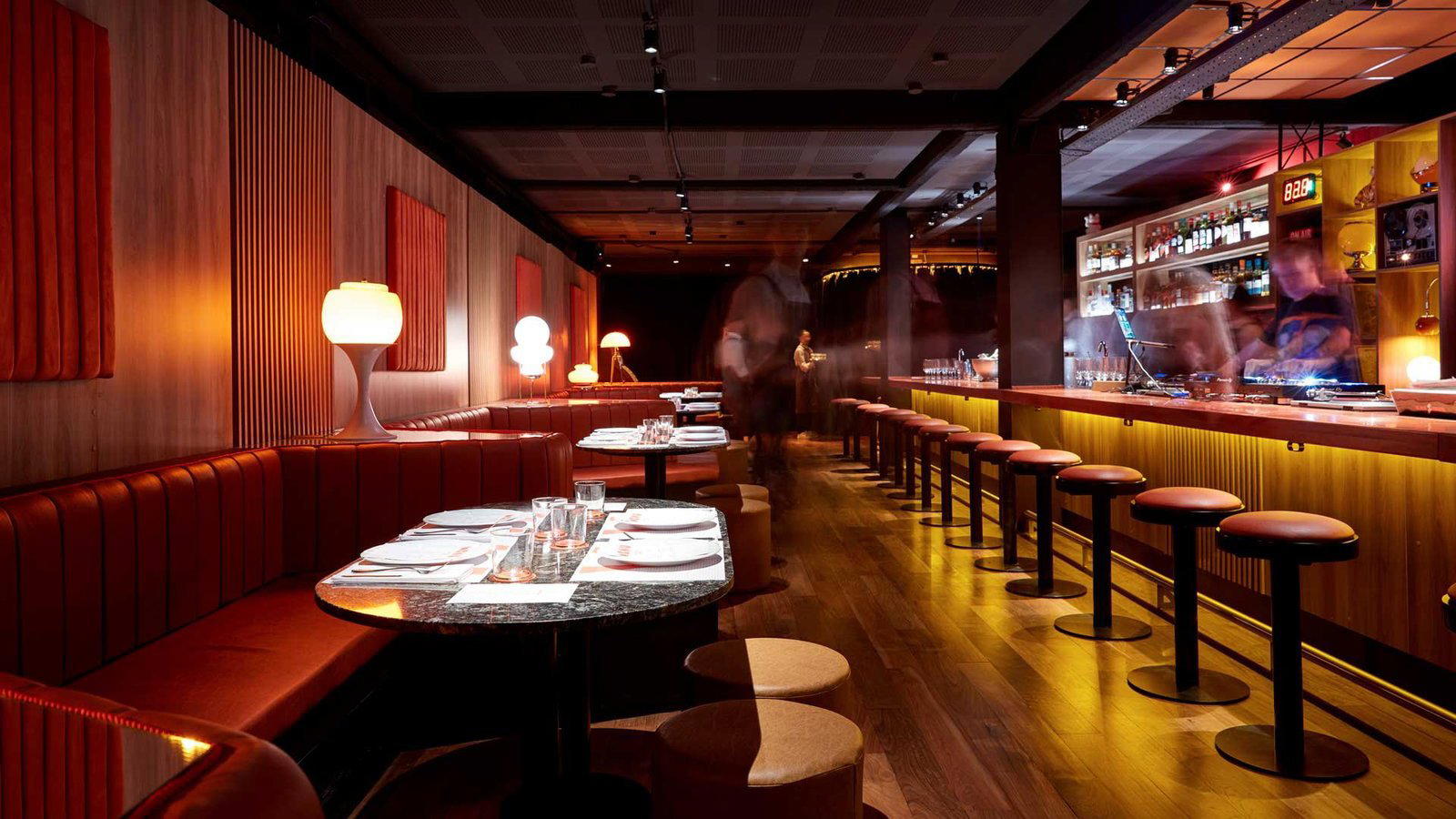
At a Glance
- Cozy
- Intimate
- Elegant
- Modern
- Date Night
- Special Occasion
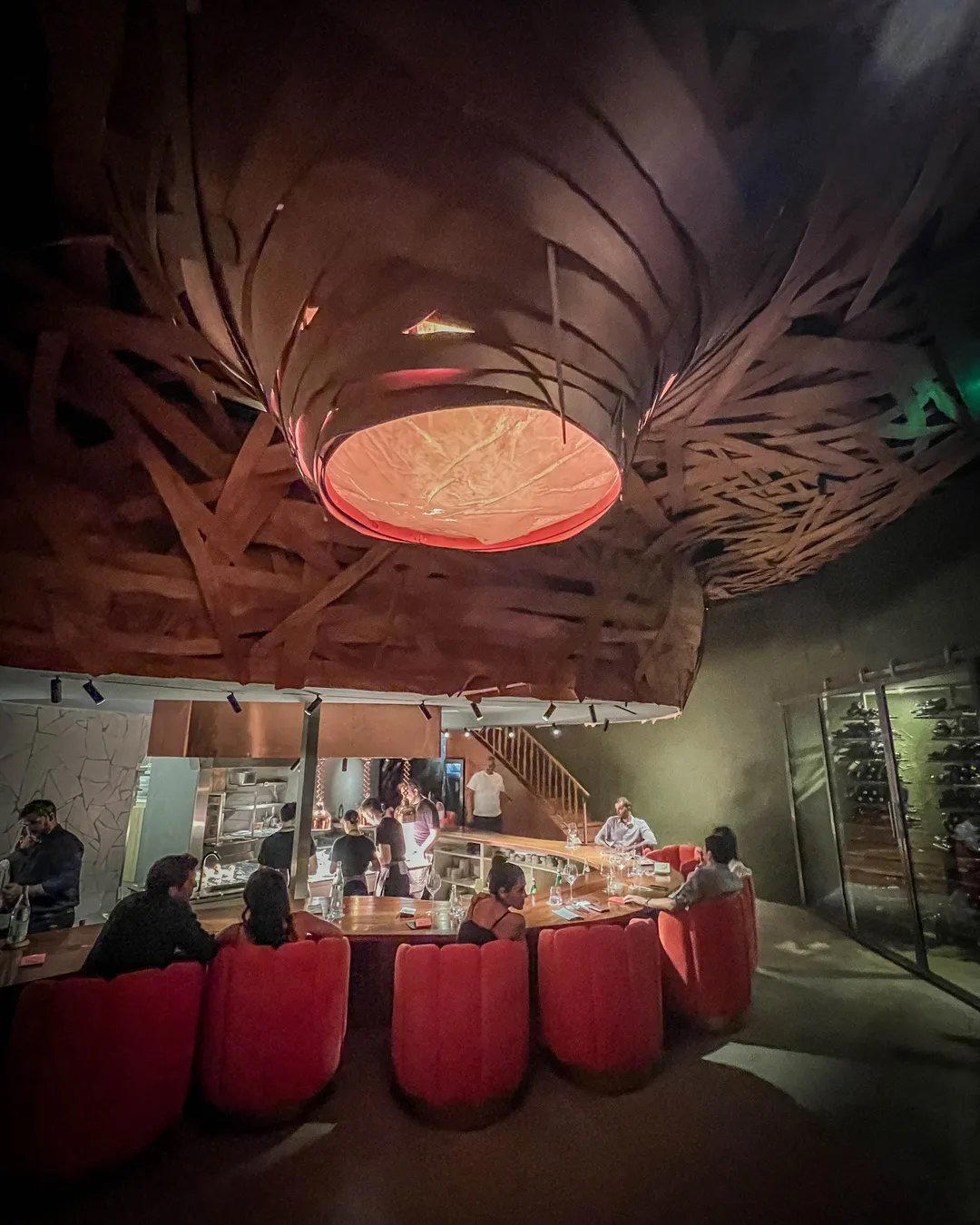
- Open Kitchen
- Extensive Wine List
- Farm To Table
- Local Sourcing
- Zero Waste
Current opening hours
- Monday
- Closed
- Tuesday
- 8–11:30 PM
- Wednesday
- 12–3 PM, 8–11:30 PM
- Thursday
- 12–3 PM, 8–11:30 PM
- Friday
- 12–3 PM, 8–11:30 PM
- Saturday
- 12–3 PM, 8–11:30 PM
- Sunday
- Closed
Hours can change for holidays and private events. Last verified .
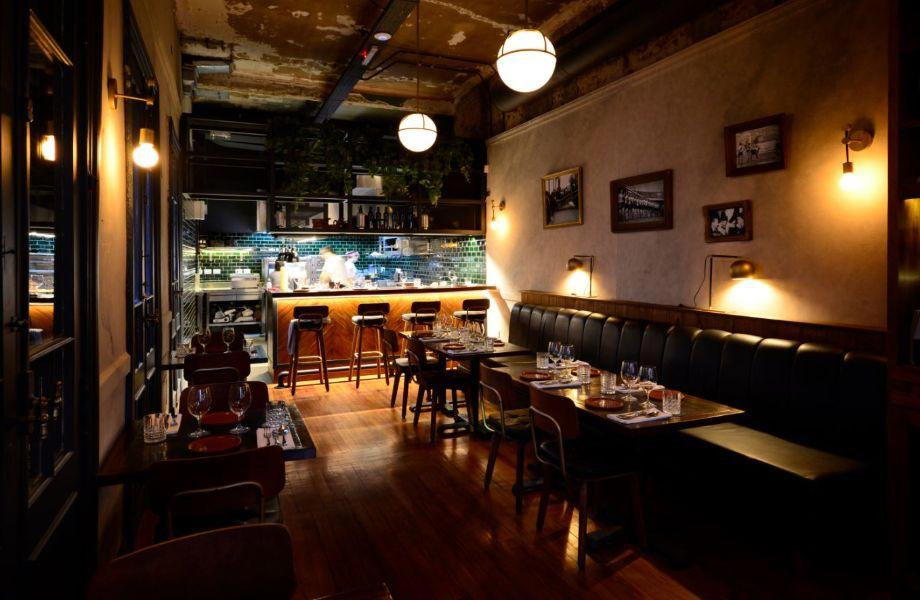
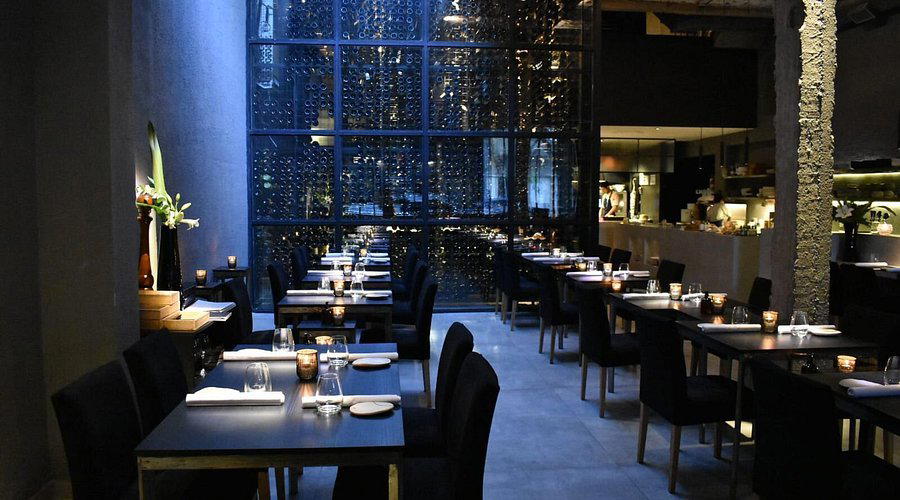
Cozy and inviting with open kitchen, moody lighting, natural textures, soundproofing, and heavy velvet curtains creating a calm, stylish atmosphere.