Situated on Calle 11 in La Candelaria, Quinua Y Amaranto occupies one of Bogotá's most historically charged neighbourhoods, where colonial architecture and indigenous grain traditions intersect. The restaurant's name alone signals a culinary orientation rooted in pre-Columbian staples, quinoa and amaranth, that have quietly shaped Colombian cooking for centuries. It sits within a dining scene increasingly serious about reclaiming those ingredients on their own terms.
Pearl is the En Primeur Club membership app — saves, bookings, and concierge access live there. Same editors, same standards.
- Address
- Cl. 11 #2-95, La Candelaria, Bogotá, Colombia
- Phone
- +57 310 8500710
- Website
- quinuayamaranto.com.co
- Directions
- Get directions
 Saves & bookings on Pearl
La Candelaria's Grain Tradition, Plated
Bogotá's oldest neighbourhood arrives with sensory weight before you've touched a menu. Walking Calle 11 toward Quinua Y Amaranto's address at No. 2-95, La Candelaria layers colonial facades, the low hum of street vendors, and the altitude-sharpened air of a city sitting at 2,600 metres above sea level. This is not the polished Zona Rosa corridor where Harry Sasson and the capital's international-facing dining operate. La Candelaria runs on a different frequency: government ministries, university students, fruit stalls, and restaurants that predate the current wave of modern Colombian fine dining.
That context matters for understanding what Quinua Y Amaranto represents. The restaurant's name references two pre-Columbian grains, quinoa and amaranth, that sustained Andean civilisations long before rice or wheat arrived with European colonisation. In a city where modern Colombian restaurants like El Chato and Leo have built international reputations by reinterpreting indigenous ingredients through fine-dining technique, Quinua Y Amaranto occupies a different register: neighbourhood-scale, historically embedded, and oriented around the grains themselves rather than around culinary spectacle.
The Sensory Character of the Space
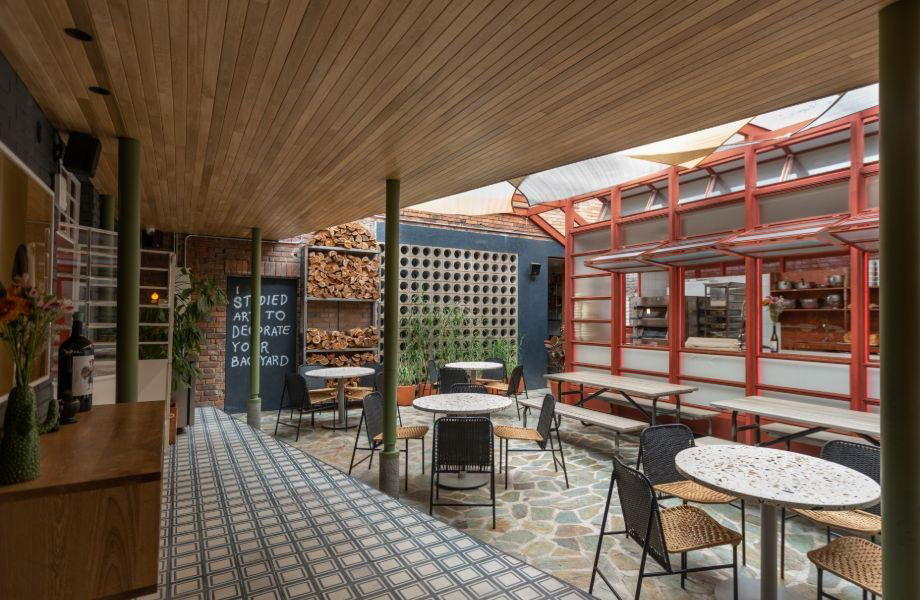
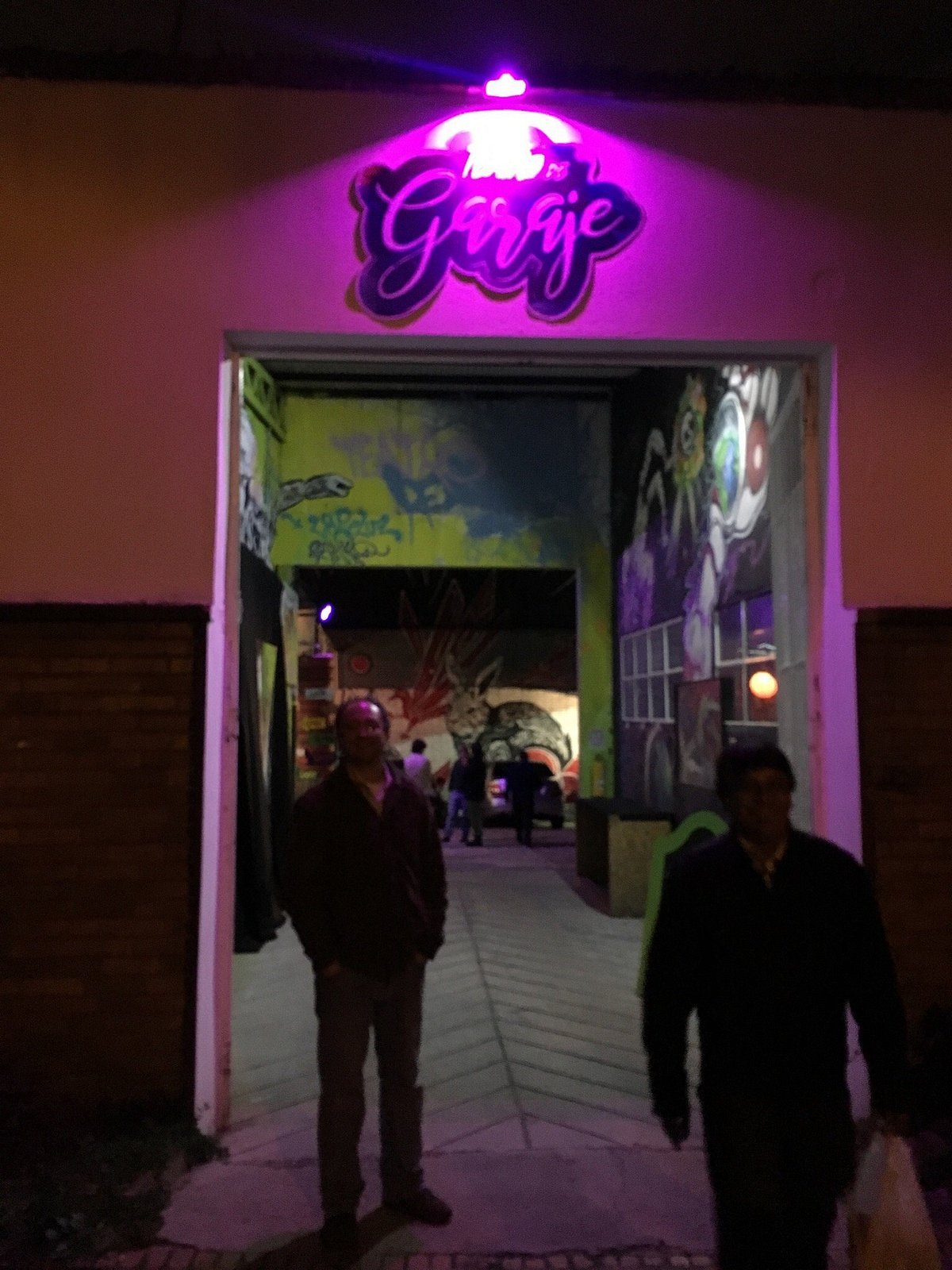
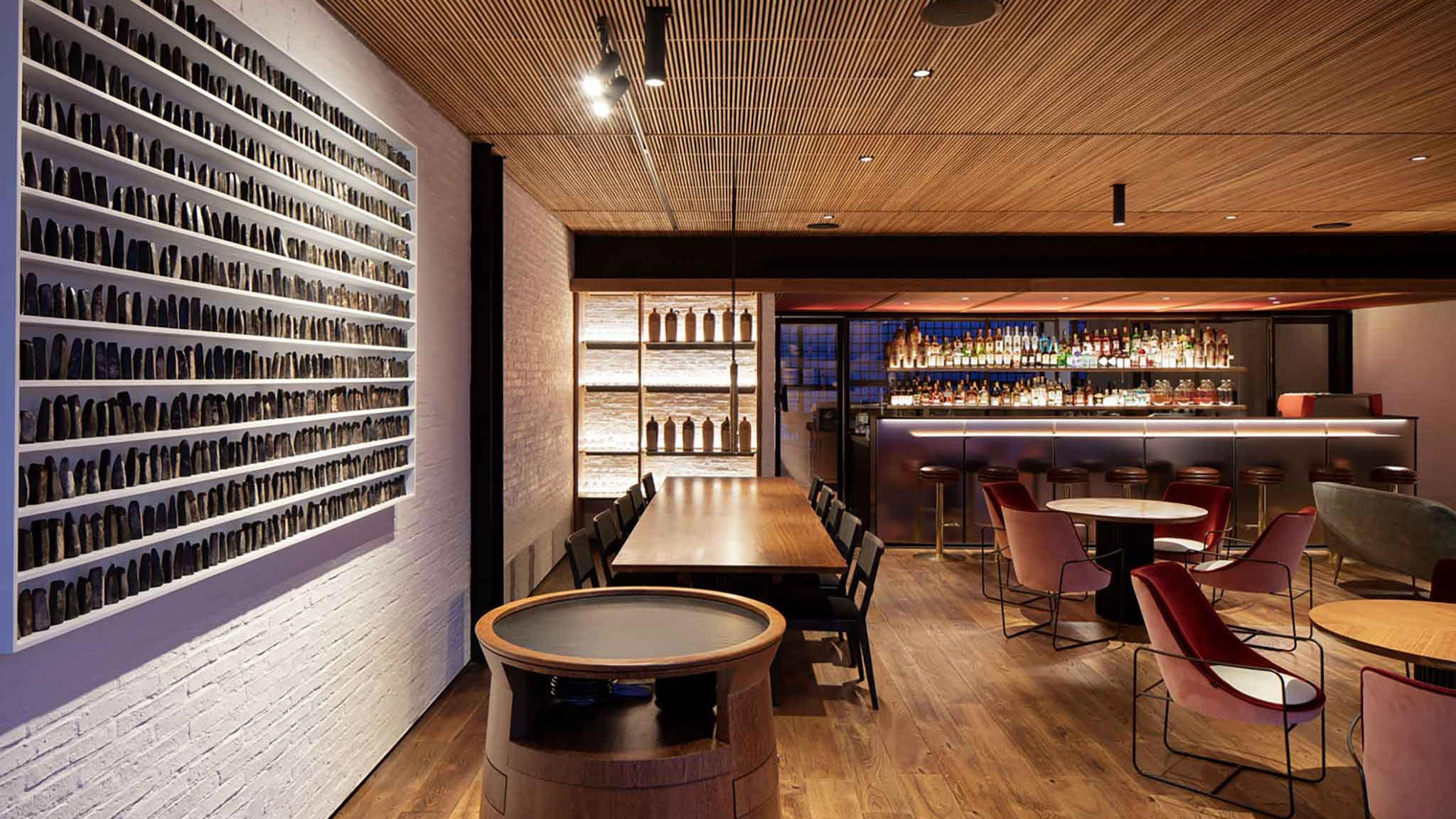
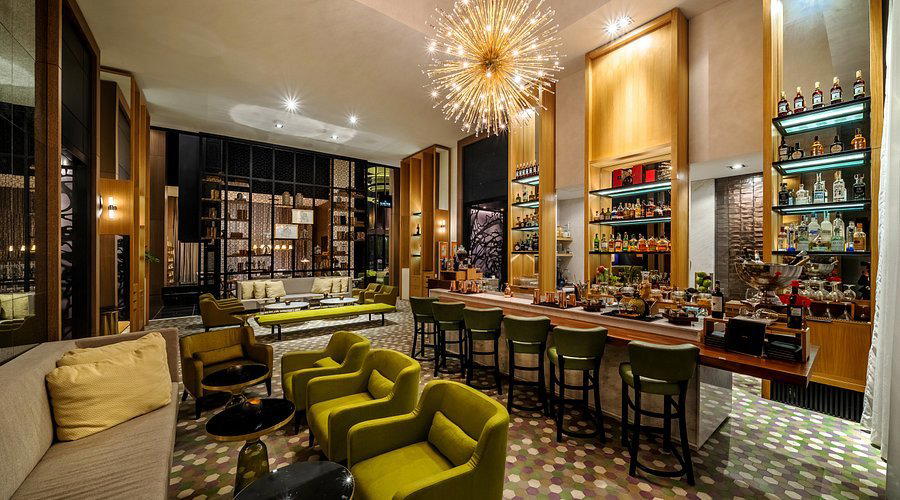
La Candelaria restaurants tend toward compact interiors, and Quinua Y Amaranto fits that pattern. The neighbourhood's colonial buildings, thick-walled, high-ceilinged, with tiled courtyards where they survive, create a particular acoustic quality: quieter than the street outside, with sounds absorbed rather than amplified. For visitors arriving from the altitude of Bogotá's newer districts further north, the walk downhill into La Candelaria produces a distinct shift in atmosphere. The air carries a mixture of coffee, arepas from street griddles, and the particular mineral quality of Andean highland mornings.
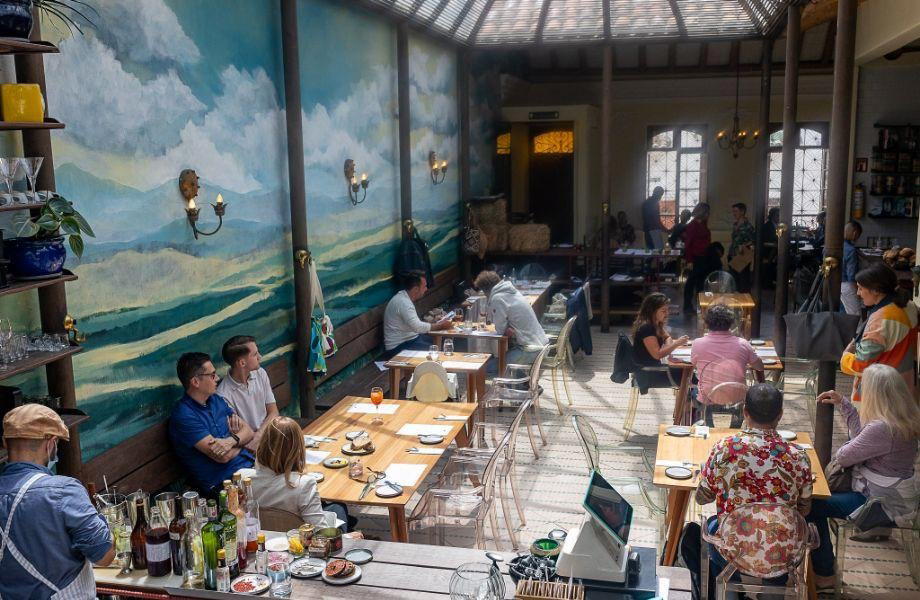
Restaurants centred on quinoa and amaranth in the Andean tradition often operate within a visual vocabulary of earthen tones and indigenous textile motifs, a design language that connects the food to its geographic and cultural origins. Whether the restaurant follows that approach or takes a more stripped-back direction, the address itself does the contextual work. Being in La Candelaria, within walking distance of the Museo del Oro and the Plaza de Bolívar, places the restaurant inside Bogotá's most direct conversation with pre-Columbian heritage.
Quinoa and Amaranth in the Bogotá Dining Context
Across the Colombian capital, the treatment of indigenous grains has split into two broad approaches. The first is the fine-dining mode: restaurants using quinoa and amaranth as textural or nutritional elements within tasting menus that speak primarily to a cosmopolitan audience. Afluente and Abasto Quinta Camacho represent the market-driven, ingredient-forward wing of that approach, while Debora Restaurante takes a more European-leaning line. The second approach, which a restaurant named explicitly after both grains in a neighbourhood like La Candelaria signals, is to treat those ingredients as the subject rather than the technique. That is a less commercially prominent position in Bogotá's dining scene, but a more historically grounded one.
Quinoa has seen global commodification over the past two decades, with exports from Peru and Bolivia reshaping the grain's economics at source. Amaranth, less exported and more closely tied to local Andean consumption, remains the more obscure of the two outside the region. A restaurant that names itself after both is making an implicit editorial statement about where its priorities sit: in the Andean ingredient tradition rather than in the international superfood marketing that has surrounded quinoa specifically.
For comparison, restaurants working with similar indigenous-grain frameworks in other Colombian cities tend to appear in more tourist-facing contexts. Donde Mama in Barranquilla and Sevichería Guapi in Cali each anchor in regional ingredient traditions, though along coastal and Pacific lines rather than Andean. The highland grain focus that restaurant represents is more specific to Bogotá's geographic and cultural position as the Andean capital of Colombia.
Where It Sits in the Broader Scene
Bogotá's restaurant scene is now substantial enough to segment clearly. At the international recognition tier, Leo, with its Michelin recognition and biogeographic tasting format, has established that Colombian fine dining can compete at the highest global level. Restaurants like El Chato occupy the creative middle tier: serious technique, Colombian ingredients, accessible enough to fill tables nightly. Then there is the neighbourhood tier, where restaurants serve the people who actually live near them, often with a more direct relationship to local food traditions and lower price points.
The restaurant, by address and apparent orientation, belongs to that third tier, not as a compromise but as a distinct mode of operating. The comparison set is not Le Bernardin or Lazy Bear; it is the category of restaurants that feed a neighbourhood and carry its food memory without needing international press to validate the work. In Colombian cities with strong regional identities, that tier often produces consistent cooking. X.O. in Medellín and Domingo in Cali each anchor in their respective cities with a similar sense of local specificity.
For visitors oriented toward the fine-dining tier, the comparison venues above represent the higher-investment options. For visitors whose interest runs toward La Candelaria's historical character and the ingredient traditions it embeds, the restaurant's position on Calle 11 makes it a logical stop alongside the neighbourhood's museums and plazas. Restaurants like Andrés Carne de Res in Chia or Bulgatta in Retiro draw from entirely different playbooks, Colombian abundance and international small plates, respectively, which underlines how varied the dining options are across greater Bogotá.
Planning Your Visit
La Candelaria operates on a daytime rhythm driven by government workers, university students, and tourists visiting the area's museums. Restaurants in the neighbourhood tend to peak at lunch rather than dinner, and the area is most active on weekdays. For visitors arriving from Bogotá's northern hotel districts, the journey south into La Candelaria takes roughly 20 to 30 minutes by taxi or app-based ride, depending on traffic on Carrera Séptima. The altitude affects appetite for some visitors during their first days in the city, so midday visits when the body has had time to adjust are generally more comfortable than early morning arrivals. The address at Cl. 11 #2-95 is confirmed. For a full picture of the capital's dining options across price points and neighbourhoods, see our full Bogota restaurants guide. Further afield, El Boliche Ceviche in Cartagena and BK Burukuka in Santa Marta offer useful reference points for how Colombia's coastal dining compares to the Andean highland approach concentrated in Bogotá. And in Manizales, Adictta Pizza shows the range of what Colombian secondary cities are building in the informal dining tier.
Similar Picks
Comparable venues nearby, for context on price, style, and recognition.
| Venue | Cuisine | Price | Notes |
|---|---|---|---|
| Quinua Y AmarantoThis venue — the venue you are viewing | Andean Vegetarian | $$ | Not listed |
| Restaurante Peruano - El Indio de Machu Picchu | Authentic Peruvian | $$ | Porciuncula |
| Qun | Contemporary Nikkei with Peruvian & Colombian Influences | $$$ | La Cabrera |
| Abasto Quinta Camacho | Farm-to-Table Colombian Bistro | $$ | Quinta Camacho |
| Prudencia | Modern Colombian Fine Dining | $$$ | La Concordia |
| Pizzardi Artigianale | Pizza | Not listed | Bogotá |
At a Glance
- Cozy
- Rustic
- Casual Hangout
- Local Sourcing
Current opening hours
- Monday
- 11:30 AM–7:30 PM
- Tuesday
- 11:30 AM–7:30 PM
- Wednesday
- 11:30 AM–7:30 PM
- Thursday
- 11:30 AM–7:30 PM
- Friday
- 11:30 AM–4 PM
- Saturday
- 11 AM–4 PM
- Sunday
- 11:30 AM–4 PM
Hours can change for holidays and private events. Last verified .
Cozy and inviting atmosphere with a focus on fresh, healthy meals in a charming historic neighborhood setting.