On a quiet stretch of Calle 85, Qun occupies the northern Bogotá corridor where European technique meets Colombia's extraordinary pantry of highland tubers, Amazonian botanicals, and Pacific coast seafood. The kitchen applies an ingredient-first discipline that positions it within the city's growing cohort of globally trained cooks working with resolutely local raw material. Reservations are advised, particularly on weekends.
Pearl is the En Primeur Club membership app — saves, bookings, and concierge access live there. Same editors, same standards.
- Address
- Ac. 85 # 12-72, Bogotá, Colombia
- Phone
- +576013570505
- Website
- restaurantequn.com
- Directions
- Get directions
 Saves & bookings on Pearl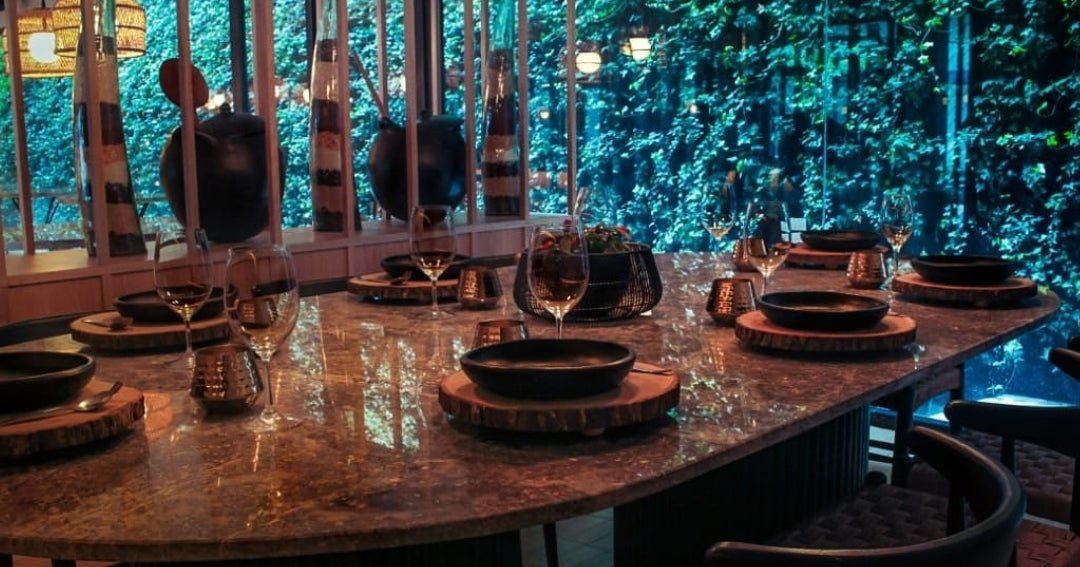
Where the Northern Corridor Meets the Colombian Pantry
Bogotá's dining axis has shifted northward over the past decade. The stretch running through Chapinero Alto and into the Zona Rosa and Chicó corridors now concentrates more serious cooking per block than anywhere else in the country, and Calle 85 has emerged as a particular address of note. It is the kind of street where a considered restaurant can exist without the volume pressure of a tourist zone, drawing instead from the professional and international residential population that populates Bogotá's northern barrios. Qun is a restaurant in Bogotá serving contemporary Nikkei with Peruvian and Colombian influences. Qun, at Ac. 85 # 12-72, sits within this geography and benefits from it.
The broader context matters here. Colombia's fine dining conversation has been shaped in recent years by a generation of cooks who trained in Europe or North America and returned with classical or avant-garde methods, then applied those frameworks to an ingredient base that Europe simply cannot replicate. The altitude-grown aromatics of Cundinamarca, the river fish of the Llanos, the chontaduro and copoazú of the Pacific and Amazonian lowlands, these are not supplementary curiosities but central protagonists in the kitchens making particularly coherent arguments for what modern Colombian cooking can be. Restaurants like El Chato (Modern Colombian) and Leo (Modern Colombian) have defined that conversation at international level. Qun operates within the same structural logic, where imported technique acts as a delivery mechanism for indigenous product rather than as an end in itself.
The Kitchen's Governing Logic
What distinguishes particularly serious kitchens in this northern Bogotá tier is not the presence of French or Japanese training alone, that credential is now table stakes across the city, but the degree to which that training is subordinated to the product. The strongest kitchens in this category resist the temptation to let technical flourishes overwhelm ingredients that have enough character to speak clearly without intervention. The discipline required is actually more demanding than it sounds: knowing when to apply a stock reduction and when to step back, when fermentation adds complexity and when it masks the quality of a tuber that spent months in high-altitude soil.
Bogotá's position at 2,600 metres gives its markets a particular character. Cool nights and dramatic temperature swings produce slow-maturing vegetables with concentrated flavour profiles. The Paloquemao and Mercado de las Pulgas circuits that serious local cooks rely on deliver varieties of papa criolla, arracacha, and other Andean roots that have no meaningful equivalent in European or North American supply chains. A kitchen that has access to this material and knows how to present it within a contemporary framework occupies a meaningful position in the global fine dining conversation, even if its name recognition outside Colombia remains limited for now.
That relative obscurity is partly structural. Bogotá does not receive the volume of food-focused international tourism that Lima, Mexico City, or Buenos Aires attract, which means excellent kitchens in the northern corridor can operate with less external pressure and more internal coherence. The audience is local professionals, regional visitors from Colombia's secondary cities, and a smaller cohort of internationally mobile diners who have done their research. For restaurants in this niche, see also Debora Restaurante, Abasto Quinta Camacho, and Afluente, each working a slightly different angle on the same core question of how global method and Colombian product can coexist productively.
Technique as Frame, Not Subject
The kitchen traditions that have most influenced Bogotá's current fine dining cohort are French in structure, sauce-making, butchery precision, mise en place discipline, with a strong secondary influence from Japanese and Nordic approaches to restraint and fermentation. What unites these imports is their common interest in revealing rather than disguising ingredient quality. Applied to Colombian raw material, this creates a distinctive aesthetic: preparations that look minimal but carry significant depth because the base ingredient has already done most of the work before the cook intervenes.
This is the same structural argument being made at a technical level in restaurants like Le Bernardin in New York City, where classical French training is used to present seafood with maximum transparency, or at Atomix in New York City, where Korean ingredients are presented through a framework of extraordinary technical precision. The geography differs but the underlying logic, technique as frame, product as subject, translates directly to what the leading Colombian kitchens are attempting. Qun operates within this international conversation while working from a uniquely Colombian pantry.
Planning a Visit
Qun is located at Ac. 85 # 12-72 in Bogotá's northern corridor.
For a broader orientation to where Qun sits within the city's full dining range, the EP Club Bogotá restaurants guide maps the scene across neighbourhoods and price tiers. Elsewhere in Colombia, the same interest in technique-meets-local-product is visible at 37 Park in Medellín and, at a more casual register, at Cardinal Comida Peruana de Autor in Pereira. Regional diversity is also well-represented by destinations like Andrés Carne de Res in Chia and, on the coast, LA BRIOCHE Bocagrande in Cartagena De Indias, Los Tacos Del Gordo, and Crepes & Waffles Centro in Cartagena. Those planning broader itineraries might also consider BK - BURUKUKA in Santa Marta, Bulgatta restaurante in Retiro, Le Brunch Express in Envigado, and La B Hamburgers in Sincelejo for a sense of how the country's culinary range extends well beyond the capital.
City Peers
Comparable venues nearby, for context on price, style, and recognition.
| Venue | Cuisine | Price | Notes |
|---|---|---|---|
| QunThis venue — the venue you are viewing | Contemporary Nikkei with Peruvian & Colombian Influences | $$$ | Not listed |
| Cacio & Pepe | Authentic Italian Taverna | $$$ | El Chico |
| Prudencia | Modern Colombian Fine Dining | $$$ | La Concordia |
| Salvo Patria | Modern Colombian | $$$ | Bosque Calderon |
| Andres Carne de Res | Colombian steakhouse & grill | $$$ | Zona Rosa / Chapinero |
| Les Amis Pastry Shop | Argentine Bakery & French Pastries | $$ | Antiguo Country |

At a Glance
- Elegant
- Sophisticated
- Modern
- Romantic
- Date Night
- Special Occasion
- Celebration
- Group Dining
- Live Music
- Open Kitchen
- Extensive Wine List
- Craft Cocktails
- Local Sourcing
Current opening hours
- Monday
- 12–10 PM
- Tuesday
- 12–10 PM
- Wednesday
- 12–10 PM
- Thursday
- 12–11 PM
- Friday
- 12–11 PM
- Saturday
- 12–11 PM
- Sunday
- 12–5 PM
Hours can change for holidays and private events. Last verified .
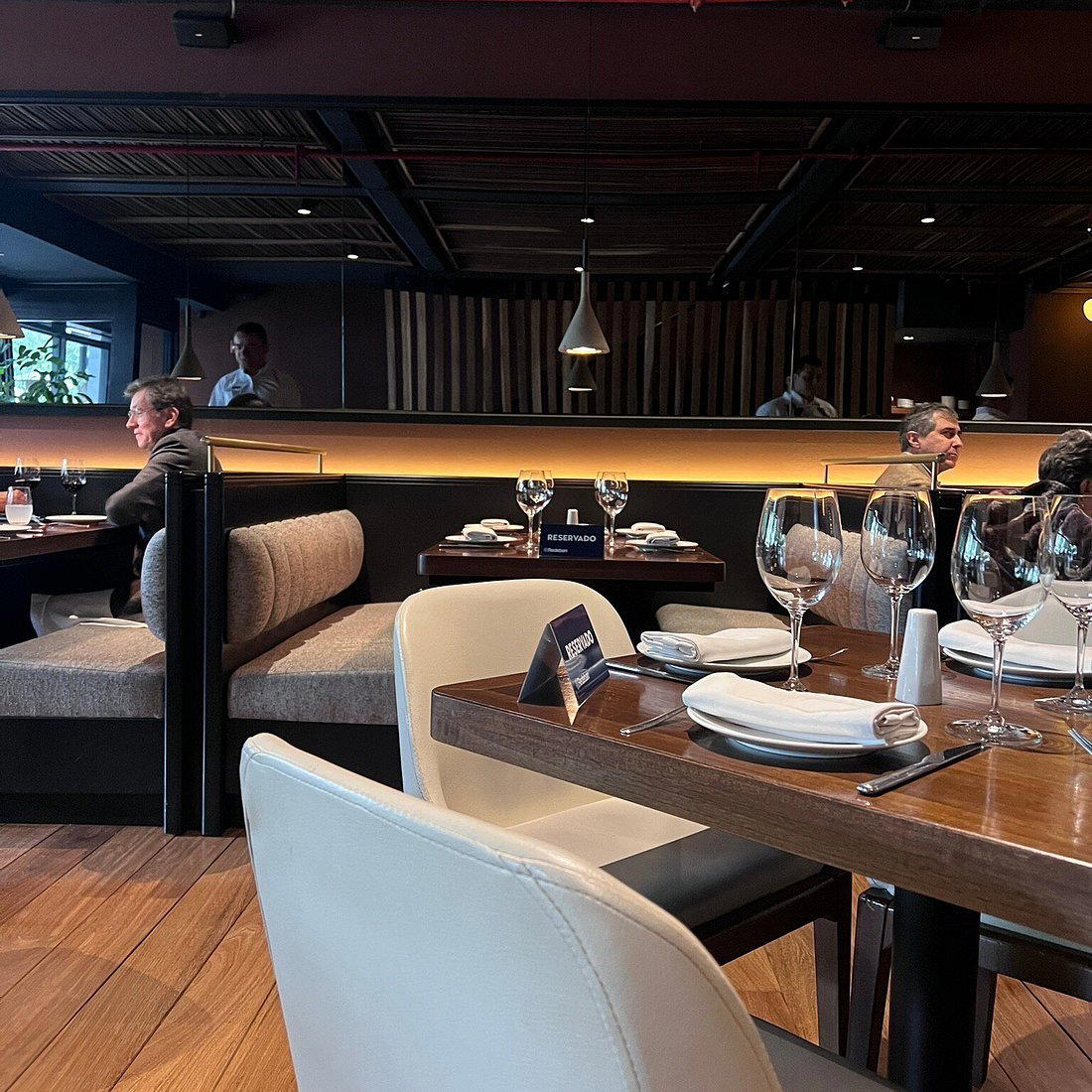
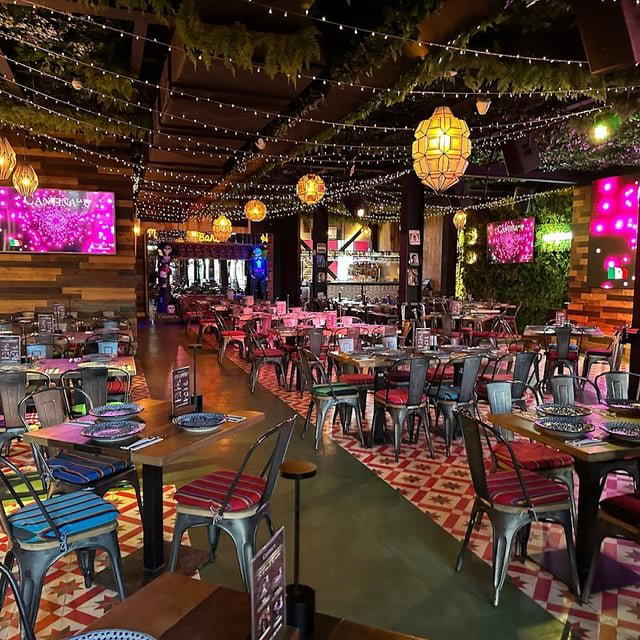
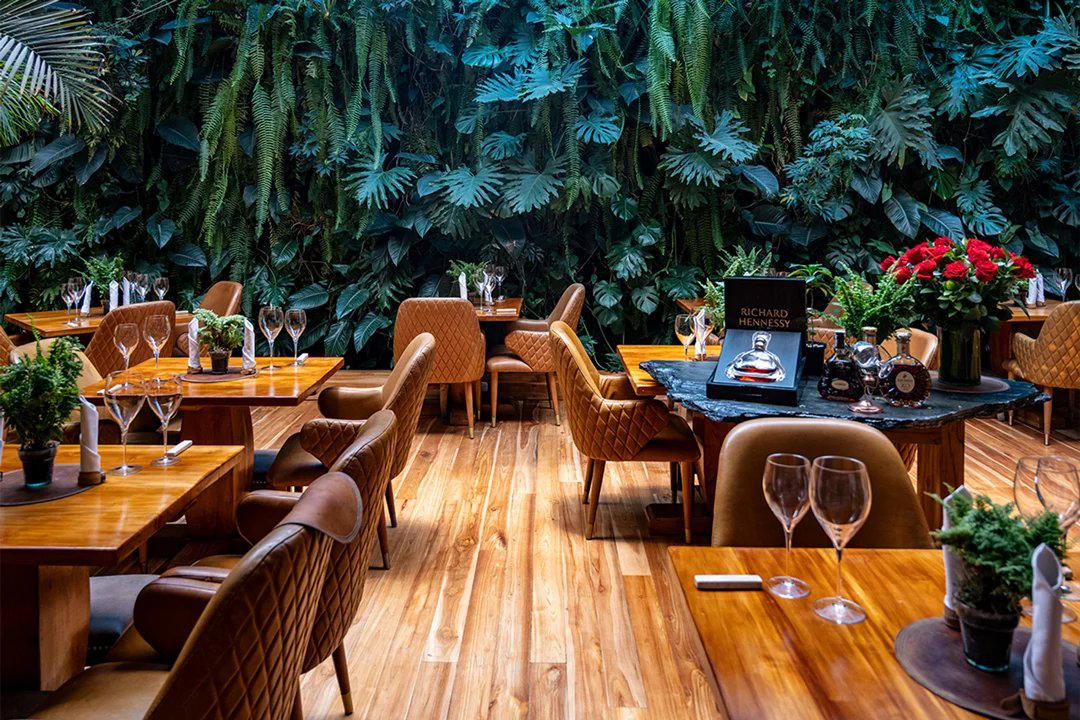
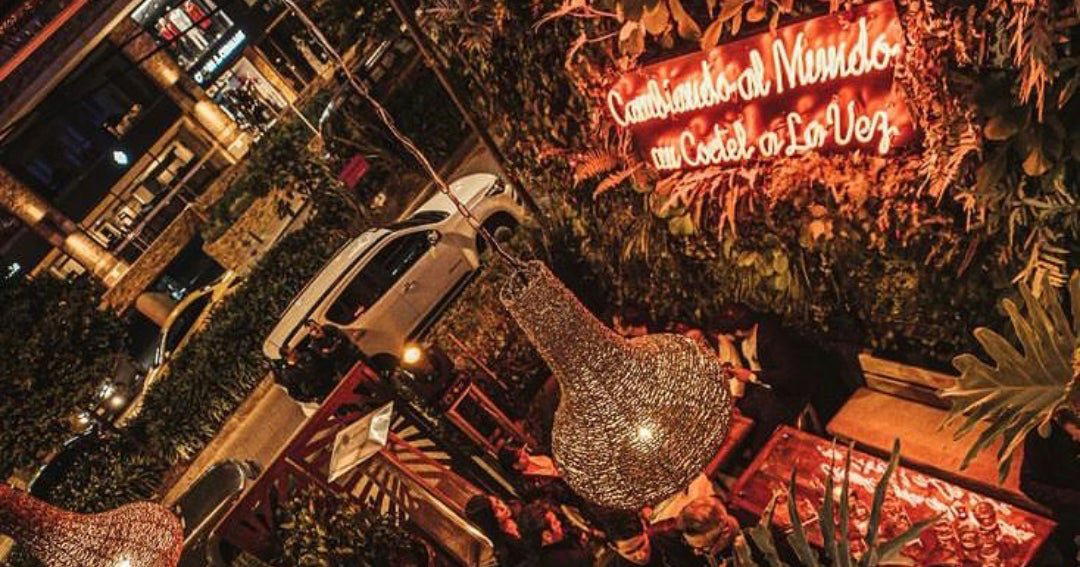
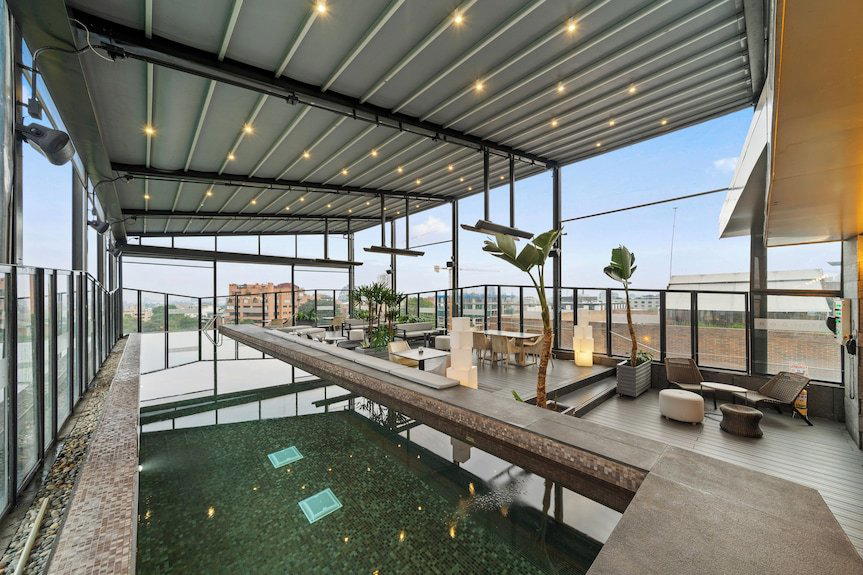
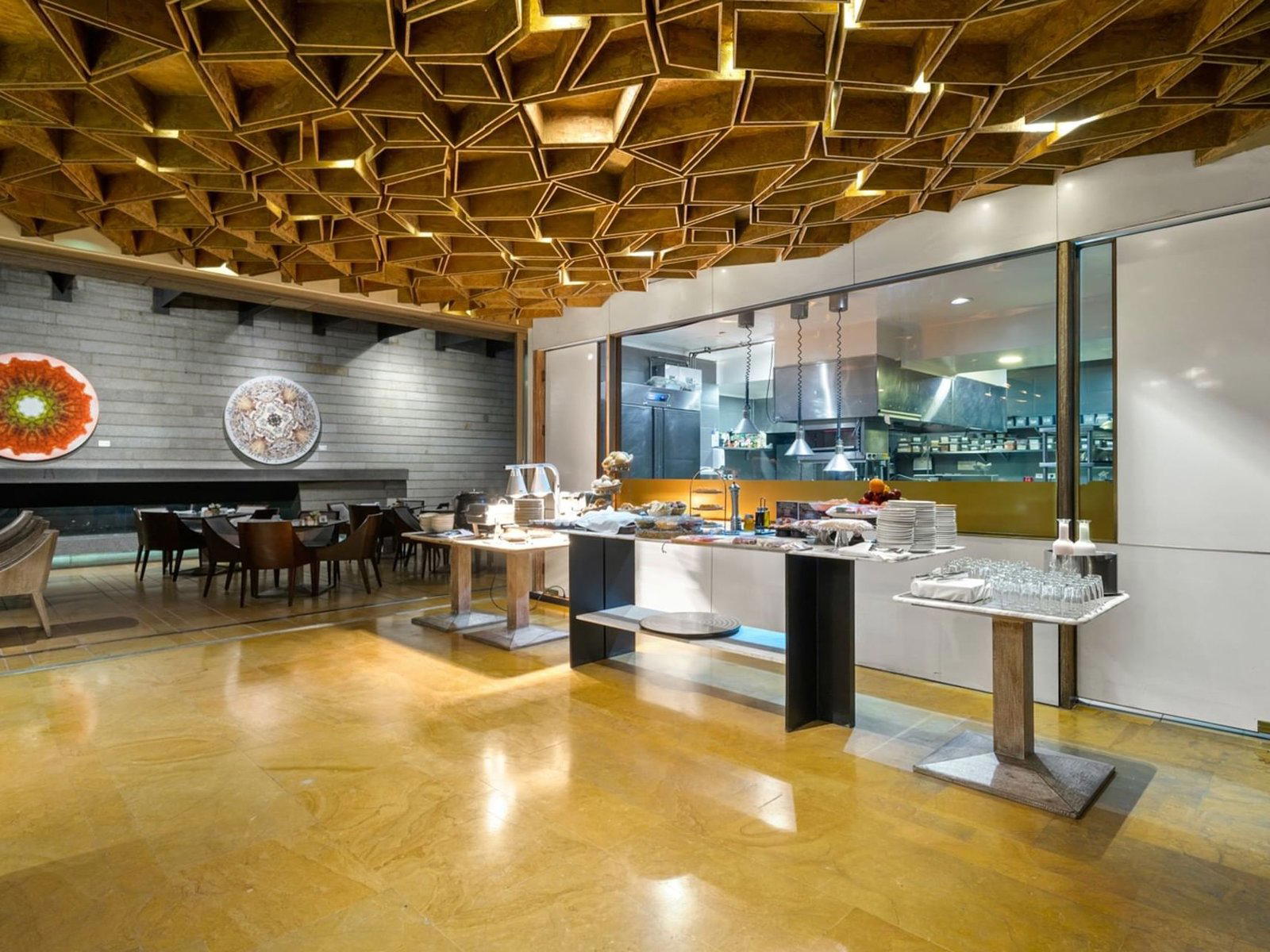
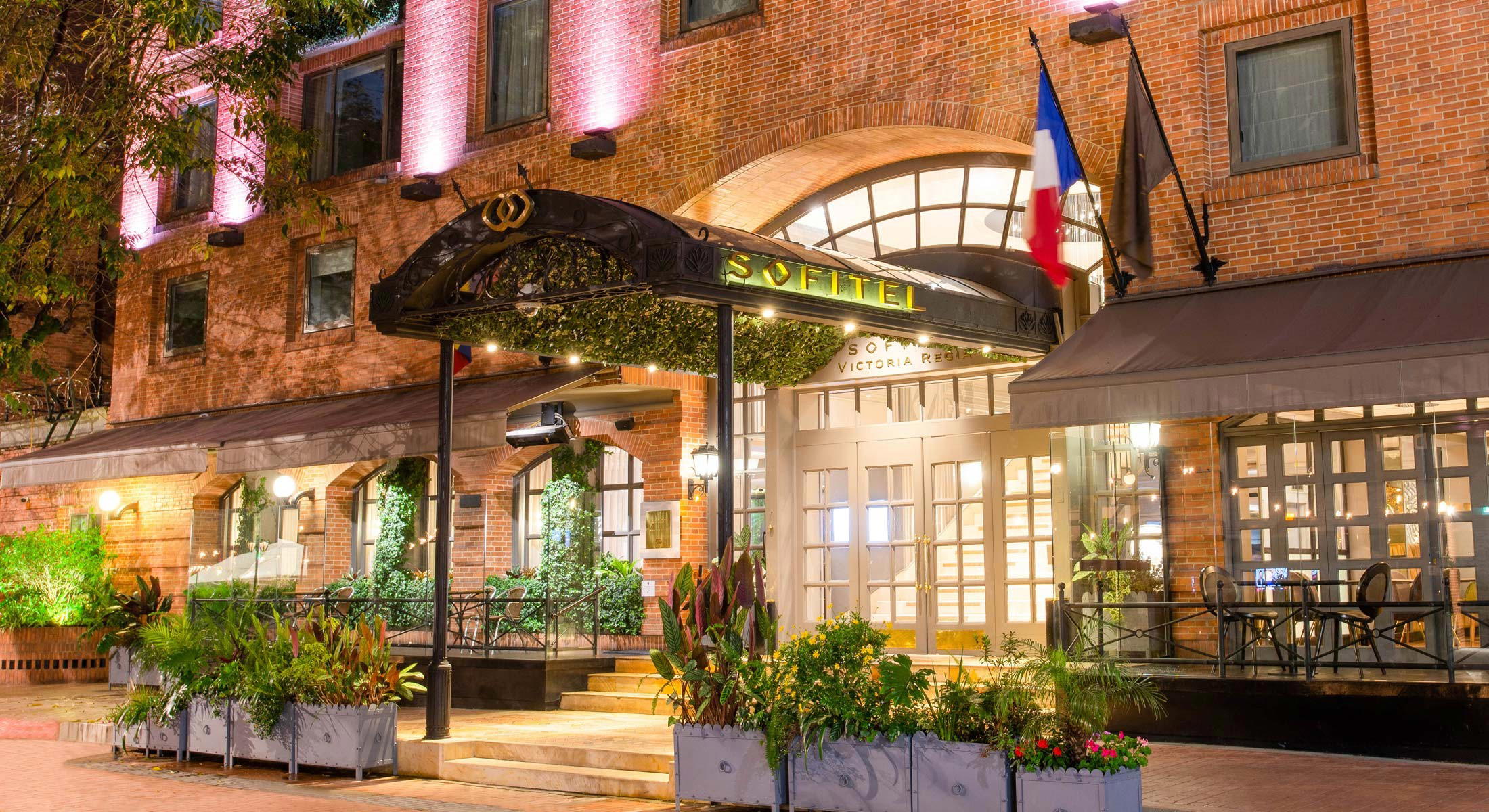
Cozy yet sophisticated atmosphere with elegant and inviting design, well-suited for intimate gatherings or celebratory meals.