Bulgatta restaurante sits on a rural finca along the Retiro road in Antioquia, placing it squarely within Colombia's growing tradition of farm-to-table dining outside the urban centre. The setting alone reframes what a restaurant visit can mean in this region: a drive into the hills, agricultural land in view, and a meal shaped by what that land produces. For travellers already exploring the Medellín-Retiro corridor, it represents a distinct alternative to city dining.
Pearl is the En Primeur Club membership app — saves, bookings, and concierge access live there. Same editors, same standards.
- Address
- La Ceja, km 5.3 finca, Retiro, santa ana, Antioquia, Colombia
- Phone
- +573225097395
- Website
- url
- Directions
- Get directions
 Saves & bookings on Pearl
Dining Beyond the City: Antioquia's Rural Restaurant Tradition
Colombia's most interesting dining shift over the past decade has not happened inside Bogotá's Zona Rosa or Medellín's El Poblado. It has happened on the roads leading out of those cities, where a cluster of producers, cooks, and smallholders have quietly built an alternative circuit. Retiro, roughly an hour southeast of Medellín through the Eastern Andes, sits at the heart of that movement. The municipality's cooler climate and fertile highland terrain make it one of Antioquia's most productive agricultural zones, and restaurants that position themselves along those rural roads are not making a lifestyle statement so much as a geographical one: the ingredients are here, so the kitchen should be here too.
Bulgatta restaurante occupies that position. Located at km 5.3 on the La Ceja road, on a finca property outside Retiro's town centre, the restaurant is not the kind of place you stumble into. You drive to it deliberately, through countryside that is itself part of the experience. That approach to location is common to a broader category of Antioquian dining that treats the agricultural setting as inseparable from the food.
What the Finca Setting Means for the Food
Antioquia's agricultural output is broad. The Eastern Andes around Retiro and neighbouring La Ceja are known for flower cultivation, but also for dairy, legumes, highland vegetables, and the kind of free-range poultry that barely exists as a commercial product in urban markets. A restaurant positioned on a working finca in this corridor has access to a supply chain that urban peers, regardless of their sourcing ambitions, cannot replicate.
Colombian rural kitchens at this level sit in an interesting position relative to the broader national fine-dining scene. Restaurants like Debora Restaurante in Bogotá or Harry Sasson in Bogotá approach Colombian ingredients from within an urban fine-dining framework, curating and elevating through technique. Rural finca restaurants operate on different logic: the terrain sets the menu, and the kitchen's job is to take full advantage of what the land provides in a given week. Neither approach is superior; they answer different questions about what Colombian cuisine can be.
The Retiro Corridor and Its Dining Peers
Retiro does not operate in isolation. The town sits within a broader cluster of Antioquian communities, including La Ceja, Rionegro, and El Retiro itself, that together form a weekend destination circuit for Medellín's middle and upper-middle classes. Dining in this corridor tends to be less formal than Medellín's established restaurant scene but often more interesting from a sourcing perspective, precisely because proximity to production sites is built into the business model. El Rancherito in Rionegro represents one end of that spectrum, with a deeply traditional Antioquian format; Bulgatta's finca positioning suggests a different point on the same axis.
Across Colombia, the conversation about regional identity and ingredient provenance has grown more sophisticated. Donde Mama in Barranquilla and Sevichería Guapi in Santiago de Cali each anchor their identity to a specific regional food culture and its raw materials. The finca model in Antioquia does something structurally similar, grounding the restaurant's identity in a specific agricultural zone rather than a culinary technique. In that sense, Bulgatta belongs to a national pattern even if it occupies a quiet rural road rather than a prominent urban address.
Planning a Visit: Practical Considerations
The finca location at km 5.3 on the La Ceja road makes private transport one practical option. The site is not walkable from Retiro's town centre, and ride-hailing coverage in this part of Antioquia is inconsistent outside peak weekend hours. Visitors travelling from Medellín should plan the drive as part of the outing rather than an inconvenience: the road through the Eastern Andes is scenic and the descent into the Retiro valley gives a clear sense of why this area became an agricultural zone in the first place.
Booking is essential, especially on weekends and holiday periods.
For a broader sense of the Colombian dining scene beyond Antioquia, X.O. in Medellín and Café Le Gris in Medellín represent the city's more formal dining tier, while Andrés Carne de Res in Chia offers a contrasting model of large-scale Colombian hospitality. Further afield, Clero Restaurante in Cartagena de Indias, El Boliche Ceviche in Cartagena, BK Burukuka in Santa Marta, Domingo in Cali, Cardinal in Pereira, Adictta in Manizales, and Donde La Yiyo in Bazurto together sketch the range of serious eating available across the country. For reference points at the international level, Le Bernardin in New York City and Lazy Bear in San Francisco illustrate how sourcing-led formats translate in high-investment urban contexts.
In Context: Similar Options
Comparable venues nearby, for context on price, style, and recognition.
| Venue | Cuisine | Price | Notes |
|---|---|---|---|
| Bulgatta restauranteThis venue — the venue you are viewing | Italian Trattoria with Farm-to-Table Focus | $$$$ | Not listed |
| OCI. Mde | Contemporary Colombian | $$$ | Provenza |
| Bistecca e Vino Da Trattoria de la Plaza | Italian Steakhouse & Wine Bar | $$$ | Emaus |
| Restaurante La Piedra | Colombian Gastropub | $$ | Guatape |
| Storia D'Amore Granada | Italian Trattoria | $$$$ | Granada |
| Boro | Contemporary Colombian, research-led and ingredient-driven | $$$$ | El Poblado |

At a Glance
- Romantic
- Elegant
- Scenic
- Sophisticated
- Date Night
- Special Occasion
- Group Dining
- Celebration
- Terrace
- Panoramic View
- Garden
- Standalone
- Open Kitchen
- Extensive Wine List
- Craft Cocktails
- Farm To Table
- Local Sourcing
- Mountain
- Garden
Current opening hours
- Monday
- 12–10 PM
- Tuesday
- 12–10 PM
- Wednesday
- 12–10 PM
- Thursday
- 12–10 PM
- Friday
- 12–10 PM
- Saturday
- 9:30 AM–12 AM
- Sunday
- 9:30 AM–10 PM
Hours can change for holidays and private events. Last verified .
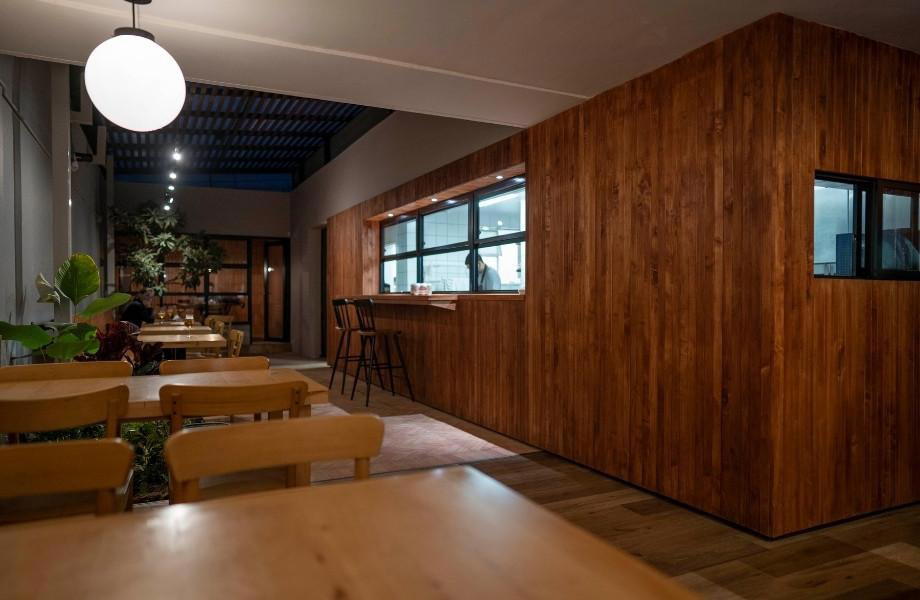
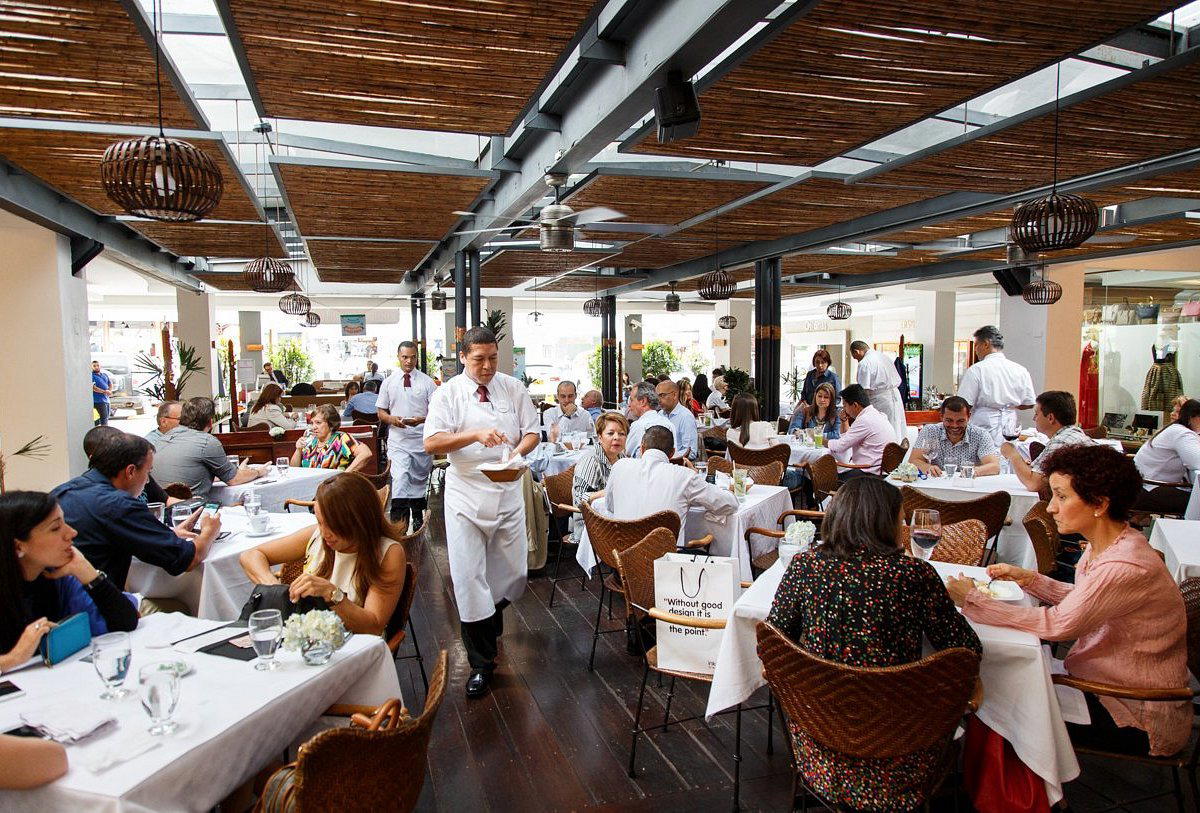
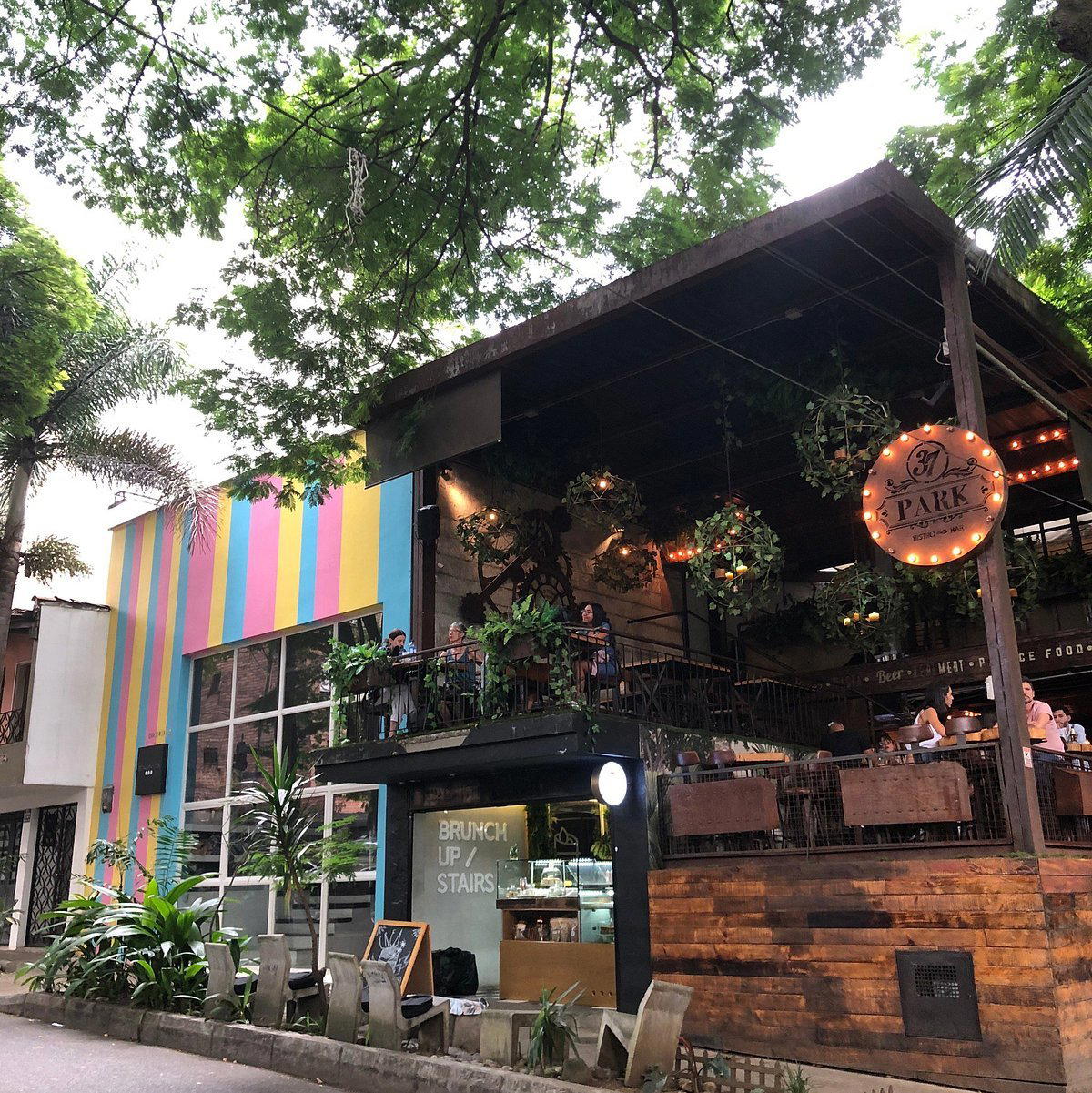
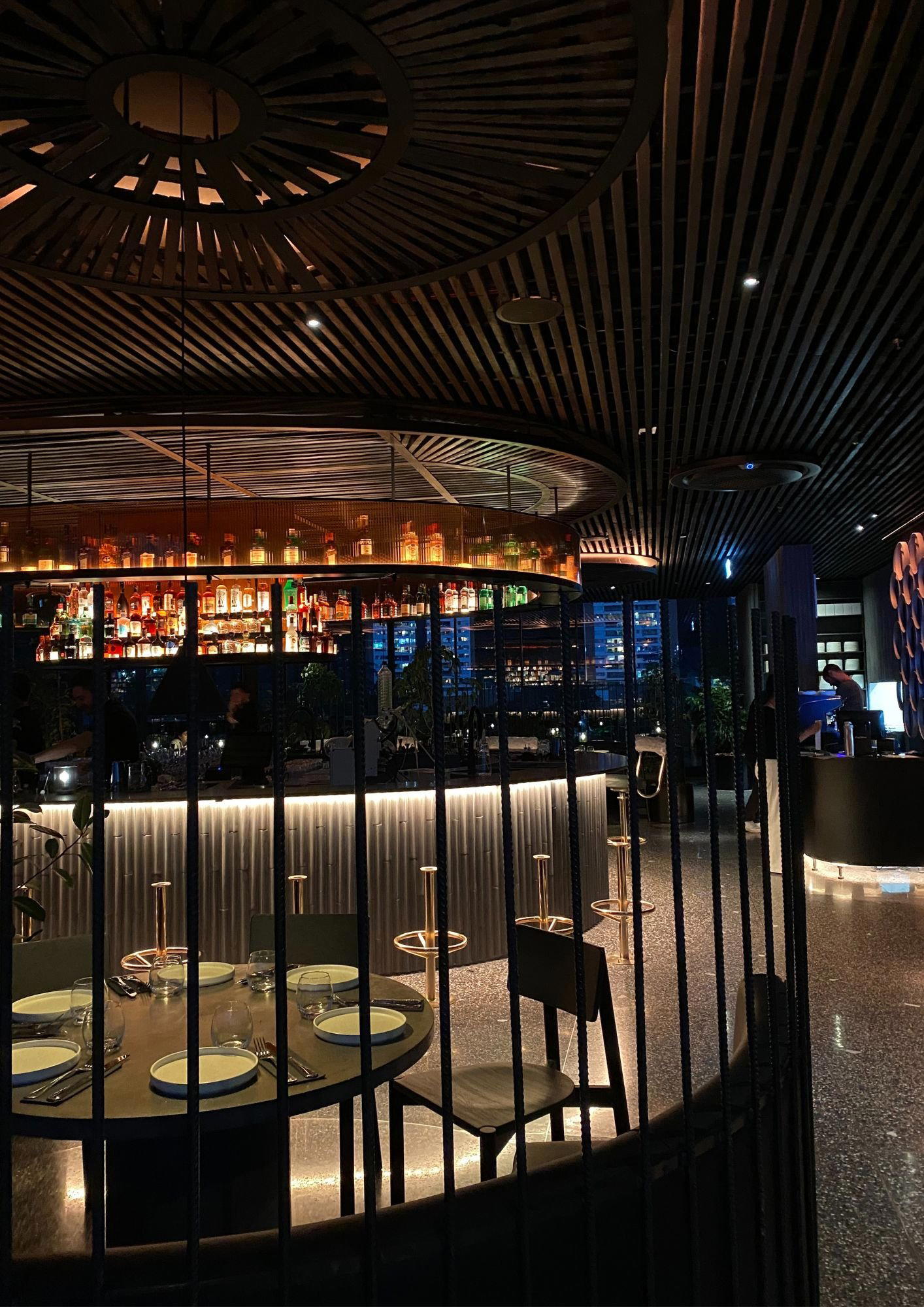
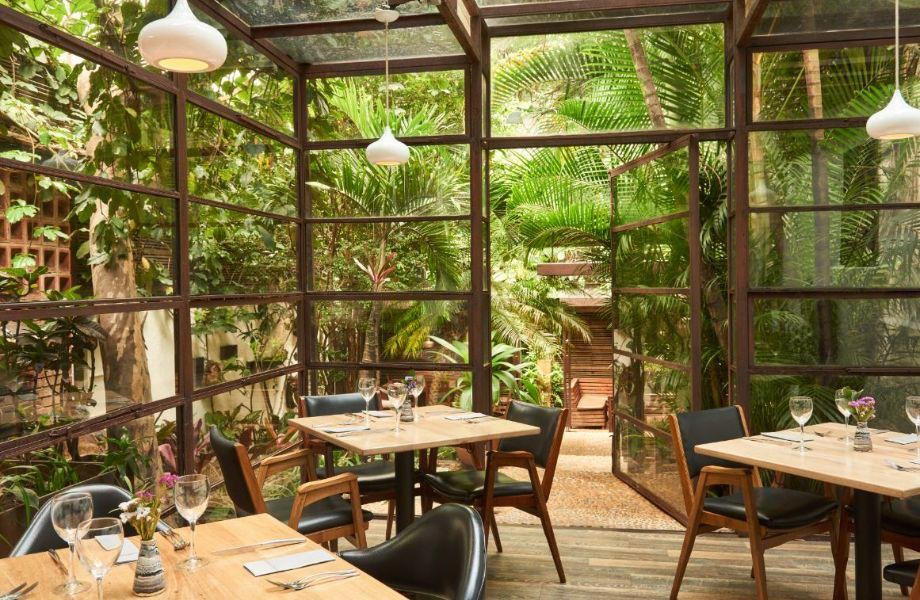
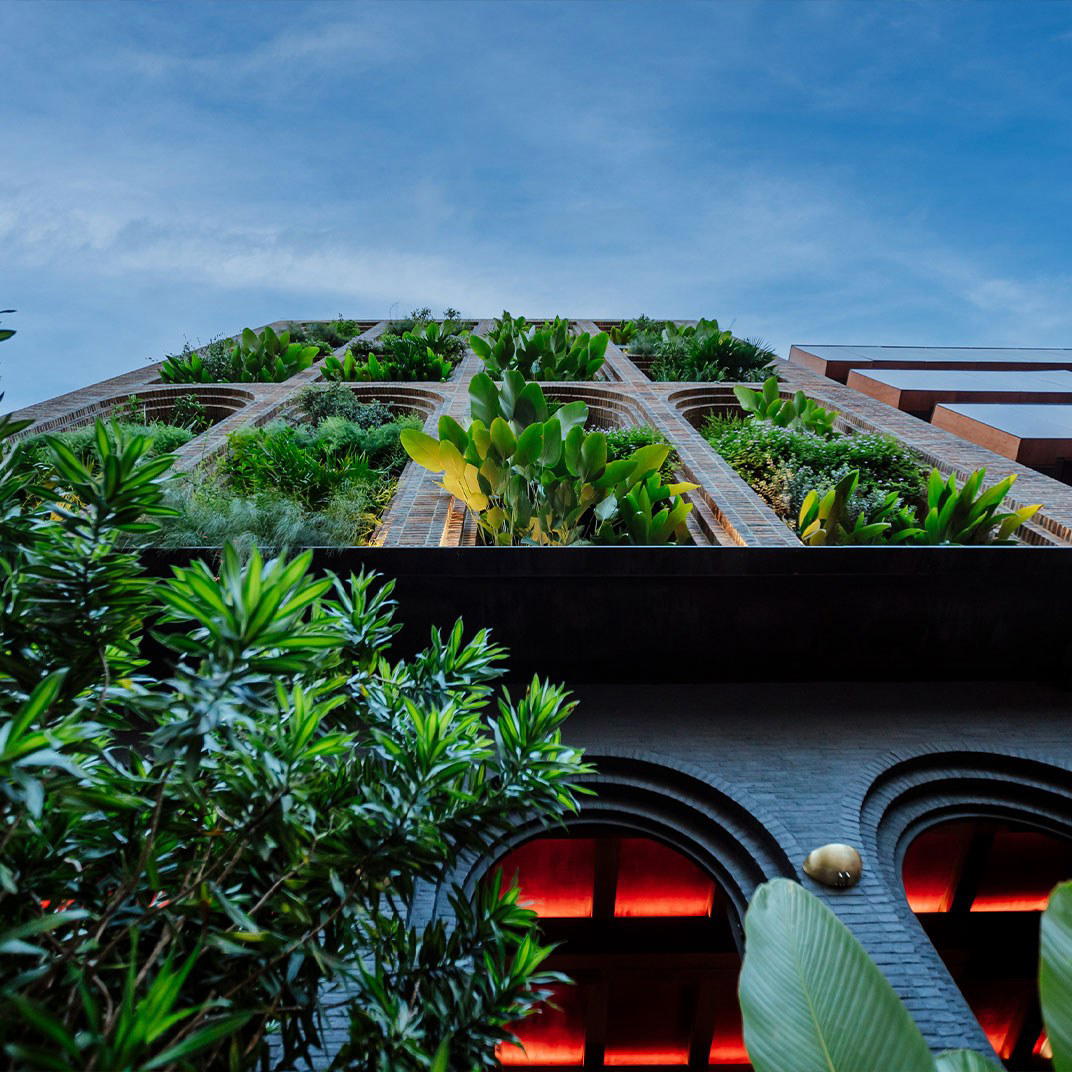
Modern elegance blended with homely warmth, featuring thoughtful architectural integration with natural surroundings, soft lighting, and carefully curated music creating an intimate yet sophisticated atmosphere.