Quellental occupies a quiet residential address in Hamburg's Blankenese district, operating at a remove from the city's more conspicuous fine-dining corridor. The restaurant sits within Germany's broader movement toward regionally grounded, structurally deliberate menus, the kind that reveal their logic course by course rather than dish by dish. For Hamburg diners willing to travel west along the Elbe, it represents a considered alternative to the city-centre prestige circuit.
Pearl is the En Primeur Club membership app — saves, bookings, and concierge access live there. Same editors, same standards.
- Address
- î Quellental 36, 22609 Hamburg, Germany î
- Phone
- +494082242270
- Website
- quellental-restaurant.de
- Directions
- Get directions
 Saves & bookings on Pearl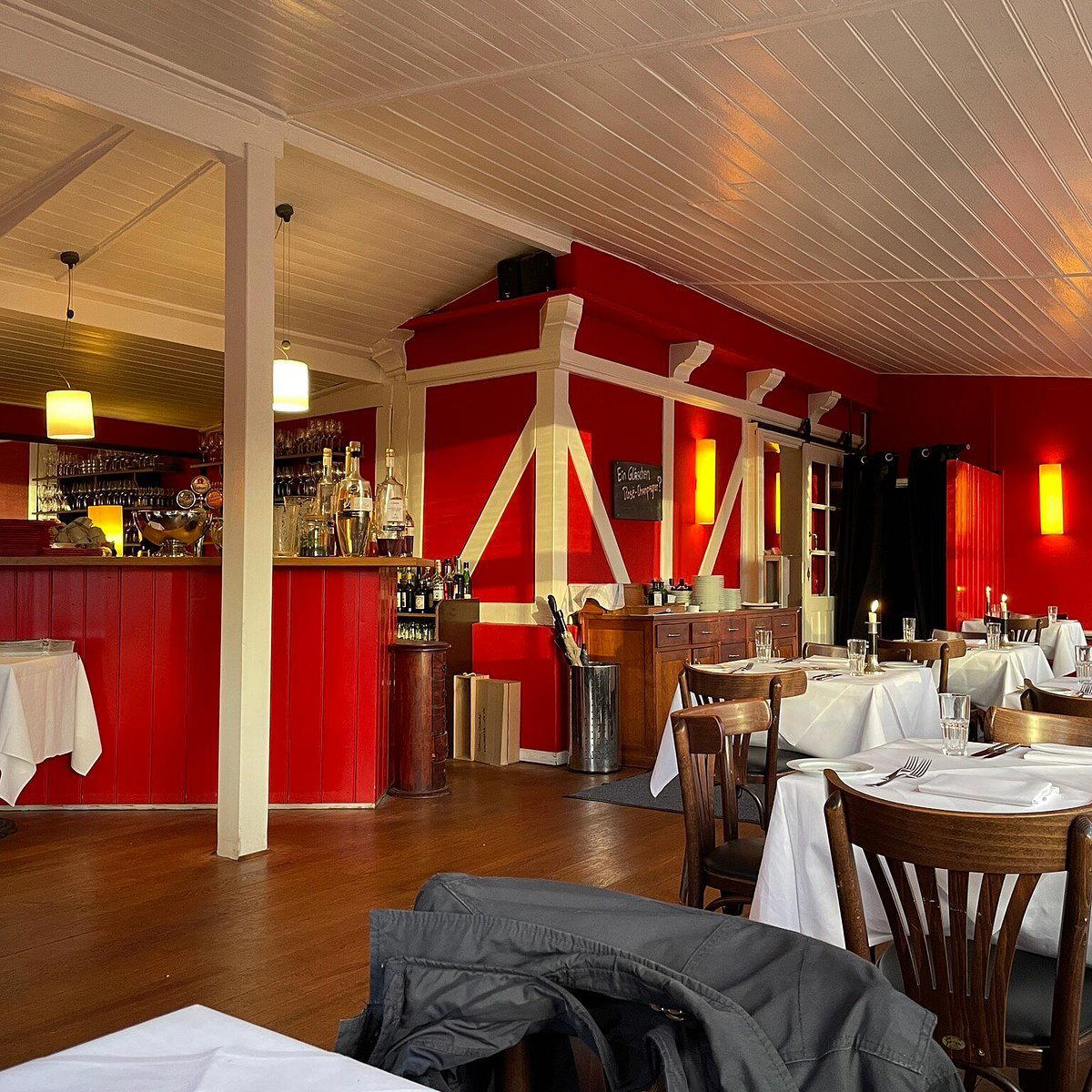
Where Hamburg's Fine Dining Spreads Beyond the Harbour
Hamburg's restaurant identity has long been anchored around HafenCity and the inner city, where addresses like Restaurant Haerlin and The Table Kevin Fehling occupy a well-documented top tier. But the city's serious dining extends further west, into residential neighbourhoods where the format tends to be quieter, the room less theatrical, and the cooking allowed to carry the full weight of the evening. Quellental, addressed at Quellental 36 in the 22609 postcode that places it firmly in Blankenese, belongs to that quieter corridor. Blankenese is old Hamburg money: hillside villas, elm-lined streets, and a relationship with the Elbe that is more contemplative than commercial. A restaurant in this setting operates on different expectations than one competing for footfall in the Altstadt.
What the Menu Structure Tells You
Across Germany's more considered dining rooms, menu architecture has become a diagnostic tool. The sequence of courses, the ratio of vegetable to protein, the decision to offer a single tasting path or allow à la carte flexibility, each signals where a kitchen places itself philosophically and commercially. At venues like 100/200 Kitchen in Hamburg or CODA Dessert Dining in Berlin, the menu format itself is the editorial statement. Germany's most structurally ambitious restaurants have moved toward formats where the progression of courses does interpretive work: building a flavour argument, shifting textures deliberately, and closing with something that reframes what came before.
Quellental operates within that tradition. What the address and context do confirm is that a restaurant in this neighbourhood, at this positioning within Hamburg's dining map, almost certainly functions as a destination rather than a convenience stop. Diners do not arrive at Quellental 36 by accident. That self-selection shapes how a kitchen can build a menu: the room is already committed before the first course arrives.
This is a dynamic that separates destination-neighbourhood dining from city-centre competition. At bianc or Lakeside, the kitchen competes partly on visibility and partly on proximity to the hotel and theatre circuit. In Blankenese, the audience self-curates. That tends to allow for menus with more internal logic and less populist concession, tighter sequences, fewer crowd-pleasing shortcuts.
Quellental in the German Fine-Dining Frame
Germany's fine-dining scene outside Munich and Berlin has often been underread by international visitors, who tend to treat Hamburg as a seafood-and-Hanseatic-tradition city rather than a serious cooking destination. The evidence against that reading has accumulated steadily. Hamburg now holds multiple Michelin-recognised tables, and the range of formats, from the classical French lineage of Haerlin to the avant-garde sequencing at The Table, gives the city a depth of approach that few European ports can match.
Quellental sits in that broader frame. Germany's residential fine-dining tradition has strong precedents, Waldhotel Sonnora in Dreis, Schanz in Piesport, and Vendôme in Bergisch Gladbach all demonstrate that some of the country's most deliberate cooking happens away from metropolitan centres, in rooms where the drive or train journey creates its own anticipatory rhythm. The commitment required to get there filters the room and, in turn, gives the kitchen permission to be unhurried. ES:SENZ in Grassau and Victor's Fine Dining by Christian Bau in Perl operate on similar logic: location as editorial choice.
At the international level, the comparison is instructive. Le Bernardin in New York City and Atomix in New York City both demonstrate how menu architecture functions as a signature, one through decades of consistent seafood sequencing, the other through the card-and-course format that contextualises Korean fine dining for a global audience. The through-line is that the structure of a menu is not neutral. It positions the kitchen, signals the audience, and shapes expectation before a single plate is set down.
Blankenese as Dining Context
Understanding Quellental means understanding Blankenese. The neighbourhood sits at the western edge of the Hamburg city limits, where the Elbe widens before the North Sea. It is one of Hamburg's wealthiest residential areas, characterised by the Treppenviertel, a network of steps and narrow lanes cutting between hillside properties, and a village-scale commercial centre that runs to independent bakeries, wine merchants, and a Saturday market rather than chains. Restaurants here serve a local clientele that eats out frequently and knows what it wants. That is a different operating environment than, say, the tourist-facing blocks around the Speicherstadt.
For visitors, the journey from central Hamburg takes roughly thirty minutes by S-Bahn, arriving at Blankenese station before a short walk to the address. That travel time functions as a commitment filter. Diners who make it tend to be specifically there for the restaurant, not filling time between other activities. The effect on atmosphere is measurable: rooms in neighbourhood destinations of this kind tend to run quieter and more focused than their city-centre equivalents, with tables spending more time per course and less time deciding between options.
Placing Quellental in Hamburg's Competitive Set
Hamburg's upper-tier tables occupy a clear hierarchy. The three-Michelin-star bracket anchors the conversation. Below it, a set of one- and two-star addresses and strong independents compete on format, cuisine type, and neighbourhood positioning. Quellental's place in that hierarchy is best understood through context: its Blankenese address puts it in a peer group distinct from the HafenCity-adjacent brigade, and more comparable to the kind of serious neighbourhood restaurant found in other affluent Hamburg districts. Aqua in Wolfsburg, JAN in Munich, and Schwarzwaldstube in Baiersbronn each occupy similarly specific regional slots, strong enough to draw from beyond their immediate catchment, but defined by a particular sense of place.
For Hamburg diners building an itinerary across the city's serious tables, Quellental represents the Blankenese anchor. It is not competing with The Table on the same terms, nor does it need to. The room, the neighbourhood, and the implied menu logic position it as the kind of restaurant that rewards a dedicated evening rather than a quick booking between other commitments.
Know Before You Go
- Address: Quellental 36, 22609 Hamburg, Germany
- District: Blankenese, western Hamburg
- Getting there: S-Bahn to Blankenese station, then a short walk; allow approximately 30 minutes from central Hamburg
- Booking: Booking recommended
- Price per person: about $45
- Nearest comparators: Lakeside, bianc, Restaurant Haerlin
Quick Comparison
Comparable venues nearby, for context on price, style, and recognition.
| Venue | Cuisine | Price | Notes |
|---|---|---|---|
| QuellentalThis venue — the venue you are viewing | Modern German Farmhouse Cuisine | $$$ | Not listed |
| Wehmanns Bistro | North German Bistro Cuisine | $$$ | Neumuehlen |
| Finkenwerder Elbblick | Northern German Seafood | $$ | Teufelsbrück |
| Zum Spätzle | Swabian Spätzle Haus | $$ | Neustadt |
| Küchenfreunde | Modern German Bistro | $$$ | Anscharhoehe |
| Das Pfeiffers | Creative German & Sushi with Premium Seafood | $$$ | Treudelberg |
Continue exploring
More in Hamburg
Restaurants in Hamburg
Browse all →
At a Glance
- Cozy
- Classic
- Elegant
- Rustic
- Casual Hangout
- Family
- Group Dining
- Date Night
- Garden
- Terrace
- Historic Building
- Standalone
- Beer Program
- Local Sourcing
- Garden
Current opening hours
- Monday
- Closed
- Tuesday
- Closed
- Wednesday
- 12–5 PM, 6–10 PM
- Thursday
- 12–5 PM, 6–10 PM
- Friday
- 12–5 PM, 6–10 PM
- Saturday
- 12–5 PM, 6–10 PM
- Sunday
- 12–5 PM, 6–10 PM
Hours can change for holidays and private events. Last verified .
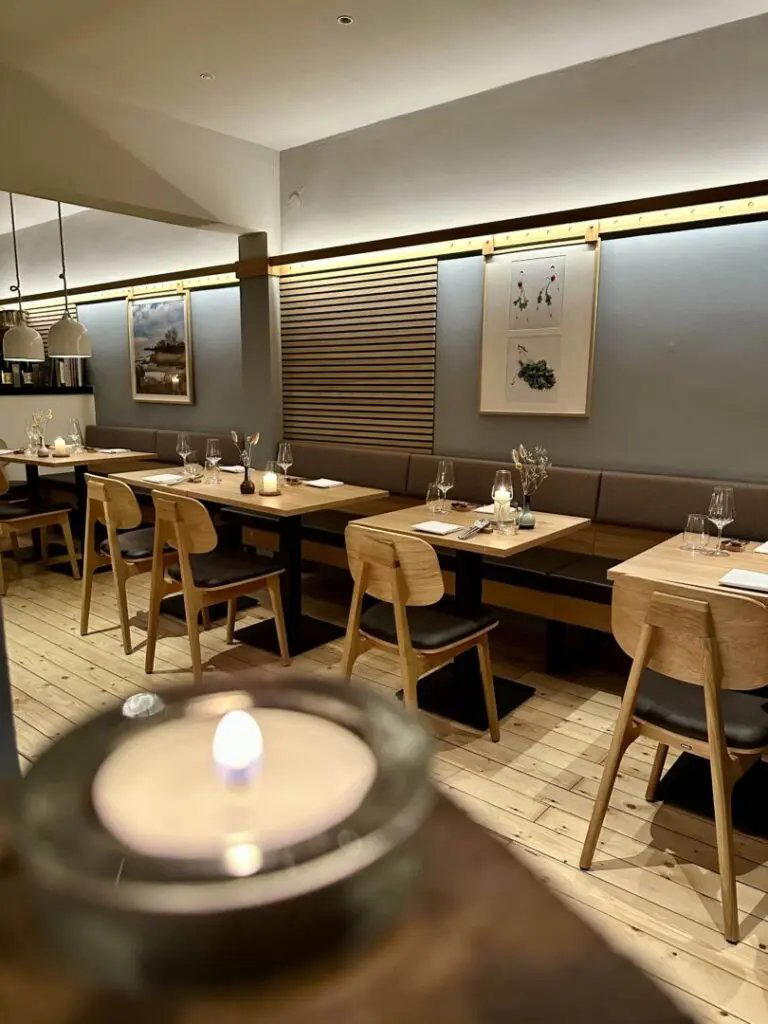
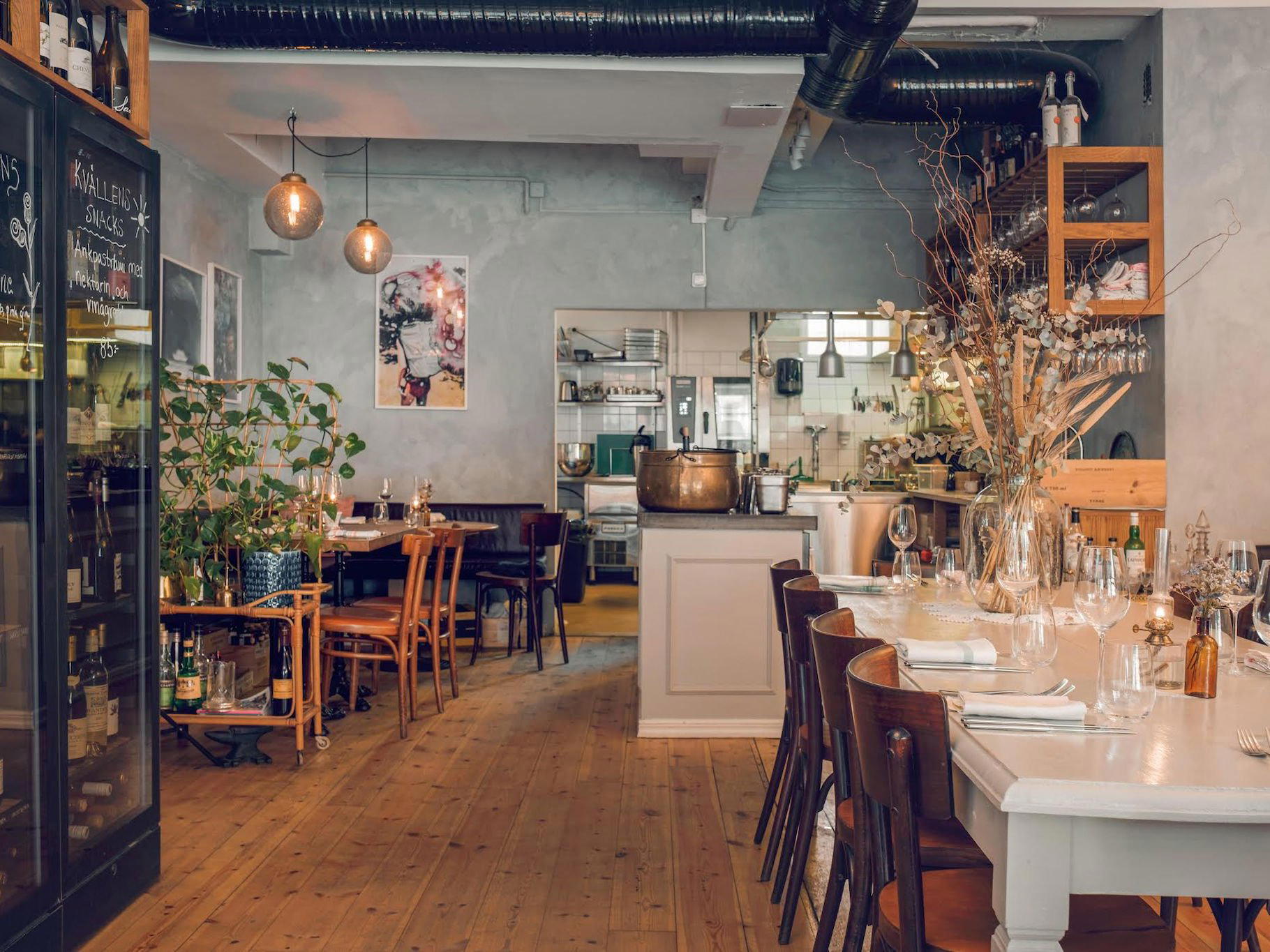
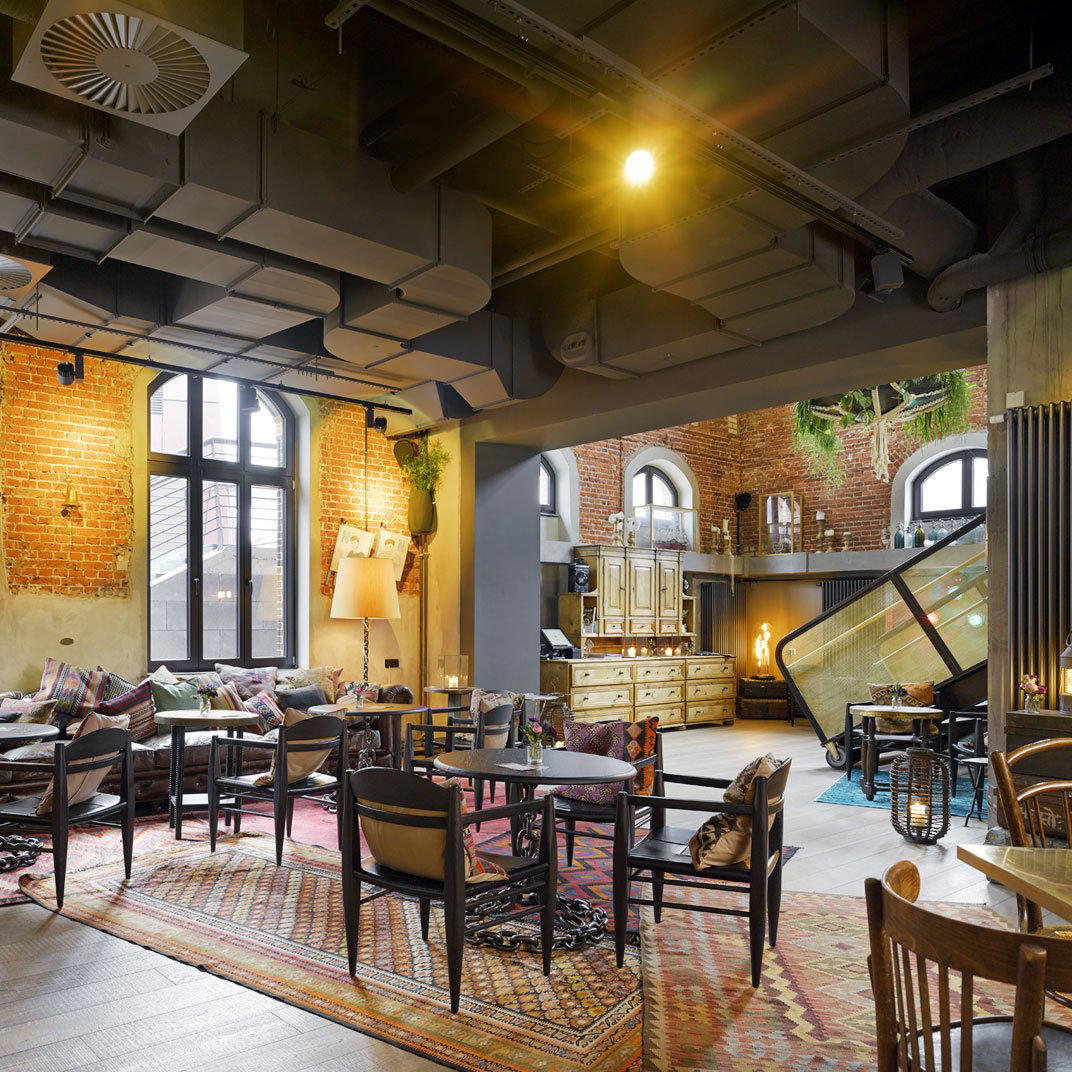
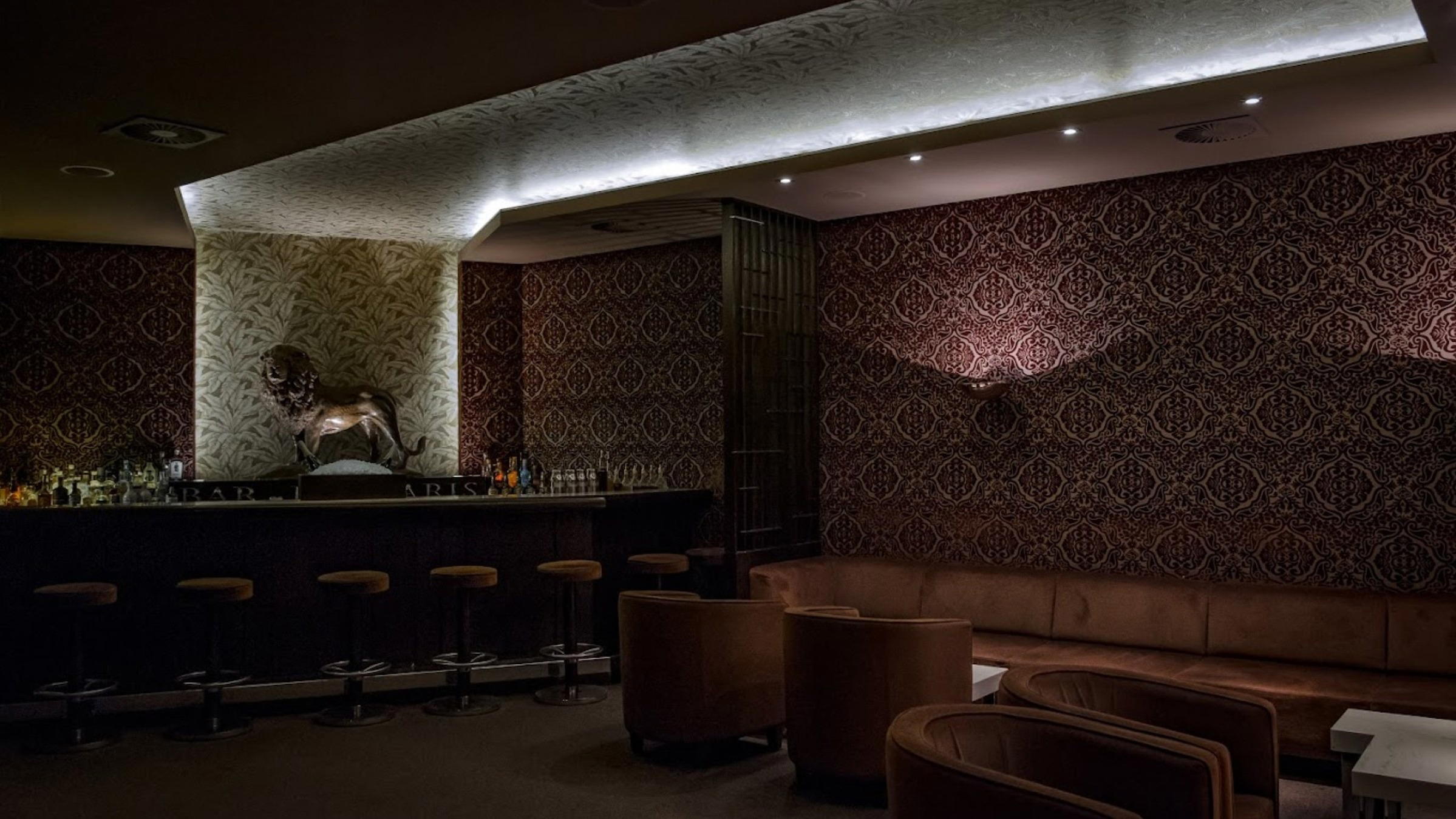
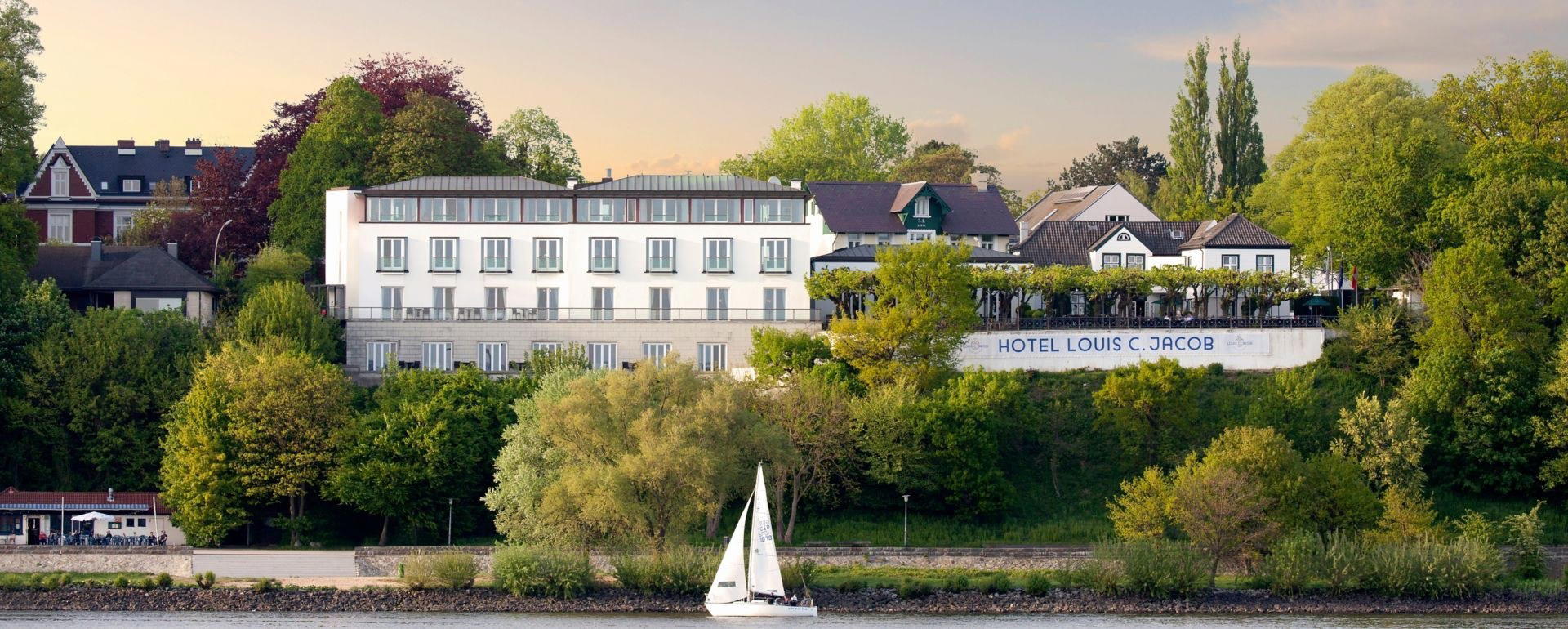
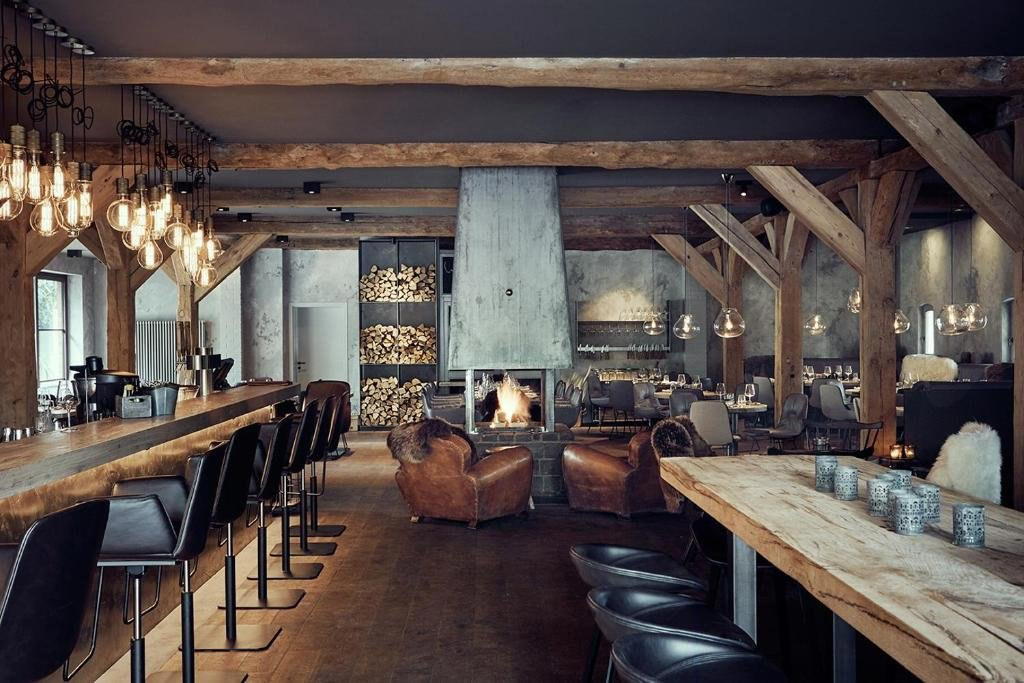
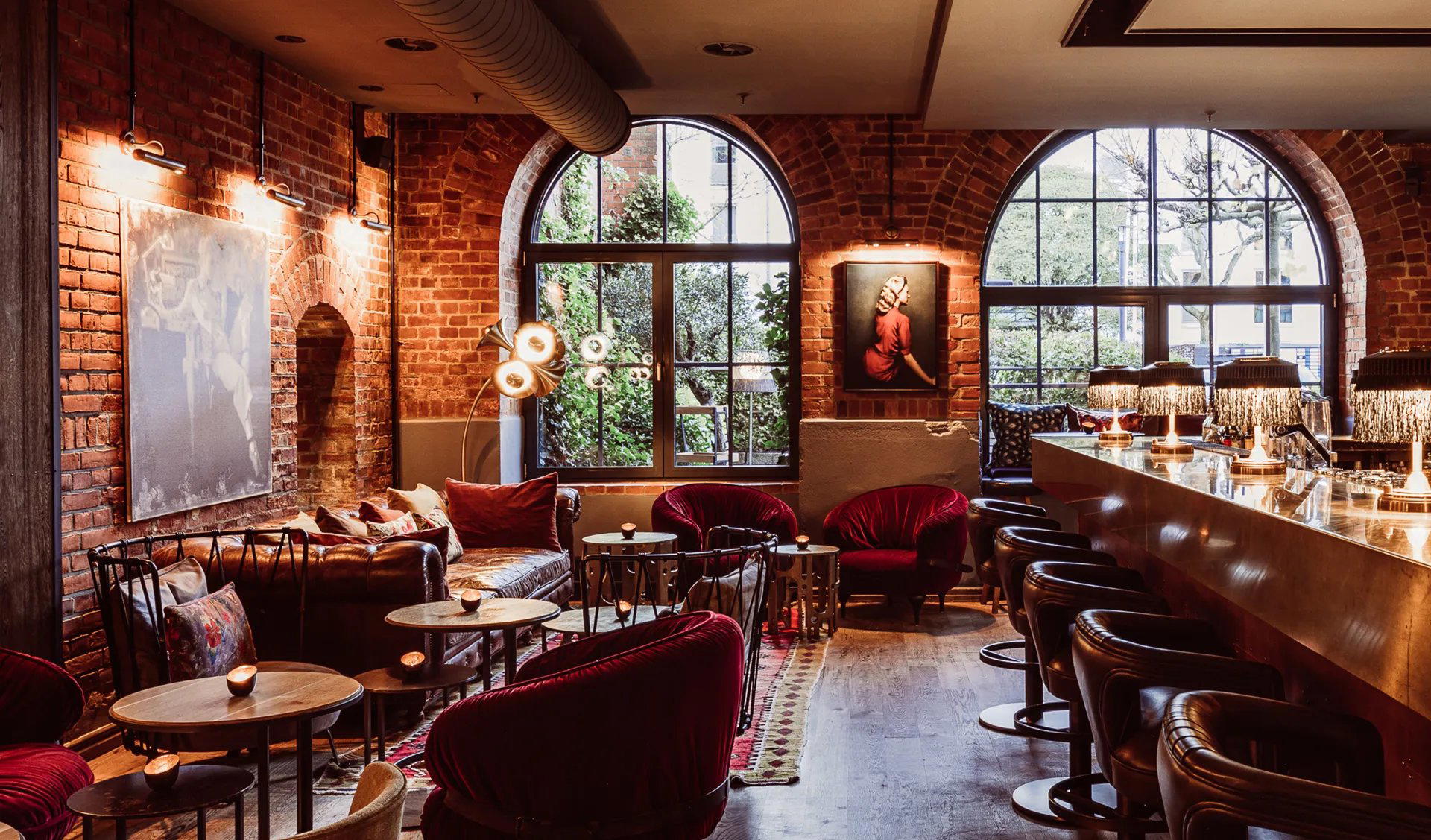
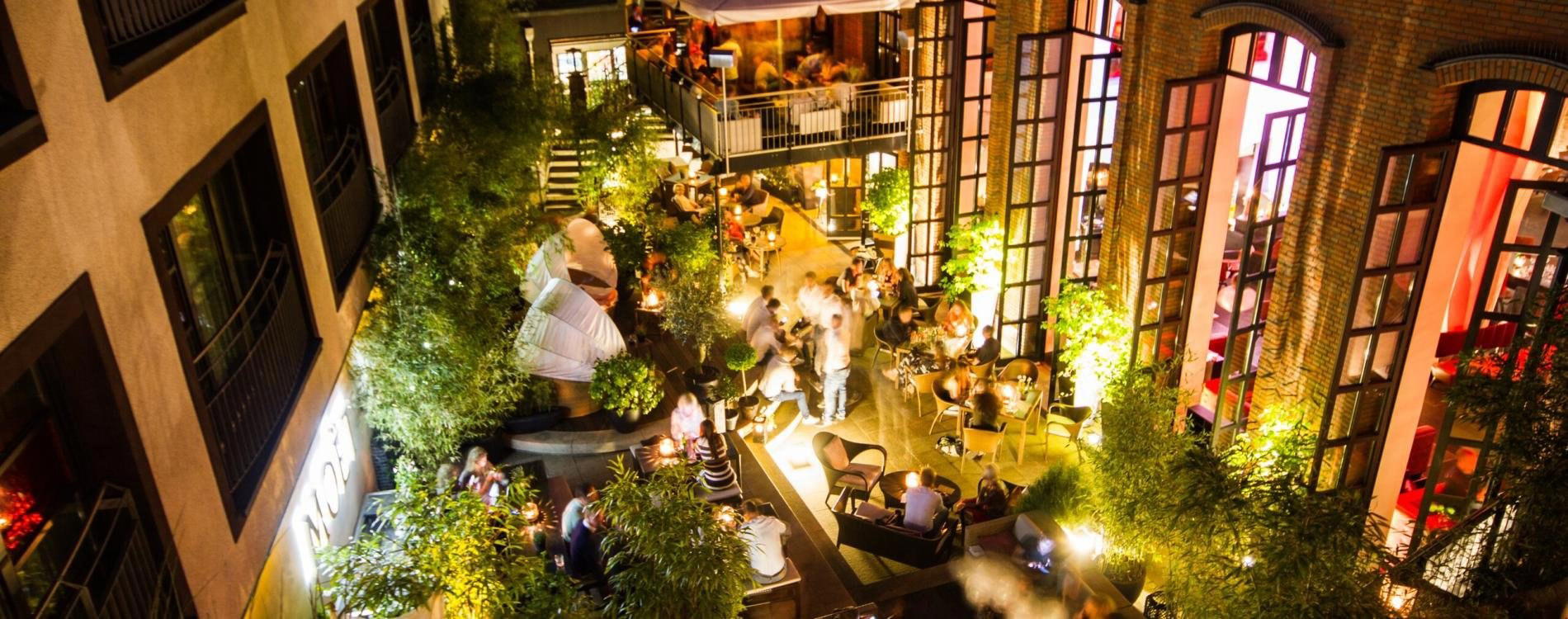
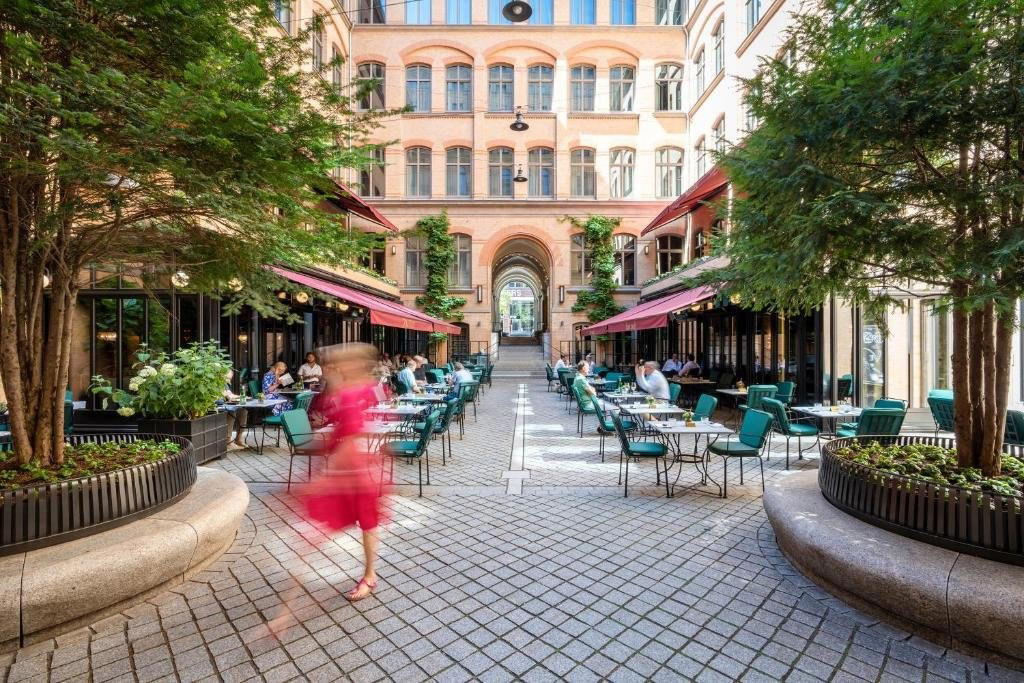
Warm and inviting with traditional half-timbered architecture, cozy fireplace room, and elegant conservatory overlooking a farmhouse garden.