Purple Patch
Purple Patch sits on Mt Pleasant Street NW in one of Washington D.C.'s most culturally layered corridors, drawing a neighbourhood crowd with cooking rooted in Filipino tradition. The kitchen operates within a D.C. dining scene that increasingly values ingredient provenance and regional specificity. For visitors tracing the city's independent restaurant circuit, it occupies a distinct position outside the tasting-menu tier.
Pearl is the En Primeur Club membership app — saves, bookings, and concierge access live there. Same editors, same standards.
- Address
- 3155 Mt Pleasant St NW, Washington, DC 20010
- Phone
- +12022990022
- Website
- purplepatchdc.com
- Directions
- Get directions
 Saves & bookings on Pearl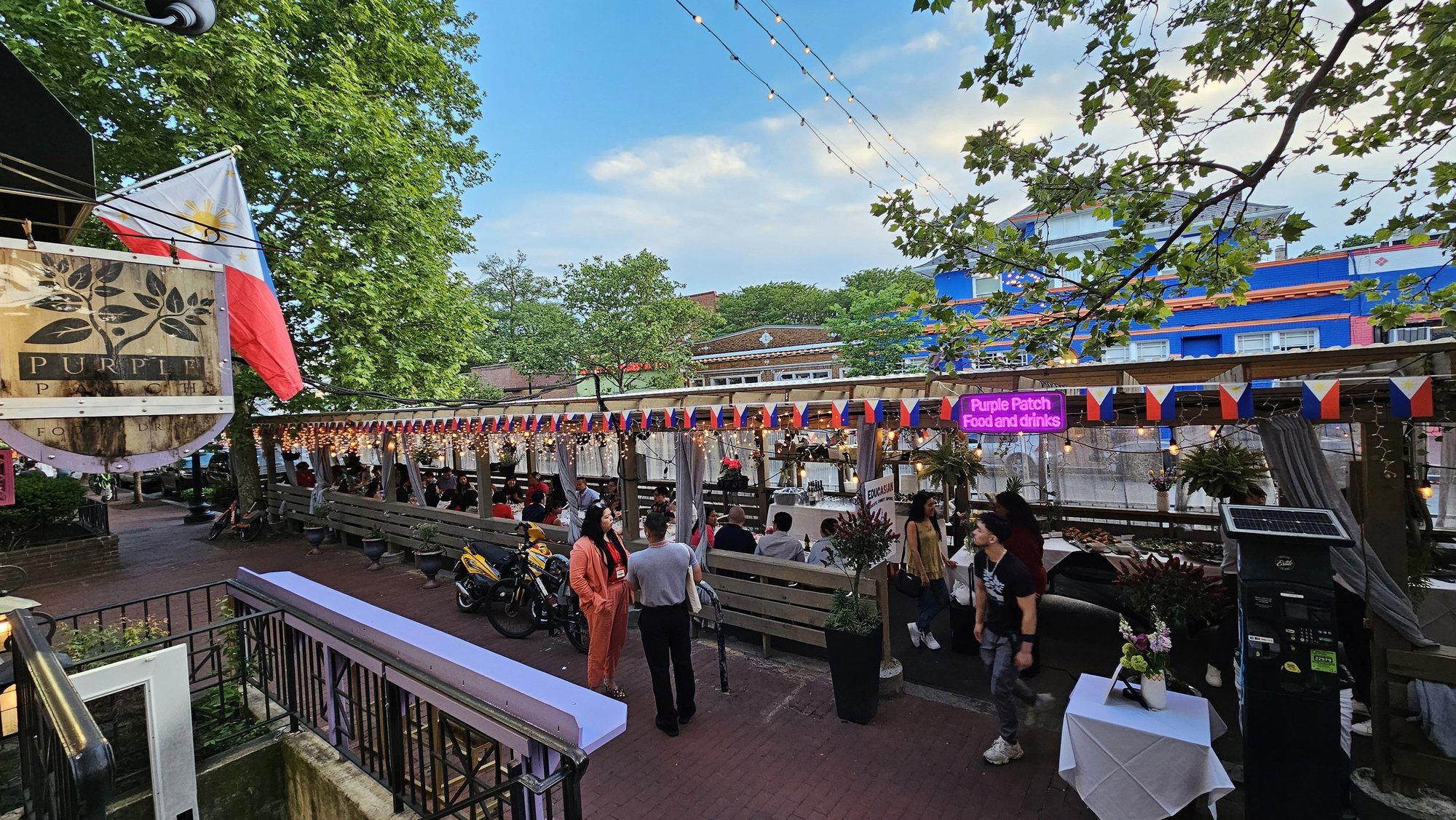
Mt Pleasant Street and the Case for Neighbourhood Cooking
Washington D.C.'s most interesting restaurant moves in the past decade have not all happened in Penn Quarter or Shaw. A parallel story has unfolded along the Mt Pleasant and Columbia Heights corridors, where independent kitchens with real cultural specificity have taken root in storefronts that the tasting-menu tier ignores. Purple Patch, at 3155 Mt Pleasant Street NW, belongs to that geography. The street itself gives you the context before you even eat: small businesses, a Latino grocery, a Dominican bakery, and a Filipino restaurant sharing the same few blocks. The dining room is not auditioning for a different neighbourhood.
Filipino cooking occupies an interesting position in the American dining conversation. It arrived later to mainstream recognition than Vietnamese, Thai, or Korean food, partly because Filipino immigration to the U.S. concentrated heavily on the coasts rather than in East Coast urban centres, and partly because the cuisine's Spanish and Malay hybrid character defies easy category. That ambiguity has historically made it harder for critics to slot into familiar frameworks. The result is that Filipino kitchens in cities like Washington D.C. have operated closer to community anchors than to critical darlings, which is not a disadvantage if you are actually trying to cook with integrity rather than perform for a Michelin inspector.
Where the Food Comes From
The editorial angle that matters most at Purple Patch is ingredient sourcing, and Filipino cuisine makes this conversation specific in ways that generic farm-to-table framing does not. The foundational building blocks of the cuisine, including fermented shrimp paste, coconut vinegar, calamansi, and long-simmered pork, require sourcing decisions that differ entirely from what a New American kitchen is managing. Some ingredients can be sourced domestically; others rely on import networks that the Filipino diaspora in the U.S. has maintained for decades. The quality of those supply chains matters enormously to whether a dish reads as faithful or approximated.
D.C.'s Filipino-American community, while smaller than those in Los Angeles or the Bay Area, provides a consumer base with calibrated expectations. Cooking for that audience alongside a broader dining public requires a kitchen to hold two standards simultaneously: the dish needs to register as authentic to someone who grew up eating it, and accessible enough to bring in diners arriving without a reference point. That is a harder brief than it looks. Restaurants that solve it, as the better Filipino kitchens in New York and Los Angeles have demonstrated, tend to build genuine loyalty rather than trend-driven traffic.
Within D.C.'s independent mid-range tier, Purple Patch sits alongside a cohort of restaurants defined less by price point and more by sourcing conviction. Oyster Oyster operates a vegetable-forward program that treats provenance as a structural principle rather than a marketing note. Causa applies Peruvian culinary logic to locally available product in a way that requires real fluency with both traditions. The restaurant is doing something analogous with Filipino cooking: using the cuisine's internal logic, its acid-forward profiles, its comfort with fat and fermentation, as a framework for what the kitchen can actually source and serve well.
The Broader D.C. Context
Washington D.C.'s restaurant scene has consolidated around two poles in recent years. On one end, the tasting-menu circuit has continued to attract national attention, with venues like Jônt and minibar competing in a comparable set that includes Alinea in Chicago, Atomix in New York City, and Le Bernardin in New York City. On the other end, a growing tier of independent, cuisine-specific restaurants has built loyal followings outside that awards circuit entirely. Albi has made a version of this argument with its approach to Middle Eastern cooking. The restaurant makes it from a Filipino perspective.
The comparison matters because it locates the restaurant correctly. It is not competing with The French Laundry in Napa, Blue Hill at Stone Barns in Tarrytown, or Single Thread Farm in Healdsburg on the sourcing-philosophy spectrum, where those kitchens have near-total control over agricultural supply chains. It is competing on the more practical question of whether a neighbourhood Filipino kitchen can source and execute at a level that justifies its position as a cultural reference point in the city. That is the correct frame for evaluating it.
For visitors building a D.C. itinerary around the independent restaurant tier rather than the tasting-menu circuit, the Mt Pleasant corridor offers something the downtown core does not: a genuine sense of where people actually eat, rather than where expense accounts and anniversary dinners go. Our full Washington, D.C. restaurants guide maps the full range of the city's dining options across both tiers.
Planning a Visit
The restaurant is located at 3155 Mt Pleasant Street NW, in a walkable stretch of the Mt Pleasant neighbourhood. The area is accessible via the Columbia Heights Metro station on the Green and Yellow lines. As with most independent neighbourhood restaurants in this tier, hours, booking availability, and format details are best checked before visiting. Parking is limited; Metro or rideshare is the practical choice.
How Purple Patch Compares to D.C. Peers
| Venue | Cuisine | Price Tier | Booking Approach |
|---|---|---|---|
| The restaurant | Filipino | $35 | Confirm directly |
| Causa | Peruvian | $$$$ | Advance booking advised |
| Oyster Oyster | New American / Vegetarian | $$$ | Reservations recommended |
| Albi | Middle Eastern | $$$$ | Advance booking advised |
- Sisig
- Lumpia
- Pancit Mahal
- Escabeche
- Adobo Fried Chicken
- Halo-Halo
- Ube Pancakes
- Red Snapper Relleno
How It Stacks Up
Comparable venues nearby, for context on price, style, and recognition.
| Venue | Cuisine | Price | Notes |
|---|---|---|---|
| Purple PatchThis venue — the venue you are viewing | Filipino American | $$ | Not listed |
| Singing Tiger | Modern Pan-Asian with Karaoke | $$ | Brentwood Railyard |
| Tonari | Wafu Italian | $$ | Chinatown |
| Eunoia | Seasonal Mexican–Bulgarian–Japanese Fusion | $$ | Union Market / NoMa |
| Fraiche | Upscale French-Cajun-Caribbean Fusion | $$$ | Columbia Heights |
| Realm | Seychelles-Inspired Fusion Rooftop Lounge | $$$ | Shaw |
Continue exploring
More in Washington DC
Restaurants in Washington DC
Browse all →
Bars in Washington DC
Browse all →
Hotels in Washington DC
Browse all →

At a Glance
- Cozy
- Casual
- Lively
- Casual Hangout
- Group Dining
- Brunch
- Date Night
- Family
- Terrace
- Standalone
- Craft Cocktails
Current opening hours
- Monday
- 10 AM–2:45 PM, 4–9 PM
- Tuesday
- 10 AM–2:45 PM, 4–9 PM
- Wednesday
- 10 AM–2:45 PM, 4–9 PM
- Thursday
- 10 AM–2:45 PM, 4–9 PM
- Friday
- 10 AM–2:45 PM, 4–9 PM
- Saturday
- 10 AM–2:45 PM, 4–9 PM
- Sunday
- 10 AM–2:45 PM, 4–9 PM
Hours can change for holidays and private events. Last verified .
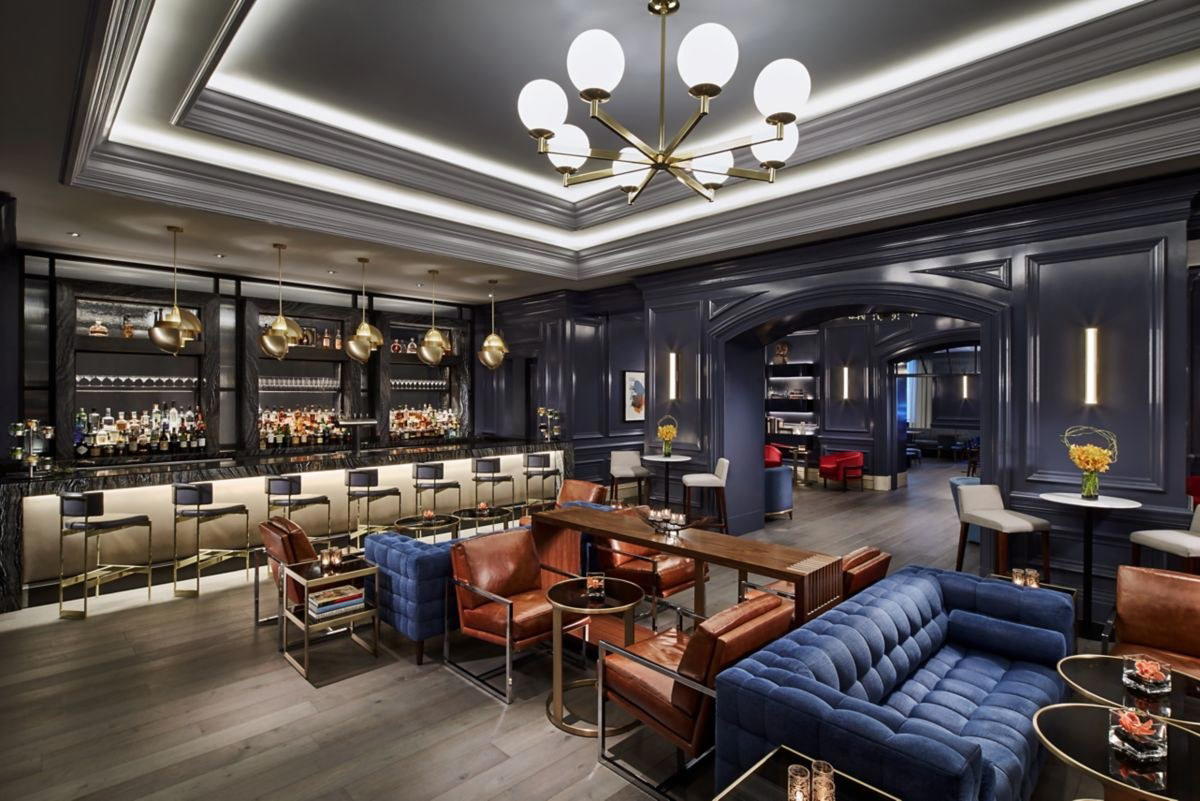
Bright, cheery, and cozy with dim lighting, wooden tables, fresh flowers, and local art on walls; outdoor patio packed with revelers on warm days.