Pura Vida
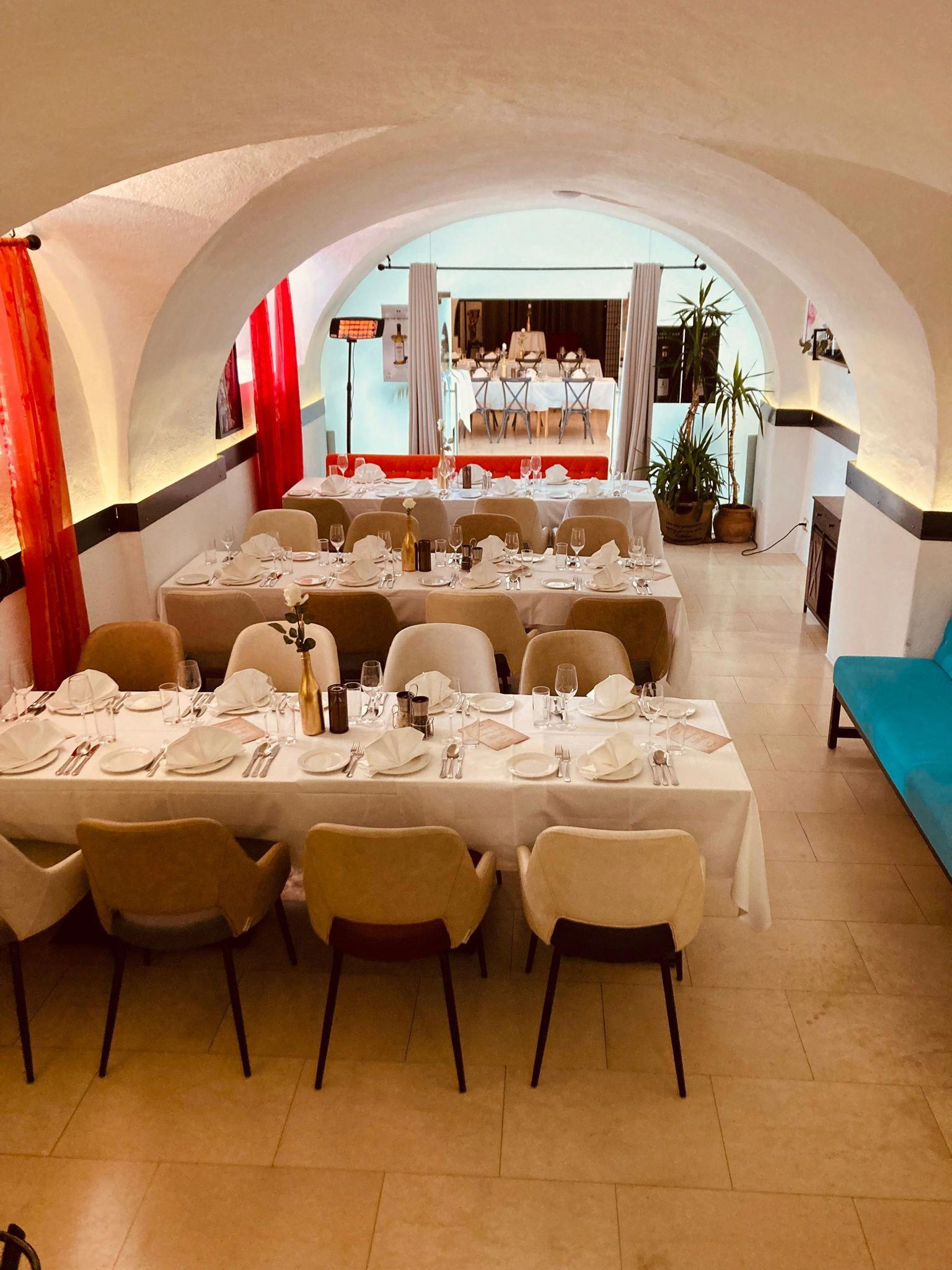
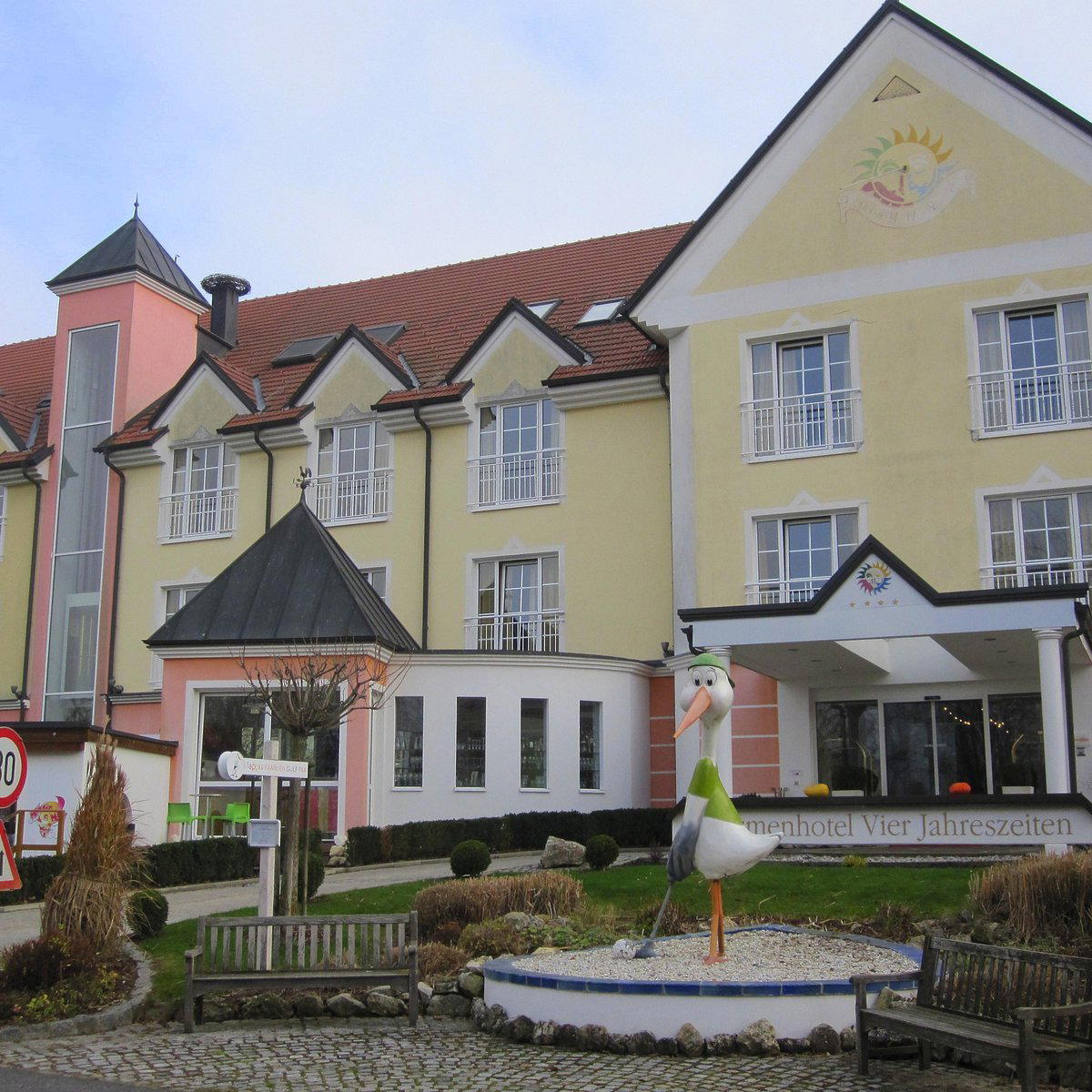
Pura Vida sits along the golf course at Am Golfpl. 2 in Bad Tatzmannsdorf, the Burgenland spa town that draws visitors for its thermal waters and quiet countryside pace. In a region where Austrian cooking leans heavily on local produce and seasonal rhythms, the restaurant occupies a setting that rewards those willing to look beyond the main spa circuit.
Pearl is the En Primeur Club membership app — saves, bookings, and concierge access live there. Same editors, same standards.
- Address
- Am Golfpl. 2, 7431 Bad Tatzmannsdorf, Austria
- Phone
- +43335382821789
- Website
- puravida.co.at
- Directions
- Get directions
 Saves & bookings on Pearl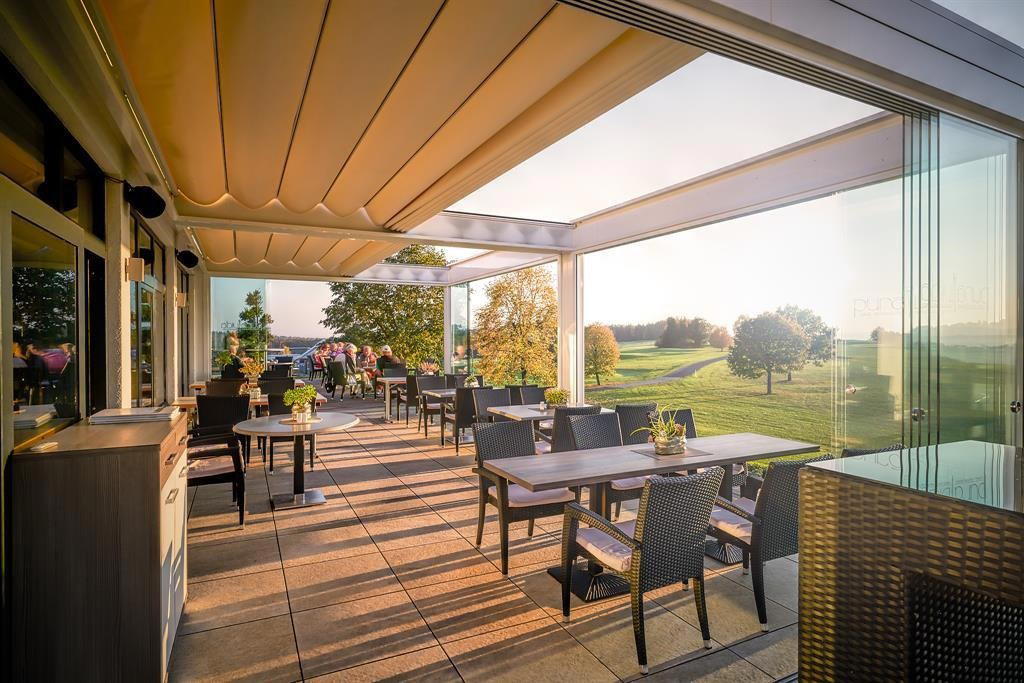
Bad Tatzmannsdorf and the Case for Eating Beyond the Spa Menu
Burgenland occupies a particular position in Austrian gastronomy. The province sits at the edge of the Pannonian Plain, where the climate runs warmer and drier than the Alpine interior, producing some of Austria's most expressive red wines and a kitchen tradition that draws on Hungarian, Croatian, and Central European influences alongside the standard Austrian larder. Bad Tatzmannsdorf, the province's principal spa town, is shaped almost entirely by its thermal resort culture, which means the dining scene around it tends toward the functional end of hotel catering. The restaurants that earn attention here are those that treat the local produce with more deliberateness than the buffet circuit demands. Pura Vida, positioned on the golf course at Am Golfpl. 2, occupies this quieter tier of the local scene.
Where the Ingredients Come From, and Why That Question Matters in Burgenland
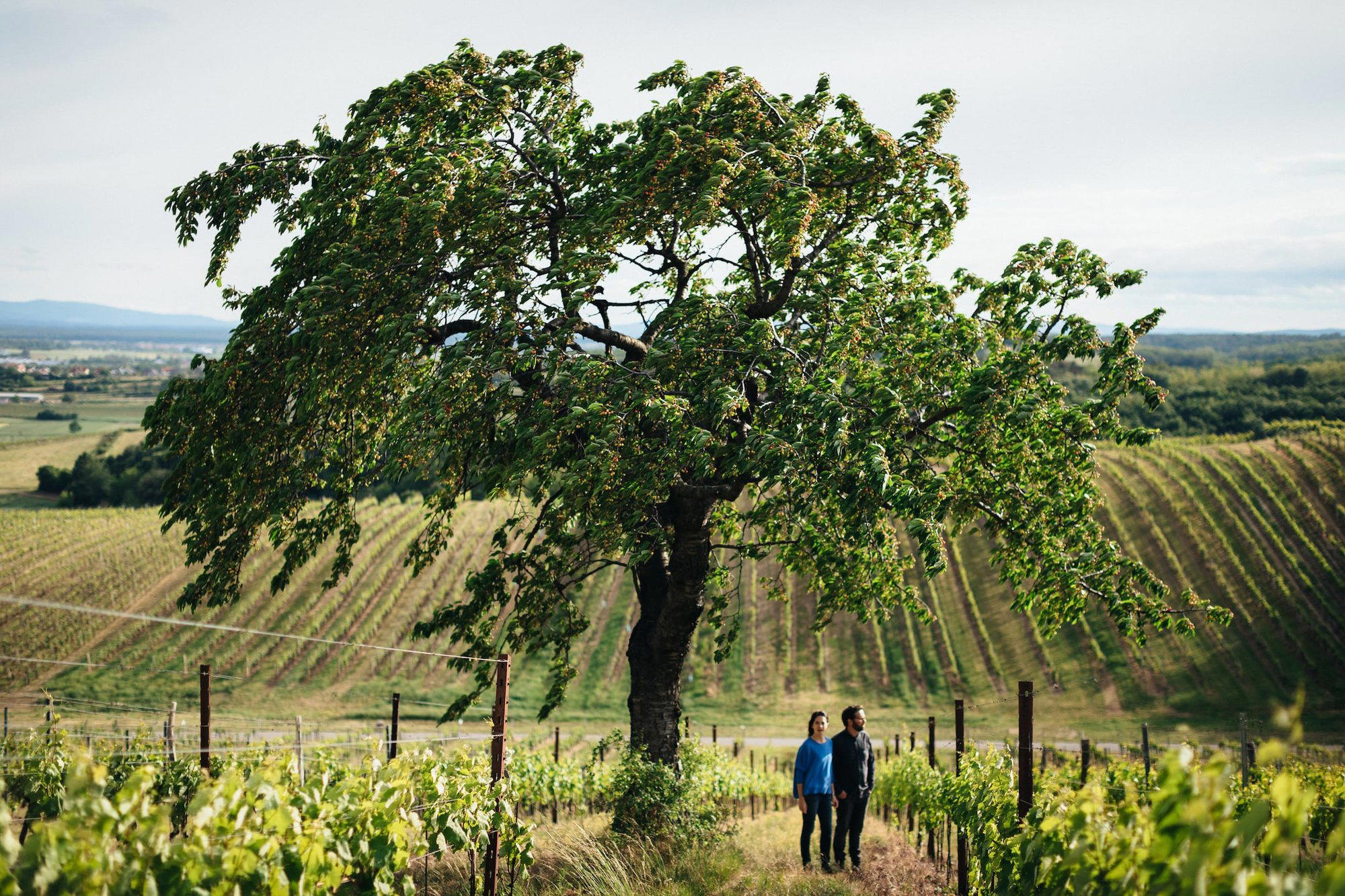
The sourcing argument in Burgenland is more direct than in most Austrian regions because the agricultural identity of the province is so pronounced. Esterhazy estate land, market gardens around Güssing and Jennersdorf, the reed-fringed shores of the Neusiedlersee to the north, and the forest-edged slopes of the Günser Gebirge to the south all feed into a regional supply chain with genuine character. Pannonian vegetables, local game, freshwater fish from the region's ponds, and the province's own dairy producers give kitchens here something to work with that has a distinct address. The decision a kitchen makes about how far it reaches beyond that local supply chain tells you a great deal about its editorial position in the local scene.
In this respect, Bad Tatzmannsdorf's golf course setting is not incidental to Pura Vida's likely customer profile. Golf resort dining across Central Europe has historically operated at a remove from serious local sourcing, prioritising comfort familiarity over provenance specificity.
The Burgenland Dining comparable set
Pura Vida is an Austrian restaurant in Bad Tatzmannsdorf at Am Golfpl. 2, offering European Golf Club Restaurant dining with a casual dress code and reservations recommended. Steirereck im Stadtpark in Vienna sets the benchmark for creative Austrian produce-driven cooking at the highest level, while Taubenkobel in Schützen am Gebirge represents Burgenland's own contribution to that upper tier, with a kitchen approach rooted in the same Pannonian produce base that defines the province. Landhaus Bacher in Mautern an der Donau demonstrates what a regionally grounded Austrian kitchen can achieve over decades of sustained commitment to local ingredients and classical technique.
Further west, the Alpine fine dining circuit produces a different set of reference points. Döllerer in Golling an der Salzach and Obauer in Werfen both demonstrate how Austrian kitchens can use mountain-adjacent sourcing as a genuine culinary framework rather than a marketing gesture. The Tyrolean and Vorarlberg circuits have their own regional arguments: Gourmetrestaurant Tannenhof in Sankt Anton am Arlberg, Griggeler Stuba in Lech, and Stüva in Ischgl all sit in ski resort contexts where the tension between comfort-food expectation and serious kitchen ambition plays out in specific ways. Kräuterreich by Vitus Winkler in Sankt Veit im Pongau takes the sourcing argument in a herb-and-garden direction that has drawn its own recognition.
Styria contributes Artis in Graz, while the Salzkammergut circuit includes Atelier Fischer in Sankt Gilgen and Ois in Neufelden. Ikarus in Salzburg operates on an entirely different model, rotating guest chefs through a format that deliberately detaches the kitchen from any fixed regional sourcing identity. Schwarzer Adler in Hall in Tirol and Restaurant 141 by Joachim Jaud in Mieming round out the Tyrolean end of the conversation. For international reference points in produce-driven precision cooking, Le Bernardin in New York City and Atomix in New York City represent the discipline that serious sourcing commitments can translate into at the highest levels of execution.
Against this context, Bad Tatzmannsdorf is not a fine dining destination in the recognised sense. It is a spa resort town with a modest dining scene, and any restaurant there earns its reputation on consistency and local character rather than on national recognition metrics.
What to Expect When You Arrive
The golf course address places the restaurant within the leisure resort orbit of the town rather than on any independent restaurant street. Guests arriving by car will find it signposted from the main resort area; the setting itself will reflect the open, low-density character of Burgenland's countryside rather than the compressed village character of Alpine resort dining rooms. In a region where late spring through early autumn produces compelling local produce, timing a visit to align with the Pannonian growing season is a reasonable approach if sourcing quality is a priority for you.
The restaurant is open daily from 8:30 AM to 7 PM, and reservations are recommended.
Quick Comparison
Comparable venues nearby, for context on price, style, and recognition.
| Venue | Cuisine | Price | Notes |
|---|---|---|---|
| Pura VidaThis venue — the venue you are viewing | European Golf Club Restaurant | $$ | Not listed |
| Summer Restaurant | European Gastropub with Pizza | $$ | Favoriten |
| Donnersmarkt | Modern Austrian Alpine Plant-Forward | $$ | Staatsoper |
| The opposite of west | Balkan Tapas Bar | $$ | Wieden |
| Esssalon | Creative Seasonal Mediterranean with Austrian & Asian Influences | $$ | Pinkafeld |
| Seehaus Riegersburg | Austrian Cafe Restaurant Pizzeria | $$ | Riegersburg |
Continue exploring
More in Bad Tatzmannsdorf
Restaurants in Bad Tatzmannsdorf
Browse all →
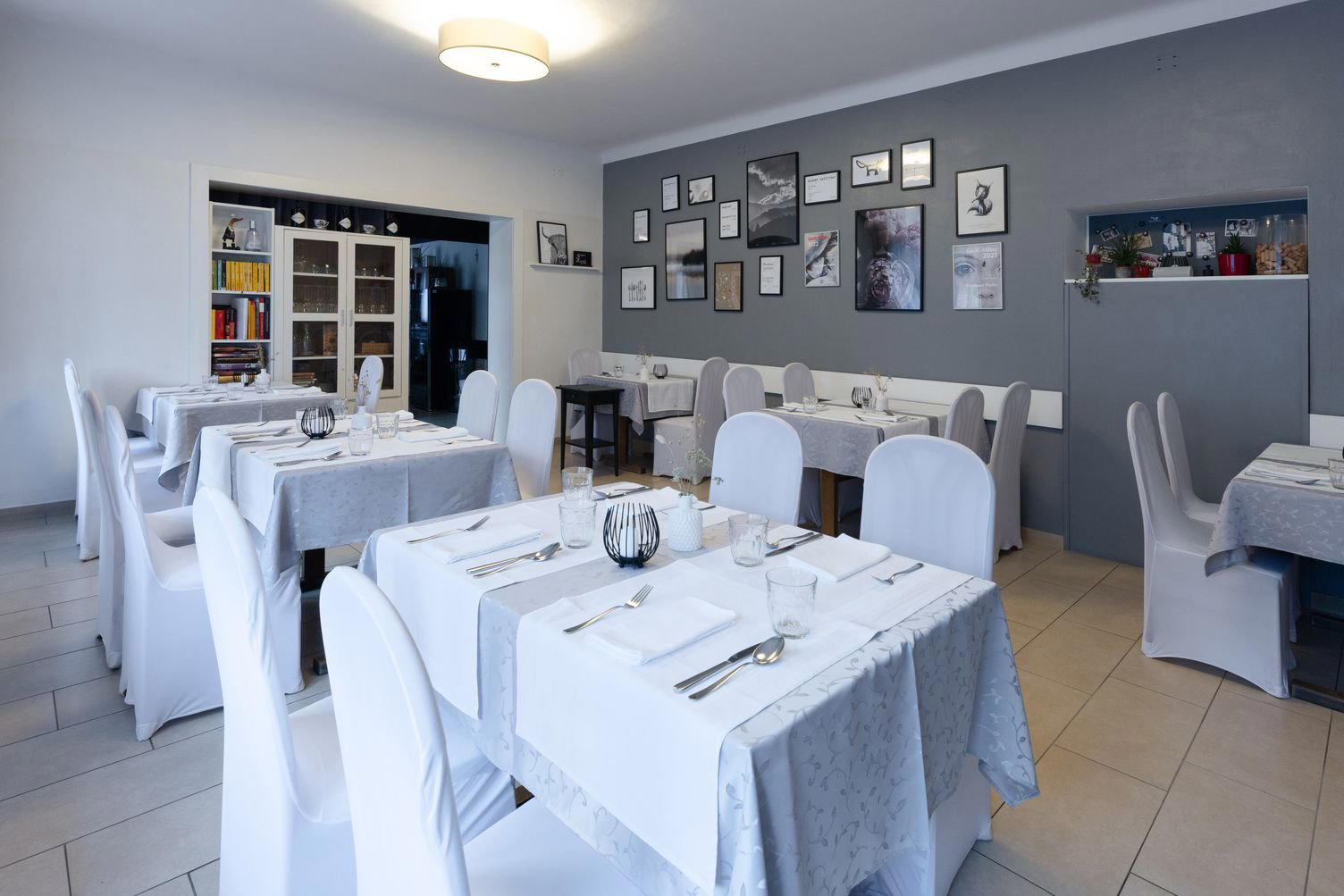
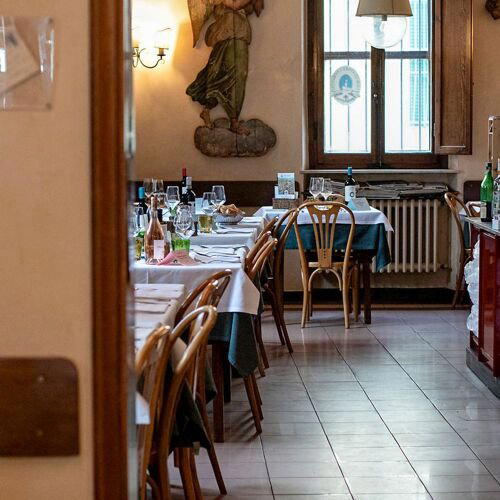
Bars in Bad Tatzmannsdorf
Browse all →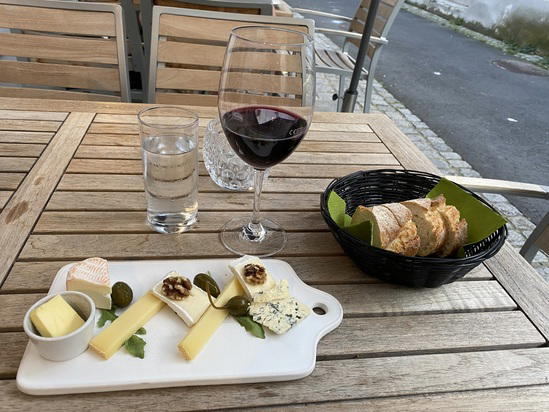
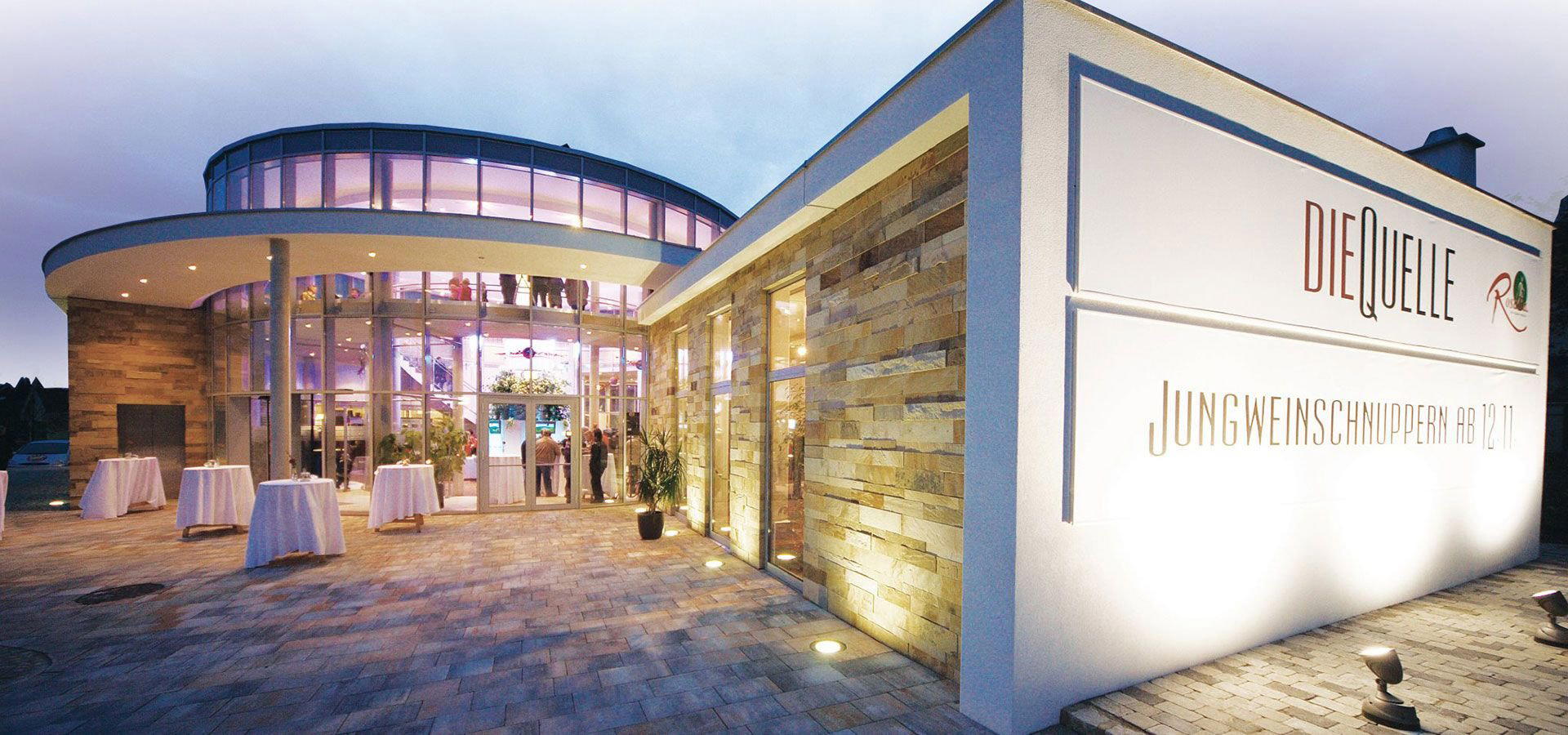
Hotels in Bad Tatzmannsdorf
Browse all →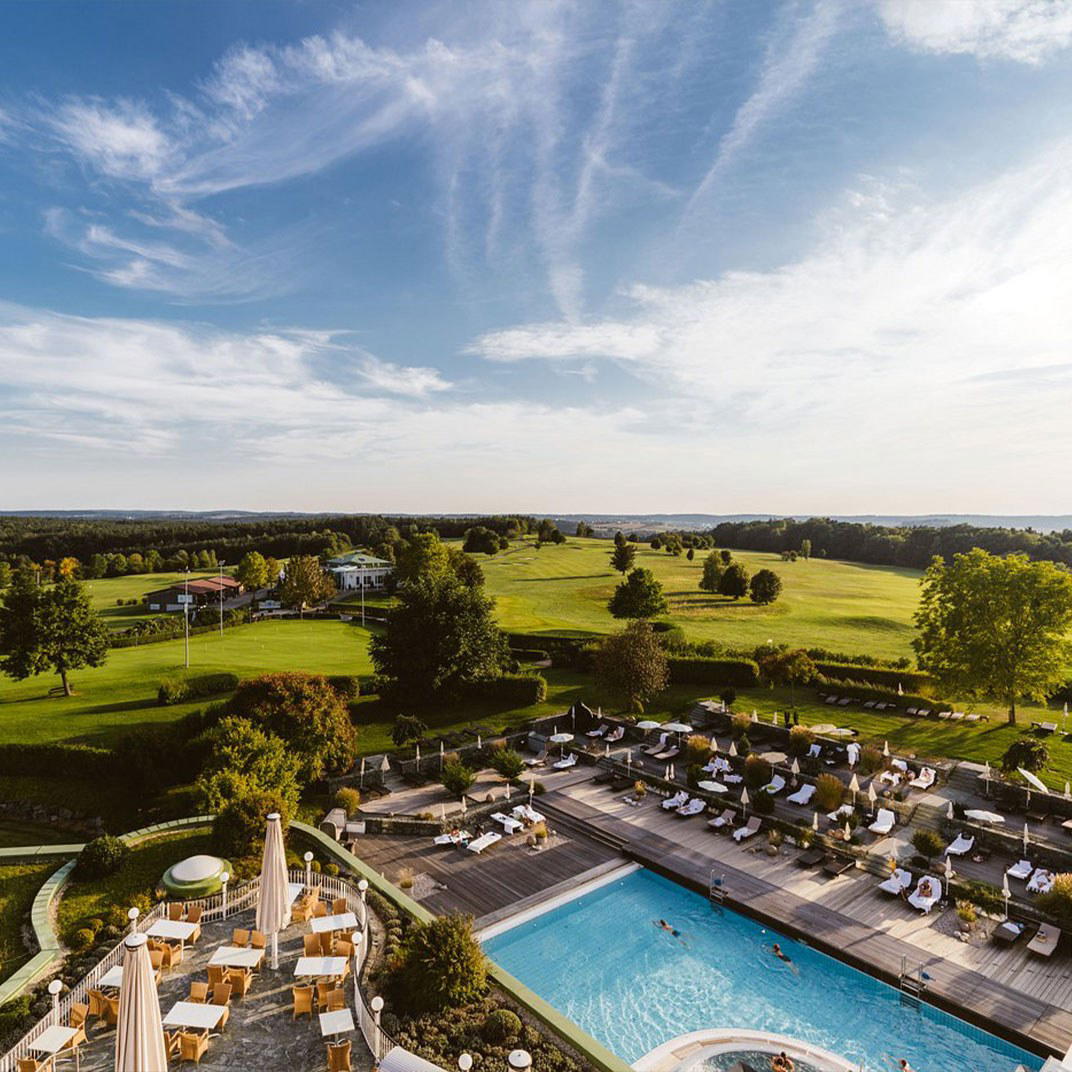
At a Glance
- Casual
- Scenic
- Casual Hangout
- Terrace
- Garden
Current opening hours
- Monday
- 8:30 AM–7 PM
- Tuesday
- 8:30 AM–7 PM
- Wednesday
- 8:30 AM–7 PM
- Thursday
- 8:30 AM–7 PM
- Friday
- 8:30 AM–7 PM
- Saturday
- 8:30 AM–7 PM
- Sunday
- 8:30 AM–7 PM
Hours can change for holidays and private events. Last verified .
Relaxed casual atmosphere suited for golfers with fresh, varied dishes.