Gasthaus Fuchs

In the village of Weppersdorf, Burgenland, Gasthaus Fuchs operates as a family restaurant where Thomas Fuchs has layered creative cooking onto a foundation of Austrian classics. Expect schnitzel alongside salmon trout with chervil root, and a tasting menu format that runs three to six courses in the evening. The dining rooms move between rustic and modern, with a summer terrace that draws the surrounding agricultural region inside.
Pearl is the En Primeur Club membership app — saves, bookings, and concierge access live there. Same editors, same standards.
- Address
- Hauptstraße 33
- Phone
- +43 2618 2250
- Website
- gasthaus-fuchs.at
- Directions
- Get directions
 Saves & bookings on Pearl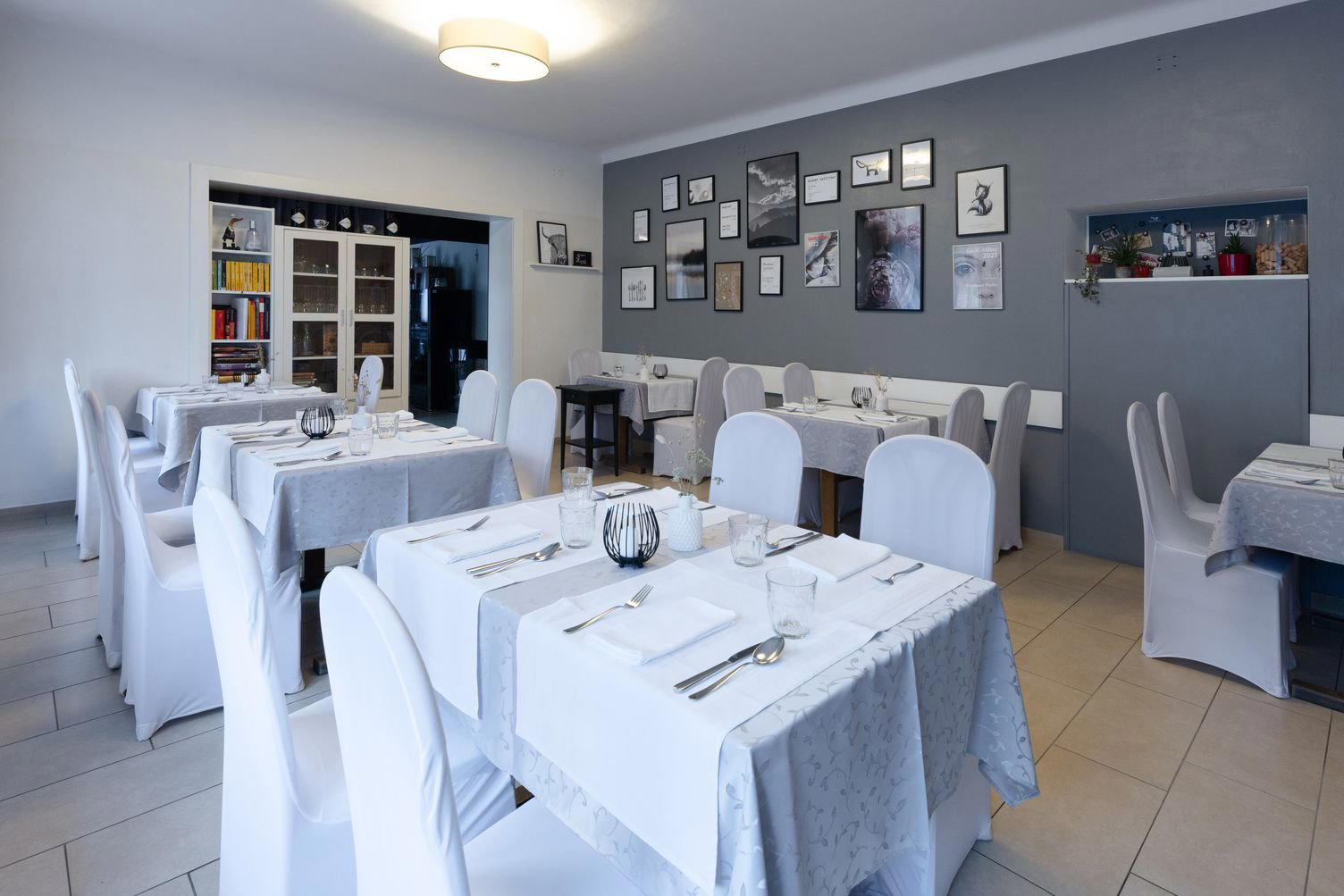
The approach to Hauptstraße 33 in Weppersdorf gives little away. The village sits in the flat, vineyard-threaded terrain of Burgenland, Austria's easternmost state, where the Pannonian plain stretches toward Hungary and the seasons arrive with particular clarity: cold, dry winters and long, warm summers that concentrate flavour in everything grown here. The gasthaus format, family-owned, embedded in the community, built for regulars as much as visitors, is the dominant dining structure across this region, and Gasthaus Fuchs fits that architecture while quietly operating at a different register from the average village inn.
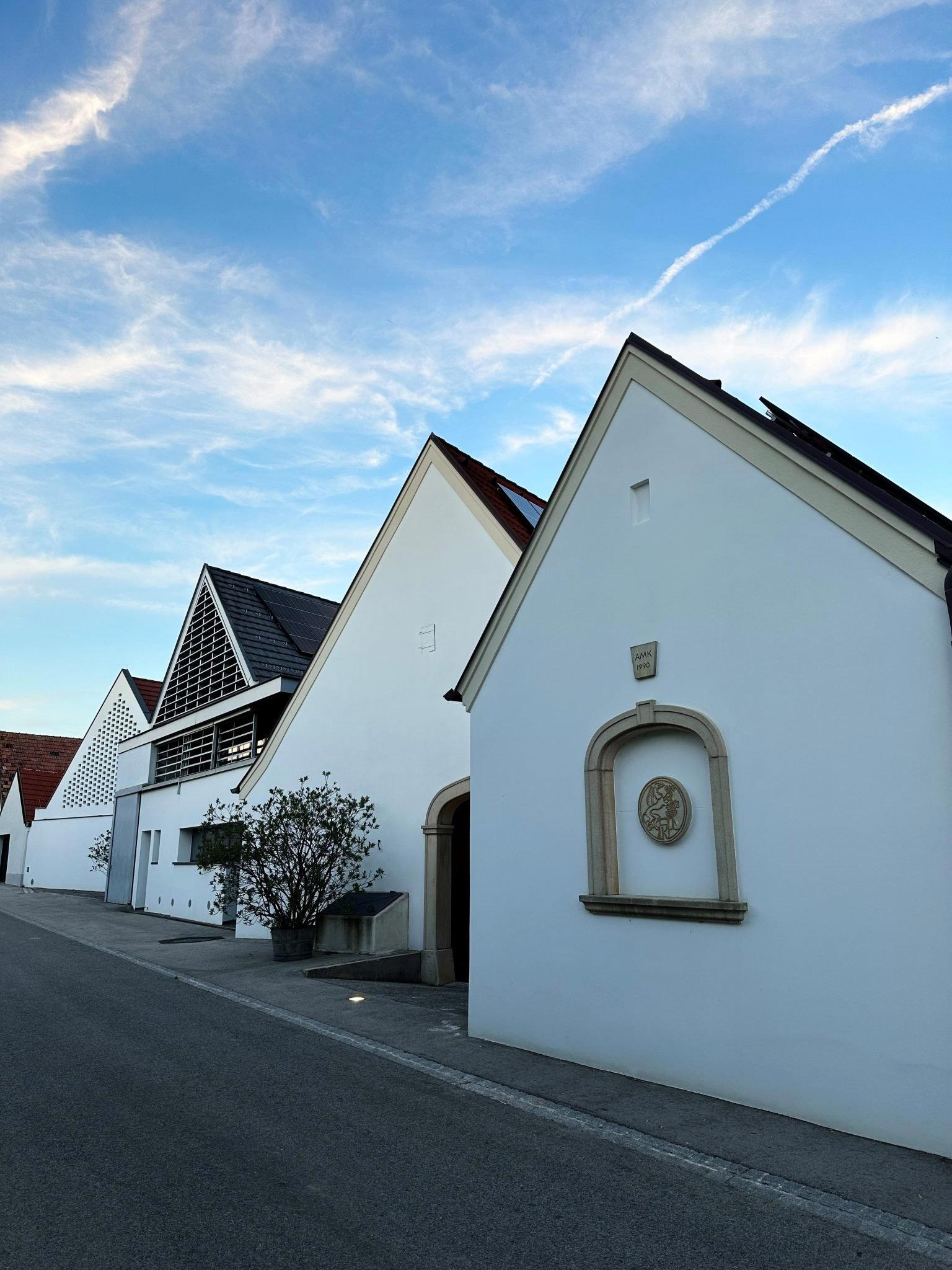
Inside, the dining rooms divide between a rustically detailed section, with the worn textures and warm tones that belong to this kind of Austrian interior, and a more contemporary space that signals something has shifted in the kitchen. Both sit comfortably together. In summer, a terrace extends the operation into open air, which in a landscape this agricultural and this seasonally expressive is a meaningful detail, not a simple amenity.
Where the Ingredients Come From, and Why That Matters Here
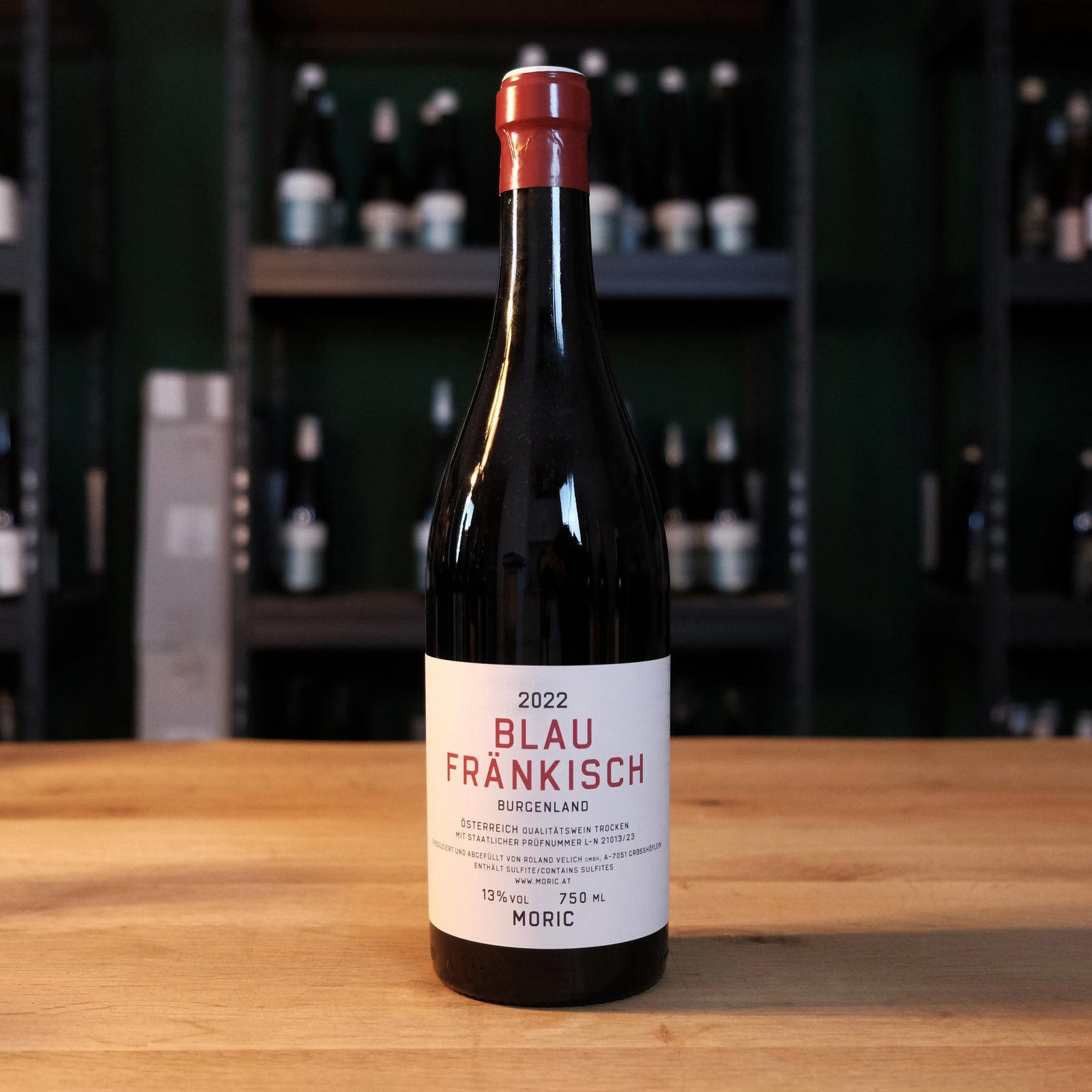
Burgenland's position in Austria is distinctive in culinary terms. The region produces wine at serious volume, Blaufränkisch from the Mittelburgenland DAC sits within cycling distance of Weppersdorf, and its agricultural character means the raw materials available to a kitchen here are different from what a city restaurant works with. Proximity to producers is not a marketing claim in this context; it is a logistical fact. A chef operating in a village this size sources differently from colleagues at, say, Steirereck im Stadtpark in Vienna, where procurement involves navigating the supply chains of a capital city. The scale of Gasthaus Fuchs places its kitchen in direct relationship with the regional food economy.
That relationship shows in the menu's logic. Thomas Fuchs, who trained at established restaurants before returning to his parents' property, has built a list that moves between the canonical and the composed. Tafelspitz, beef boiled in broth, a dish whose entire character depends on the quality and breed of the animal, sits alongside preparations like salmon trout fillet with chervil root and fregola, or goose liver with fig, chocolate and Buchtel. The classical Austrian dishes are not offered as nostalgia; they are offered because they make sense in this geography. Tafelspitz done properly in Burgenland reflects the cattle-raising tradition of the region. Goose liver similarly has a long production context in this part of Central Europe that gives the ingredient local legitimacy rather than import status.
This is one of the patterns that separates the more compelling village gasthauses from their generic counterparts: the ability to hold both registers simultaneously, using the classical canon as evidence of place and the composed, technique-led dishes as evidence of the kitchen's current thinking. The format at Gasthaus Fuchs reflects this balance. For dinner, a tasting menu of three to six courses offers the structured version; at lunch, a smaller set menu brings the same sourcing logic into a shorter, more accessible format. À la carte runs alongside both, which gives the dining room flexibility that a purely tasting-menu operation at this location could not sustain.
The Cooking in Context
Gasthauses that have been modernised by a returning younger generation have become a recognisable pattern in Austrian rural dining over the past decade. The trajectory, formal training at a city or destination restaurant, then a return to a family property, tends to produce kitchens that hold institutional memory (the dishes the regulars depend on) alongside a more current technical vocabulary. Landhaus Bacher in Mautern an der Donau represents this tradition at its most established end. At a different scale, operations like Ois in Neufelden reflect similar thinking in different regional contexts. The restaurant occupies this space within Burgenland, serving a dual function as a local institution and as a kitchen that rewards a specific journey from Vienna or the wider region.
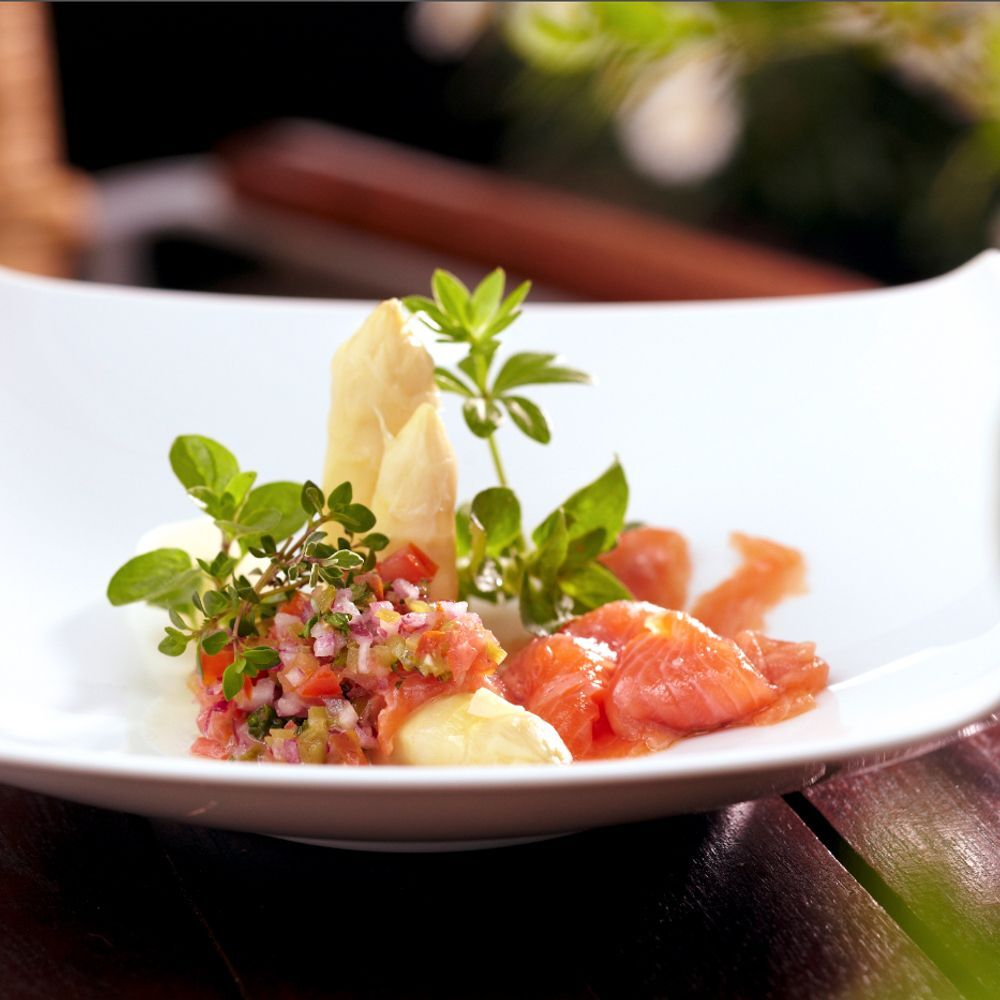
The dishes cited in recognition of the restaurant, salmon trout with chervil root and fregola, goose liver with fig, chocolate and Buchtel, point to a kitchen thinking carefully about texture and contrast. Fregola, the toasted Sardinian pasta, brings a roasted, slightly chewy note to fish; chervil root offers a sweetness that reads differently from the more common celeriac. Buchtel alongside goose liver suggests a kitchen interested in the sweet-savoury register that Austrian cooking has historically been comfortable with, from Tafelspitz served with apple horseradish to desserts that shade toward the bittersweet. These are not safe combinations, and their presence on a Burgenland gasthaus menu at this price accessibility marks the kitchen as one worth tracking.
Planning a Visit
Weppersdorf sits in the Ödenburger Gebirge foothills area of Burgenland, roughly an hour southeast of Vienna by car, making it reachable as a half-day or full-day excursion from the capital. The village does not have a broad tourist infrastructure, which means the gasthaus operates primarily for an audience that has come specifically for it rather than stumbling in from a passing crowd. For visitors travelling the Burgenland wine route or exploring the Neusiedler See area, the routing fits naturally. If you are building a longer stay in the region, our full Weppersdorf hotels guide covers accommodation options, and the Weppersdorf wineries guide maps the regional producers worth pairing with a meal here.
Reservations are recommended, particularly for evening tasting menu reservations. The summer terrace adds capacity during warmer months, but the interior dining rooms have a finite number of covers. For those interested in the broader Austrian restaurant scene at higher price points, Ikarus in Salzburg, Obauer in Werfen, and Gourmetrestaurant Tannenhof in Sankt Anton am Arlberg operate at a different scale and investment level. The restaurant belongs to a different category: the village restaurant that punches above its geography without abandoning it.
Side-by-Side Snapshot
Comparable venues nearby, for context on price, style, and recognition.
| Venue | Cuisine | Price | Awards | Notes |
|---|---|---|---|---|
| Gasthaus FuchsThis venue — the venue you are viewing | Austrian Farm-to-Table | $$ | Michelin Plate | Not listed |
| Prandtauerhof Gutshofrestaurant | Traditional Austrian Regional Cuisine | $$ | Michelin Plate | Weißenkirchen in der Wachau |
| Wirtshaus Molzbachhof | Regional Austrian | $$$ | Michelin Plate | Kirchberg am Wechsel |
| Bitzinger Wurstestand | Traditional Viennese Sausages | $$ | Not listed | Staatsoper |
| Ratschen | Modern Austrian Contemporary | $$$ | Michelin Plate | Deutsch Schützen |
| Zur Dankbarkeit | Traditional Austrian Regional | $$ | Michelin Plate | Podersdorf am See |
Recognition history
Dated appearances from independent guides and award organizations, with the underlying list record or original source where available.
Michelin Plate
Michelin · 2026 Michelin Plate
Michelin Bib Gourmand
Michelin
Continue exploring
More in Weppersdorf
Restaurants in Weppersdorf
Browse all →
Bars in Weppersdorf
Browse all →


Hotels in Weppersdorf
Browse all →
At a Glance
- Rustic
- Cozy
- Classic
- Family
- Casual Hangout
- Special Occasion
- Terrace
- Local Sourcing
- Farm To Table
Current opening hours
- Monday
- Closed
- Tuesday
- Closed
- Wednesday
- Closed
- Thursday
- 11 AM–2 PM, 5:30–9 PM
- Friday
- 11 AM–2 PM, 5:30–9 PM
- Saturday
- 11 AM–2 PM, 5:30–9 PM
- Sunday
- 10 AM–4 PM
Hours can change for holidays and private events. Last verified .
Well-kept dining rooms mixing rustic and modern touches, complemented by a pleasant summer terrace.