Pucusana sits within Lima's coastal dining corridor, where the Pacific's cold Humboldt Current defines what lands on the plate. Positioned in a city where modern Peruvian cooking has reshaped global restaurant conversations, it draws on the same marine larder that fuels Lima's most recognized tables, occupying a distinct place in the capital's broader seafood tradition.

Pearl is the En Primeur Club membership app — saves, bookings, and concierge access live there. Same editors, same standards.
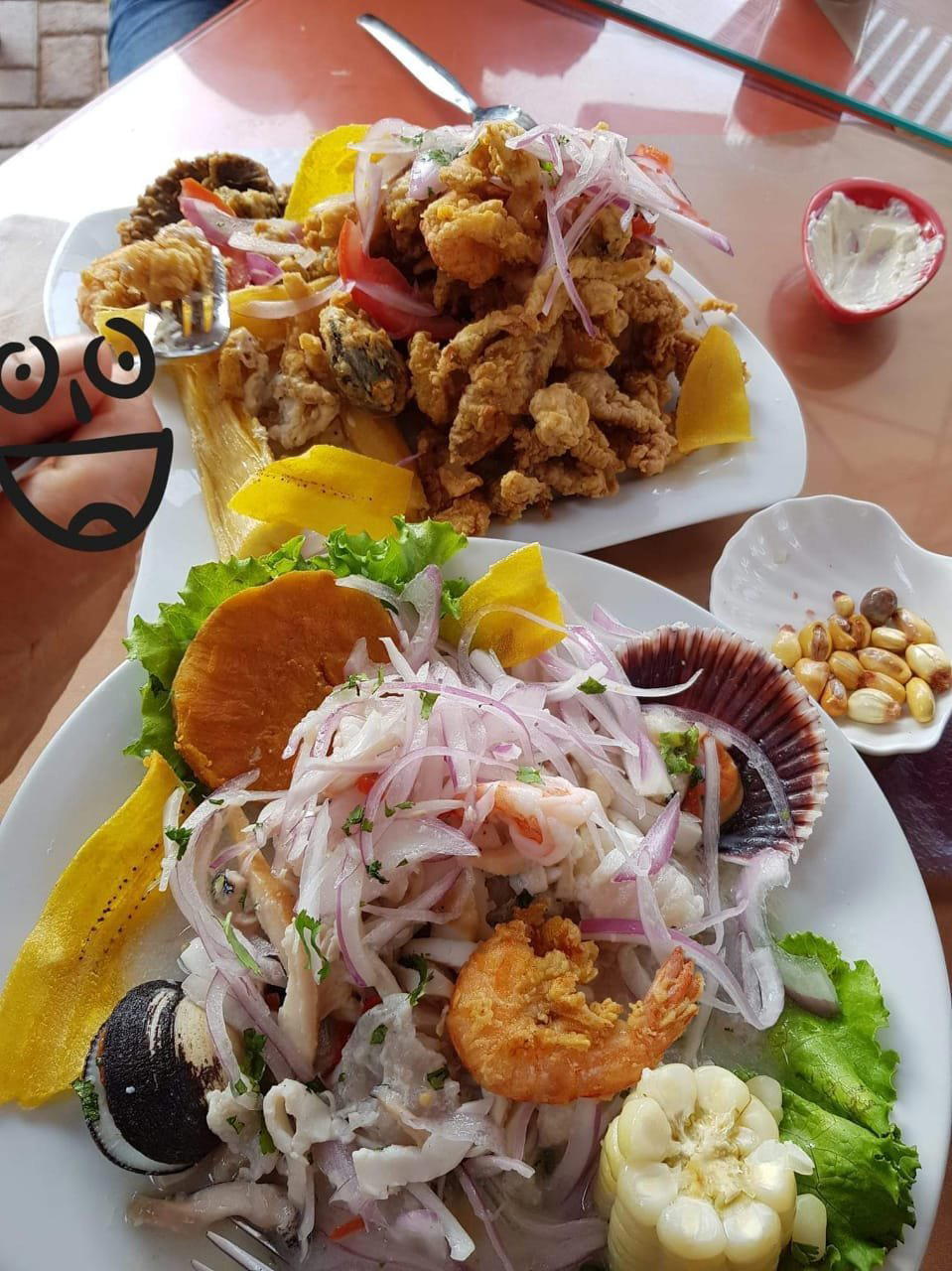
Where the Humboldt Current Meets the Table
Lima's relationship with the Pacific is not incidental, it is structural. The cold Humboldt Current running along Peru's coast produces particularly biodiverse fishing grounds in the Southern Hemisphere, and the city's dining culture has been built, plate by plate, on that fact. Restaurants that understand this don't merely use the ocean as a backdrop; they organize their entire logic around the tidal rhythms of what arrives from it. Pucusana, named for the fishing village south of Lima where artisanal boats have worked the same waters for generations, positions itself inside that tradition rather than alongside it.
The name carries weight in Peru. Pucusana the village is where much of Lima's daily catch originates, a working port that has supplied the capital's markets and kitchens long before tasting menus became a category. For a restaurant to carry that reference is an editorial statement about sourcing philosophy, a declaration that the cooking defers to the water rather than the other way around.
The Physical Container: Reading a Room Designed Around a Coastline
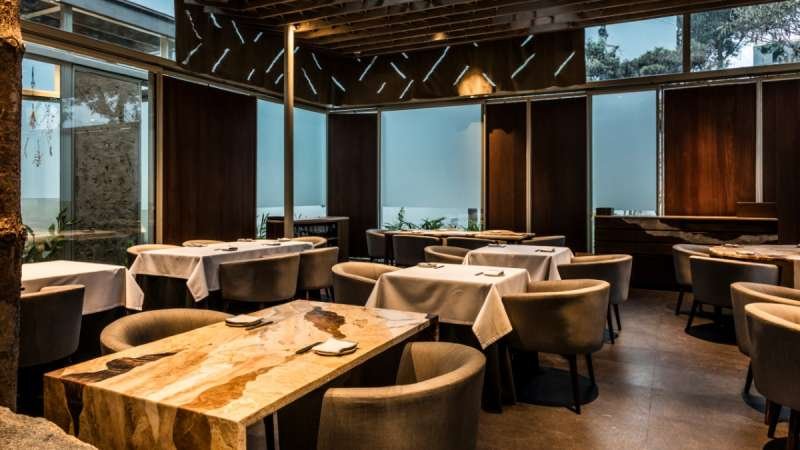
Lima's most considered dining spaces tend to make a choice: lean into the Pacific view where geography allows, or construct an interior world that does the work the view cannot. The city's premium tier, occupied by tables like Central (Progressive Peruvian) and Kjolle (Modern Peruvian) in Barranco, has increasingly favored the latter approach, designing interiors that communicate provenance through material and texture rather than panorama. Coastal references rendered in stone, wood, and woven fiber have become a recognizable grammar in Lima's forward dining rooms.
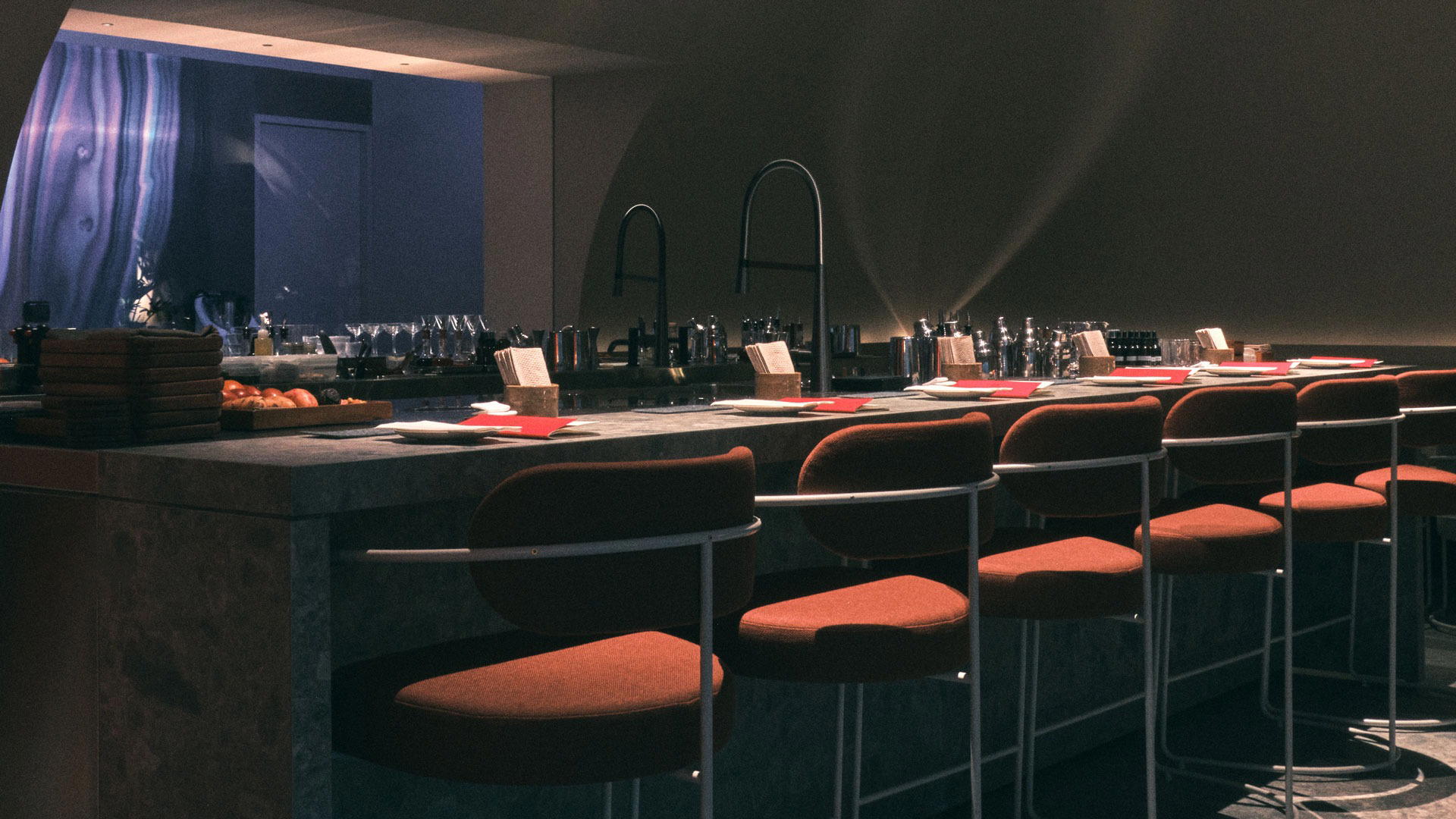
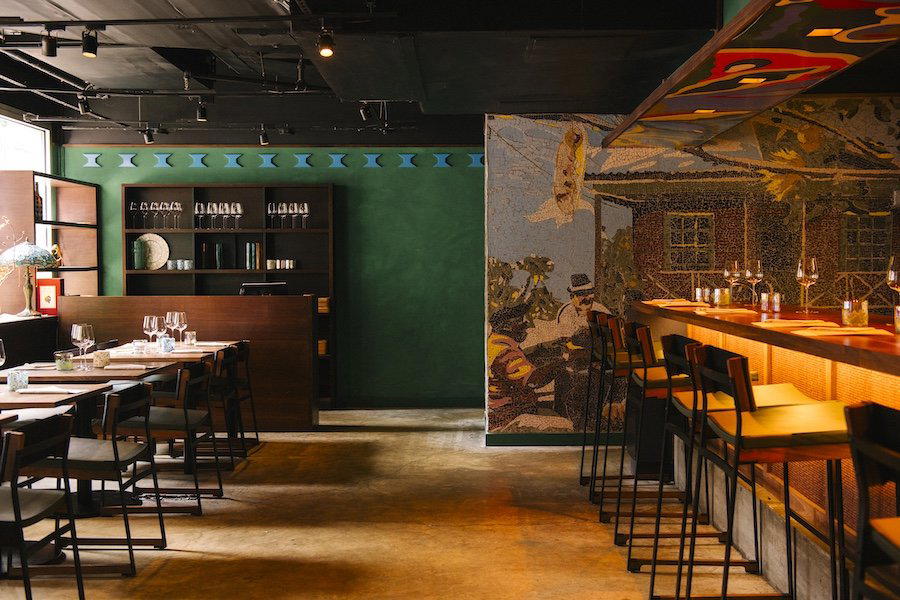
Pucusana operates within this spatial conversation. A restaurant named for a fishing port carries an obligation to its reference point, and particularly coherent spaces in this category translate that obligation into physical decisions: how light enters, what surfaces are used, how the room arranges the diner relative to the food. Where a tasting counter draws the eye inward toward the kitchen, and a terrace pushes it outward toward horizon, a thoughtfully designed mid-format dining room holds both impulses in tension. That balance, contained enough to focus attention on the plate, open enough to remember where the plate came from, defines the spatial register Lima's seafood-led restaurants aspire to.
Lima's Seafood Tradition and Where Pucusana Fits
Peru's coastal cuisine is not one thing. Ceviche, tiradito, and causa represent distinct traditions with different origins, Nikkei influence is traceable in the clean acid lines of tiradito, while ceviche's leche de tigre carries pre-Columbian and colonial histories simultaneously. Lima's most serious seafood restaurants are now doing what serious restaurants everywhere do: excavating those distinctions rather than flattening them. Maido (Nikkei) built its reputation on making the Japanese-Peruvian intersection legible and precise. Costanera 700 in Miraflores works a different register, anchoring its menu in the cevicherías tradition with contemporary technique applied carefully.
Pucusana's reference point, the artisanal fishing village, places it closer to origin than to fusion. That is a meaningful editorial position in a city where the conversation about Peruvian food has become global. Astrid & Gastón (Modern Peruvian) is widely credited with opening that global conversation two decades ago; Central Restaurante extended it into an ecosystems framework that earned the restaurant a place at the summit of the World's 50 Best rankings in 2023. The bandwidth created by those tables gives restaurants like Pucusana room to occupy a more grounded register, less about the altitude of abstraction, more about fidelity to a specific coastal source.
Peru's dining circuit extends well beyond Lima. Mil Centro in Moray works Andean altitude ingredients with similar source-first logic. Further afield, El Rey in Oxapampa and Mapacho Craft Beer Restaurant in Urubamba reflect how Peru's regional cooking traditions are gaining their own platforms outside the capital. For Amazon basin context, Delfin Amazon Cruises in Iquitos and Delfin I dining room in Nauta show how river-sourced cooking operates on a completely different marine logic to Lima's Pacific-facing tables.
The Broader comparable set: What the Category Looks Like
Lima's mid-to-upper dining tier has widened considerably. The city now supports a spectrum from neighborhood cevicherías through to globally ranked tasting-menu operations, with a growing number of restaurants occupying the middle register: serious sourcing, trained kitchens, dining rooms designed with intention, but without the full apparatus of a destination fine-dining experience. Osaka Nikkei in San Isidro sits in that tier, using Nikkei technique across a format accessible to a broader audience than a dedicated omakase counter. Cirqa in Arequipa does something similar for the south, applying contemporary rigor to regional ingredients in a format that doesn't demand the full tasting-menu commitment.
International comparisons sharpen the picture. Seafood-led restaurants built on close sourcing relationships, Le Bernardin in New York City being the canonical example at the extreme fine-dining end, demonstrate that oceanic cuisine carries the same capacity for technical ambition as any land-based tradition. Lazy Bear in San Francisco represents a different model: communal format, sourcing-led narrative, experience designed around connection rather than spectacle. Lima's more intimate seafood tables have been moving toward something between those poles.
Planning Your Visit
Lima rewards visitors who treat it as a dining destination in its own right rather than a transit stop before Cusco or Machu Picchu. Miraflores and Barranco remain the primary districts for serious eating, with San Isidro carrying a more business-lunch character. Pucusana sits within this geography, and a visit pairs logically with the wider coastal dining circuit the city supports. For travelers extending into the Andes, Cantina Vino Italiano in Cusco and the Marañón Province in Maranon offer continuation points for a broader Peru itinerary.
A Lean Comparison
Comparable venues nearby, for context on price, style, and recognition.
| Venue | Cuisine | Price | Notes |
|---|---|---|---|
| PucusanaThis venue — the venue you are viewing | Pucusana, Peruvian Seafood Cevicheria | $$ | Not listed |
| Demo | Not listed | $$ | Barranco, Modern cafe-bakery with Venezuelan & Peruvian influences |
| Popurrí | San Isidro, Peruvian Food Hall | $$ | Not listed |
| El Rincón Que No Conoces | Lince, Traditional Peruvian Criolla | $$ | Not listed |
| Jirón de la Unión 926 | Lima, Traditional Peruvian Bar & Tapas | $$ | Not listed |
| Malabar | San Isidro, Modern Amazonian Peruvian | $$$ | Not listed |
Continue exploring
More in Lima
Restaurants in Lima
Browse all →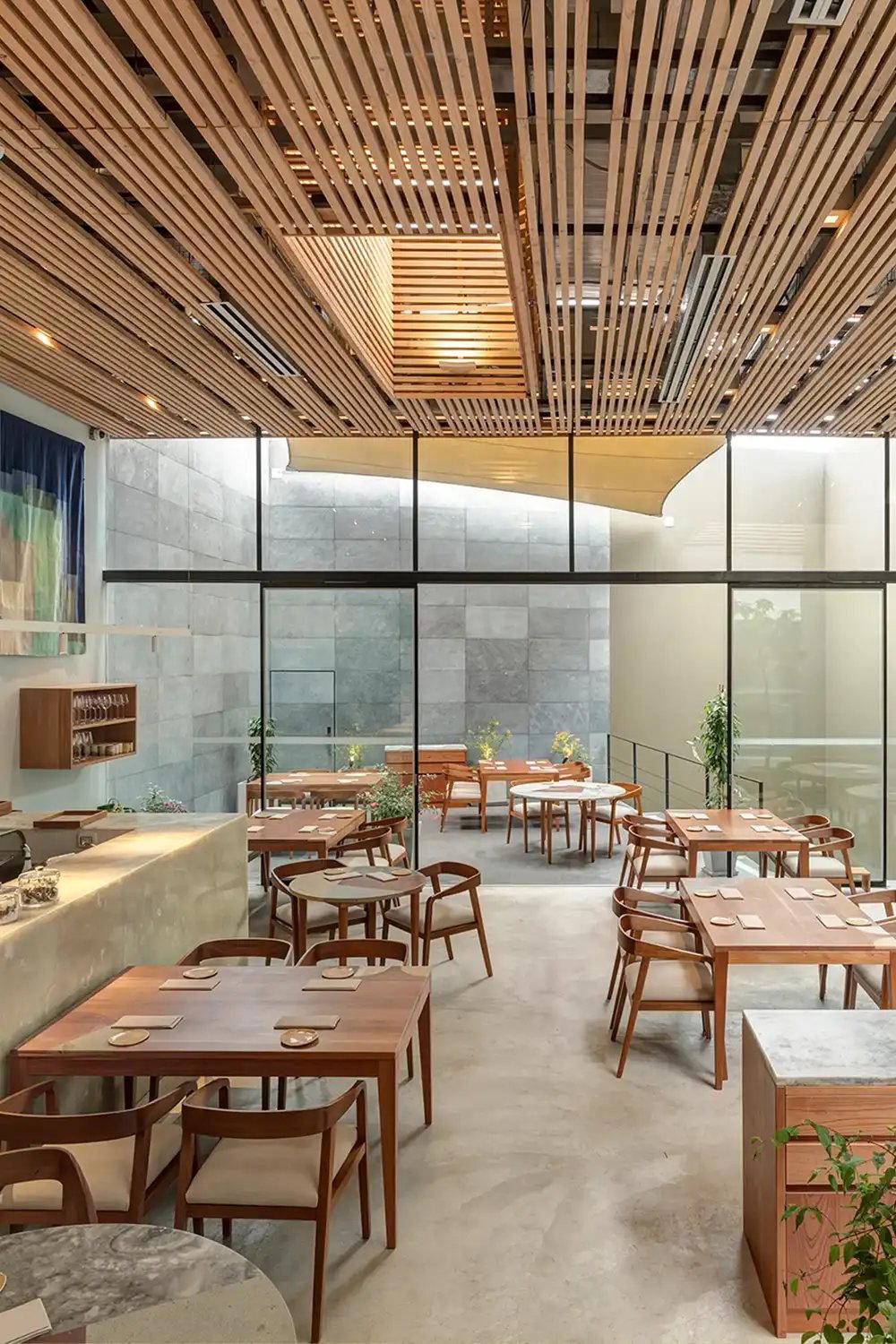
Bars in Lima
Browse all →
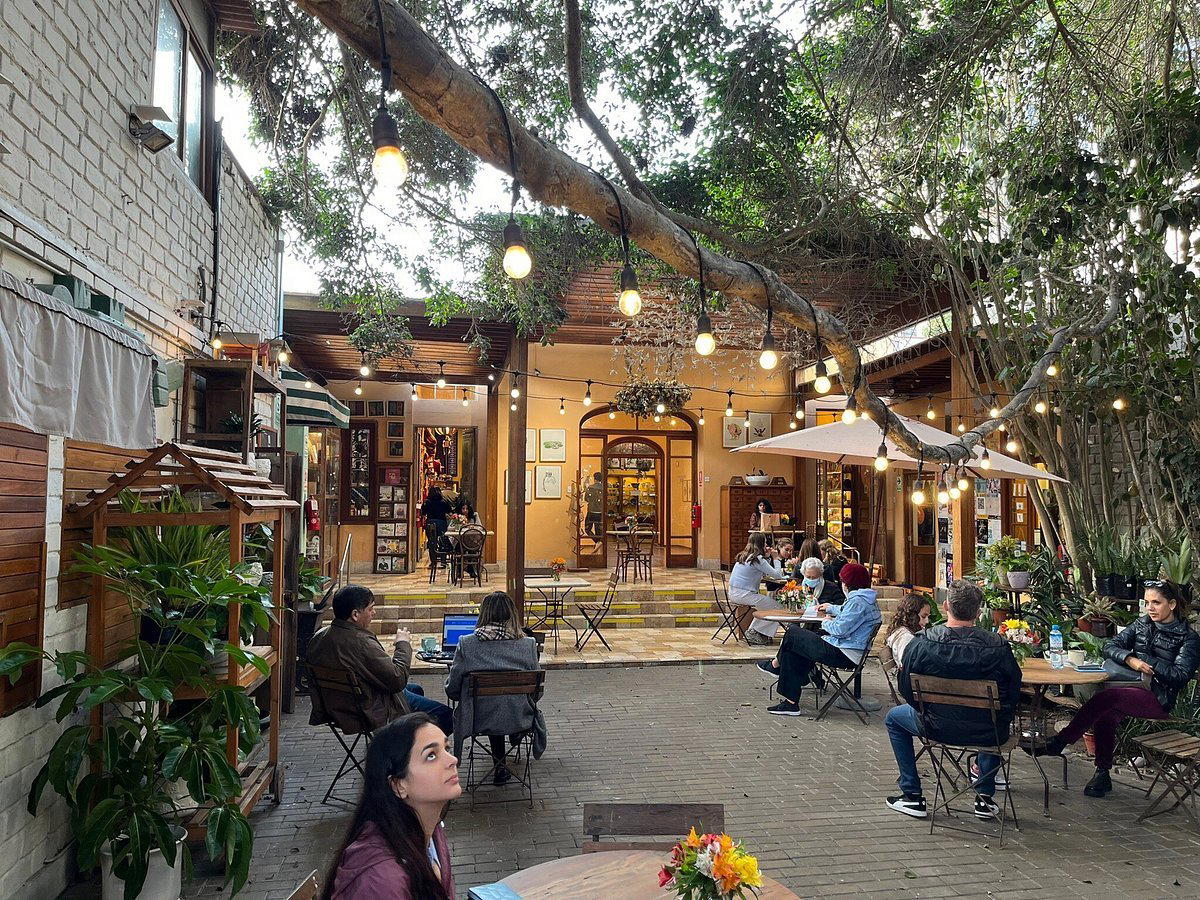
Hotels in Lima
Browse all →

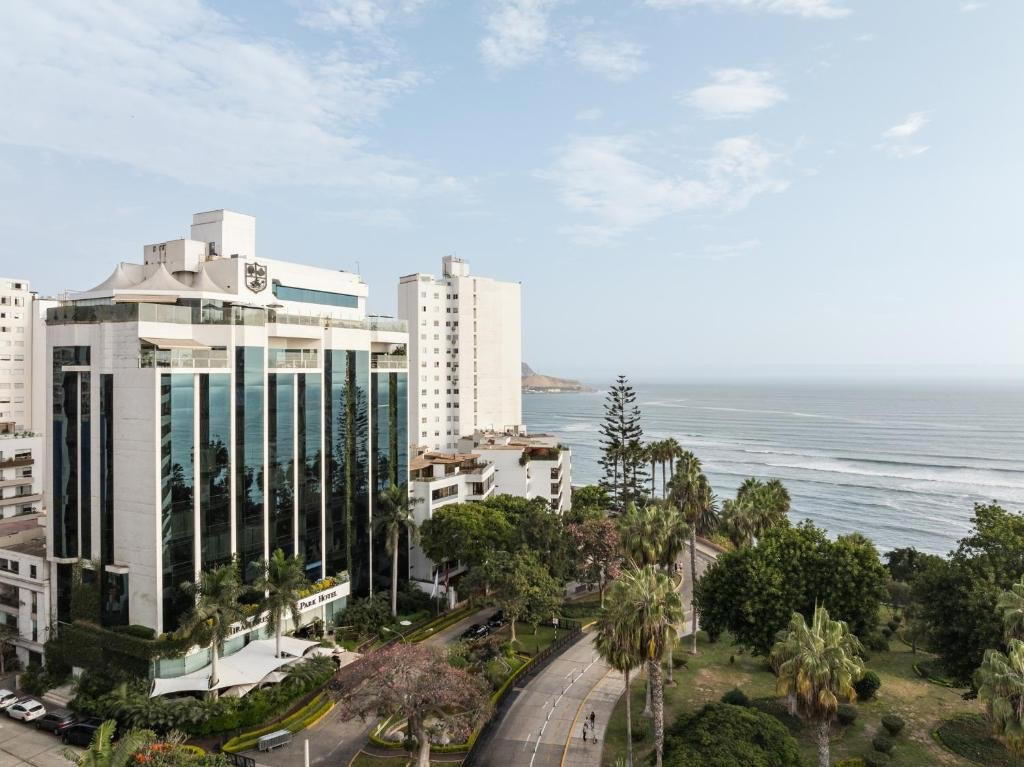
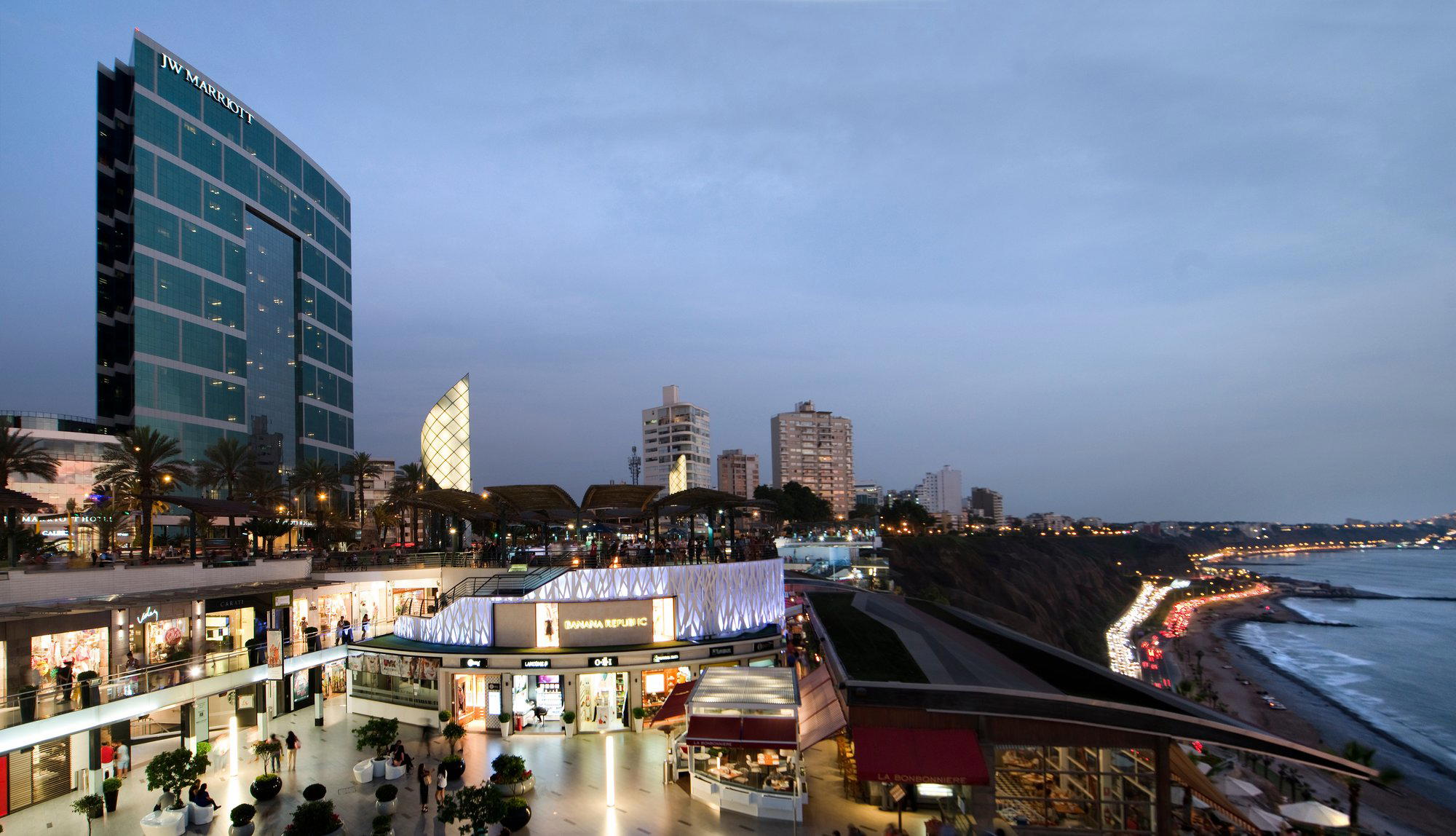
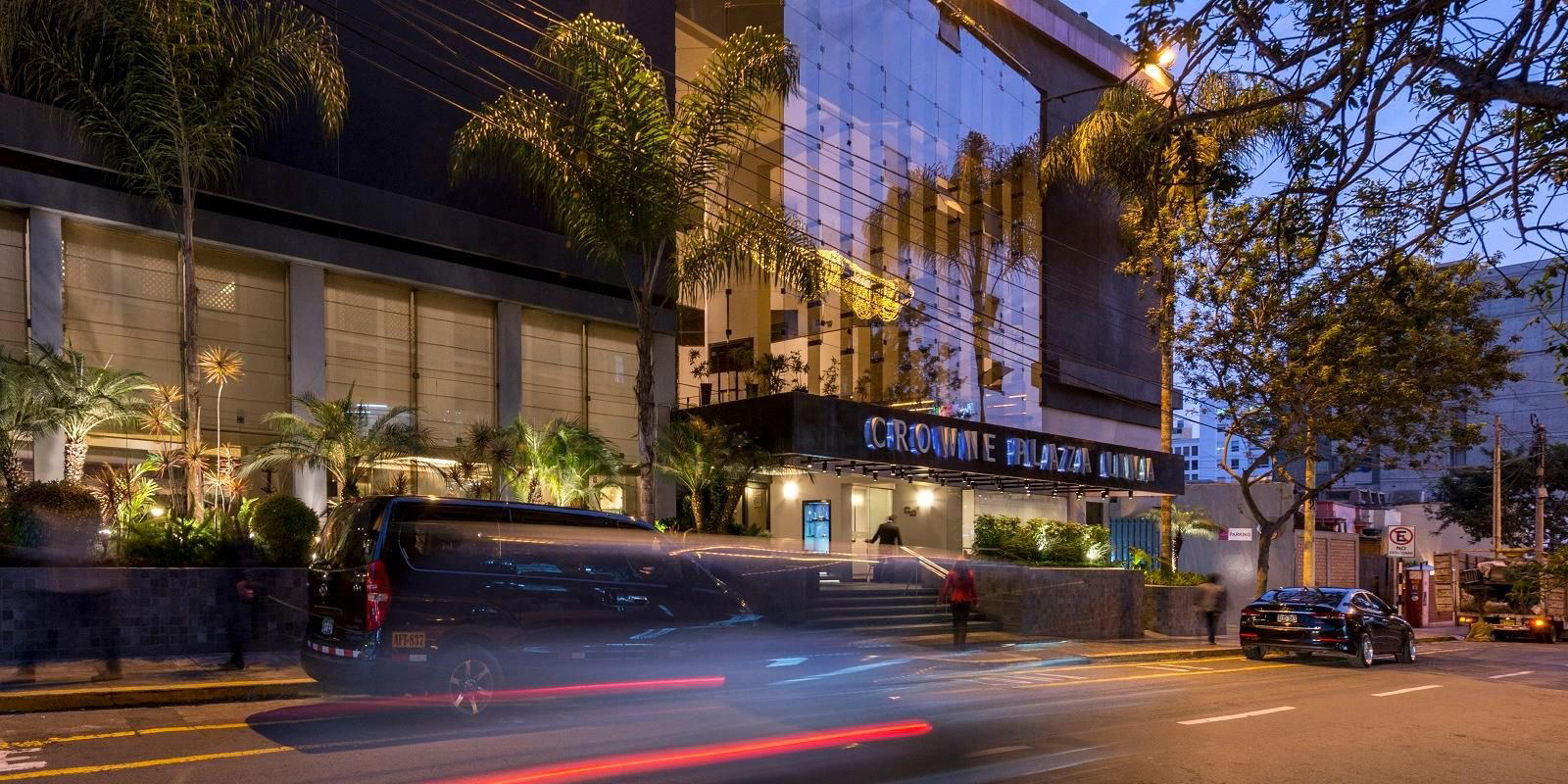
Wineries in Lima
Browse all →
At a Glance
- Scenic
- Casual Hangout
- Family
- Waterfront
- Local Sourcing
- Waterfront
Casual beachside atmosphere with ocean views and relaxed seaside dining.