Our verdict
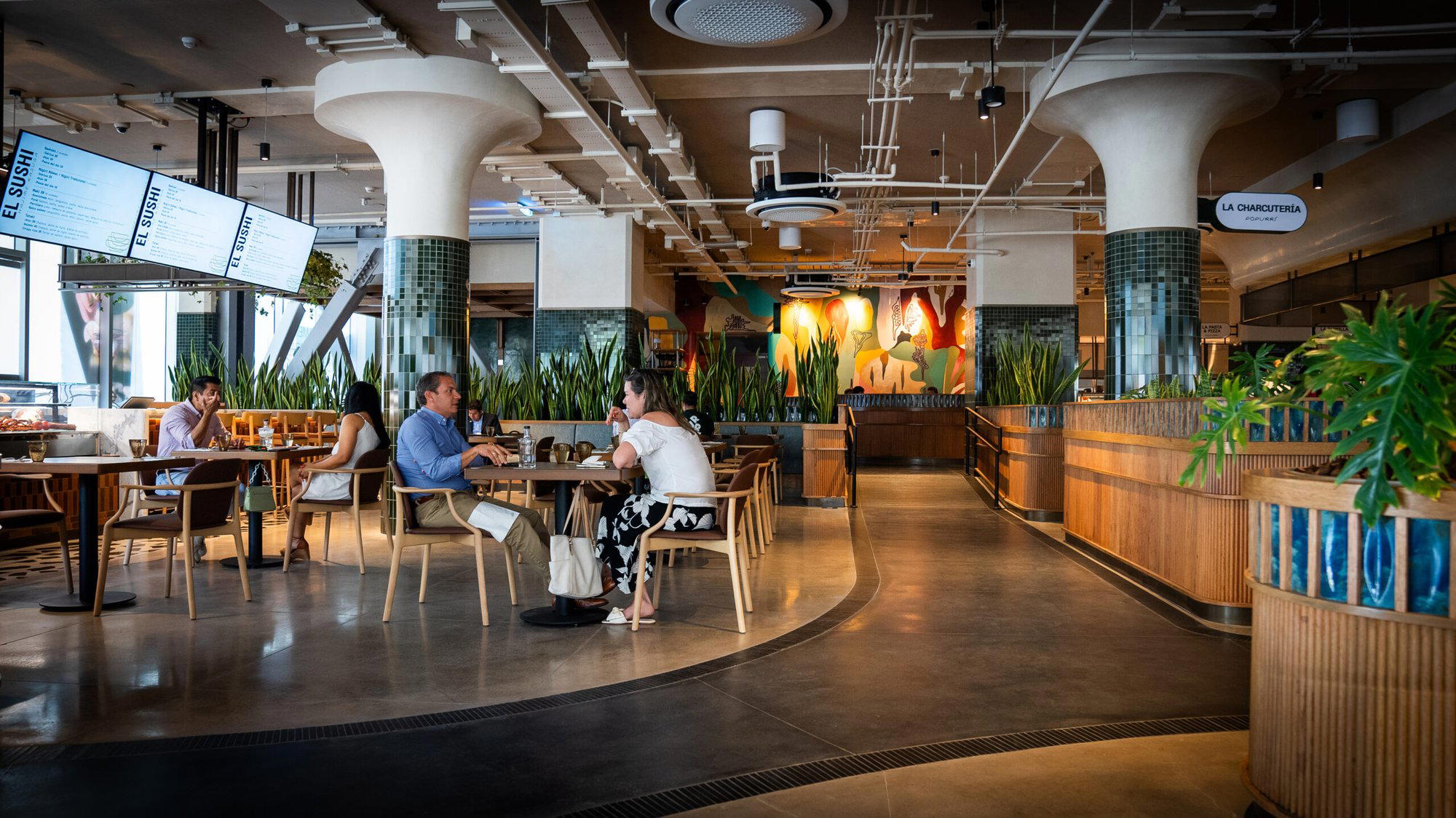
Popurrí occupies a quiet address on Av. las Begonias in San Isidro, one of Lima's most composed residential-commercial districts. It sits within a city whose restaurant culture has reshaped how the world reads South American cooking, and positions itself as a neighbourhood counterpoint to the high-production flagship operations that dominate international coverage of Lima dining.

Pearl is the En Primeur Club membership app — saves, bookings, and concierge access live there. Same editors, same standards.
- Address
- Av. las Begonias 487, San Isidro 15046, Peru
- Phone
- +51952354285
- Hours
- Mon–Thu 7:30 AM–11 PMFri 7:30 AM–12 AMSat 9 AM–12 AMSun 9 AM–11 PM
- Website
- opentable.com
- Directions
- Get directions
- Booking
- Book on OpenTable
The menu
What to order
- Ceviche
- Lomo Saltado
- Aji de Gallina
- Tiradito
San Isidro and the Other Side of Lima's Restaurant Story
Lima's dining reputation is built, in international coverage at least, on a handful of addresses that trade in altitude-to-sea research formats and tasting menus that run to twenty or more courses. Central (Progressive Peruvian) and Astrid & Gastón (Modern Peruvian) have done more than any other kitchens to frame Peru as a serious gastronomic destination for foreign visitors. But the city has always had a parallel track: neighbourhood restaurants in San Isidro, Miraflores, and Barranco that serve the professional Lima population eating out on a Tuesday, not a special occasion. Popurrí, at Av. las Begonias 487 in San Isidro, belongs to that second current.
San Isidro is Lima's financial and diplomatic district, a grid of low-rise offices, apartment blocks, and quiet tree-lined streets that sit between the commercial noise of downtown and the cliffside leisure of Miraflores. The neighbourhood's restaurant stock reflects its population: people who eat out regularly and want cooking that is grounded and precise rather than theatrical. It is not the district you visit for spectacle. It is the district you return to because the standard is consistent and the room does not perform at you.
What Peruvian Cooking Actually Is, Away from the Flagship Format
The international framing of Peruvian cuisine tends to collapse it into two reference points: the high-modernist tasting counter and the ceviche-and-causa tourist menu. The actual breadth sits elsewhere. Peruvian cooking is one of the most compositionally complex national traditions in the Americas, layered by pre-Columbian agricultural knowledge, Spanish colonial ingredients, Chinese and Japanese immigration waves in the nineteenth and twentieth centuries, and a coastal-highland-jungle geography that produces ingredient diversity found almost nowhere else at this scale.
Ají amarillo, huacatay, rocoto, chicha de jora — these are not exotic additions to a Westernised base. They are the structural logic of the cuisine. The Nikkei fusion that defines Maido (Nikkei) and the altitude-driven research format of Kjolle (Modern Peruvian) are branches of the same cultural tree, not departures from it. Restaurants operating in a more everyday register, as Popurrí does in San Isidro, draw from the same well of ingredients and technique without necessarily building a narrative architecture around them.
Peru's position at the intersection of Pacific fishing culture and Andean agricultural tradition means that even mid-tier neighbourhood cooking carries more inherent complexity than equivalent registers in most other countries. A simple rice-and-duck preparation in Lima involves techniques and flavour compounds — ají-based marinades, slow rendering, herb pastes with pre-Hispanic roots, that are the product of centuries of accumulated kitchen knowledge. For visitors oriented toward Central Restaurante-level experiences, places like Popurrí offer a different but equally valid form of access to that tradition.
San Isidro as a Dining District
San Isidro's restaurant culture operates on a different rhythm than Miraflores or Barranco. Lunch is often the primary meal, driven by the office population that occupies the district's towers and mid-rise blocks. Evening trade skews residential: couples and small groups eating locally rather than making a destination trip. The district has seen consistent investment in mid-to-upper neighbourhood restaurants over the past decade, a pattern driven partly by the departure of some flagship operations to purpose-built venues further south and partly by rising real estate pressure on the Miraflores dining strip.
For visitors staying in San Isidro hotels or working in the district during the day, Av. las Begonias is a practical and well-located address. It runs through the commercial heart of the neighbourhood, within reasonable walking distance of the Parque El Olivar and the main hotel corridor along Calle La Paz and Av. Javier Prado. Getting to San Isidro from Miraflores takes roughly fifteen minutes by taxi; from Barranco, allow closer to twenty-five. Lima traffic is variable, particularly in the early evening, so building in buffer time is advisable.
In a city where the competitive conversation is dominated by the operations that appear on the Latin America's 50 Best list, it is easy to underweight the neighbourhood tier that serves Lima's actual daily dining life. It sits alongside the district's other neighbourhood-format restaurants: places where the room is calm, the cooking draws on Peruvian technique without packaging it as a cultural lesson, and the expectation is a good meal rather than an experience.
That category occupies an important function in Lima's food culture. Peru's culinary confidence at the high end, the confidence that allows Astrid & Gastón (Modern Peruvian) and its peers to compete with European flagships on their own terms, rests partly on a deep civic culture of eating well at every register. The neighbourhood restaurant is not a lesser version of the flagship. It is part of the same ecosystem, and it is often where Peruvian cooking is most legible to a reader who wants technique without theatre.
For those building a broader itinerary across Peru, the contrast is instructive. The cooking at KUSHKA Restaurant in Cuzco or LIMO Cocina Peruana & Pisco Bar in Cusco draws on Andean highland traditions that diverge significantly from Lima's coastal-urban base. Visiting both registers across a single trip gives a more complete read of what Peruvian cuisine actually covers. See our full Lima restaurants guide for a structured overview of the city's dining tiers.
Planning Your Visit
Popurrí is located at Av. las Begonias 487 in San Isidro, 15046. As a neighbourhood-format restaurant in a working district, lunch service tends to be the busiest period; arriving slightly before the midday peak or after 14:00 generally means a calmer room. Current booking policy, hours, and pricing are best confirmed directly, as published details for this format of restaurant can shift seasonally. For context on the broader Lima dining tier, comparable neighbourhood operations in San Isidro typically run at a fraction of the cost of the flagship tasting-menu addresses in Miraflores, with a la carte formats and faster service pacing suited to a working lunch or an early evening dinner. Visitors from outside Lima looking for comparable neighbourhood-register cooking in other Peruvian cities might consider Insumo Rooftop in Miraflores or, further afield, La Nueva Palomino in Yanahuara District for a regional Arequipan counterpart. Those interested in how Peruvian ingredients translate at the fine-dining end of the international spectrum might look at how technique-driven operations like Le Bernardin in New York City or Atomix in New York City handle South American ingredient influence, though the reference points are quite different.
Frequently asked questions
Where do I go for Popurrí?
Popurrí is located at Av. las Begonias 487, San Isidro 15046, Peru, Lima.
Is Popurrí a good choice for a working lunch in San Isidro rather than a special-occasion tasting menu?
Popurrí's location at Av. las Begonias 487 places it inside Lima's primary business district, where the dominant dining occasion is the midday meal rather than the evening celebration. San Isidro restaurants in this format typically operate with faster service pacing and a la carte menus sized for a two-course lunch rather than a multi-hour progression. For visitors to Lima who want to eat alongside the city's working population rather than inside a tasting-counter format, this part of San Isidro is a reasonable starting point.
What dish is Popurrí famous for?
The restaurant's address in the working district of San Isidro, at Av. Confirming specific dishes directly with the venue before visiting is advisable.
Should I book Popurrí in advance?
San Isidro runs on an office-district rhythm, which means midweek lunch service at Av. las Begonias 487 can fill with local trade faster than the address would suggest to a first-time visitor. Evenings and weekends tend to operate at a more relaxed pace. Booking ahead for weekday lunch is the more cautious approach, particularly for groups of three or more.
Price and Recognition
Comparable venues nearby, for context on price, style, and recognition.
| Venue | Cuisine | Price | Notes |
|---|---|---|---|
| PopurríThis venue — the venue you are viewing | Peruvian Food Hall | Not listed | Not listed |
| Demo | Modern cafe-bakery with Venezuelan & Peruvian influences | $10–20 | Barranco, Modern cafe-bakery with Venezuelan & Peruvian influences |
| El Rincón Que No Conoces | Traditional Peruvian Criolla | $10–20 | Lince, Traditional Peruvian Criolla |
| Pucusana | Peruvian Seafood Cevicheria | $10–20 | Pucusana, Peruvian Seafood Cevicheria |
| Alegrîa Picantería Piurana | Traditional Piuran Peruvian Picantería | $20–30 | Miraflores, Traditional Piuran Peruvian Picantería |
| Siete | Modern Peruvian-Mediterranean Fusion | $20–30 | Barranco, Modern Peruvian-Mediterranean Fusion |
Continue exploring
More in Lima
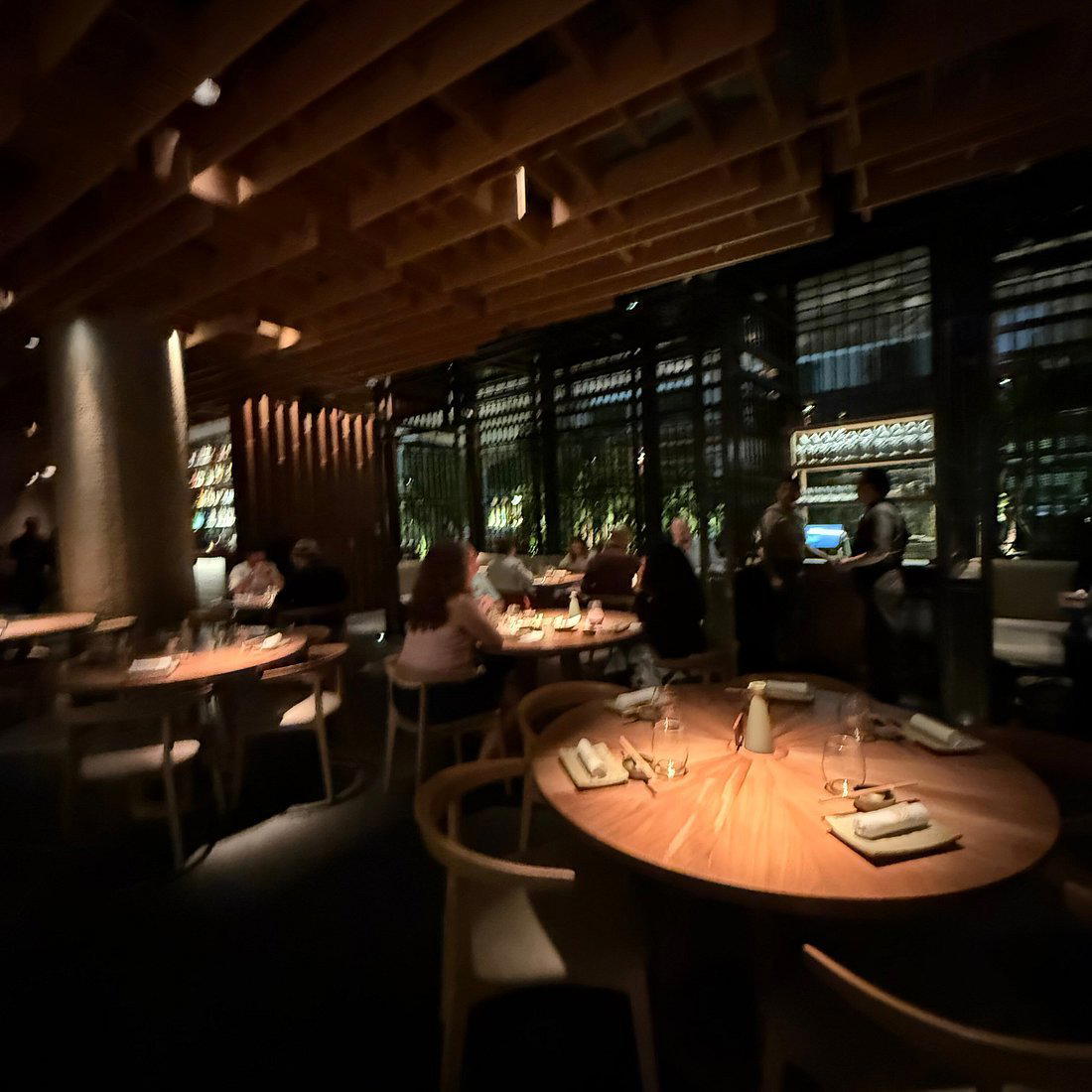
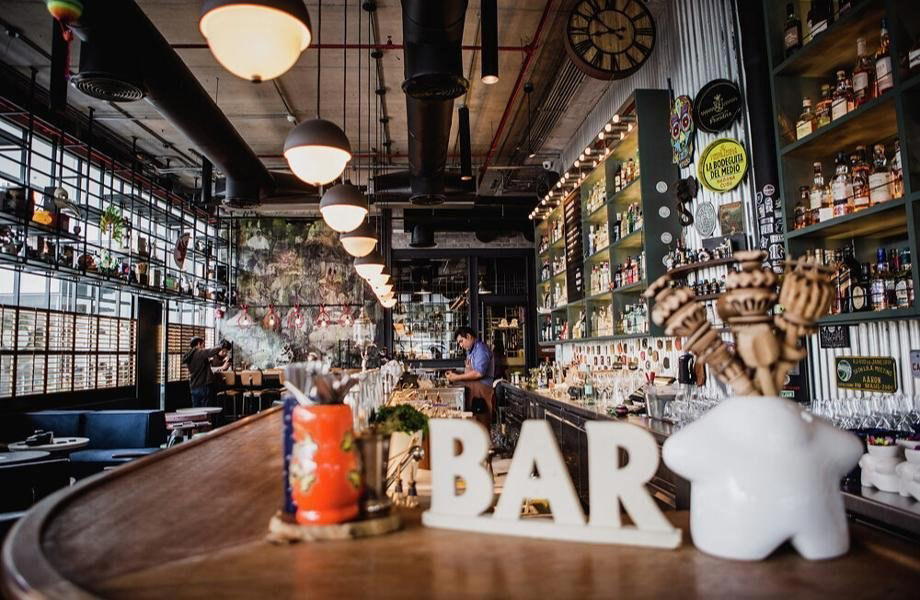
Bars in Lima
Browse all →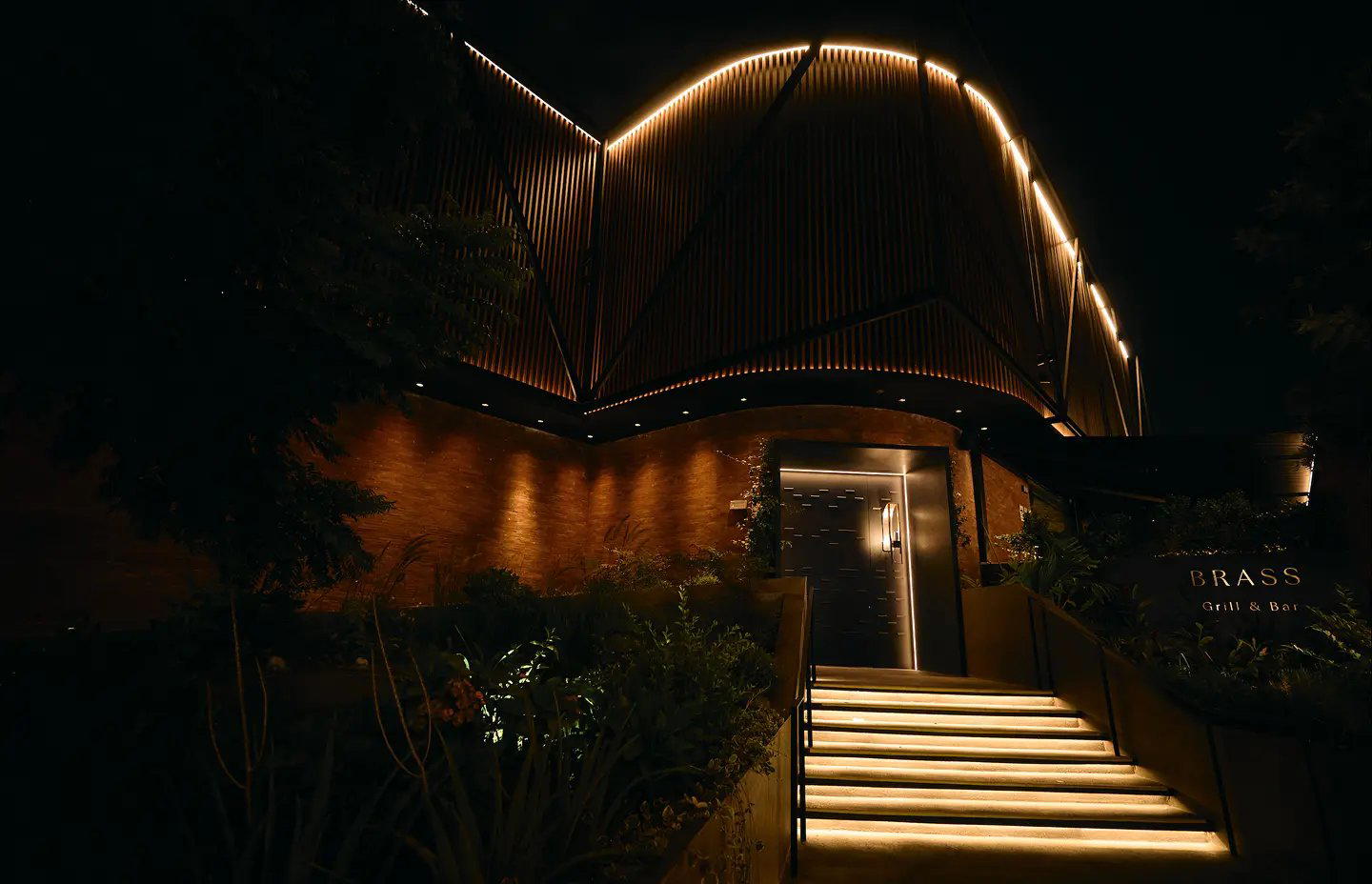
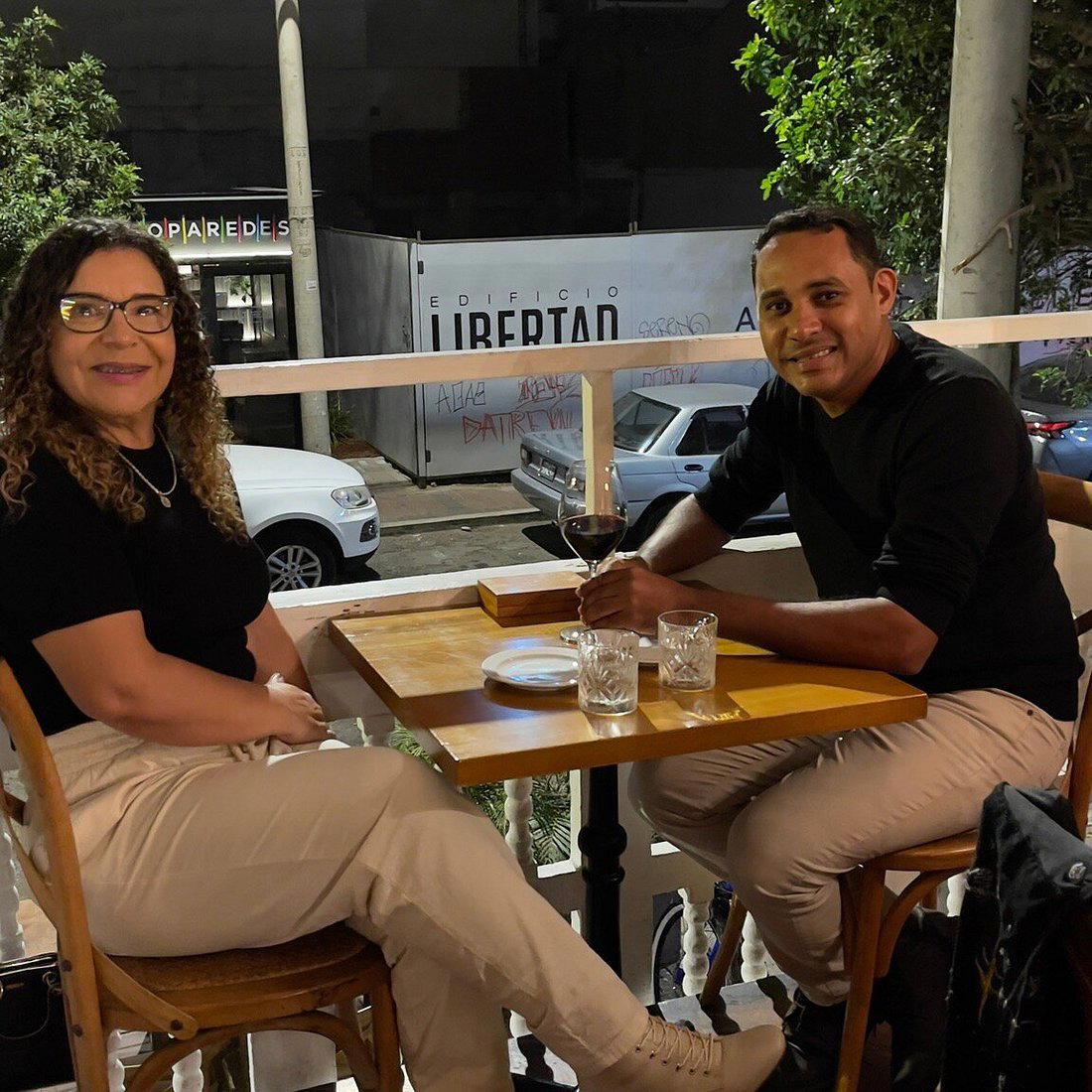
Hotels in Lima
Browse all →

Wineries in Lima
Browse all →
Details
- Lively
- Modern
- Cozy
- Casual Hangout
- Group Dining
- Celebration
- Open Kitchen
- A La Carte
- Small Plates
Current opening hours
- Monday
- 7:30 AM–11 PM
- Tuesday
- 7:30 AM–11 PM
- Wednesday
- 7:30 AM–11 PM
- Thursday
- 7:30 AM–11 PM
- Friday
- 7:30 AM–12 AM
- Saturday
- 9 AM–12 AM
- Sunday
- 9 AM–11 PM
Hours can change for holidays and private events. Last verified .
Welcoming and lively atmosphere suitable for casual meals or special occasions with moderate noise levels.