Our verdict
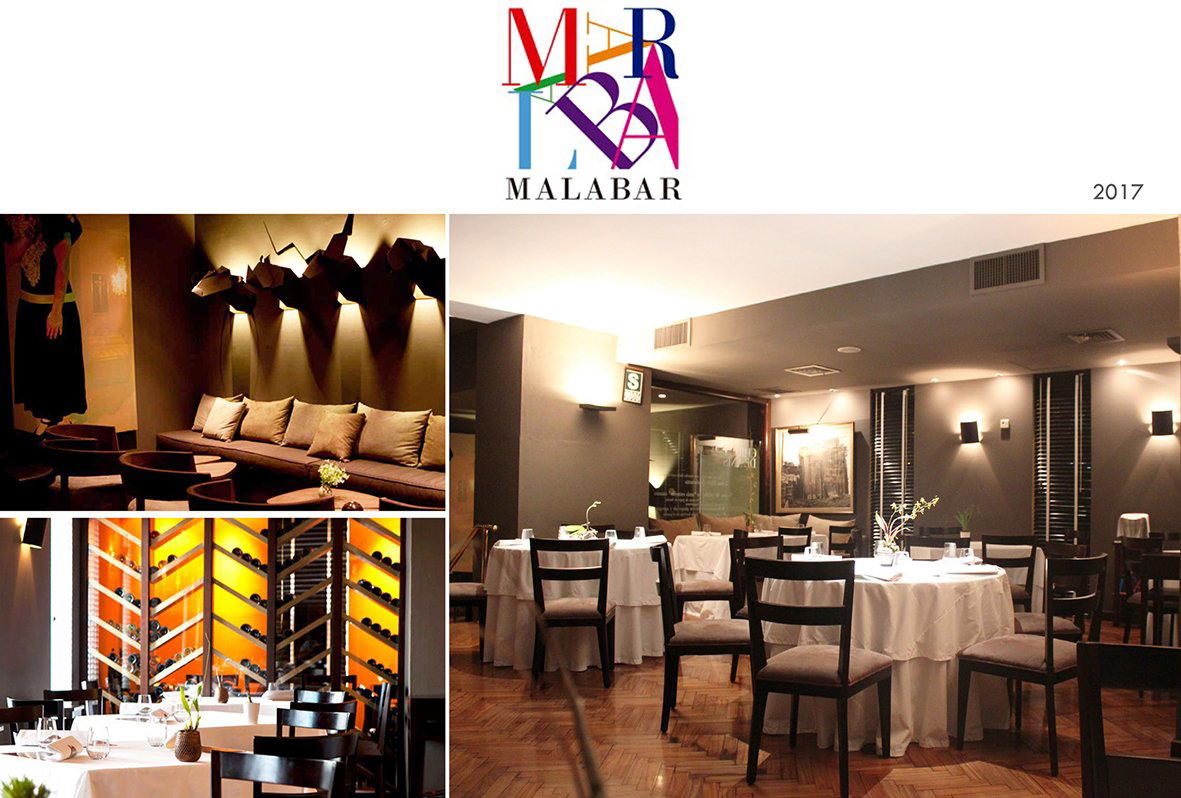
Malabar sits on Av. Camino Real in San Isidro, one of Lima's most competitive addresses for serious dining. The restaurant operates within a city where Amazonian ingredients and Andean technique have reshaped how the world reads South American cooking, and it holds a firm position inside that conversation. Plan ahead: tables at this level of the Lima market rarely open on short notice.
- Address
- Av. Camino Real 101, San Isidro 15073, Peru
- Phone
- +51 1 4405200
- Website
- malabar.com.pe
- Directions
- Get directions
The menu
What to order
- Chonta palm heart salad
- Paiche jungle fish
San Isidro and the Weight of the Address
Av. Camino Real cuts through San Isidro with the quiet confidence of a district that has long housed Lima's financial and diplomatic core. The dining strip here operates at a different register than Miraflores' more tourist-facing blocks or Barranco's creative ferment. Restaurants on this stretch compete against an audience that eats out regularly, knows the regional canon, and returns often enough to notice when something shifts. Malabar, at number 101, sits inside that exacting context.
San Isidro's dining scene has thinned and sharpened over the past decade. Properties that once traded on corporate expense accounts have either adapted toward a more considered cooking program or quietly closed. What remains tends to be serious, and the address itself functions as a filter: the clientele expects precision, sourcing that goes beyond the obvious, and a room that reads as composed without being stiff. Malabar fits the profile of a restaurant built for that audience rather than for passing traffic.
Where Malabar Sits in Lima's Hierarchy
Lima's premium dining tier has become genuinely competitive at a global level. Central (Progressive Peruvian) and Maido (Nikkei) regularly appear in the World's 50 Best rankings and command international booking queues measured in weeks. Astrid & Gastón (Modern Peruvian) remains the establishment reference point for a certain style of modern Peruvian ambition. Kjolle (Modern Peruvian) operates in a more intimate register, working Andean biodiversity with deliberate focus.
Malabar occupies a different position in that set: a San Isidro address places it in a peer group defined as much by its neighbourhood as by its awards profile. The restaurant has built a reputation across Lima's informed dining community as a destination for Amazonian-influenced cooking that treats jungle ingredients with the same seriousness that highland restaurants apply to Andean produce. That framing separates it from the larger tasting-menu temples and places it in a more specific niche, alongside venues like Osaka Nikkei in San Isidro and Costanera 700 in Miraflores, where a defined culinary identity anchors the entire program.
The broader Lima restaurant moment is one of the more interesting in the Americas right now. Ingredients sourced from the Amazon basin, the Andes, and the Pacific coast are being treated as a coherent, expandable pantry rather than as separate regional traditions. Mil Centro in Moray pushes this into high-altitude agricultural territory. Delfin Amazon Cruises in Iquitos applies it afloat on the river itself. Malabar's San Isidro format anchors a version of that same ingredient logic in an urban fine-dining frame.
Planning a Visit: What the Booking Reality Looks Like
The editorial angle here is logistical, because at Lima's competitive end, logistics are editorial. The city's most-discussed restaurants operate booking windows that punish late planning. Central books out weeks in advance through a dedicated reservation system. Maido runs a similar structure. Malabar, as a San Isidro property with a focused program, operates within that same pressure zone, even if its booking mechanics sit slightly below the extreme scarcity tier occupied by the city's globally ranked names.
Practical read: contact the restaurant directly or use a concierge with existing relationships in the Lima market. Walk-ins at this address and this level of the market are possible in theory, but seating availability on a given evening is not something to assume. San Isidro's dining rooms at the premium tier fill from a combination of local regulars, business dining, and inbound visitors who planned ahead. Arriving without a booking is a risk that the neighbourhood's geography amplifies: unlike Miraflores, where a fallback option is usually a short walk away, San Isidro's premium dining options are spaced further apart and equally likely to be full.
Timing within the week matters. Midweek evenings, particularly Tuesday through Thursday, carry the heaviest business dining traffic in San Isidro. Friday and Saturday shift toward social dining and couples, with slightly different energy in the room. If you are visiting Lima on a circuit that also includes Central Restaurante or Astrid & Gastón, it is worth spacing your reservations across different evenings and building your Malabar booking before you land. Lima's premium restaurant week runs across July, aligned with Fiestas Patrias, when demand spikes and availability compresses further.
For visitors extending beyond Lima, the regional dining circuit connects to places worth building time around: Cantina Vino Italiano in Cusco, Mapacho Craft Beer Restaurant in Urubamba, El Rey in Oxapampa, and Cirqa in Arequipa. Peru's dining infrastructure outside Lima has matured enough that it rewards planning, particularly in the Sacred Valley corridor. See our full Lima restaurants guide for the broader picture.
The Ingredient Logic Behind the Menu
That positioning has its own internal logic. The Amazon basin produces ingredients, many without direct analogues in European or Asian pantries, that demand a different technical approach. Acidity, bitterness, and textural contrast tend to drive the cooking rather than fat-based richness, which is a structural difference from the French-influenced model that still anchors restaurants at a comparable price point in cities like Buenos Aires or São Paulo.
That approach connects Malabar to a wider movement in Peruvian cooking that has influenced how restaurants globally now think about Amazonian sourcing. The conversation is one that Marañón Province in Maranon and the remote chocolate-sourcing operations of the Peruvian northeast have fed into from the agricultural end, and that places like Le Bernardin in New York City and Lazy Bear in San Francisco now reference when they discuss South American ingredient influence. Malabar sits inside that lineage as a practitioner at source, in the city where the movement has its deepest roots.
Frequently asked questions
How do I find Malabar?
Malabar is located at Av. Camino Real 101, San Isidro 15073, Peru, Lima.
How does Malabar differ from other contemporary Peruvian restaurants in Lima?
Where Central works through altitude-defined tasting progressions and Maido draws on Nikkei culinary tradition, Malabar has built its identity around Amazonian ingredient sourcing as its primary editorial signature. That positions it as a distinct reference point within Lima's premium tier rather than an overlap with its most-discussed neighbours. San Isidro's Av. Camino Real address places it in the financial and diplomatic core of the city, which shapes both the clientele and the register of the room.
What's the best thing to order at Malabar?
Malabar has built its editorial reputation on Amazonian-sourced ingredients applied to contemporary Peruvian cooking, so the dishes drawing on that regional pantry are the ones most consistently cited in coverage of the restaurant. Without a confirmed current menu from the venue, the practical advice is to ask the front-of-house team which preparations are rooted in that Amazonian sourcing — that framing is what distinguishes Malabar within the San Isidro dining tier.
Can I walk in to Malabar?
At Lima's competitive end — San Isidro in particular — the restaurants operating at Malabar's level rarely have open seats for walk-ins on any night worth being there. A reservation made in advance is the reliable approach. The restaurant's address is Av. Camino Real 101, San Isidro, and direct contact details are best sourced through current booking platforms given the absence of a confirmed public phone number in editorial records.
A Quick Peer Check
| Venue | Cuisine | Price | Awards | Notes |
|---|---|---|---|---|
| MalabarThis venue — the venue you are viewing | Modern Amazonian Peruvian | Not listed | Not listed | Not listed |
| Astrid & Gastón | Modern Peruvian Fine Dining | $100–150 | World's 50 Best #81 · La Liste Top Restaurants | Modern Peruvian |
| Kjolle | Modern Peruvian Fine Dining | $300–500 | World's 50 Best #9 · La Liste Top Restaurants | Modern Peruvian |
| Mayta | Modern Peruvian Fine Dining | $200–300 | World's 50 Best #39 · La Liste Top Restaurants | Peruvian Modern |
| Mérito | Modern Venezuelan-Peruvian Fusion | $50–100 | World's 50 Best #26 · La Liste Top Restaurants | Venezuelan/Fusion |
| Fiesta | Northern Peruvian Gourmet | $50–100 | We're Smart World 4 Radishes | Contemporary Peruvian |
Continue exploring
More in Lima
Bars in Lima
Browse all →
Hotels in Lima
Browse all →
Wineries in Lima
Browse all →
Details
- Trendy
- Modern
- Sophisticated
- Date Night
- Special Occasion
- Open Kitchen
- Craft Cocktails
- Local Sourcing
- Tasting Menu
- A La Carte
- Vegetarian Friendly
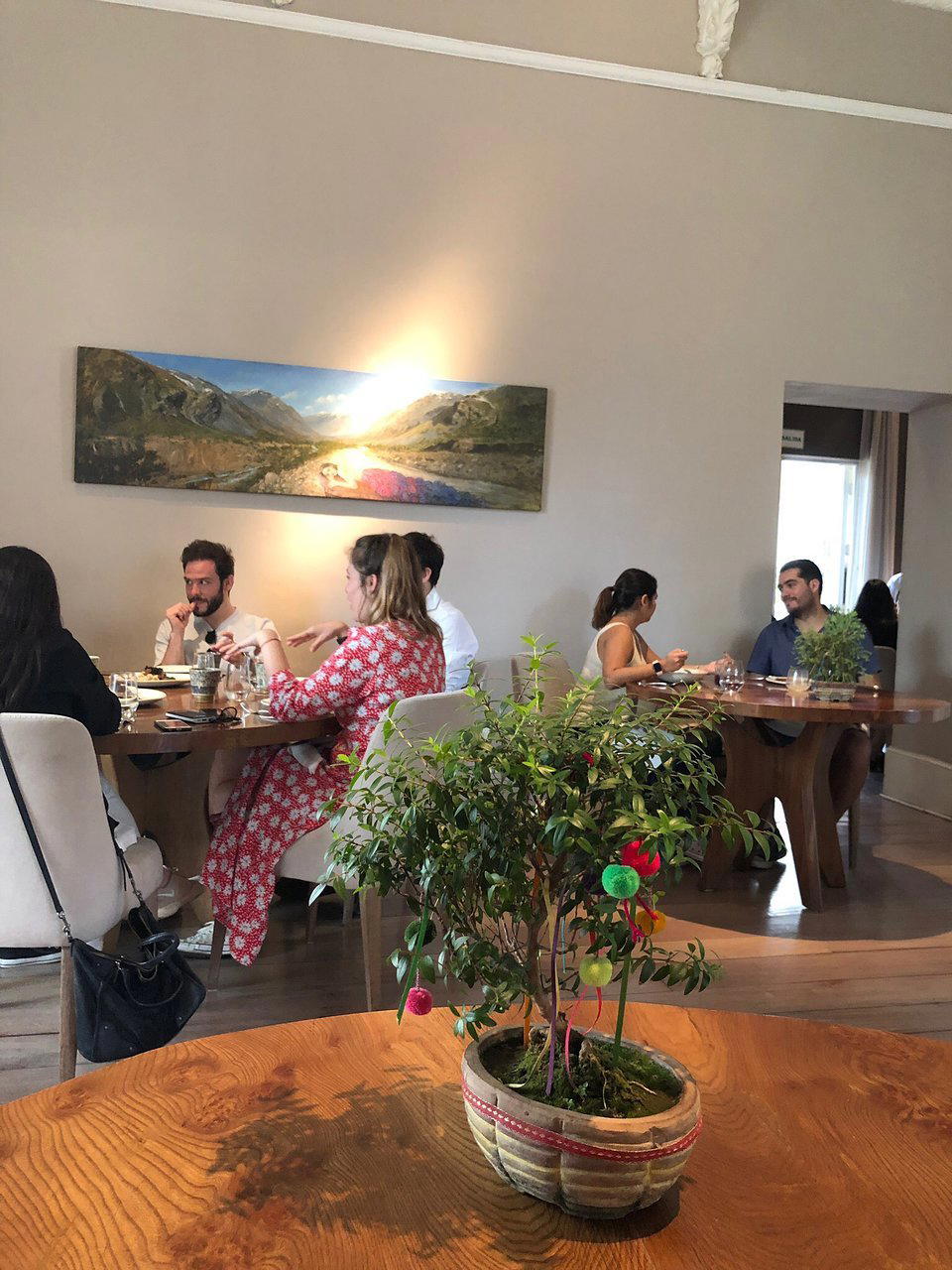
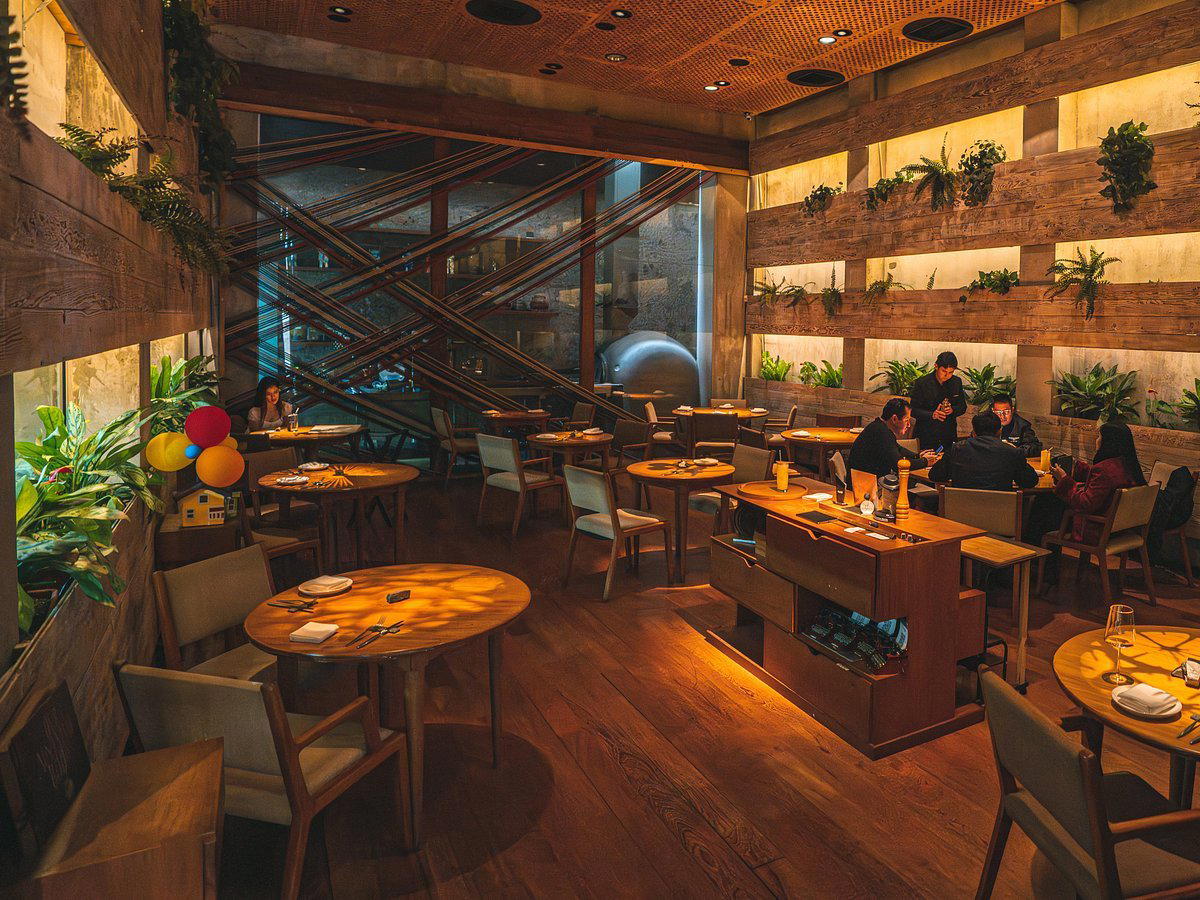
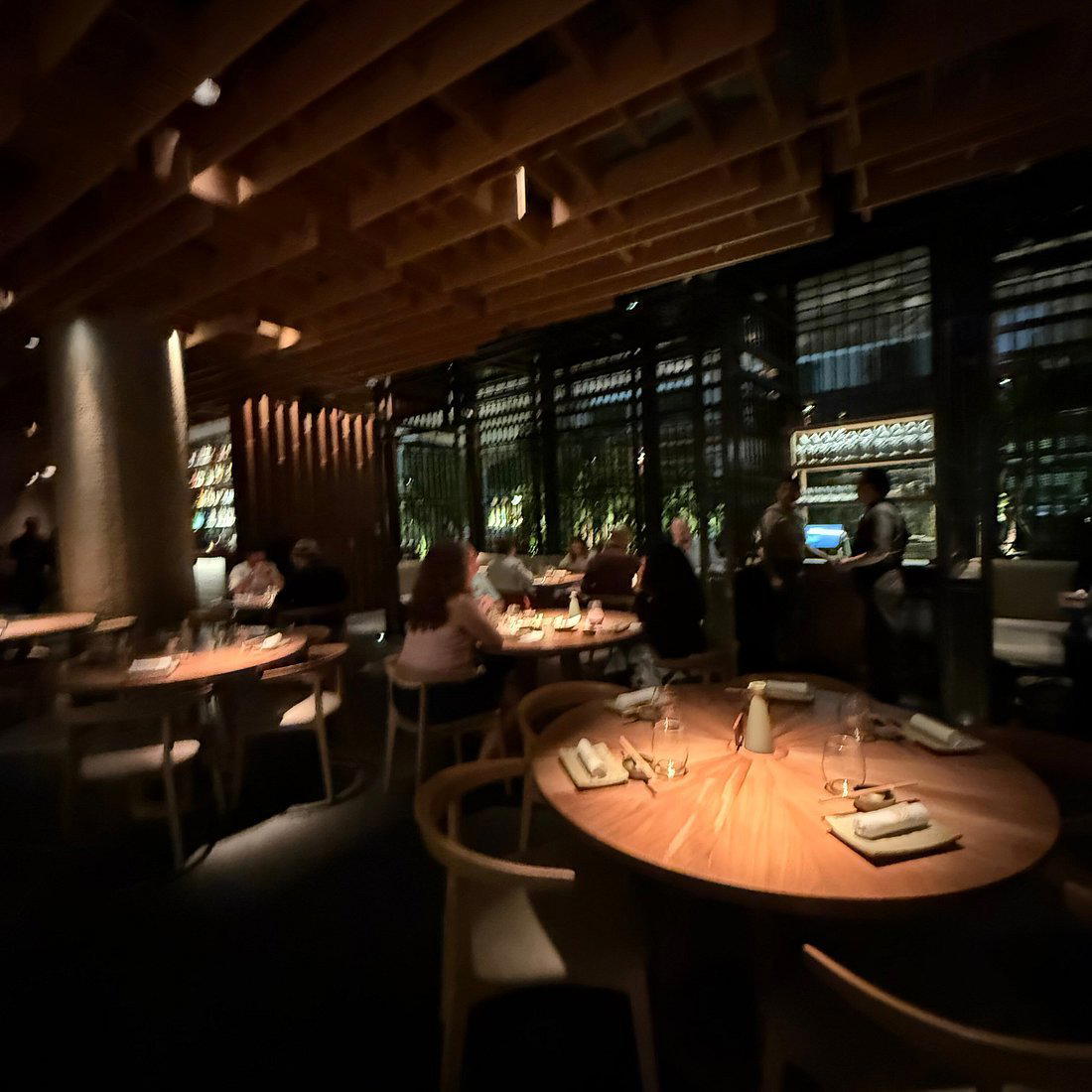
Trendy downtown atmosphere in a quiet San Isidro street.