
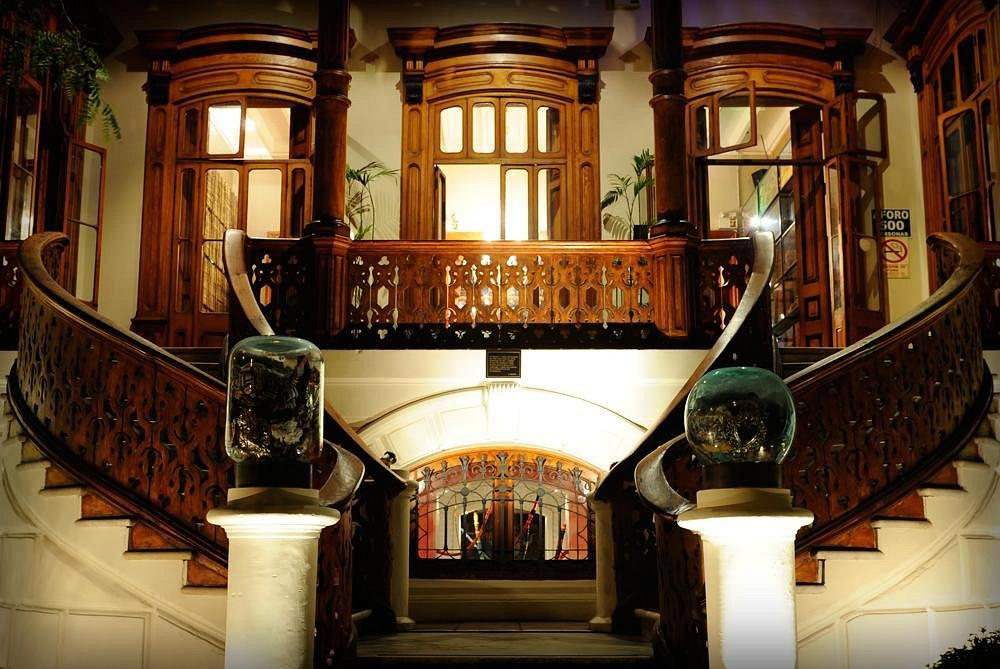
Royal Park Hotel Lima occupies a measured position in San Isidro, Lima's financial and diplomatic district, where European design sensibility meets a curated collection of Pre-Columbian archaeological artefacts and contemporary art. The hotel sits within walking distance of Lima Golf Course and the neighbourhood's concentration of restaurants and cultural institutions, making it a practical base for extended stays in the city.
- Address
- Av. Camino Real 1050, San Isidro 15073, Peru
- Directions
- Get directions
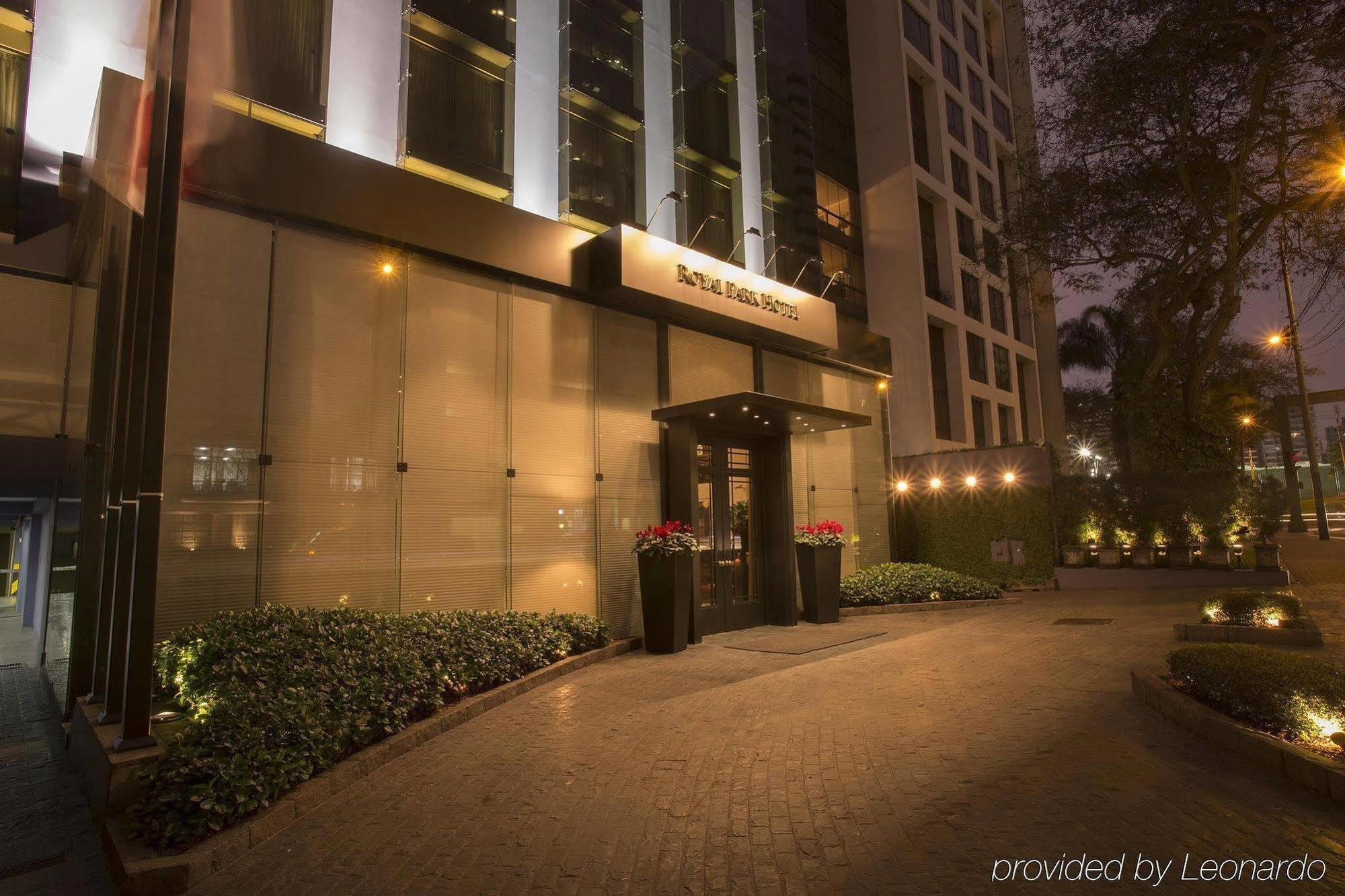
San Isidro and the Hotel That Chose Permanence Over Trend
Lima's premium hotel district has never been a single neighbourhood. Miraflores draws the coastal crowd and the short-break visitor; Barranco pulls the design-conscious traveller looking for something closer to the city's art scene. San Isidro, by contrast, is where Lima's financial institutions, embassies, and longer-stay guests have historically concentrated, and the hotels that anchor it tend to make a different kind of argument: less about spectacle, more about duration and discretion. Royal Park Hotel Lima, on Avenida Camino Real in the heart of San Isidro, is a 4-star hotel in Lima.
What sets the property apart within its immediate competitive set is a design strategy that layers European interior sensibility against a collection of Pre-Columbian archaeological artefacts and contemporary Peruvian art. This is not a common pairing. Most luxury hotels in Lima choose one register or the other, the Country Club Lima Hotel leans into colonial heritage; Hotel B in Barranco frames itself through contemporary art alone. Royal Park tries to hold both timelines simultaneously, which either reads as ambitious or unresolved depending on how the execution lands.
The Material Argument: Art, Archaeology, and Interior Logic
In cities with deep pre-colonial histories, the question of how a hotel engages with that history carries real weight. Lima's archaeological record is substantial, Huaca Pucllana, a functioning ceremonial pyramid from the Lima culture, sits less than two kilometres from the hotel, visible from parts of Miraflores. The decision to place Pre-Columbian artefacts inside a European-inflected interior is therefore not neutral. Done well, it creates a conversation between eras. Done poorly, it aestheticises objects that carry cultural and historical gravity without giving them interpretive context.
The broader trend across South American luxury hotels has moved toward exactly this kind of engagement, properties like Palacio Nazarenas in Cusco and Inkaterra Machu Picchu Pueblo Hotel have built their entire identity around the tension between colonial architecture and indigenous heritage. Royal Park's approach is less overtly thematic, but the underlying question, what does a luxury hotel owe to the culture it operates within, remains the same regardless of scale.
Location as Infrastructure: What San Isidro Actually Delivers
San Isidro's value proposition for a hotel guest is logistical as much as aesthetic. The neighbourhood's walkability is genuine: Lima Golf Course is adjacent, a dense cluster of the city's better restaurants sits within reasonable walking distance, and the district's relative calm compared to Miraflores makes it easier to exist at street level without the volume of traffic and commercial activity that defines Lima's more tourist-facing zones.
For travellers using Lima as a transit point between international arrivals and onward destinations, Cusco, the Sacred Valley, or further into the Amazon, San Isidro's proximity to financial services, embassies, and professional infrastructure matters. If you are combining a Lima stay with time at Willka T'ika in Urubamba, Titilaka in Puno, or a river journey with Delfin Amazon Cruises, a San Isidro base offers a quieter operational environment than Miraflores for managing logistics before or after those trips.
The neighbourhood also connects naturally to Lima's dining scene, which has developed significantly over the past decade. San Isidro's restaurant density means Royal Park guests have meaningful choices on foot rather than by taxi.
Responsible Luxury in a City With Deep Cultural Stakes
The editorial angle of sustainability and cultural responsibility applies to Lima's hotel sector with particular force. Peru's archaeological and ecological heritage is notable in scale, the country contains one of the world's highest concentrations of biodiversity zones and one of its most complex pre-colonial histories. Hotels operating in this context carry a responsibility that goes beyond energy management and plastic reduction, though those matter too.
Choice to display Pre-Columbian artefacts in a hotel setting raises questions about provenance, curatorial responsibility, and community benefit that Peru's tourism industry has been working through for years. Properties like Refugio Amazonas Lodge and Sumaq Machu Picchu Hotel have built explicit community engagement programs into their operating models. The degree to which Royal Park's collection is accompanied by similar contextual commitment matters for the traveller who considers cultural stewardship part of what they are paying for.
For travellers whose priority is a hotel with a formally documented sustainability framework, properties like Belmond Las Casitas or Atemporal may offer more explicit accounting of their environmental and community commitments. Royal Park's appeal rests on a different set of signals: location discipline, interior seriousness, and proximity to the business and cultural infrastructure of San Isidro.
Where Royal Park Sits in Lima's Hotel Spectrum
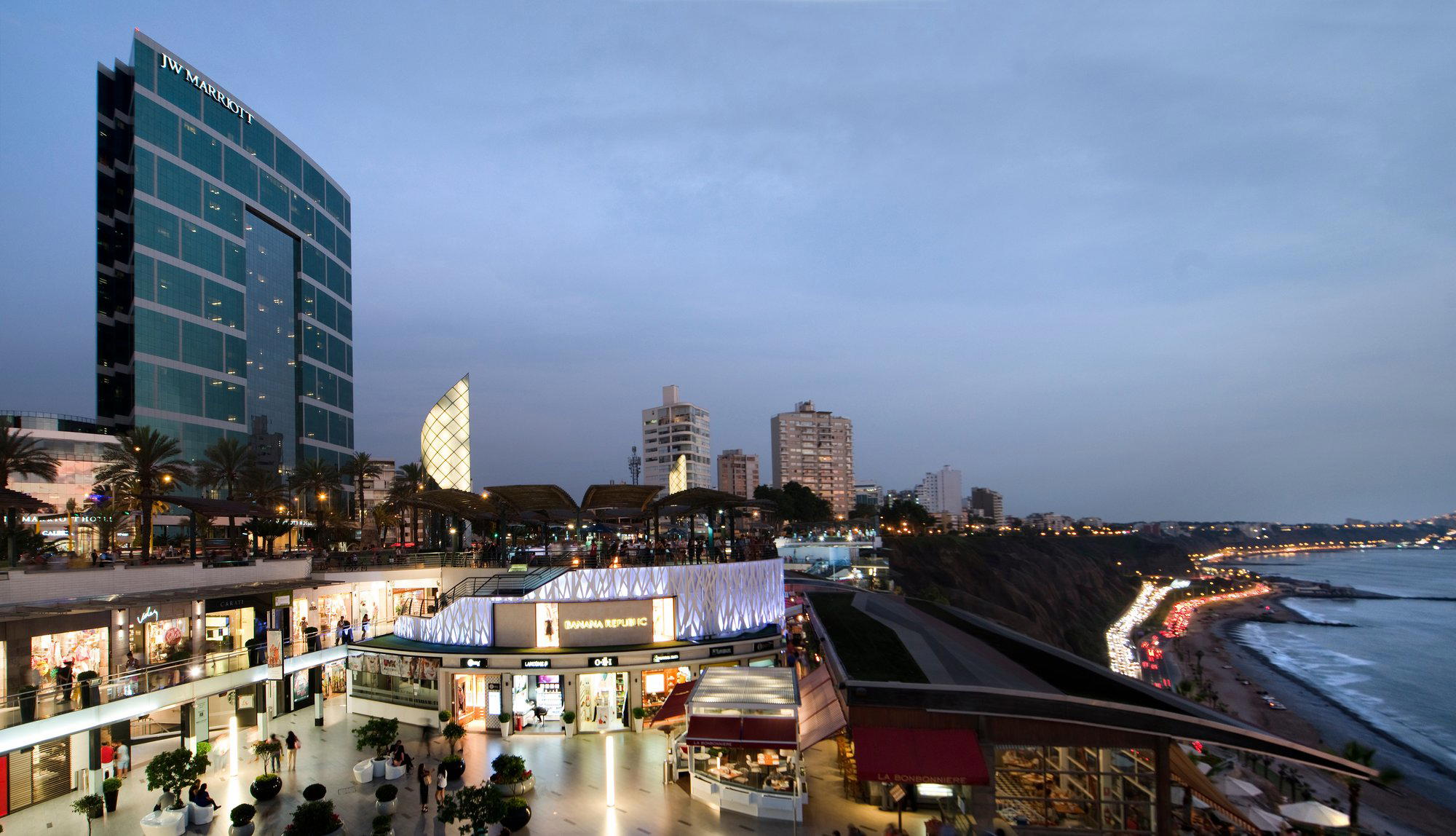
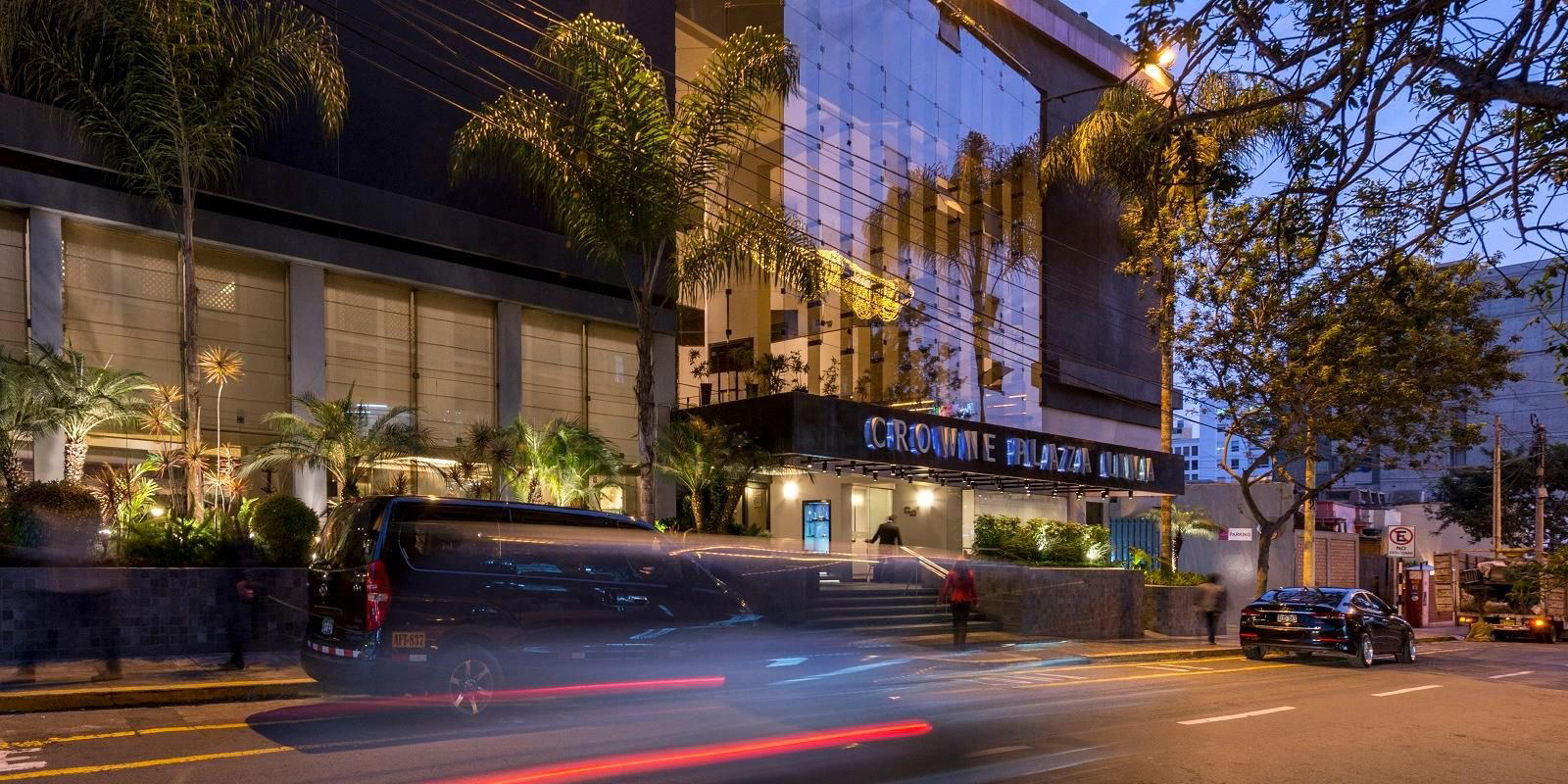
Lima's upper-tier hotel market is more varied than its surface reading suggests. At one end sit the international brands, JW Marriott Hotel Lima and Crowne Plaza Lima by IHG, which offer predictable service standards and loyalty program integration. At the other end, design-forward independents like Nhow Lima and Miraflores Park, A Belmond Hotel compete on identity and positioning rather than brand affiliation. Royal Park occupies a middle register: more characterful than the international chains, less aggressively positioned than the design-led independents.
That middle position can work well for a particular kind of traveller, someone who wants a hotel with genuine aesthetic content and a location that functions well operationally, without the theatricality of a property that is primarily a design statement. It is the same logic that draws a certain segment of travellers to Casa Andina Premium Arequipa over more dramatic alternatives in that city.
Planning Your Stay
Royal Park Hotel Lima is located at Av. Camino Real 1050, San Isidro 15073. The address places it in the commercial and residential core of San Isidro, walkable to Lima Golf Course and the district's restaurant concentration. For travellers arriving from Jorge Chávez International Airport, San Isidro sits roughly 45 minutes by road in standard traffic conditions, the Lima expressway shortens this during off-peak hours. The hotel's position on Camino Real, San Isidro's main commercial avenue, makes it easy to orient around on foot. Booking terms and room configuration details are best confirmed directly with the property. Those planning a multi-destination Peru itinerary that includes Machu Picchu, the Sacred Valley, or Lake Titicaca should note that Lima typically functions as the entry and exit point, making a San Isidro base a sensible anchor for the urban legs of that journey.
Pricing, Compared
Comparable venues nearby, for context on price, style, and recognition.
| Venue | Price | Awards | Notes |
|---|---|---|---|
| Royal Park Hotel LimaThis venue — the venue you are viewing | $$$ | 4-Star | Not listed |
| Nhow Lima | $$$ | 5-Star | Miraflores, Disruptive lifestyle hotel blending Peruvian heritage with contemporary pop culture. |
| Pullman Lima Miraflores | $$$ | 5-Star | Miraflores, Contemporary high-rise blending modern design with traditional Peruvian elements |
| fausto | $$$ | 3-Star | Miraflores, Restored 1920s neoclassical townhouse with modern creative touches |
| Miraflores Park, A Belmond hotel | $$$$ | 5-Star | Miraflores, Contemporary luxury all-suite hotel blending refined city living with oceanfront serenity on Lima's clifftop Malecón. |
| Pullman Lima San Isidro | $$$ | 4-Star | San Isidro, Modern business hotel with wellness amenities |
Recognition history
Dated appearances from independent guides and award organizations, with the underlying list record or original source where available.
Small Luxury Hotels of the World Member
Small Luxury Hotels of the World
Continue exploring
More in Lima
Hotels in Lima
Browse all →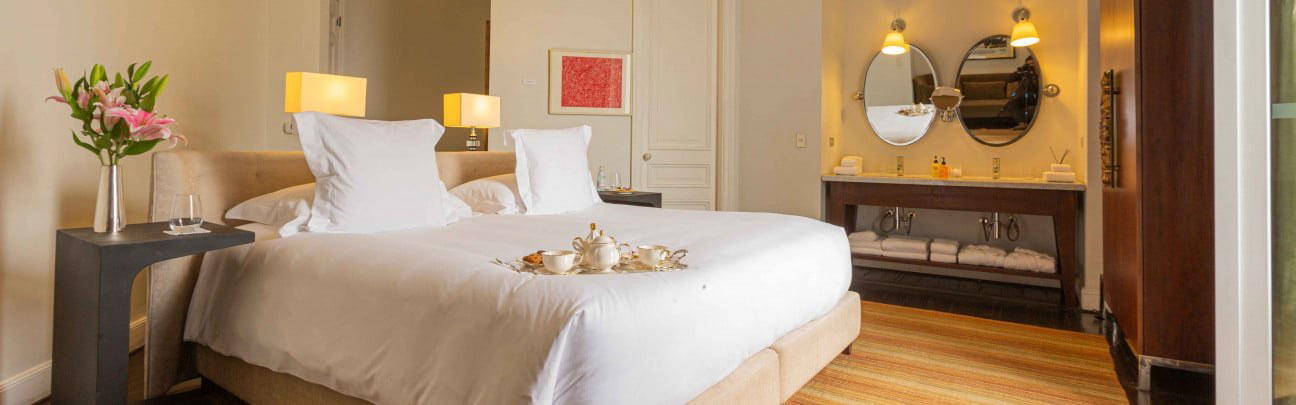
Bars in Lima
Browse all →
Restaurants in Lima
Browse all →
Wineries in Lima
Browse all →
At a Glance
- Elegant
- Sophisticated
- Classic
- Business Trip
- Romantic Getaway
- Rooftop Pool
- Historic Building
- Wi Fi
- Pool
- Sauna
- Fitness Center
- Room Service
- Concierge
- Business Center
- Valet Parking
- Skyline
- Wi Fi
- Pool
- Sauna
- Fitness Center
- Room Service
- Concierge
- Business Center
- Valet Parking
Sophisticated and relaxing with capuccino and white tones, warm Art Deco styling, and a refined eclectic atmosphere.