Jirón de la Unión 926 sits on one of Lima's most historically charged pedestrian streets, in the heart of the Centro Histórico. The address places it squarely within Peru's most contested culinary territory, where colonial-era architecture and contemporary ingredient sourcing intersect. For travelers mapping Lima's dining scene beyond Miraflores and Barranco, this address is a useful geographic anchor.
Pearl is the En Primeur Club membership app — saves, bookings, and concierge access live there. Same editors, same standards.
- Address
- Jirón de la Unión 926, Lima 15001, Peru
- Directions
- Get directions
 Saves & bookings on Pearl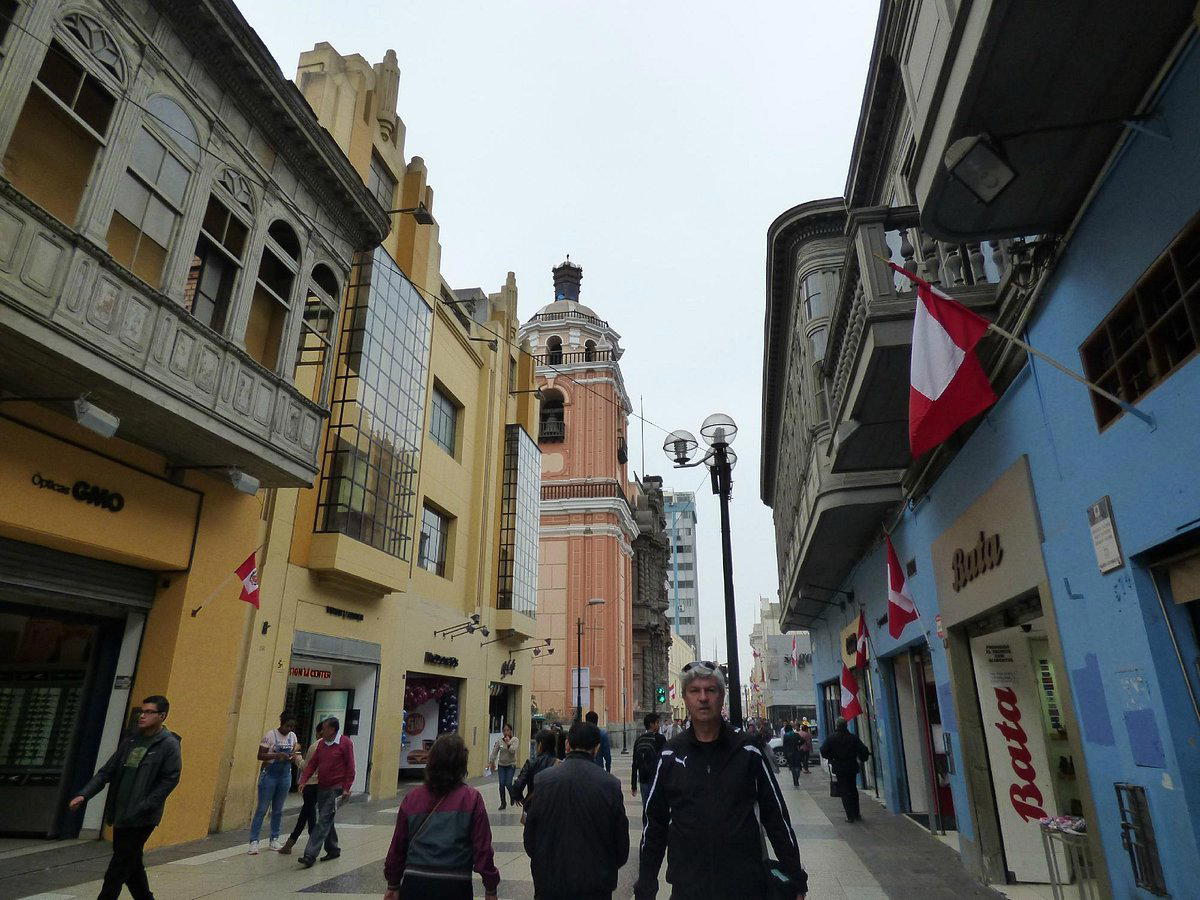
Lima's Centro Histórico and the Ingredient Question
Lima's dining reputation was built in Miraflores and Barranco, where restaurants like Astrid & Gastón (Modern Peruvian) and Central (Progressive Peruvian) established Peru as a serious force in global gastronomy. But the Centro Histórico, the colonial core of the city, tells a different story about where Peruvian food actually comes from. Jirón de la Unión, the pedestrian artery that cuts from Plaza Mayor toward Plaza San Martín, has served as Lima's commercial and civic spine for centuries, and the address at number 926 sits within that historical density.
The broader question this part of the city raises is one of sourcing provenance. Peru's culinary identity is inseparable from its ingredient geography: coastal ceviche culture built on Pacific catch, highland tuber diversity that runs into the thousands of varieties, and Amazonian produce that chefs at Kjolle (Modern Peruvian) and Central Restaurante have spent years systematically cataloguing. The Centro Histórico, historically the point where those supply lines converged, remains a geographic reference point for understanding how Lima eats.
The Street Itself as Context
Jirón de la Unión is a pedestrianized street, which in Lima means a particular kind of foot traffic: office workers, tourists navigating toward the Plaza Mayor, vendors, and the occasional pilgrim en route to the Basílica de La Merced. The architectural fabric is colonial and Republican-era, with facades that speak to Lima's layered history of Spanish administration and twentieth-century commercial expansion. This is not the polished restaurant corridor of San Isidro, where Osaka Nikkei in San Isidro operates within a thoroughly contemporary context. The Centro Histórico demands a different kind of attentiveness from the diner: noise, movement, and history at street level before you reach the table.
That context matters because it shapes what ingredient sourcing means in this part of Lima. The Mercado Central, within walking distance, has long been the city's primary wholesale distribution point for produce arriving from the sierra and selva. Chefs who cook in the Centro Histórico, by proximity alone, have access to supply chains that bypass the premium distributor networks used by higher-end restaurants in the southern districts. Whether that proximity translates into menu philosophy depends entirely on the kitchen in question.
Peru's Sourcing Tradition and What It Means at This Address
The sourcing conversation in Peruvian cuisine has become increasingly sophisticated over the past decade. Mil Centro in Moray, at altitude in the Sacred Valley, built its entire program around Andean altitude ingredients and direct producer relationships. Maido (Nikkei) in Miraflores draws on both Japanese technique and Peruvian raw material to produce among the more studied menus in the country. Even outside Lima, the sourcing thread runs through serious kitchens: El Rey in Oxapampa and Mapacho Craft Beer Restaurant in Urubamba both operate in regions where the ingredient supply is local by default rather than by curation.
At Jirón de la Unión 926 specifically, the cuisine is Traditional Peruvian Bar & Tapas, with a casual dress code and walk-in friendly service. What the address confirms is location: Centro Histórico, Lima 15001, on a street with genuine historical and commercial significance. For a traveler planning around sourcing and food culture rather than award credentials alone, that location is a piece of information in its own right. The Centro Histórico's food offering spans from traditional picanterías to lunch-oriented menus aimed at the working population, a format distinct from the tasting-menu tier that dominates international coverage of Lima.
Placing This Address in Lima's Dining Geography
Lima's restaurant scene has a clear geographic logic. Miraflores holds the concentration of internationally recognized restaurants. Barranco carries the creative and informal registers. San Isidro anchors the corporate lunch tier. The Centro Histórico operates largely outside those categories, serving a local population with different expectations around timing, price, and format. Lunch, not dinner, is the meal that matters in this part of the city, and the menu del día format, a set lunch at a fixed price, is the dominant mode.
For travelers who have already covered the Miraflores circuit and want to understand how Lima eats outside the tasting-menu context, the Centro Histórico is worth the twenty-minute taxi from Barranco. The Costanera 700 in Miraflores represents one end of Lima's seafood spectrum; the cevicherías and lunch counters around Jirón de la Unión represent another, less photographed end. Both are legitimate parts of the same city's food culture.
Peru's ingredient diversity also extends far beyond Lima's city limits. The Amazon basin, accessible via Delfin Amazon Cruises in Iquitos and Delfin I dining room in Nauta, produces ingredients that appear in Lima kitchens but are rarely encountered in their original context by visiting diners. The Marañón Province in Maranon is another point on that supply chain. Understanding where the produce comes from adds a layer to any meal eaten in Lima, whatever the format or price point.
For international comparison, the gap between ingredient-forward fine dining and ingredient-forward informal eating is not distinctive to Lima. Le Bernardin in New York City and Lazy Bear in San Francisco both anchor sourcing arguments at the high end of their respective markets, while the casual registers of their cities operate with the same raw materials at different price tiers. Lima's version of that gap is wide, and the Centro Histórico sits toward the accessible end.
Travelers planning a broader Peru itinerary will also find useful parallels in Cirqa in Arequipa and Cantina Vino Italiano in Cusco, both of which operate in cities with their own distinct culinary traditions and ingredient geographies, separate from Lima's coastal and market-driven identity.
Planning a Visit to the Centro Histórico
The Centro Histórico is most active at midday on weekdays, when the working population moves through Jirón de la Unión for lunch. Weekends shift the foot traffic toward tourists and families visiting the Plaza Mayor and nearby churches. Our full Lima restaurants guide covers the broader city across all districts and price tiers.
Peers in This Market
Comparable venues nearby, for context on price, style, and recognition.
| Venue | Cuisine | Price | Notes |
|---|---|---|---|
| Jirón de la Unión 926This venue — the venue you are viewing | Traditional Peruvian Bar & Tapas | $$ | Not listed |
| El Veridico De Fidel - Miraflores | Traditional Peruvian Cevicheria | $$ | Miraflores |
| Casa Tambo Restaurant | Traditional Peruvian Creole | $$ | Lima |
| Cevichería Chicho | Authentic Peruvian Cevicheria | $$ | Chorrillos |
| La Nacional | Modern Peruvian | $$ | Independencia |
| Av. Petit Thouars | Nikkei Fusion | $$ | San Isidro |
Continue exploring
More in Lima
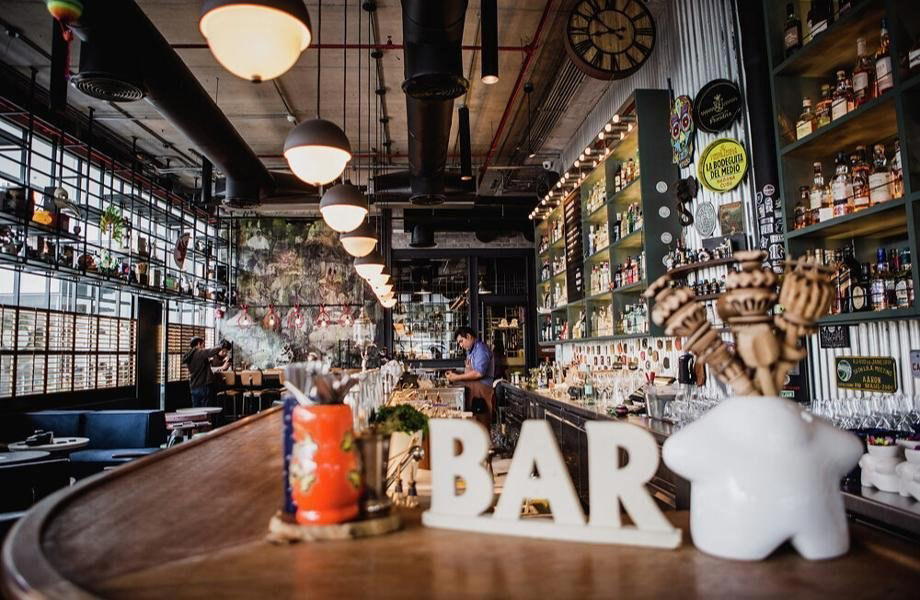
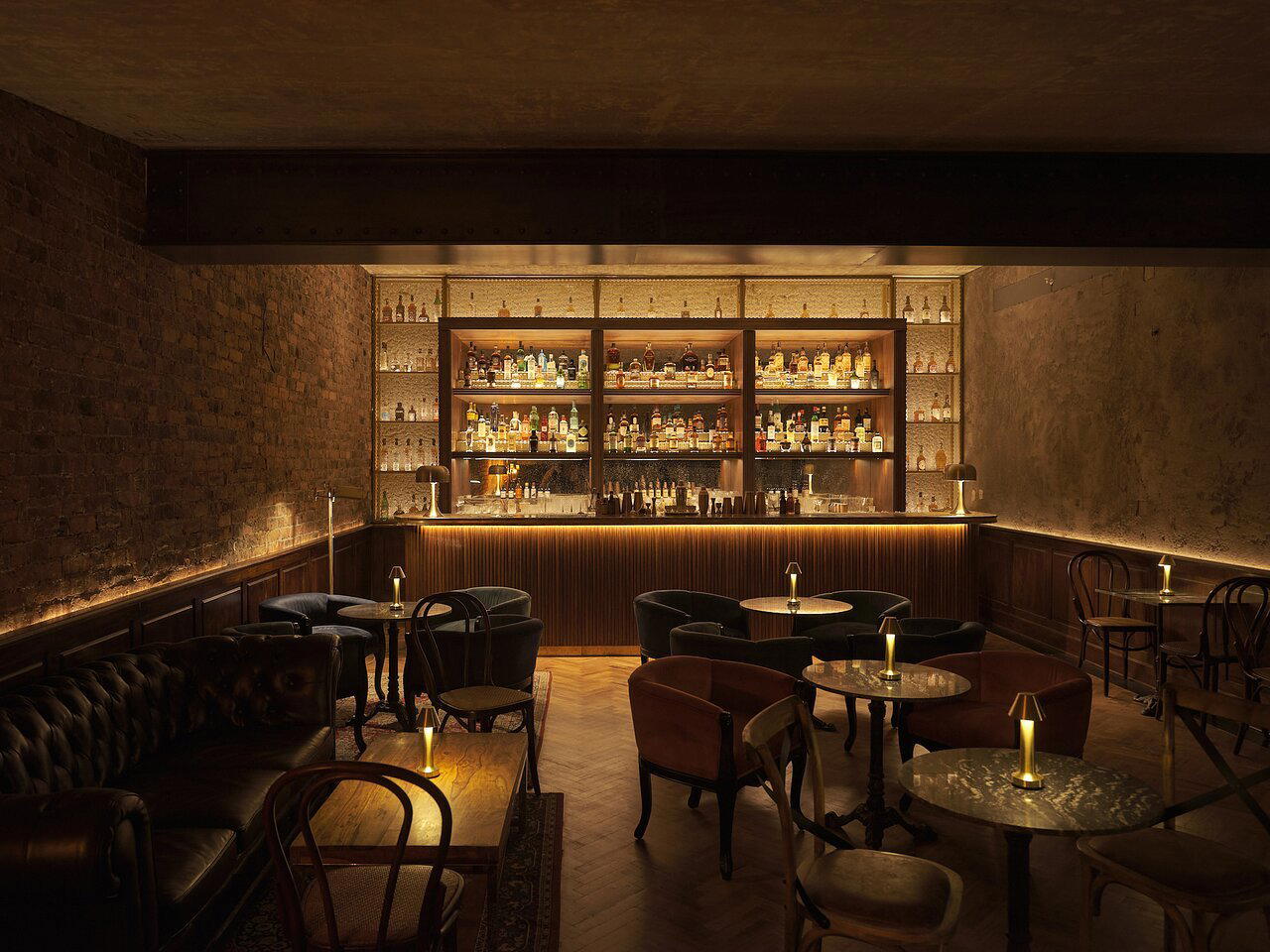
Bars in Lima
Browse all →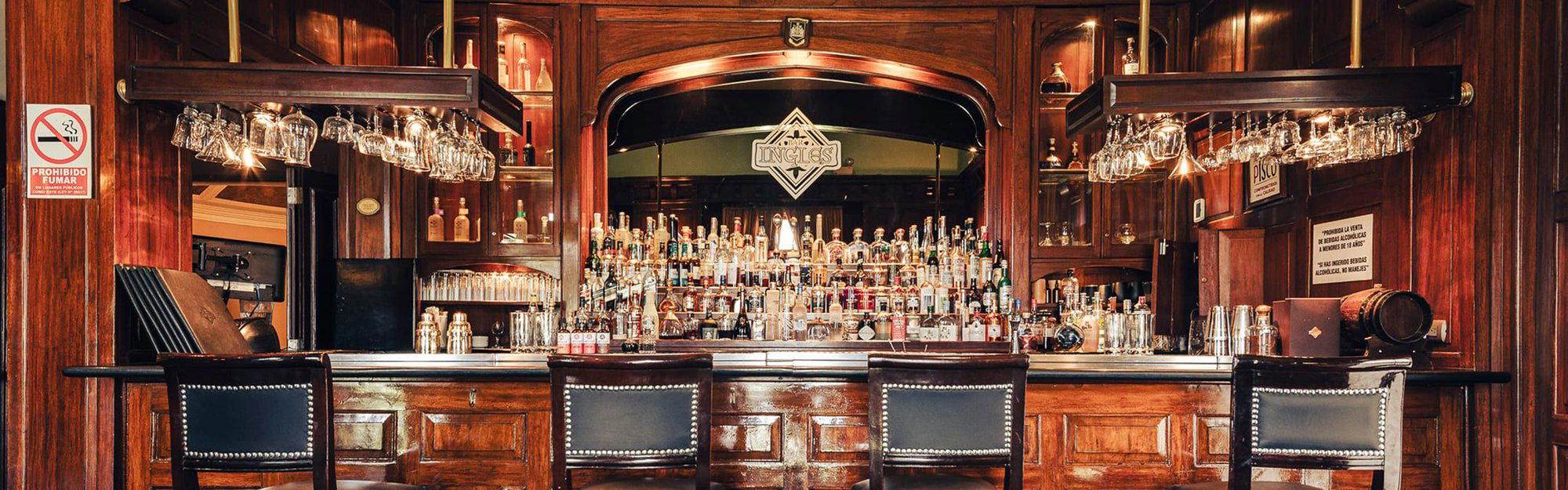
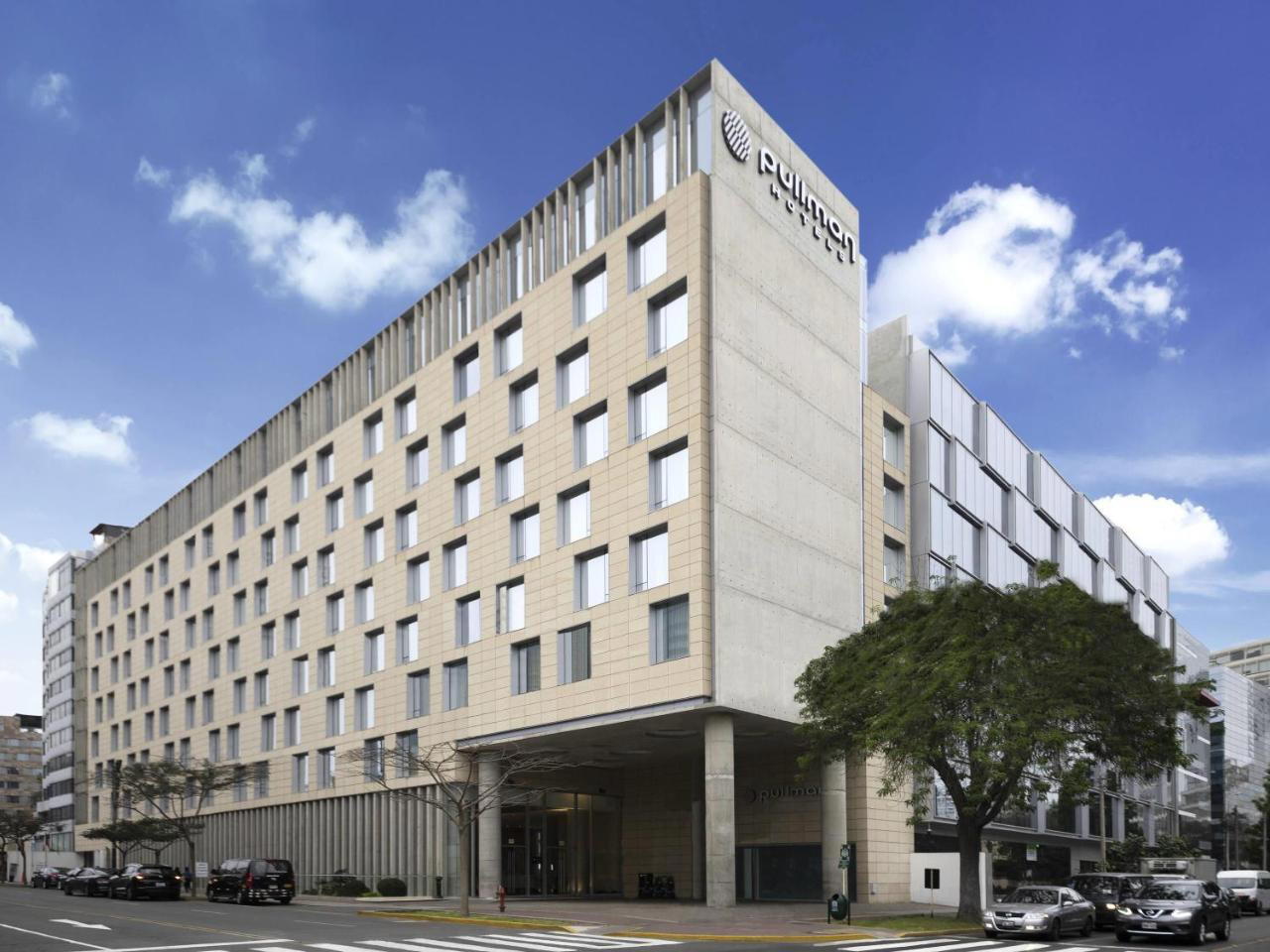
Hotels in Lima
Browse all →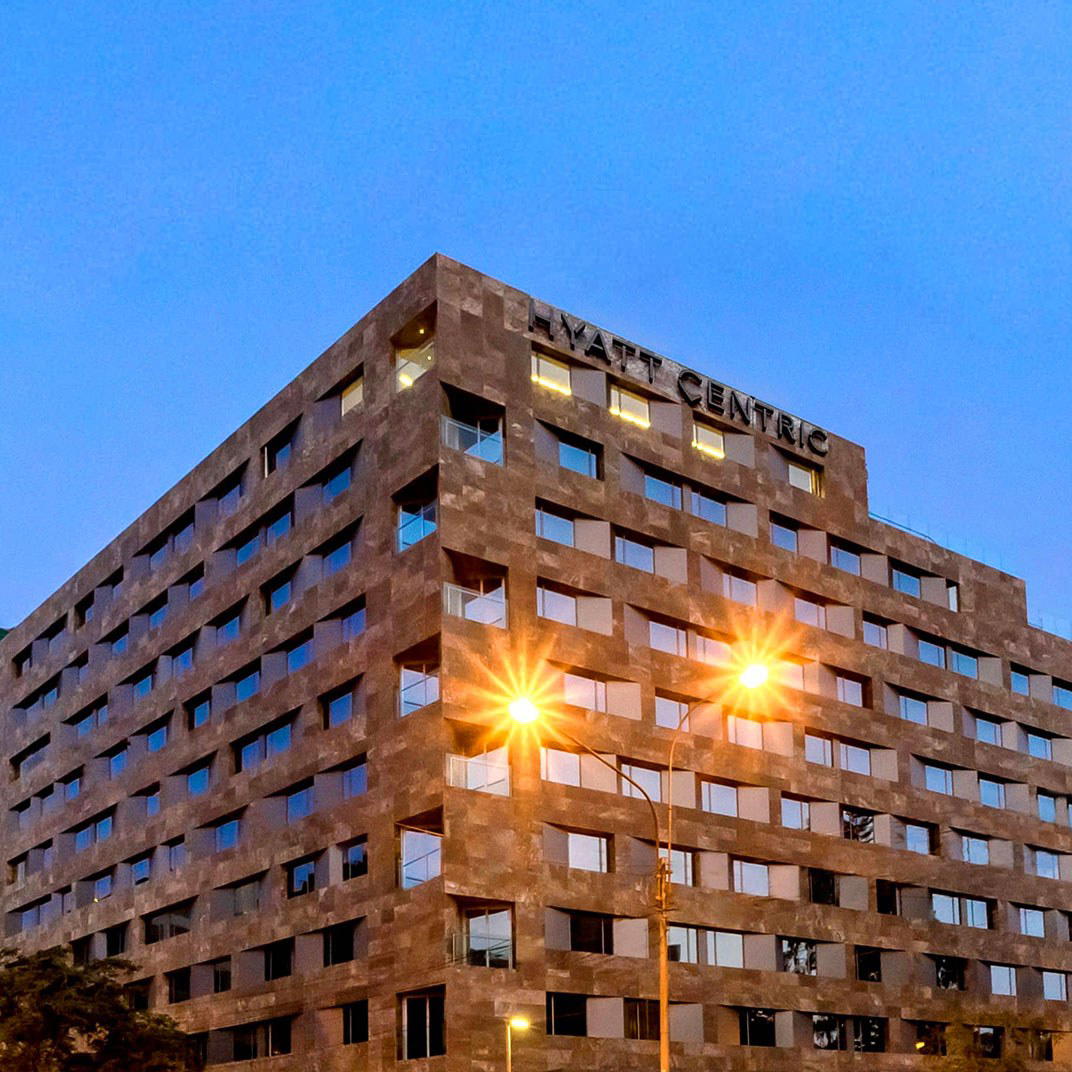
Wineries in Lima
Browse all →
At a Glance
- Classic
- Lively
- Well Known
- Casual Hangout
- After Work
- Group Dining
- Historic Building
- Hotel Restaurant
- Craft Cocktails
Bustling bar atmosphere with classic Lima tavern character, energetic and social setting typical of a historic hotel bar on San Martín Square.