Dédalo occupies a converted space in Barranco, Lima's arts-district neighbourhood, where the physical environment does as much work as anything on the menu. The address on Jirón Sáenz Peña places it within walking distance of the district's gallery circuit, and the crowd reflects that — local creatives, informed visitors, and the kind of regulars who treat the room as an extension of the neighbourhood itself.

Pearl is the En Primeur Club membership app — saves, bookings, and concierge access live there. Same editors, same standards.
- Address
- Jirón Sáenz Peña 295, Barranco 15063, Peru
- Phone
- +51 1 4775131
- Hours
- Mon–Sat 10 AM–8 PMSun 11 AM–7 PM
- Website
- dedalo.pe
- Directions
- Get directions
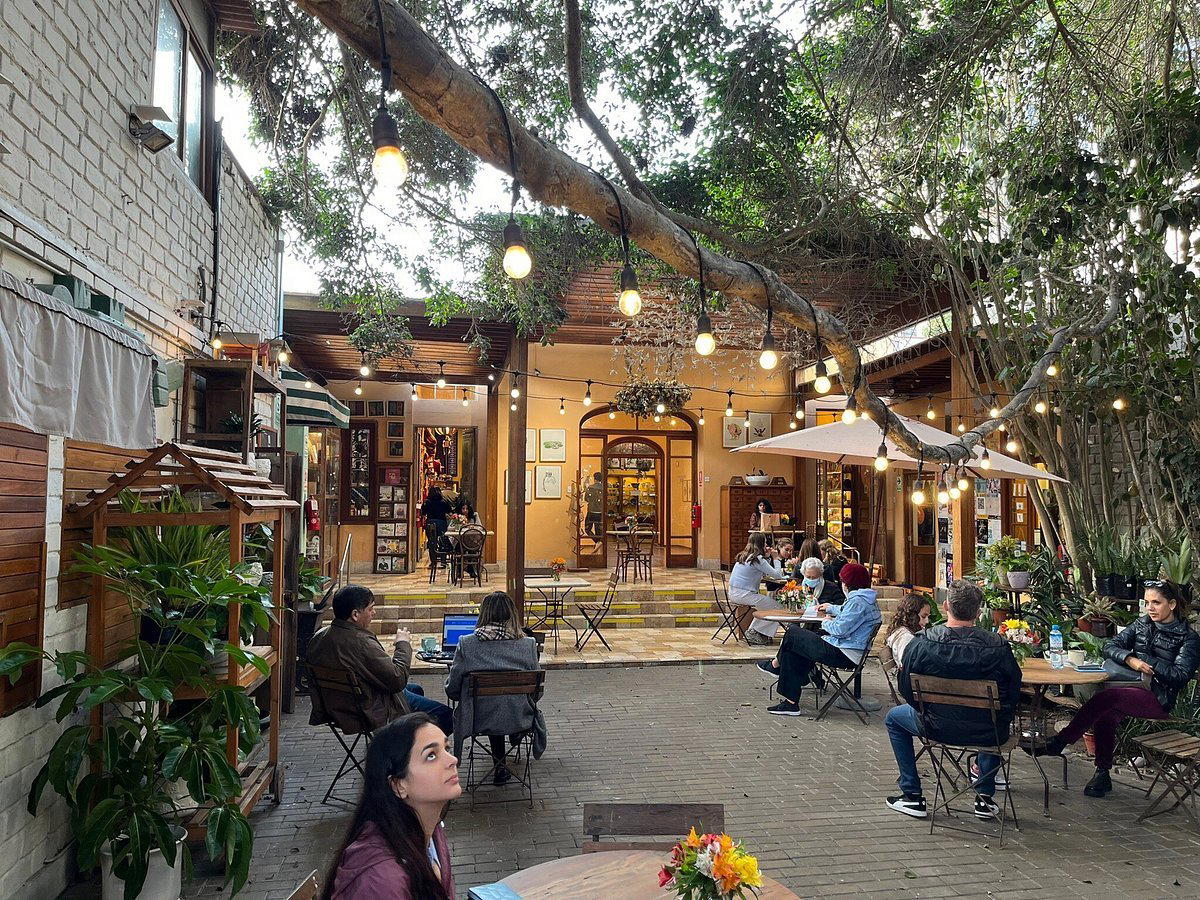
Barranco and the Architecture of Atmosphere
Lima's dining and drinking scene has fractured into distinct geographic registers over the past decade. Miraflores holds the financial weight — the flagship tasting menus, the hotel bars priced in dollars. San Isidro handles the corporate lunch trade. Barranco, by contrast, has developed a more layered identity: part arts district, part nightlife corridor, part neighbourhood that Limeños actually live in. The venues that work leading here don't fight that complexity — they absorb it.
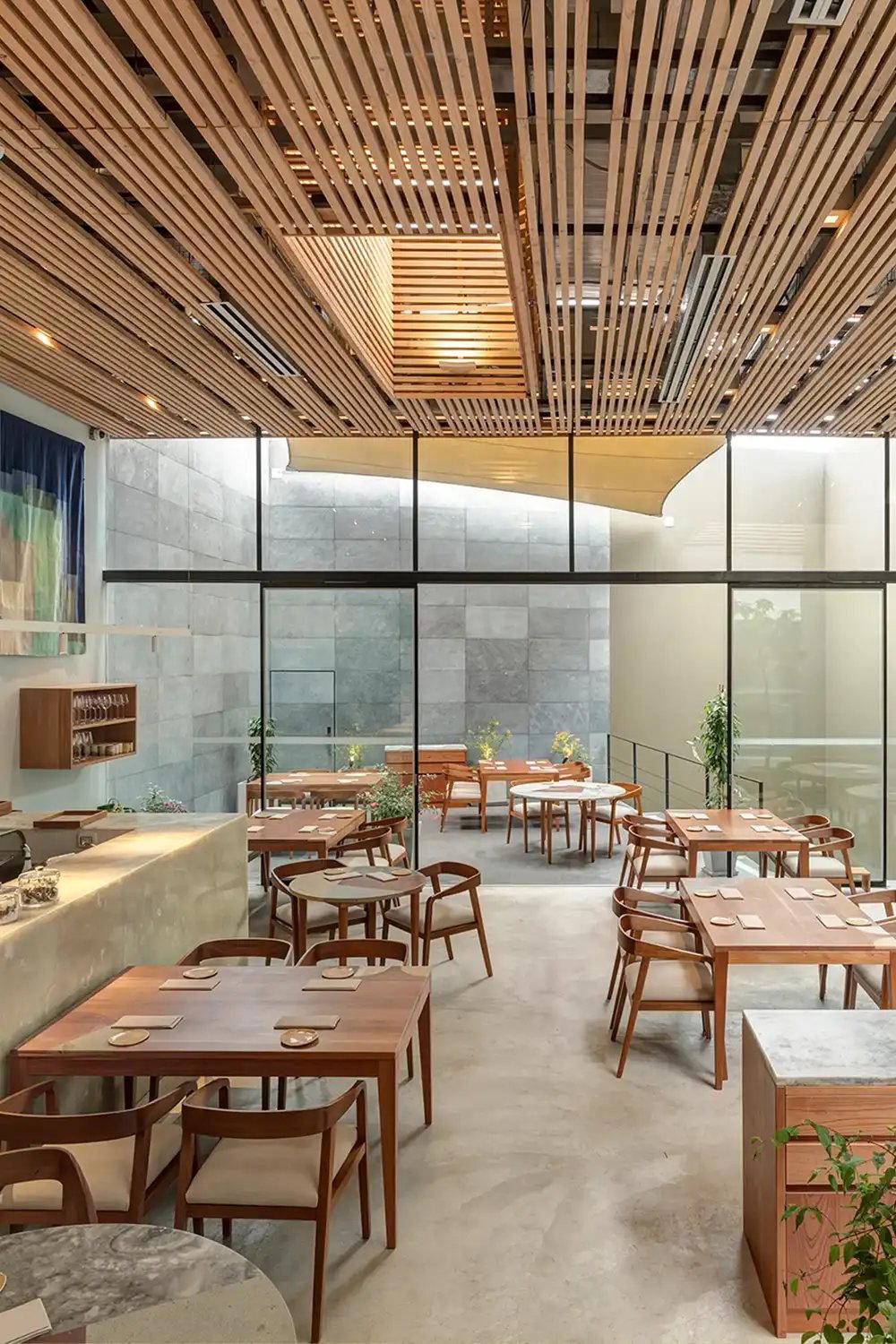
Dédalo, at Jirón Sáenz Peña 295, sits inside that ecosystem. The address is Barranco's commercial-residential zone, close enough to the district's gallery circuit to pull from that crowd without being consumed by it. Approaching from the street, the building reads less like a hospitality venue and more like a converted urban structure, the kind of space that signals its occupant is more interested in the room's existing character than in imposing something new over it.
The Physical Logic of the Space
Barranco's converted-building typology has produced a consistent aesthetic across the neighbourhood: exposed structural elements, irregular floor plans, natural light used selectively rather than abundantly. Venues in this tier tend to carry inherited character, old tile, timber, the particular acoustic signature of high ceilings in a narrow space. That physical inheritance shapes atmosphere in ways that new-build interiors rarely replicate, regardless of budget.
Dédalo operates within that tradition. The room functions as the primary editorial statement before any food or drink arrives. In a neighbourhood where the physical environment is as culturally loaded as Barranco's, galleries, the Puente de los Suspiros a few blocks away, the pedestrian streets lined with mid-century domestic architecture, the decision to work with the existing fabric rather than against it is itself a positioning choice.
That distinction matters more in Barranco than it might elsewhere. The neighbourhood has attracted enough international visitors over the past several years that some venues have started to perform their character for that audience rather than for the local regulars who gave the area its identity. Dédalo's address and spatial logic read as the opposite of that impulse.
Where Dédalo Sits in Lima's Bar Scene
Lima's bar programme has grown considerably more technically sophisticated since the mid-2010s. Carnaval has pushed into serious cocktail territory with a format built around Peruvian spirits and seasonal sourcing. Curador operates in a different register, with a wine focus that tracks closely with the city's growing interest in South American natural and low-intervention producers. Lady Bee handles the higher-end cocktail brief with technical precision. Each of these venues has staked out a specific identity within Lima's broader programme.
Dédalo's position in Barranco rather than Miraflores already sets its competitive context. The neighbourhood's venues tend to attract a crowd that values atmosphere and locality over credentials and price point. That doesn't mean the offer is casual, Barranco's better venues are serious, but it does mean the atmosphere carries more weight in the overall proposition. A bar in Miraflores competes on its programme; a bar in Barranco competes on its room as much as anything else.
For a broader picture of where Lima's eating and drinking scene is heading, our full Lima restaurants guide maps the key neighbourhoods and the venues driving each of them. Astrid y Gastón remains the reference point for understanding what Lima's flagship dining tier looks like, its programme at Casa Moreyra set the template for the generation of restaurants and bars that followed.
Barranco in the Wider Peruvian Context
Peru's hospitality scene is not limited to Lima. The country's other food and drink destinations have developed their own vocabularies. In the Sacred Valley, Mapacho Craft Beer Restaurant in Urubamba works with local ingredients and altitude-adapted brewing in ways that have no direct equivalent in the capital. In Cusco, Cantina Vino Italiano occupies a distinct niche, pairing Italian wine culture with the high-altitude city's particular hospitality character.
What Barranco does that neither Cusco nor Urubamba can replicate is concentrate a neighbourhood-scale arts and dining culture at sea level, with the kind of density that supports comparison-shopping and evening programmes that move between venues. Dédalo benefits from that density, the Jirón Sáenz Peña address is walkable to enough other venues to support an evening that begins or ends here without requiring a taxi.
Comparable International Formats
The converted-space, atmosphere-first bar format that Dédalo represents in Barranco has international parallels worth knowing. Kumiko in Chicago operates with a similar emphasis on the physical environment as primary experience, the room is spare and deliberate in a way that shapes how the drinks programme is received. Jewel of the South in New Orleans draws on a historic building to give its cocktail programme a sense of place that a new build couldn't manufacture. Bar Leather Apron in Honolulu similarly uses its space to signal seriousness before the first drink arrives.
In New York, Superbueno has built a Latin American-influenced programme that demonstrates how neighbourhood identity and interior logic combine to define a bar's position in a competitive market. Julep in Houston does similar work in a Southern idiom. These are not direct comparisons to Dédalo, but they illustrate that the atmosphere-first approach is a coherent and internationally recognised strategy rather than a default position.
Planning a Visit
Dédalo's address at Jirón Sáenz Peña 295 in Barranco 15063 is the most reliable starting point for planning. From Miraflores, Barranco is typically fifteen to twenty minutes by taxi depending on traffic; the neighbourhood is more consistently accessible by rideshare than by any fixed transit option. Evenings in Barranco tend to build slowly, the district's culture skews late by European standards and later still by North American ones, with the peak window generally running from 9pm onward.
Given the sparse publicly available data on booking method and hours, the most practical approach is to verify current operating information directly on arrival in Lima or through hotel concierge services, which maintain working relationships with Barranco's active venues. The neighbourhood's walk-in culture means that showing up without a reservation is standard practice at most non-ticketed venues, though confirmation of this at Dédalo specifically should be sought locally.
Where It Fits
| Venue | Cuisine | Price | Awards |
|---|---|---|---|
| DédaloThis venue — the venue you are viewing | This venue | $10–20 | Not listed |
| Carnaval | Cocktail Bar | $30–50 | World's 50 Best #69 · Top 500 Bars Best Bars #345 |
| Lady Bee | Cocktail Bar/Small Plates | $200–300 | World's 50 Best #13 · Top 500 Bars Best Bars #44 |
| Curador | Not listed | Not listed | Star Wine List |
| Sastrería Martinez | Not listed | $10–20 | World's 50 Best #33 · Top 500 Bars Best Bars #460 |
| Sayani | Not listed | Not listed | Top 500 Bars Best Bars #491 |
Continue exploring
More in Lima
Bars in Lima
Browse all →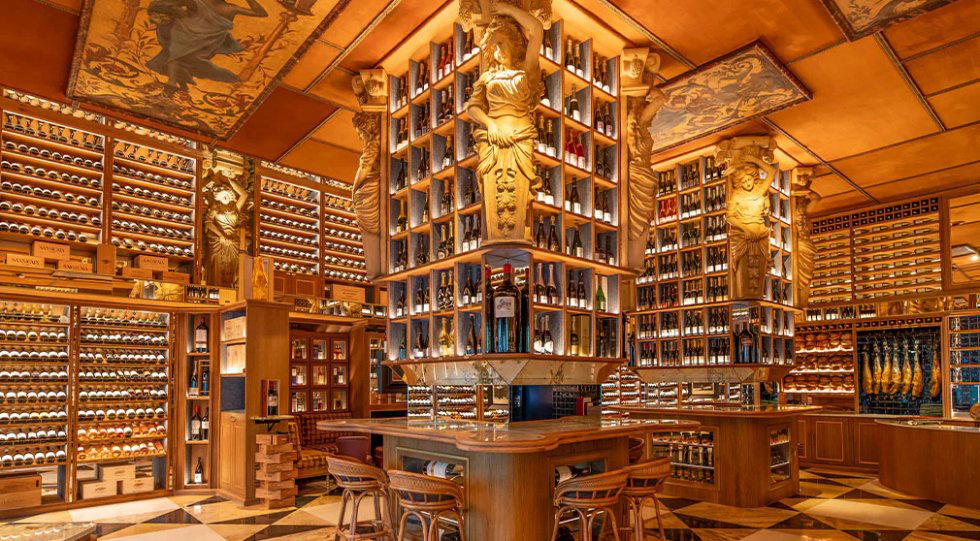
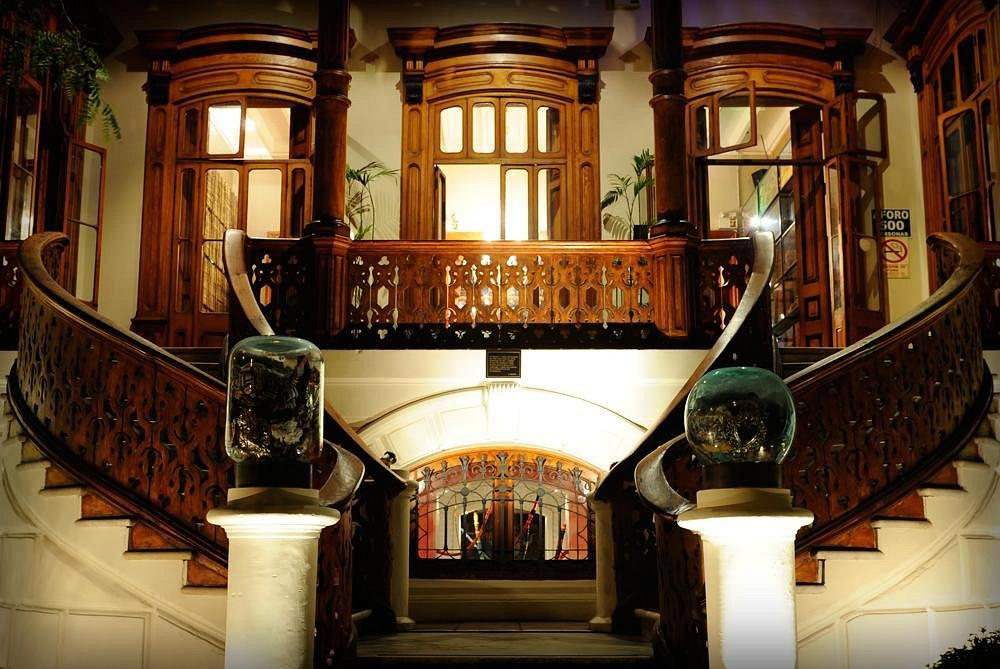
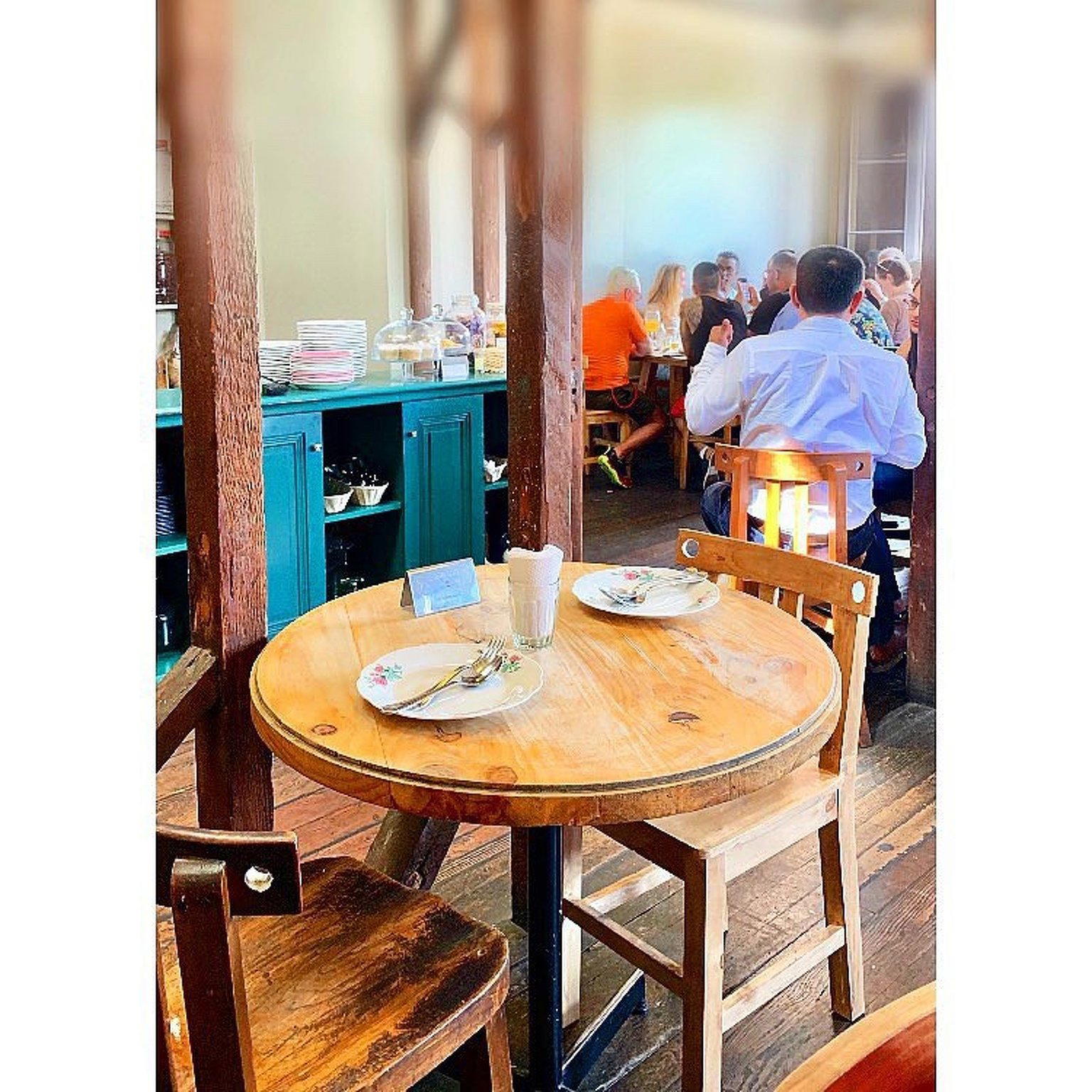
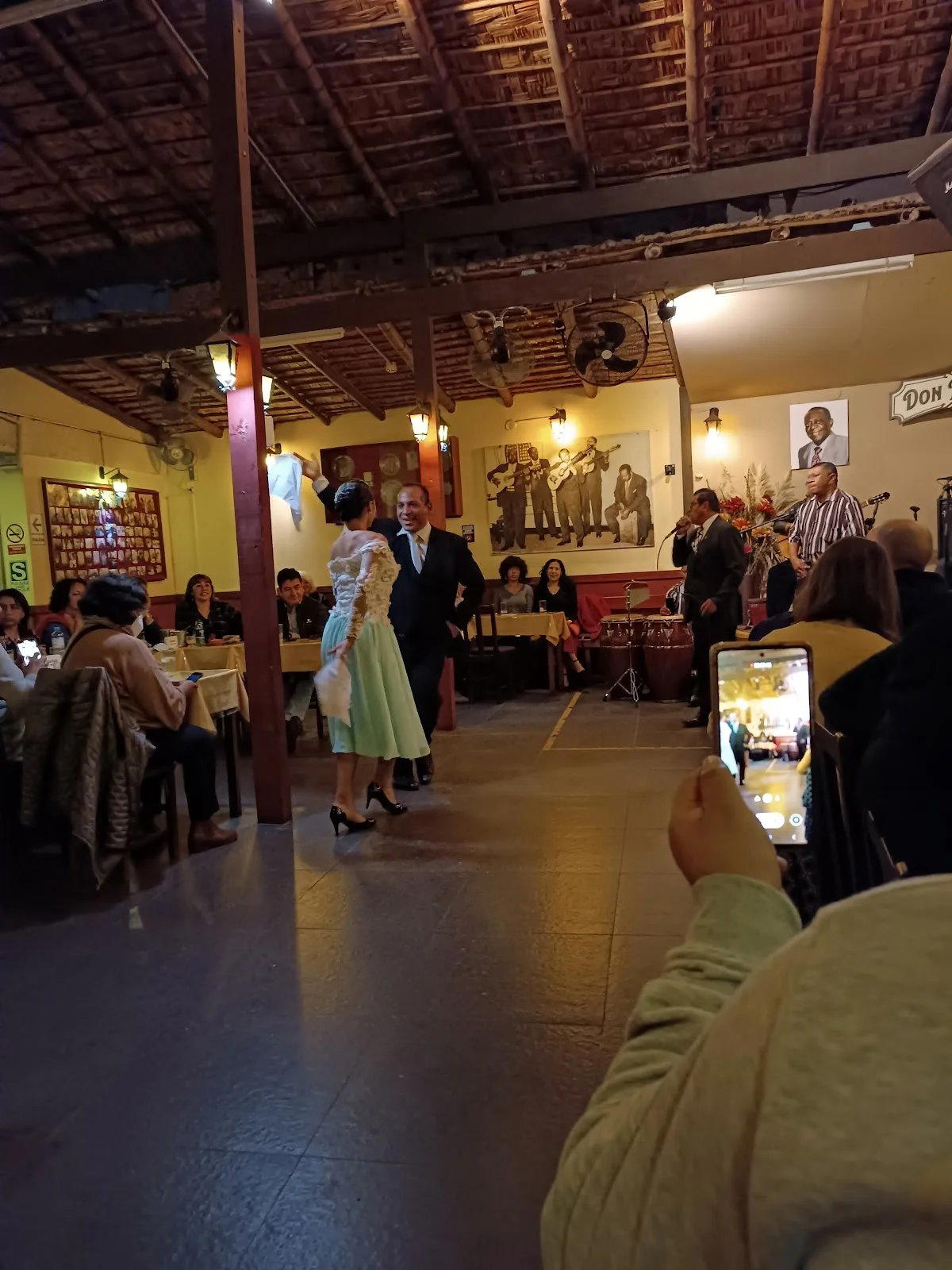
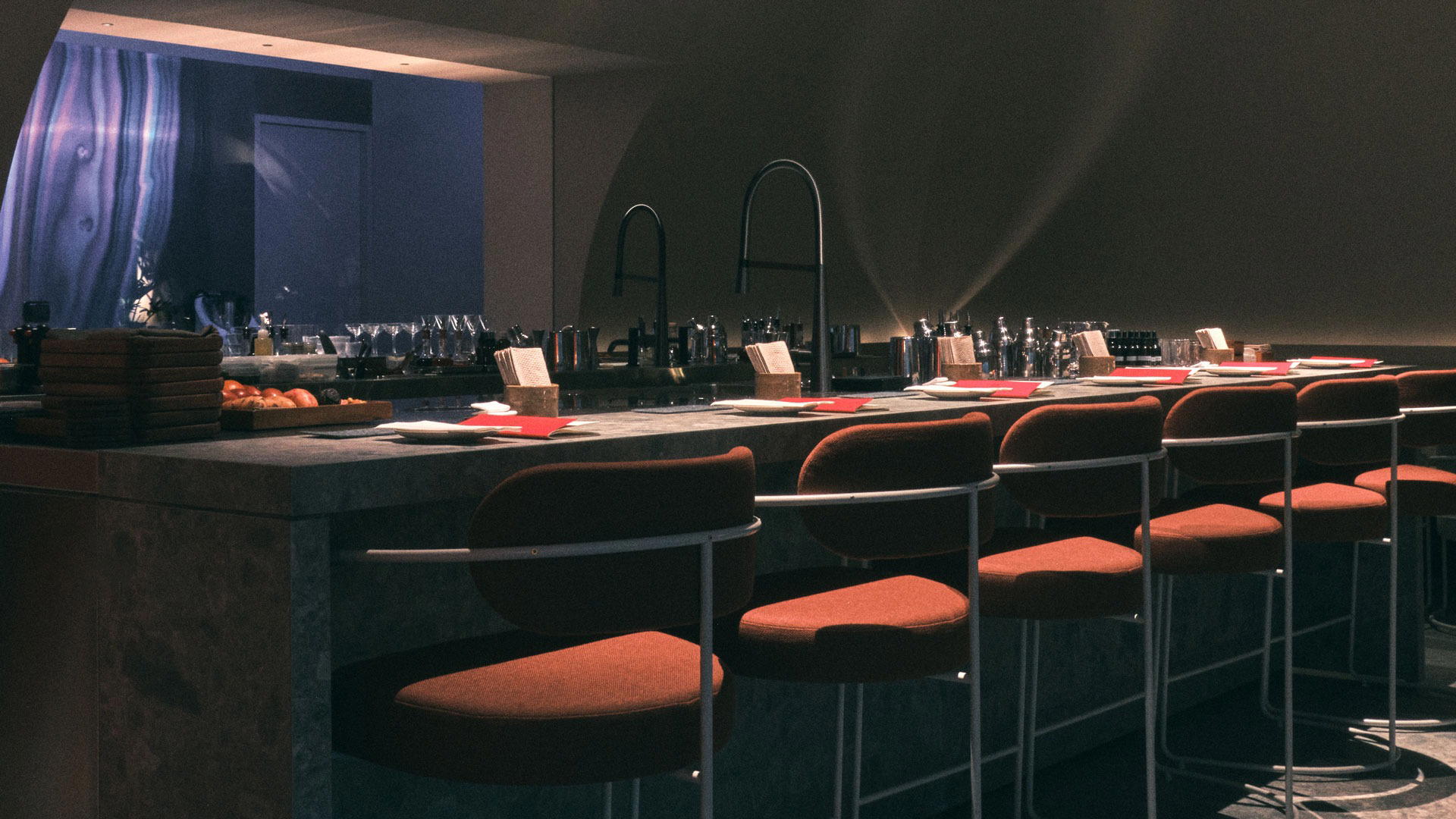
Restaurants in Lima
Browse all →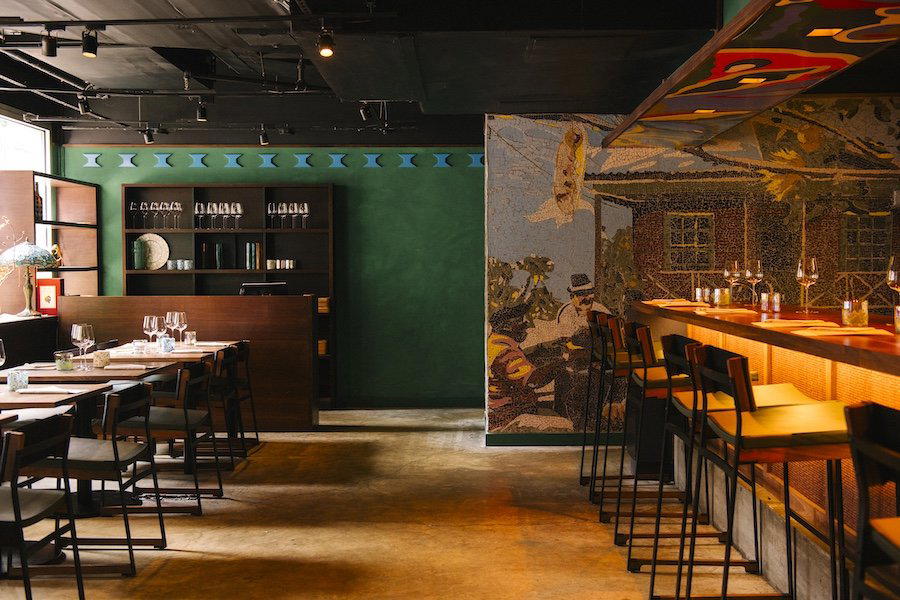
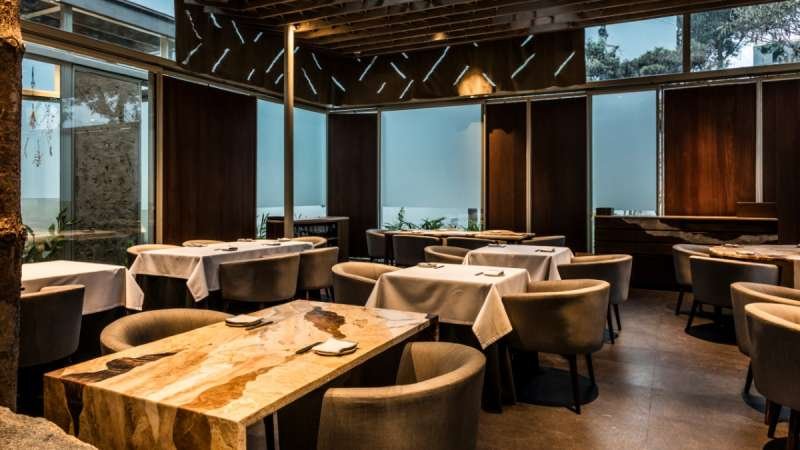
Hotels in Lima
Browse all →
Wineries in Lima
Browse all →
Details
- Bohemian
- Cozy
- Lively
- Trendy
- Casual Hangout
- Live Music
- Garden
- Lounge Seating
- Outdoor Terrace
- Garden
Current opening hours
- Monday
- 10 AM–8 PM
- Tuesday
- 10 AM–8 PM
- Wednesday
- 10 AM–8 PM
- Thursday
- 10 AM–8 PM
- Friday
- 10 AM–8 PM
- Saturday
- 10 AM–8 PM
- Sunday
- 11 AM–7 PM
Hours can change for holidays and private events. Last verified .
Lively and inviting with a beautiful garden patio filled with flowers, bonsai trees, and origami decorations.