

La Liste Top Restaurants
Our verdict
Isolina Taberna Peruana in Barranco brings traditional Peruvian home cooking to a serious dining context, with consistent recognition from La Liste and Opinionated About Dining since 2023. Chef José del Castillo draws on the deep pantry of Lima's mercado culture to produce dishes rooted in generational technique. Open seven days a week, it occupies a distinct position among Lima's mid-to-upper tier restaurants as a counterpoint to the city's modernist wave.

Pearl is the En Primeur Club membership app — saves, bookings, and concierge access live there. Same editors, same standards.
- Address
- Av. San Martín 101, Lima 15063, Peru
- Phone
- +51 943 833 031
- Hours
- Mon–Wed 12–10 PMThu–Fri 12–11 PMSat 9–11 AM, 12–11 PMSun 9–11 AM, 12–10 PM
- Website
- isolina.pe
- Directions
- Get directions
- Booking
- Book on the venue's website
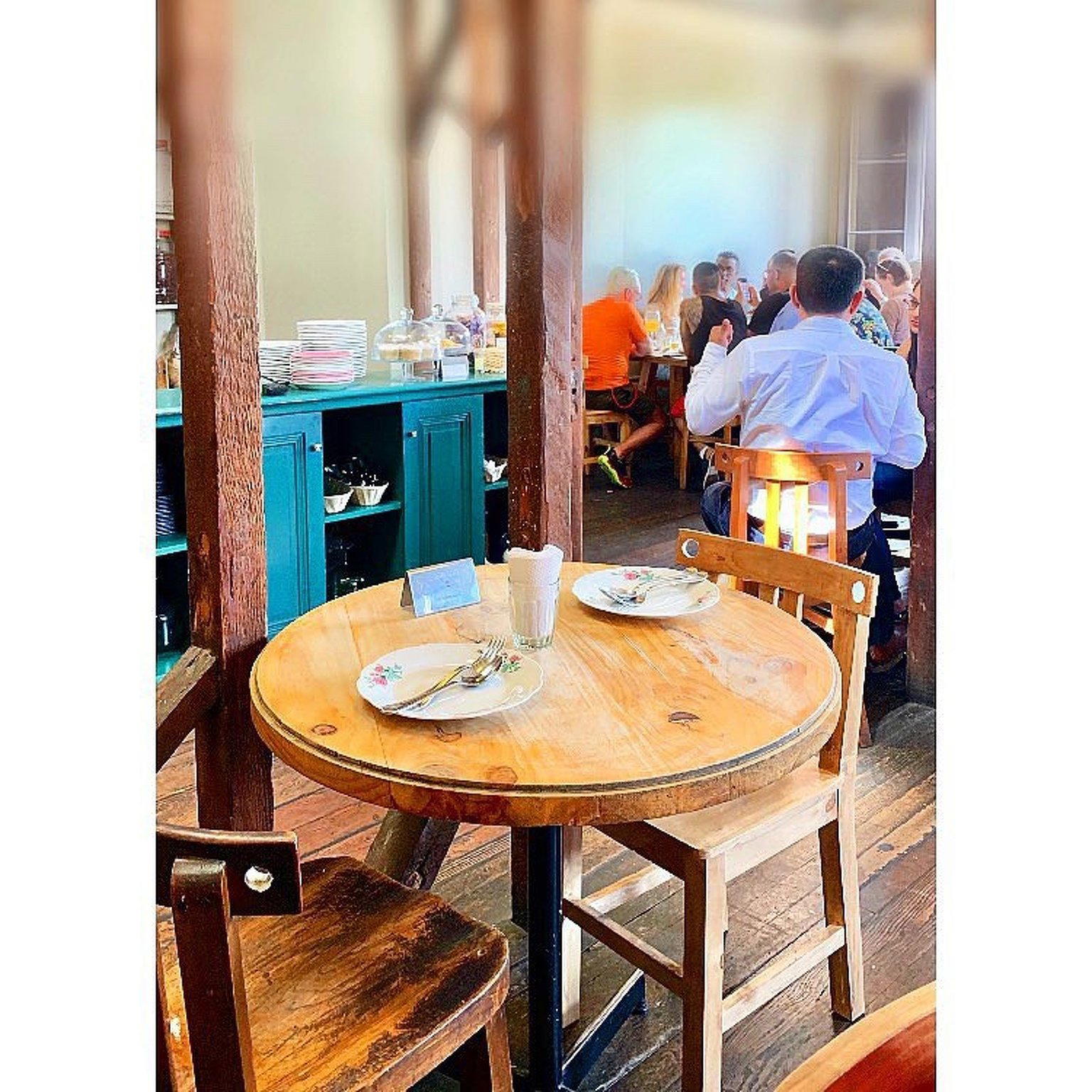
The menu
What to order
- Ceviche
- Lomo Saltado
- Ají de Gallina
- Tripe Stew
- Pan con Chicharrón
- Papa Rellena
Barranco's Table: Where the Market Comes First
Barranco has always been Lima's most lived-in creative district, a neighbourhood where the divide between domestic cooking and restaurant cooking blurs more readily than in Miraflores or San Isidro. Av. San Martín runs through that tension. At number 101, Isolina Taberna Peruana occupies a corner of that street with the settled confidence of a place that knows exactly what it is: a taberna, in the old sense, where the produce arriving from Lima's markets determines what ends up on the table that day. The physical approach signals this from the start. The room reads as a Lima family dining space scaled up rather than a restaurant designed to impress from the outside in.
This is a meaningful distinction in a city where the dominant culinary story has been one of transformation and spectacle. Central and Astrid & Gastón operate as progressive Peruvian laboratories, presenting the country's biodiversity through structured tasting formats. Isolina operates in the opposite register: the market logic here is not about rare altitude ingredients presented as concept, but about the kind of daily sourcing that has sustained Lima's criollo and novoandino home traditions for generations. The menu reflects what was good this week, not what a fixed tasting narrative demands.
The Mercado Logic Behind the Menu
Lima's wet markets, from Surquillo No. 1 to the covered halls of Surquillo No. 2, represent one of South America's most concentrated ingredient ecosystems. Vendors rotate their produce based on coastal catch cycles, highland growing seasons, and the rhythms of the city's informal food supply chains. A kitchen that takes that ecosystem seriously cannot offer the same menu year-round, and Isolina does not try to. Chef José del Castillo's approach is rooted in criollo cooking, the style that emerges from Lima's layered Spanish, African, and indigenous culinary inheritance, and that tradition is inseparable from market fluency.
This kind of ingredient fidelity produces a different kind of restaurant experience than the modernist tier. Rather than discovering how a chef transforms a product, you're discovering the product itself, cooked in a way that has been calibrated over decades of use. Escabeches, guisos, secos, and slow-cooked cuts appear in forms that reference home kitchens without being merely domestic. The portions follow the taberna model: generous, social, structured around sharing rather than the individual tasting portion. For a comparative frame, consider how Panchita handles traditional Peruvian cooking in a different part of the city, or how Anticuchos Grimanesa represents Lima's street-rooted charcoal tradition at a specialist level. Isolina occupies a third register: the criollo taberna format, where a wider spread of technique and cut is on offer within a single sitting.
What the Awards Record Says
Consistent recognition from two independent critical programs over three consecutive years is a more reliable signal than a single year's placement. Isolina has appeared on Opinionated About Dining's South America ranking in 2023 (No. 21), 2024 (No. 30), and 2025 (No. 24), a pattern that reflects sustained execution rather than a single strong cycle. La Liste, which aggregates critical and guide data across sources, assigned 76.5 points in 2025 and 75 points in 2026, placing it in the recognised upper tier of Lima's broader restaurant field without entering the elite tasting-menu bracket occupied by Central or Kjolle.
The Opinionated About Dining methodology, which weights repeat visits and experienced critic input heavily, tends to favour restaurants that deliver consistent craft over time rather than conceptual novelty. That Isolina holds its position in that ranking across multiple years, without the media infrastructure that surrounds Lima's progressive fine dining tier, is a meaningful credential.
For broader context on Lima's restaurant field, including where Isolina sits relative to the modernist tier, the traditional specialists, and the ceviche houses, see our full Lima restaurants guide. Those planning a longer stay in Peru should also consider Mil in Cusco and Cirqa in Arequipa for regional counterpoints to Lima's cosmopolitan dining scene.
Criollo in Lima's Competitive Frame
Lima's restaurant scene has bifurcated over the past fifteen years. One tier, led by Central and Astrid & Gastón, competes at the global tasting-menu level and draws international visitors specifically. A second tier, which includes Isolina, La Mar Cebicheria, and Cosme in San Isidro, serves a mix of informed Lima residents and international visitors who want to eat well rather than experience a formal concept. This second tier is where the city's everyday cooking traditions are most visible, and where the market-to-table relationship is most direct.
Isolina's taberna format distinguishes it within that second tier. Cevicherías like La Mar are organised around the raw fish counter and the cold technique of leche de tigre; Costanera 700 in Miraflores leans into the Nikkei strand of Lima's cooking inheritance. Isolina's range is wider and more rooted in the cooked traditions: the braised, the fried, the slow-simmered. That range makes it a more complete survey of Lima's criollo kitchen than any single-format specialist can offer.
For those tracking Peruvian cooking beyond Lima, Causa in Washington D.C. and ITAMAE in Miami represent how Lima's culinary identity travels internationally, while Delfin Amazon Cruises in Iquitos and the Delfin I dining room in Nauta show how Amazonian ingredients enter the Peruvian table from the source.
Planning Your Visit
Isolina is open seven days a week. Monday through Wednesday, service runs from noon to 10 pm; Thursday through Saturday, the kitchen extends to 11 pm; Sunday closes at 7 pm, which makes it a reasonable anchor for a long afternoon lunch before the evening quiets in Barranco. The address at Av. San Martín 101 places it in the core of the neighbourhood, walkable from Barranco's main plaza and accessible from Miraflores by taxi in under fifteen minutes depending on traffic.
No booking method is confirmed in available data, so checking directly with the restaurant before arrival is advisable, particularly for Thursday through Saturday evenings when the extended hours suggest higher demand. Barranco's dining culture skews later than Miraflores, so arriving at or after 8 pm on a weekend places you in the room when the social energy is highest.
Those building a complete Lima itinerary can use our Lima hotels guide, our Lima bars guide, our Lima experiences guide, and our Lima wineries guide alongside this entry.
Frequently asked questions
Is Isolina Taberna Peruana open every day?
Hours at Isolina Taberna Peruana: Hours: Monday 12–10 pm Tuesday 12–10 pm Wednesday 12–10 pm Thursday 12–11 pm Friday 12–11 pm Saturday 12–11 pm Sunday 12–7 pm.
Is Isolina Taberna Peruana Michelin-listed?
Isolina Taberna Peruana has received recognition including: La Liste Top Restaurants (2026): 75pts; La Liste Top Restaurants (2025): 76.5pts; Opinionated About Dining Top Restaurants in South America Ranked #24 (2025); Opinionated About Dining Top Restaurants in South America Ranked #30 (2024); Opin….
What do people recommend at Isolina Taberna Peruana?
OAD's South America ranking placed Isolina at No. 21 in 2023, No. 30 in 2024, and No. 24 in 2025, suggesting consistent execution rather than a single standout dish driving the reputation. The taberna format in Barranco draws both local regulars and visitors looking for a counter to Lima's global tasting-menu circuit.
Where is Isolina Taberna Peruana in Lima?
Isolina Taberna Peruana is located at Av. San Martín 101, Lima 15063, Peru, Lima.
Who runs the kitchen at Isolina Taberna Peruana?
The chef associated with Isolina Taberna Peruana is José del Castillo.
What is Isolina Taberna Peruana known for?
Isolina is known for criollo Peruvian cooking executed in a taberna format, grounding the menu in Lima's mercado culture and the Spanish-influenced domestic traditions of the city. Chef José del Castillo leads the kitchen at the Barranco address on Av. San Martín 101. The restaurant has held consecutive placements on both La Liste's global list and Opinionated About Dining's South America ranking from 2023 through 2025, placing it among the most consistently recognised criollo tables in the country.
Cost Snapshot
A quick peer reference to anchor this venue in its category.
| Venue | Cuisine | Price | Awards | Notes |
|---|---|---|---|---|
| Isolina Taberna PeruanaThis venue — the venue you are viewing | Traditional Peruvian Criollo Tavern | $30–50 | La Liste Top Restaurants | Not listed |
| Astrid & Gastón | Modern Peruvian Fine Dining | $100–150 | World's 50 Best #81 · La Liste Top Restaurants | Modern Peruvian |
| Kjolle | Modern Peruvian Fine Dining | $300–500 | World's 50 Best #9 · La Liste Top Restaurants | Modern Peruvian |
| Mérito | Modern Venezuelan-Peruvian Fusion | $50–100 | World's 50 Best #26 · La Liste Top Restaurants | Venezuelan/Fusion |
| Mayta | Modern Peruvian Fine Dining | $200–300 | World's 50 Best #39 · La Liste Top Restaurants | Peruvian Modern |
| La Picanteria | Northern Peruvian Seafood Cevicheria | $20–30 | Not listed | Seafood |
Recognition history
Dated appearances from independent guides and award organizations, with the underlying list record or original source where available.
La Liste Top Restaurants
La Liste
Opinionated About Dining Top Restaurants in South America Ranked #30
Opinionated About Dining
Full recognition history (6 entries)
La Liste Top Restaurants
La Liste
Opinionated About Dining Top Restaurants in South America Ranked #24
Opinionated About Dining
Opinionated About Dining Top Restaurants in South America Ranked #30
Opinionated About Dining
Opinionated About Dining Top Restaurants in South America Ranked #21
Opinionated About Dining
Continue exploring
More in Lima
Bars in Lima
Browse all →
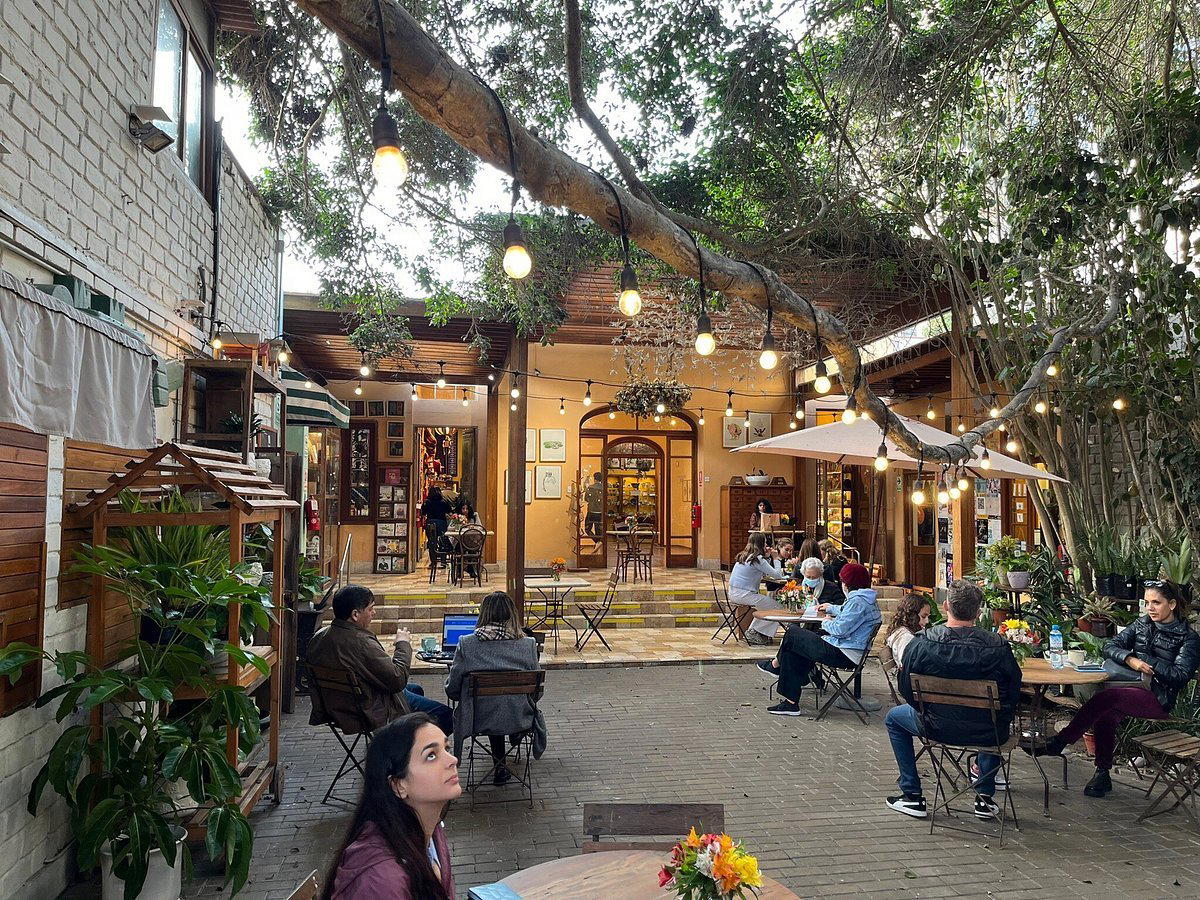
Hotels in Lima
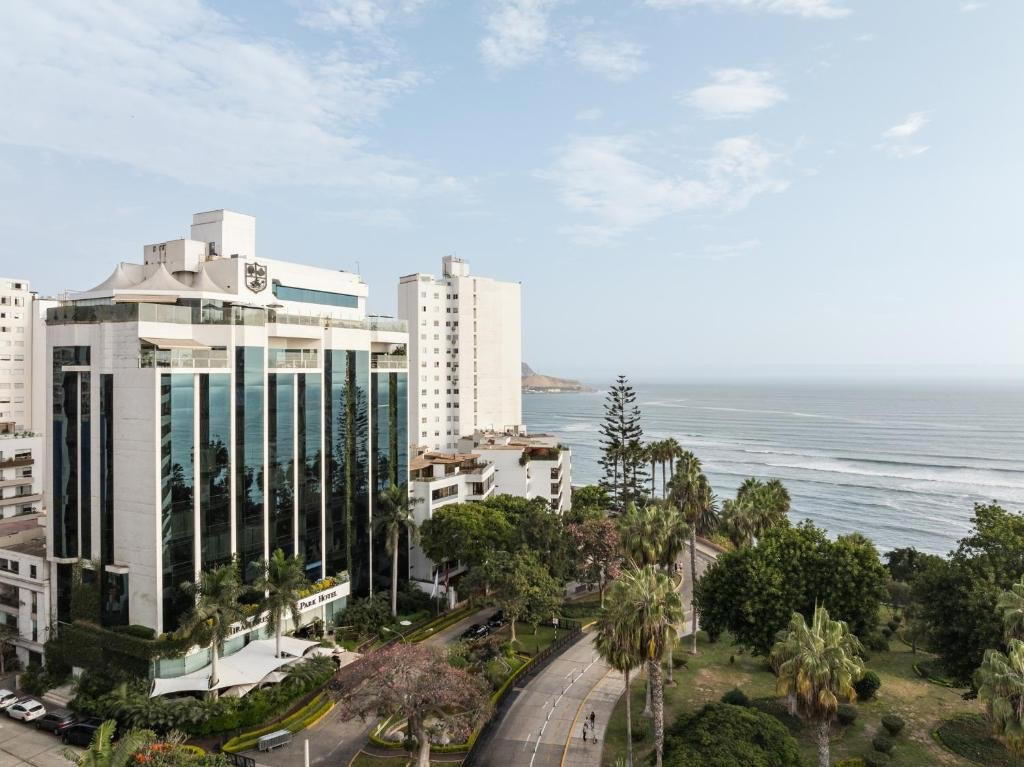
Browse all →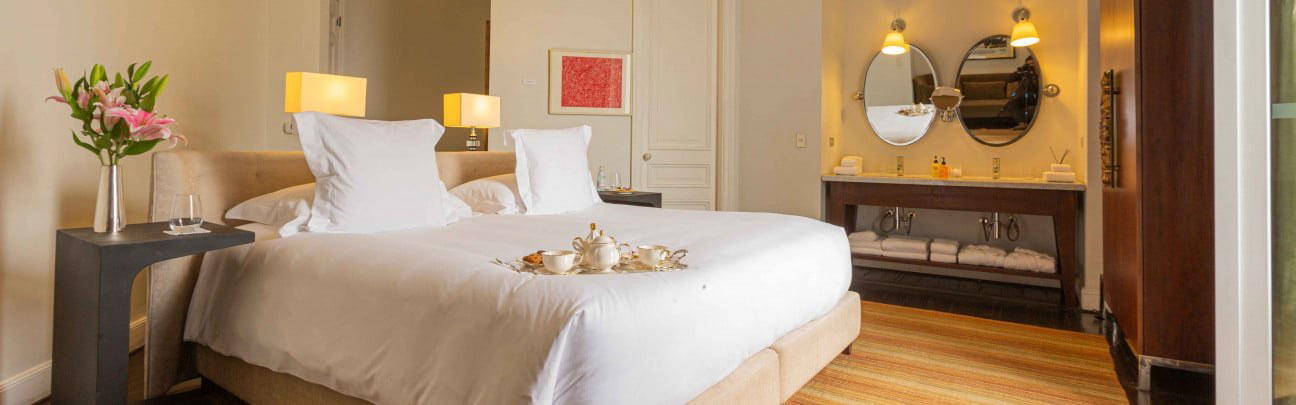

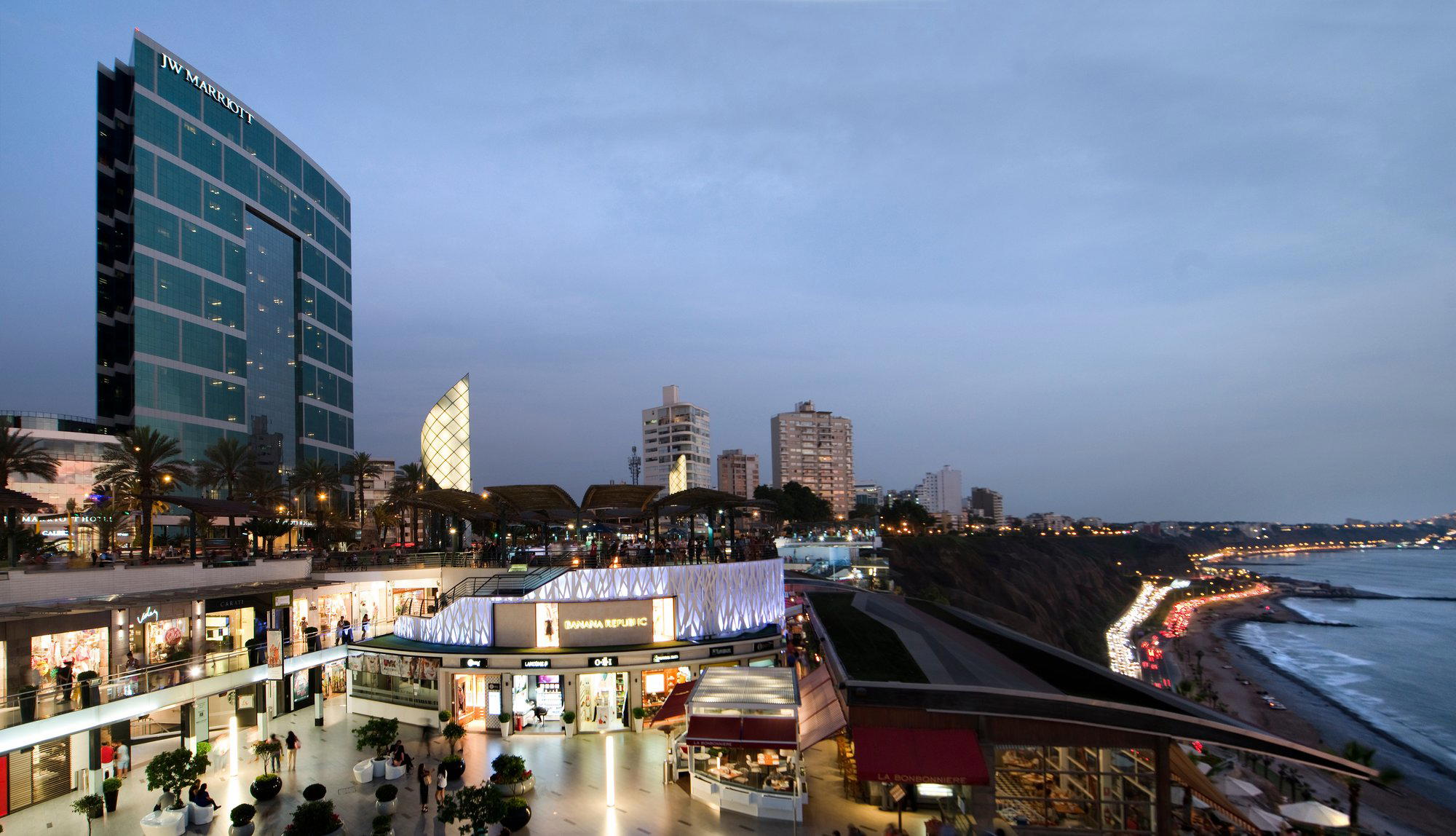
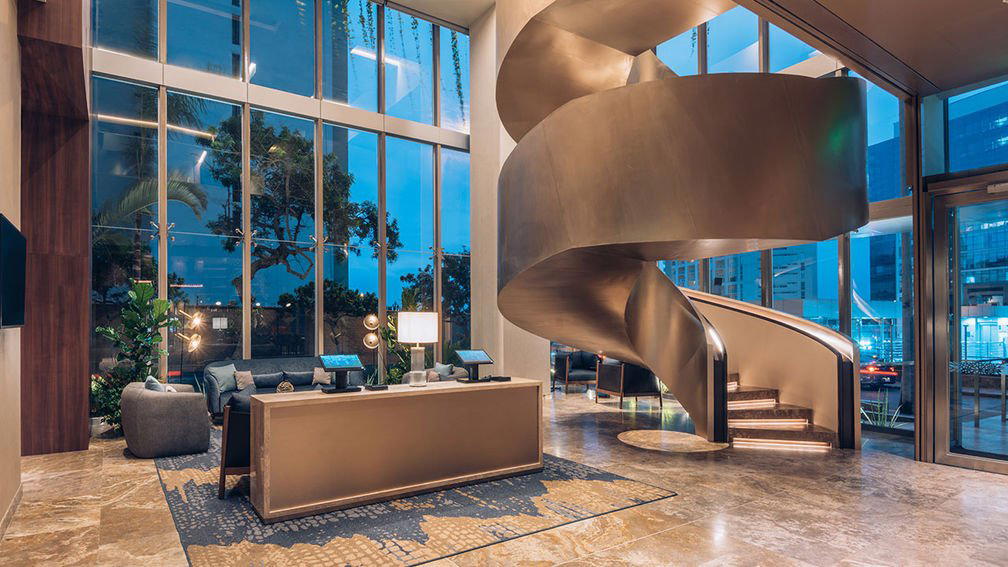
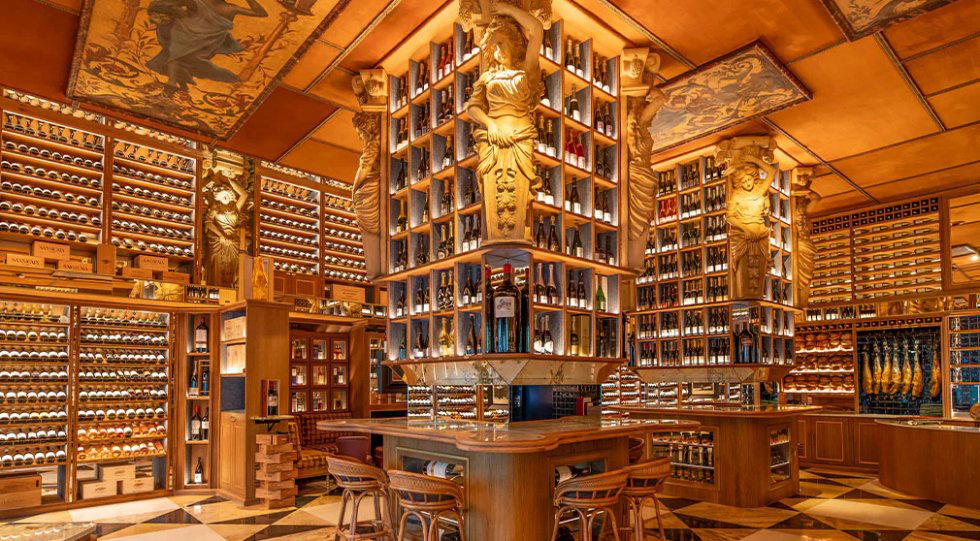
Wineries in Lima
Browse all →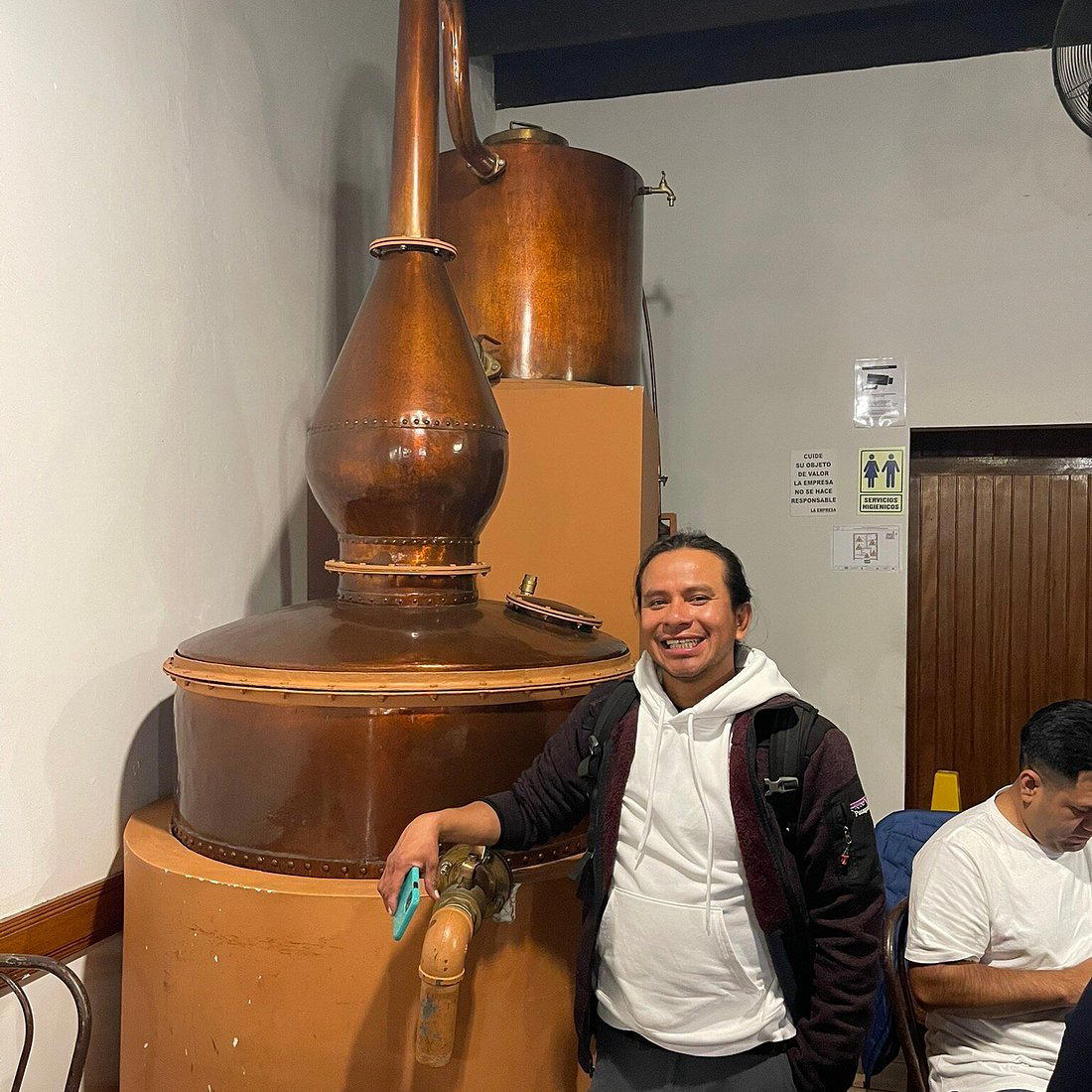
Details
- Rustic
- Lively
- Bohemian
- Cozy
- Casual
- Group Dining
- Casual Hangout
- Celebration
- Family
- Historic Building
- Standalone
- Craft Cocktails
- Beer Program
- Local Sourcing
- Family Style
- A La Carte
- Pisco Sour
- Craft Cocktails
- Pescatarian Friendly
- Allergy Accommodating
Current opening hours
- Monday
- 12–10 PM
- Tuesday
- 12–10 PM
- Wednesday
- 12–10 PM
- Thursday
- 12–11 PM
- Friday
- 12–11 PM
- Saturday
- 9–11 AM, 12–11 PM
- Sunday
- 9–11 AM, 12–10 PM
Hours can change for holidays and private events. Last verified .
Rustic and inviting with vintage colonial tile floors, ancient wood paneling, mismatched wooden furniture, and old-fashioned enamel serving dishes that evoke dining at a grandmother's home; lively and crowded with local families and tourists.