Our verdict
El Rincón Que No Conoces sits on Jr. Bernardo Alcedo in Lince, a district that sits outside Lima's polished dining circuit of Miraflores and San Isidro. The name translates loosely as 'the corner you don't know,' a framing that signals intent as much as address. In a city where the restaurant conversation is dominated by tasting-menu flagships, this kind of neighbourhood address occupies a different register entirely.

Pearl is the En Primeur Club membership app — saves, bookings, and concierge access live there. Same editors, same standards.
- Address
- Jr. Bernardo Alcedo 363, Lince 15046, Peru
- Phone
- +51 1 4712171
- Hours
- Daily 12–5 PM
- Website
- elrinconquenoconoces.pe
- Directions
- Get directions
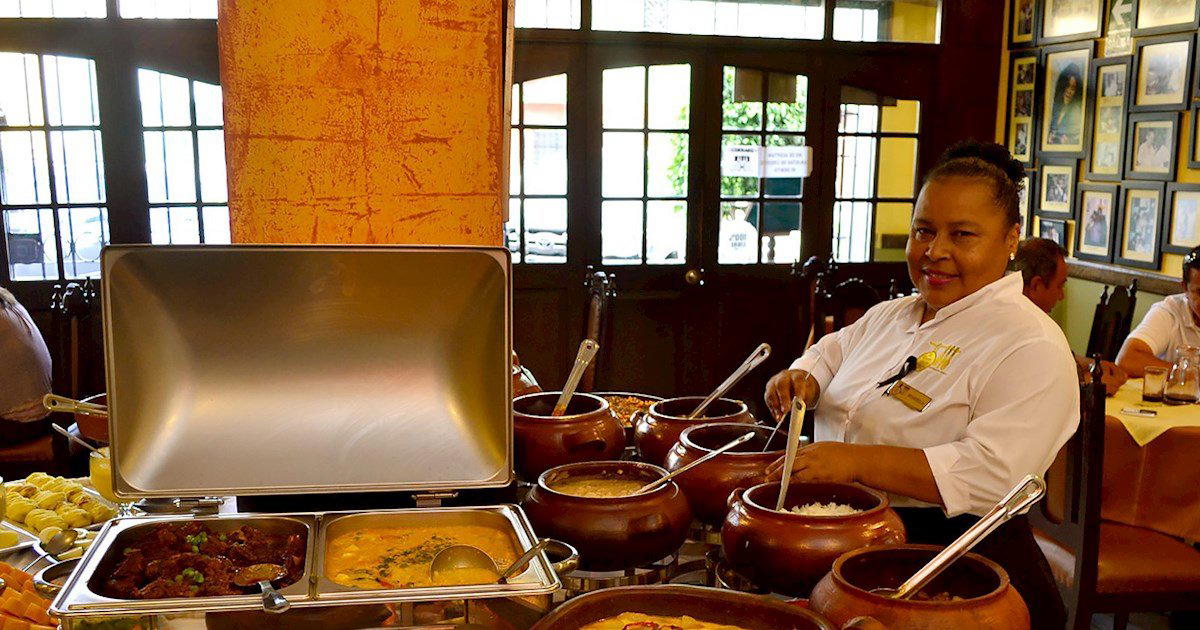
The menu
What to order
- Tacu tacu
- Aji de gallina
- Causa rellena
- Picarones
The Corner Lince Doesn't Advertise
Approach Jr. Bernardo Alcedo from the main avenue and the block offers little by way of signage or spectacle. Lince is a working residential district, the kind of Lima neighbourhood that predates the tourism-facing polish of Miraflores by several decades and has never particularly sought that kind of attention. That context matters when reading El Rincón Que No Conoces, because the name itself — 'the corner you don't know' — is less a marketing provocation than a geographic fact. The venue sits outside the postal codes that concentrate Lima's internationally recognised dining circuit, and that positioning has shaped everything about how it operates and who it serves.
Lima's restaurant story in the 2000s and 2010s was written almost entirely in Miraflores and San Isidro. Astrid & Gastón (Modern Peruvian) anchored the fine-dining argument. Central (Progressive Peruvian) and Central Restaurante redrew what Peruvian cuisine could mean at altitude and scale. Maido (Nikkei) brought nikkei cooking into global conversation. These addresses, their press cycles, and their tasting menus defined how international visitors mapped the city's food. Lince barely registered in that narrative. El Rincón Que No Conoces sits in the gap that narrative left open.
What Lince Represents in the Broader City
Districts like Lince, Breña, and Jesús María carry a particular dining character in Lima: less destination, more institution. The restaurants that survive long-term in these neighbourhoods do so through repeat custom, through the kind of loyalty that accumulates when a place becomes part of a weekly rhythm rather than an occasion. This is a different business model than the tasting-menu flagship, and it produces a different relationship between kitchen and diner. The menu doesn't need to change seasonally to hold a press cycle together; it needs to stay good enough that regulars come back on a Tuesday without a reservation.
That model has proven durable in Lima's outer districts in ways that contrast sharply with the higher-cost, higher-visibility operations further south. For reference points outside Peru, the dynamic resembles the difference between a Parisian bistrot de quartier and a destination restaurant on the Rive Gauche, or, in the American context, the gap between neighbourhood anchors and the kind of community-facing format that Lazy Bear in San Francisco deliberately inverted into a ticketed, high-engagement format. El Rincón Que No Conoces appears to operate closer to the former register: a place the neighbourhood knows before anyone else does.
Evolution and the Question of Reinvention
The name carries a temporal implication. 'The corner you don't know' suggests a before and after, a moment when discovery becomes familiarity, when a local secret absorbs enough outside attention to shift its character. This is the central tension for neighbourhood restaurants in cities experiencing dining booms: at what point does outside recognition change the thing that made discovery worthwhile?
Lima has watched this play out repeatedly. Venues that once operated in relative obscurity in working districts have, in some cases, absorbed enough attention to relocate, reprice, or reformat. Others have held their ground and their audience, resisting the pull toward the tasting-menu format that international press tends to reward. The restaurants that navigate this most successfully tend to be the ones with a clear enough identity that growth doesn't require reinvention, the menu may deepen, the room may improve, but the essential transaction between kitchen and regular customer stays intact.
Peru's wider food geography offers useful contrast here. Mil Centro in Moray operates at the other extreme: a destination built specifically around the idea of a journey, with no residential neighbourhood to anchor it. Kjolle (Modern Peruvian) occupies a mid-position, drawing on the Central project's profile while developing its own audience. El Rincón Que No Conoces, based on its address and framing, sits at the neighbourhood end of that spectrum, closer in spirit to Costanera 700 in Miraflores as a long-running Lima address than to any of the newer tasting-menu formats.
Lima's Neighbourhood Dining Beyond the Headlines
The city's food conversation has begun, slowly, to expand its geography. Critics and guides that once focused exclusively on the Miraflores-San Isidro axis have started to map districts like Lince, Barranco, and Surquillo as part of a broader, more honest picture of how Lima actually eats. This shift matters for venues like El Rincón Que No Conoces, which were never designed to compete with Osaka Nikkei in San Isidro or the internationally profiled flagships, but which now find themselves included in a widening frame.
Peru's regional dining diversity further complicates any attempt to reduce the country's food identity to a single axis. The contrast between Lima's neighbourhood restaurants and venues like Cirqa in Arequipa, El Rey in Oxapampa, or Mapacho Craft Beer Restaurant in Urubamba reflects a food culture that is genuinely decentralised, even if international coverage hasn't always treated it that way. Venues on Delfin Amazon Cruises in Iquitos or at Marañón Province in Maranon and Delfin I dining room in Nauta operate in entirely different registers. The neighbourhood restaurant in Lince is part of the same sprawling picture, just at a different scale and with a different audience. Our full Lima restaurants guide covers the broader spread.
For international comparison, the gap between a neighbourhood address in Lince and the tasting-menu circuit mirrors the distance between a well-regarded neighbourhood table in New York and Le Bernardin in New York City: different ambitions, different metrics, different definitions of success. Cantina Vino Italiano in Cusco offers another point of comparison within Peru, a non-Lima address serving a specific audience with a specific register, answering a local need rather than a global one.
Planning a Visit to Lince
Jr. Bernardo Alcedo 363 in Lince places El Rincón Que No Conoces well outside the walkable radius of Miraflores hotels, so arriving by taxi or rideshare through apps like Cabify or Beat is the standard approach for visitors not staying in the district. Lince is a compact neighbourhood and most of it is easily reached from central Lima in under twenty minutes outside peak hours. Because the venue's website, phone number, and booking method are not currently listed in public databases, the most practical approach is to arrive directly or to enquire through local concierge networks, which often hold informal knowledge about neighbourhood restaurants that don't maintain a strong online presence. That informality is, in some respects, consistent with what the name suggests.
Frequently asked questions
What part of town is El Rincón Que No Conoces in?
El Rincón Que No Conoces is located at Jr. Bernardo Alcedo 363, Lince 15046, Peru, Lima.
Is El Rincón Que No Conoces worth visiting if I'm staying in Miraflores?
The address at Jr. Bernardo Alcedo 363 in Lince sits well outside walking distance from Miraflores, so the visit requires a deliberate taxi or rideshare trip of roughly 15–20 minutes depending on traffic. That commitment is better suited to visitors already familiar with Lima's headline dining stops who want to understand how the city's residential districts actually eat. For a one-day trip to Lima, Lince is rarely the logical starting point.
What do regulars order at El Rincón Que No Conoces?
No menu is currently on public record for El Rincón Que No Conoces, which makes naming specific dishes with confidence impossible. Restaurants operating in Lince's residential fabric typically anchor around Peruvian home-cooking staples — the kind of menu built through repetition and neighbourhood loyalty rather than seasonal reinvention. The safest approach on a first visit is to ask what was made that day.
How hard is it to get a table at El Rincón Que No Conoces?
No reservation platform or booking contact is currently linked to the venue at Jr. Bernardo Alcedo 363. Neighbourhood restaurants in Lince generally operate on a walk-in basis, with peak pressure at midday lunch rather than dinner. Arriving early in the lunch window is the standard approach for tables at this type of Lima address.
What is El Rincón Que No Conoces known for?
The name itself — 'the corner you don't know' — positions this as a Lince neighbourhood fixture rather than a destination conceived for Lima's international dining circuit. It operates in the tradition of Lima's residential districts like Lince, Breña, and Jesús María, where restaurants survive through repeat local custom rather than press coverage. That reputation for serving the immediate community, not the Miraflores hotel guest, is the defining characteristic.
How does El Rincón Que No Conoces handle allergies?
For diners with serious dietary requirements, showing up in person during a quiet period and speaking directly with staff is the practical option given the absence of advance contact details. This is a consistent feature of Lince's neighbourhood restaurant tier, not specific to this address.
A Credentials Check
| Venue | Cuisine | Price | Awards | Notes |
|---|---|---|---|---|
| El Rincón Que No ConocesThis venue — the venue you are viewing | Traditional Peruvian Criolla | $10–20 | Not listed | Not listed |
| Astrid & Gastón | Modern Peruvian Fine Dining | $100–150 | World's 50 Best #81 · La Liste Top Restaurants | Modern Peruvian |
| Kjolle | Modern Peruvian Fine Dining | $300–500 | World's 50 Best #9 · La Liste Top Restaurants | Modern Peruvian |
| Mayta | Modern Peruvian Fine Dining | $200–300 | World's 50 Best #39 · La Liste Top Restaurants | Peruvian Modern |
| Mérito | Modern Venezuelan-Peruvian Fusion | $50–100 | World's 50 Best #26 · La Liste Top Restaurants | Venezuelan/Fusion |
| Fiesta | Northern Peruvian Gourmet | $50–100 | We're Smart World 4 Radishes | Not listed |
Continue exploring
More in Lima
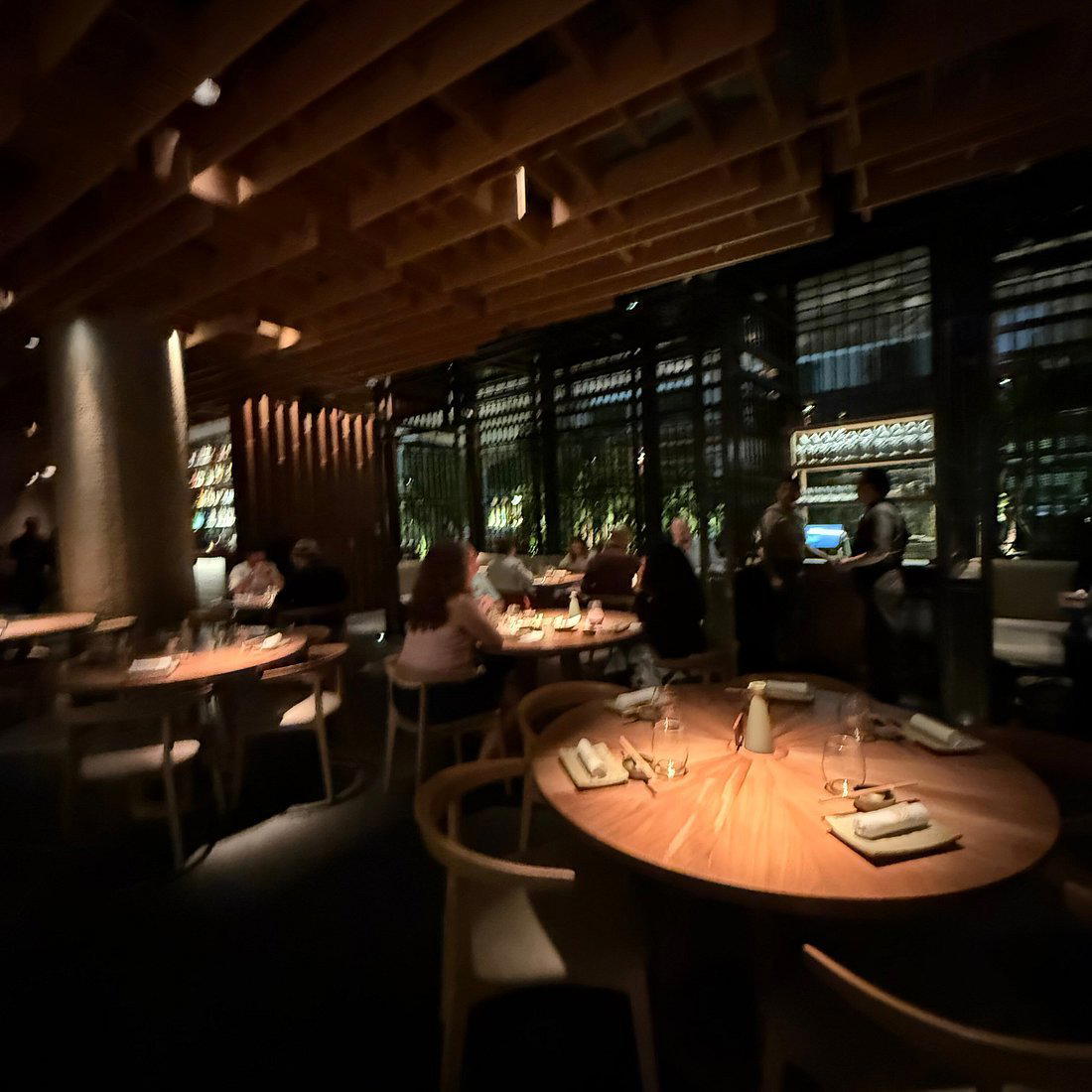
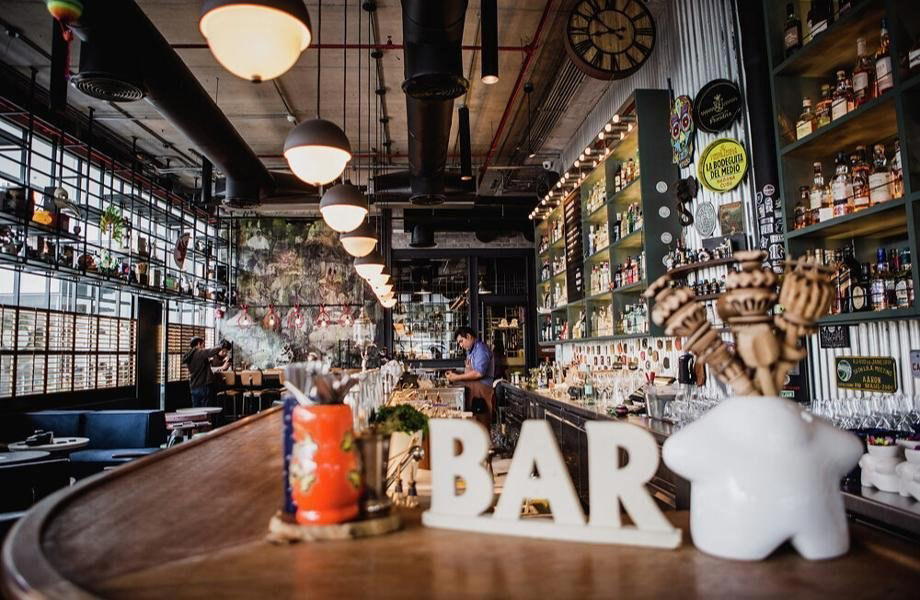
Bars in Lima
Browse all →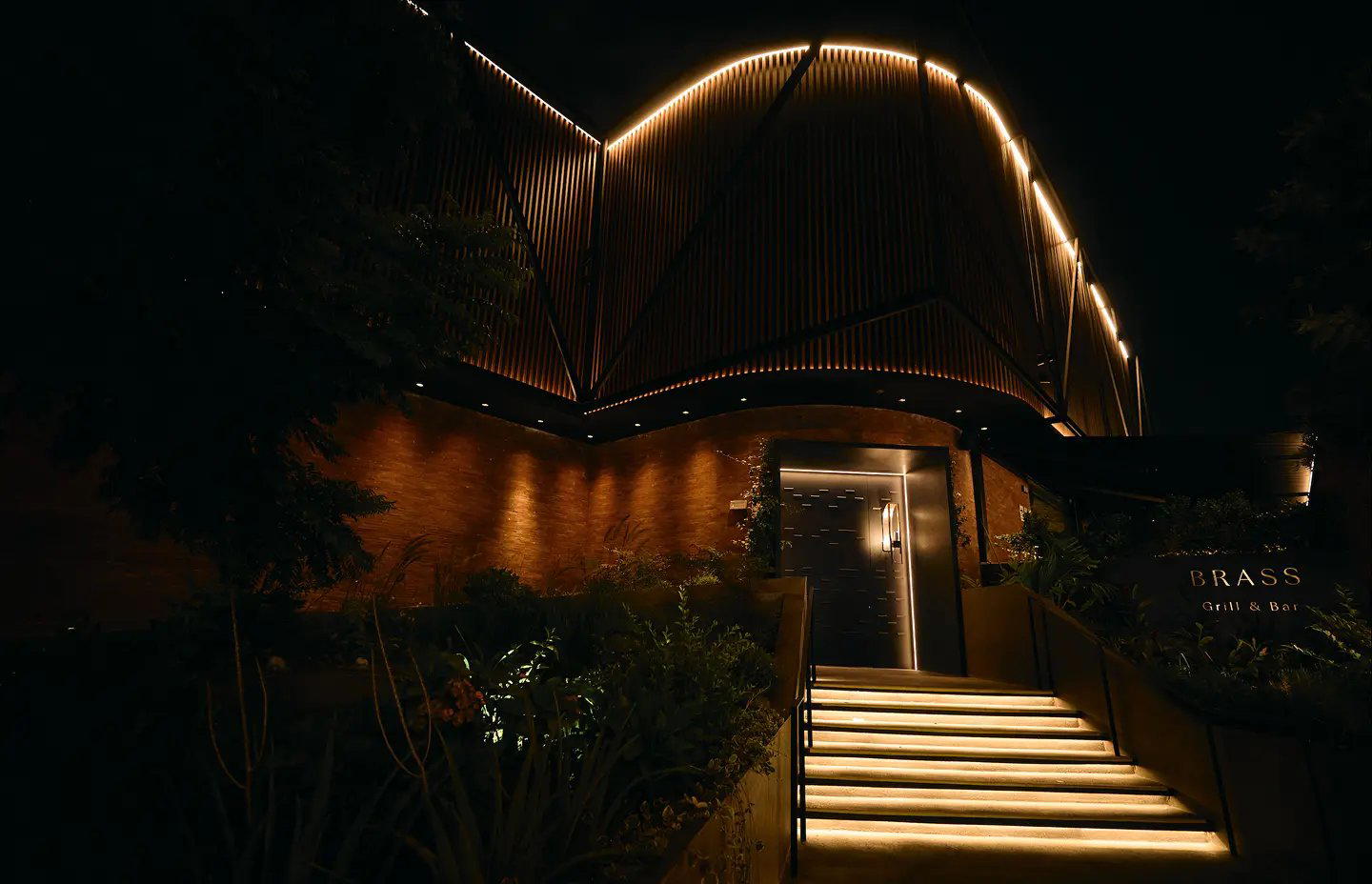
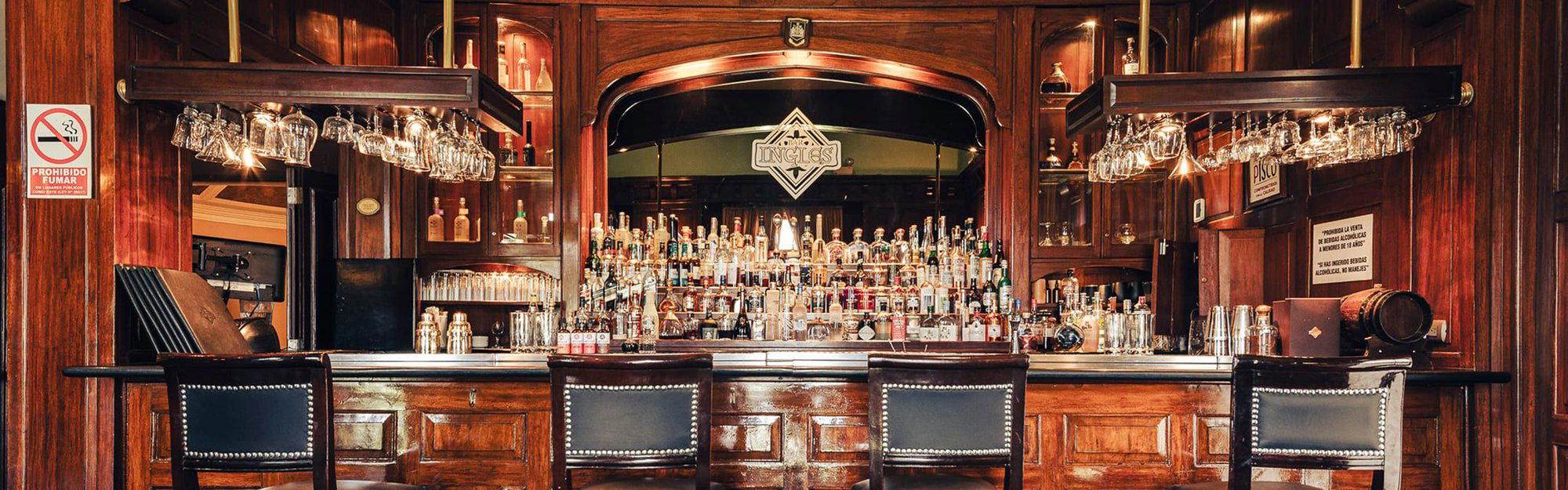
Hotels in Lima
Browse all →
Wineries in Lima
Browse all →
Details
- Cozy
- Rustic
- Classic
- Family
- Casual Hangout
- Historic Building
- A La Carte
- Buffet
Current opening hours
- Monday
- 12–5 PM
- Tuesday
- 12–5 PM
- Wednesday
- 12–5 PM
- Thursday
- 12–5 PM
- Friday
- 12–5 PM
- Saturday
- 12–5 PM
- Sunday
- 12–5 PM
Hours can change for holidays and private events. Last verified .
Cozy old-school atmosphere with red bricks and yellow walls, evoking traditional Peruvian home dining.