
PRIVATE KITCHEN SUMIYOSHI puts Kyoto’s quieter Chinese dining current in focus: small-scale, counter-led, and shaped by dim sum, Sichuan, and Kyoto-style seasonality rather than banquet-room excess. Its Tabelog Chinese WEST “Tabelog 100” selections in 2023, 2024, and 2026 give it a clear quality signal in a city better known internationally for kaiseki and temple-side cafés.
Pearl is the En Primeur Club membership app — saves, bookings, and concierge access live there. Same editors, same standards.
- Address
- 京都府京都市東山区妙法院前側町420 メゾン・ナイアーデ 1F
- Phone
- +81755855707
- Website
- sumiyoshi.storeinfo.jp
 Saves & bookings on Pearl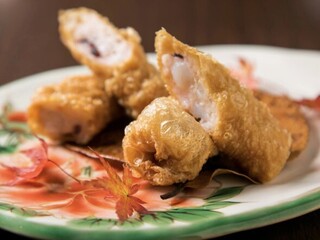
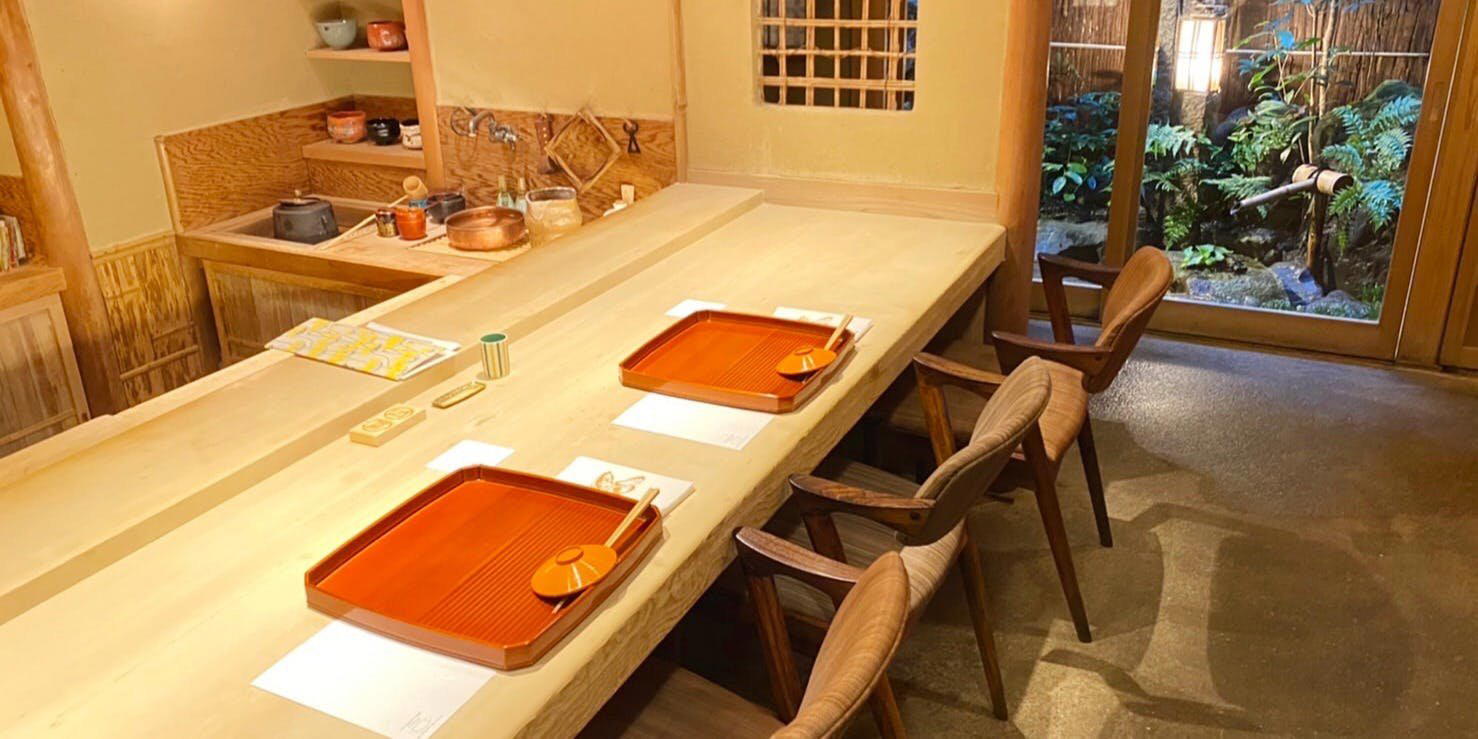
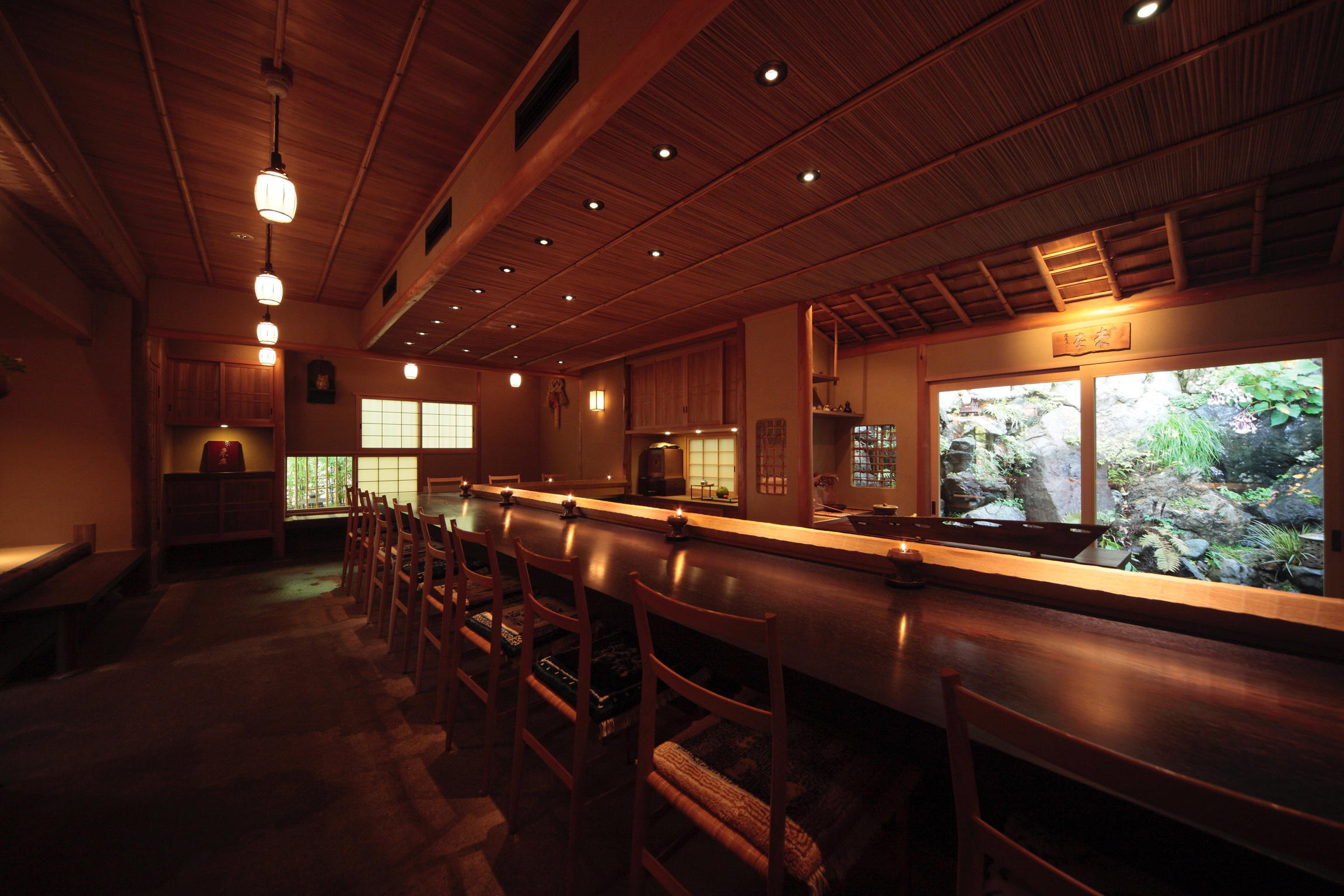
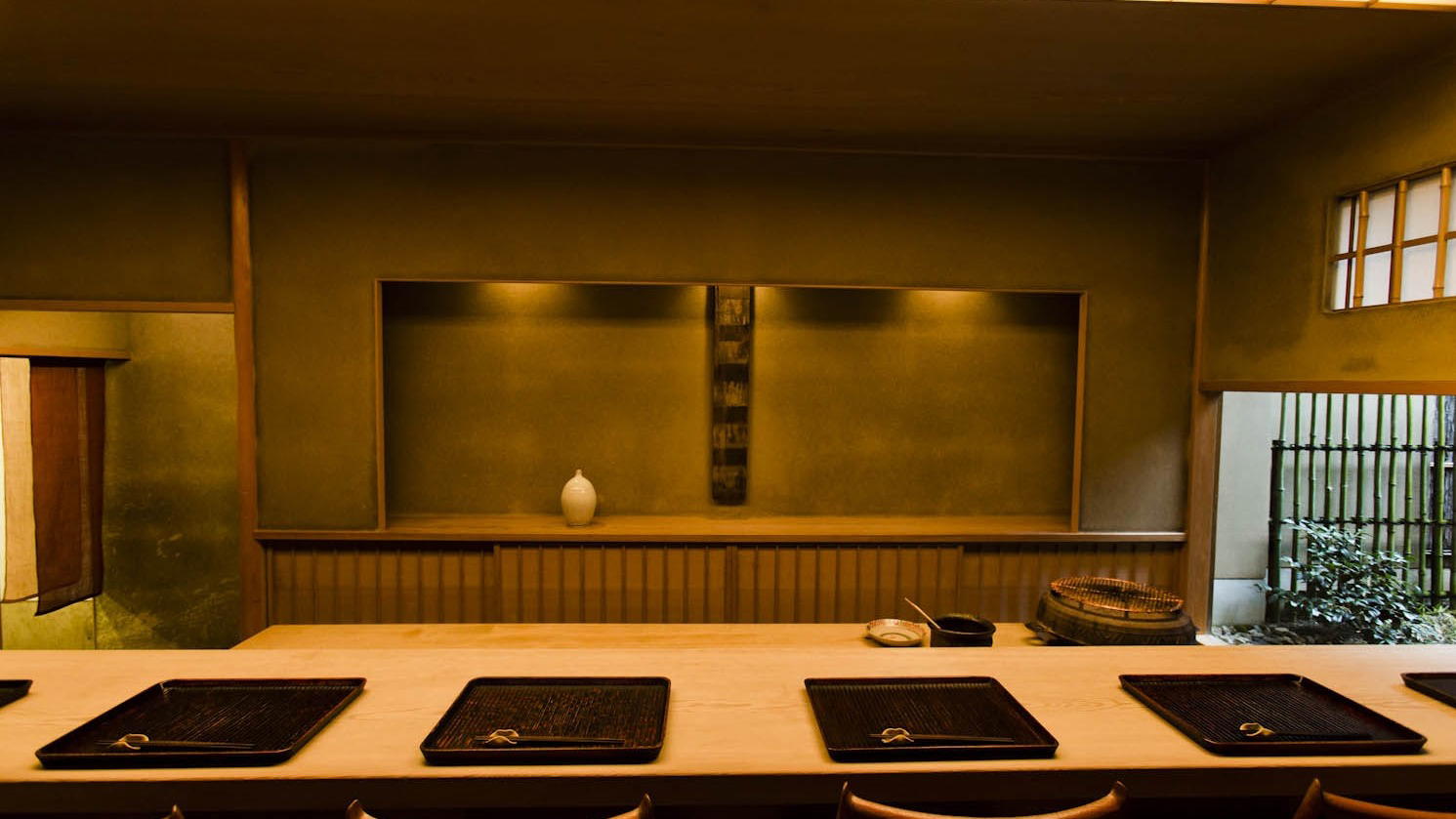
Higashiyama’s restaurant rhythm changes as the temple crowds thin: shutters come down on souvenir streets, buses empty out, and smaller dining rooms begin to matter more than grand entrances. PRIVATE KITCHEN SUMIYOSHI belongs to that after-hours Kyoto, where Chinese cooking is scaled to an 11-seat room rather than a hotel banquet hall. The format matters. A counter and one four-seat table create a kind of frictionless intimacy, and that size naturally pushes the kitchen toward tighter purchasing, shorter prep cycles, and a menu logic built around what can be handled with precision rather than volume.
Kyoto has long absorbed outside cuisines by making them smaller, quieter, and more seasonal. French restaurants in the city often read through local vegetables and restraint; coffee rooms can feel as studied as tea houses; Chinese dining has its own Kyoto translation. Here, the categories are Chinese, dim sum and yum cha, and Sichuan, but the more interesting point is the adaptation: Chinese structure filtered through Kyoto’s preference for seasonality, proportion, and calm. That is a different proposition from the large-table Chinese rooms that dominate many Japanese cities, and it places the restaurant closer to Kyoto’s specialist dining culture than to a generic neighbourhood chuka stop.
Kyoto-style Chinese cooking without the banquet-room footprint
The sustainability story in Kyoto dining is rarely announced with slogans. It is usually embedded in scale, season, and discipline. A room with 7 counter seats and 1 table for 4 cannot operate on buffet logic or broad inventory sprawl. Seasonal ingredients are part of the stated kitchen approach, and in a city where ingredient calendars still shape serious restaurants, that detail carries more weight than a decorative claim. Smaller menus and course formats can reduce excess when they are run with control; à la carte availability keeps the room from becoming a rigid tasting-menu machine.
That combination also explains why the restaurant sits comfortably in Higashiyama rather than in a nightlife district. The area’s stronger dining identity is not speed or spectacle, but calibrated rooms that reward planning. Comparison helps: Higashiyama Yoshihisa and Kako Okamoto represent the Japanese side of that neighbourhood seriousness, while Sushi Oga Higashiyama signals the area’s appetite for compact, high-attention counters. SUMIYOSHI works in another register, but the shared grammar is scale. In Kyoto, small does not automatically mean casual; it often means the restaurant is asking diners to pay attention.
The Tabelog Chinese WEST “Tabelog 100” selections in 2023, 2024, and 2026 put the restaurant inside a regional Chinese dining conversation rather than merely a Kyoto curiosity. Tabelog’s score of 3.78 is another useful signal in Japan, where user ratings cluster tightly and numbers above the mid-threes can indicate sustained local confidence. Awards should not be treated as a substitute for appetite, but they do clarify the competitive set: this is a compact Chinese restaurant with enough consistency to be noticed beyond its immediate neighbourhood.
Dim sum, Sichuan heat, and the Kyoto habit of restraint
The useful way to read the menu is through contrast. Dim sum and yum cha bring technique, portioning, and repetition; Sichuan brings heat, aroma, and a tolerance for intensity; Kyoto-style seasonal cooking tends to pull toward balance and ingredient clarity. That triangle is where the restaurant’s appeal sits. It is not trying to reproduce a Hong Kong dining room or a Chengdu hotpot house. It belongs to a Japanese urban tradition of Chinese restaurants that translate regional Chinese techniques through local dining expectations.
That translation has a practical sustainability implication as well. Kyoto’s more persuasive restaurants often avoid abundance for abundance’s sake. They rely on cadence, seasonality, and proportion, which can make a meal feel complete without the performative excess associated with luxury dining. In this category, restraint is not minimalism; it is resource control expressed through cooking. The presence of sake, shochu, and wine also points to a cross-cultural drinking style that fits Kyoto’s dining habits, where pairings do not need to follow a single national script.
For readers mapping a wider Kyoto itinerary, this is the Chinese counterpoint to several different local patterns. 3TOKU6MI Shijo karasuma ten speaks to central Kyoto’s compact dining economy, while 551蓬莱 sits closer to the Kansai comfort-food register. [ki:] and Abbesses show how Kyoto absorbs non-Japanese formats into smaller rooms, and Aburi Mochi Honke Nemoto Kazariya anchors the older snack-and-shrine side of the city. For the broader map, use Our full Kyoto restaurants guide, then pair meals with Our full Kyoto hotels guide, Our full Kyoto bars guide, Our full Kyoto wineries guide, and Our full Kyoto experiences guide.
Who should put it on a Kyoto dining plan
This is a strong fit for diners who want Kyoto without repeating the standard kaiseki-sushi-tempura circuit. The price tier is moderate by serious Kyoto standards, and the 2018 opening date places it in the city’s newer generation rather than among the inherited institutions. Family-friendly notes, non-smoking status, counter seating, and private-use availability broaden the use case, though the small room means expectations should be set around compactness rather than looseness.
The trade-off is clarity. Diners looking for a large Chinese room, broad banquet menu, or theatrical luxury cues will find a different mood here. The better reason to go is to see how Kyoto’s low-waste instinct, seasonal discipline, and preference for small rooms can reshape Chinese cooking into something quieter and more locally legible. That makes the restaurant useful not only as a meal, but as evidence of how Kyoto keeps absorbing outside forms without flattening them.
Travellers building a Japan-wide food route can use it as a Kyoto reference point beside more divergent addresses: -Grilled beef Sukiyaki- KAMAKURA TANUKIAN 鎌倉 たぬき庵 in Kamakura. 鮪と炭火焼き うお炭 秋葉原店 in Tokyo.cafe in Osaka.know in Kumamoto, (Shoku) Vietnam in Kawasaki, and [Curry Senmon Ten] Maruyama Kyoju. in Sapporo. For North American contrasts in Japanese-inflected casual formats, Jōdo Saké Bar in Los Angeles and Onigiri Time in Pasadena show how different cities compress Japanese food culture into smaller, specialised rooms.
Comparable Spots
Comparable venues at the same tier for side-by-side context.
| Venue | Cuisine | Price | Notes |
|---|---|---|---|
| PRIVATE KITCHEN SUMIYOSHIThis venue — the venue you are viewing | Seasonal Chinese by ex-hotel chef | $$ | Not listed |
| Kichi Kichi Omurice | Japanese Omurice | $$ | Gion |
| Bar Gaudi | Modern izakaya & Spanish-style standing bar | $$ | Shimogyō |
| Kyoto Tonkatsu Katsuda Shijokarasuma | Traditional Japanese Tonkatsu | $$ | Shimogyō |
| Nakamura Tokichi Honten Kyoto eki ten | Matcha sweets & soba café | $$ | Shimogyō |
| GYUKATSU Kyoto Katsugyu Fushimi Inari | Japanese Gyukatsu | $$ | Fushimi |
Recognition history
Dated appearances from independent guides and award organizations, with the underlying list record or original source where available.
Tabelog 100 #93 · No. 93
Tabelog · Tabelog 100 - Chinese cuisine - WEST - 2026
Continue exploring
More in Kyoto
Restaurants in Kyoto
Browse all →
Bars in Kyoto
Browse all →

Hotels in Kyoto
Browse all →
Wineries in Kyoto
Browse all →
At a Glance
- Intimate
- Cozy
- Date Night
- Solo
- Casual Hangout
- Special Occasion
- Chefs Counter
- Standalone
- Local Sourcing
An intimate 11-seat space with a small counter and single table, giving a relaxed, conversational feel where guests can interact directly with the chef and enjoy carefully prepared Chinese dishes in a cozy, understated setting.