Portofino sits on Poljana Grgura Ninskog, one of the squares threading through Diocletian's Palace in Split's Old Town. The address places it inside a dining district where Adriatic ingredients and European technique converge at a mid-to-upper price tier. For visitors working through Split's restaurant scene, it warrants a place on the shortlist alongside the city's more prominent seafood and Mediterranean tables.
Pearl is the En Primeur Club membership app — saves, bookings, and concierge access live there. Same editors, same standards.
- Address
- Poljana Grgura Ninskog 7, 21000, Split, Croatia
- Phone
- +385 91 611 2324
- Website
- portofino.hr
- Directions
- Get directions
 Saves & bookings on Pearl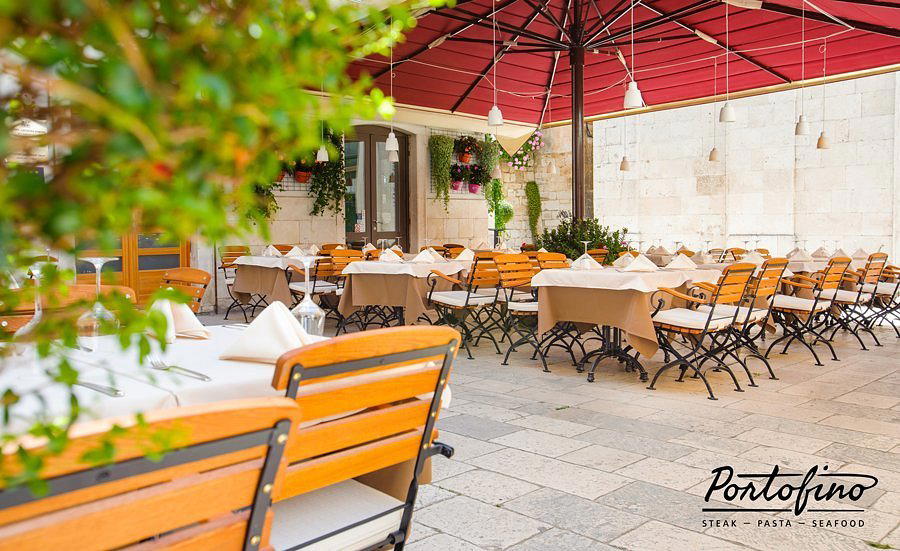
Dining Inside the Walls: Split's Old Town Restaurant Scene
Eating well in Split's historic core means reconciling two competing forces. The city's walled centre, built around the ruins of Diocletian's Palace, draws enough tourist traffic that mediocrity has always found a market here. But it also concentrates the kind of foot traffic that rewards genuine quality, because informed visitors and a loyal local clientele exist side by side on the same narrow streets. The restaurants that survive on reputation rather than location alone tend to occupy a specific niche: grounded in Dalmatian produce, attentive to the techniques circulating through contemporary Croatian fine dining, and aware that the benchmark is no longer merely regional.
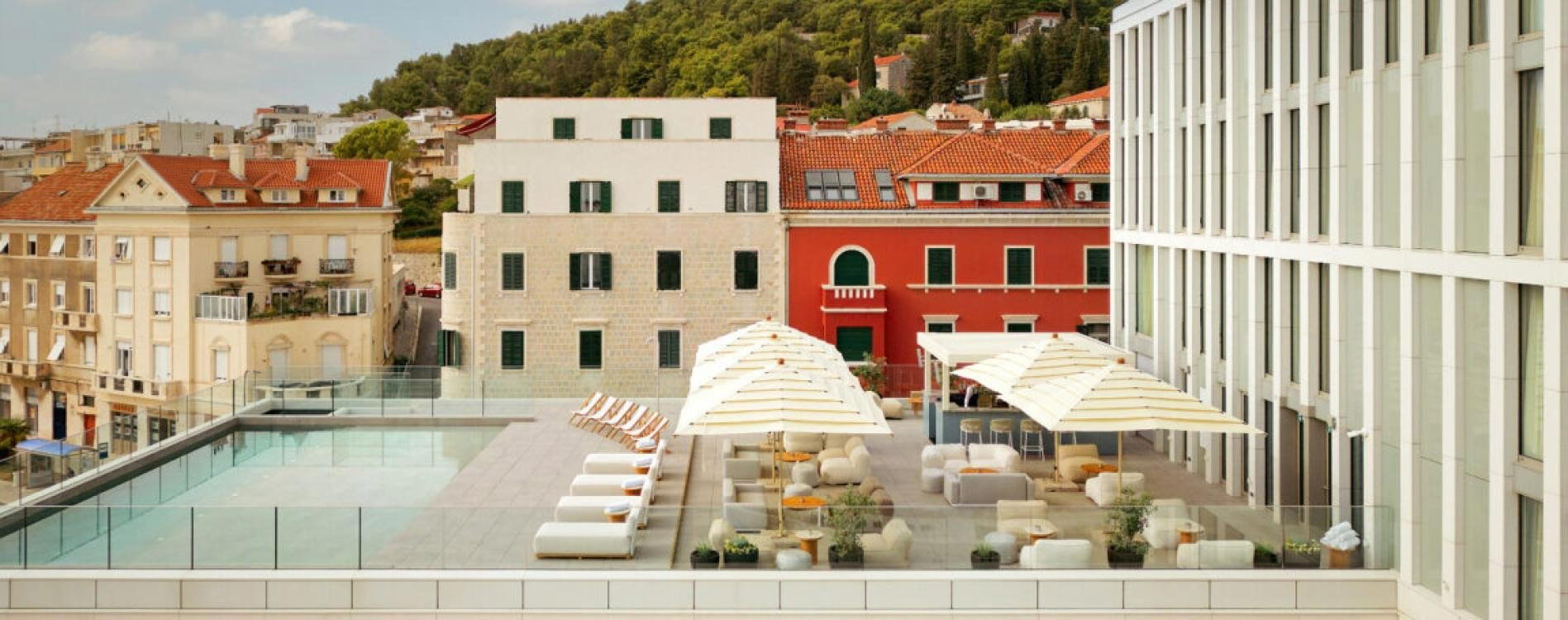
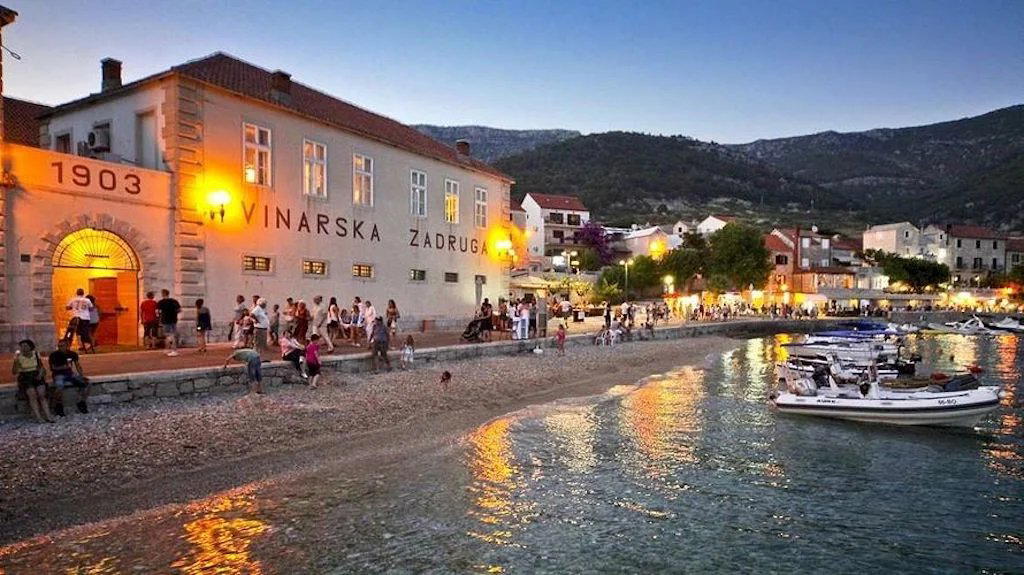
Portofino is a restaurant in Split, Croatia, at Poljana Grgura Ninskog 7, serving modern Mediterranean seafood and grill. Portofino, at Poljana Grgura Ninskog 7, operates within this context. The address is inside the Palace district, which means the physical approach involves the particular pleasures of Split's old town: stone underfoot, walls that have been absorbing heat since the fourth century, and a compression of space that makes every square feel like a stage. The square itself is one of the quieter pockets within the walls, removed enough from the main tourist corridors to feel like a place locals actually use.
The Intersection of Adriatic Ingredients and Imported Method
The editorial story of Croatia's better restaurants over the past decade has been the productive tension between local ingredients and training or technique absorbed from elsewhere. At Agli Amici Rovinj in Rovinj, that manifests as Italian fine-dining rigour applied to Istrian truffles and local seafood. At Pelegrini in Sibenik, it takes the form of contemporary European plating discipline brought to bear on Dalmatian raw materials. The pattern repeats across the coast: chefs trained in kitchens beyond Croatia returning to work with ingredients they grew up eating, and the results consistently outperforming what either the local tradition or the imported method could produce in isolation.
Split's dining scene participates in this dynamic, though it has historically been more fragmented than the sharper, single-restaurant narratives that have emerged in Sibenik or Rovinj. The city is large enough to support multiple dining tiers, and the Old Town specifically has a density of options that ranges from tourist-facing konobas to more considered Mediterranean and seafood tables. Krug (Mediterranean Cuisine) and Adriatic represent the upper bracket of that range, while Bistro Noir and Bokamorra operate in more casual registers. Portofino positions itself within the mid-to-upper tier, where the expectation is Adriatic produce handled with enough technical attention to justify the pricing.
Dalmatia's ingredient base is strong enough to carry that kind of ambition. The Adriatic's relatively clean, cool waters produce shellfish, white fish, and crustaceans that arrive with pronounced flavour and freshness that forgives less-than-well-suited execution but rewards careful handling. Olive oil from the Dalmatian hinterland, lamb from the Zagora plateau, and stone fruit from the islands give kitchens in this part of Croatia a pantry that European fine-dining destinations would recognise as valuable. The question for any restaurant operating in this space is how deliberately it deploys those materials against a backdrop of contemporary technique.
Seasonal Timing and the Old Town Dynamic
Split's dining character shifts with the calendar in ways that matter for how any restaurant in the Palace district operates. The summer months, roughly June through August, bring a volume of visitors that compresses the better tables and inflates prices across the board. The shoulder seasons, particularly May and September, offer the city at something closer to its own pace: fewer queues at the Peristyle, easier reservations at the restaurants worth booking, and menus that can reflect the actual seasonal produce rather than the simplified versions kitchens run during peak volume. If the goal is to eat well and feel like the city is functioning for its residents rather than performing for its visitors, September and October are the months that earn that.
For context on where Split's dining scene sits within Croatia's broader restaurant geography, the points of comparison are instructive. Boskinac in Novalja has built one of the island-based dining identities that attract destination visitors. LD Restaurant in Korčula operates in a comparable historic-town setting to Split but with a tighter curatorial focus. Restaurant 360 in Dubrovnik represents what the coast's most tourist-dense city has produced at its ceiling. Split's own ceiling remains somewhat less defined, which is part of what makes its restaurant scene worth watching at this particular moment.
Navigating the Split Dining Tier
For visitors building a multi-meal itinerary in Split, the practical intelligence is direct: the Old Town rewards walking between meals as much as it rewards any single table. Bajamonti POP on the Prokurative square handles a different register entirely, and the contrast between that kind of casual, high-volume format and a sit-down restaurant like Portofino illustrates how varied the scene has become within a relatively small geographic footprint.
The international comparators that inform how Croatian coastal cooking is being assessed by the kind of traveller who also tracks Le Bernardin in New York City or Atomix in New York City are less about direct stylistic similarity and more about the shared ambition to apply serious technique to serious local ingredients. Croatia's Adriatic coast is not yet producing restaurants at that level of global recognition, but the trajectory at places like Nebo by Deni Srdoč in Rijeka, Alfred Keller in Mali Losinj, and Dubravkin Put in Zagreb suggests the gap is narrowing. Split's contribution to that national conversation is still being written.
For a full picture of the city's dining options across cuisine types and price points, the Split restaurants guide maps the range in detail. Korak in Jastrebarsko and BioMania Bistro Bol in Bol offer relevant reference points for the wider Croatian dining conversation if the itinerary extends beyond the city itself.
Planning Your Visit
City Peers
Comparable venues nearby, for context on price, style, and recognition.
| Venue | Cuisine | Price | Notes |
|---|---|---|---|
| PortofinoThis venue — the venue you are viewing | Modern Mediterranean Seafood & Grill | $$$ | Not listed |
| Mazzgoon | Modern Croatian Seafood | $$$ | Split Old Town |
| Zora Bila | Modern Dalmatian Mediterranean | $$$ | Bačvice |
| Corto Maltese | Modern Mediterranean Freestyle | $$$ | old town |
| Pimpinella | Croatian Mediterranean Seafood | $$ | Firule |
| Konoba Korta | Traditional Dalmatian Seafood | $$ | Diocletian's Palace |
Continue exploring
More in Split
Restaurants in Split
Browse all →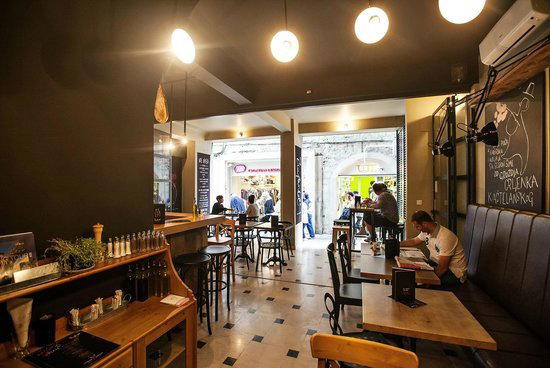
Bars in Split
Browse all →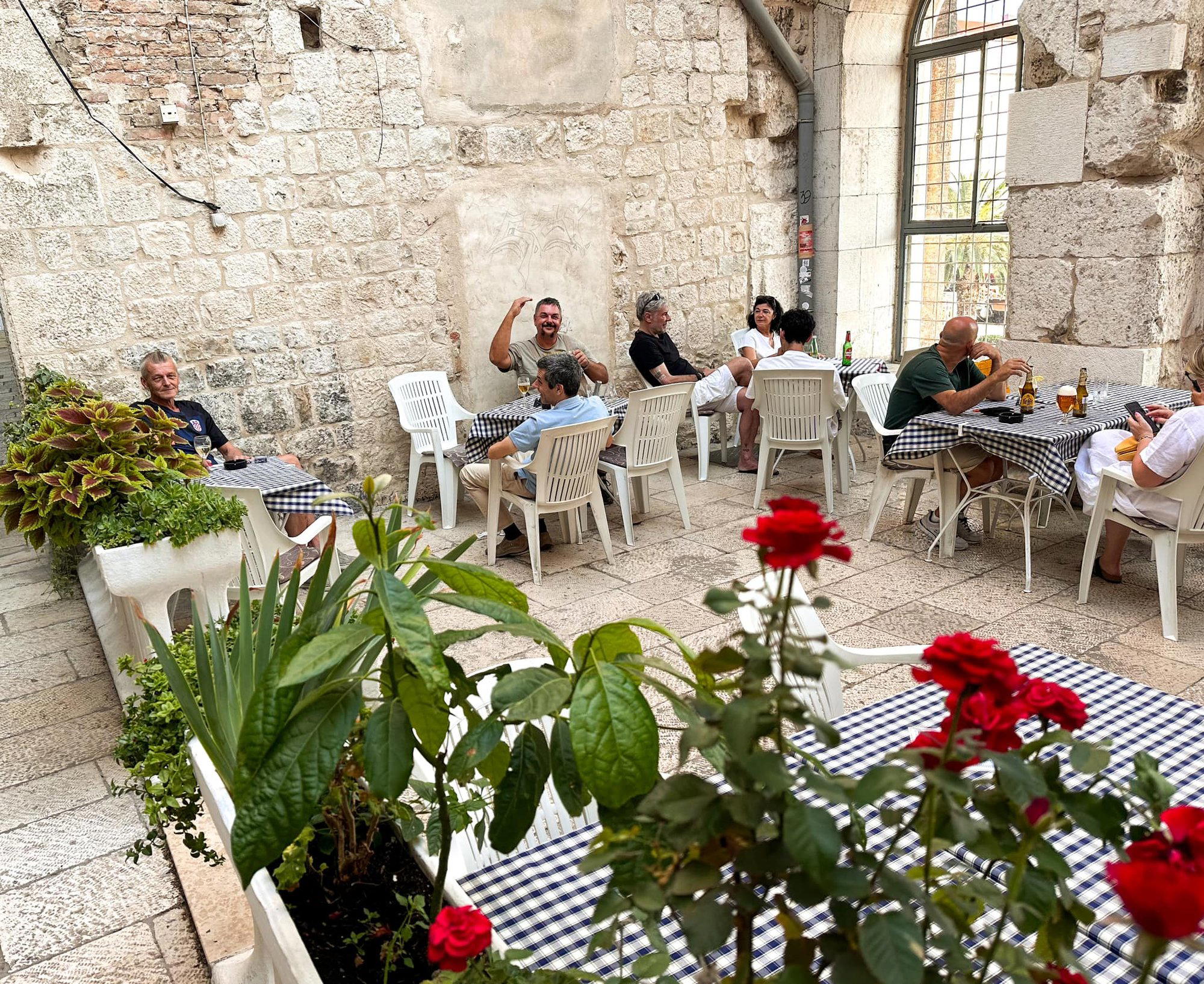
Hotels in Split
Browse all →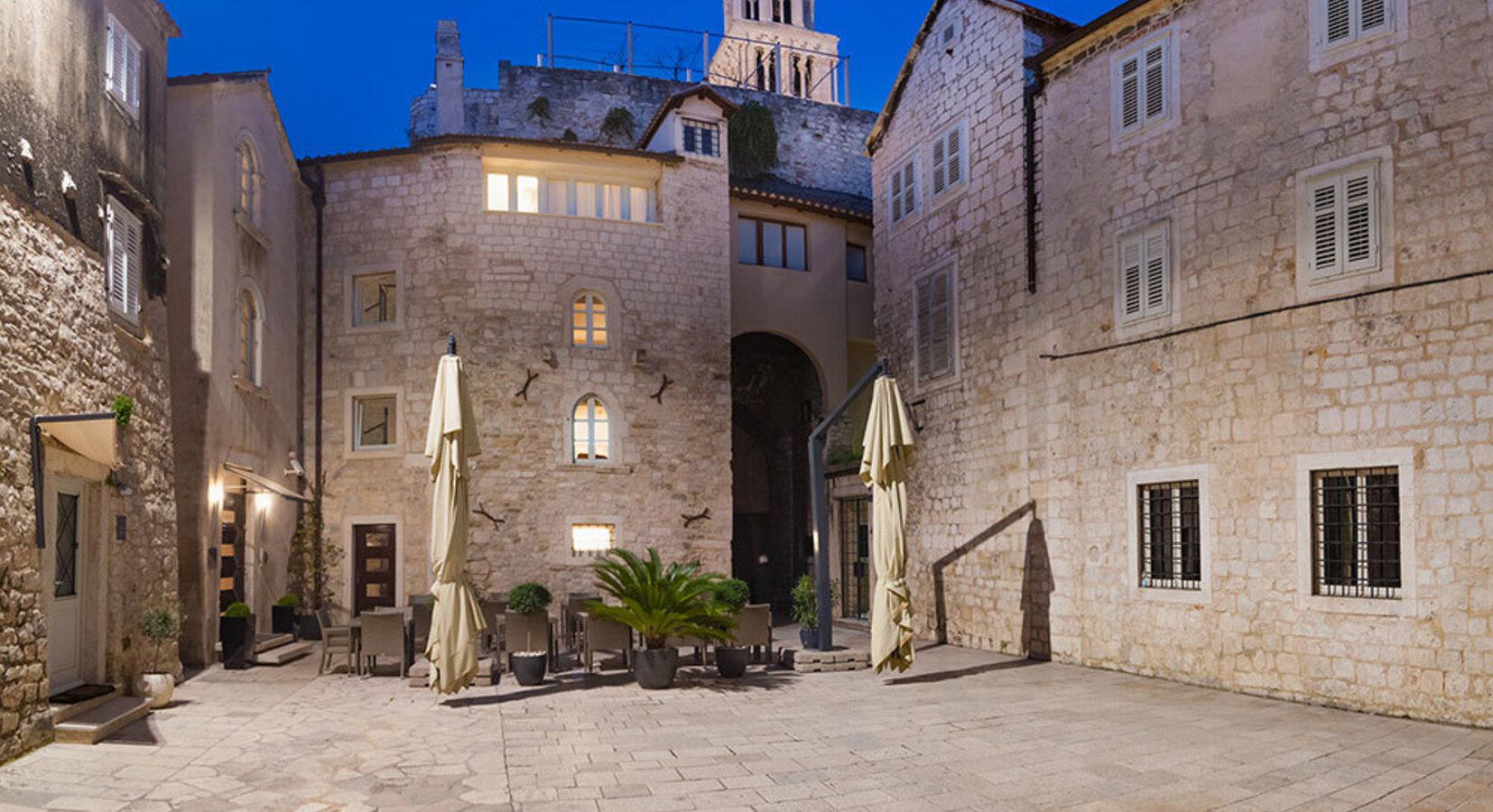

At a Glance
- Intimate
- Cozy
- Elegant
- Date Night
- Special Occasion
- Group Dining
- Open Kitchen
- Courtyard
- Historic Building
- Street Scene
Current opening hours
- Monday
- 11:30 AM–10 PM
- Tuesday
- 11:30 AM–10 PM
- Wednesday
- 11:30 AM–10:30 PM
- Thursday
- 11:30 AM–10:30 PM
- Friday
- 11:30 AM–11 PM
- Saturday
- 11:30 AM–11 PM
- Sunday
- 11:30 AM–10 PM
Hours can change for holidays and private events. Last verified .
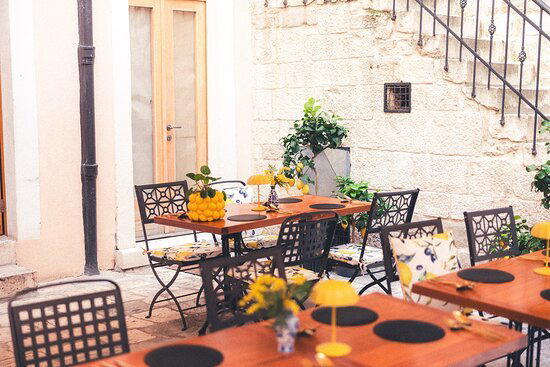
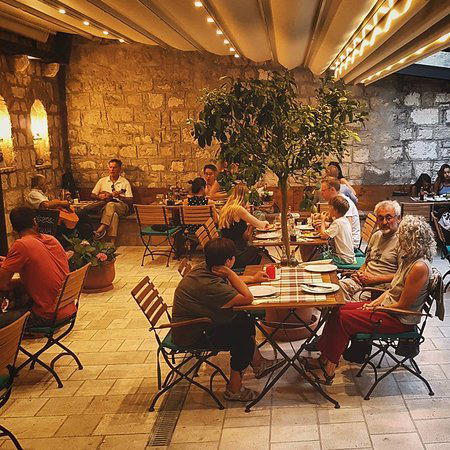
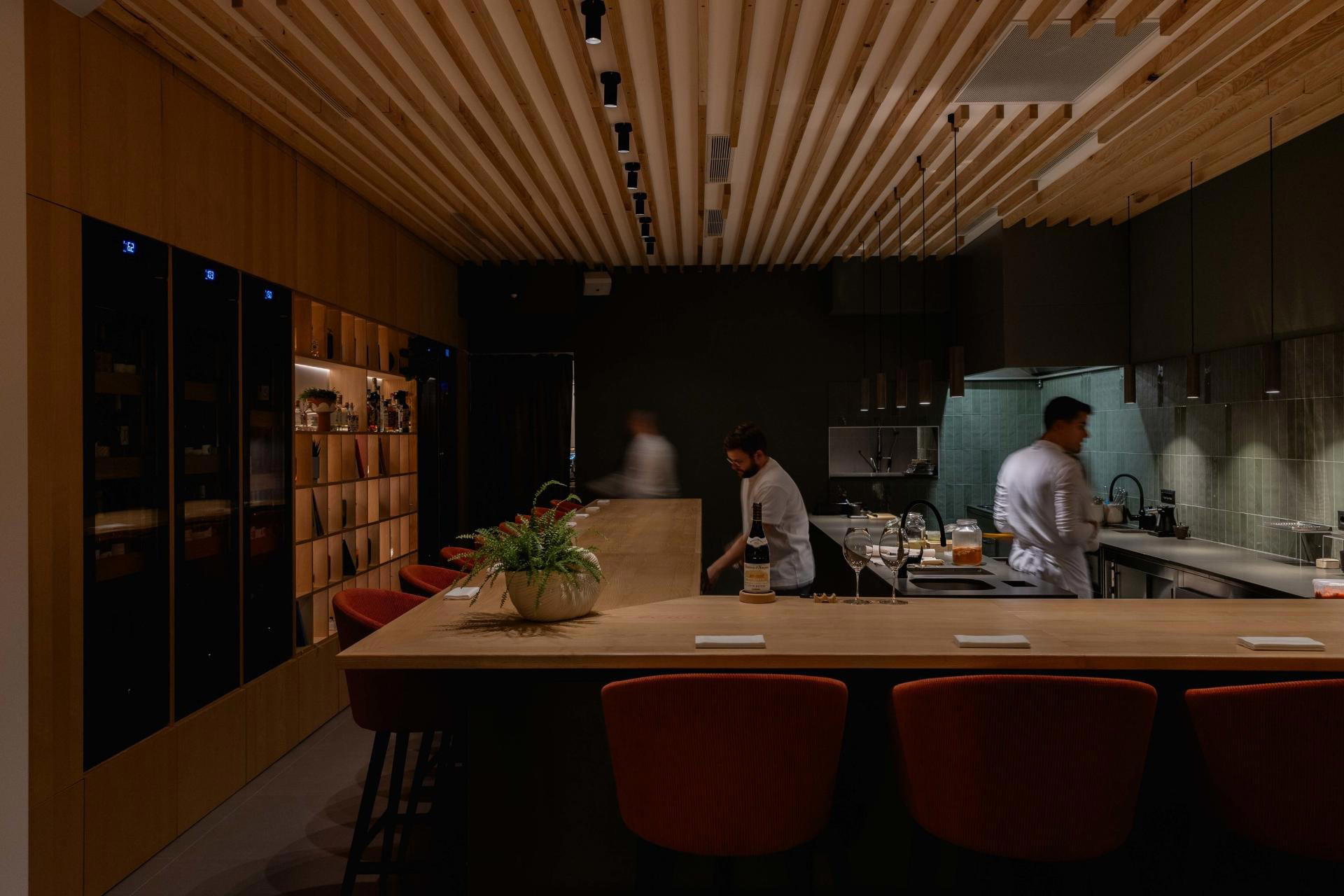
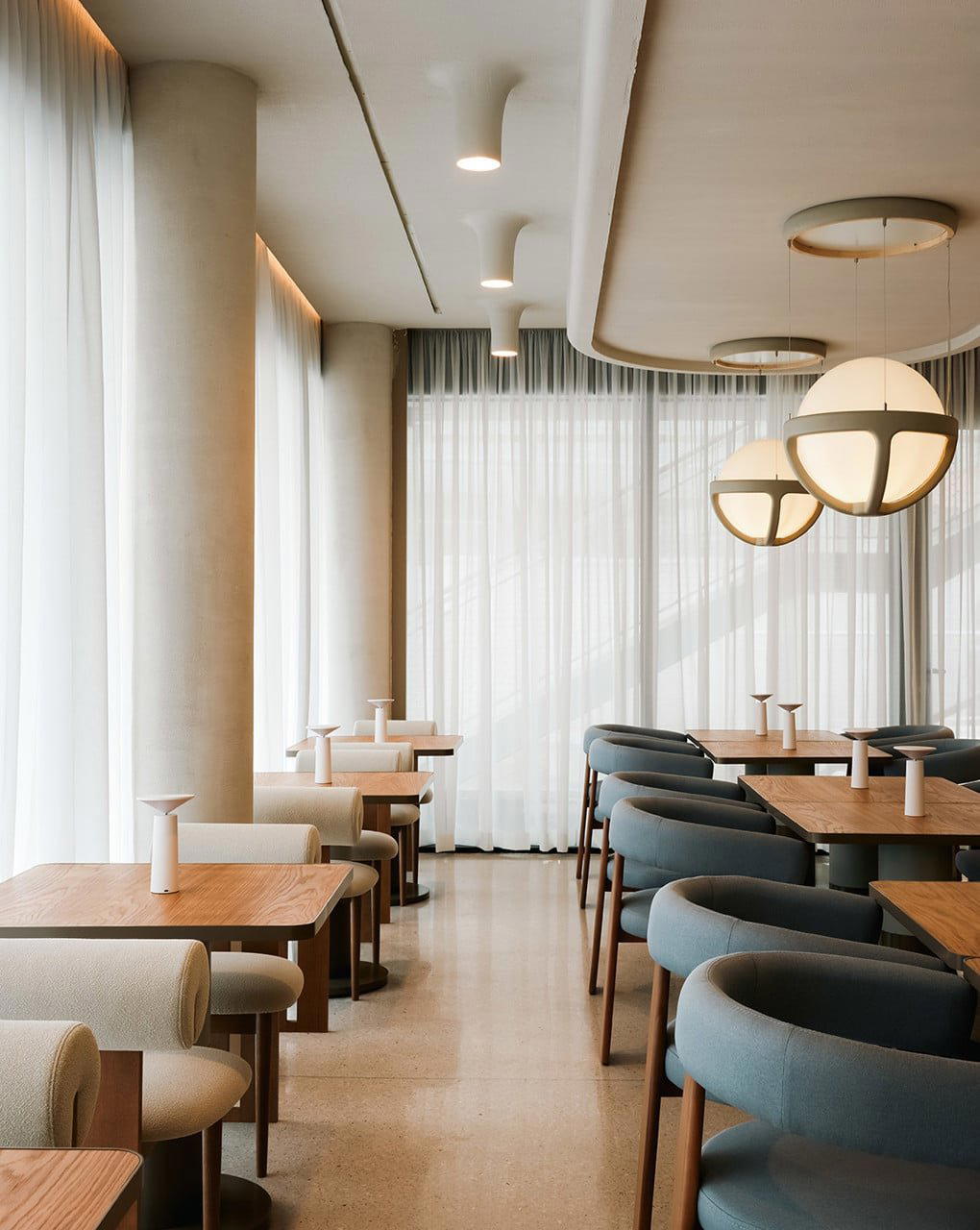
Intimate and cozy environment in a historic courtyard with subdued, elegant atmosphere and charming indoor/outdoor seating.