On a quiet lane just inside Split's Diocletian Palace walls, Pimpinella occupies the kind of address that rewards those who look past the Old Town's main thoroughfares. The cooking draws on Dalmatian coastal tradition while showing the technical refinement that has come to define the better end of Split's dining scene. It sits in a mid-to-upper tier where serious food and genuine local character coexist without performance.
Pearl is the En Primeur Club membership app — saves, bookings, and concierge access live there. Same editors, same standards.
- Address
- Spinčićeva ul. 2A, 21000, Split, Croatia
- Phone
- +38521389606
- Website
- pimpinella.hr
- Directions
- Get directions
 Saves & bookings on Pearl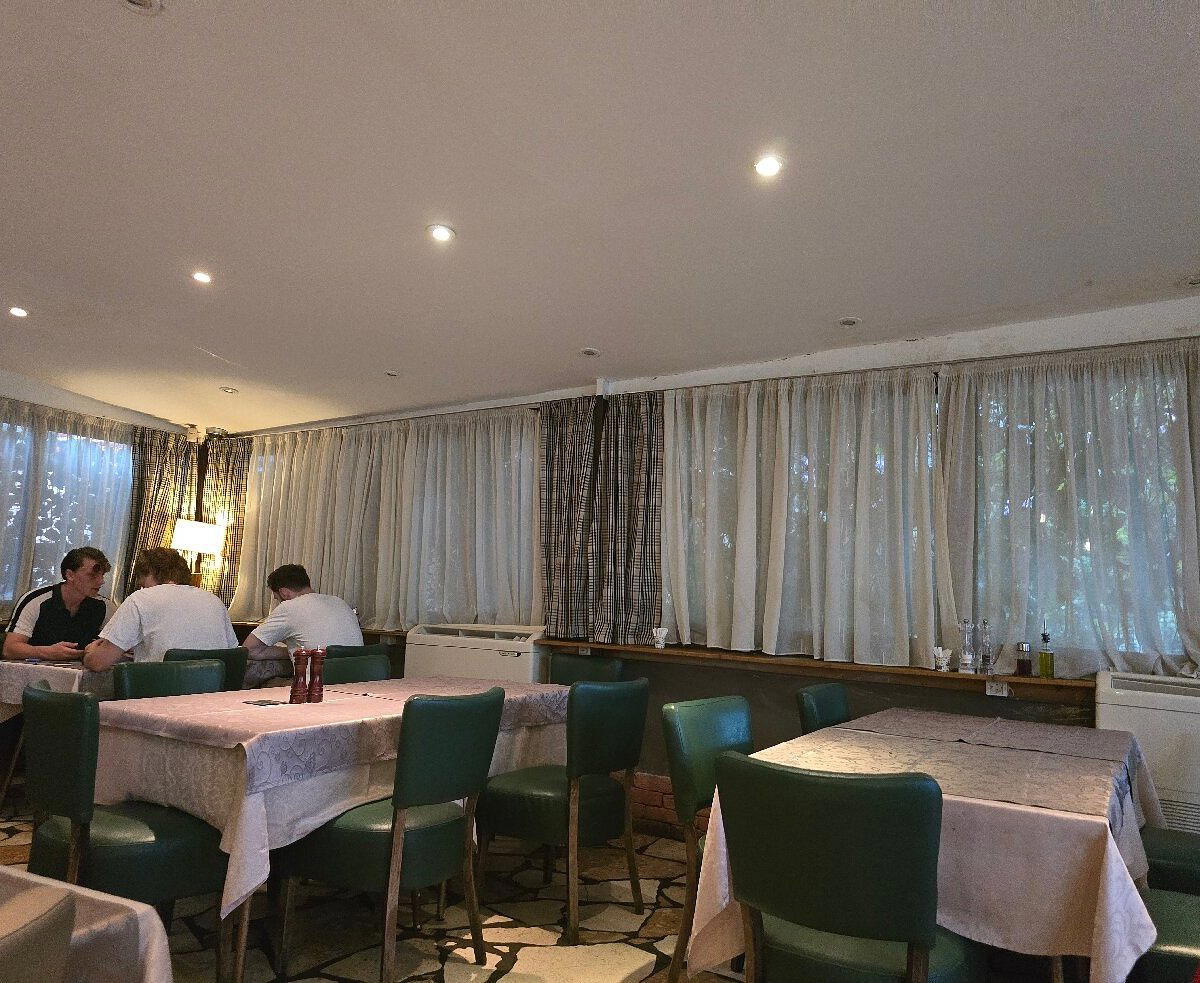
A Lane, a Threshold, and What Split's Dining Has Become
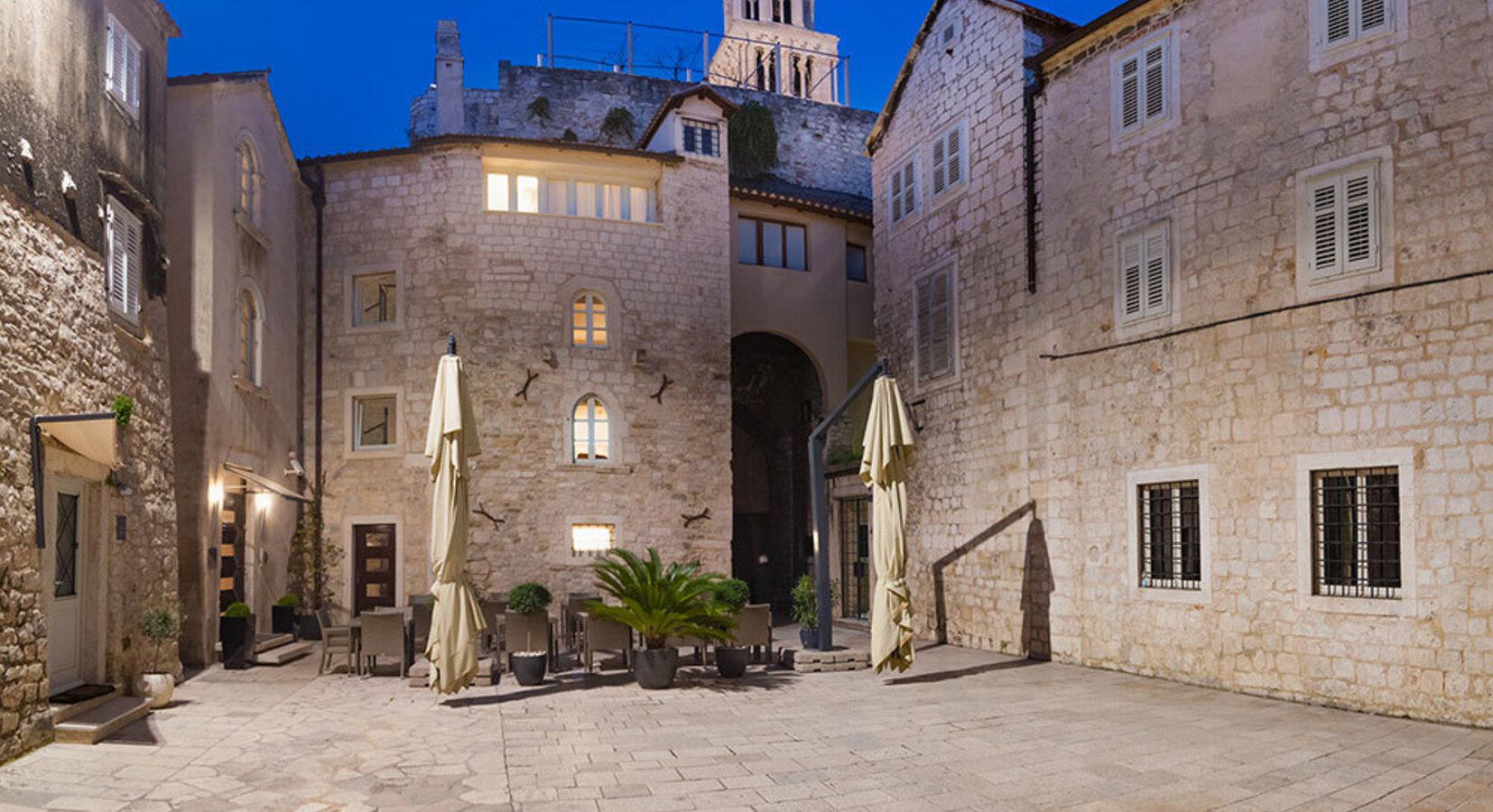
Spinčićeva ulica is the sort of street that tourists photograph without stopping to eat on. Narrow, stone-flagged, shaded for most of the day by the compressed geometry of the Diocletian Palace district, it runs without fanfare past doors that could belong to a residence, a storage room, or a restaurant. Pimpinella occupies one of those doors at number 2A. What has changed over the past decade is what you find behind the door.
Split's restaurant scene entered the 2010s still trading heavily on location and Adriatic nostalgia. The palace precinct guaranteed footfall, and footfall made ambition optional. That equation has since shifted. A cohort of places inside and immediately around the old walls now operates with the seriousness of venues that understand they are competing not just with the restaurant two streets over but with the broader Croatian fine-dining conversation that includes Pelegrini in Sibenik, LD Restaurant in Korčula, and the Michelin-recognised tables of Agli Amici Rovinj in Rovinj. Pimpinella belongs to that more self-aware generation within Split.
The Shape of the Cooking
Dalmatian cuisine is, at its structural core, a Mediterranean argument for restraint: olive oil over butter, grilling over braising, fish over meat, and the sea's salinity doing much of the seasoning work. The risk for any restaurant in this tradition is that restraint becomes an excuse for inertia, and the grilled sea bass with a lemon wedge arrives indistinguishable from what it was thirty years ago. The better Split addresses, Pimpinella among them, have found ways to honour that structural logic while bringing enough technical precision to reward a diner who has already eaten well across the coast.
Within Split's current dining tier, the reference points are instructive. Krug and Adriatic operate at a Mediterranean €€€ price point with polish and regional sourcing as their primary signals. Bistro Noir and Bokamorra occupy different register entirely, the former leaning into bistro formality, the latter toward a more casual, shareable format. Bajamonti POP sits at the accessible end. Pimpinella's positioning within that spread reflects a kitchen that takes Dalmatian ingredients seriously without making the tasting-menu apparatus the whole story.
Croatia's Adriatic coast produces some of the Adriatic's most consistent raw material: Pag lamb and Pag cheese from the karst island sixty kilometres northwest, prstaci clams from the shallows along the mainland coast, red scorpionfish from deeper Adriatic waters, and olive oil from Dalmatian cultivars that produce a grass-green, low-acidity profile quite different from the broader Mediterranean norm. A kitchen working with these ingredients is not starting from neutral ground; it is starting from an advantage, and the question is whether the cooking honours or squanders it.
How the Scene Around It Has Evolved
Nebo by Deni Srdoč in Rijeka arrived as a signal that the country's north was producing chefs willing to operate at an internationally legible fine-dining level. Dubravkin Put in Zagreb and Korak in Jastrebarsko demonstrated that the inland Croatian table could sustain genuine ambition. Along the coast, Boskinac in Novalja built a model around the estate's own wine production and island sourcing, and Alfred Keller in Mali Lošinj showed that even the smaller islands could sustain technically serious kitchens. Restaurant 360 in Dubrovnik has become a reference point for what coastal fine dining looks like at full ambition.
Split, with its year-round resident population and a tourist season that now extends well beyond July and August, has been slower to consolidate a fine-dining identity than Dubrovnik. The palace precinct both helps and hinders: the architecture guarantees a constant supply of willing diners, but it also allows a certain number of addresses to coast on setting without developing cooking worth returning for. The restaurants that have earned repeat visits from both visitors and locals have done so by treating the Dalmatian pantry as a precise toolkit rather than a romantic backdrop.
Internationally, the trajectory of coastal-Mediterranean cooking at this level can be traced through different contexts: the technical rigour that Le Bernardin in New York City brought to the argument for seafood as the primary canvas, or the precision-driven tasting format that Atomix in New York City applies to a completely different culinary tradition. The lesson those rooms carry, that ingredients at the quality ceiling of a region deserve treatment at the technical ceiling of the kitchen, is one that the better Dalmatian addresses have been absorbing in their own register.
Getting There and Planning a Visit
Spinčićeva ulica 2A sits inside the palace walls, which means arriving on foot from the Peristyle or the eastern gate takes less than five minutes once you know the street layout. The palace's interior is a working neighbourhood with genuine residential density, not a pedestrianised museum zone, so approach with a map or a specific address rather than relying on signage. BioMania Bistro Bol in Bol as a counterpoint worth the ferry crossing.
Where the Accolades Land
Comparable venues nearby, for context on price, style, and recognition.
| Venue | Cuisine | Price | Notes |
|---|---|---|---|
| PimpinellaThis venue — the venue you are viewing | Croatian Mediterranean Seafood | $$ | Not listed |
| OliveTree by boiler™ | Mediterranean Pizza & Croatian | $$ | Riva |
| Corto Maltese | Modern Mediterranean Freestyle | $$$ | old town |
| Konoba Matejuska | Authentic Dalmatian Seafood | $$ | Varoš |
| Oš Kolač - Artisan Cakes and Pastries | Artisan Pastries & Modern Desserts | $$ | Old Town Split |
| Restaurant Méditerranée | Contemporary Mediterranean with Dalmatian Heritage | $$$$ | Waterfront (Trumbićeva obala) |
Continue exploring
More in Split
Restaurants in Split
Browse all →
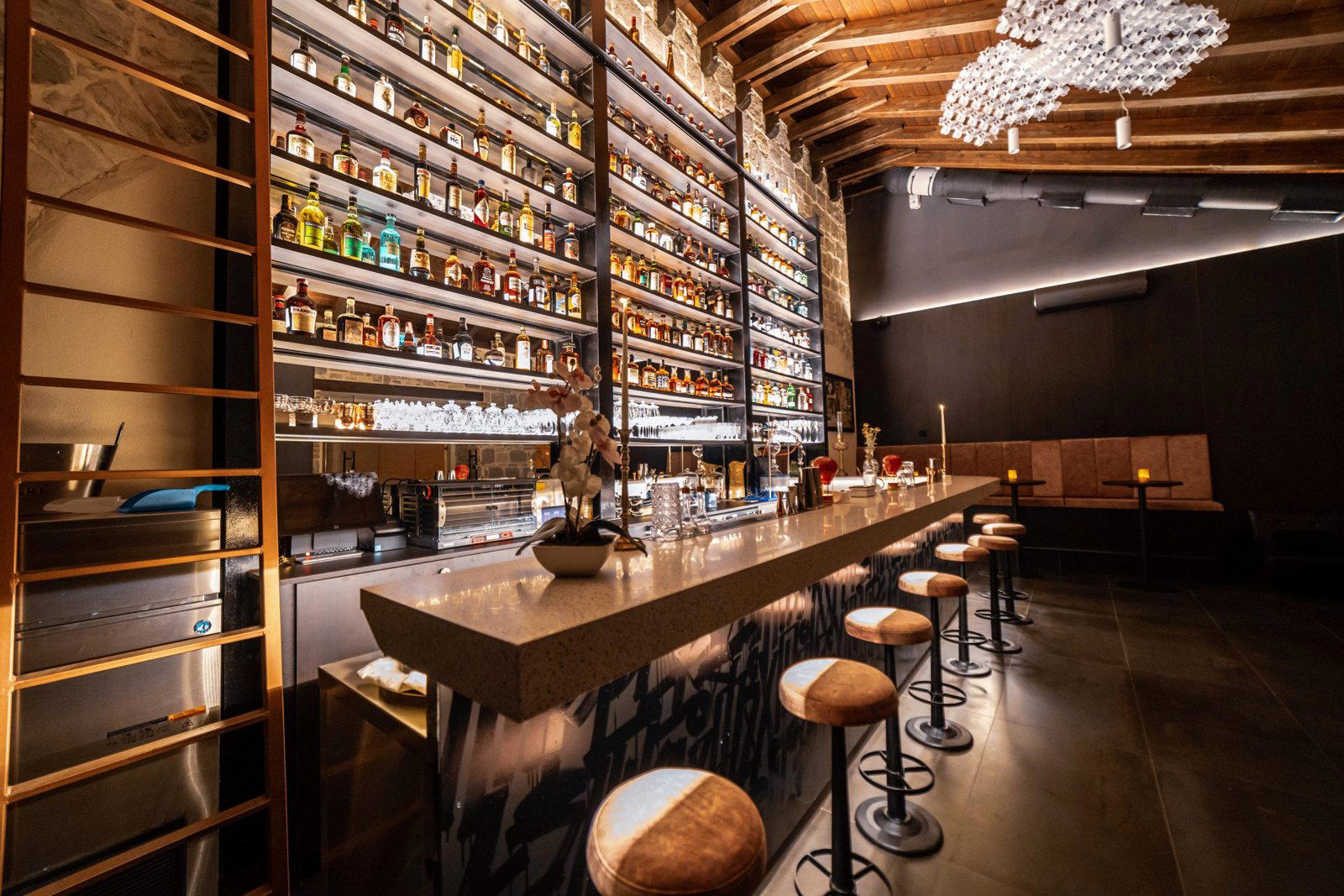
Bars in Split
Browse all →
Hotels in Split
Browse all →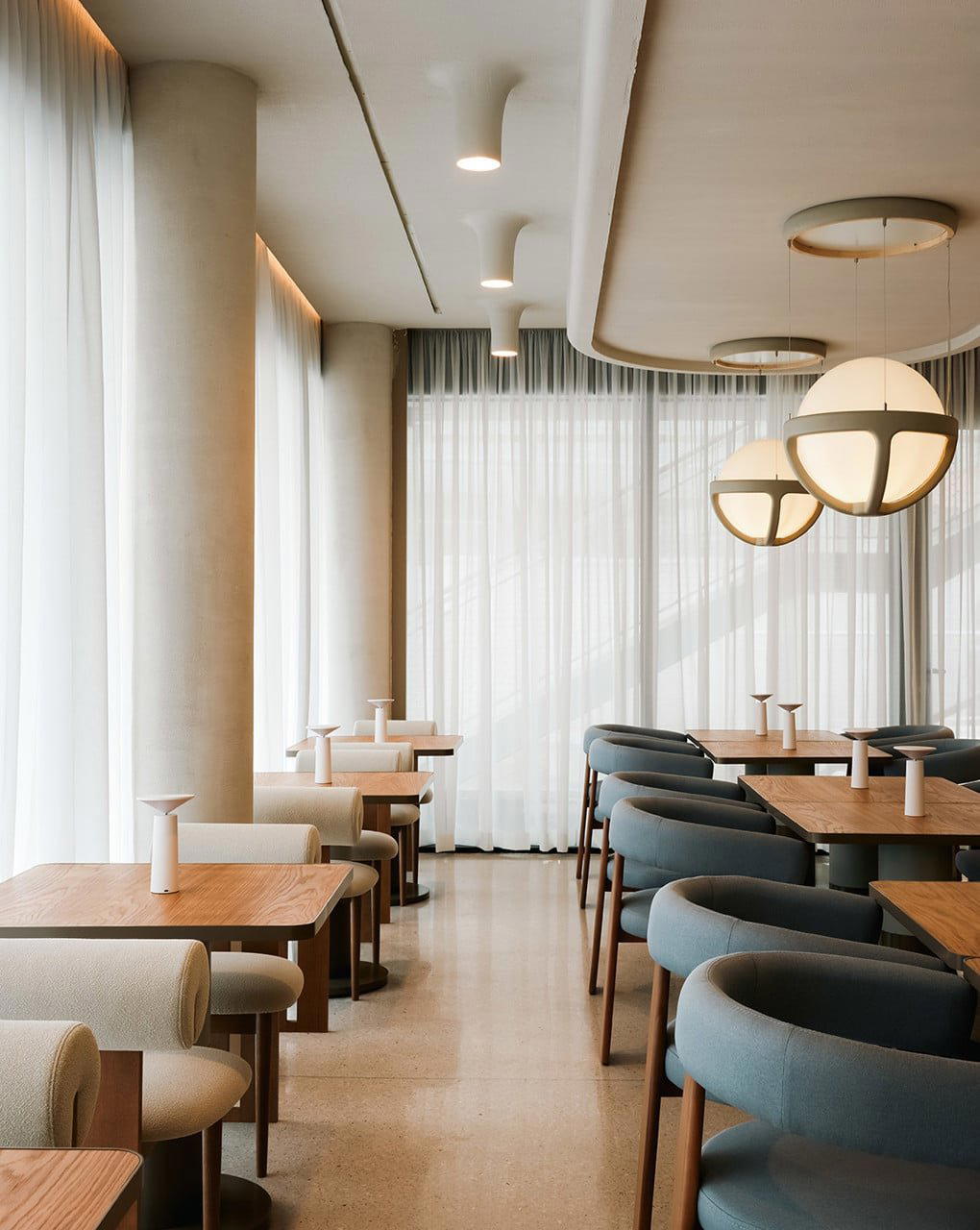

At a Glance
- Cozy
- Casual Hangout
- Terrace
- Garden
- Garden
Current opening hours
- Monday
- 9 AM–12 AM
- Tuesday
- 9 AM–12 AM
- Wednesday
- 9 AM–12 AM
- Thursday
- 9 AM–12 AM
- Friday
- 9 AM–12 AM
- Saturday
- 9 AM–12 AM
- Sunday
- 10 AM–5 PM
Hours can change for holidays and private events. Last verified .
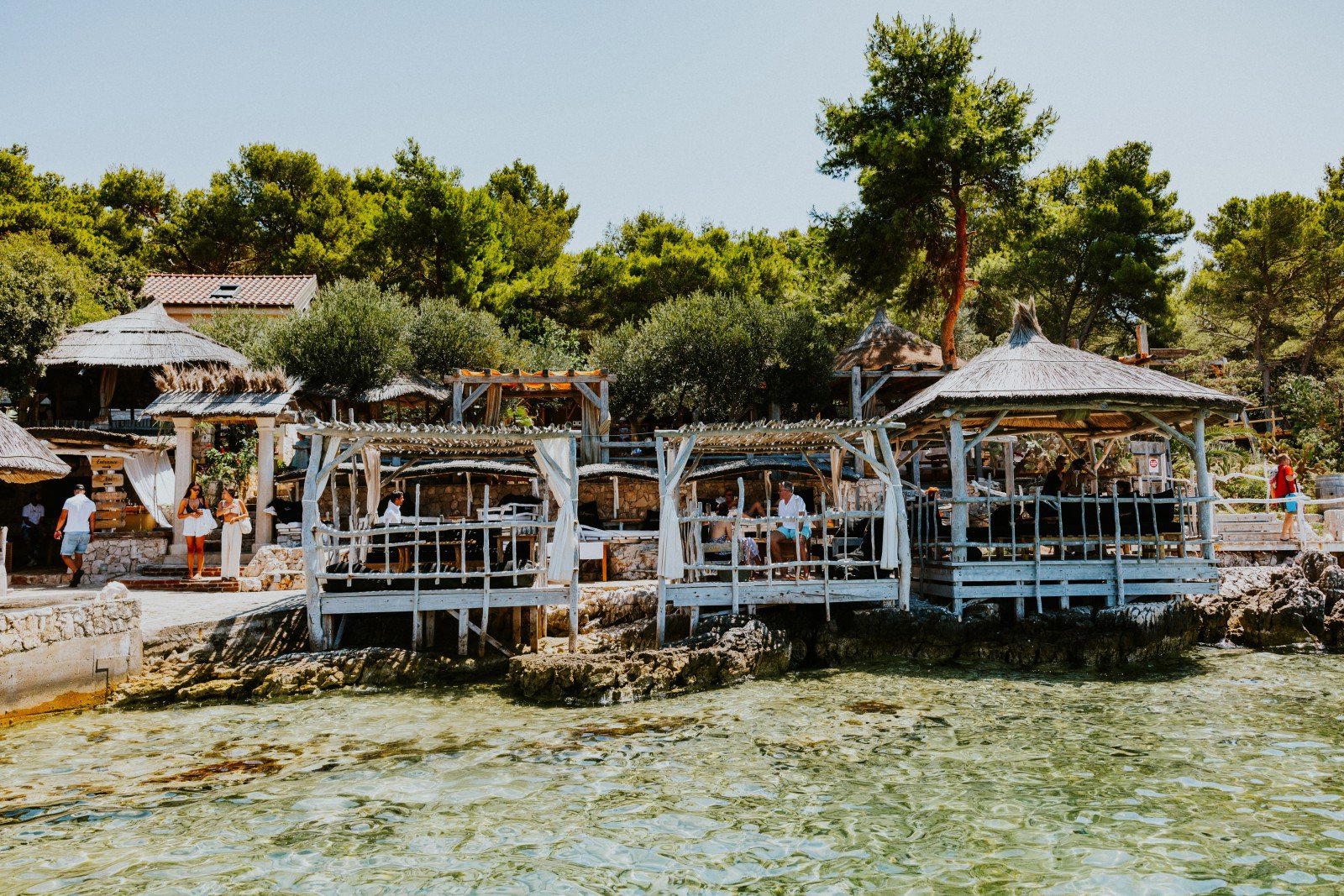
Casual garden-like backyard atmosphere with shaded terrace and pleasant, homey Croatian hospitality.