Our verdict
Porcini Trattoria occupies a quietly established position in Curitiba's Batel neighbourhood, where Italian trattoria culture has taken firmer root than in most Brazilian cities. Located on Rua Buenos Aires, it draws a loyal local crowd whose return visits say more about consistency than novelty. For travellers calibrating Curitiba's Italian dining tier, it belongs to the conversation alongside the neighbourhood's longer-standing addresses.

Pearl is the En Primeur Club membership app — saves, bookings, and concierge access live there. Same editors, same standards.
- Address
- R. Buenos Aires, 277 - Batel, Curitiba - PR, 80250-070, Brazil
- Phone
- +554130235117
- Hours
- Mon–Fri 7–11 PMSat 12–4 PM, 7–11 PMSun 12–4 PM
- Website
- porcini.com.br
- Directions
- Get directions
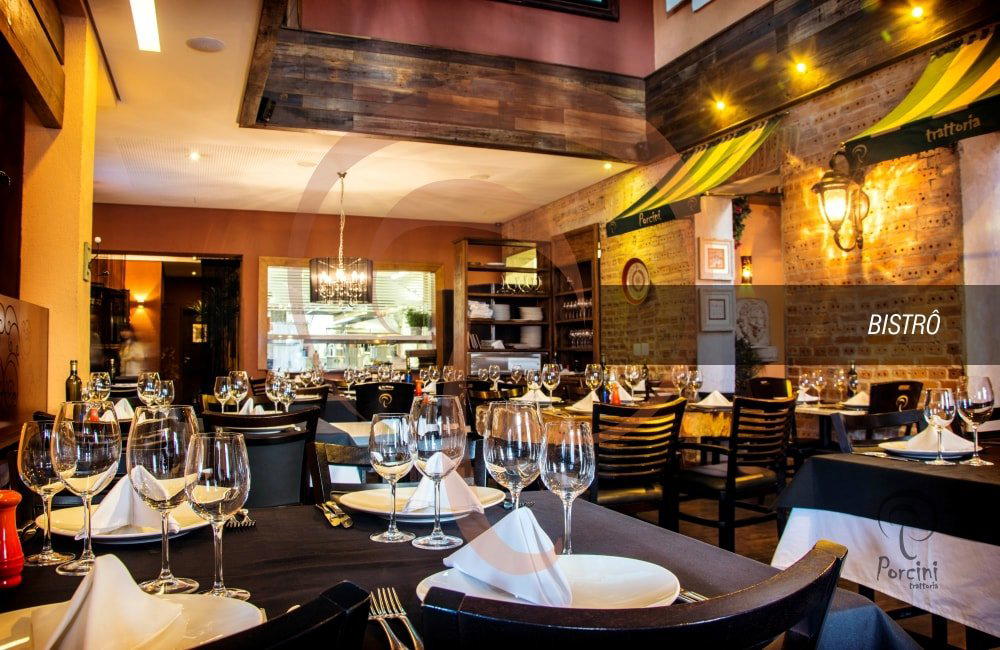
What Batel's Repeat Diners Already Know
Curitiba's relationship with Italian food is not incidental. The city's southern Brazilian identity was shaped by waves of European immigration, and that heritage surfaces most legibly in the Batel and Bigorrilho neighbourhoods, where trattoria-format restaurants have held ground against the broader trend toward tasting-menu formality that defines higher-profile venues like D.O.M. in São Paulo or Lasai in Rio de Janeiro. In this part of the city, the trattoria is not a nostalgic affectation. It is a functioning social format, and Porcini Trattoria on Rua Buenos Aires sits squarely within that tradition.
The address itself signals something. Rua Buenos Aires in Batel is a street that residents and long-term visitors learn over time rather than through any directory. Restaurants that occupy it tend to earn their clientele through word of mouth and accumulated goodwill rather than placement in tourist circuits. Porcini Trattoria has that quality: the kind of place a Curitiba regular directs you to with the confidence of someone who has sat at the same table more than once.
The Regulars' Calculus
In any city with a functioning Italian trattoria tradition, the return visit is the most honest measure. First-timers might assess a menu intellectually; regulars vote with their frequency. The clientele that builds around a trattoria in a neighbourhood like Batel tends to be local, professional, and resistant to novelty for its own sake. They want a kitchen that executes the same dishes with the same results across visits. That consistency, harder to achieve than it sounds in a Brazilian restaurant market that prizes reinvention, is what distinguishes a trattoria with genuine regulars from one that exists primarily to capture passing traffic.
Porcini Trattoria's position on Rua Buenos Aires, 277, places it within reasonable reach of Batel's residential core, where that kind of diner is concentrated. Batel is not a tourist neighbourhood in the way that parts of São Paulo or Rio de Janeiro attract international footfall. It is, by Brazilian standards, a prosperous local district with restaurants that answer to residents first. That orientation shapes what a kitchen prioritises: portion reliability, ingredient consistency, and the kind of service that remembers preferences without theatrical display.
Across Curitiba's Italian tier, the competition for this diner type is real. Barolo Curitiba occupies a more formal register, while Calabouço Restaurante e Pizzaria approaches the Italian-Brazilian overlap from a different angle. Batel Grill serves the neighbourhood's appetite for grilled protein, and Aizu represents the Japanese-Brazilian thread that runs through the city's dining identity. Each fills a distinct role. Porcini Trattoria's niche is the table where you return for the food rather than the occasion.
Italian Cooking in a Southern Brazilian Context
The trattoria format arrived in southern Brazil through Italian settlers who concentrated in Paraná, Rio Grande do Sul, and Santa Catarina from the late nineteenth century onward. What that history produced, over several generations, is a regional Italian-Brazilian cooking tradition that diverges meaningfully from both Italian-American adaptations and from the more ingredient-focused Italian cooking now practiced at fine-dining level in São Paulo. Southern Brazil's Italian food is generous, protein-anchored, and deeply tied to communal eating rhythms. It does not perform minimalism.
Understanding that context helps position what a trattoria like Porcini is and is not trying to do. It is not competing with the kind of rigorous ingredient-sourcing programs that define benchmark European-influenced restaurants at the level of Le Bernardin in New York City or the precision fermentation work visible at Atomix in New York City. It is working within a different tradition, one where the measure of quality is fidelity to a regional cooking culture rather than departure from it. That is not a lesser ambition. It is simply a different one, and it is the one that sustains a neighbourhood following over years rather than months.
Southern Brazil's restaurant culture also sits in contrast to what travellers encounter at the regional Italian end of the spectrum elsewhere in Brazil. Cantina Pozzobon in Santa Maria represents a comparable Italian-heritage format in another southern city, and the comparison is instructive: both operate in communities with deep Italian settlement history, both draw on that tradition for legitimacy, and both answer to a local diner whose expectations were formed by domestic cooking as much as by restaurant going.
Batel as a Dining Neighbourhood
Batel occupies a specific tier in Curitiba's internal geography. It is the neighbourhood most associated with the city's professional and commercial upper-middle class, which means its restaurants carry a particular set of expectations around service reliability and dining room comfort. The format that succeeds here is not the experimental pop-up or the chef-driven tasting counter; it is the address that earns trust across dozens of visits and becomes part of the rhythm of local life.
Curitiba itself is frequently underestimated in the Brazilian dining conversation, which tends to centre on São Paulo as the primary restaurant city. That bias is correctable. The city has a genuine food culture built on European immigration, strong local agriculture in the surrounding Paraná state, and a middle-class dining public with developed expectations. Addresses like Badida Sete represent the more contemporary register of that culture, while the trattoria format at Porcini occupies the longer-established end. For a fuller picture of where Porcini sits within Curitiba's dining scene, the full Curitiba restaurants guide maps the city's tiers in detail.
For context on how Italian-heritage restaurants develop across different Brazilian cities and regions, it is worth noting how distinct local inflections appear even within the same culinary tradition. Bistro Fitz Carraldo in Manaus illustrates how European-inflected cooking adapts to entirely different regional conditions, while Casa da Flor Restaurante in Dourados and Casa da Dika Restô e Eventos in Braganca each represent the varied ways comfort-format dining anchors itself to local communities across the country. The Italian trattoria in southern Brazil is one of the more coherent expressions of that pattern.
Planning Your Visit
Porcini Trattoria is located at Rua Buenos Aires, 277, in the Batel district of Curitiba, Paraná. Batel is accessible from central Curitiba by taxi or rideshare in under fifteen minutes from most downtown addresses. The neighbourhood is walkable once you are in it, with restaurants and services concentrated along its main commercial corridors. Given the venue's standing as a neighbourhood regular rather than a tourist-circuit destination, visiting on a weekday evening, when local dining traffic is more predictable, tends to allow for a less compressed experience. Travellers exploring the wider Curitiba Italian tier should also consider Aero Burguer e Grill in Santa Cruz Do Sul, Arte e café Imperial in Angra Dos Reis, Famosa Pizza in Ribeirao Preto, and Casa da Picanha Penedo in Itatiaia as reference points for understanding how different formats within the Italian-Brazilian tradition perform across the country.
Frequently asked questions
What's the address for Porcini Trattoria?
Porcini Trattoria is located at R. Buenos Aires, 277 - Batel, Curitiba - PR, 80250-070, Brazil, Curitiba.
Is Porcini Trattoria a good option for Italian food in Curitiba's Batel neighbourhood?
Curitiba has one of the strongest cases in Brazil for Italian food credibility, built on Paraná's documented history of Italian immigration from the late 19th century onward. Porcini Trattoria's address on Rua Buenos Aires places it inside Batel, the neighbourhood most associated with the city's established dining scene. For visitors or residents cross-referencing Italian options in that district, Porcini sits within the relevant set to consider.
What's the signature dish at Porcini Trattoria?
What the trattoria format consistently signals in southern Brazil, given the region's Italian settler heritage in Paraná, is housemade pasta and funghi-forward preparations — the name Porcini itself points toward that tradition. For current menu information, visiting the restaurant directly at Rua Buenos Aires, 277 is the most reliable route. Check the venue's official channels for the latest details.
Do I need a reservation for Porcini Trattoria?
Batel is Curitiba's most commercially active dining neighbourhood, and well-regarded trattorias in the district tend to fill on weekday evenings and weekends. Arriving without a reservation mid-week at lunch carries lower risk than a Friday or Saturday dinner, but contacting the restaurant at Rua Buenos Aires, 277 directly before your visit is the practical step.
Cuisine Context
Comparable venues nearby, for context on price, style, and recognition.
| Venue | Cuisine | Price | Notes |
|---|---|---|---|
| Porcini TrattoriaThis venue — the venue you are viewing | Tuscan Trattoria | $30–50 | Not listed |
| Nuu Nikkei | Nikkei Fusion (Japanese-Peruvian) | Not listed | Bigorrilho |
| Batel Grill | Brazilian Churrascaria with Japanese Buffet | $20–30 | Batel |
| Calabouço Restaurante e Pizzaria | Italian Pizza and Pasta in Medieval Setting | $10–20 | Centro Cívico |
| Churrascaria Jardins Grill | Brazilian Churrascaria Rodízio with Japanese Influences | $30–50 | Rebouças |
| Badida Sete | Brazilian Steakhouse | $20–30 | Batel |
Continue exploring
More in Curitiba
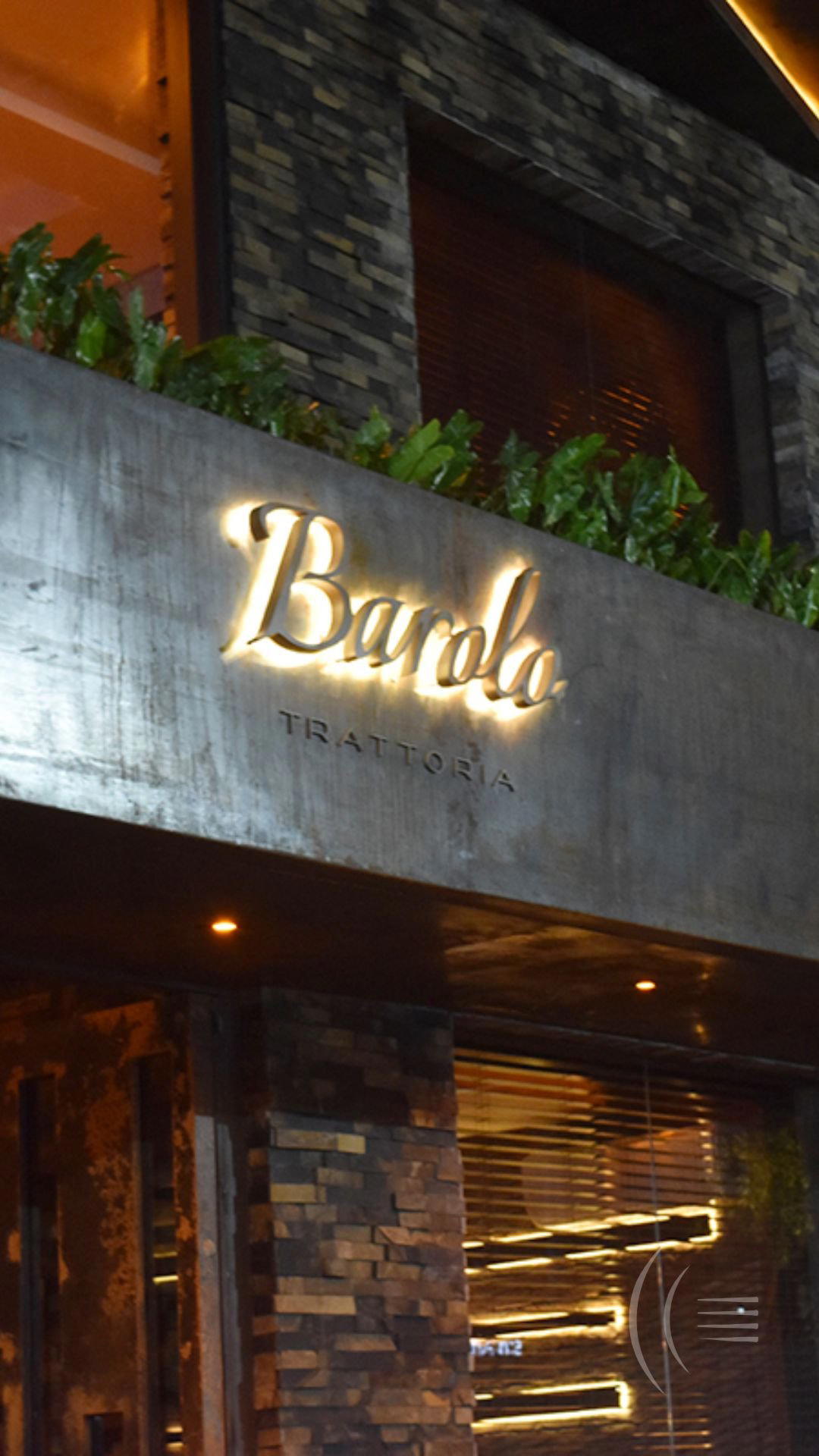
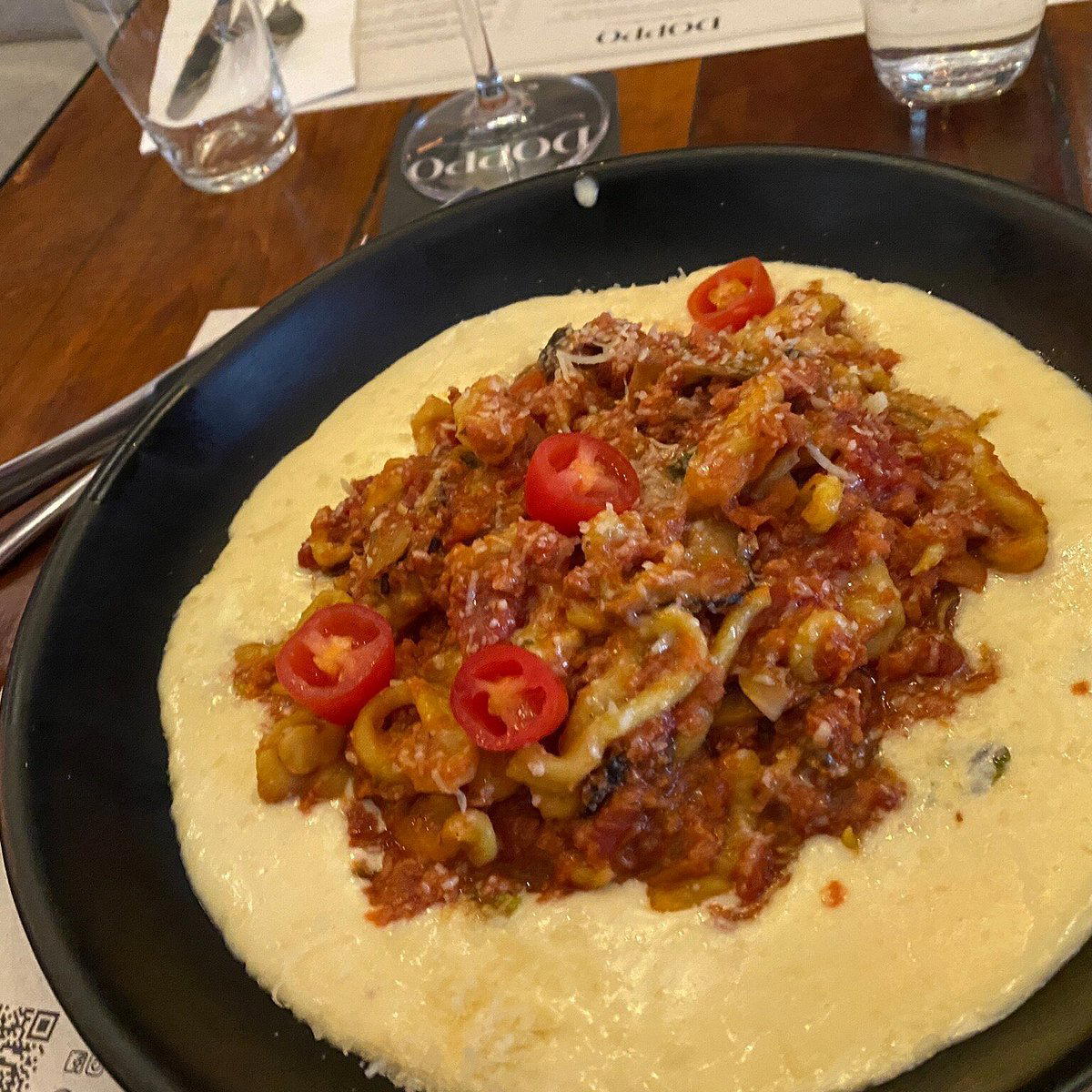
Porcini Trattoria
The wine
- Wine program
- Exceptional wine program
- Extensive wine list
Details
- Cozy
- Elegant
- Intimate
- Date Night
- Group Dining
- Special Occasion
- Wine Cellar
- Private Dining
- Extensive Wine List
- A La Carte
- Vegetarian Friendly
Current opening hours
- Monday
- 7–11 PM
- Tuesday
- 7–11 PM
- Wednesday
- 7–11 PM
- Thursday
- 7–11 PM
- Friday
- 7–11 PM
- Saturday
- 12–4 PM, 7–11 PM
- Sunday
- 12–4 PM
Hours can change for holidays and private events. Last verified .
Elegant and cozy atmosphere with low lighting, traditional decor, fireplace, and welcoming lounge suitable for intimate dinners or groups.