Our verdict
Barolo Curitiba sits on Av. Silva Jardim in the Água Verde neighbourhood, one of Curitiba's more considered residential dining corridors. The name signals an Italian wine-country orientation in a city that has long maintained a serious relationship with European culinary traditions, shaped by waves of Italian and German immigration to Paraná state.

Pearl is the En Primeur Club membership app — saves, bookings, and concierge access live there. Same editors, same standards.
- Address
- Av. Silva Jardim, 2487 - Água Verde, Curitiba - PR, 80240-020, Brazil
- Phone
- +554132433430
- Hours
- Mon–Fri 12–2:30 PM, 7 PM–12 AMSat 12–3:30 PM, 7 PM–12 AMSun 11:30 AM–4 PM
- Website
- barolotrattoria.com.br
- Directions
- Get directions
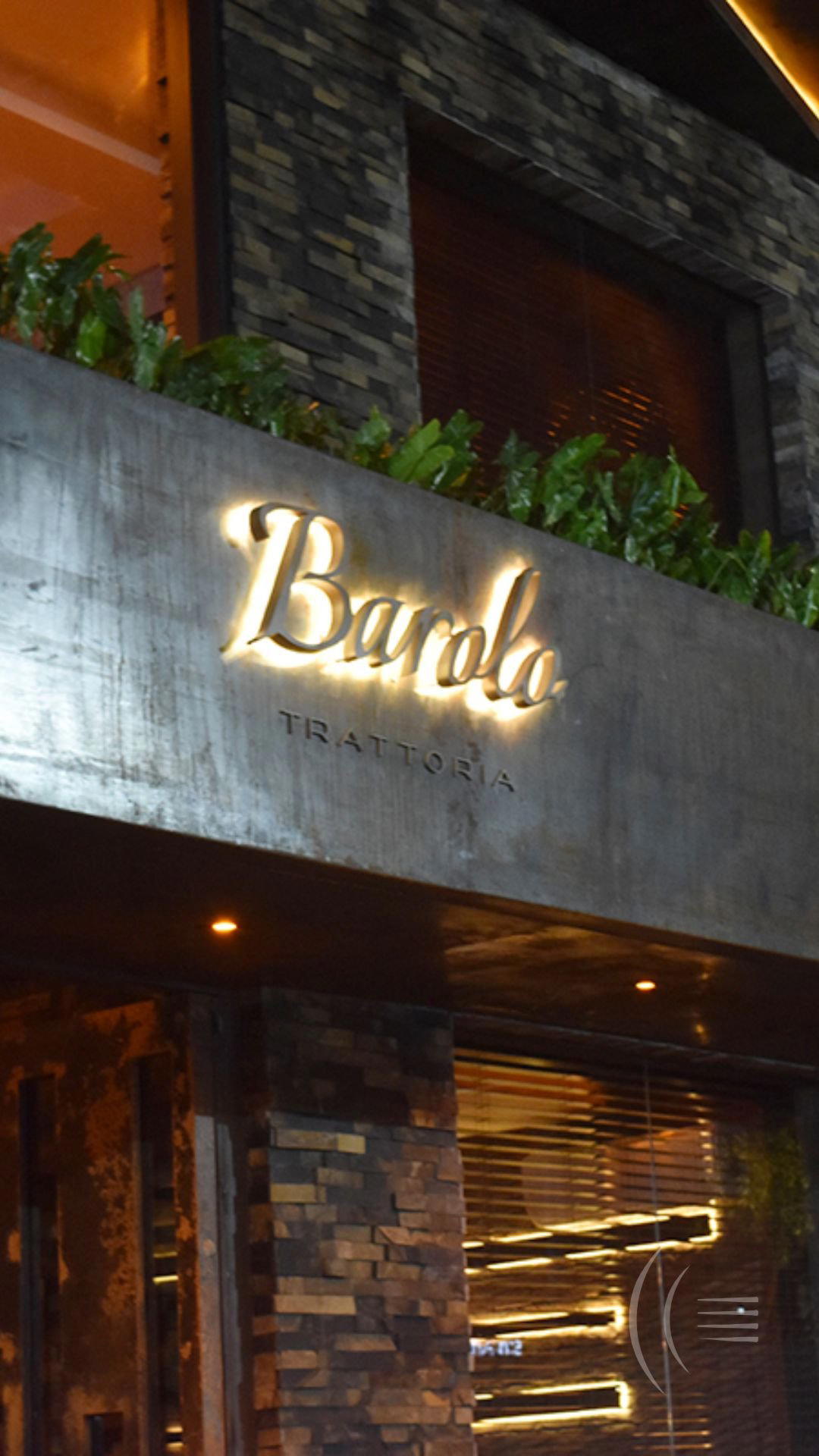
Italian Roots in Paraná: What Barolo Curitiba Represents in Context
Curitiba's dining scene is often misread by visitors expecting a scaled-down version of São Paulo's restaurant culture. It is, in fact, a city with its own culinary logic — one shaped significantly by the European immigration that defined Paraná state from the mid-nineteenth century onward. Italian settlers arrived in numbers large enough to leave a permanent structural mark: on the food supply chains, the wine culture, and the kinds of restaurants the city's residents treat as neighbourhood anchors rather than destination occasions. Barolo Curitiba, addressed on Av. Silva Jardim in Água Verde, sits within that tradition. The name itself is a reference to Barolo, the Nebbiolo-based wine produced in Piedmont's Langhe hills — a wine associated in Italy with age-worthiness, austerity in youth, and a tannin structure that rewards patience. Choosing that reference as a venue name in Curitiba is not casual. It positions the address within a specific register of Italian food and wine culture, one oriented toward northern Italy rather than the red-checked-tablecloth trattoria shorthand.
Água Verde and the Neighbourhood Dining Pattern
Água Verde is one of Curitiba's denser residential neighbourhoods, and Av. Silva Jardim functions as one of its main commercial arteries. Restaurants in this corridor tend to serve a local clientele with expectations built over years of regular visits rather than one-off tourism. That dynamic produces a different kind of dining culture than you find in heavily touristed areas: chefs and kitchen teams are accountable to repeat customers in a way that keeps the offer honest. The comparison set for a venue at this address includes Curitiba's established neighbourhood Italian and European operations, alongside newer entries in the Batel and Bigorrilho areas. For broader Italian-adjacent reference in the city, Badida Sete and Batel Grill represent different price points and format orientations in Curitiba's mid-to-upper dining tier, while Calabouço Restaurante e Pizzaria maps the more casual end of the city's Italian-influenced offer.
The Italian-Brazilian Culinary Interface
Understanding what a name like Barolo signals in a Brazilian context requires some historical grounding. The Italian immigration to southern Brazil, concentrated heavily in Rio Grande do Sul, Santa Catarina, and Paraná between roughly 1875 and 1930, produced a hybridised food culture that is neither authentically Italian nor simply Brazilian. Pasta-making traditions survived and adapted. Wine culture took root, particularly in the Serra Gaúcha, where Nebbiolo and other northern Italian varieties were eventually planted. By the time Curitiba's restaurant scene began professionalising in the 1990s and accelerating through the 2000s, the city's relationship with Italian food was one of the oldest and most embedded of any Brazilian metropolis. What distinguishes the better addresses in this tradition from tourist-facing Italian restaurants is precisely the kind of specificity the Barolo name implies: a fluency with regional Italian distinctions, with wine, and with the kind of restraint that characterises Piedmontese cooking at its finest. Across Brazil, this quality of Italian-inflected dining shows up in different registers, Olivetto Restaurante E Enoteca in Campinas is one reference point in the enoteca format, and further afield, venues like Oteque in Rio de Janeiro and D.O.M. in São Paulo show what the upper end of Brazilian fine dining looks like when European technique meets local produce.
Where Barolo Curitiba Fits the City's Broader Scene
Curitiba punches above its weight in terms of dining seriousness. The city has a higher-than-average rate of food-educated consumers, partly a function of its economic profile and its large university population, and partly a function of the European cultural inheritance that made wine and table culture socially central long before the national restaurant boom of the 2000s. For the Curitiba visitor building a considered itinerary, the city's dining map rewards neighbourhood-level attention. The Batel corridor and the Água Verde-adjacent zones contain the bulk of the city's serious restaurant stock. Aizu and Cantinho do Eisbein Restaurante represent the range of European-heritage dining formats the city sustains, from German-influenced to Japanese-Brazilian. Barolo Curitiba's Av. Silva Jardim address places it in reach of both, the area is walkable and the surrounding blocks contain enough variety to structure a full evening's itinerary. Our full Curitiba restaurants guide maps the city's key dining zones in detail.
For comparison across Brazil's broader restaurant geography: Birosca S2 in Belo Horizonte, Manga in Salvador, and Orixás | North Restaurant in Itacaré each represent how regional Brazilian dining culture operates outside the São Paulo-Rio axis. In the south specifically, Primrose in Gramado and Castelo Saint Andrews in Vale do Bosque anchor the Serra Gaúcha dining conversation, which overlaps culturally with the same Italian immigration history that shaped Curitiba's table culture. Further afield, Mina in Campos do Jordão and State of Espírito Santo in Rio Bananal extend the regional picture. For international reference on what wine-anchored restaurant formats look like at a global level, Le Bernardin in New York City and Lazy Bear in San Francisco demonstrate how wine-serious formats operate at the upper end of the market in the United States.
Planning Your Visit
Barolo Curitiba is located at Av. Silva Jardim, 2487, in the Água Verde district of Curitiba, Paraná. As the venue's phone, website, and hours are not publicly indexed at time of writing, visitors are advised to visit in person or seek current contact details through local listings before planning around a specific booking. Água Verde is well served by Curitiba's public transport network and accessible by rideshare from the city centre. The neighbourhood's dining rhythm tends toward evening services from mid-week through the weekend, consistent with Curitiba's broader restaurant culture, though confirmation directly with the venue is recommended before arrival.
Frequently asked questions
Where is Barolo Curitiba in Curitiba?
Barolo Curitiba is located at Av. Silva Jardim, 2487 - Água Verde, Curitiba - PR, 80240-020, Brazil, Curitiba.
Why does a restaurant in Curitiba take its name from an Italian wine rather than a dish or chef?
Curitiba is one of Brazil's cities with the deepest Italian immigration history, particularly from Piedmont and Veneto — the regions where Barolo and Amarone respectively define local identity. Naming a restaurant after a wine rather than a cuisine or personality is a deliberate signal that wine culture is central to the experience, not secondary to the food. In that context, the name reads as a positioning statement aimed at Curitiba's wine-literate dining public, which is proportionally larger than in most Brazilian cities outside São Paulo.
What dish is Barolo Curitiba famous for?
No single signature dish has been publicly documented for Barolo Curitiba. The venue's name references Barolo, the Piedmontese red wine, which in a Brazilian context typically signals a kitchen oriented around northern Italian cuisine — braised meats, house-made pasta, and wine-friendly preparations. Curitiba's strong Italian-immigrant heritage, particularly Venetian and Piedmontese, gives that positioning real local resonance.
Should I book Barolo Curitiba in advance?
Advance reservations are the standard practice at Curitiba's mid-to-upper restaurant tier, and Água Verde neighbourhood restaurants with a wine focus tend to fill Thursday through Saturday evenings quickly. Contacting the venue directly before visiting is advisable, as current phone and website details are not listed in public directories. Arriving without a reservation on weekend evenings carries meaningful risk of a wait or no availability.
What's Barolo Curitiba best at?
Based on its positioning on Av. Silva Jardim in Água Verde, Barolo Curitiba appears oriented toward wine-anchored Italian dining in a city that has historically attracted food-educated consumers. The name's direct reference to one of Italy's most age-worthy reds suggests the wine list is a deliberate focal point rather than an afterthought. In Curitiba's dining scene, that kind of wine-forward Italian positioning is relatively specific and not widely replicated across the district.
Can Barolo Curitiba accommodate dietary restrictions?
Italian-influenced kitchens in Curitiba's Água Verde district generally work with dairy, gluten, and meat as foundational ingredients, so guests with specific restrictions should check the venue's official channels before booking. The address at Av. Silva Jardim, 2487 is the best starting point for making direct enquiries.
Budget and Context
| Venue | Cuisine | Price | Awards |
|---|---|---|---|
| Barolo CuritibaThis venue — the venue you are viewing | Classic Italian Trattoria | $30–50 | Not listed |
| Manu | Modern Brazilian Seasonal Tasting Menu | $150–200 | World's 50 Best #80 · We're Smart World 2 Radishes |
| Badida Sete | Brazilian Steakhouse | $20–30 | Not listed |
| Batel Grill | Brazilian Churrascaria with Japanese Buffet | $20–30 | Not listed |
| Calabouço Restaurante e Pizzaria | Italian Pizza and Pasta in Medieval Setting | $10–20 | Not listed |
| Cantinho do Eisbein Restaurante | Authentic German | $20–30 | Not listed |
Continue exploring
More in Curitiba
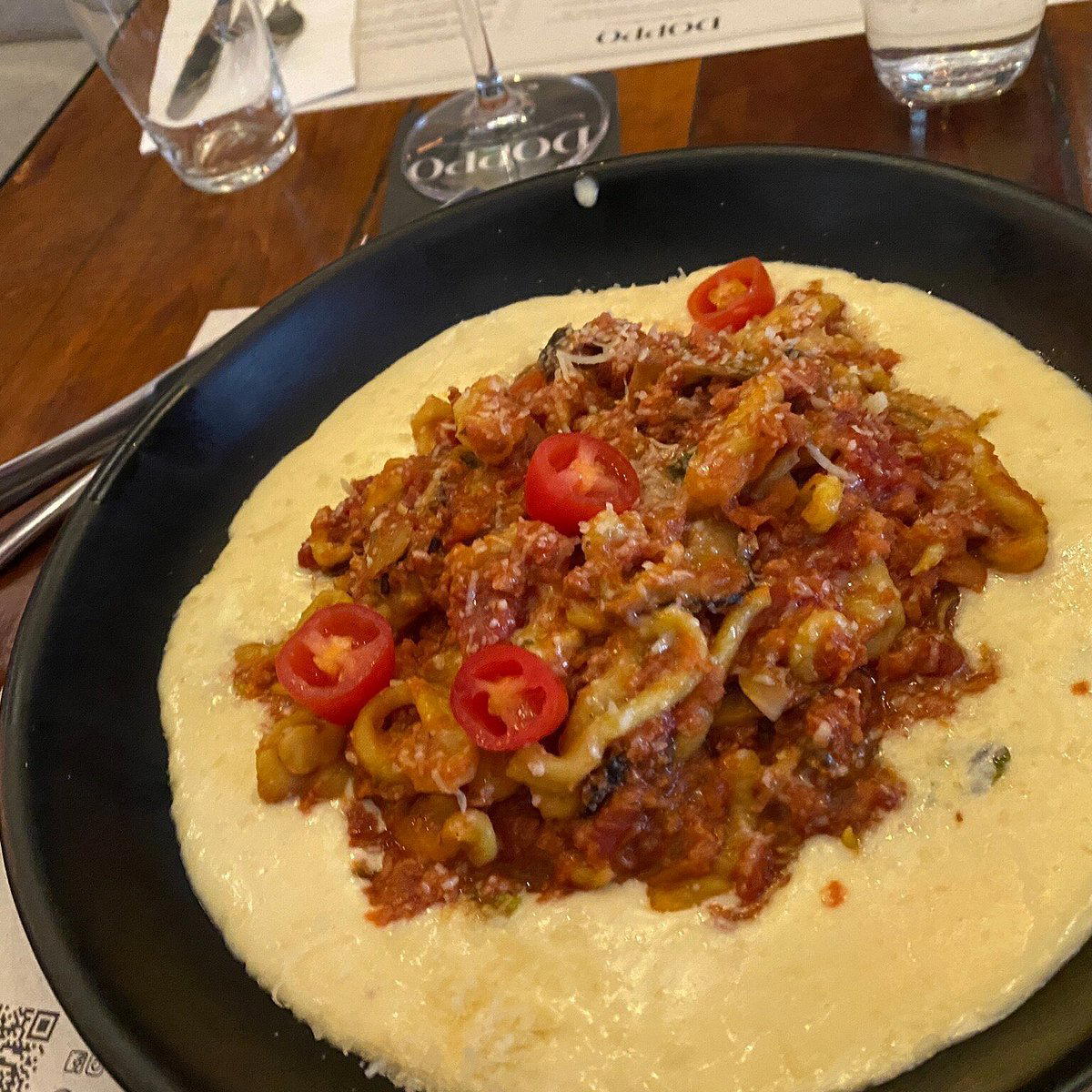
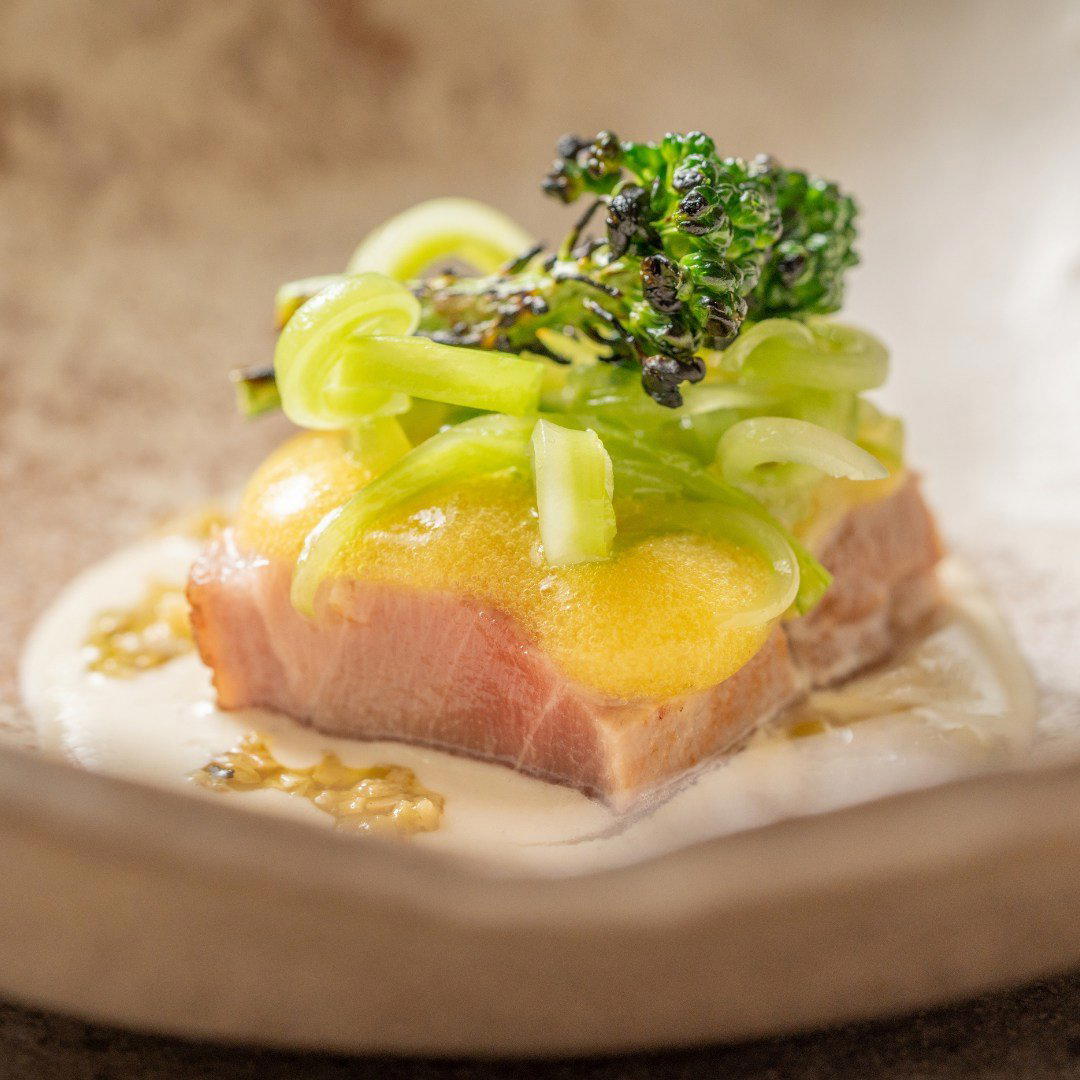
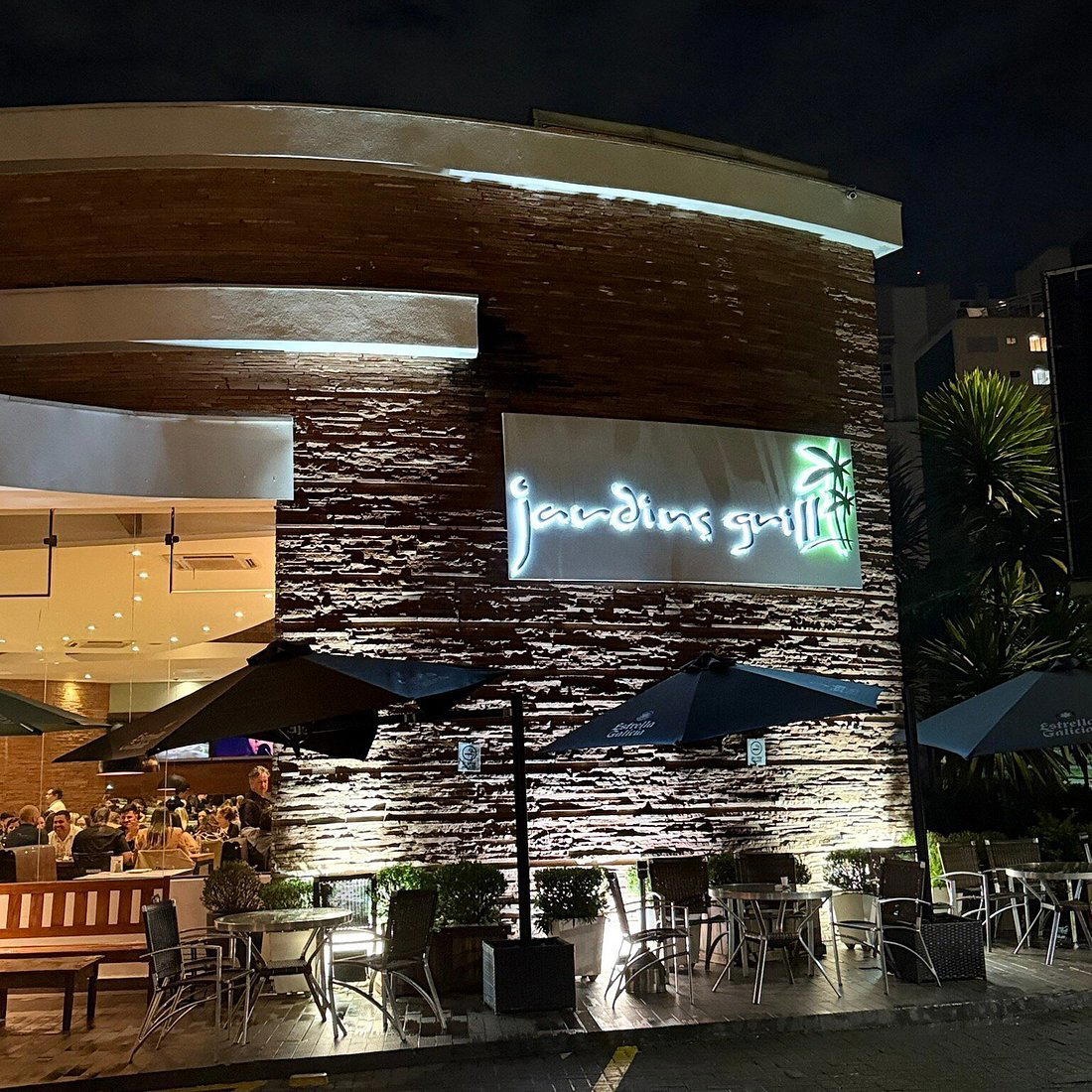
Barolo Curitiba
The wine
- Wine program
- Curated wine list
- Extensive wine list
Details
- Cozy
- Elegant
- Romantic
- Sophisticated
- Date Night
- Family
- Special Occasion
- Private Dining
- Extensive Wine List
- A La Carte
- Vegetarian Friendly
Current opening hours
- Monday
- 12–2:30 PM, 7 PM–12 AM
- Tuesday
- 12–2:30 PM, 7 PM–12 AM
- Wednesday
- 12–2:30 PM, 7 PM–12 AM
- Thursday
- 12–2:30 PM, 7 PM–12 AM
- Friday
- 12–2:30 PM, 7 PM–12 AM
- Saturday
- 12–3:30 PM, 7 PM–12 AM
- Sunday
- 11:30 AM–4 PM
Hours can change for holidays and private events. Last verified .
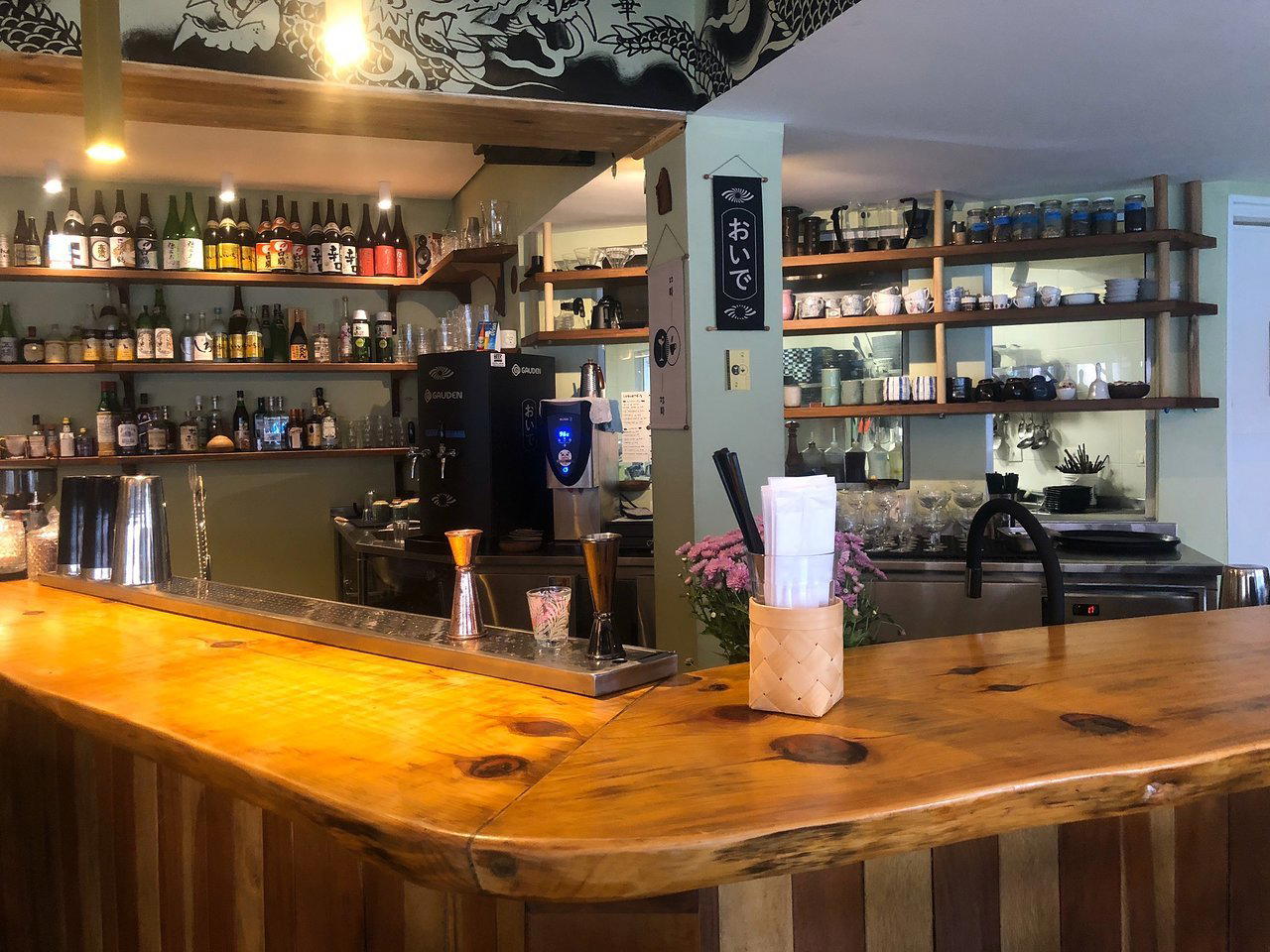
Informal and cozy atmosphere with sophisticated NYC cosmopolitan vibes, romantic lighting, and an inviting space that encourages lingering over meals.