Our verdict
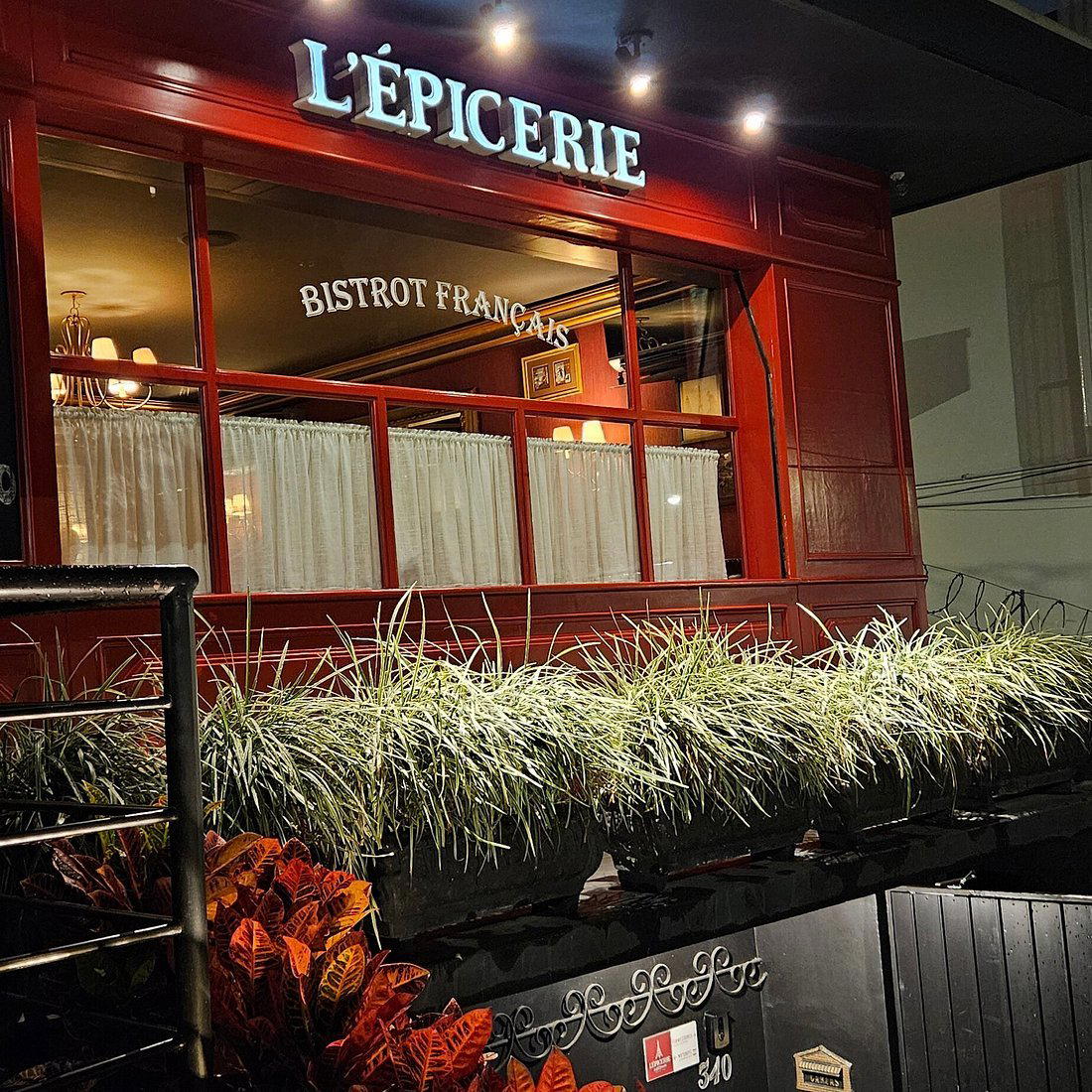
L'Épicerie occupies a quiet stretch of Bigorrilho, one of Curitiba's most considered dining neighbourhoods, where French-inflected café culture meets southern Brazilian sensibility. The address on Rua Fernando Simas places it within easy reach of Batel's denser restaurant corridor while sitting at a remove from its foot traffic. For visitors mapping Curitiba's mid-tier European-influenced dining, this is a reference point worth knowing.

Pearl is the En Primeur Club membership app — saves, bookings, and concierge access live there. Same editors, same standards.
- Address
- R. Fernando Simas, 340 - Bigorrilho, Curitiba - PR, 80430-190, Brazil
- Phone
- +554130444744
- Hours
- Mon ClosedTue–Thu 7–10 PMFri 7–11 PMSat 12–3 PM, 7–11 PMSun 12–3 PM
- Website
- lepicerie.com.br
- Directions
- Get directions
The menu
What to order
- Boeuf Bourguignon
- Magret de Canard
- Filet Rossini
- Crème Brûlée
- Profiteroles
- Steak au Poivre
Bigorrilho and the European Thread Running Through Curitiba's Dining
Curitiba's relationship with European culinary tradition is structural, not decorative. The city received successive waves of Italian, German, Polish, and Ukrainian immigration throughout the nineteenth and early twentieth centuries, and those influences consolidated into a dining culture that sits measurably apart from São Paulo's cosmopolitan churn or Rio de Janeiro's seafood-centred informality. In Bigorrilho, the neighbourhood where L'Épicerie is addressed on Rua Fernando Simas, that European thread expresses itself through a cluster of smaller, more considered restaurants where French and Italian references surface in format and ingredient sourcing rather than in theatrical Francophile décor.
The name itself signals a deliberate positioning. In France, an épicerie is a grocer's shop, a place of careful selection and daily provision, and the term carries cultural weight around quality of ingredient over complexity of technique. That framing matters in a city where the most confident restaurants tend to earn attention through restraint and consistency rather than through ambitious tasting-menu architecture. Curitiba's premium dining tier, which includes Brazilian-focused destinations like Aizu and the meat-driven tradition maintained at Batel Grill, is spread across several distinct registers. L'Épicerie's address and name place it within a Franco-influenced, neighbourhood-scale category that occupies its own niche in that broader picture.
Where Bigorrilho Sits in the City's Dining Geography
Bigorrilho functions as a transition zone between Batel's concentrated restaurant density and the quieter residential streets of Alto da XV. Dining in this pocket of Curitiba tends toward the deliberate: smaller rooms, shorter menus, formats that reward return visits over single-occasion spectacle. The neighbourhood's restaurant stock skews toward independent operators rather than group-backed venues, which shapes the experience in practical terms. Menus are typically more seasonal, service more personal, and the overall register closer to what a European city might classify as a serious neighbourhood bistro.
This is a different proposition from the southern Brazilian churrascaria tradition represented by venues like Calabouço Restaurante e Pizzaria, and it sits at a remove from the more casual formats found across Brazil's interior, including spots like Aero Burguer e Grill in Santa Cruz do Sul or Casa da Flor Restaurante in Dourados. L'Épicerie's Bigorrilho address places it in a more specific competitive set: European-inflected independents with a neighbourhood clientele and a format built around return rather than occasion.
The Cultural Logic of the Franco-Brazilian Bistro Format
Brazilian cities that attract this style of restaurant tend to share certain conditions: a sufficiently prosperous middle class, a history of European settlement, and a local food culture that tolerates measured ambition without demanding the scale or ceremony of São Paulo's fine-dining circuit. Curitiba meets all three. The city's GDP per capita and its reputation for urban planning attract a dining public that is internationally literate without requiring the kind of full-send tasting-menu experience that defines restaurants like D.O.M. in São Paulo or Lasai in Rio de Janeiro.
The Franco-Brazilian bistro occupies a distinct position within that cultural logic. It draws on French technique and European ingredient categories while adapting to southern Brazilian produce and eating rhythms. Lunch remains the anchoring meal in much of Curitiba's professional life, which means venues in this register often do their most considered work in the midday hours rather than at dinner. This shapes menu design, pacing, and the overall experience of eating at an address like L'Épicerie in a way that purely European analogues would not anticipate.
Across Brazil, similar Franco-inflected independents appear in unexpected cities, from the Italian-anchored southern towns to larger northern centres. Cantina Pozzobon in Santa Maria and Bistro Fitz Carraldo in Manaus illustrate how European culinary reference adapts to wildly different regional conditions across the country. In Curitiba, the adaptation tilts toward the methodical and the seasonal, consistent with a city that takes its European heritage seriously without fetishising it.
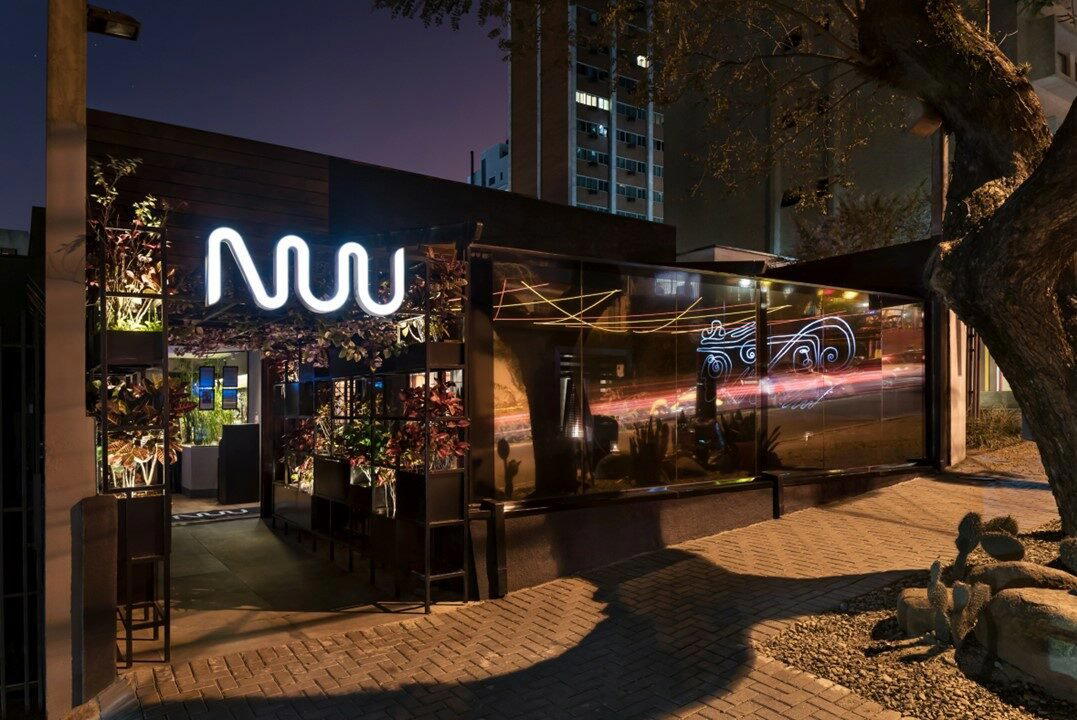
Mapping L'Épicerie within Curitiba's current restaurant scene requires distinguishing between several overlapping categories. The city's most-discussed contemporary Brazilian address is Manu, which operates in a modern tasting format and draws national critical attention. Barolo Curitiba anchors the Italian-wine-and-food register. Badida Sete represents a different slice of the city's independent dining. L'Épicerie's Franco-inflected name and Bigorrilho address suggest it operates outside all three of those categories, in a more intimate neighbourhood register where the épicerie model, quality sourcing, a short but carefully considered selection, daily rhythm rather than special-occasion format, is the point rather than a stylistic overlay.
For international visitors arriving with a reference frame built on recognised names, this kind of address can be harder to read. It does not carry the certification signals of a Michelin-listed venue, nor the social-media visibility of a destination restaurant like Le Bernardin in New York or Atomix. What it offers instead is something those addresses cannot: a version of the city's daily eating life at neighbourhood scale. That is a different kind of value, and for a certain kind of traveller, the more durable one.
Planning Your Visit
L'Épicerie is located at Rua Fernando Simas, 340, in the Bigorrilho district of Curitiba, Paraná. The neighbourhood is accessible by taxi and ride-share services from the Batel corridor in under ten minutes; from Curitiba's city centre, allow slightly longer. Bigorrilho's independent restaurant stock is concentrated enough that combining a visit with the surrounding streets rewards the effort. Visitors with broader Curitiba itineraries should consult our full Curitiba restaurants guide for neighbourhood mapping and category breakdowns across the city's dining spectrum, from Bigorrilho's European-influenced independents to the churrascaria and Italian-immigrant traditions that define other parts of Paraná's capital.
Current booking details, hours, and pricing for L'Épicerie are best confirmed directly, as the venue's operational information is not publicly aggregated at time of publication. Franco-inflected bistro formats in this part of Curitiba typically operate a lunch service and an evening service with limited covers, and walk-in availability at peak hours should not be assumed. For other regional Brazilian dining across the country's interior and coastal cities, the EP Club Brazil coverage includes addresses from Angra dos Reis to Bragança and Ribeirão Preto, and also the meat-focused traditions of the interior at places like Casa da Picanha Penedo in Itatiaia.
Frequently asked questions
Where is L'Épicerie located?
L'Épicerie is located at R. Fernando Simas, 340 - Bigorrilho, Curitiba - PR, 80430-190, Brazil, Curitiba.
How does L'Épicerie fit into Curitiba's European culinary heritage?
Curitiba received successive waves of Italian, German, Polish, and Ukrainian immigration from the mid-nineteenth century onward, and that history shaped a local food culture more oriented toward European tradition than any other major Brazilian city. L'Épicerie, operating in Bigorrilho at Rua Fernando Simas, 340, sits within a neighbourhood that reflects that inheritance — a district where Franco-Brazilian bistro formats have found a natural audience among a prosperous, Europe-influenced dining public.
What do regulars order at L'Épicerie?
What the venue's positioning within Curitiba's Franco-Brazilian bistro category suggests, however, is a kitchen oriented around classic French technique applied to Brazilian produce — the format that has defined Bigorrilho's more serious dining addresses. Confirming the current menu is best done by contacting the restaurant directly at its Rua Fernando Simas, 340 location.
Is L'Épicerie reservation-only?
Bigorrilho's dining strip attracts consistent local traffic, particularly at dinner, and smaller bistro-format rooms in the neighbourhood tend to fill quickly on weekends. Contacting L'Épicerie ahead of your visit is the practical approach.
What's L'Épicerie best at?
L'Épicerie occupies a specific niche in Curitiba's restaurant geography: the Franco-Brazilian bistro, a format the city supports more naturally than most Brazilian cities given its documented history of European immigration. That positioning, in Bigorrilho between Batel's denser restaurant strip and the quieter Alto da XV streets, suggests a kitchen that prioritises technique and ingredient quality over spectacle.
Does L'Épicerie justify its prices?
Within Curitiba's Bigorrilho district, Franco-Brazilian bistros occupy a mid-to-upper tier relative to the city's broader restaurant market, typically positioned below the tasting-menu destinations of Batel but above the neighbourhood casual. Whether that represents value depends on execution, which we assess separately from category positioning.
Budget Reality Check
Comparable venues nearby, for context on price, style, and recognition.
| Venue | Cuisine | Price | Notes |
|---|---|---|---|
| L'ÉpicerieThis venue — the venue you are viewing | Classic French Bistro | $50–100 | Not listed |
| Nuu Nikkei | Nikkei Fusion (Japanese-Peruvian) | Not listed | Bigorrilho, Nikkei Fusion (Japanese-Peruvian) |
| Lisboa Gastronomia | Traditional Portuguese | $50–100 | Mercês, Traditional Portuguese |
| Badida Sete | Brazilian Steakhouse | $20–30 | Batel, Brazilian Steakhouse |
| Aizu | Modern Japanese Fusion | Not listed | Bigorrilho, Modern Japanese Fusion |
| Tahine Gourmet | Middle Eastern Gourmet Burgers & Shawarma | $10–20 | Santa Felicidade, Middle Eastern Gourmet Burgers & Shawarma |
Continue exploring
More in Curitiba
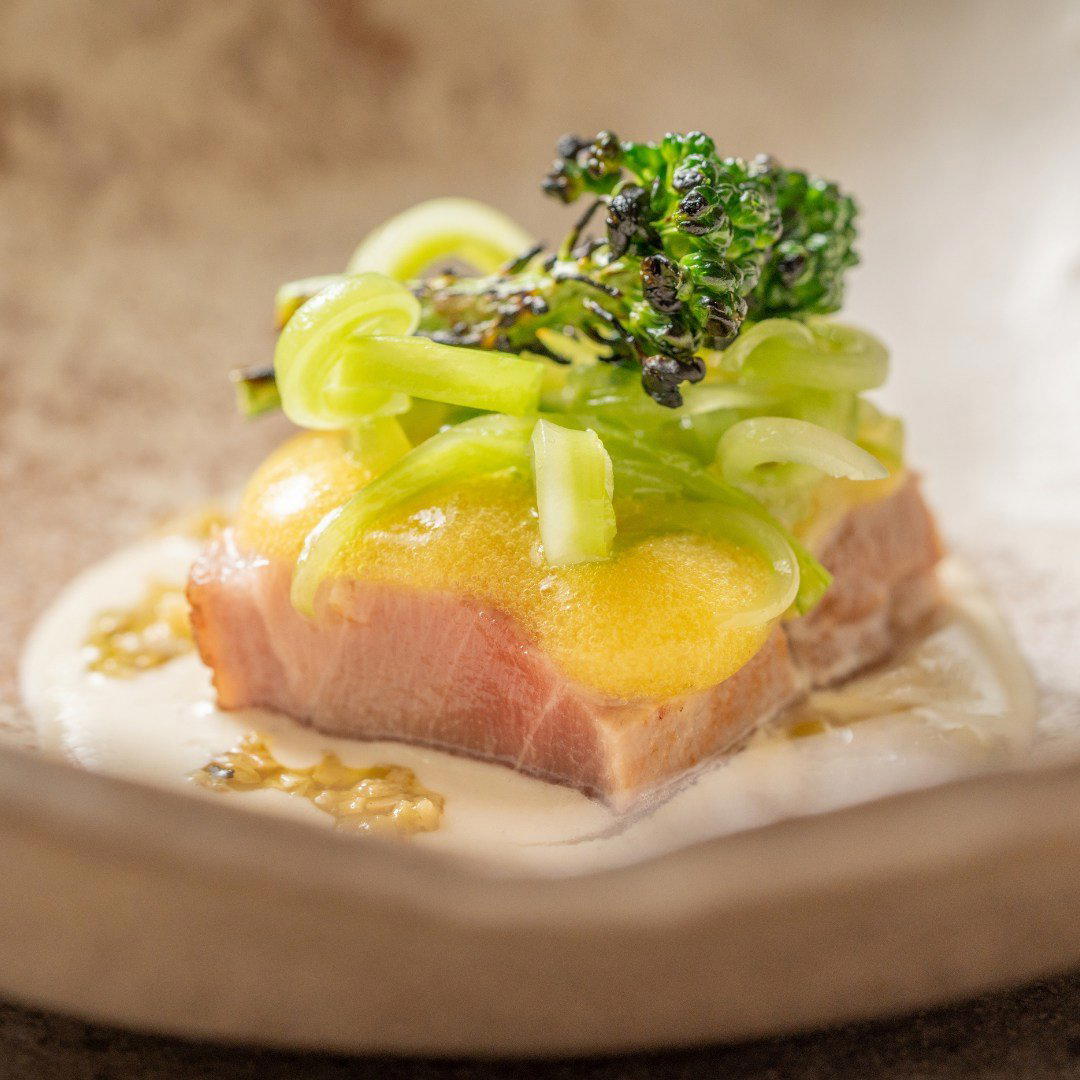
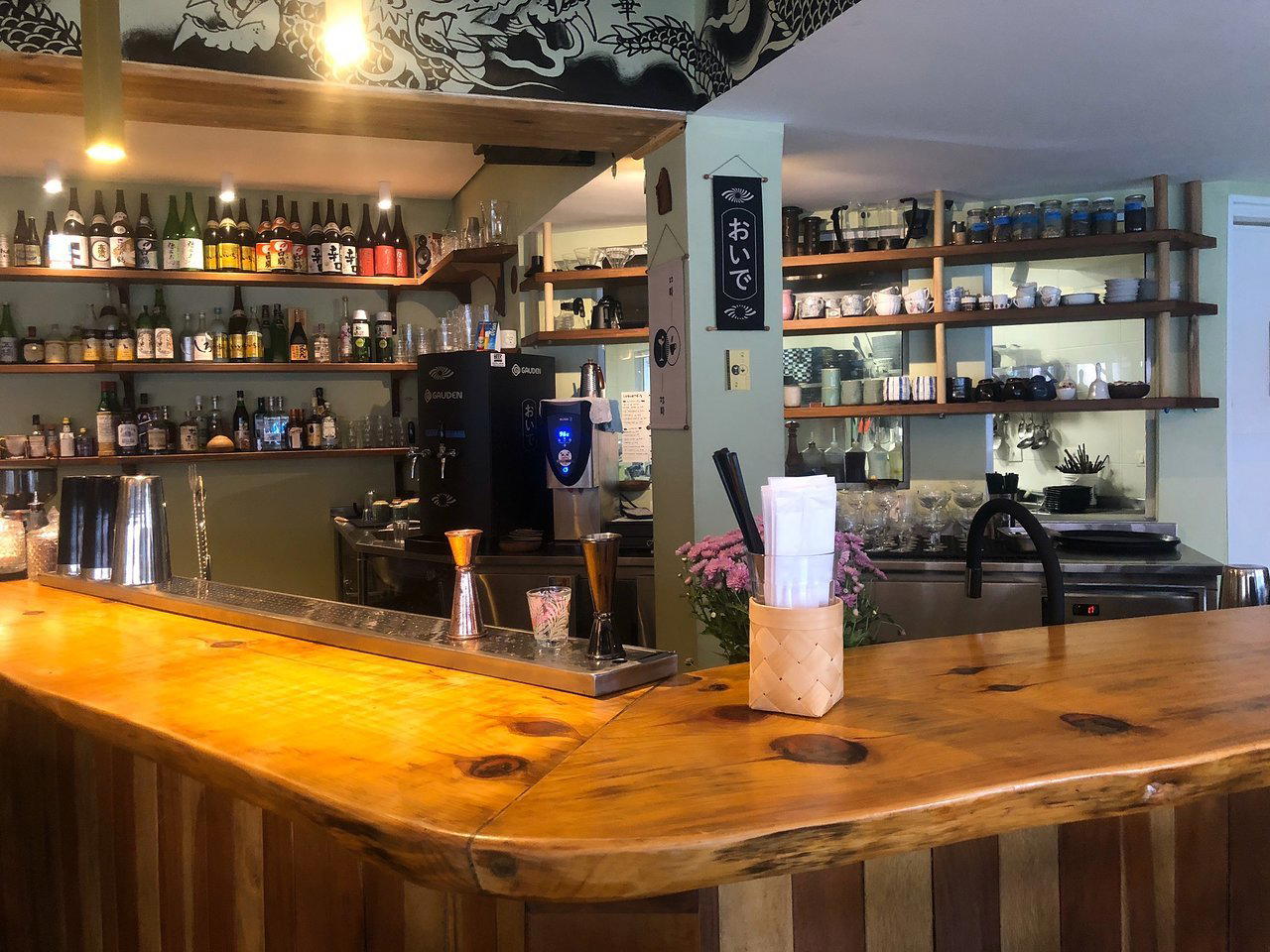
L'Épicerie
The wine
- Wine program
- Curated wine list
- Extensive wine list
Details
- Romantic
- Classic
- Cozy
- Elegant
- Intimate
- Date Night
- Special Occasion
- Celebration
- Standalone
- Extensive Wine List
- A La Carte
- Wine
- Cordial
Current opening hours
- Monday
- Closed
- Tuesday
- 7–10 PM
- Wednesday
- 7–10 PM
- Thursday
- 7–10 PM
- Friday
- 7–11 PM
- Saturday
- 12–3 PM, 7–11 PM
- Sunday
- 12–3 PM
Hours can change for holidays and private events. Last verified .
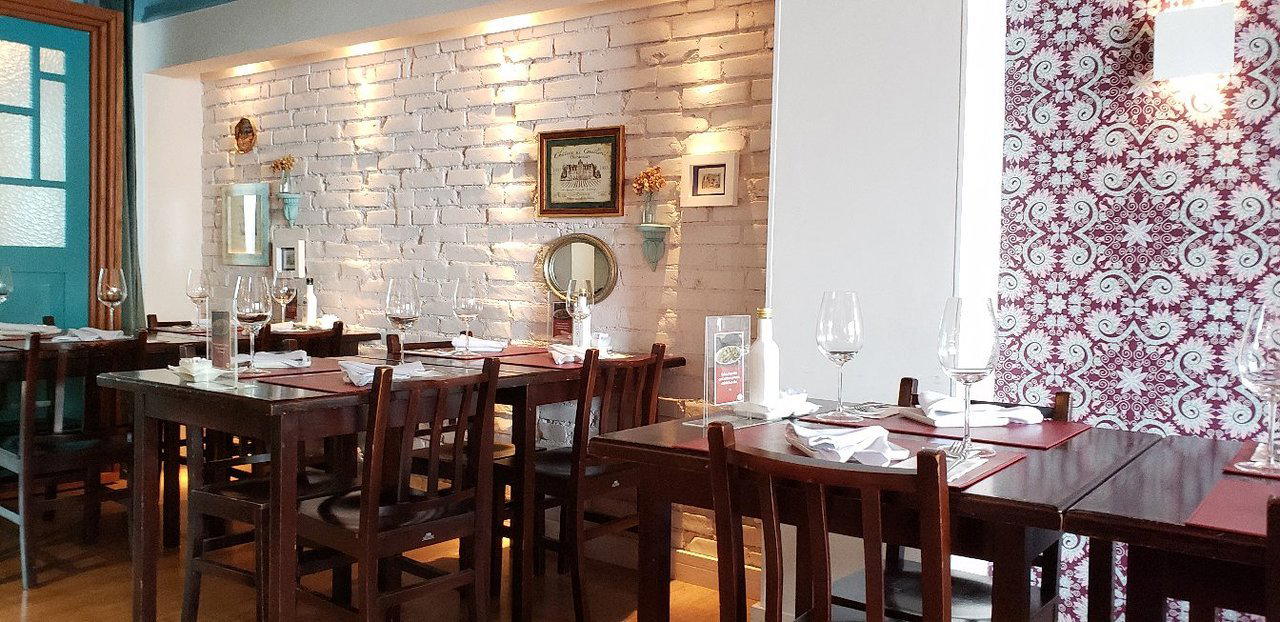
Warm, welcoming French bistro atmosphere with traditional French décor that evokes Paris; intimate with only a few tables, creating a cozy and romantic environment.