Our verdict
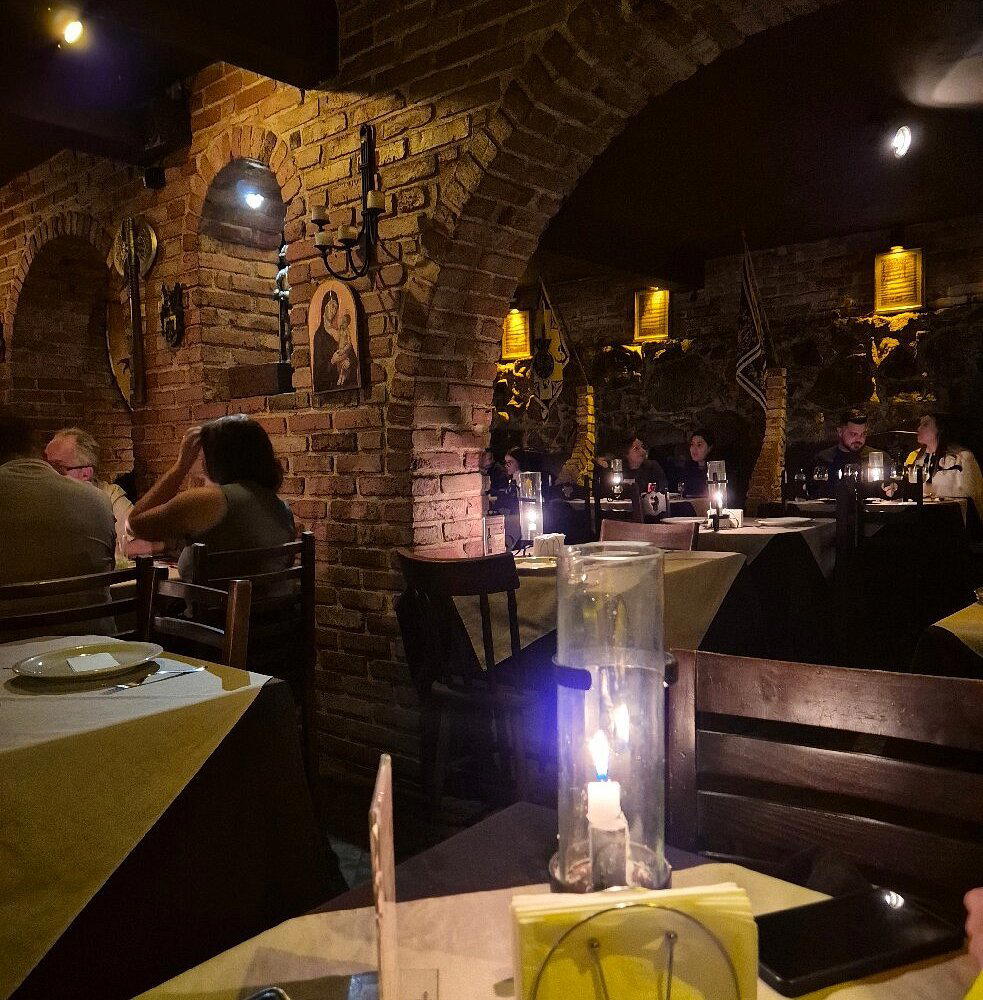
Calabouço Restaurante e Pizzaria sits on Rua Mateus Leme in Curitiba's Centro Cívico, a district where civic architecture and everyday neighbourhood life share the same block. The combination of restaurant and pizzaria formats places it within a well-established Brazilian dining tradition that treats pizza as a serious dinner proposition rather than an afterthought. For visitors orienting themselves in central Curitiba, the address puts several of the city's key landmarks within reach.

Pearl is the En Primeur Club membership app — saves, bookings, and concierge access live there. Same editors, same standards.
- Address
- R. Mateus Leme, 1000 - Centro Cívico, Curitiba - PR, 80530-010, Brazil
- Phone
- +554132546112
- Hours
- Mon ClosedTue–Thu 7–11 PMFri–Sat 7–11:30 PMSun Closed
- Website
- m.facebook.com
- Directions
- Get directions
Centro Cívico and the Logic of Where You Eat in Curitiba
Curitiba has spent decades building a reputation as one of Brazil's most organised and liveable cities, and that civic ambition shows in the Centro Cívico district as much as anywhere. The area along and around Rua Mateus Leme is not a tourist corridor. It is the part of the city where government buildings, residential blocks, and working neighbourhood restaurants occupy the same streets, giving the dining options there a character distinct from the polished restaurant rows of Batel or the denser commercial stretch of São Francisco. Calabouço Restaurante e Pizzaria sits at number 1000 on that street, embedded in a neighbourhood that functions on local terms rather than visitor ones.
That placement matters for how you read a venue. In Curitiba's more visited dining districts, restaurants like Batel Grill and Barolo Curitiba operate within a competitive set shaped by the expectations of a neighbourhood that draws diners specifically to eat. Centro Cívico operates differently. Venues there tend to serve the surrounding community first, which typically produces a more grounded pricing structure and a menu logic driven by what locals return for rather than what impresses first-time visitors.
The Restaurante e Pizzaria Format in Brazilian Dining
The combination of a full-service restaurant alongside a pizzaria operation is more culturally weighted in Brazil than the pairing might suggest elsewhere. Brazilian pizza culture, particularly in the south of the country, carries its own serious tradition. São Paulo has long been cited as one of the world's larger pizza-consuming cities by volume, and the influence of Italian immigration across Paraná state — where Curitiba serves as capital — gave the region a particularly deep relationship with Italian-derived food forms. A venue that runs both a restaurant kitchen and a pizza operation is not hedging its identity; it is participating in a well-established format that treats both as equally legitimate dinner propositions.
This contrasts with the approach taken at Curitiba venues that have staked their identity more narrowly. Cantinho do Eisbein Restaurante leans into German-Brazilian culinary heritage, a reflection of the distinct European immigrant communities that shaped Paraná's food culture. Aizu operates in a different register altogether, representing Curitiba's Japanese-Brazilian dining tradition, which is among the strongest in any Brazilian city outside São Paulo. Calabouço's dual format places it in a broader, more generalist Brazilian dining category, which in a neighbourhood like Centro Cívico is precisely what the local clientele tends to want.
Curitiba in the Wider Brazilian Restaurant Picture
Understanding where a venue like Calabouço sits requires some sense of where Curitiba itself sits within Brazil's dining hierarchy. The city is not Rio de Janeiro, where Oteque has established itself at the country's fine-dining frontier, nor São Paulo, where D.O.M. has long anchored Brazil's international restaurant reputation. Curitiba's dining scene is serious but operates on a different register: technically accomplished in its better kitchens, deeply influenced by Central European and Japanese immigrant communities, and less driven by the kind of high-profile chef culture that characterises the two larger cities.
That makes neighbourhood restaurants in Curitiba's civic districts function as a useful counterpoint to the more visible end of the city's food offer. While the Mana, Badida Sete, and the city's growing craft-focused dining addresses attract the attention of food-focused visitors, the Centro Cívico end of the map tends to serve a different purpose: reliable, locally anchored dining for people who live and work nearby. You can find a comparable dynamic in Belo Horizonte's neighbourhood eating scene around venues like Birosca S2, where the residential context shapes the offer as much as any chef's ambition.
Placing the Venue in Context
The EP Club full Curitiba city guide covers the range of options across the city's districts more systematically. The full Curitiba restaurants guide maps venues by neighbourhood and format and offers useful orientation for visitors approaching the city's dining from scratch. For those staying in or near Centro Cívico, Calabouço's address on Rua Mateus Leme puts it within the working fabric of the district rather than in any dedicated dining enclave. That proximity is the point: this is a venue that functions as part of the neighbourhood's infrastructure, not as a destination that requires planning a trip across the city.
Brazil's restaurant scene across its mid-sized and larger cities shows a consistent pattern: the most revealing eating often happens at this level of the market, in venues that are not seeking external recognition but that have built sustained local custom over time. Manga in Salvador operates in a more ambitious register, as does Orixás in Itacaré, but the neighbourhood restaurant serving a civic district has its own integrity that neither Michelin attention nor media coverage fully captures. Further afield, mountain-town dining at venues like Mina in Campos do Jordão or Primrose in Gramado shows how Brazilian regional dining develops its own logic away from the major urban centres, and Curitiba's neighbourhood restaurants occupy a comparable position within their own city's geography.
Planning Your Visit
Calabouço Restaurante e Pizzaria is located at Rua Mateus Leme, 1000, Centro Cívico, Curitiba, Paraná, a central address that is reachable from most parts of the city without significant difficulty. For context on what to expect from the broader Curitiba dining market, venues like Badida Sete offer a useful reference point for the city's mid-range neighbourhood dining register. Internationally, the shift toward direct neighbourhood dining as a deliberate choice over formal tasting-menu formats is well-documented, venues like Lazy Bear in San Francisco and Le Bernardin in New York City represent the opposite end of that spectrum, which helps clarify where a local pizzaria-restaurant sits in the full range of dining choices available to a well-travelled visitor.
Frequently asked questions
What do people recommend at Calabouço Restaurante e Pizzaria?
Is Calabouço Restaurante e Pizzaria reservation-only?What is Calabouço Restaurante e Pizzaria known for?
Can Calabouço Restaurante e Pizzaria handle vegetarian requests?How does Calabouço's Centro Cívico location compare to Curitiba's main restaurant districts?
How Calabouço Restaurante e Pizzaria Curitiba compares with similar nearby venues.
| Venue | Cuisine | Price |
|---|---|---|
| Calabouço Restaurante e PizzariaThis venue — the venue you are viewing | Italian Pizza and Pasta in Medieval Setting | $10–20 |
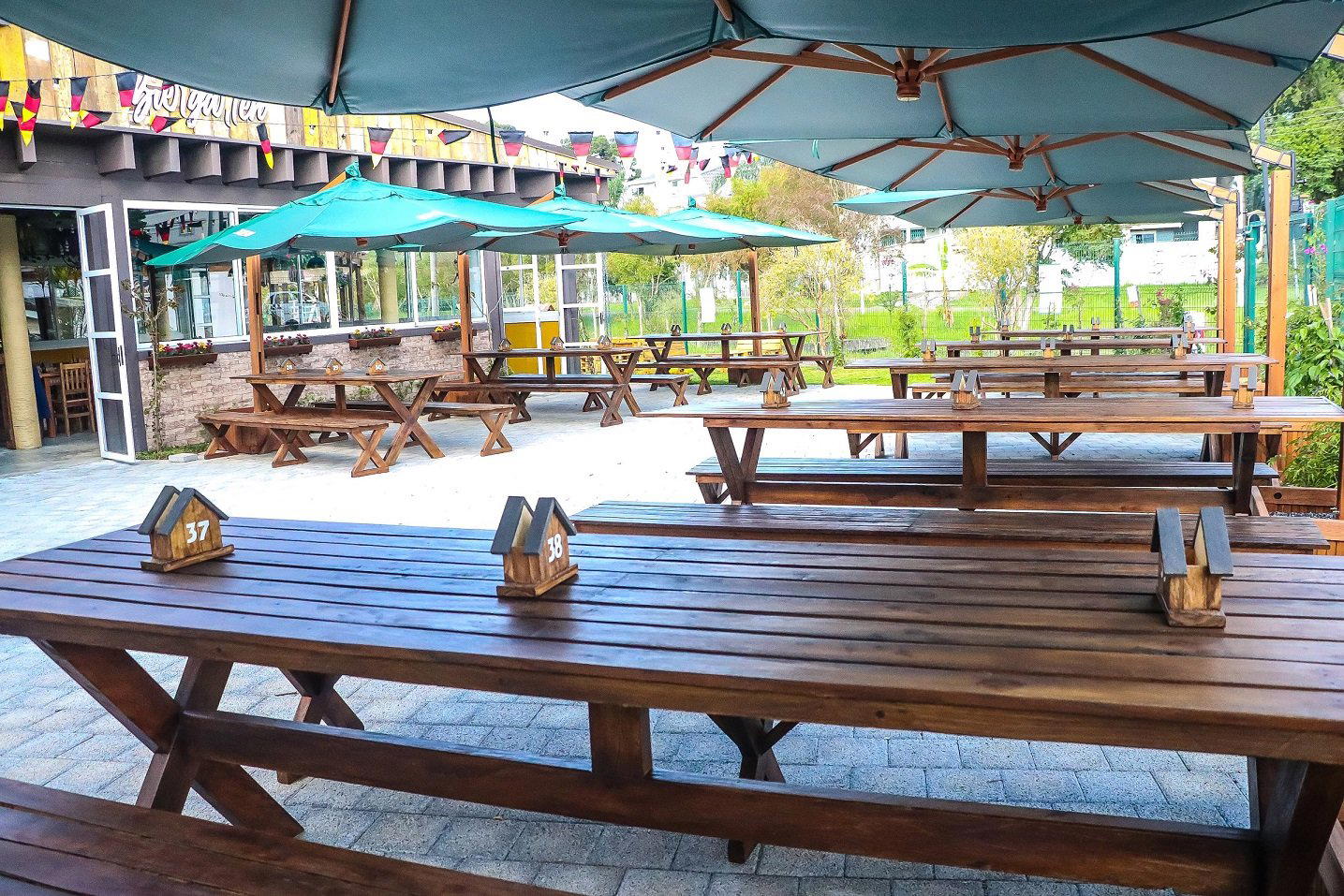
| Essen Biergarden | Authentic German Biergarten | Not listed |
| Lisboa Gastronomia | Traditional Portuguese | $50–100 |
| Thai Restaurante Tailandês | Thai | $20–30 |
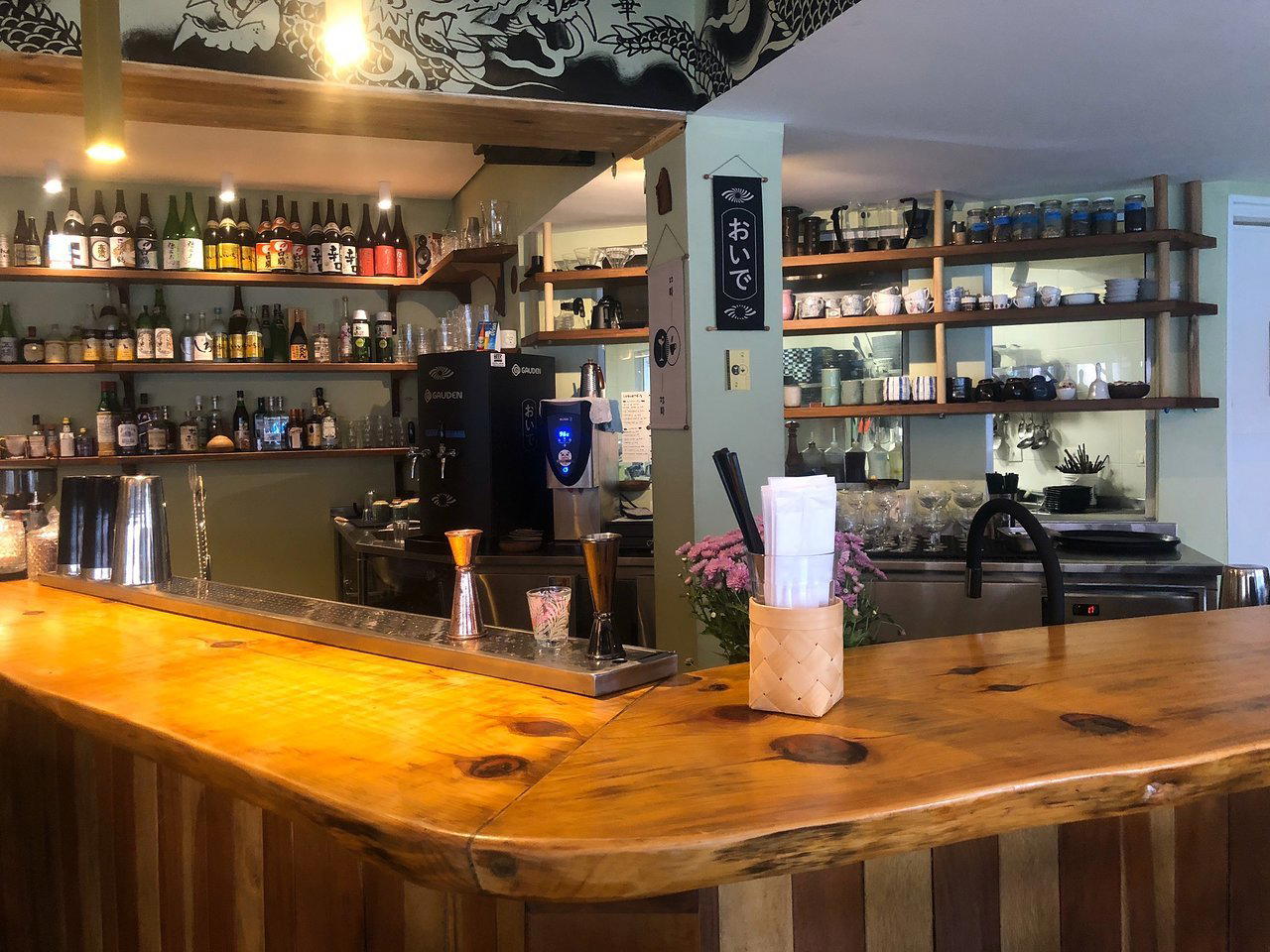
| Oidē | Japanese Izakaya | Not listed |
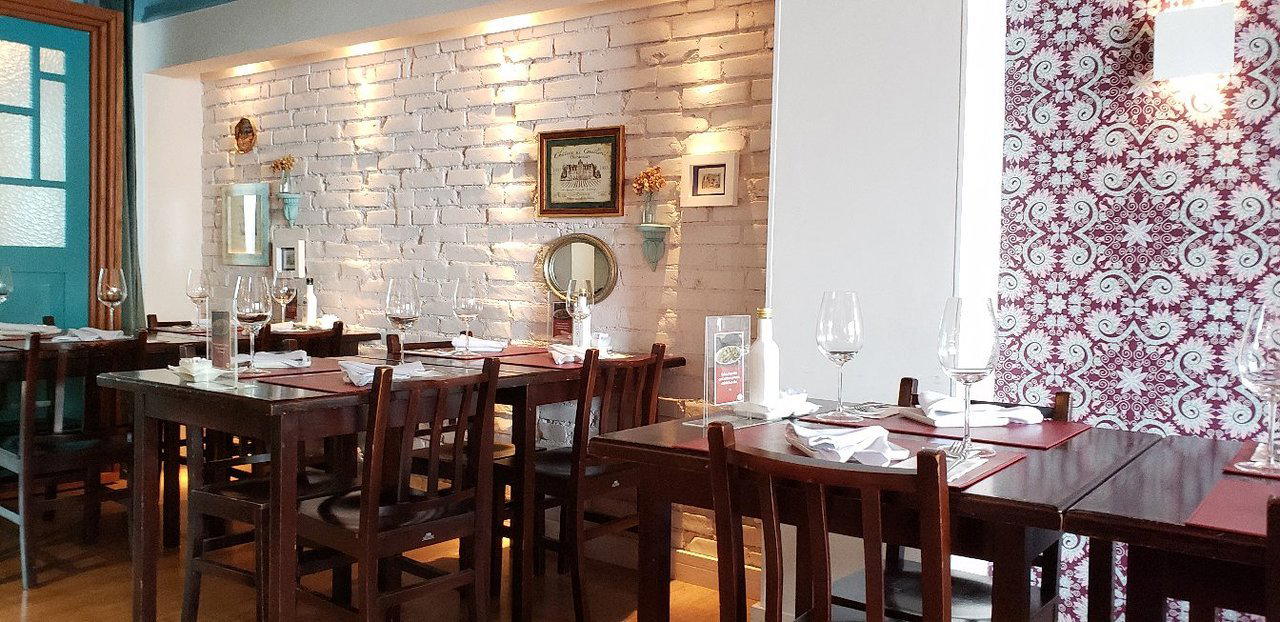
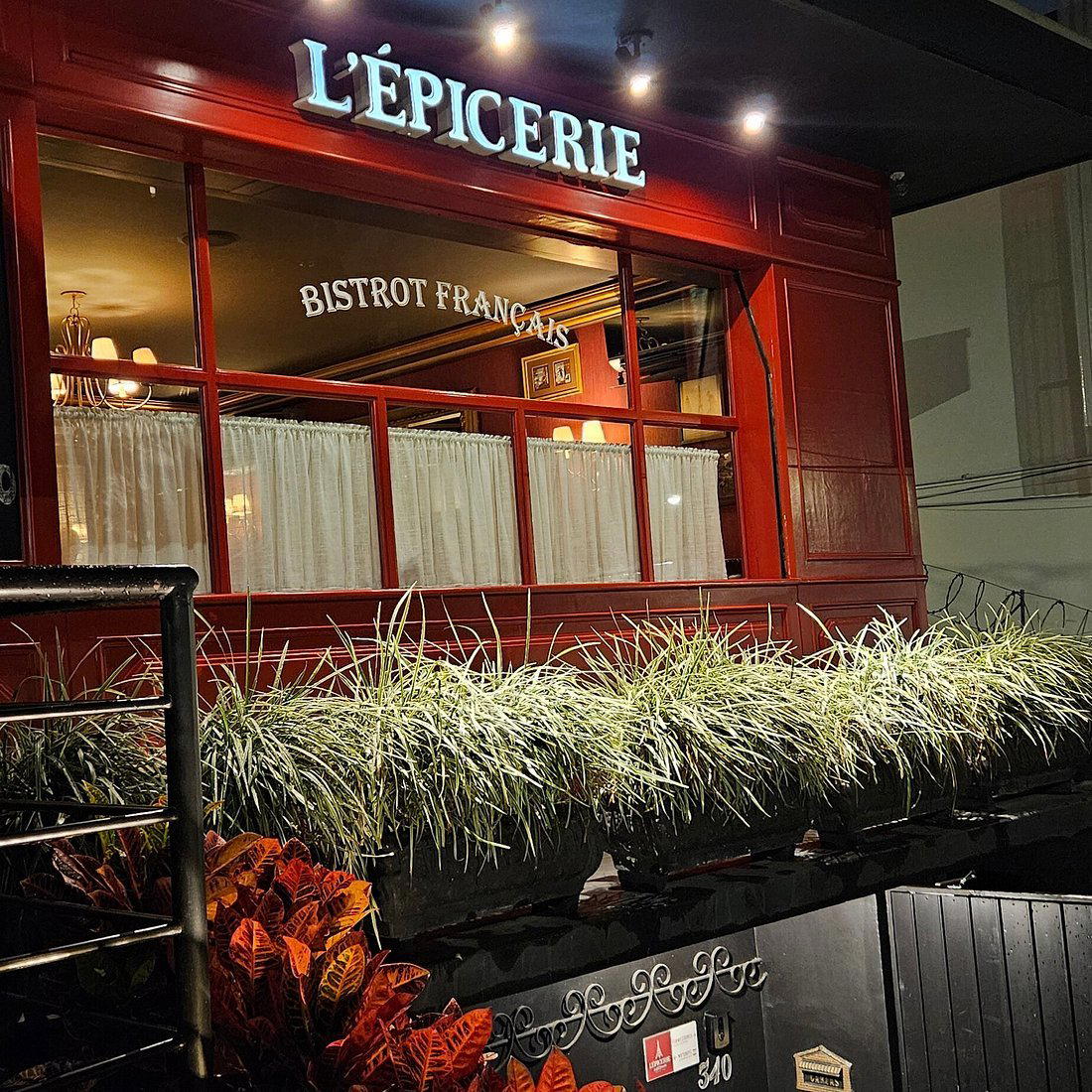
| L'Épicerie | Classic French Bistro | $50–100 |
Continue exploring
More in Curitiba
Details
- Romantic
- Cozy
- Rustic
- Intimate
- Date Night
- Group Dining
- Special Occasion
- Historic Building
- A La Carte
Current opening hours
- Monday
- Closed
- Tuesday
- 7–11 PM
- Wednesday
- 7–11 PM
- Thursday
- 7–11 PM
- Friday
- 7–11:30 PM
- Saturday
- 7–11:30 PM
- Sunday
- Closed
Hours can change for holidays and private events. Last verified .
Candlelit with rustic brick walls creating an enchanting, intimate medieval atmosphere.