Our verdict
Aizu occupies a quiet address in Curitiba's Bigorrilho neighbourhood, placing it within a city that has quietly built one of Brazil's most considered dining scenes outside São Paulo and Rio. With sparse public-facing detail, the restaurant rewards those willing to visit in person or inquire locally — the kind of establishment that earns its following through word-of-mouth rather than digital presence.

Pearl is the En Primeur Club membership app — saves, bookings, and concierge access live there. Same editors, same standards.
- Address
- Alameda Dr. Carlos de Carvalho, 2420 - Bigorrilho, Curitiba - PR, 80730-201, Brazil
- Phone
- +554130430420
- Hours
- Mon–Thu 7–11:30 PMFri–Sat 7 PM–12:30 AMSun Closed
- Website
- aizurestaurante.com.br
- Directions
- Get directions
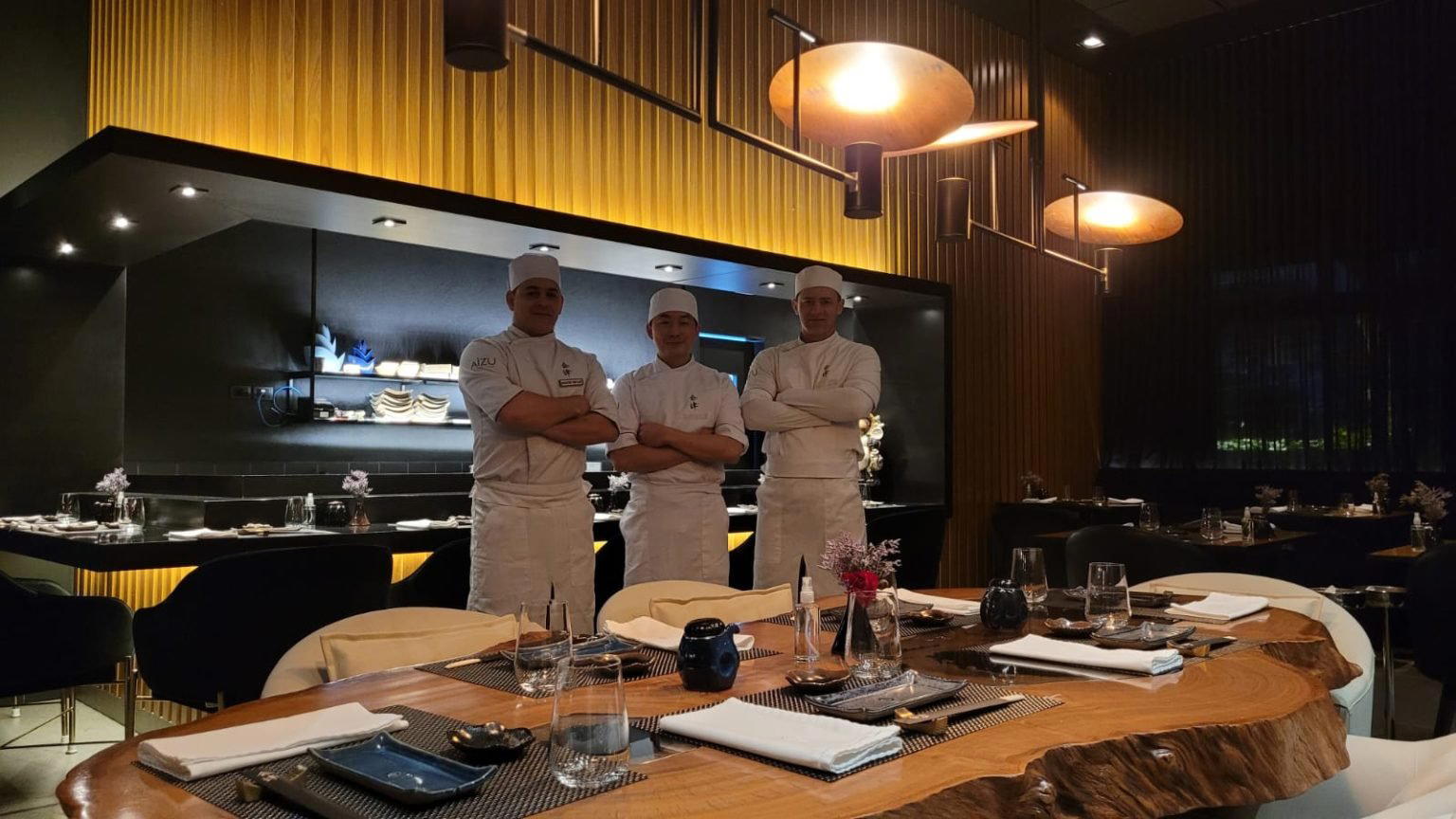
Bigorrilho and the Shape of Curitiba's Restaurant Scene
Curitiba does not always appear on Brazil's culinary shortlist beside São Paulo and Rio de Janeiro, but that oversight belongs more to geography than to quality. The city's restaurant scene, particularly in the Bigorrilho and Batel neighbourhoods, has developed a concentration of serious addresses across price points and cuisines that rewards those who spend more than a weekend here. Alameda Dr. Carlos de Carvalho, the street where Aizu sits at number 2420, runs through a residential stretch of Bigorrilho with enough foot traffic to sustain neighbourhood restaurants while remaining far enough from the tourist circuit to operate on local terms. That positioning matters: restaurants along this corridor tend to build their audiences through consistency and repeat clientele rather than destination marketing.
The broader pattern in Curitiba's dining culture reflects the city's European immigrant inheritance — strong Italian, German, and Japanese communities have all left marks on what gets cooked and how it gets served. That Japanese influence, in particular, runs deeper in Curitiba than in most Brazilian cities outside São Paulo's Liberdade district. The state of Paraná holds one of the largest Japanese-Brazilian populations in the country, which has historically supported a range of Japanese-influenced restaurants at different price tiers, from everyday lunch counters to more formal evening formats. Aizu's name aligns with that tradition, referencing a prefecture in the Fukushima region of Japan known for its samurai heritage and fermentation culture.
What the Booking Process Tells You About the Restaurant
Aizu's near-total absence from international booking platforms and review aggregators is itself an editorial data point. In a moment when restaurants across Brazil's major cities have moved onto OpenTable, TheFork, or at minimum Instagram, an address with minimal public documentation tends to fall into one of two categories: either a neighbourhood institution old enough to predate the digital expectation, or a newer operation that has deliberately kept its circle tight. Both scenarios produce similar booking conditions for the visitor — walk-in or phone inquiry, with no guaranteed reservation mechanism from outside the city.
For those planning a visit to Curitiba, the practical implication is clear. Restaurants like this one require local intelligence: a hotel concierge with genuine neighbourhood knowledge, a local contact, or a willingness to arrive at the door and ask about availability. That friction is not a flaw in the experience; it is a filter. The restaurants in Bigorrilho that have survived without international press coverage or digital marketing infrastructure have typically done so because the immediate neighbourhood gives them sufficient repeat business. Arriving without a reservation is a reasonable strategy for lunch; evenings at serious neighbourhood addresses in this part of the city can fill quickly on weekends, when Curitibanos themselves tend to eat out later and linger longer.
For comparison, the booking difficulty at well-documented Curitiba restaurants like Barolo Curitiba or Batel Grill reflects what a clearer public profile achieves: documented hours, reservation channels, and a searchable presence that manages demand. Aizu operates differently, and understanding that difference before arriving saves time and adjusts expectations appropriately.
Japanese-Brazilian Dining in Context
Brazil's Japanese-influenced restaurant tier has diversified considerably over the past two decades. The traditional Japanese-Brazilian restaurant, which served adapted dishes shaped by a century of immigration and ingredient substitution, now sits alongside a younger wave of addresses that apply more direct Japanese technique to local Brazilian produce. That dynamic plays out most visibly in São Paulo, where restaurants like D.O.M. have demonstrated how Brazilian ingredients can carry serious technical ambition, and where the Japanese-Brazilian fusion tier has become competitive enough to generate its own hierarchy. In Rio de Janeiro, Lasai represents a different model of Brazilian fine dining, one that looks inward at the country's agricultural diversity rather than outward at international templates.
Curitiba's Japanese-influenced dining sits in a different register from either city. The scale is smaller, the audience more local, and the competitive pressure less intense. That creates conditions where a neighbourhood address with a Japanese-aligned name and a Bigorrilho location can occupy a specific and stable niche without the churn that affects similar restaurants in São Paulo's denser market. Curitiba's other well-regarded addresses, including Badida Sete, Cantinho do Eisbein Restaurante, and Calabouço Restaurante e Pizzaria, each occupy distinct positions across cuisine and format, which suggests the city supports genuine variety rather than a single dominant dining mode.
Planning a Visit to Aizu
Visitors approaching Aizu from central Curitiba will find Bigorrilho accessible by taxi or ride-share in under fifteen minutes from the city centre, with the Alameda Dr. Carlos de Carvalho address sitting in a walkable stretch close to the neighbourhood's quieter residential grid. Without published hours or a confirmed booking channel, the most reliable approach is to contact the restaurant by phone if a local number can be sourced through the hotel or through local dining platforms, or to walk in during lunch service on a weekday when neighbourhood restaurants across Curitiba typically operate with more flexibility than on weekend evenings. Those looking for broader planning context across the city's dining options will find our full Curitiba restaurants guide a useful reference for mapping the neighbourhood.
Elsewhere in Brazil, restaurants with similar community-first profiles and limited digital presence include Bistro Fitz Carraldo in Manaus, Cantina Pozzobon in Santa Maria, and Casa da Dika Restô e Eventos in Bragança, each operating in mid-sized Brazilian cities where local reputation carries more weight than press coverage. For those travelling more broadly, Aero Burguer e Grill in Santa Cruz do Sul, Casa da Picanha Penedo in Itatiaia, Famosa Pizza in Ribeirão Preto, Arte e Café Imperial Matriz in Angra dos Reis, and Casa da Flor Restaurante in Dourados each represent the kind of regionally specific address that rewards the traveller willing to move beyond the headline cities. At the international level, the contrast in documentation between an address like Aizu and fully profiled restaurants such as Le Bernardin in New York City or Atomix in New York City illustrates precisely why local intelligence and on-the-ground inquiry remain the most reliable tools for restaurants that operate outside the global review infrastructure.
Questions About Aizu
- What's the must-try dish at Aizu? Specific menu details for Aizu are not available through public channels, which reflects the restaurant's limited digital footprint rather than any absence of a food offering. The Japanese-aligned name and Bigorrilho address suggest a menu with some connection to Japanese or Japanese-Brazilian cuisine, which in Curitiba's context would likely draw on Paraná's strong Japanese-Brazilian community and local ingredient availability. The most reliable way to learn what is worth ordering is to ask on arrival or to consult a local contact familiar with the restaurant.
- What's the ideal way to book Aizu? In Curitiba's Bigorrilho neighbourhood, walk-in lunch visits on weekdays carry the lowest risk of unavailability. Hotel concierges with local knowledge of the neighbourhood are often the most efficient route to a confirmed table, particularly for weekend evenings when demand across the area increases.
- What's the standout thing about Aizu? Aizu's address on Alameda Dr. Carlos de Carvalho in Bigorrilho places it within one of Curitiba's most genuinely local dining corridors, away from the tourist-facing concentration of the Batel district. That positioning within a city that has quietly developed one of Brazil's more considered mid-sized dining scenes gives it the kind of neighbourhood authority that press coverage and booking platforms cannot manufacture. The restaurant's durability in that context, operating without a significant digital profile, points to a local following built on direct experience rather than external validation.
- How does Aizu fit into Curitiba's Japanese-Brazilian dining tradition? Paraná state has one of the highest concentrations of Japanese-Brazilian residents outside São Paulo, a demographic reality that has sustained Japanese-influenced restaurants in Curitiba across several generations. Aizu's name references a specific Japanese regional identity, which within Curitiba's context places it in a city where Japanese culinary heritage has real community roots rather than being purely a trend import. That context distinguishes Curitiba's Japanese-influenced addresses from those in cities where similar cuisine operates primarily as a metropolitan novelty.
Frequently asked questions
What's Aizu's location?
Aizu is located at Alameda Dr. Carlos de Carvalho, 2420 - Bigorrilho, Curitiba - PR, 80730-201, Brazil, Curitiba.
Is Aizu in Curitiba suitable for visitors unfamiliar with Japanese-Brazilian cuisine?
Japanese-Brazilian cuisine, developed through over a century of Nikkei immigration concentrated heavily in Paraná and São Paulo states, tends to integrate Japanese technique with Brazilian produce in ways that read accessibly even to diners new to the category. Curitiba has a substantial Japanese-descendant community, giving restaurants like Aizu in Bigorrilho a local reference point that shapes the kitchen's approach. The neighbourhood on Alameda Dr. Carlos de Carvalho is reachable from central Curitiba in under fifteen minutes by taxi or ride-share.
What's the must-try dish at Aizu?
Given that Aizu sits within Curitiba's Japanese-Brazilian dining tier — a category shaped by decades of Nikkei culinary tradition in southern Brazil — the kitchen almost certainly works within that canon. The best approach is to ask on arrival what the kitchen is running that day.
What's the best way to book Aizu?
The restaurant's address on Alameda Dr. Carlos de Carvalho, 2420 in Bigorrilho, Curitiba, suggests a neighbourhood-facing operation where walk-in or direct local contact is likely the practical route. Visitors travelling from outside Curitiba should plan to confirm access through local concierge or ground contacts before arrival.
What's the standout thing about Aizu?
In a city that rarely appears on Brazil's national dining circuit alongside São Paulo or Rio, Aizu operates from a fixed address in Bigorrilho with no visible international marketing footprint. That absence from review aggregators and booking platforms points to a restaurant that draws its clientele through local reputation rather than editorial coverage. For visitors specifically seeking Japanese-Brazilian dining in Curitiba, Aizu's position in that tradition is the relevant credential.
At-a-Glance Comparison
Comparable venues nearby, for context on price, style, and recognition.
| Venue | Cuisine | Price | Notes |
|---|---|---|---|
| AizuThis venue — the venue you are viewing | Modern Japanese Fusion | Not listed | Not listed |
| Porcini Trattoria | Tuscan Trattoria | $30–50 | Batel |
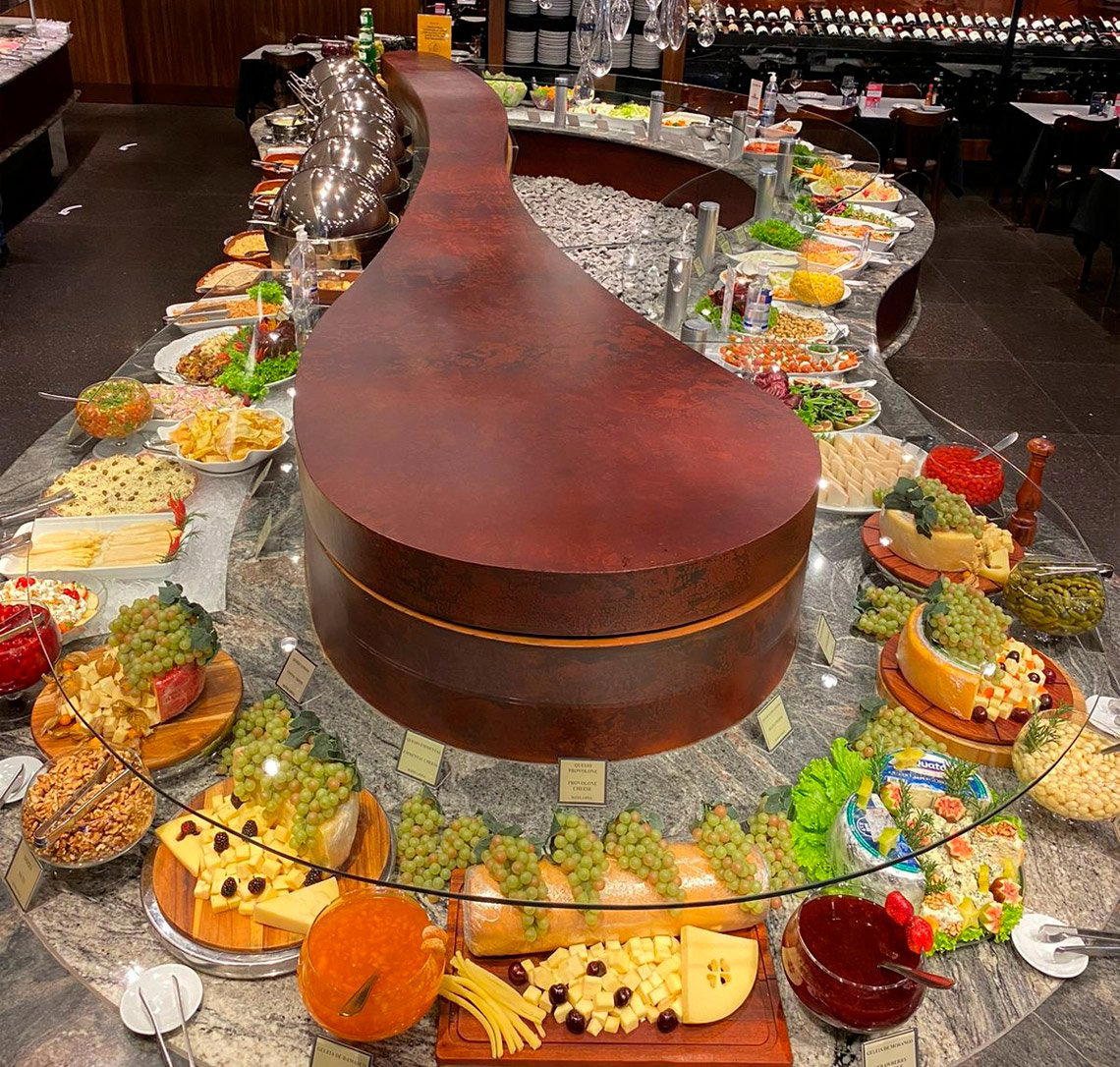
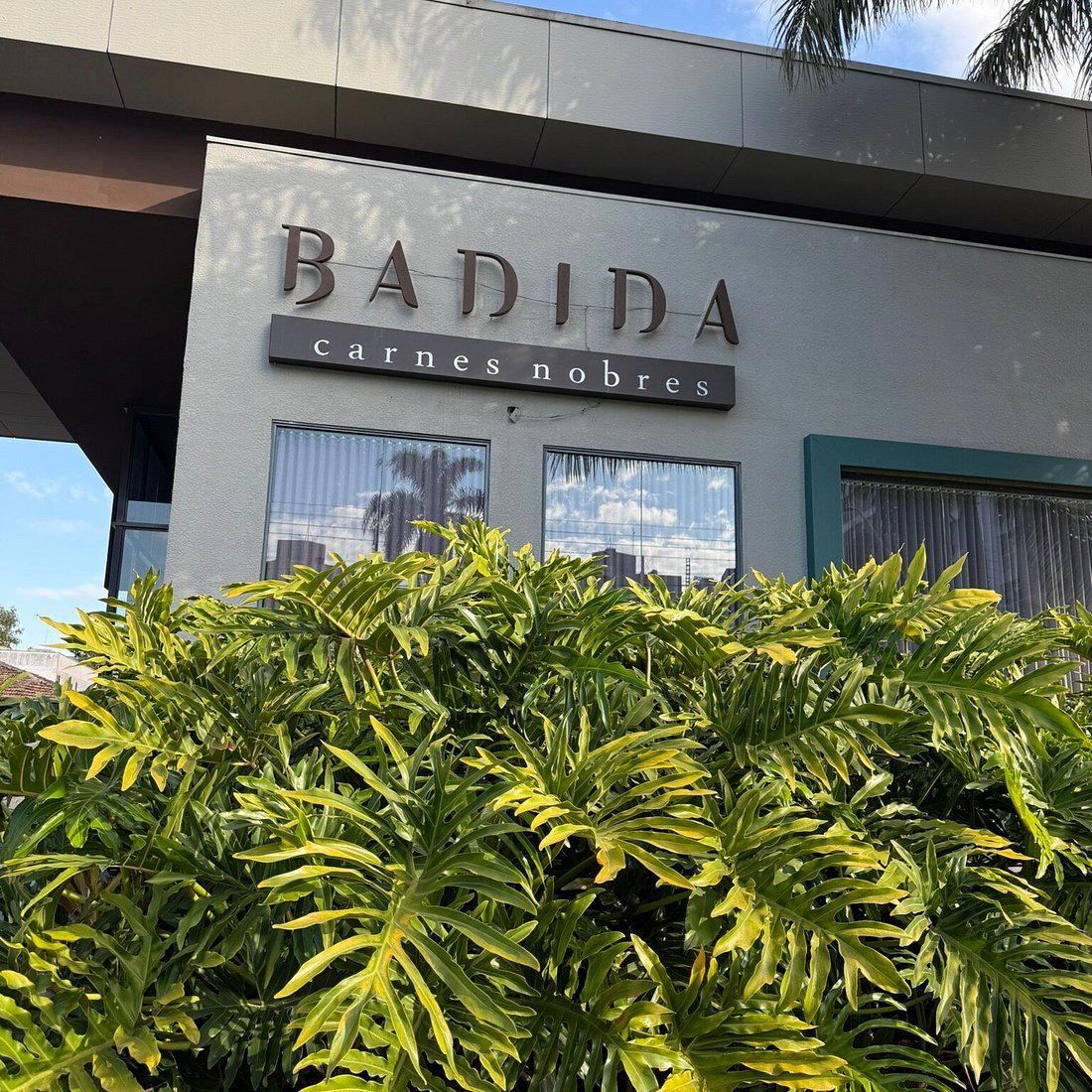
| Badida Sete | Brazilian Steakhouse | $20–30 | Batel |
| Thai Restaurante Tailandês | Thai | $20–30 | Bigorrilho |
| Tahine Gourmet | Middle Eastern Gourmet Burgers & Shawarma | $10–20 | Santa Felicidade |
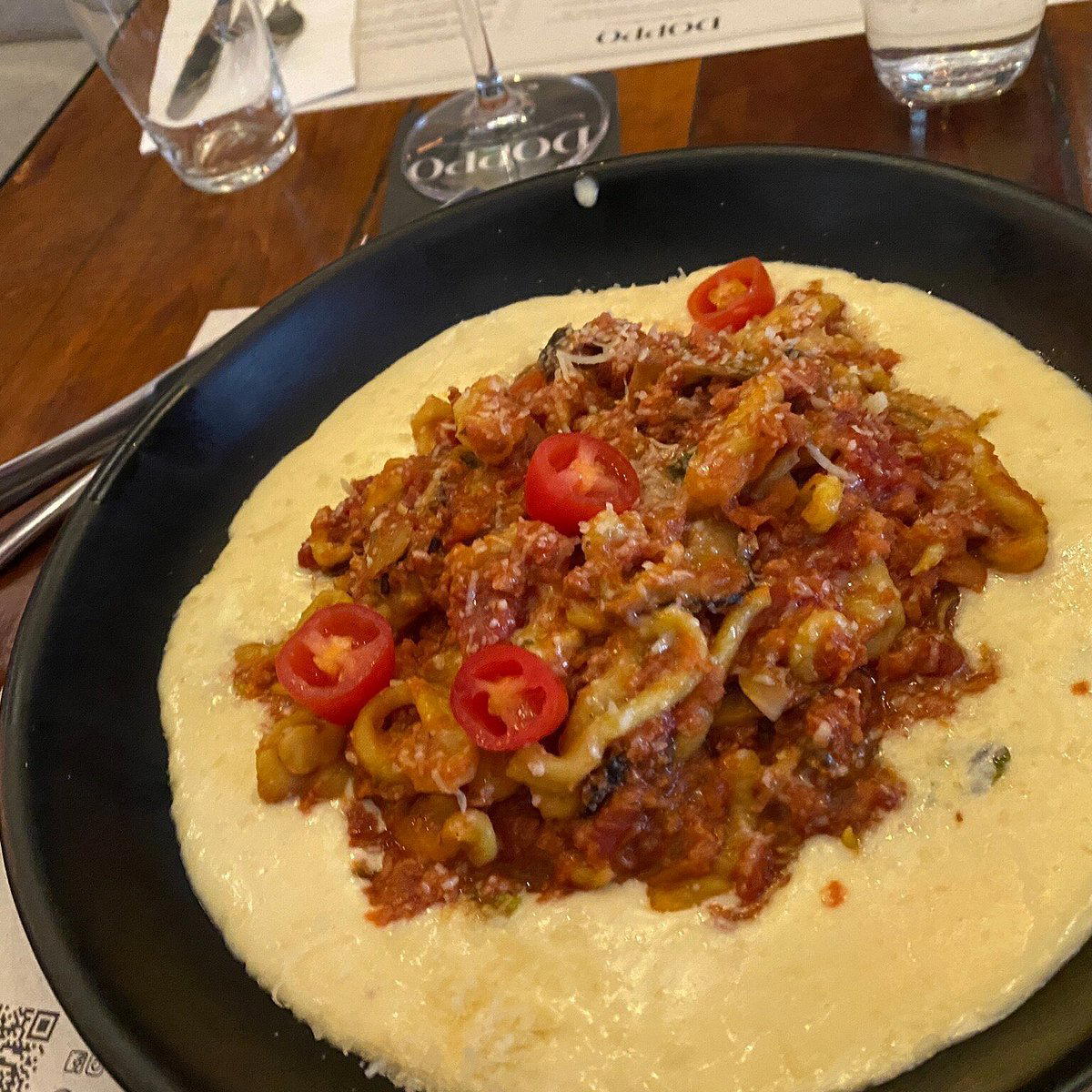
| Oidē | Japanese Izakaya | Not listed | Centro |
Continue exploring
More in Curitiba
Details
- Elegant
- Sophisticated
- Intimate
- Cozy
- Date Night
- Special Occasion
- Open Kitchen
- Tasting Menu
- A La Carte
Current opening hours
- Monday
- 7–11:30 PM
- Tuesday
- 7–11:30 PM
- Wednesday
- 7–11:30 PM
- Thursday
- 7–11:30 PM
- Friday
- 7 PM–12:30 AM
- Saturday
- 7 PM–12:30 AM
- Sunday
- Closed
Hours can change for holidays and private events. Last verified .
Sophisticated and cozy atmosphere with elegant mood, comfortable seating, and refined presentation as noted in guest reviews.