Our verdict
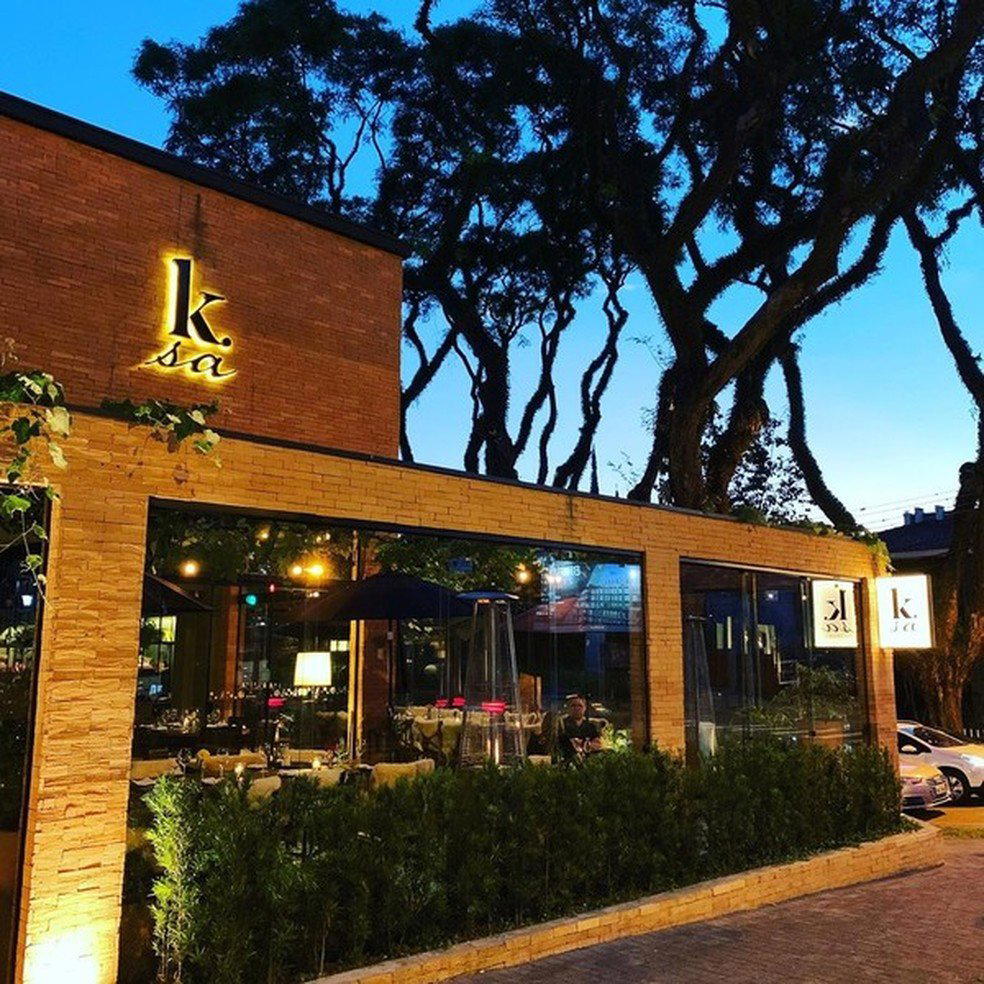
K.sa Restaurante operates out of the Bigorrilho neighbourhood in Curitiba, a district where mid-sized creative restaurants have quietly built the city's most interesting dining scene. The address on Rua Fernando Simas places it within walking distance of several of the neighbourhood's stronger independent tables. For travellers mapping Curitiba's restaurant circuit, it belongs on any serious itinerary alongside the city's other neighbourhood-anchored houses.

Pearl is the En Primeur Club membership app — saves, bookings, and concierge access live there. Same editors, same standards.
- Address
- R. Fernando Simas, 260 - Bigorrilho, Curitiba - PR, 80430-190, Brazil
- Phone
- +554132253444
- Hours
- Mon ClosedTue–Sat 7–11 PMSun Closed
- Website
- restauranteksa.com.br
- Directions
- Get directions
- Booking
- Book on the venue's website
The menu
What to order
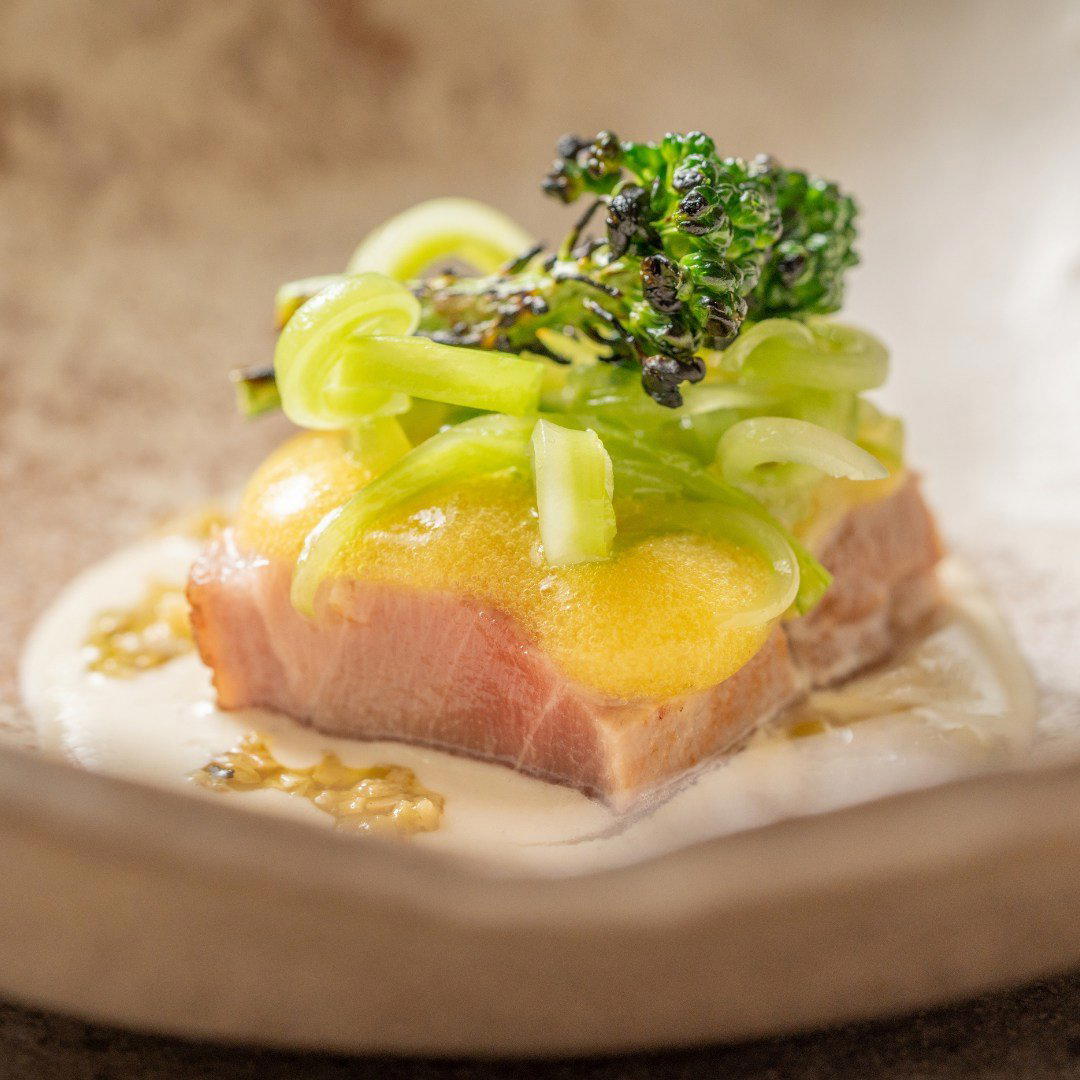
- Oysters
- Croquete de barreado
- Mil folhas de quindim
Bigorrilho and the Curitiba Independent Scene
Curitiba's dining identity has never been built around a single grand address. Instead, it has accumulated credibility through clusters of neighbourhood restaurants, each earning local trust through consistency and sourcing rigour rather than spectacle. Bigorrilho sits at the sharper end of that pattern. The district runs west of the Batel commercial corridor and attracts the kind of restaurant that invests in the plate rather than the room: mid-scale, independently owned, and oriented toward Paraná's agricultural supply chain rather than imported ingredients.
K.sa Restaurante occupies a position on Rua Fernando Simas, 260, within this neighbourhood's active dining strip. The address itself signals something about the restaurant's positioning: Bigorrilho restaurants at this end of the street tend to draw regulars rather than tourists, which means the pressure to perform is applied by guests who return weekly, not by first-timers chasing novelty. That dynamic tends to produce cooking that is accountable to repeat experience.
Curitiba's broader restaurant scene has attracted increasing editorial attention over the past decade, partly because of what restaurants like Manu demonstrated: that Brazilian ingredient sourcing, applied with technical discipline, can produce cooking that competes at a national level. The comparison with D.O.M. in São Paulo or Lasai in Rio de Janeiro is instructive. Those restaurants built reputations on native Brazilian ingredients treated with formal precision. Curitiba's neighbourhood tier operates at a different scale, but the underlying logic, sourcing from within the state's agricultural network, carries through even at the more accessible price points that characterise Bigorrilho's tables.
What Paraná Brings to the Table
The state of Paraná supplies a disproportionate share of Brazil's food output: pine nuts from araucária forests, freshwater fish from the river systems, subtropical produce from the Campos Gerais plateau, and one of the country's most developed pork and poultry sectors. For a restaurant operating in Curitiba, the sourcing question is less about access and more about selection: which producers, which seasonal windows, which parts of the state's output actually translate to compelling cooking.
Restaurants in Bigorrilho that take sourcing seriously tend to cycle their menus seasonally, adjusting to what the state's agricultural calendar makes available rather than holding fixed menus year-round. This approach creates a dining experience where the rationale for each dish is geographic as much as culinary: you are eating what Paraná produces at this moment, prepared in a way that makes the origin legible. That framing differs from restaurants in São Paulo or Rio that import heavily and build menus around consistency of supply. The Curitiba neighbourhood model has a different logic, and K.sa Restaurante operates within it.
For context, Curitiba's stronger independent restaurants in this tier share certain characteristics: they tend to source within the regional supply chain, keep seat counts at a level that allows kitchen attention per cover, and build their regulars through repetition of quality rather than through awards-driven PR cycles.
Where K.sa Sits in the Curitiba Circuit
Curitiba rewards visitors who treat it as a city with a genuine restaurant circuit rather than a single headline destination. The smart approach is to distribute meals across the city's neighbourhoods, reading each as a different chapter of the same sourcing-driven story. Bigorrilho contributes a particular chapter: accessible, regular-facing, with cooking that assumes the guest has been before and will return.
The city also has tables that occupy a different register. Batel Grill anchors the grilled-meat tradition that Curitiba shares with much of southern Brazil, and Calabouço Restaurante e Pizzaria operates in the Italian-inflected part of the city's culinary inheritance. These are different expressions of what Curitiba eats; none cancels the others out. K.sa belongs to a more contemporary strand: smaller, neighbourhood-focused, with a sourcing orientation that reflects the current generation of Brazilian restaurant thinking rather than the city's mid-twentieth-century immigrant food traditions.
For a broader map of how these tables fit together, our full Curitiba restaurants guide organises the circuit by neighbourhood and dining register. It is the most efficient entry point for first-time visitors trying to allocate a limited number of meals across the city's districts.
Planning Your Visit
K.sa Restaurante is located at Rua Fernando Simas, 260, in Bigorrilho, Curitiba, Paraná, CEP 80430-190. The neighbourhood is accessible by car or rideshare from the city centre and the Batel district, which makes it a natural extension of any evening that starts further east. Given the neighbourhood's dining density, arriving without a booking on weekend evenings carries real risk of finding the room full.
Curitiba's restaurant season runs year-round, but the city's subtropical climate makes autumn and winter (April through July) particularly comfortable for evening dining, with the araucária produce calendar adding seasonal interest to menus during those months. Visitors travelling for food specifically should consider mid-week evenings, when neighbourhood restaurants operate at a pace that allows for longer meals without the compressed service of Friday and Saturday covers.
For those mapping a broader Brazil trip, the restaurants worth comparing at a national level include D.O.M. in São Paulo and Lasai in Rio de Janeiro at the formal end, and a range of neighbourhood houses in cities like Manaus, where Bistro Fitz Carraldo applies a similar regional-sourcing logic in a very different geographical context. The thread connecting these restaurants is not cuisine type but methodology: working from what the surrounding region produces rather than standardising supply from national distributors.
Frequently asked questions
Where do I go for K.sa Restaurante?
K.sa Restaurante is located at R. Fernando Simas, 260 - Bigorrilho, Curitiba - PR, 80430-190, Brazil, Curitiba.
How does K.sa Restaurante fit into a broader Curitiba dining itinerary?
Curitiba's credibility as a dining city comes from clusters of independent addresses rather than a single headline venue, and Bigorrilho is one of the neighbourhoods that anchors that reputation. K.sa at Rua Fernando Simas, 260 functions as part of that circuit, making it a logical addition when pairing two or three restaurants across an evening or a multi-day visit to the city. Treating Curitiba as a full restaurant circuit rather than a single-stop destination is the approach that gets the most out of the city's food scene.
What should I eat at K.sa Restaurante?
K.sa sits within the Bigorrilho neighbourhood circuit, where kitchens in this part of Curitiba draw from Paraná's distinct larder: araucária pine nuts, freshwater fish from the state's river systems, and locally sourced produce. Ordering around seasonal, regionally driven plates is the consistent approach at restaurants of this type in the area. Confirm current offerings directly with the venue, as menus shift with supply.
Can I walk in to K.sa Restaurante?
K.sa Restaurante is located at Rua Fernando Simas, 260 in Bigorrilho, a neighbourhood that rewards foot traffic and is reachable by car or ride-hailing. Whether the kitchen accepts walk-ins depends on service periods and current demand, so contacting the venue in advance is the practical move for any specific meal time.
What's the signature at K.sa Restaurante?
K.sa operates within Curitiba's independent restaurant tier, a scene built on neighbourhood-scale cooking rather than grand-format production. The venue's address in Bigorrilho places it among kitchens that tend to express Paraná's regional produce rather than following São Paulo or Rio de Janeiro trend cycles. Specific signature dishes are best confirmed directly with the restaurant.
Can K.sa Restaurante handle vegetarian requests?
Paraná's agricultural output includes a wide range of plant-based ingredients, and Curitiba's independent restaurant circuit has broadly accommodated vegetarian preferences over the past decade. K.
How It Stacks Up
Comparable venues nearby, for context on price, style, and recognition.
| Venue | Cuisine | Price | Notes |
|---|---|---|---|
| K.sa RestauranteThis venue — the venue you are viewing | Contemporary Fusion | Not listed | Not listed |
| Mestre Sushi Fazendinha | Japanese Sushi | $20–30 | Cidade Industrial de Curitiba |
| Calabouço Restaurante e Pizzaria | Italian Pizza and Pasta in Medieval Setting | $10–20 | Centro Cívico |
| Tahine Gourmet | Middle Eastern Gourmet Burgers & Shawarma | $10–20 | Santa Felicidade |
| Restaurante Ibérico | Portuguese & Spanish Iberian Cuisine | $30–50 | Água Verde |
| Aizu | Modern Japanese Fusion | Not listed | Bigorrilho |
Continue exploring
More in Curitiba
Details
- Modern
- Cozy
- Elegant
- Date Night
- Special Occasion
- Open Kitchen
- Vineyard
- A La Carte
Current opening hours
- Monday
- Closed
- Tuesday
- 7–11 PM
- Wednesday
- 7–11 PM
- Thursday
- 7–11 PM
- Friday
- 7–11 PM
- Saturday
- 7–11 PM
- Sunday
- Closed
Hours can change for holidays and private events. Last verified .
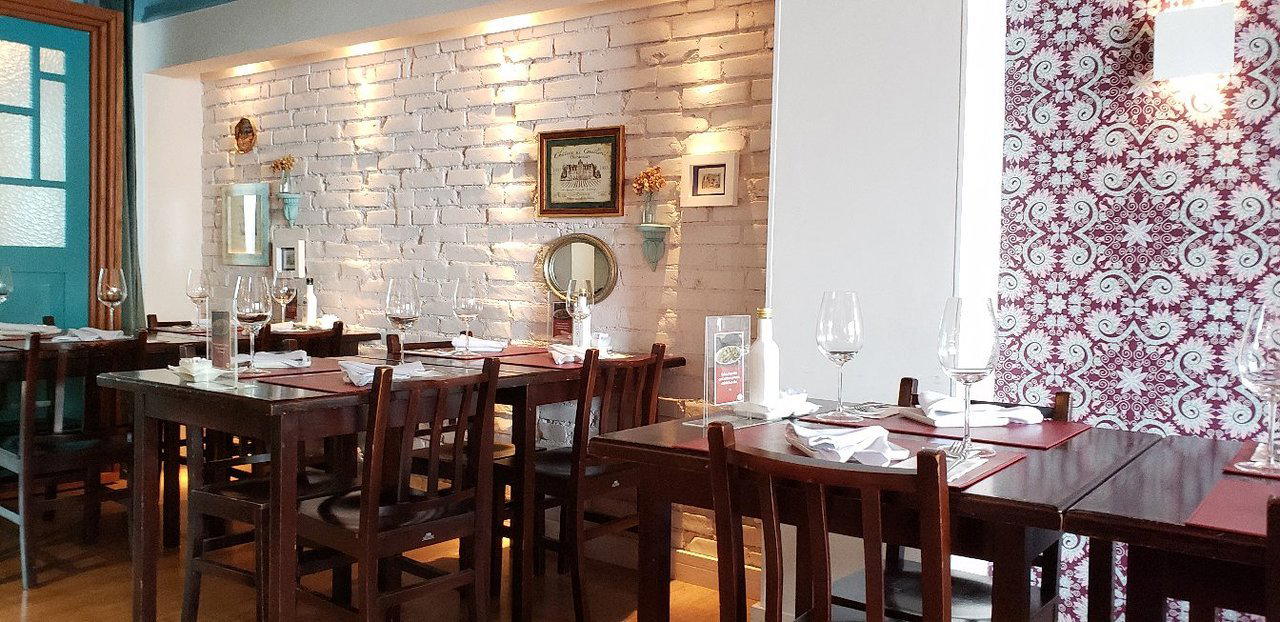
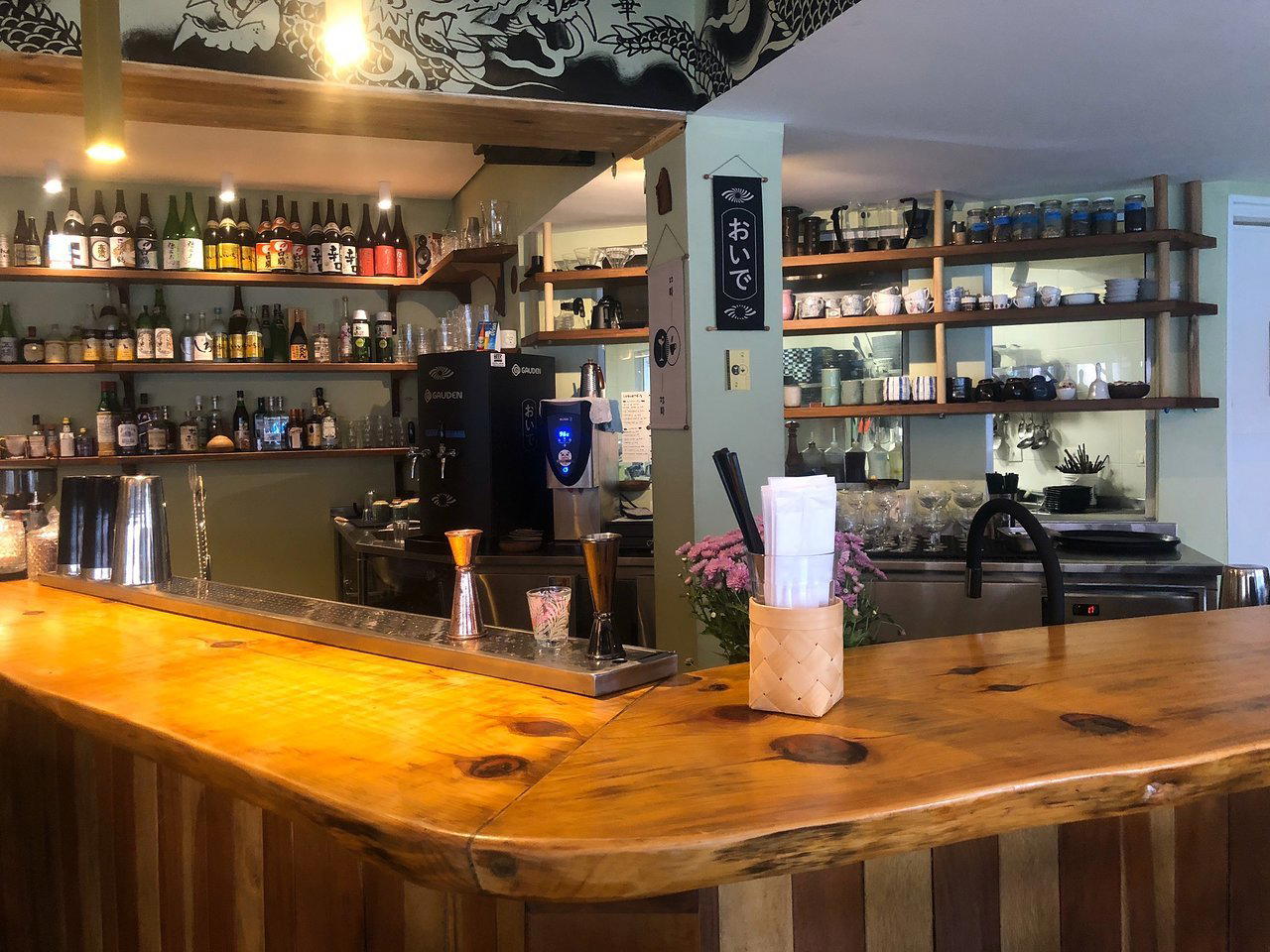
Modern and cozy atmosphere with beautiful, welcoming design.