Our verdict
A fixture on Água Verde's dining circuit, Cantinho do Eisbein Restaurante draws Curitiba's appetite for Central European-inflected comfort food to a reliable neighbourhood address on Avenida dos Estados. The name alone signals the kitchen's loyalties: eisbein, the slow-cooked pork knuckle that anchors German-Brazilian table culture across Paraná, is both calling card and commitment. For visitors tracing the city's immigrant food traditions, this is a practical and purposeful stop.

Pearl is the En Primeur Club membership app — saves, bookings, and concierge access live there. Same editors, same standards.
- Address
- Av. dos Estados, 863 - Água Verde, Curitiba - PR, 80610-040, Brazil
- Phone
- +554133295155
- Hours
- Mon ClosedTue–Thu 11 AM–2:30 PM, 6–11 PMFri 11 AM–2:30 PM, 6–10:30 PMSat 11 AM–3:30 PM, 6–10:30 PMSun 11 AM–3:30 PM
- Website
- cantinhodoeisbein.com.br
- Directions
- Get directions
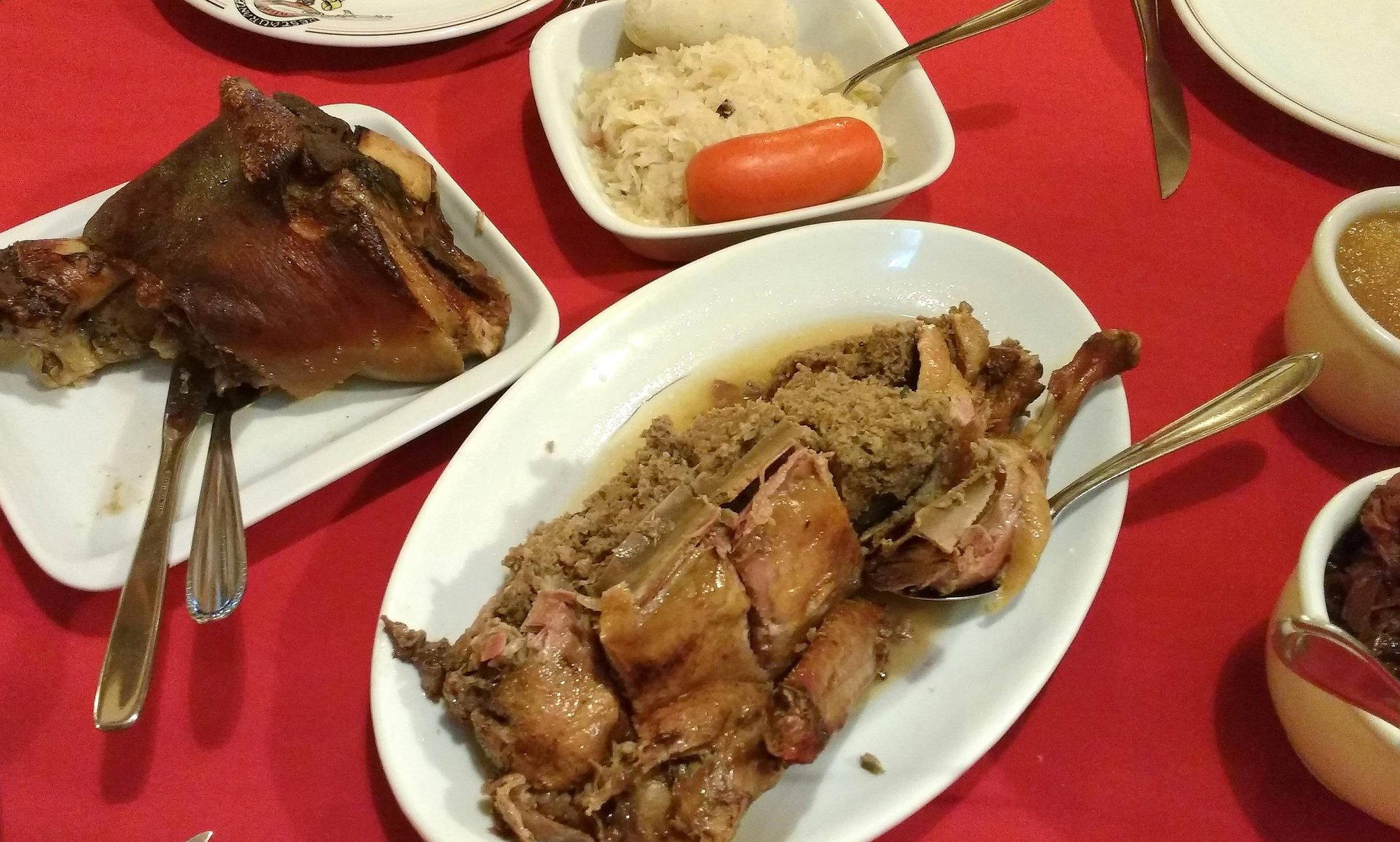
Where Paraná's German Inheritance Lands on the Plate
Curitiba's food culture does not fit neatly into the Brazilian mainstream. Settled heavily by German, Italian, Polish, and Ukrainian immigrants across the nineteenth and twentieth centuries, the city developed a parallel table tradition that resists the northward pull of Rio's churrascaria circuits or São Paulo's high-concept tasting menus. Eisbein — slow-braised pork knuckle, crackling-edged, collagen-rich — is one of the clearest markers of that inheritance, and it is the dish around which Cantinho do Eisbein Restaurante in the Água Verde neighbourhood has built its identity. The address on Avenida dos Estados sits inside a district that long ago sorted itself into the kind of mid-range, family-driven dining that Curitibans rely on for unhurried weekday lunches and extended weekend tables.
That cultural specificity matters when reading the menu here. Unlike the tasting-format restaurants that define Brazil's critical conversation, places such as Oteque in Rio de Janeiro or D.O.M. in São Paulo, Cantinho do Eisbein operates inside a tradition where the measure of success is consistency and portion architecture rather than seasonal reinvention. The name is effectively a statement of intent: the restaurant is named for its signature preparation, which is a structuring choice that removes ambiguity and sets expectation before a guest crosses the threshold.
Menu Architecture: A Kitchen That Commits
German-Brazilian kitchens of this type tend to organise their menus around a central protein anchor, surrounded by starch and pickled accompaniments that give the table its geometry. Eisbein as a menu centrepiece demands patience from the kitchen, proper preparation runs through brining, slow cooking, and a finishing stage that crisps the exterior without drying the interior. When a restaurant places that preparation at the top of its identity, it is declaring that it will not shortcut the process, because the shortcut would be immediately visible and irreversible.
This is the editorial logic of naming a restaurant after its hardest dish to execute well. The choice narrows the kitchen's competitive frame and raises the accountability bar simultaneously. Curitiba diners who have spent years eating eisbein across the city's German-inflected restaurants arrive with calibrated expectations; the name itself invites that comparison. In the same neighbourhood circuit, other restaurants approach comfort food from different angles, Batel Grill leans into Brazilian grill tradition, while Barolo Curitiba works the Italian immigrant thread that runs parallel to the German one in Paraná's culinary genealogy.
Beyond the headline dish, the surrounding menu in restaurants of this category in Curitiba typically extends into sausages, pork ribs, potato preparations, and sauerkraut variants, with a drinks list that skews toward chilled draft beer. The category logic is one of complementarity: every element on the table exists to support the central protein, not to compete with it. That discipline, when applied consistently, produces a dining experience where the menu tells a coherent story about a specific culinary lineage rather than hedging across multiple traditions.
Água Verde and the Neighbourhood's Dining Register
Água Verde occupies a middle position in Curitiba's residential-commercial geography, neither the high-design concentration of Batel nor the older bohemian density of São Francisco, but a neighbourhood where reliable, mid-scale restaurants have accumulated over decades. Avenida dos Estados runs through it as a functional arterial road, which means the restaurants here tend toward accessibility and volume rather than destination minimalism. That is not a criticism; it describes a specific dining register that Curitibans navigate fluently, and that visitors should understand when setting expectations.
Within that register, a restaurant defined by a single German-Brazilian preparation occupies a specialist position. It is not attempting to cover the breadth of Curitiba's immigrant food traditions the way a broader regional menu might. Compare this to how Calabouço Restaurante e Pizzaria operates across a wider Italian-Brazilian format, or how Badida Sete positions itself in the city's contemporary dining tier. The specialist approach at Cantinho do Eisbein is a deliberate narrowing, and in a city where the German table tradition is genuinely embedded rather than performatively themed, that narrowing carries cultural credibility.
Curitiba's immigrant food culture extends well beyond the city's borders across Paraná state and into the broader South Brazilian dining conversation. Restaurants in Gramado, such as Primrose and the theatrical Castelo Saint Andrews, work a more heavily staged version of European immigrant heritage. Cantinho do Eisbein operates without that staging; the Água Verde address is a working neighbourhood restaurant, not a heritage tourism product.
Reading the Venue Inside Brazil's Broader Dining Map
Brazil's restaurant criticism has largely concentrated on Rio, São Paulo, and increasingly on cities with strong regional identity narratives, such as Salvador with venues like Manga, or Belo Horizonte with places like Birosca S2. Curitiba sits slightly outside that critical spotlight, which means its neighbourhood-level restaurants often operate without the awards infrastructure that draws international attention to peers in other cities. For venues like Cantinho do Eisbein, this is neither disadvantage nor advantage; it simply describes the competitive environment.
The question a Curitiba regular would ask is not how this kitchen compares to Le Bernardin in New York City or to commitment-driven formats like Lazy Bear in San Francisco, but how consistently it executes the one preparation its name promises. That is the correct frame for reading a restaurant of this type in a city of this character. For visitors building a broader Curitiba itinerary, Aizu covers the Japanese-Brazilian axis that is equally central to the city's food identity, while our full Curitiba restaurants guide maps the full range of options across neighbourhoods and cuisine traditions.
Planning Your Visit
Frequently asked questions
Is Cantinho do Eisbein Restaurante suitable for children?
The comfort-food register of German-Brazilian cooking, centred on slow-cooked pork and starch-heavy accompaniments, translates well to family tables. Água Verde is a residential-commercial neighbourhood in Curitiba where restaurants of this type routinely accommodate mixed-age groups. Nothing in the venue's format or positioning suggests otherwise.
Is Cantinho do Eisbein Restaurante formal or casual?
The address on Avenida dos Estados in Água Verde places this firmly in Curitiba's mid-scale neighbourhood dining register, not the high-design corridor of Batel. Eisbein is a hands-on, belly-filling preparation with no pretension to fine-dining presentation, and restaurants that specialise in it across Paraná operate casually. Come dressed for a meal, not an occasion.
Why do German-Brazilian restaurants in Curitiba specialise in a single dish like eisbein rather than broad menus?
Curitiba's food culture reflects the settlement patterns of Paraná, where German immigrant communities concentrated specific culinary knowledge around particular preparations passed down across generations. Naming a restaurant after one dish, as Cantinho do Eisbein does, signals depth of commitment to that preparation rather than breadth. In Brazil's interior cities, this kind of specialisation carries more credibility with local diners than a multi-cuisine menu would.
What should I eat at Cantinho do Eisbein Restaurante?
The name answers the question: eisbein, the slow-cooked pork knuckle that anchors German-Brazilian table culture throughout Paraná. In this tradition, the cut is typically served with sauerkraut, mustard, and starchy sides such as potato or polenta. Order the dish the restaurant named itself after.
What's Cantinho do Eisbein Restaurante's location?
Cantinho do Eisbein Restaurante is located at Av. dos Estados, 863 - Água Verde, Curitiba - PR, 80610-040, Brazil, Curitiba.
Recognition Snapshot
| Venue | Cuisine | Price | Awards | Notes |
|---|---|---|---|---|
| Cantinho do Eisbein RestauranteThis venue — the venue you are viewing | Authentic German | $20–30 | Not listed | Not listed |
| Manu | Modern Brazilian Seasonal Tasting Menu | $150–200 | World's 50 Best #80 · We're Smart World 2 Radishes | Brazilian |
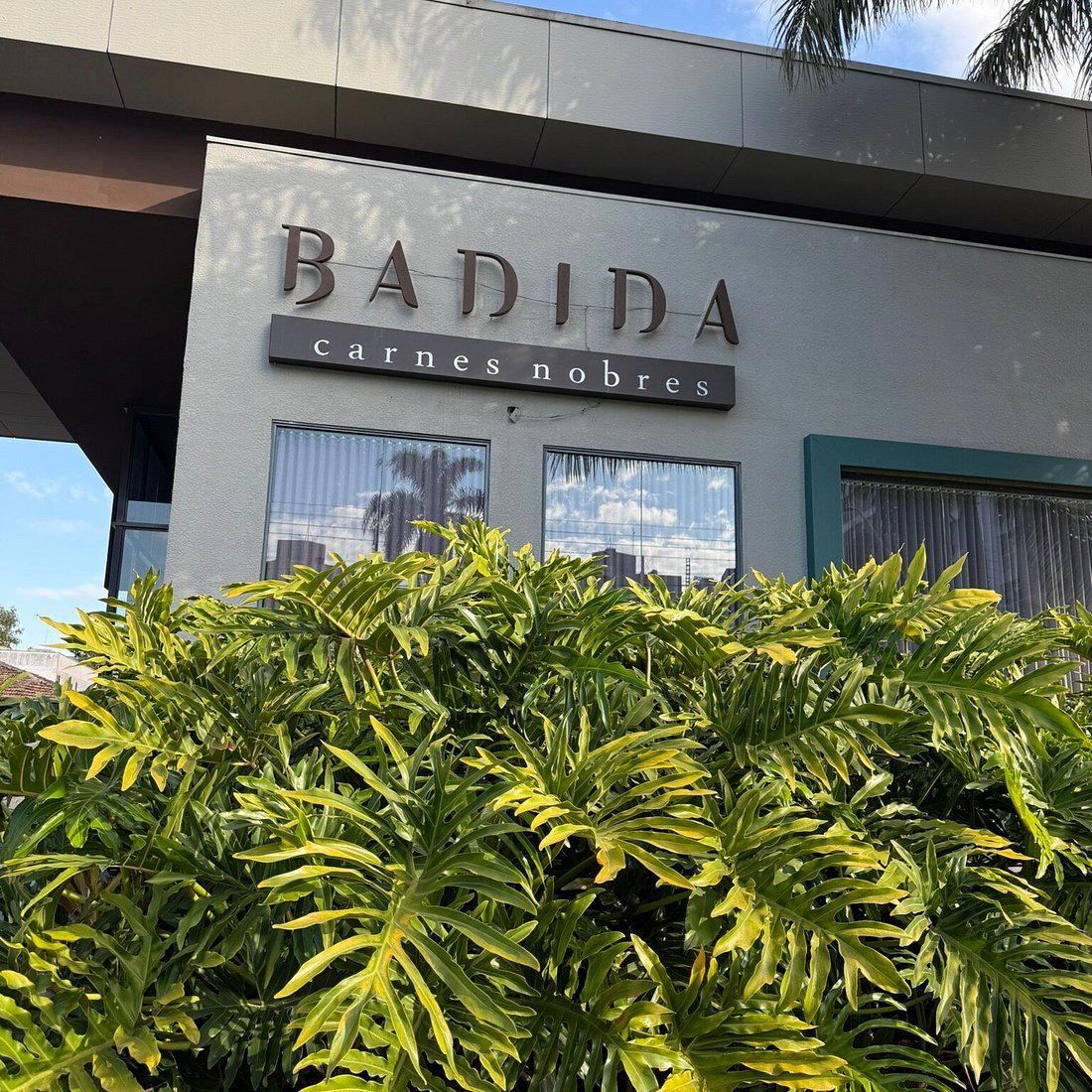
| Badida Sete | Brazilian Steakhouse | $20–30 | Not listed | Not listed |
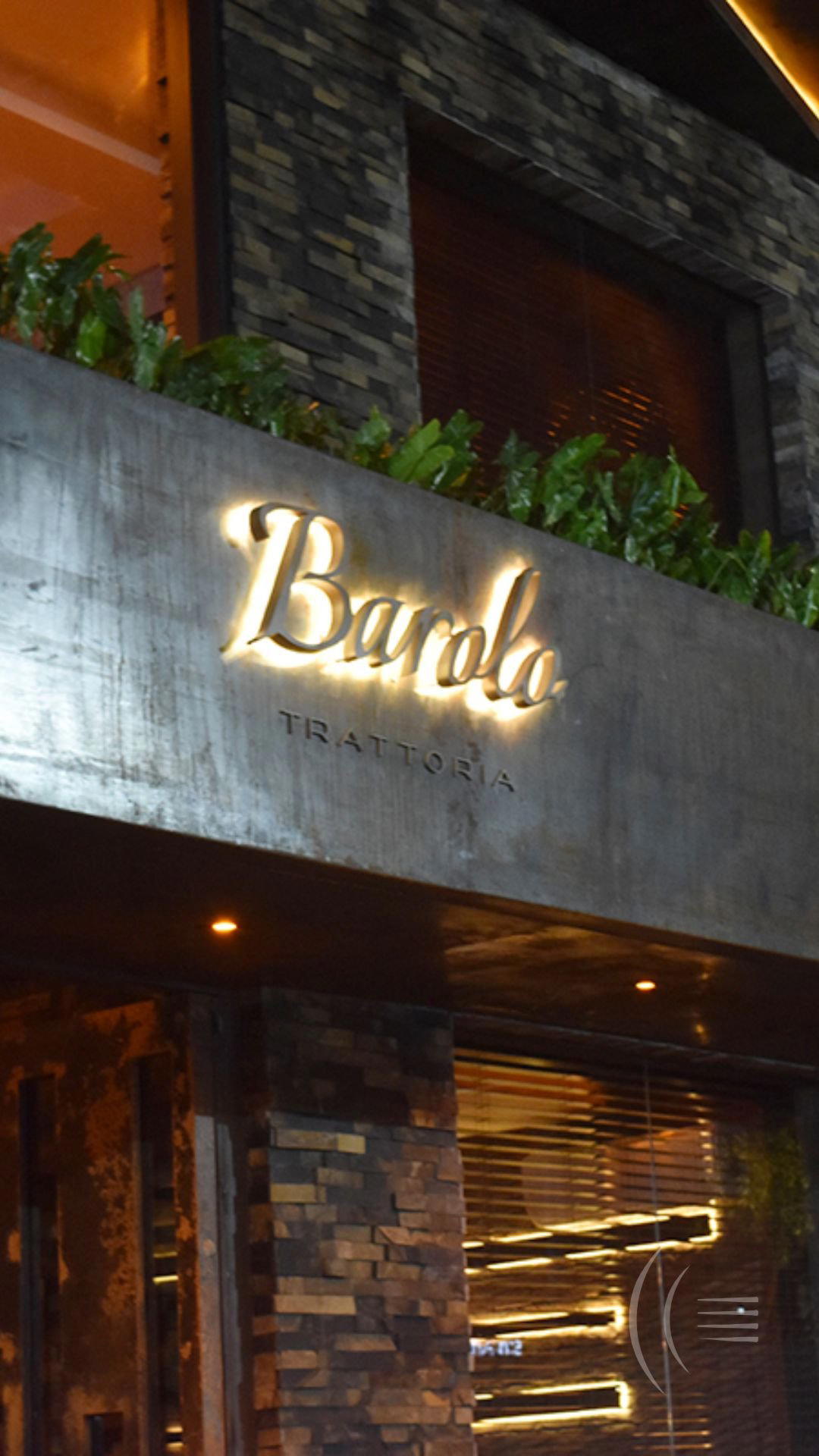
| Barolo Curitiba | Classic Italian Trattoria | $30–50 | Not listed | Not listed |
| Batel Grill | Brazilian Churrascaria with Japanese Buffet | $20–30 | Not listed | Not listed |
| Calabouço Restaurante e Pizzaria | Italian Pizza and Pasta in Medieval Setting | $10–20 | Not listed | Not listed |
Continue exploring
More in Curitiba
Details
- Rustic
- Cozy
- Family
- Casual Hangout
- Historic Building
- A La Carte
Current opening hours
- Monday
- Closed
- Tuesday
- 11 AM–2:30 PM, 6–11 PM
- Wednesday
- 11 AM–2:30 PM, 6–11 PM
- Thursday
- 11 AM–2:30 PM, 6–11 PM
- Friday
- 11 AM–2:30 PM, 6–10:30 PM
- Saturday
- 11 AM–3:30 PM, 6–10:30 PM
- Sunday
- 11 AM–3:30 PM
Hours can change for holidays and private events. Last verified .
Rustic eatery with wood paneling and cozy, warm atmosphere evoking traditional German taverns.