Our verdict
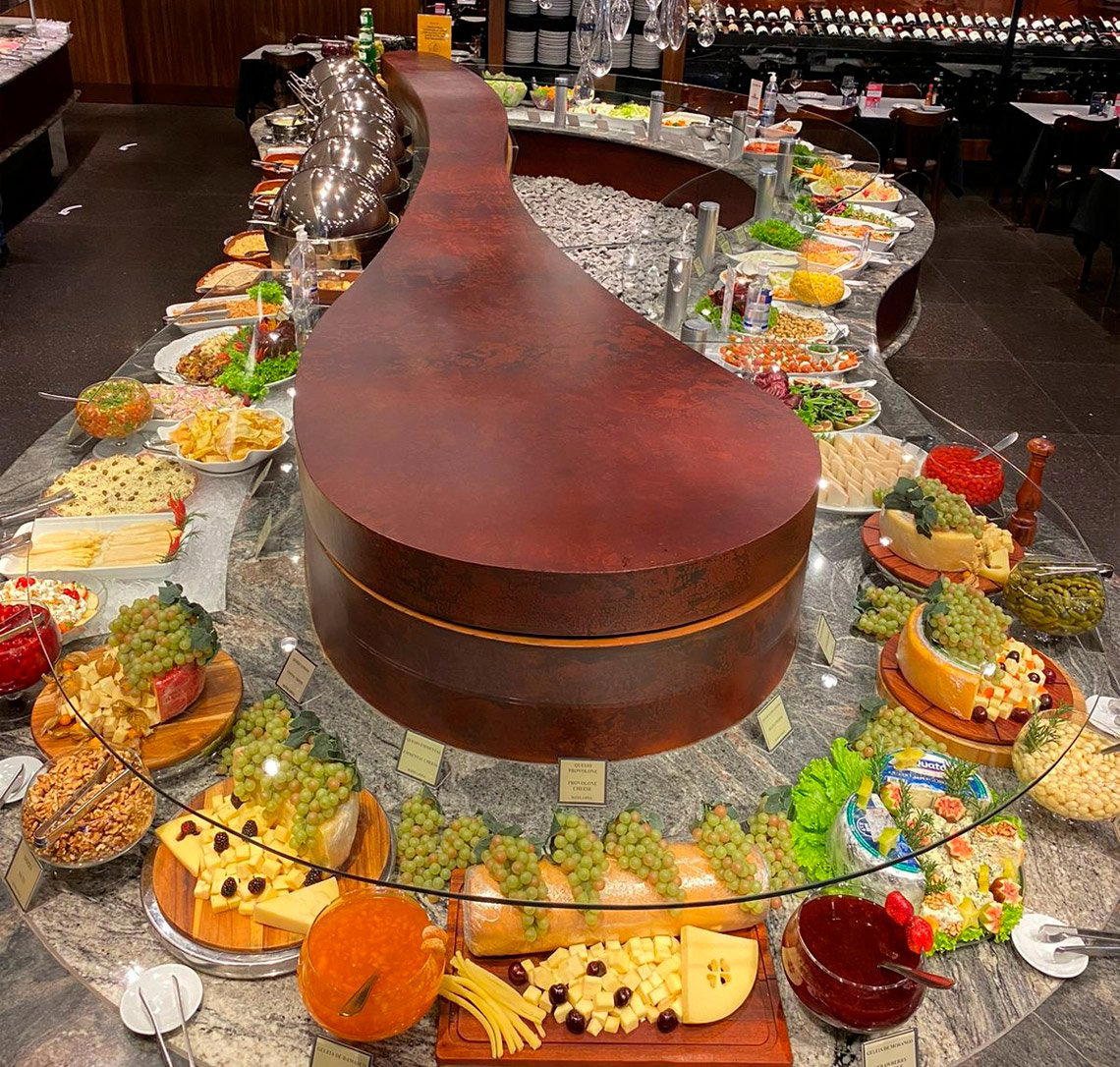
Badida Sete runs as a Brazilian steakhouse in Curitiba, pairing picanha and contra-file with an extensive wine list for lunch or dinner.

Pearl is the En Primeur Club membership app — saves, bookings, and concierge access live there. Same editors, same standards.
- Address
- Av. Sete de Setembro, 6045 - Seminário, Curitiba - PR, 80240-001, Brazil
- Phone
- +554132430473
- Hours
- Mon–Thu 11:30 AM–3 PM, 7–11:30 PMFri 11:30 AM–3:30 PM, 7–11:30 PMSat 11:30 AM–4 PM, 7–11:30 PMSun 11:30 AM–4 PM
- Website
- badida.com.br
- Directions
- Get directions
- Booking
- Book on the venue's website
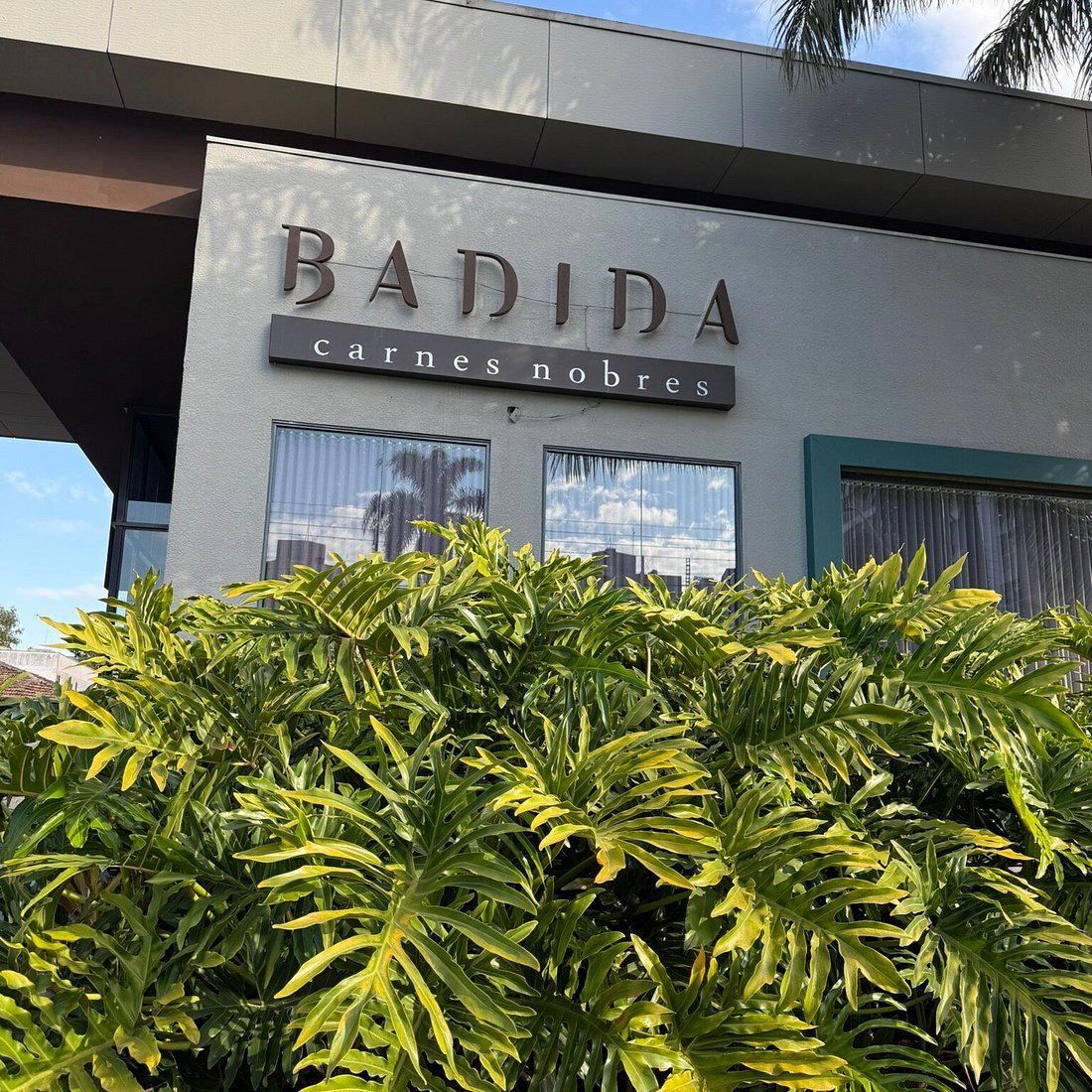
Avenida Sete de Setembro and the Semináriо Neighbourhood
Avenida Sete de Setembro is one of Curitiba's longer commercial and residential corridors, running through the Seminário district at a remove from the more touristed Batel and Bigorrilho concentrations. Restaurants along this stretch tend to serve a neighbourhood clientele rather than visitors working through a shortlist, which shapes the kitchen's priorities in ways that matter: the pressure is on consistency and sourcing reliability, not on Instagram presentation or tasting-menu theatrics. Badida Sete sits at number 6045 on this avenue, in a part of the city where dining rooms earn repeat visits rather than first-time pilgrimages.
Curitiba's Position in the Brazilian Dining Conversation
Brazil's restaurant conversation concentrates heavily on Rio de Janeiro and São Paulo. Oteque in Rio de Janeiro and D.O.M. in São Paulo absorb the international critical attention, while Curitiba operates as a quieter, more self-contained dining city with a distinct European immigrant influence — German, Italian, Ukrainian, Polish — layered over Brazilian pantry staples. That demographic history has produced a restaurant culture that is simultaneously more grounded in European technique and more attached to local Paraná produce than the coastal capitals. Kitchens here draw from Serra Gaúcha vineyards to the south, Atlantic Forest–edge farms to the east, and the agricultural interior to the west. When ingredient sourcing is a kitchen's organising principle, Curitiba's geography is an advantage rather than a limitation.
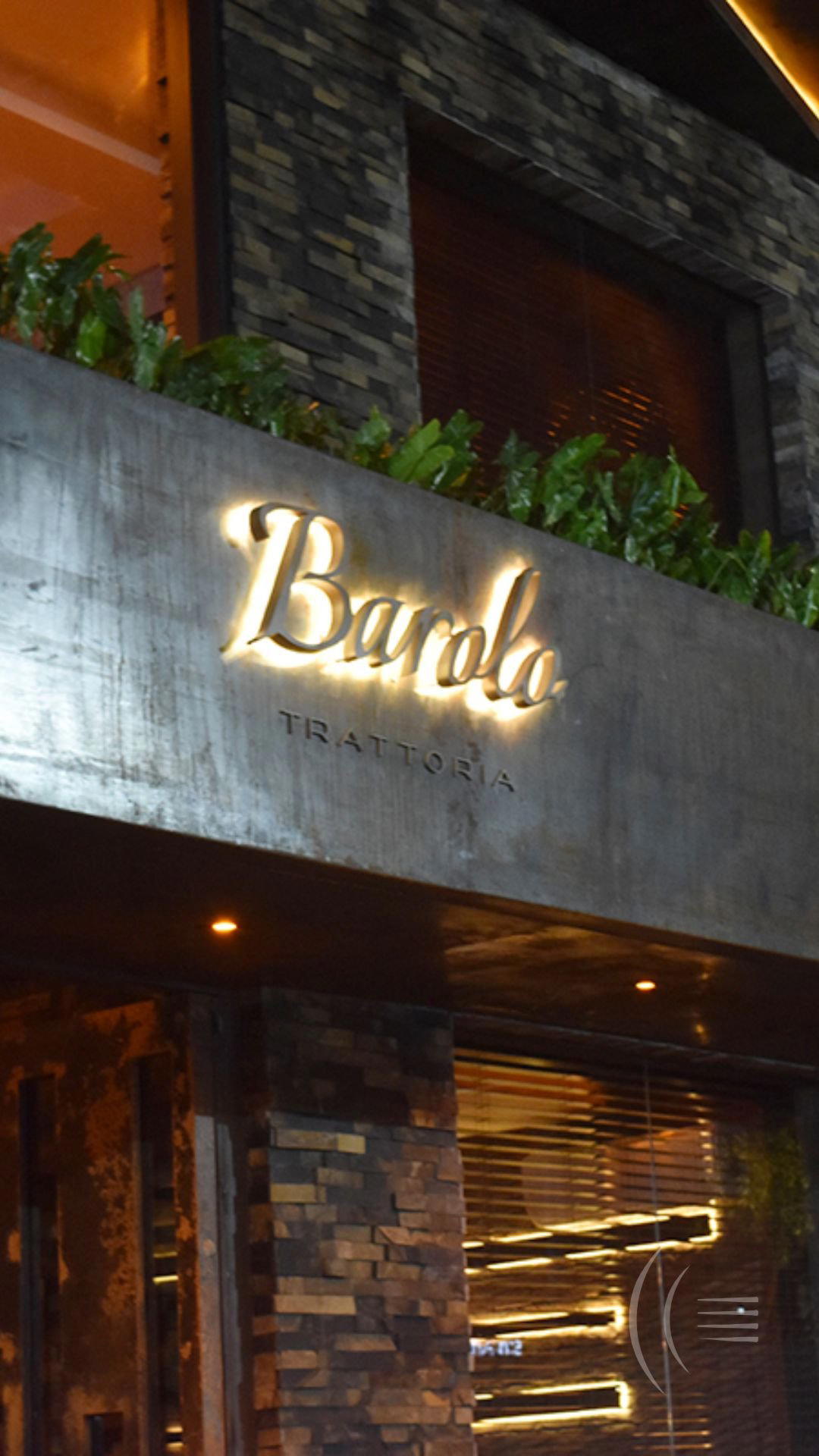
The city's dining range runs from the traditional German pork preparations at Cantinho do Eisbein Restaurante to Italian-leaning addresses like Barolo Curitiba, and from the grill-focused offering at Batel Grill to more casual neighbourhood staples like Calabouço Restaurante e Pizzaria. Badida Sete occupies the Seminário corridor, away from the cluster, which positions it differently from the Batel and Água Verde addresses that dominate most curated shortlists of the city. See our full Curitiba restaurants guide for a broader map of where the city's dining energy is concentrated.
What Ingredient Sourcing Means in Southern Brazil
The sourcing conversation in Brazilian fine dining has matured considerably over the past decade. Where kitchens once imported technique and imported product to match, a generation of Brazilian cooks has reversed that logic: technique now serves local ingredients rather than replacing them. This shift is most visible at coastal addresses like Manga in Salvador and inland Brazilian restaurants such as Birosca S2 in Belo Horizonte, but the Paraná interior has its own version of this argument. The state's temperate climate produces European-style vegetables and cold-weather alliums at volumes and qualities that most of tropical Brazil cannot match. Farms within an hour or two of Curitiba grow radicchio, endive, leeks, and root vegetables that arrive in urban kitchens at a freshness that long-haul logistics simply cannot replicate.
Across the border in Rio Grande do Sul, producers at addresses like Castelo Saint Andrews in Vale do Bosque and Primrose in Gramado operate within a similarly temperate agricultural zone. Curitiba kitchens that pay attention to season and provenance are drawing from one of South America's most underappreciated agricultural zones. The broader Brazilian interior also contributes: cerrado fruits, Amazonian botanicals, and native Brazilian grains have entered the mainstream sourcing vocabulary in ways that were not standard a decade ago. For parallel sourcing intelligence from other parts of Brazil, the approach at Orixás North Restaurant in Itacaré and State of Espírito Santo in Rio Bananal illustrates how different Brazilian regions are building their own farm-to-kitchen arguments.
Neighbourhood Dining and the Aizu Comparison
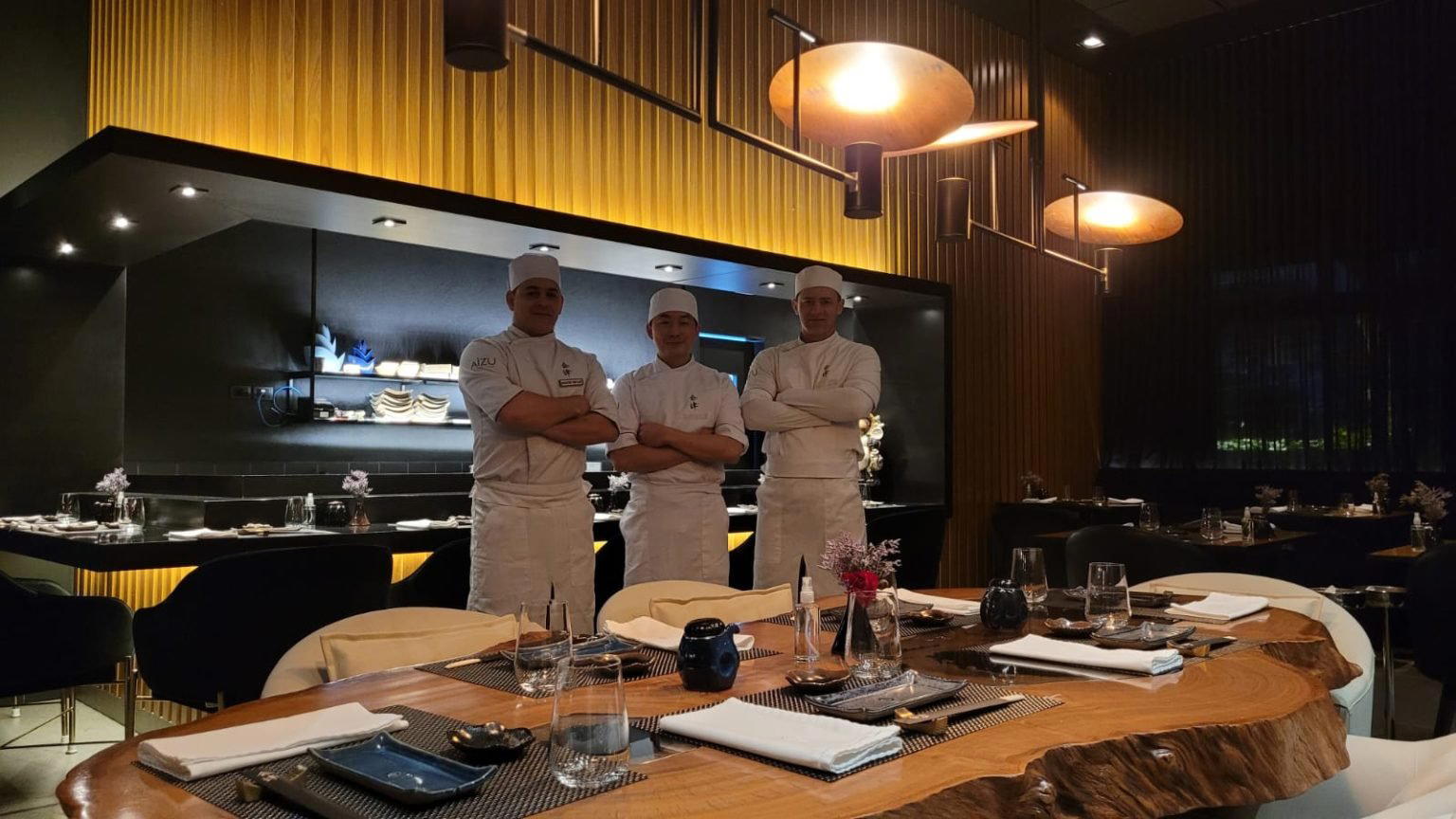
Curitiba's dining map clusters certain cuisines in certain neighbourhoods. Japanese-Brazilian cooking, which has deep roots in Paraná given the state's significant Nikkei population, is particularly concentrated in parts of the city, with Aizu representing the Japanese-leaning end of the local spectrum. Badida Sete operates on a different axis entirely, in the Seminário district, where the audience is primarily local and the dining proposition is shaped more by neighbourhood rhythm than by cuisine category. This distinction matters for how the kitchen sources and what format it adopts: neighbourhood restaurants in Curitiba tend toward more direct supplier relationships precisely because their volume is more predictable than the variable covers of destination addresses.
For comparison at the higher-budget end of ingredient-led dining in Brazil, the sourcing discipline at Mina in Campos do Jordão or the technical rigour at Olivetto Restaurante e Enoteca in Campinas provides useful reference points. Internationally, the sourcing philosophy visible at Le Bernardin in New York City and the produce-first approach of Lazy Bear in San Francisco show how ingredient provenance has become an organising principle at very different price tiers.
Planning Your Visit
Badida Sete's address on Avenida Sete de Setembro in the Seminário neighbourhood places it roughly on the western arc of the city, reachable by car or rideshare from the Batel hotel concentration in under fifteen minutes depending on traffic. Seminário is a residential district, meaning street parking is generally more available than in the denser commercial cores of Batel or Centro, which is worth noting if you are arriving independently rather than by app-based transport.
Frequently asked questions
How do I find Badida Sete?
Badida Sete is located at Av. Sete de Setembro, 6045 - Seminário, Curitiba - PR, 80240-001, Brazil, Curitiba.
Is Badida Sete in Curitiba's Seminário district easy to reach by public transport?
Badida Sete's address at Av. Sete de Setembro, 6045 sits along one of Curitiba's main arterial corridors, which is served by the city's tube-station bus rapid transit network. Curitiba's BRT system, one of the most referenced in South America for urban planning, uses Avenida Sete de Setembro as a key axis, making access from the city centre feasible without a car. Confirm current stop proximity with local transit maps before travelling.
What dish is Badida Sete famous for?
No specific signature dish has been documented for Badida Sete in current editorial records. The restaurant sits on Avenida Sete de Setembro in Curitiba's Seminário district, a corridor that draws on southern Brazil's produce traditions. To confirm the current menu focus, contacting the venue directly is the most reliable approach.
Do they take walk-ins at Badida Sete?
The Seminário address on Avenida Sete de Setembro, 6045 is the reference point for planning a visit. Arriving in person or reaching out ahead of time is advisable given that Curitiba's mid-tier neighbourhood restaurants vary widely on reservation requirements.
What do critics highlight about Badida Sete?
No formal awards or named critical reviews are currently documented for Badida Sete. Curitiba's dining scene draws less international press than São Paulo or Rio de Janeiro, which means well-regarded neighbourhood restaurants on corridors like Avenida Sete de Setembro frequently operate below the radar of national food media. Local Paraná sources remain the most credible reference for current critical opinion.
How does Badida Sete handle allergies?
For guests with dietary restrictions, the Seminário address — Av. Sete de Setembro, 6045, Curitiba — is confirmed, and communicating requirements directly before visiting is the practical approach for any restaurant where specific kitchen protocols have not been published.
A Quick Peer Check
| Venue | Cuisine | Price | Awards | Notes |
|---|---|---|---|---|
| Badida SeteThis venue — the venue you are viewing | Brazilian Steakhouse | $20–30 | Not listed | Not listed |
| Manu | Modern Brazilian Seasonal Tasting Menu | $150–200 | World's 50 Best #80 · We're Smart World 2 Radishes | Brazilian |
| Barolo Curitiba | Classic Italian Trattoria | $30–50 | Not listed | Not listed |
| Batel Grill | Brazilian Churrascaria with Japanese Buffet | $20–30 | Not listed | Not listed |
| Calabouço Restaurante e Pizzaria | Italian Pizza and Pasta in Medieval Setting | $10–20 | Not listed | Not listed |
| Cantinho do Eisbein Restaurante | Authentic German | $20–30 | Not listed | Not listed |
Continue exploring
More in Curitiba
Badida Sete
The wine
- Wine program
- Curated wine list
- Extensive wine list
Details
- Elegant
- Cozy
- Sophisticated
- Date Night
- Business Dinner
- Special Occasion
- Open Kitchen
- Extensive Wine List
- A La Carte
- Wine
- Gluten Free Options
Current opening hours
- Monday
- 11:30 AM–3 PM, 7–11:30 PM
- Tuesday
- 11:30 AM–3 PM, 7–11:30 PM
- Wednesday
- 11:30 AM–3 PM, 7–11:30 PM
- Thursday
- 11:30 AM–3 PM, 7–11:30 PM
- Friday
- 11:30 AM–3:30 PM, 7–11:30 PM
- Saturday
- 11:30 AM–4 PM, 7–11:30 PM
- Sunday
- 11:30 AM–4 PM
Hours can change for holidays and private events. Last verified .
Refined and cozy setting with elegant atmosphere.