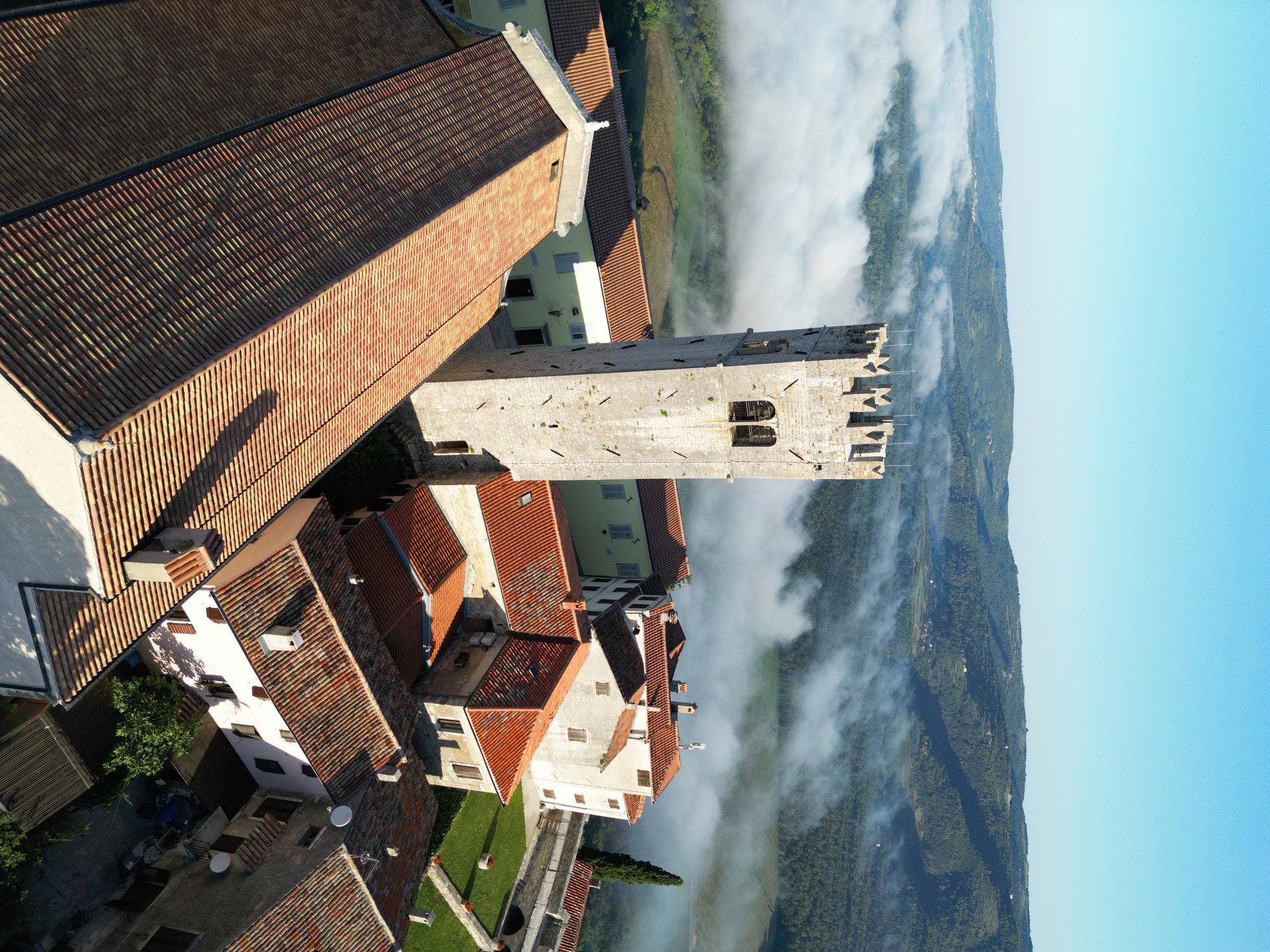
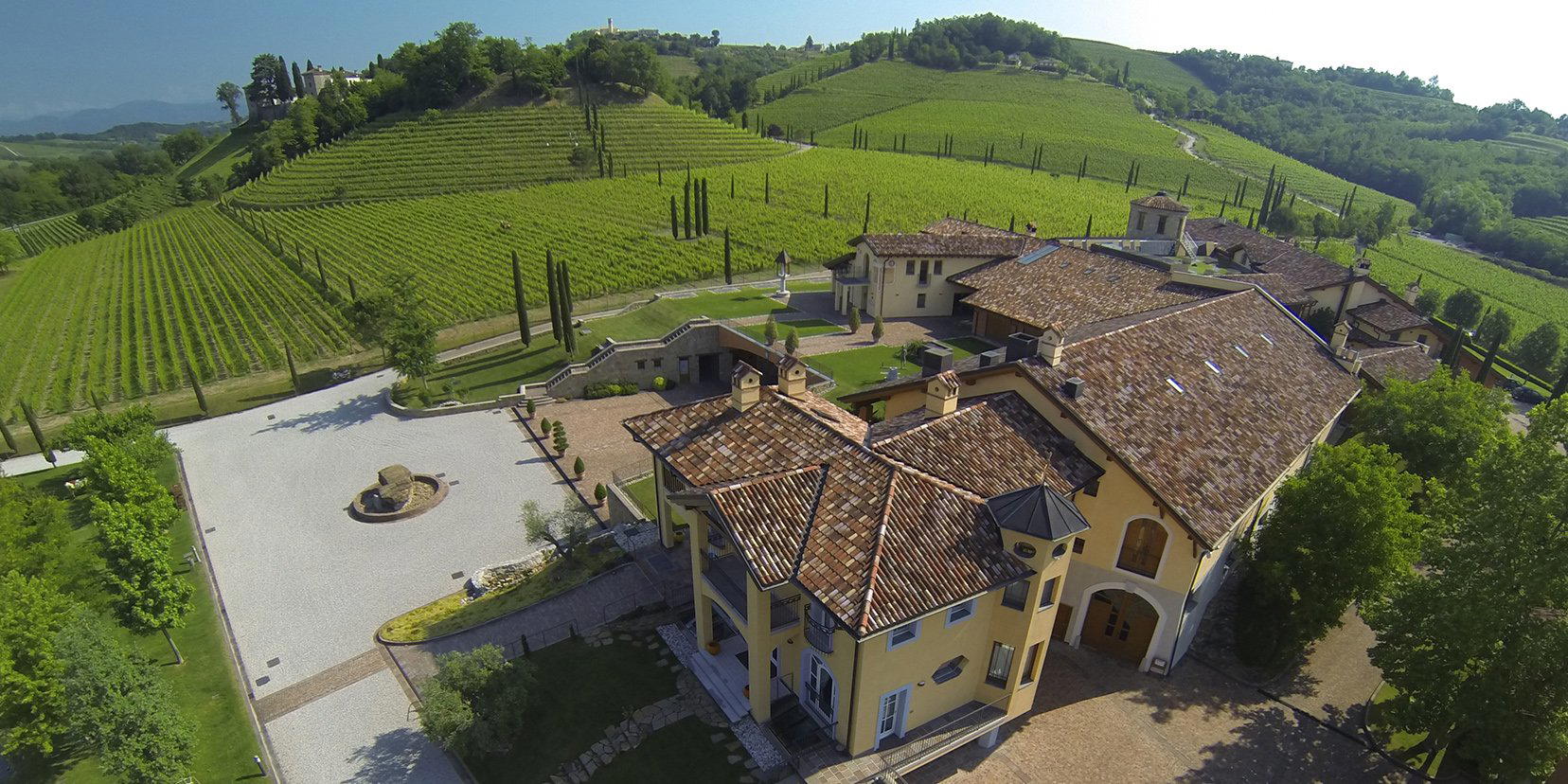
Placito Risano sits in the karst hill village of Črni Kal, positioning it among Slovenia's rurally anchored dining destinations where the surrounding landscape shapes what arrives on the plate. The address alone, Bezovica 30, set back from the Istrian coast near Koper, signals a deliberately unhurried register, closer to the gostilna tradition of countryside hospitality than to the polished dining rooms of the coast. For visitors making the journey from Koper, the drive through the karst is part of the experience.
Pearl is the En Primeur Club membership app — saves, bookings, and concierge access live there. Same editors, same standards.
- Address
- Bezovica 30, 6275 Črni Kal, Slovenia
- Phone
- +38631408564
- Website
- placitorisano.eu
- Directions
- Get directions
 Saves & bookings on Pearl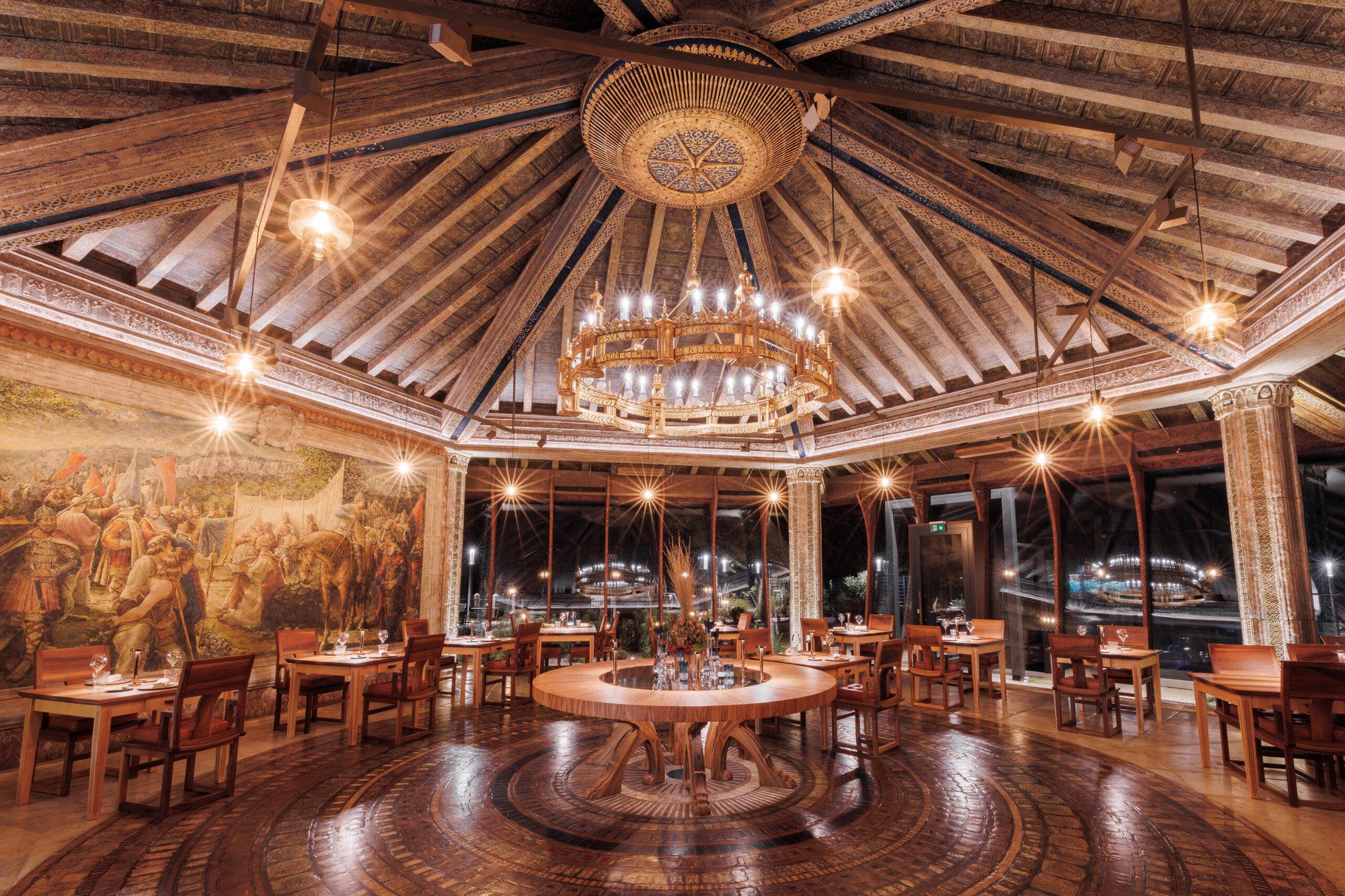
Karst Country, Coastal Proximity: The Geography That Shapes Placito Risano
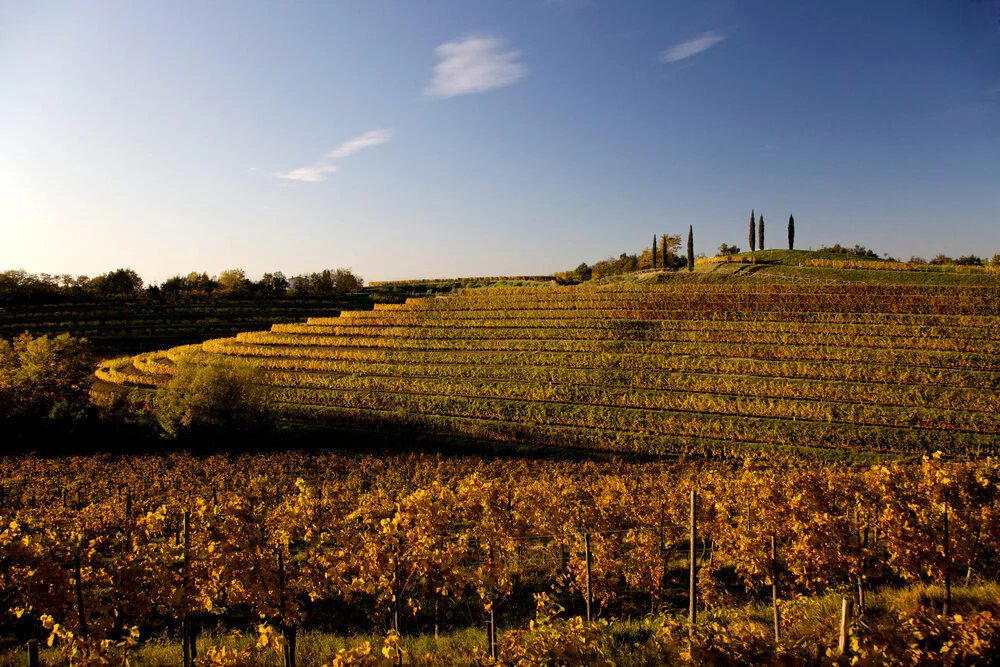
The Slovenian karst plateau sits only a few kilometres inland from the Adriatic, but the shift in register between coast and hinterland is immediate. Where Koper faces outward, maritime, mercantile, Venetian in its bones, the villages above the escarpment operate at a different tempo. Črni Kal, where Placito Risano is addressed at Bezovica 30, belongs to that inland tier: a place where limestone determines the soil, the architecture, and, by extension, what gets grown, cured, and cooked. This is the productive zone that feeds the Istrian kitchen from behind the scenes.
That geography matters for understanding how the Istrian tradition differs from the Adriatic seafood belt running south into Croatia and further into the Dalmatian interior. The karst supports prosciutto and aged cheese, wild herbs, forest mushrooms, and the truffles that have made Istria, on both sides of the Slovenian-Croatian border, a reference point for autumn dining across Central Europe. A restaurant positioned in this zone is drawing from a larder that coastal venues can reference but rarely source as directly.
Koper's dining scene skews toward the seafood end of the Istrian range, with venues like Al Mulin and Avokado working variations on the coast's natural advantages. Capra and Gostilna Karjola sit in the more land-facing register. Placito Risano, further from the centre and embedded in the karst itself, occupies a distinct position in that spectrum, a destination that asks visitors to travel toward the source rather than the port.
The Gostilna Tradition and Where Placito Risano Sits Within It
Slovenia's gostilna format, a rural inn combining tavern eating, local wine, and often accommodation, is one of the more coherent hospitality traditions in Central Europe. It is not a museum piece. The leading examples evolve their kitchen while preserving the logic of the tradition: seasonal sourcing, long cooking times, a wine list anchored in nearby production. At its weakest, the format collapses into nostalgia and tourist-facing approximations of authenticity. At its most rigorous, it produces the kind of cooking that brings critics to addresses far from city centres.
Slovenia's critical recognition for rurally anchored dining has grown substantially over the past decade. Hiša Franko in Kobarid is the reference point, two Michelin stars and a global profile built from an address that would have seemed commercially improbable fifteen years ago. Gostilna Pri Lojzetu in Vipava and Grič in Šentjošt nad Horjulom extend the same logic into other rural pockets. The pattern across these venues is consistent: destinations that justify the drive with cooking tightly calibrated to their immediate geography.
The restaurant operates within that broader pattern. The address in Črni Kal places it on a route that connects Koper with the Karst and, further north, with the wine valleys of the Vipava and Goriška Brda. Visitors making the loop from the coast to the interior, stopping at Dam in Nova Gorica or Domačija Ražman along the way, find the restaurant sits logically in that itinerary rather than requiring a separate detour.
What the Istrian Kitchen Does With Its Geography
Istrian cuisine is one of the more clearly defined regional kitchens in the former Yugoslav space, shaped by centuries of Venetian administration, proximity to the sea, and the peculiar productivity of the karst. The cooking tends toward restraint in technique and intensity in ingredient: olive oil pressed from the Istrian cultivar Buža, which produces a distinctly grassy, low-acid oil; prosciutto dried by the Bora wind in conditions that are genuinely difficult to replicate elsewhere; truffles found in concentrations that have made the Motovun forest in Croatian Istria internationally traded.
On the Slovenian side of the border, the same ingredients appear but the cooking registers slightly differently. Slovenian Istrian kitchens tend to absorb influences from the Alpine tradition to the north more readily than their Croatian counterparts, producing hybrid dishes where forest and sea appear in the same plate rather than in separate courses. That cross-tradition fluency is most legible in venues that sit, as the restaurant does, at the transition zone between coastal and karst terroirs.
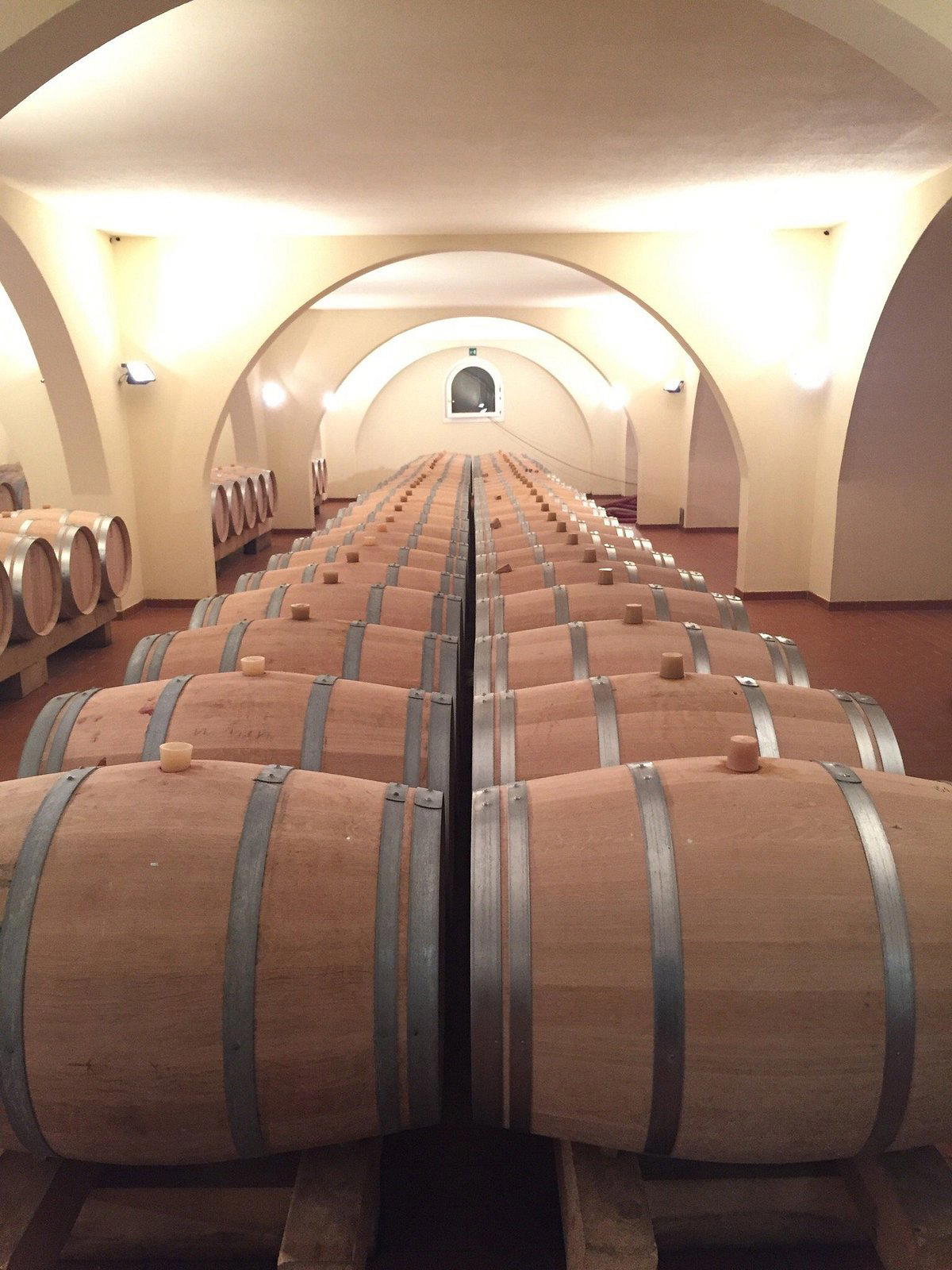
Wine is inseparable from this discussion. The Karst wine region produces Teran from the Refošk grape on its characteristic red iron-rich soil, a structured, tannic wine that pairs with cured meats and aged cheeses in ways that lighter coastal whites do not. The Vipava Valley, accessible from this part of Slovenia within an hour's drive, adds indigenous varieties including Zelen and Pinela. A restaurant in this location has the cellar potential to build a list that traces the territory around it, and that context is part of what a visit to the restaurant is implicitly about.
Planning the Visit from Koper
The drive from Koper to Črni Kal takes approximately twenty minutes, climbing from sea level onto the karst via the A1 motorway or, more scenically, via the local roads below the dramatic viaduct that carries the main highway over the valley. The Črni Kal viaduct is itself one of the more photographed pieces of infrastructure in Slovenia, arriving by the lower road gives the approach a framing that the motorway does not. From Ljubljana, the drive is approximately an hour.
For visitors combining the restaurant with broader Slovenian dining travel, it pairs naturally with the Koper coastline for lunch-dinner combinations, or with a westward route toward Gostilna Mlinar in Idrija and Hiša Linhart in Radovljica for those building a multi-day Slovenian itinerary.
Slovenia's fine-dining circuit, anchored at the leading by recognised addresses like Restavracija Strelec in Ljubljana, Hiša Denk in Zgornja Kungota, and Pavus in Lasko, has steadily pushed attention toward the country's rural addresses. The restaurant, by virtue of its location in the karst near the coast, sits at the intersection of two of Slovenia's most productive culinary territories and benefits from both.
The Short List
Comparable venues nearby, for context on price, style, and recognition.
| Venue | Cuisine | Price | Notes |
|---|---|---|---|
| Placito RisanoThis venue — the venue you are viewing | Crni Kal, Modern Istrian Fine Dining | $$$$ | Not listed |
| Grad Socerb | Črni Kal, Modern Mediterranean Seafood | $$$$ | Not listed |
| Capra | Koper, Mediterranean Seafood | $$$ | Not listed |
| Avokado | downtown, Vegan Fast Food | $$ | Not listed |
| Restavracija Brič | Not listed | $$ | Dekani, Mediterranean Seafood & Local Wines |
| Kogo | Koper, Modern Istrian Mediterranean | $$$ | Not listed |
Continue exploring
More in Koper
Restaurants in Koper
Browse all →
Bars in Koper
Browse all →

Hotels in Koper
Browse all →
At a Glance
- Modern
- Elegant
- Cozy
- Sophisticated
- Special Occasion
- Date Night
- Private Dining
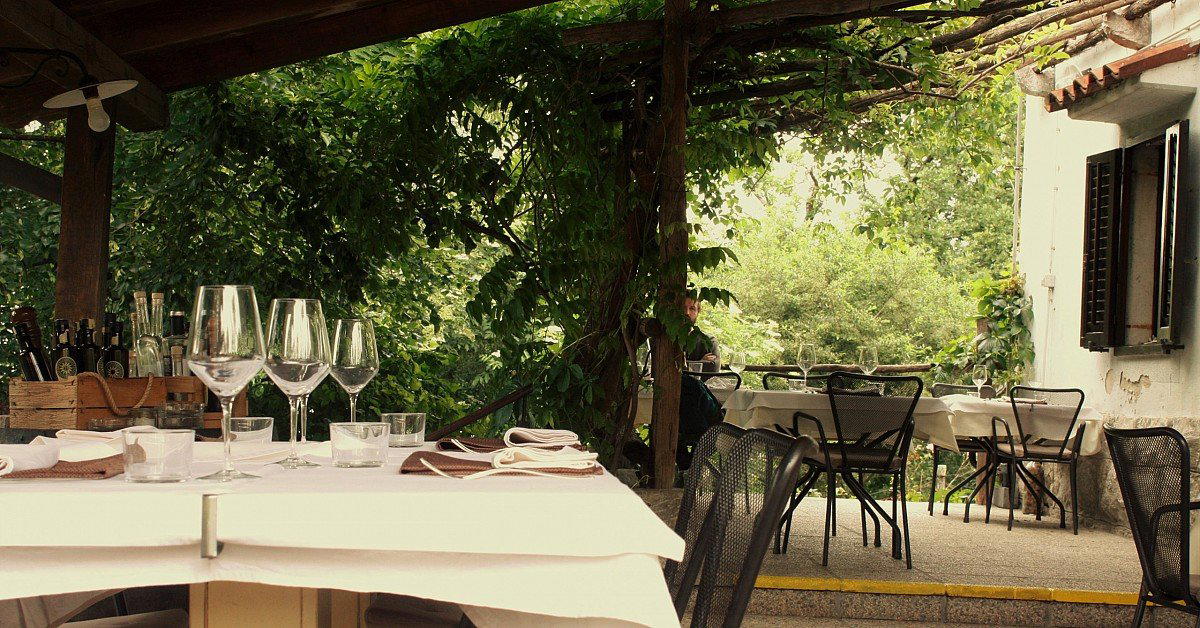
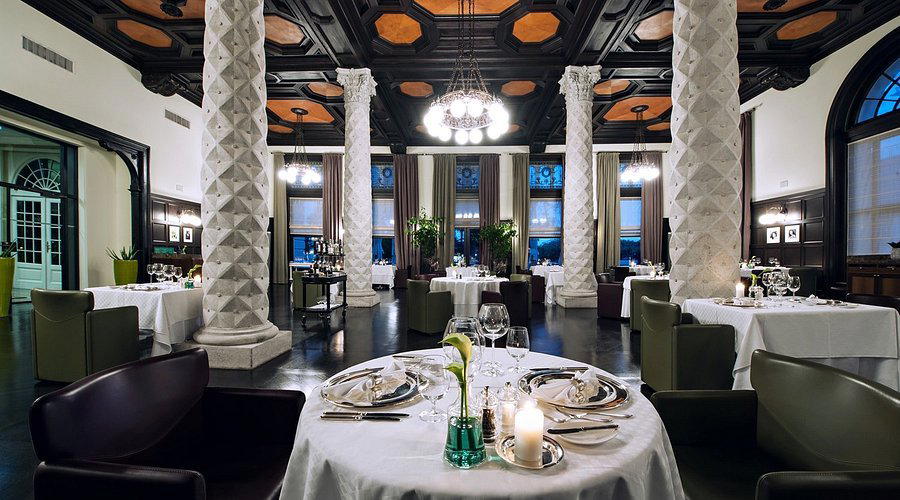
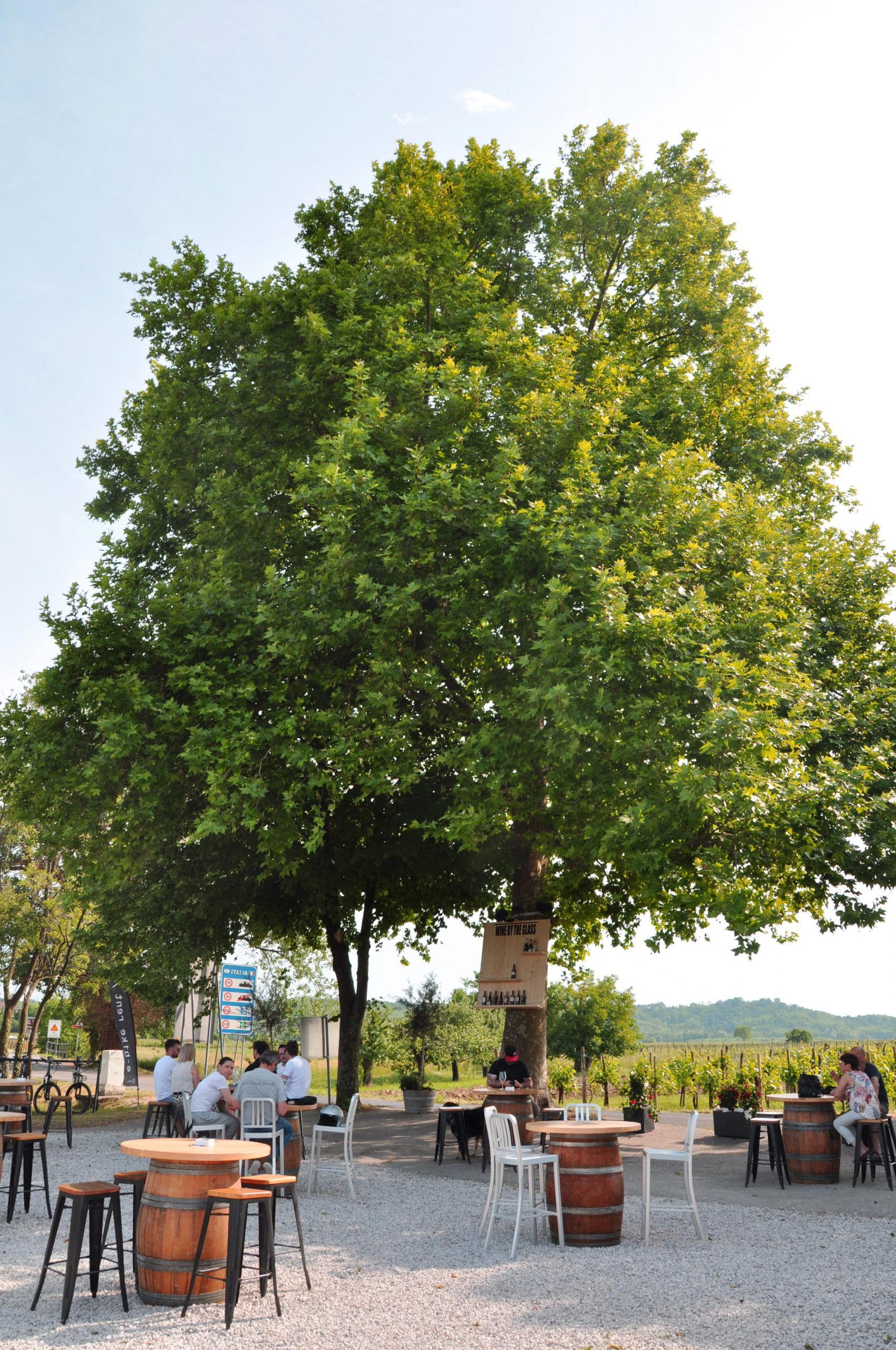
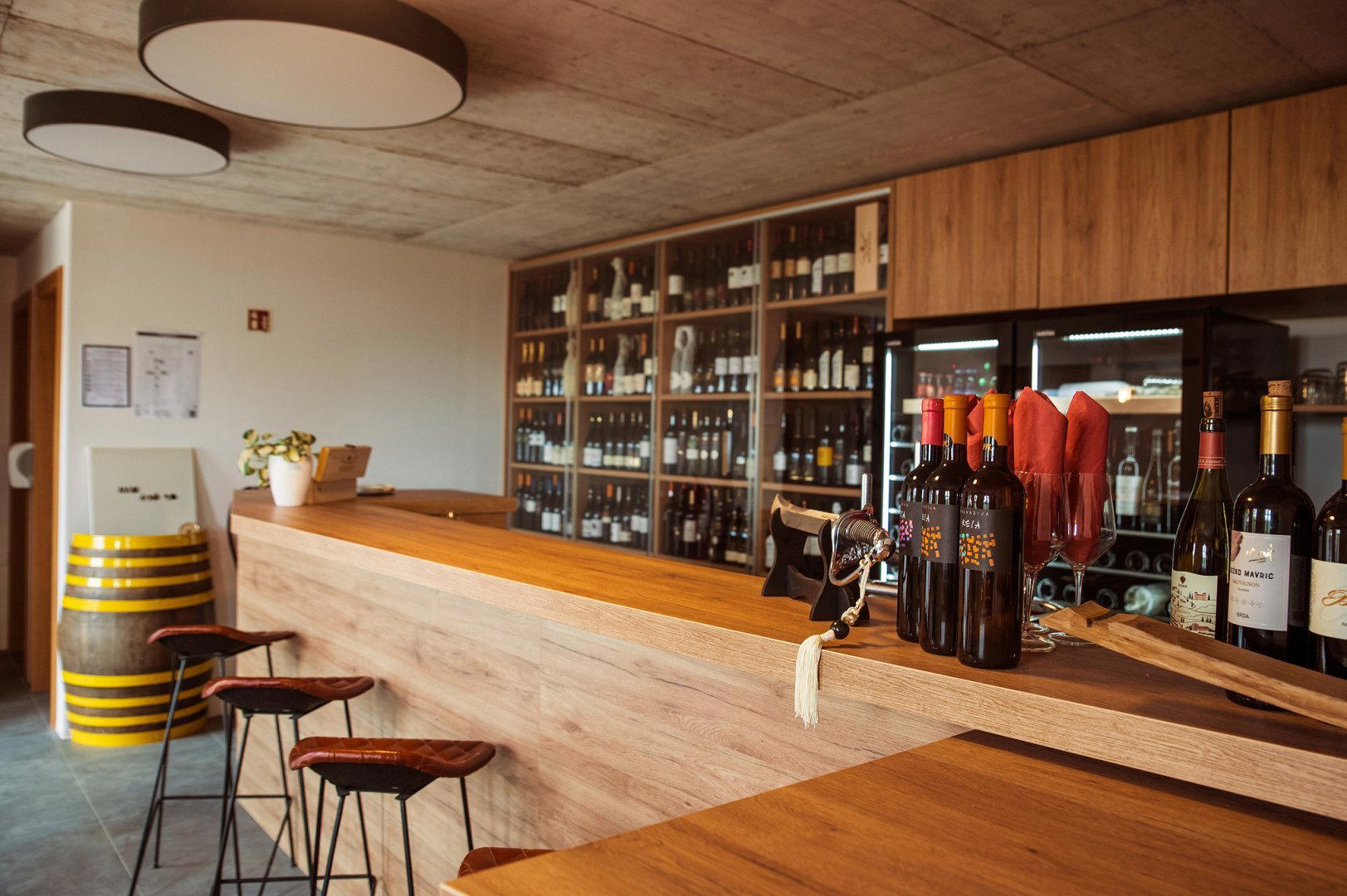
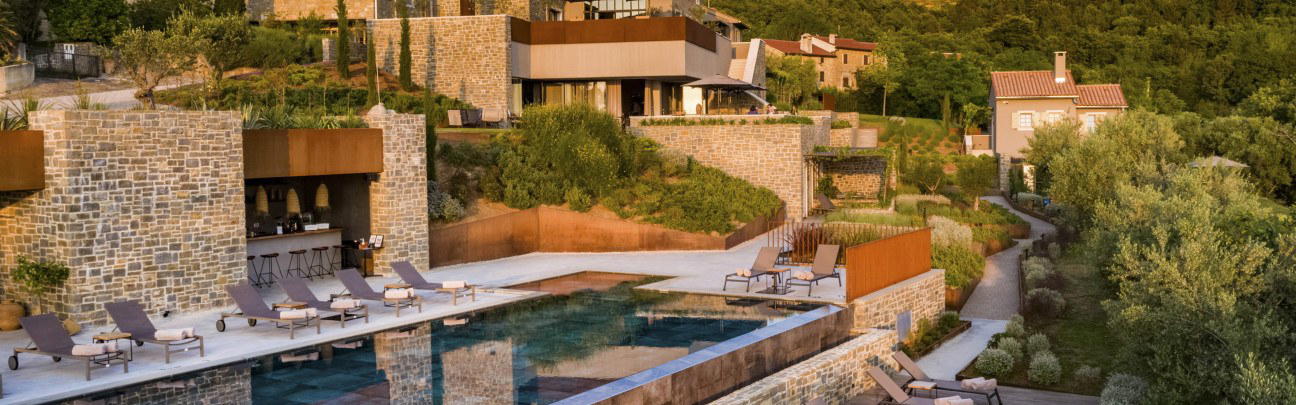
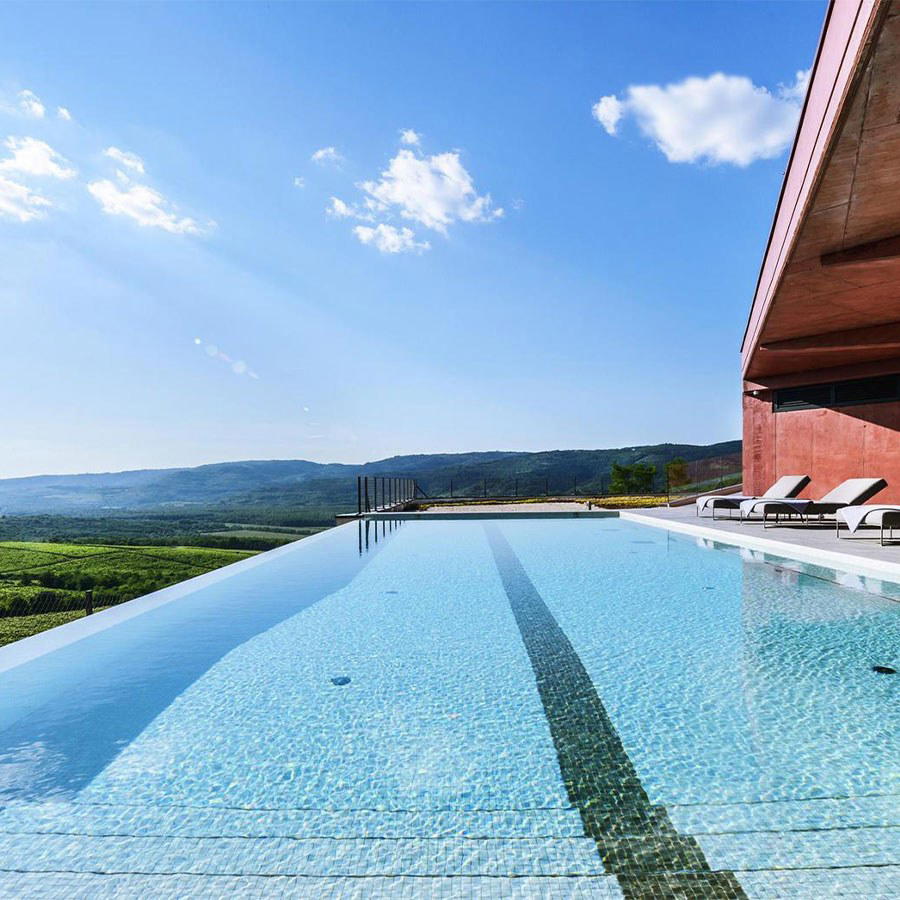
Cool décor featuring wood, high glass fronts, leather, and artistic details creating a refined, charming atmosphere with beautiful interior arrangements and garden surroundings.