
Kogo holds consecutive Michelin Plate recognition (2024 and 2025) in Koper, the historic Istrian port city on Slovenia's Adriatic coast. The kitchen works within a regional cuisine framework, drawing on the agricultural and marine resources that define this corner of the Slovenian littoral. At a mid-range price point, it occupies a distinct position in a city whose dining scene is only beginning to attract wider attention.
Pearl is the En Primeur Club membership app — saves, bookings, and concierge access live there. Same editors, same standards.
- Address
- Šmarska cesta 1, 6000 Koper, Slovenia
- Phone
- +386 51 261 726
- Website
- kogo.si
- Directions
- Get directions
 Saves & bookings on Pearl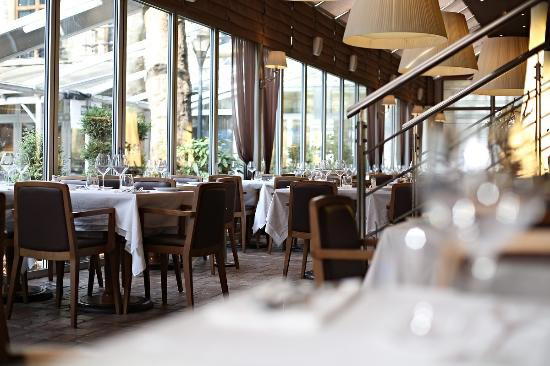
Where the Istrian Hinterland Meets the Adriatic Table
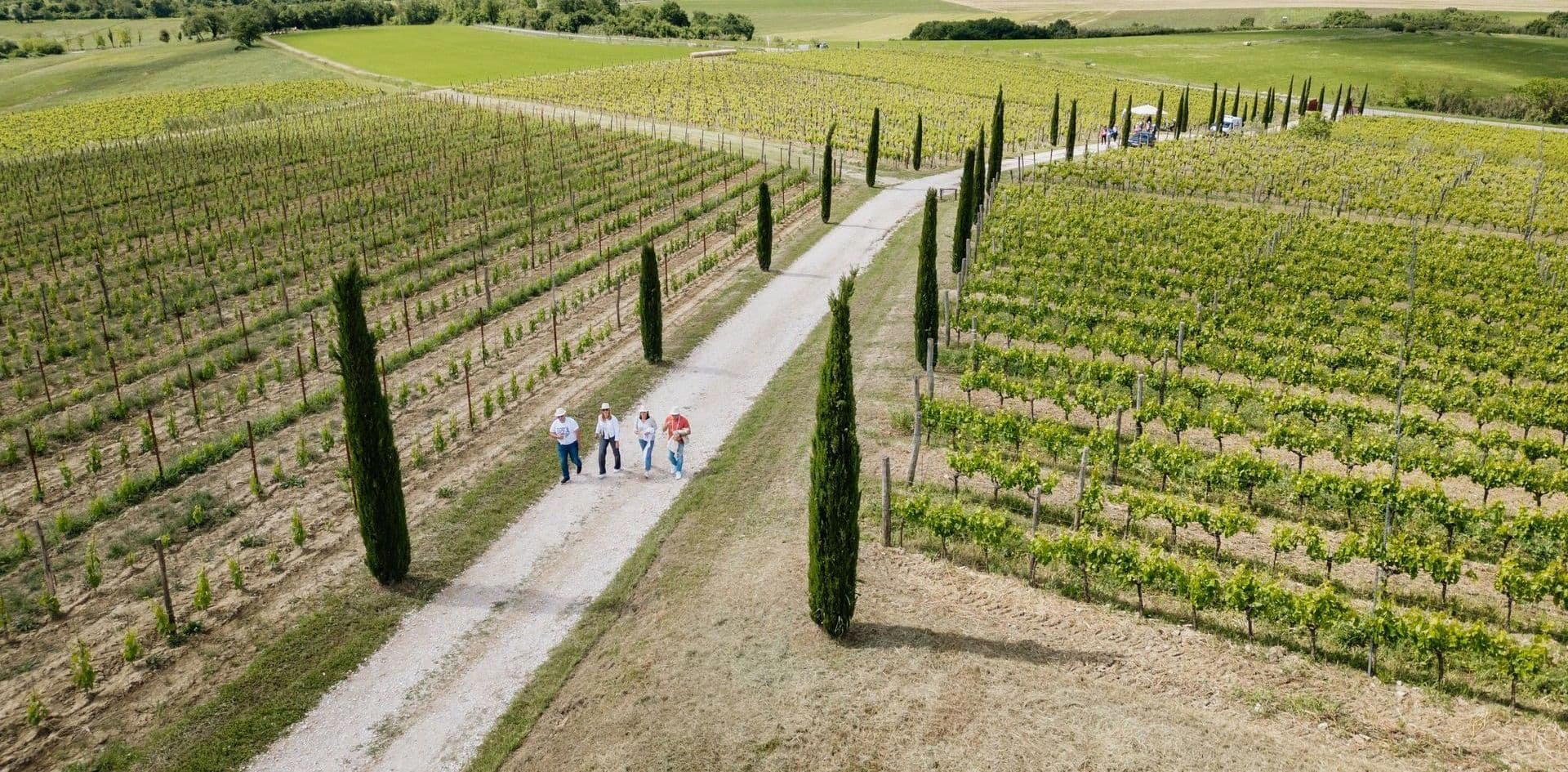
Kogo in Koper is a modern Istrian Mediterranean restaurant serving an accessible coastal menu in Slovenia's only coastal city. The old town rises on what was once an island, its Venetian-inflected architecture pressing close around narrow streets that open suddenly onto salt-aired squares. Arriving at Šmarska cesta 1, on the edge of that old urban fabric, you are already in the productive zone between sea and karst, where the sourcing logic of Istrian cooking becomes immediately legible. The vines and olive groves visible on the surrounding slopes are not decorative backdrop; they are the supply chain.
Regional cuisine in this corner of Slovenia is not a marketing category. It is a function of terrain: shallow coastal waters, the red iron-rich soils of the Istrian peninsula, and a hinterland whose farmers have supplied the same coastal kitchens for generations. Kogo works within that tradition, earning Michelin Plate recognition in both 2024 and 2025, a consistent signal, across two consecutive guides, that the kitchen meets a defined threshold of quality without the theatrics of a tasting-menu destination.
Ingredient Sourcing and the Istrian Supply Logic
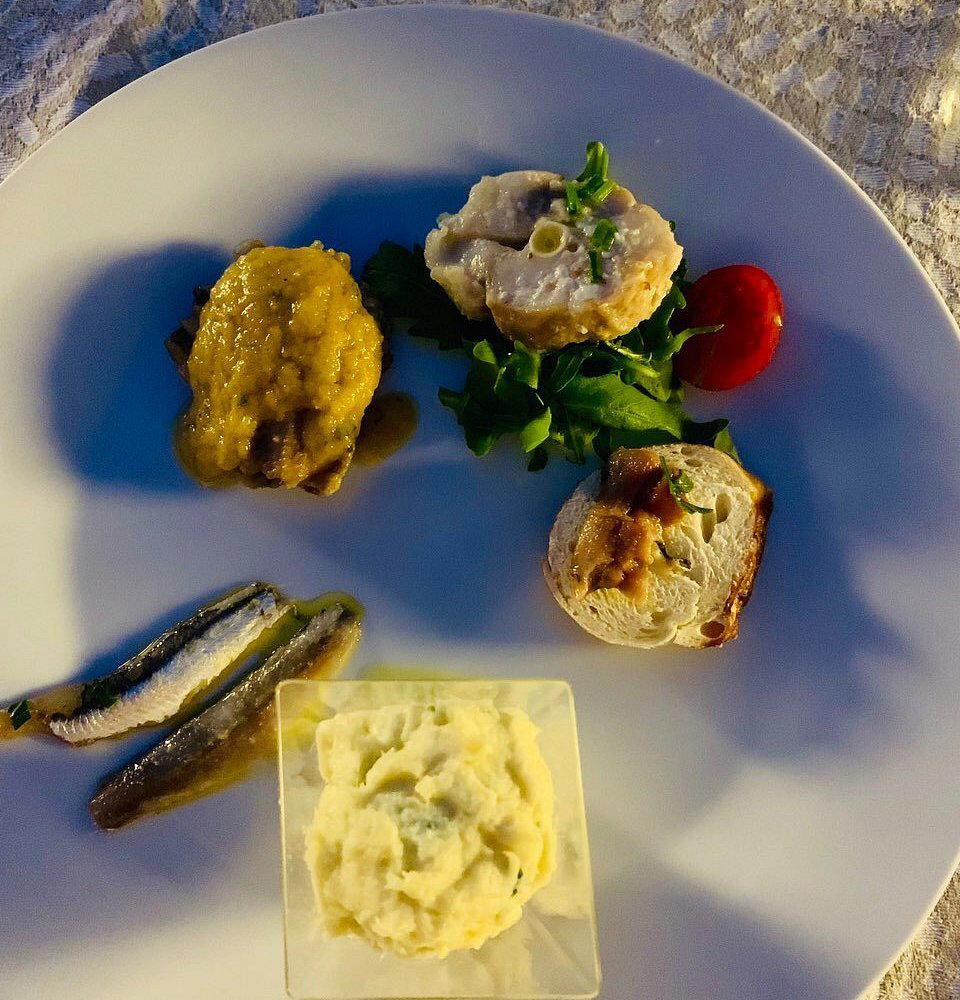
The Istrian peninsula is among the more coherent sourcing territories in southern Europe. Olive oil from around Koper and Izola carries protected designation status; the coastal waters yield sea bass, bream, and smaller reef fish that rarely need to travel far; the karst interior produces game, foraged herbs, and the truffles (both black and white varieties surface here in season) that have become a reliable feature of premium Istrian menus.
What makes this sourcing geography interesting for a restaurant like Kogo is its compactness. The distance from the fishing quays of Koper's working port to the kitchen is short enough that the provenance chain remains legible on the plate. Salicornia, the succulent coastal plant that grows in the salt marshes between Koper and Strunjan, is the kind of hyper-local ingredient that appears here but would require explanation almost anywhere else. For context on how another Koper kitchen approaches this same coastal larder, the approach at Salicornia offers a useful comparison within the same city.
The Michelin Plate, awarded without a star, signals that Michelin's inspectors found the cooking competent and the sourcing honest rather than transformative. That is a reasonable position for a mid-range restaurant in a city that does not draw the international dining traffic of Ljubljana or the Vipava Valley. The audience is local, regional, and the growing wave of visitors who arrive via Trieste or the Istrian coast road rather than specifically seeking a Michelin destination.
Koper's Position in the Slovenian Dining Map
Slovenia's Michelin-recognised restaurant scene is geographically dispersed in ways that reflect the country's agricultural diversity rather than urban concentration. The reference points cluster in distinctive micro-territories: Hiša Franko in Kobarid (three Michelin stars) works with the Soča Valley's rivers and alpine meadows; Milka in Kranjska Gora (two stars) draws from the Julian Alps; Gostilna Pri Lojzetu in Vipava (one star) sits inside the wine-growing Vipava Valley; and Grič near Šentjošt nad Horjulom (one star, farm-to-table) operates from an agricultural base near Ljubljana. Each of these kitchens is effectively defined by its sourcing territory.
Koper's coastal and Istrian territory is distinct from all of them, warmer, more Mediterranean in character, closer to Italian and Croatian culinary influence than to the alpine and central European traditions that shape much of Slovenia's interior. Dam in Nova Gorica, with one Michelin star and a Mediterranean orientation, is probably the closest regional comparator in terms of culinary register, though Nova Gorica's position on the Italian border gives it a different dynamic. Within Ljubljana, Restavracija Strelec represents the capital's approach to Slovenian regional traditions, while Hiša Denk in Zgornja Kungota, Hiša Linhart in Radovljica, Pavus in Laško, and A3 in Brestanica together illustrate how broadly the Michelin Plate tier distributes across the country's regions. Internationally, the regional cuisine model represented here has parallels in places like Fahr in Künten-Sulz and Gannerhof in Innervillgraten, both of which anchor their menus to a specific Alpine-adjacent sourcing zone.
Kogo sits at the Istrian end of this national picture, a mid-range kitchen earning consistent guide recognition for cooking that belongs to its place. At a €€ price point, it prices below the starred tier and well below destination restaurants like Hiša Franko or Milka. That positioning makes it accessible to a broader audience while the consecutive Michelin Plate awards confirm it is not simply a local favourite operating below the radar of serious food criticism.
Planning a Visit
Koper is accessible by road from Trieste in under thirty minutes, and from Ljubljana in roughly an hour and forty minutes via the A1 motorway. The restaurant's address at Šmarska cesta 1 places it within easy reach of the old town. The pricing keeps a full meal approachable for a special-occasion lunch or dinner.
Comparable Venues
Comparable venues nearby, for context on price, style, and recognition.
| Venue | Cuisine | Price | Awards | Notes |
|---|---|---|---|---|
| KogoThis venue — the venue you are viewing | Modern Istrian Mediterranean | $$$ | Michelin Plate | Not listed |
| Domačija Ražman | Authentic Istrian | $$ | Not listed | Gračišče |
| Salicornia | Contemporary Adriatic Seafood | $$$ | Michelin Plate | Sermin |
| Capra | Mediterranean Seafood | $$$ | Not listed | Koper |
| Avokado | Vegan Fast Food | $$ | Not listed | downtown |
| Grad Socerb | Modern Mediterranean Seafood | $$$$ | Not listed | Črni Kal |
Recognition history
Dated appearances from independent guides and award organizations, with the underlying list record or original source where available.
Michelin Plate
Michelin
Michelin Plate
Michelin
Michelin Plate
Michelin
Continue exploring
More in Koper
Restaurants in Koper
Browse all →
Bars in Koper
Browse all →
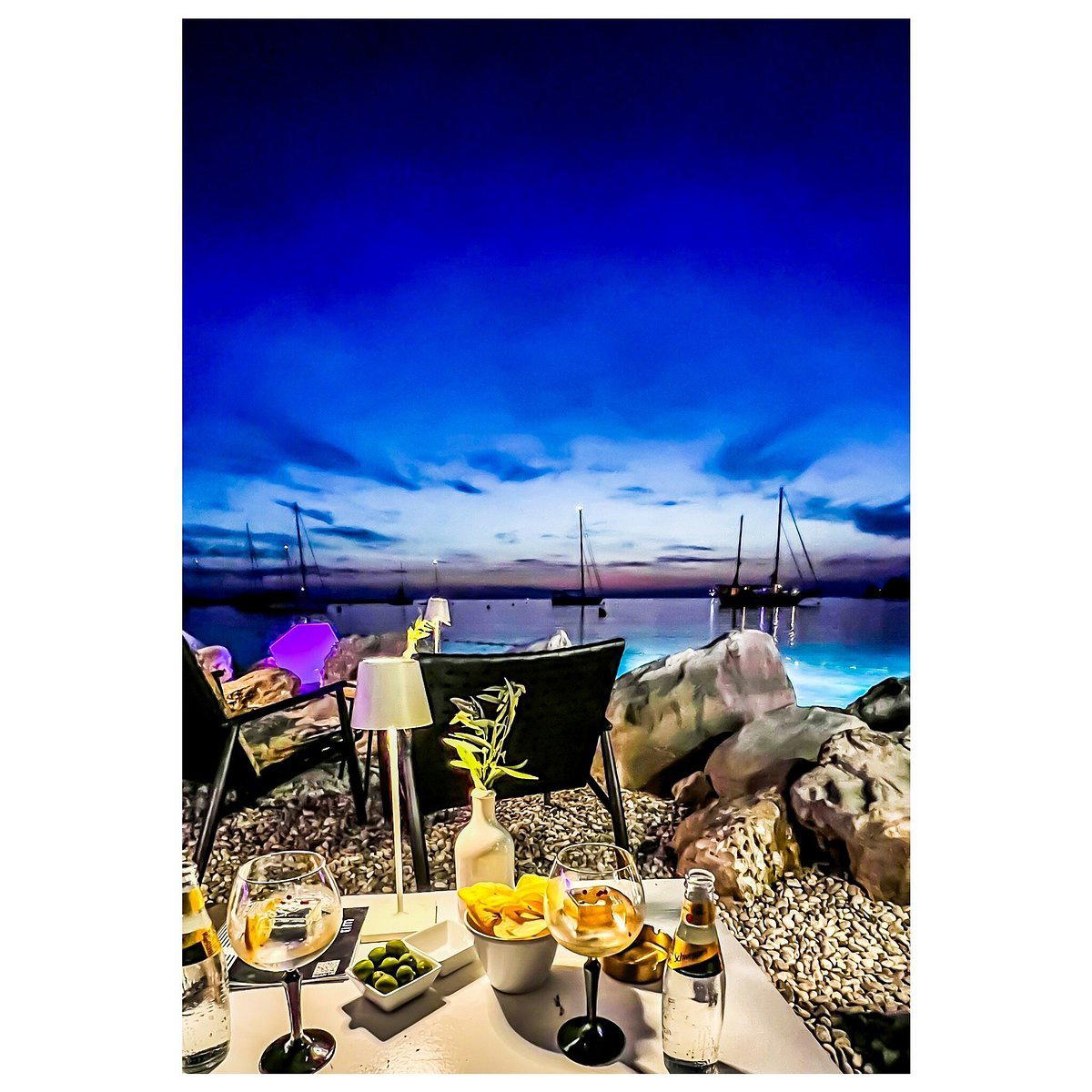
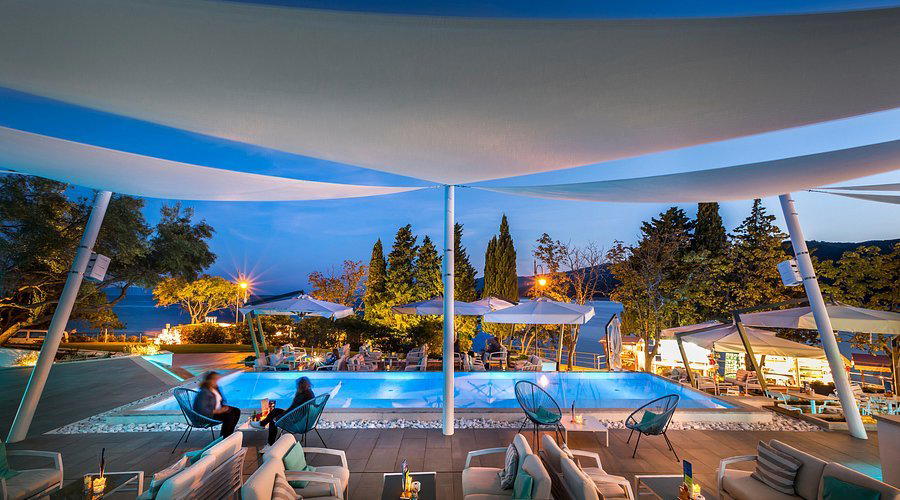
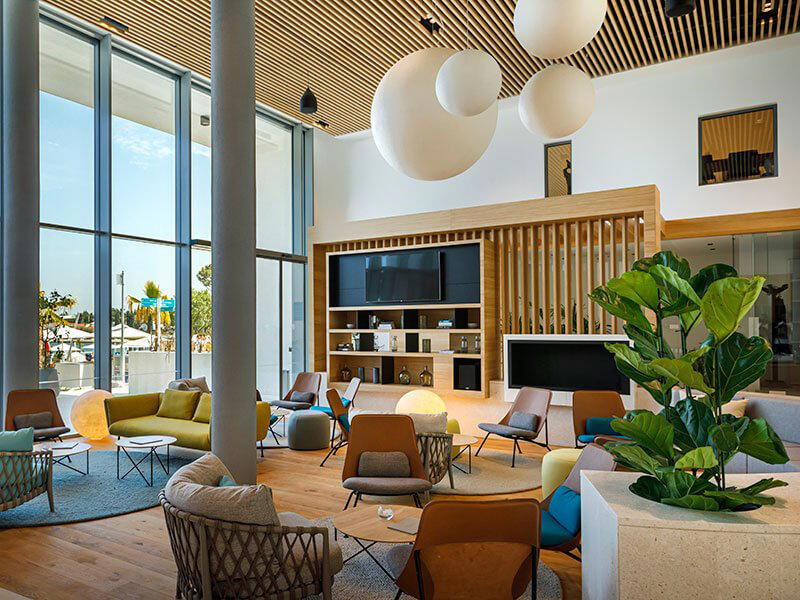
Hotels in Koper
Browse all →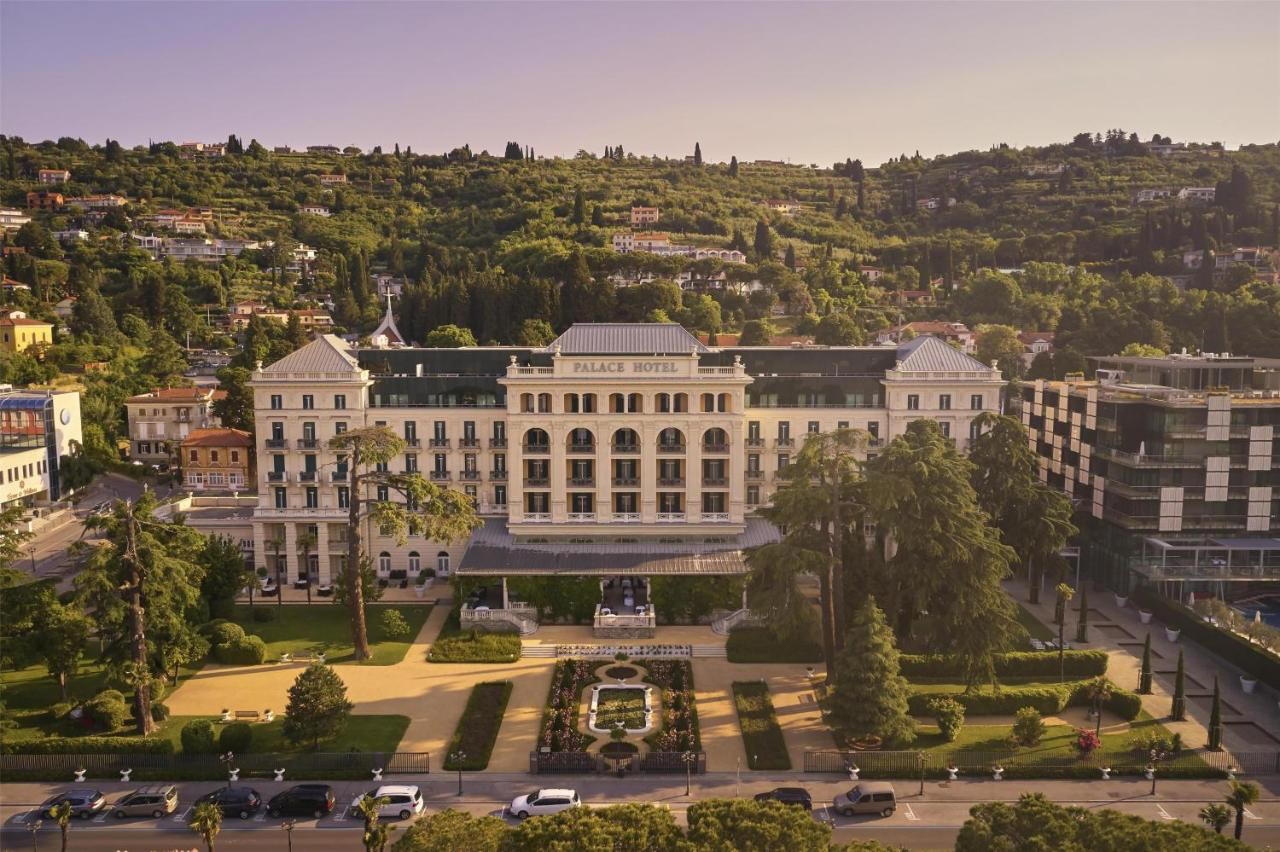
At a Glance
- Modern
- Cozy
- Elegant
- Trendy
- Business Dinner
- Group Dining
- Special Occasion
- Open Kitchen
- Private Dining
- Terrace
- Extensive Wine List
- Local Sourcing
Current opening hours
- Monday
- 11 AM–10 PM
- Tuesday
- 11 AM–10 PM
- Wednesday
- 11 AM–10 PM
- Thursday
- 11 AM–10 PM
- Friday
- 11 AM–10 PM
- Saturday
- 11 AM–10 PM
- Sunday
- Closed
Hours can change for holidays and private events. Last verified .
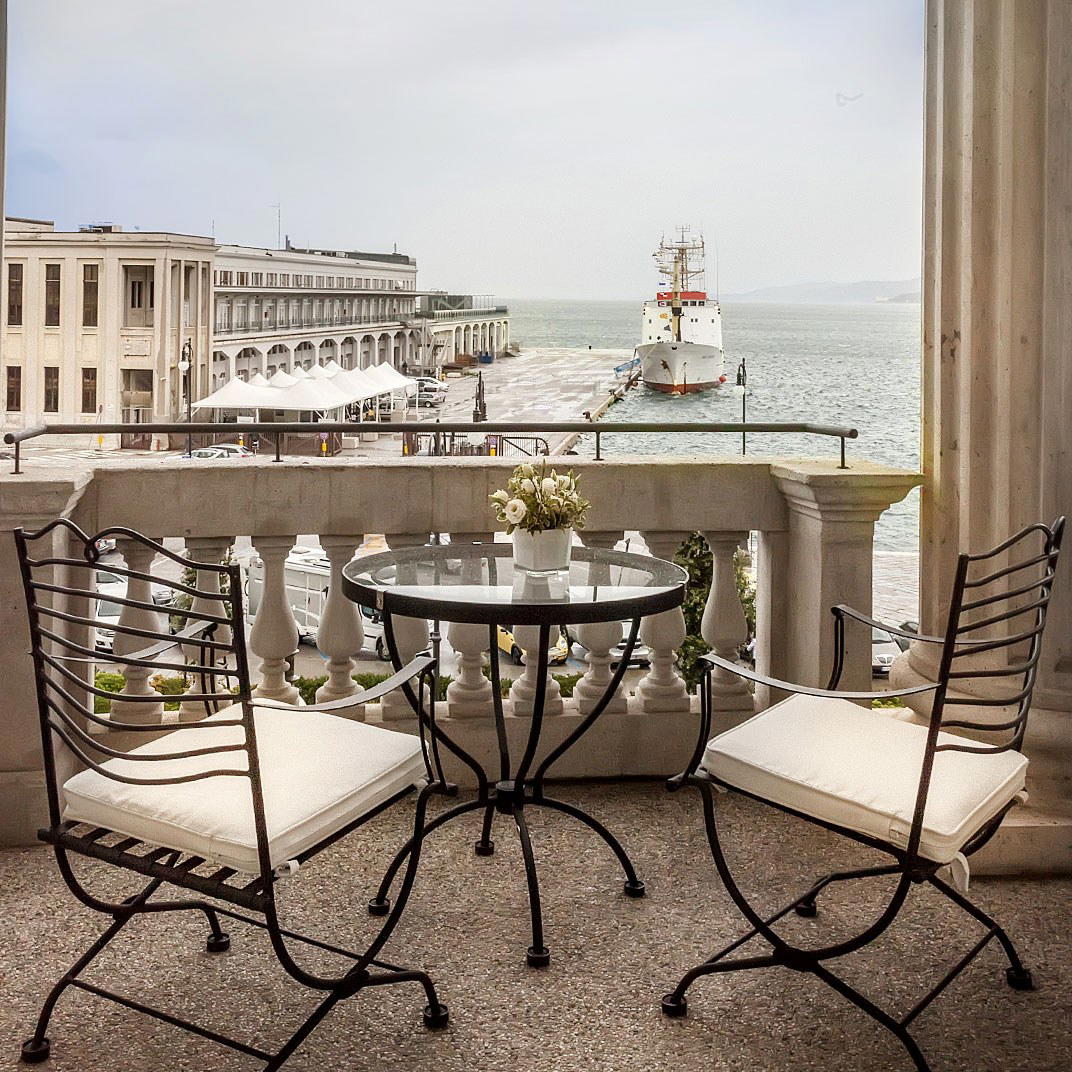
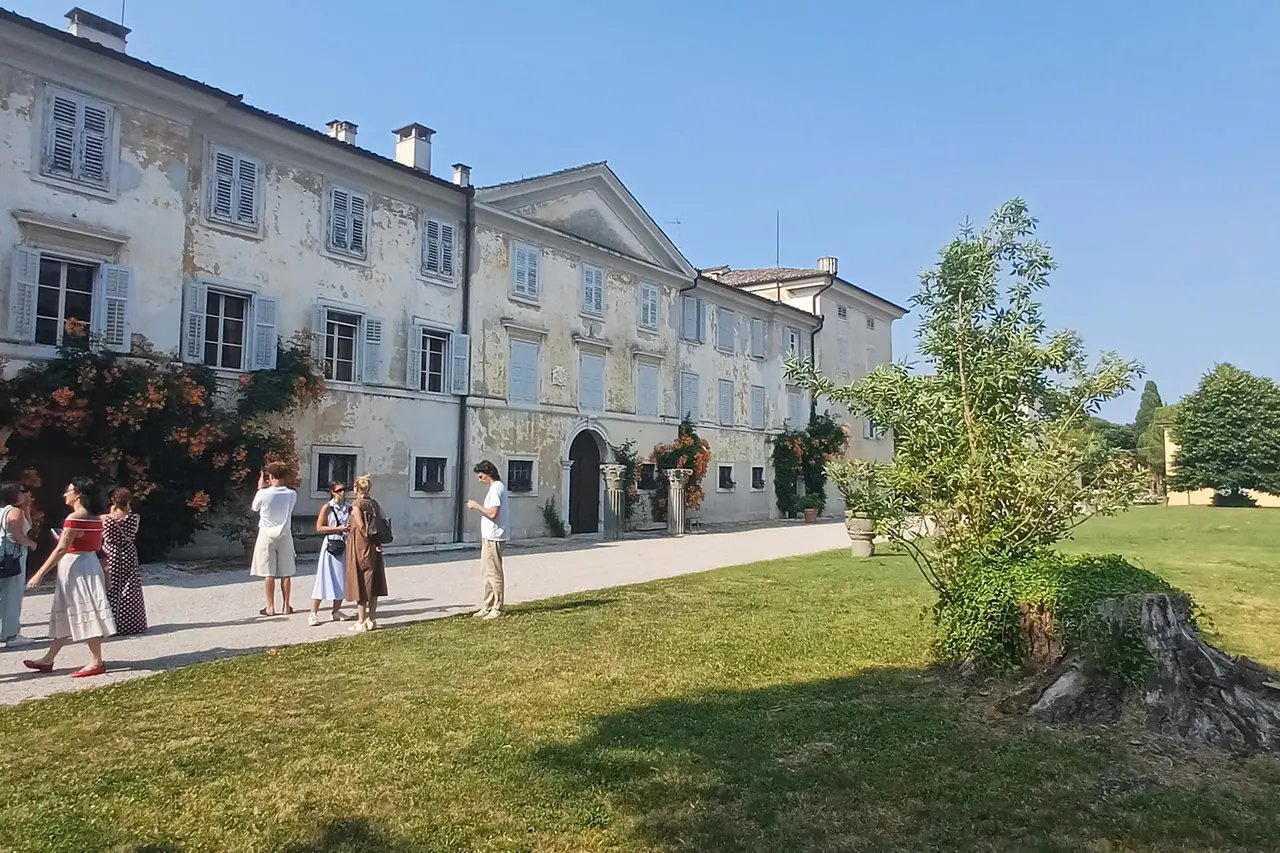
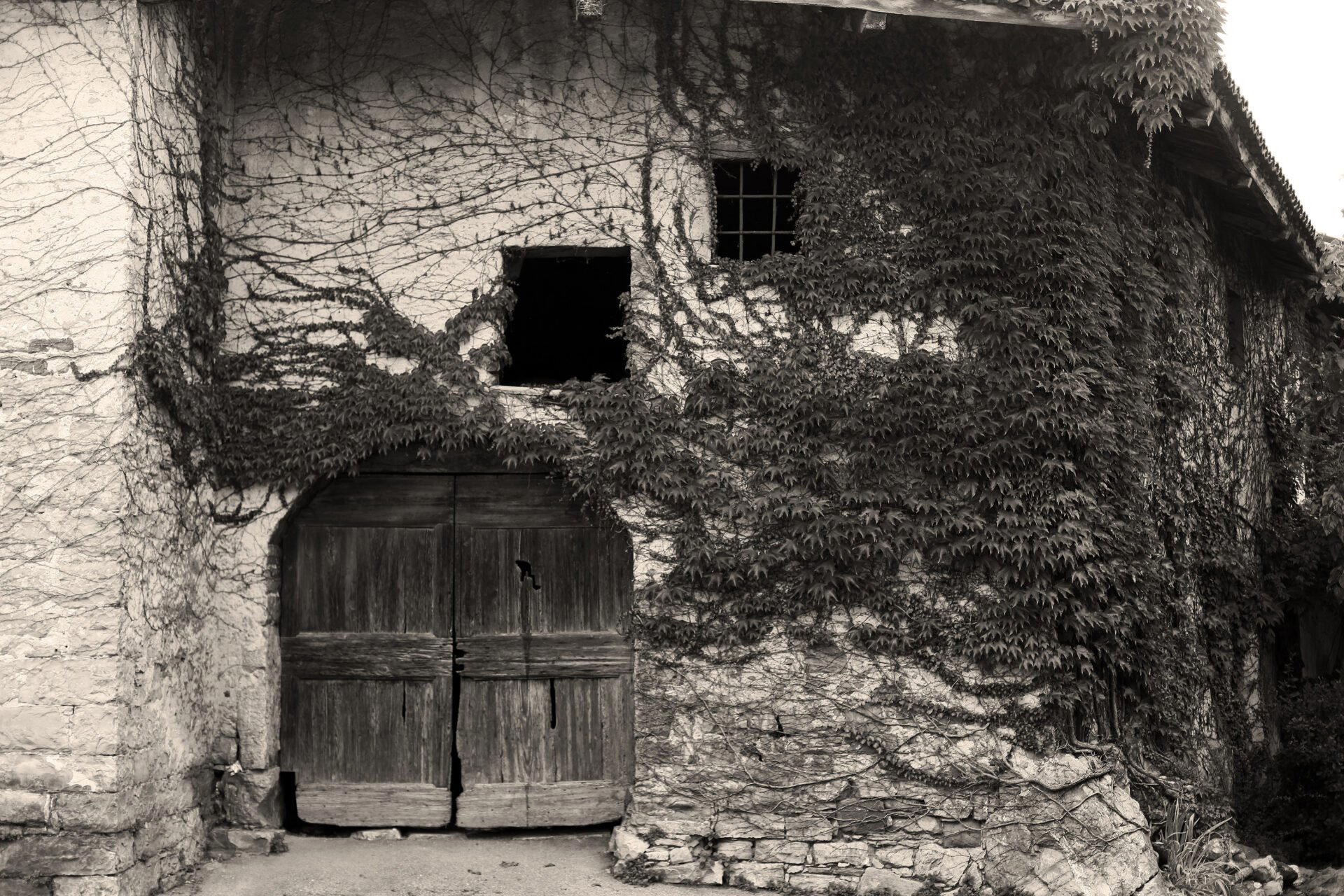
Modern dining room with designer features, bright open spaces, rustic charm, and an inviting terrace.