Hotel Kastel occupies a medieval stone building at the heart of Motovun's hilltop old town, one of Istria's most architecturally intact villages. Staying here places you inside the walled settlement itself, rather than below it, with the Mirna Valley spread across the horizon. It is a small property that earns its position through location and the weight of the stone around it.

Pearl is the En Primeur Club membership app, where members save venues, book tables and use the concierge.
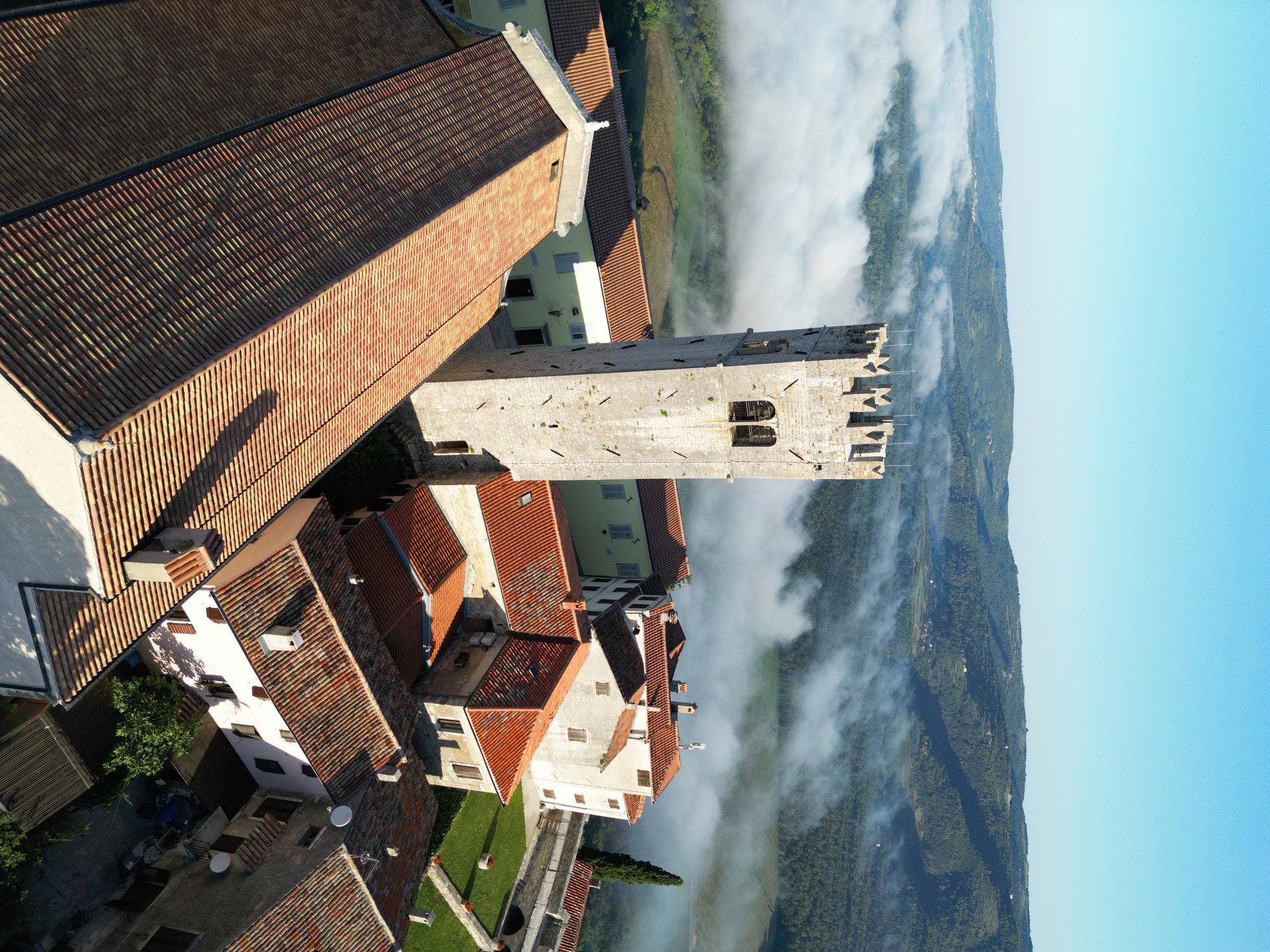
A Hilltop Town That Functions as Its Own Architecture
Most of Istria's premium accommodation sits at sea level or on coastal promontories, orienting guests toward the Adriatic. Motovun operates on a different principle entirely. The town climbs to roughly 270 metres above the Mirna Valley, and its medieval walls, loggia, and stone-paved streets have survived with enough integrity that UNESCO has repeatedly cited the Istrian hill towns as a cultural heritage category worth protecting. Arriving in Motovun means parking below the walls and ascending on foot, a sequence that filters out the casual visitor and gives the town a quiet, almost suspended quality that coastal Istria rarely achieves. Hotel Kastel sits at Trg A. Antico 7, which places it on the main square at the settlement's core, not on its edges.
That address matters more than any design specification. Medieval Istrian towns were built around a central piazza that served simultaneously as civic stage, market, and defensive anchor. To occupy a building on that square is to sit at the point around which the rest of the settlement organised itself for centuries. The stone used throughout Motovun is the same local limestone that appears in buildings across the Istrian peninsula, pale and warm-toned in afternoon light, cooler and almost grey under overcast skies. It is a material that absorbs centuries of use rather than resisting them, which gives buildings like Kastel a texture that purpose-built hotels cannot replicate.
The Logic of Staying Inside the Walls
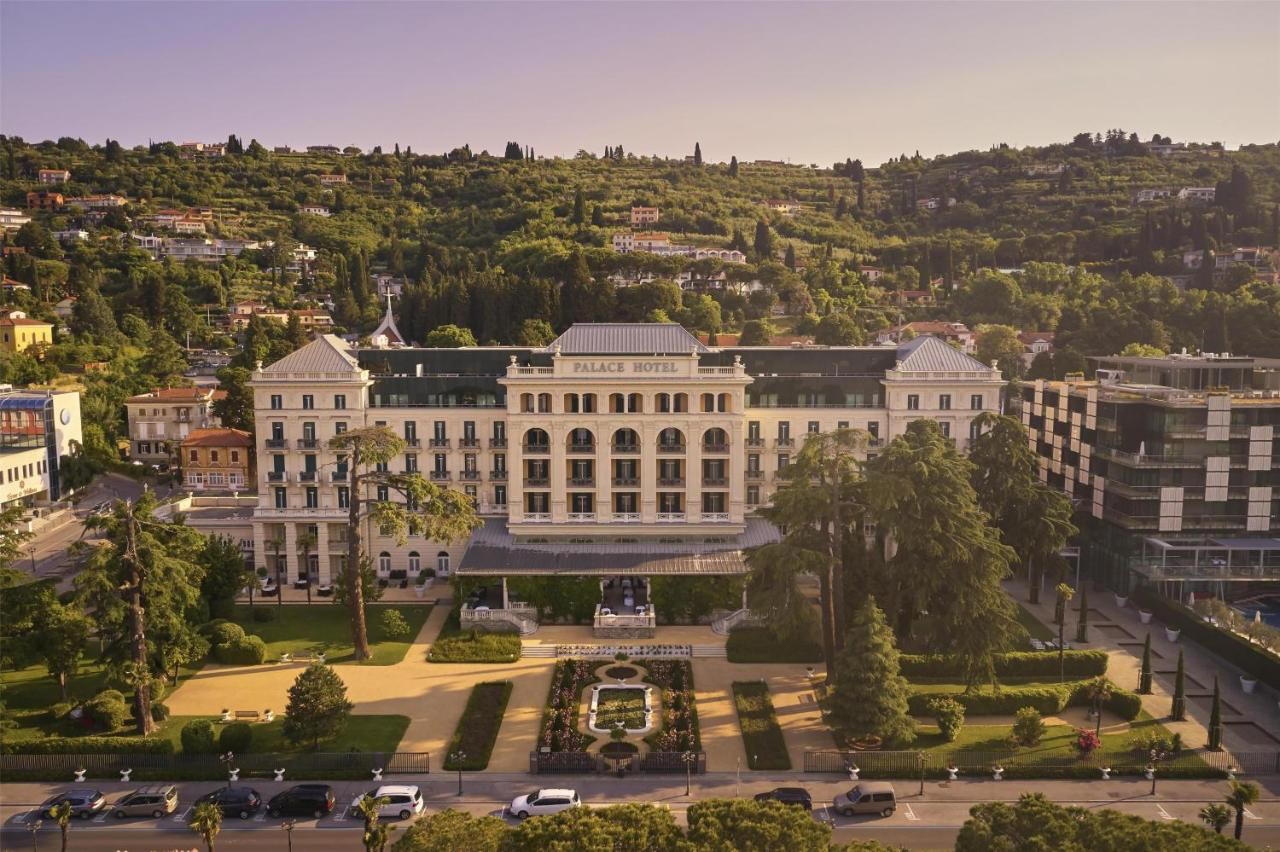
Istria's accommodation market has diverged sharply in recent years. On one side sit large resort properties orientated toward Rovinj and Poreč, where groups like Maistra Collection have built substantial coastal footprints, as seen in properties like the Grand Park Hotel Rovinj by Maistra Collection and the Lone Hotel by Maistra Collection. On the other side, a smaller tier of heritage properties has emerged inside historic town centres, where the physical constraints of medieval buildings set a natural ceiling on scale. Hotel Kastel belongs firmly to this second group. Properties in this category compete not on spa square footage or beach club access but on the irreproducibility of their physical position.
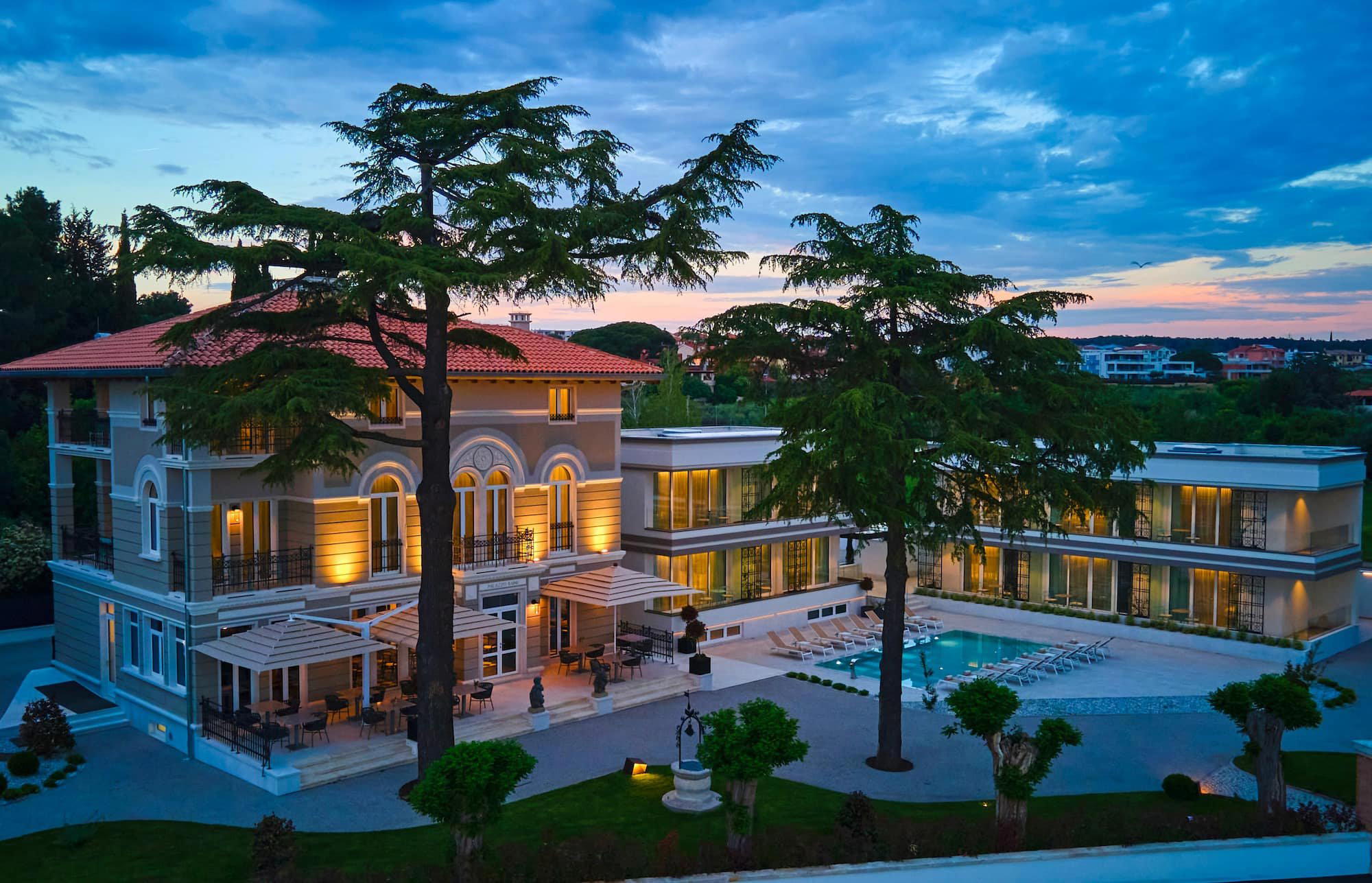
The same logic applies to other Croatian heritage conversions operating in similar structural conditions. The Aminess Korčula Heritage Hotel works within Korčula's walled old town, and the Palazzo Rainis Hotel & Spa in Novigrad occupies a similar niche inside a coastal Istrian town centre. What connects these properties is the physical fact of the building preceding the hotel concept by several centuries. The architecture is not a design choice; it is a given condition that the hospitality offer must work around and with. That constraint tends to produce a more considered guest experience than properties built from scratch to a brief.
For a broader view of where Hotel Kastel sits within the local hospitality context, our full Motovun restaurants and hotels guide maps the town's offer in detail.
Motovun's Position in the Istrian Interior
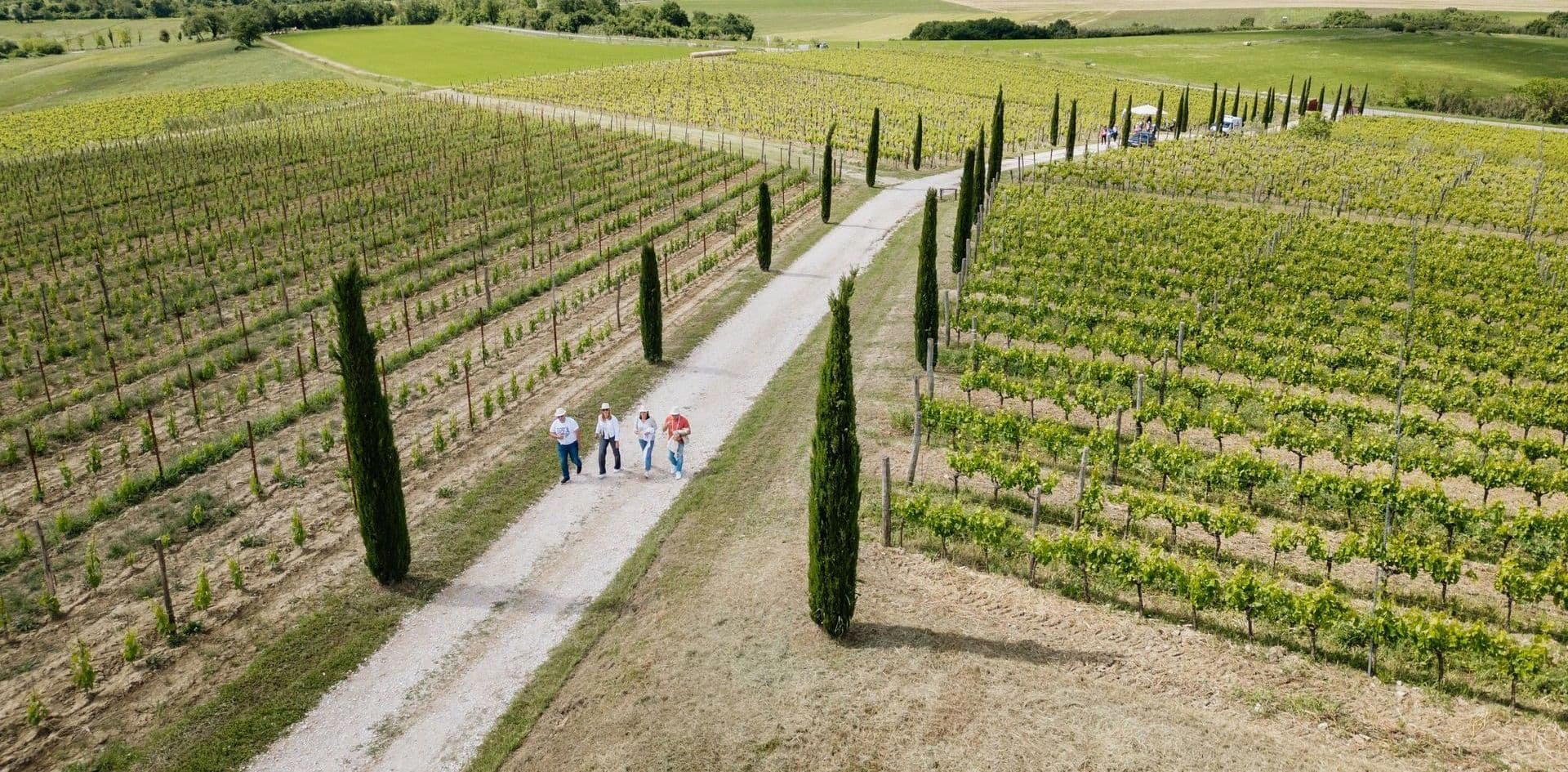
The Mirna Valley below Motovun is truffle country. The oak and hornbeam forests along the river are among the most productive white truffle territories in Europe, and the Istrian truffle calendar runs from late September through December, with the Motovun Truffle Days festival typically anchoring the season in late October. Staying in Motovun during this window means the town's restaurants are operating at their most intentional, and the agricultural logic that shaped the settlement for centuries becomes briefly visible again in the form of hunters returning from the forest at dawn. This seasonal rhythm distinguishes a stay in the Istrian interior from the coastal experience, which peaks in summer and quiets rapidly afterward.
The town also hosts the Motovun Film Festival each July, which has run for over two decades and draws a concentrated, arts-oriented crowd that briefly transforms the scale relationship between the hilltop and the valley below, with screenings held outdoors against the walls. Outside these two seasonal peaks, Motovun is genuinely quiet. The morning light on the valley mist, the sound of the loggia bell, the absence of beach traffic, these are the conditions the town offers in its default state, and a small property on the main square captures that register more directly than any accommodation positioned below the walls.
How Hotel Kastel Compares Across Croatia
Positioning Hotel Kastel within the broader Croatian hotel market requires separating the question of scale from the question of character. Croatia's coastal circuit includes properties with far larger footprints, deeper amenity stacks, and international brand affiliations. The Esplanade Zagreb Hotel operates in a grand European railway hotel tradition; the Hotel Kompas Dubrovnik addresses the Adriatic from an established coastal position; the D-Resort Šibenik represents the design-led resort format applied to the Dalmatian coast. None of these are comparable to Kastel in operational terms, but the comparison is useful precisely because it clarifies what Hotel Kastel is not attempting. It is not competing on facilities or resort programming. Its competitive claim is the address.
Closer regional peers include the Meneghetti Wine Hotel & Winery in Bale, which takes a different approach to Istrian heritage accommodation by combining a working winery estate with boutique rooms, and the Hotel Vela Vrata in Pinguente, another Istrian interior property operating in a historic town setting. These properties share Kastel's commitment to place specificity over resort scale, though each occupies a distinct physical and experiential niche within the interior Istrian circuit.
For those connecting the Istrian interior to the Dalmatian islands, properties like Lešić Dimitri Palace in Korčula, Littlegreenbay Hotel in Hvar, and Kastil in Bol represent the island end of the same heritage-property spectrum.
Planning a Stay
Access to Motovun requires driving to the lower car park and ascending on foot, which takes approximately ten minutes on a paved path through the lower settlement and the main gate. This is not a limitation so much as a structural feature of how the town operates: it keeps vehicle traffic out of the historic core entirely. Luggage assistance should be confirmed directly with the property at time of booking. The Mirna Valley truffle season and the July film festival represent the two clearest demand peaks; outside these windows, the town and the hotel operate at a noticeably slower pace. For those travelling a broader Croatian itinerary, the Boutique & Design Hotel Navis in Opatija and the Palazzo Rainis Hotel & Spa in Novigrad offer connecting options along the Istrian and Kvarner coasts.
Fast Comparison
| Venue | Price | Awards |
|---|---|---|
| Hotel KastelThis venue (the venue you are viewing) | $100–200 | Not listed |
| Lešić Dimitri Palace | $1,000–1,500 | Relais Chateaux Award |
| Maslina Resort | Not listed | 1 Michelin Key · La Liste Top Hotels |
| Meneghetti Wine Hotel & Winery | Not listed | 1 Michelin Key · La Liste Top Hotels |
| Villa Korta Katarina & Winery | Not listed | 1 Michelin Key · Relais Chateaux Award |
| Grand Park Hotel Rovinj by Maistra Collection | $300–500 | 1 Michelin Key · World's 50 Best #48 |
Continue exploring
More in Motovun
Hotels in Motovun
All hotels in Motovun →
Bars in Motovun
Browse all →
Restaurants in Motovun
All restaurants in Motovun →

Details
- Romantic
- Quiet
- Scenic
- Rustic
- Cozy
- Historic
- Romantic Getaway
- Weekend Escape
- Anniversary
- Historic Building
- Panoramic View
- Terrace
- Wi Fi
- Pool
- Spa
- Room Service
- Concierge
- Vineyard
- Mountain
- Elevator
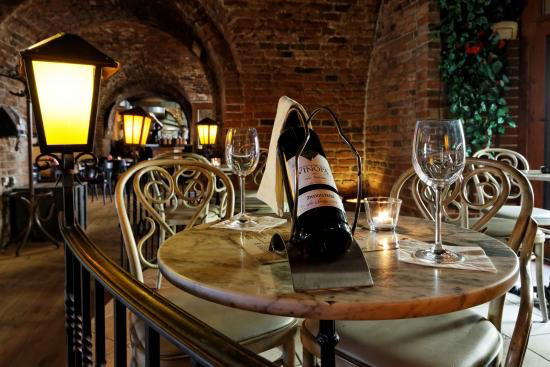
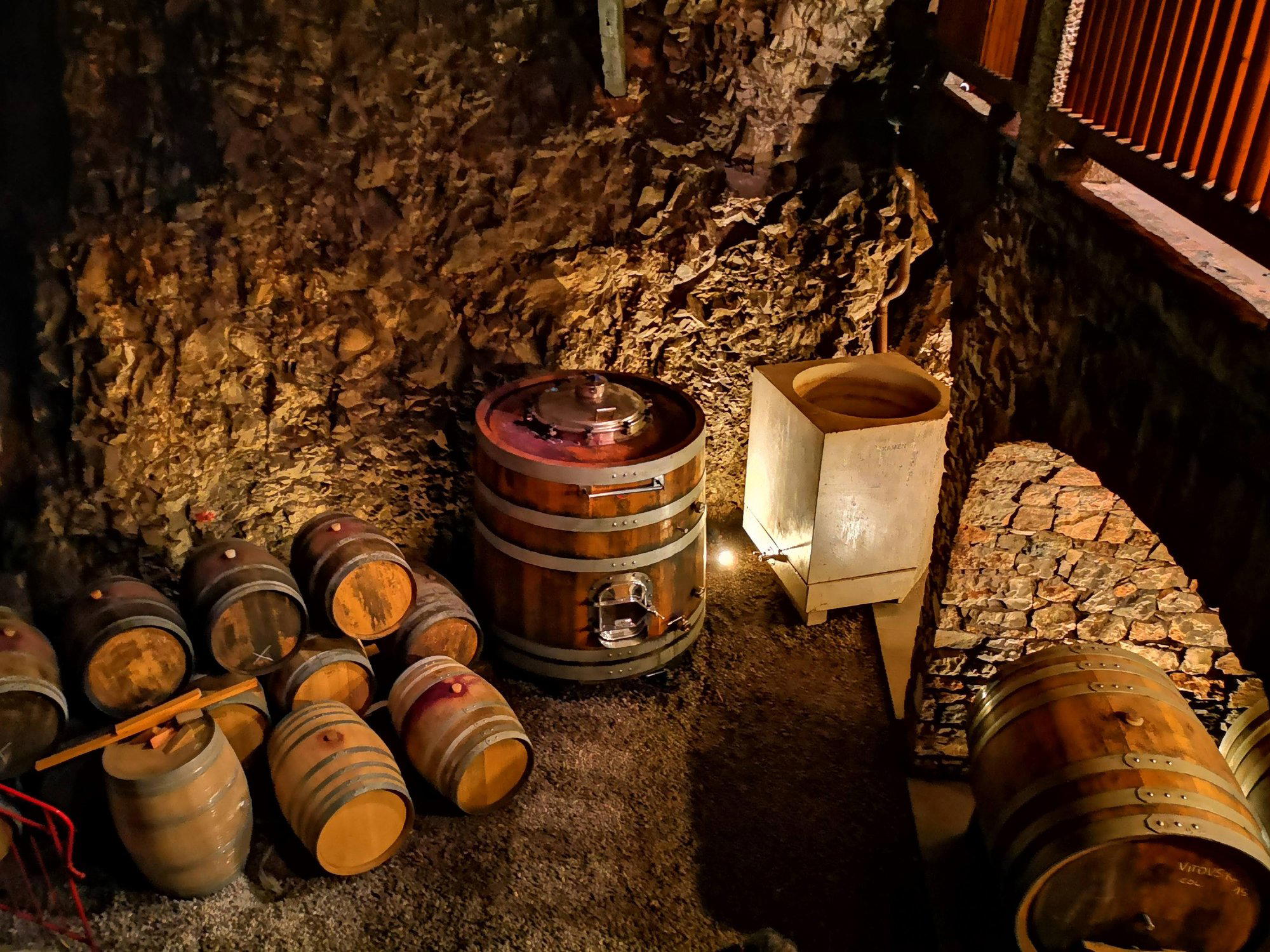
Cozy family atmosphere with warm lighting, stone walls, arched ceilings blending historic charm and modern comforts in a peaceful, romantic setting.