Capra occupies a harbour-front address on Pristaniška ulica in Koper's compact old town, where the Adriatic meets the Istrian interior on the plate. The restaurant sits within a dining scene shaped by Italian influence, local seafood traditions, and an increasingly confident Slovenian approach to regional produce. It is a reference point for understanding how Koper eats today.
Pearl is the En Primeur Club membership app — saves, bookings, and concierge access live there. Same editors, same standards.
- Address
- Pristaniška ulica 3, 6000 Koper, Slovenia
- Phone
- +38641602030
- Website
- capra.si
- Directions
- Get directions
 Saves & bookings on Pearl
Where the Harbour Ends and the Meal Begins
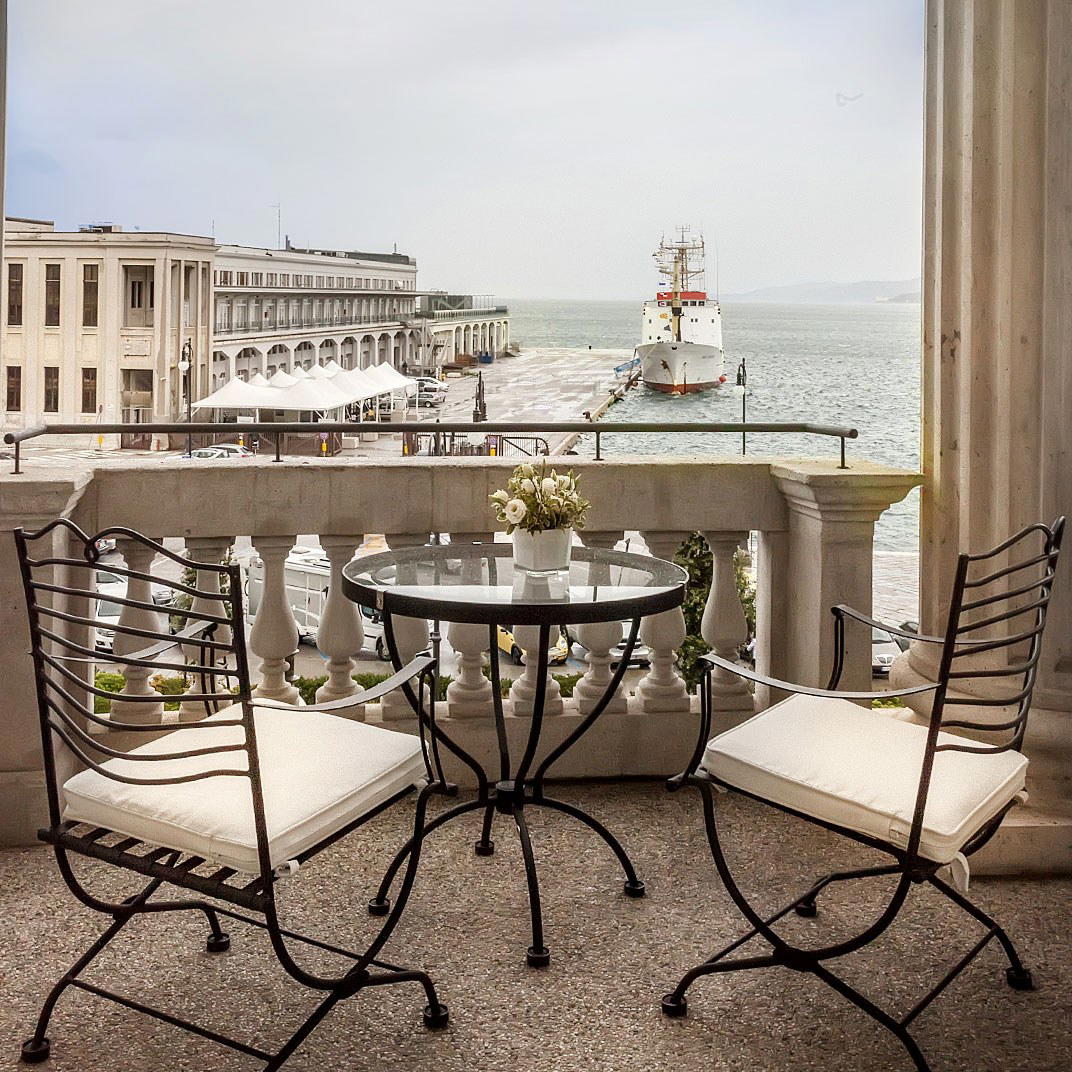
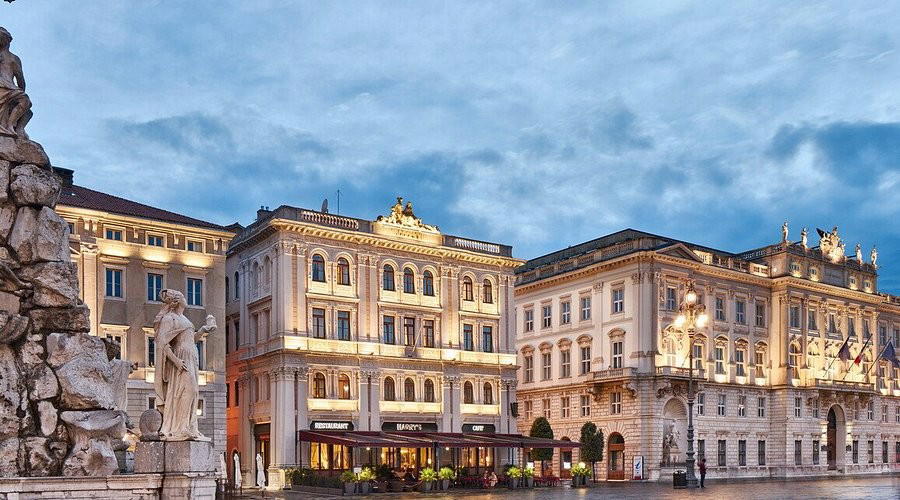
Pristaniška ulica runs along the waterfront edge of Koper's medieval core, a street that in Slovenian coastal towns functions as both working port approach and social promenade. The street runs beside the harbour. Capra sits at number 3 on this stretch, in Koper, Slovenia.
Koper is the kind of coastal town where dining has always carried a dual identity. The Venetian centuries left behind a culinary grammar of olive oil, white wine, and seafood built around proximity rather than transport. That grammar persists. What has changed in the last decade is the ambition around it: Slovenian kitchens across the country, from Hiša Franko in Kobarid to Gostilna Pri Lojzetu in Vipava, have reframed local produce as a serious editorial subject. The coastal strip has followed.
The Ritual of an Istrian Meal
Understanding how to eat well in Koper requires understanding the pacing of a meal here. This is not a city where dinner moves fast. The Istrian tradition, shared across the border with Croatia and inflected by decades of Italian proximity, treats the table as a sequence of commitments rather than a transaction. You arrive, you settle, and the meal unfolds in deliberate stages. A glass of local Malvazija while the menu is considered. A cold starter built around the sea. Time between courses that is not a failure of service but an invitation to use it.
Capra, positioned on the waterfront at Pristaniška ulica 3, operates within this register. The experience it frames reflects Koper's preference for meals that justify lingering rather than rushing. In a town where the leading tables at peer addresses like Salicornia and Kogo carry a similar philosophy, the expectation across the better end of the local scene is consistency of product and a refusal to rush the guest.
Koper's Dining Position on the Slovenian Map
Slovenia's restaurant scene has developed a recognisable internal geography. The capital Ljubljana anchors one cluster, with addresses like Restavracija Strelec representing its more formal tier. The mountain and wine-region kitchens, Milka in Kranjska Gora, Hiša Linhart in Radovljica, Hiša Denk in Zgornja Kungota, Grič in Šentjošt nad Horjulom, and Dam in Nova Gorica, form a second axis. The coastal strip, anchored by Koper and its surroundings, forms a third. What distinguishes the coast is the ingredient base: Adriatic seafood, Istrian olive oil, and a wine culture rooted in Malvazija and Refošk that gives local meals their particular character.
Within Koper specifically, the dining options range from casual gostilna-style spots serving grilled fish and local wine to more considered addresses with wider menus. Capra fits into that local range. Peer venues in the immediate area, Salicornia with its seafood focus, Kogo with its regional approach, give a sense of the competitive set: these are kitchens where Istrian produce is taken seriously without the format becoming precious about it. Neighbouring restaurants in the EP Club guide, including Al Mulin, Avokado, Domačija Ražman, Gostilna Karjola, and Grad Socerb, fill out the spectrum from traditional gostilna cooking to more architecturally ambitious formats.
What to Expect at the Table
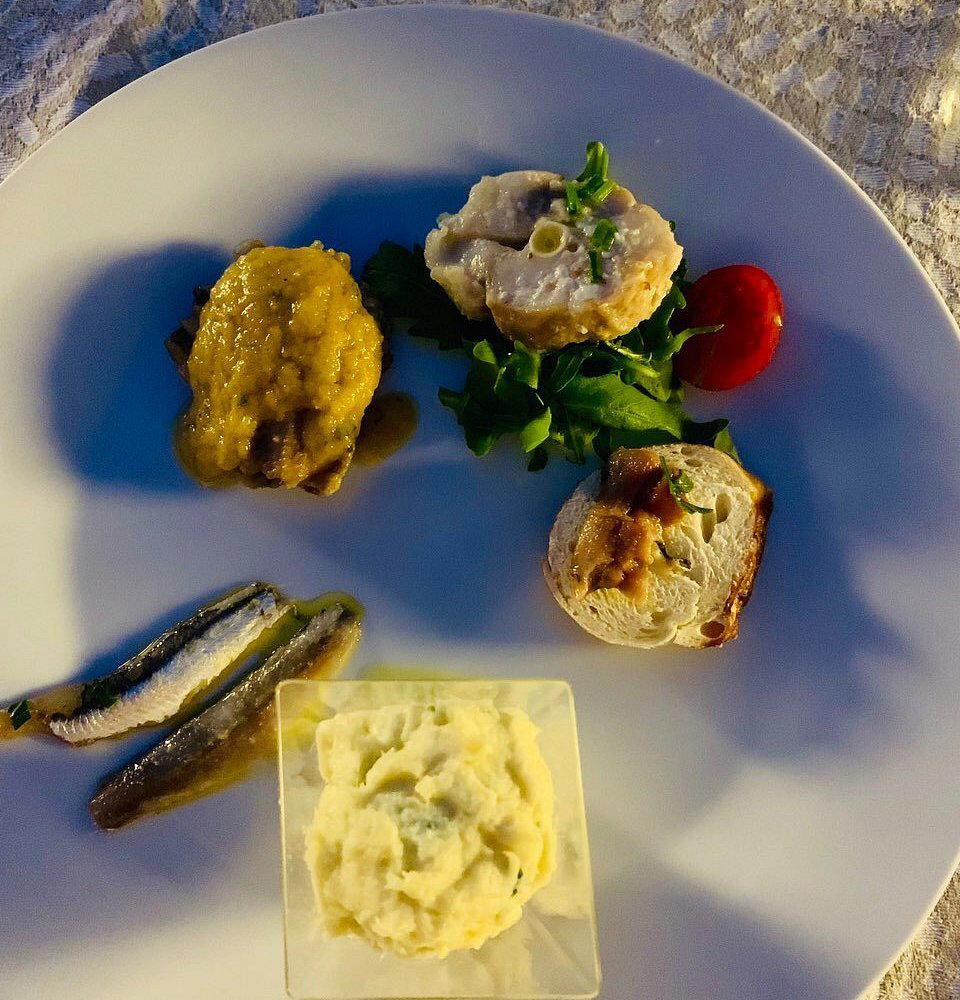
The Istrian meal structure tends to begin with cured meats, hard cheeses, and occasionally a small plate of preserved fish before seafood or meat mains arrive. Locally caught fish, prepared simply, with olive oil and herbs rather than elaborate construction, remains the structural centre of coastal Koper menus. The wine pairing logic follows suit: Malvazija Istrska, the region's dominant white, is the working assumption for fish courses, while Refošk or Teran appears with heavier preparations. This framework applies broadly across the better tables in town, and Capra sits within it.
For travellers building a wider Slovenian itinerary, the coastal dining tradition here operates on different registers than the more internationally visible kitchens in the interior. Pavus in Lasko, Gostilna Skaručna in Vodice, and the landmark Hiša Franko each represent a different strand of Slovenian cooking. Koper's offer is especially Mediterranean among the group: lighter, more seafood-dependent, and structured around the particular pleasures of eating beside water rather than within it.
For global comparison, Koper's better tables are slow, produce-led, and wine-anchored. Places like Lazy Bear in San Francisco or the precise seafood focus of Le Bernardin in New York City represent the high-format end of what happens when kitchens commit fully to a single ingredient logic. Koper's interpretation is quieter and more regional in scale, but the underlying commitment to product over spectacle is recognisable across both registers.
Planning Your Visit
Capra's address on Pristaniška ulica 3 in Koper's old town places it within walking distance of the main Titov trg square and the waterfront promenade.
Where It Fits
Comparable venues nearby, for context on price, style, and recognition.
| Venue | Cuisine | Price | Notes |
|---|---|---|---|
| CapraThis venue — the venue you are viewing | Mediterranean Seafood | $$$ | Not listed |
| Al Mulin | Istrian Mediterranean Seafood | $$ | Sermin |
| Gostilna Karjola | Traditional Istrian Mediterranean with Refosco | $$ | Marezige |
| Grad Socerb | Modern Mediterranean Seafood | $$$$ | Črni Kal |
| Kavarna Kapitanija | Artisan Cafe with Desserts & Ice Cream | $$ | Koper |
| Domačija Ražman | Authentic Istrian | $$ | Gračišče |
Continue exploring
More in Koper
Restaurants in Koper
Browse all →
Bars in Koper
Browse all →
Hotels in Koper
Browse all →
At a Glance
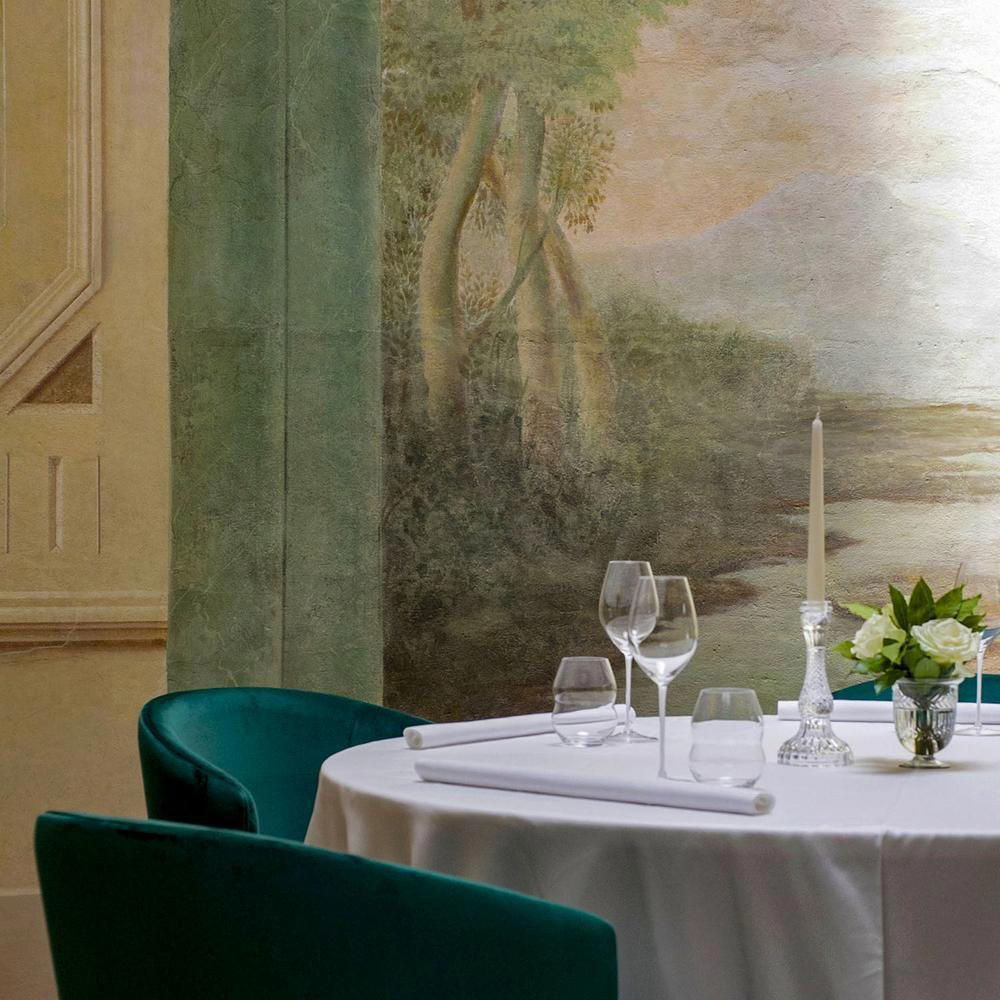
- Elegant
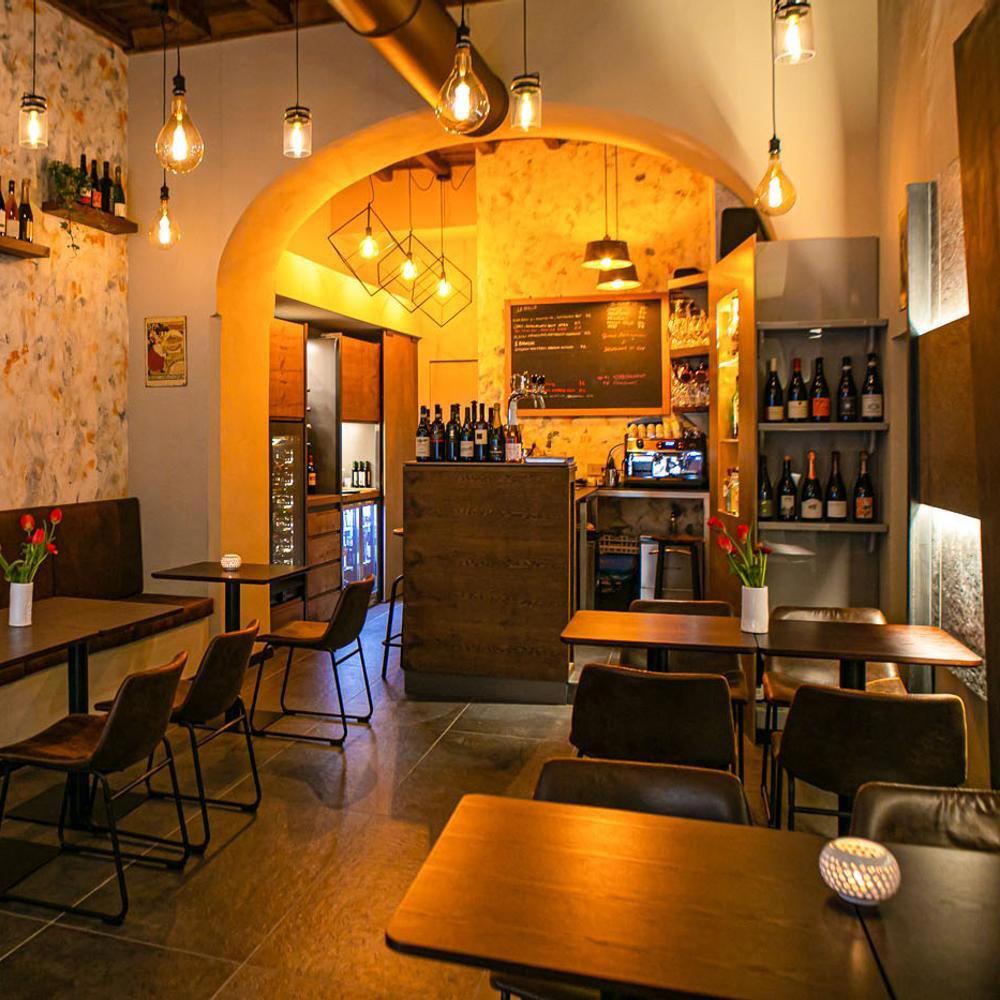
- Cozy
- Sophisticated
- Date Night
- Special Occasion
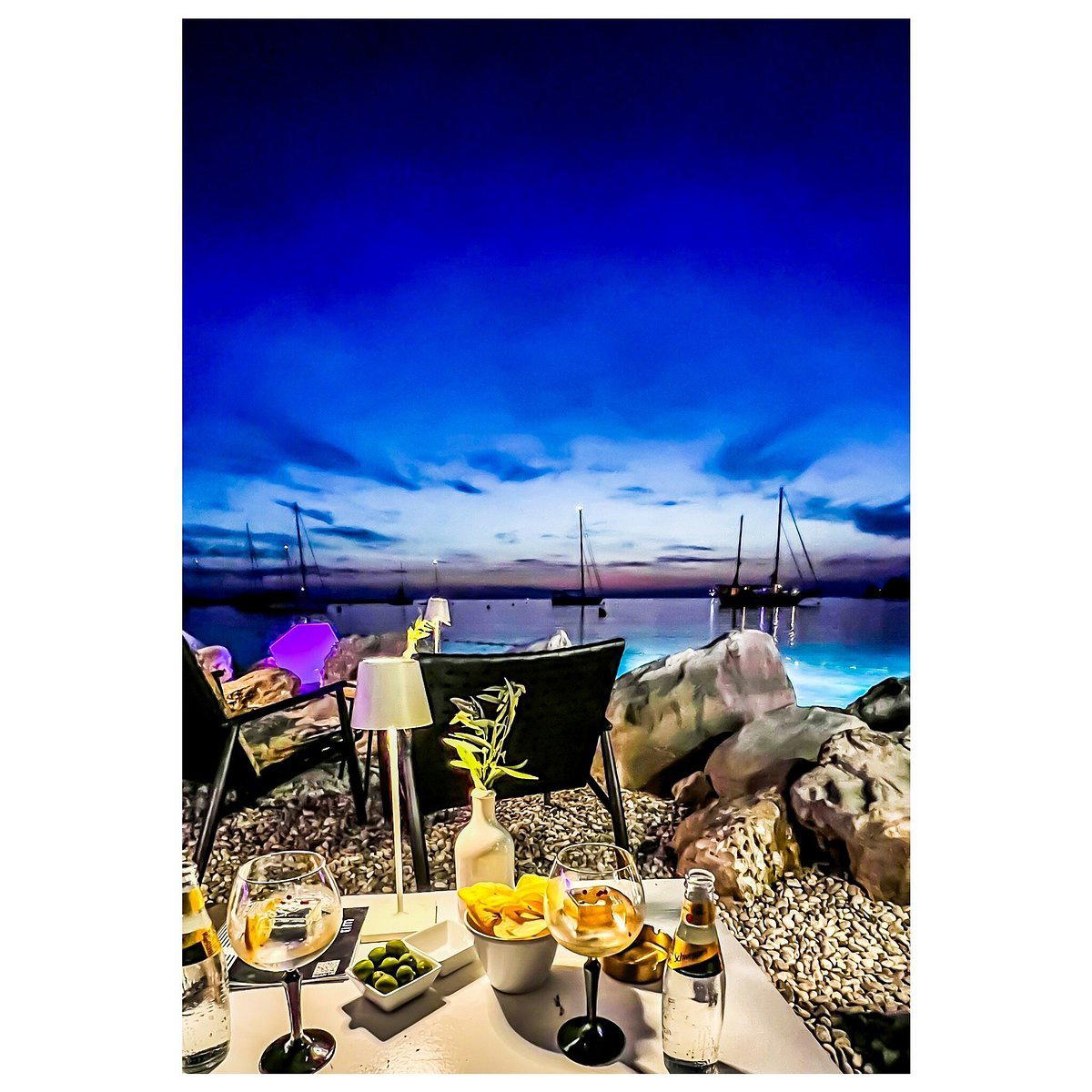
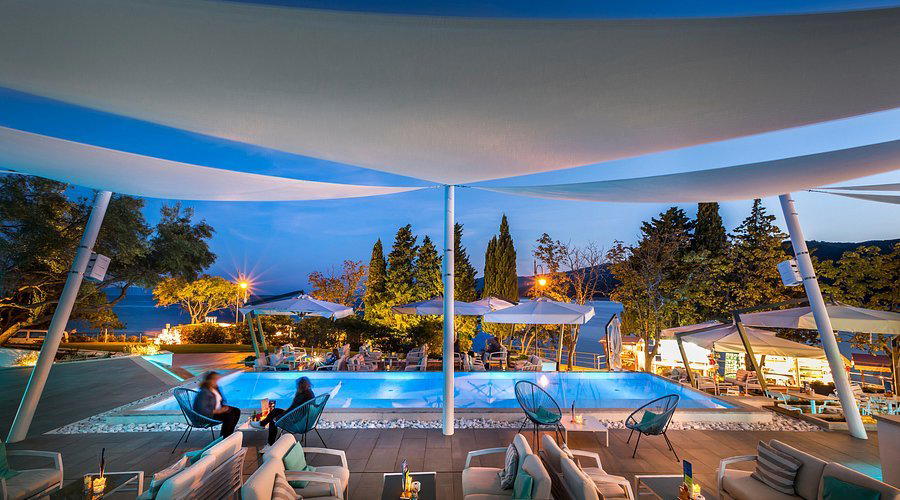
- Waterfront
- Hotel Restaurant
- Private Dining
- Extensive Wine List
- Local Sourcing
- Waterfront
- Street Scene
Current opening hours
- Monday
- 12–10 PM
- Tuesday
- 12–10 PM
- Wednesday
- 12–10 PM
- Thursday
- 12–10 PM
- Friday
- 12–10 PM
- Saturday
- 12–10 PM
- Sunday
- 12–10 PM
Hours can change for holidays and private events. Last verified .
Magical atmosphere with inviting ambiance enhanced by dramatic views of the surrounding coastal area.