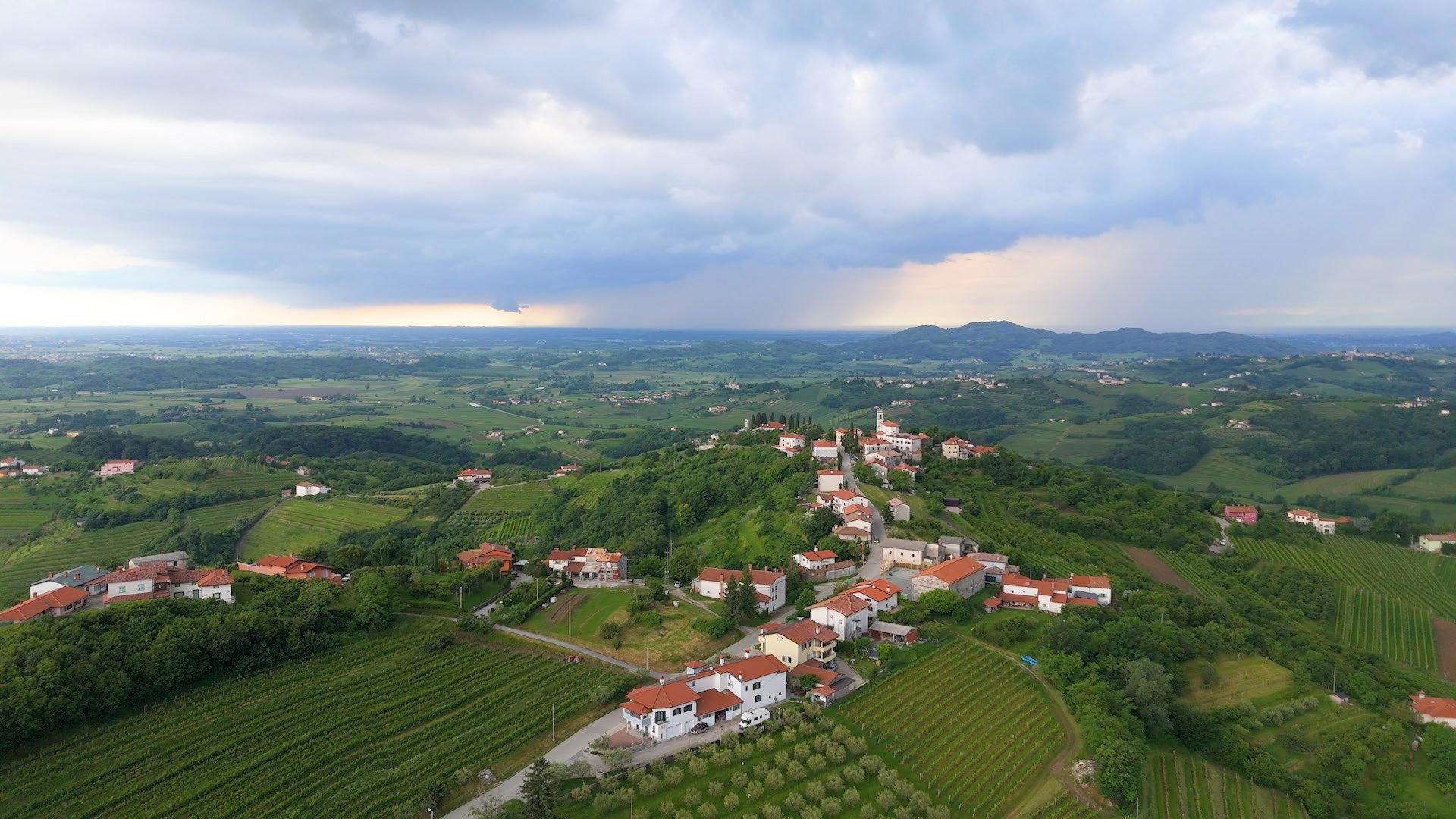
Domačija Ražman sits in the village of Gračišče, a hilltop settlement in the Istrian interior southeast of Koper, where the cooking draws on the agricultural and pastoral traditions of Slovenian Istria. Among Koper-area venues that explore rural gostilna cooking, it occupies a quieter, place-rooted register distinct from the coastal seafood houses closer to the waterfront.
Pearl is the En Primeur Club membership app — saves, bookings, and concierge access live there. Same editors, same standards.
- Address
- Gračišče 1, 6272 Gračišče, Slovenia
- Phone
- +38656572003
- Website
- razman.si
- Directions
- Get directions
 Saves & bookings on Pearl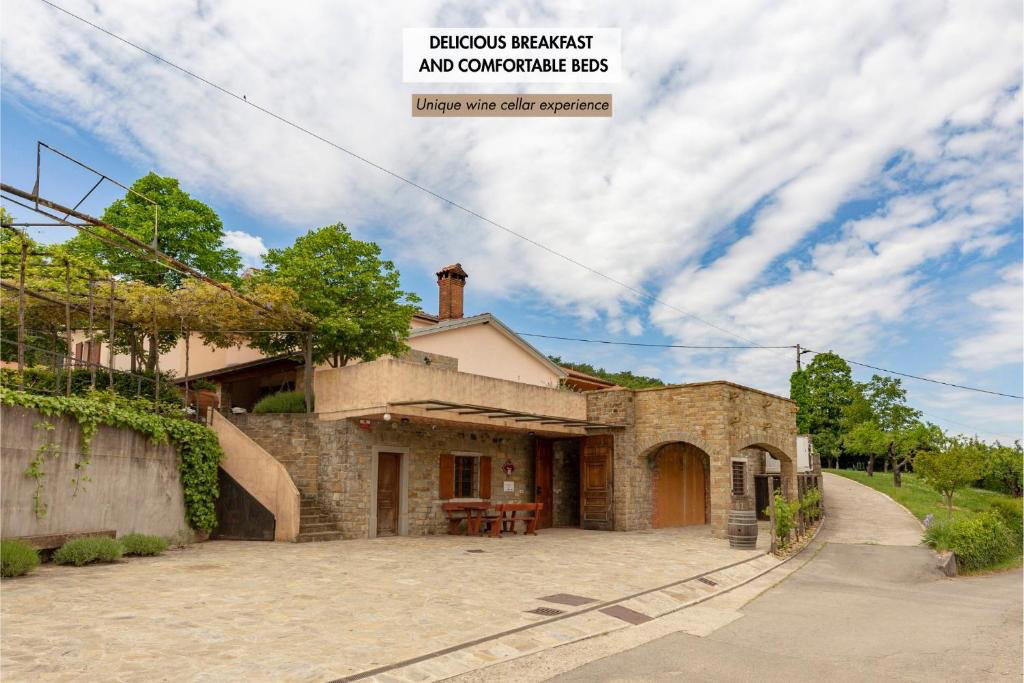
Gračišče and the Istrian Interior: What the Village Sets Up
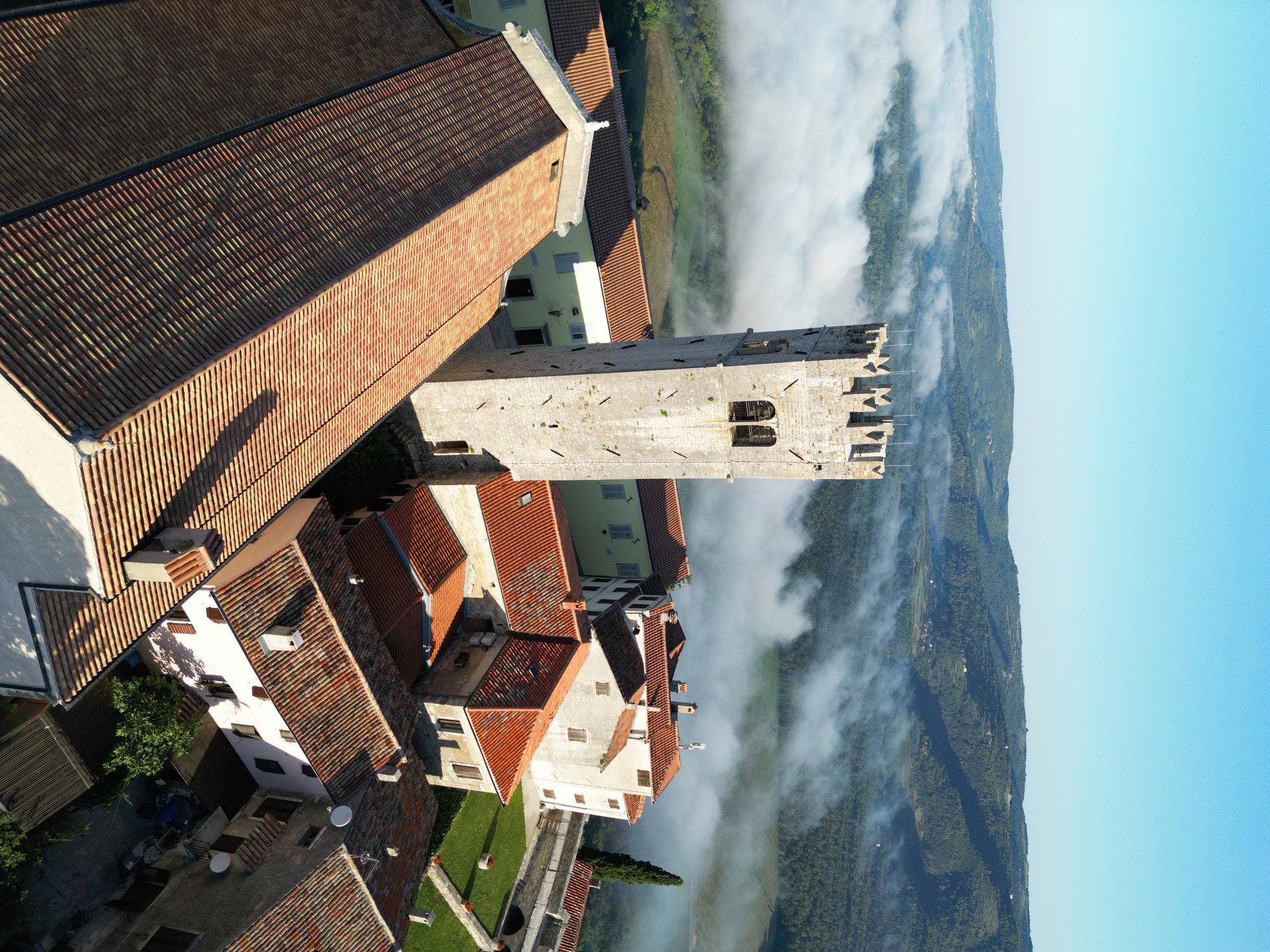
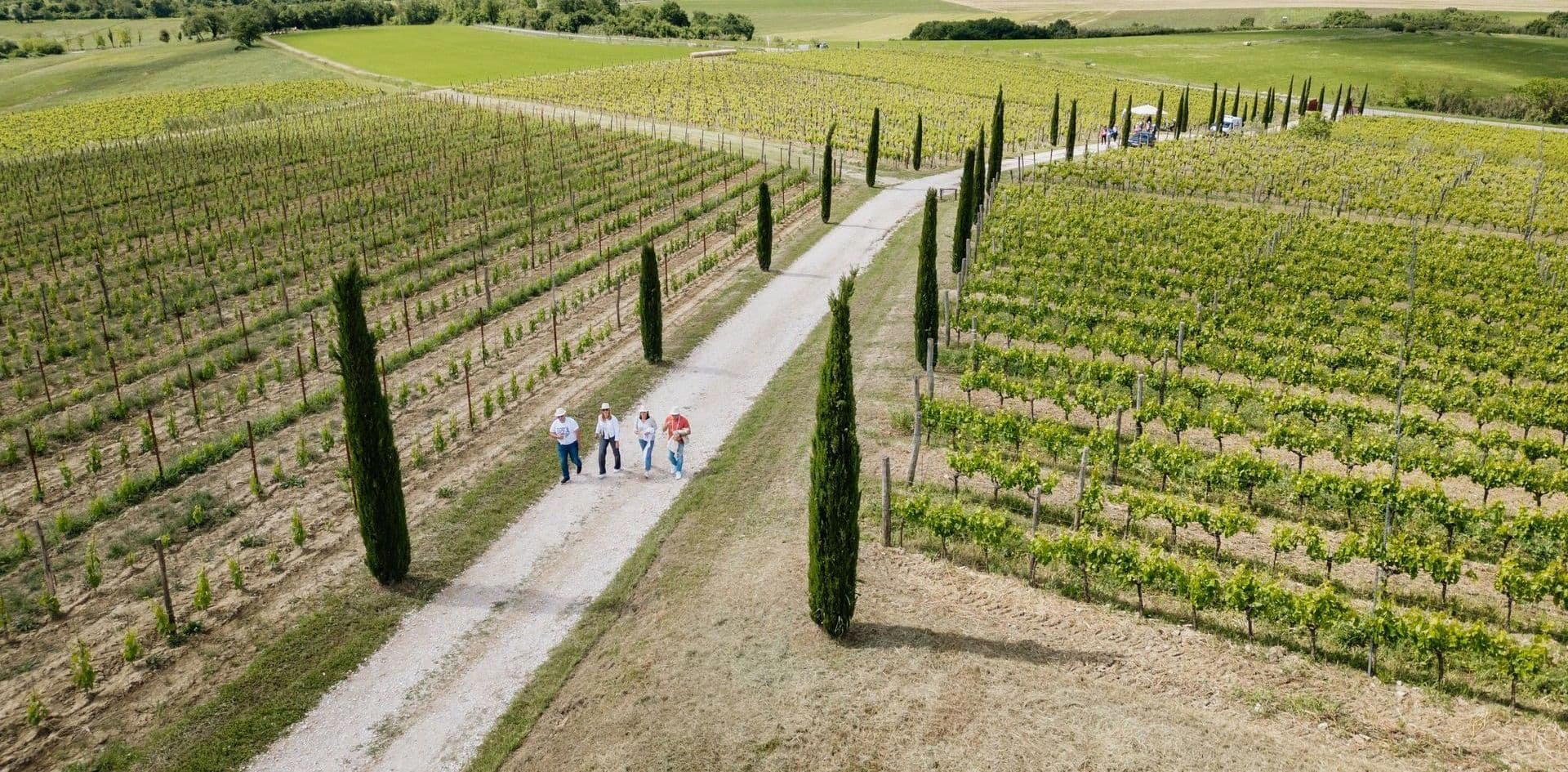
The road to Gračišče climbs away from the Koper coast through terraced vineyards and olive groves, arriving at a compact hilltop settlement that reads as a working Istrian village rather than a curated heritage site. That physical remove from the coast is the first thing to understand about Domačija Ražman: the address defines the register. Domačija Ražman is a restaurant in Gračišče, Slovenia, with. The experience is shaped by the village setting before a single dish arrives.
This part of Slovenian Istria sits within a short drive of Koper, yet the culinary grammar shifts markedly once you leave the waterfront. Coastal restaurants near the port, including seafood-forward spots like Salicornia and regionally oriented kitchens like Kogo, work within a Mediterranean idiom shaped by proximity to the Adriatic. The interior gostilna tradition draws instead from Karst and hill-farming heritage: cured meats, foraged ingredients, aged cheeses, game, and vegetables from kitchen gardens. Grad Socerb, perched on the cliff edge above the Rižana valley, occupies a similar inland-refined position, and the comparison is instructive: both venues use geography as a framing device, but the village setting at Gračišče implies something more embedded in everyday agricultural life than a castle-viewpoint destination.
For readers planning a Koper visit, the practical implication is clear: Domačija Ražman is a place to reach by car rather than on foot after an evening on the Titov trg waterfront. It requires a vehicle and a deliberate detour inland, which means it tends to draw visitors who are specifically interested in the rural Istrian cooking tradition rather than those moving between coastal stops.
The Domačija Format in Slovenian Dining
The word domačija translates roughly as homestead or farmstead, and it carries a specific meaning in Slovenian hospitality: a property that combines agricultural production with food and often accommodation, rooted in the land it sits on. This format sits in a distinct tier of Slovenian rural dining, different from a conventional gostilna (a roadside inn with a broad menu) and different from a fine-dining destination that uses local sourcing as a marketing claim. A genuine domačija typically sources from its own land or the immediate agricultural community, and the menu reflects what the season and the farm allow rather than a fixed carte.
Slovenia has developed a notable cluster of destination rural restaurants over the past two decades. Hiša Franko in Kobarid and Gostilna Pri Lojzetu in Vipava represent the end of that spectrum where farmhouse setting meets internationally recognised kitchen ambition. Milka in Kranjska Gora, Hiša Linhart in Radovljica, and Hiša Denk in Zgornja Kungota sit within that broader pattern of Slovenian venues using strong regional identity and rural location as the organising principle of the experience. The restaurant occupies a quieter position in this category, but within the same structural tradition of place-led, produce-led cooking.
Other Koper-area venues working the inland or village register, including Gostilna Karjola, operate within a broadly similar tradition, though each village setting carries its own agricultural character. The Gračišče area sits at an elevation that favours olive oil production and viticulture alongside mixed smallholder farming, which shapes the ingredients available to any kitchen drawing from this immediate territory.
Place as Programme: What the Setting Delivers
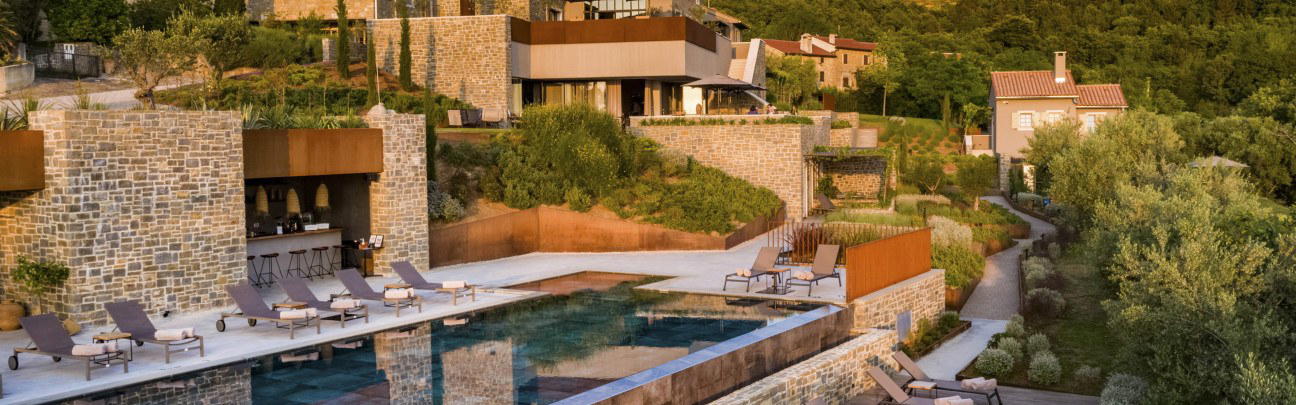
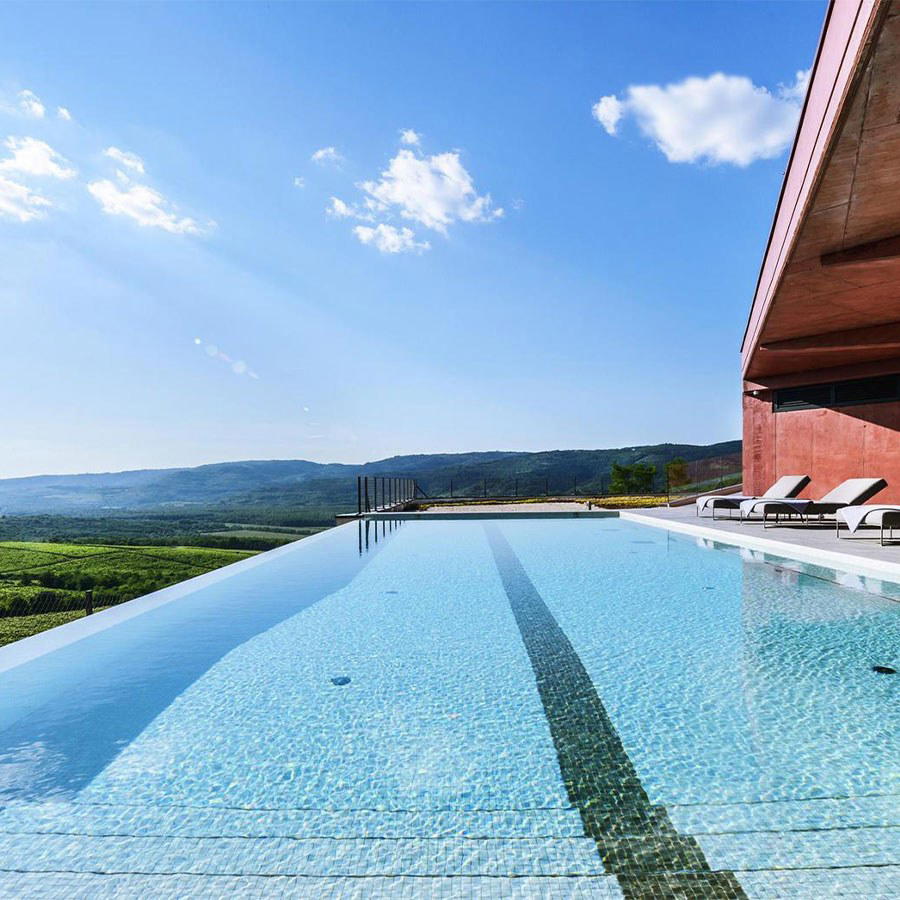
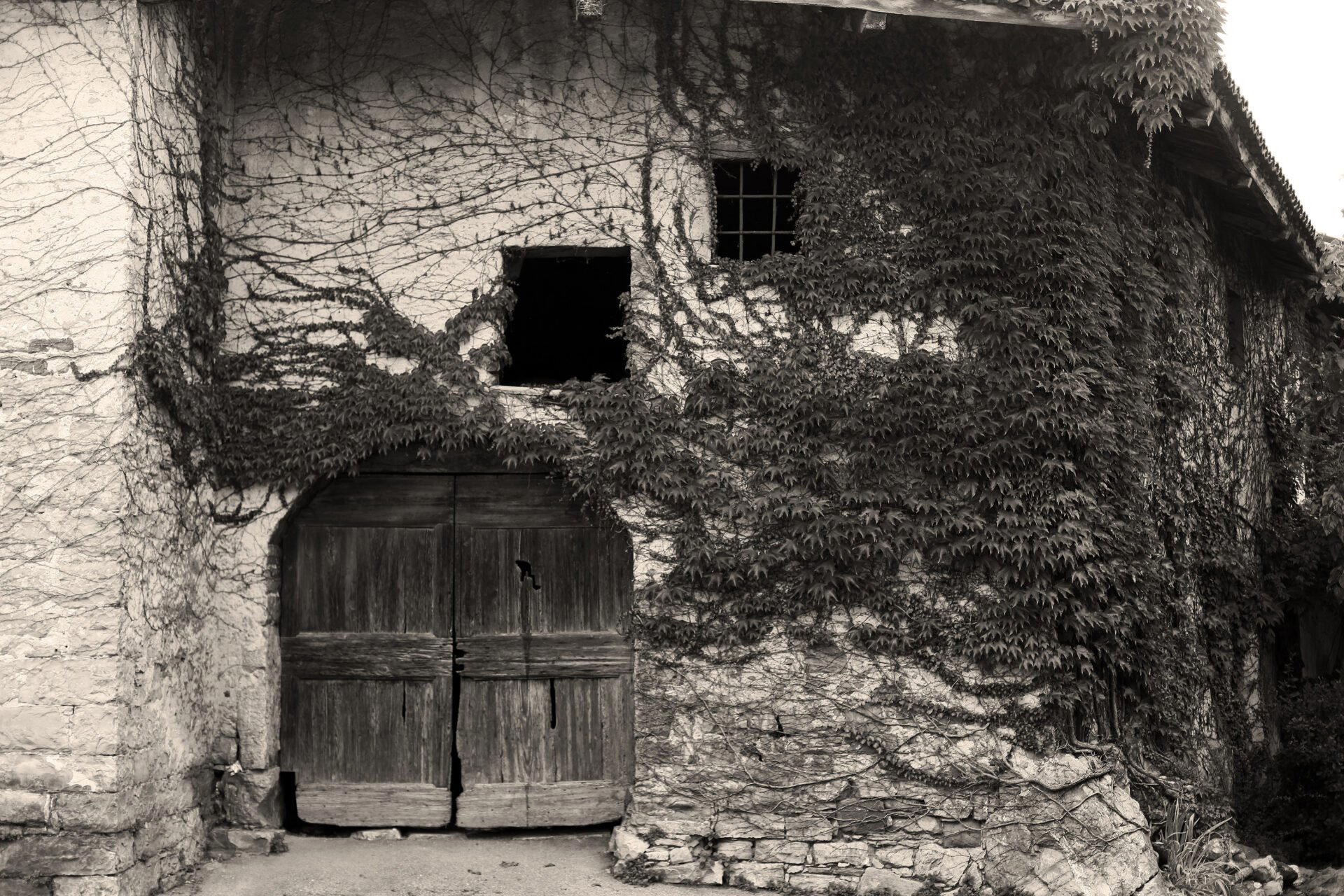
In the farmstead dining format, setting is not decoration: it is the programme. The experience at venues like Domačija Ražman is structured around the physical environment in ways that coastal restaurants cannot replicate. Stone-built agricultural architecture, views across terraced Istrian hillsides, the pace of a working farm rather than a service-industry rhythm, these are the conditions the meal unfolds within. Comparable farmstead venues in Slovenia and across the broader Istrian peninsula (including the Croatian interior) have built followings precisely on this basis: the environment makes claims that the kitchen then has to meet.
This contrasts with the approach of Ljubljana-based destination venues like Restavracija Strelec or Gostilna Skaručna in Vodice, where urban or peri-urban positioning means the restaurant must construct its own atmosphere independently of an agricultural landscape. At a Gračišče domačija, the land does a significant amount of that work. Whether the kitchen rises to match it is what separates a functional rural stop from a strong detour.
For context on how ambitious rural kitchens at this remove from a capital city build their case, Grič in Šentjošt nad Horjulom and Pavus in Lasko offer useful comparative reference points, as does Dam in Nova Gorica, where a border-town setting shapes the identity of the food in a structurally similar way. The through-line in all these cases is that place precedes menu: geography writes the first paragraph, and the kitchen responds.
Planning the Visit: Practical Orientation
Gračišče sits inland from Koper in the Šmarje municipality, and reaching it requires a car; public transport connections to the village are limited. The address, Gračišče 1, places the restaurant at the heart of the settlement. Given the farmstead format, advance contact before visiting is strongly advisable: domačija operations in Slovenia frequently work on reservation or pre-arrangement rather than walk-in capacity, and hours can reflect agricultural schedules rather than standard restaurant service windows. Reservations are recommended. For Koper-based visitors without a vehicle, urban alternatives closer to the waterfront include Al Mulin, Avokado, and Capra.
The wider category of Slovenian rural destination dining, from farmhouse gostilnas to tasting-menu venues, is one of the more coherent dining scenes in Central Europe. At the tasting-menu end of the international spectrum, reference points like Le Bernardin in New York City and Lazy Bear in San Francisco illustrate how farmhouse-format communal dining has gained traction globally.
The Minimal Set
Comparable venues nearby, for context on price, style, and recognition.
| Venue | Cuisine | Price | Notes |
|---|---|---|---|
| Domačija RažmanThis venue — the venue you are viewing | Gračišče, Authentic Istrian | $$ | Not listed |
| Capra | Koper, Mediterranean Seafood | $$$ | Not listed |
| Gostilna Karjola | Not listed | $$ | Marezige, Traditional Istrian Mediterranean with Refosco |
| Al Mulin | Sermin, Istrian Mediterranean Seafood | $$ | Not listed |
| Grad Socerb | Črni Kal, Modern Mediterranean Seafood | $$$$ | Not listed |
| Kavarna Kapitanija | Not listed | $$ | Koper, Artisan Cafe with Desserts & Ice Cream |
Continue exploring
More in Koper
Restaurants in Koper
Browse all →
Bars in Koper
Browse all →
Hotels in Koper
Browse all →
At a Glance
- Rustic
- Cozy
- Scenic
- Family
- Group Dining
- Casual Hangout
- Wine Cellar
- Terrace
- Extensive Wine List
- Local Sourcing
- Vineyard
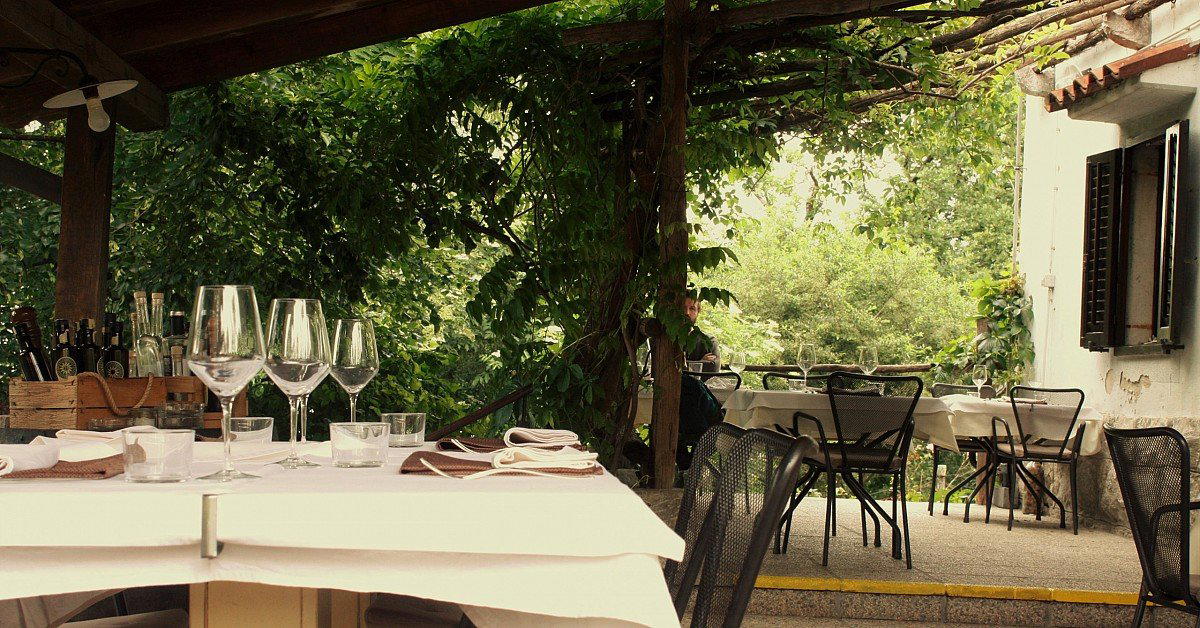
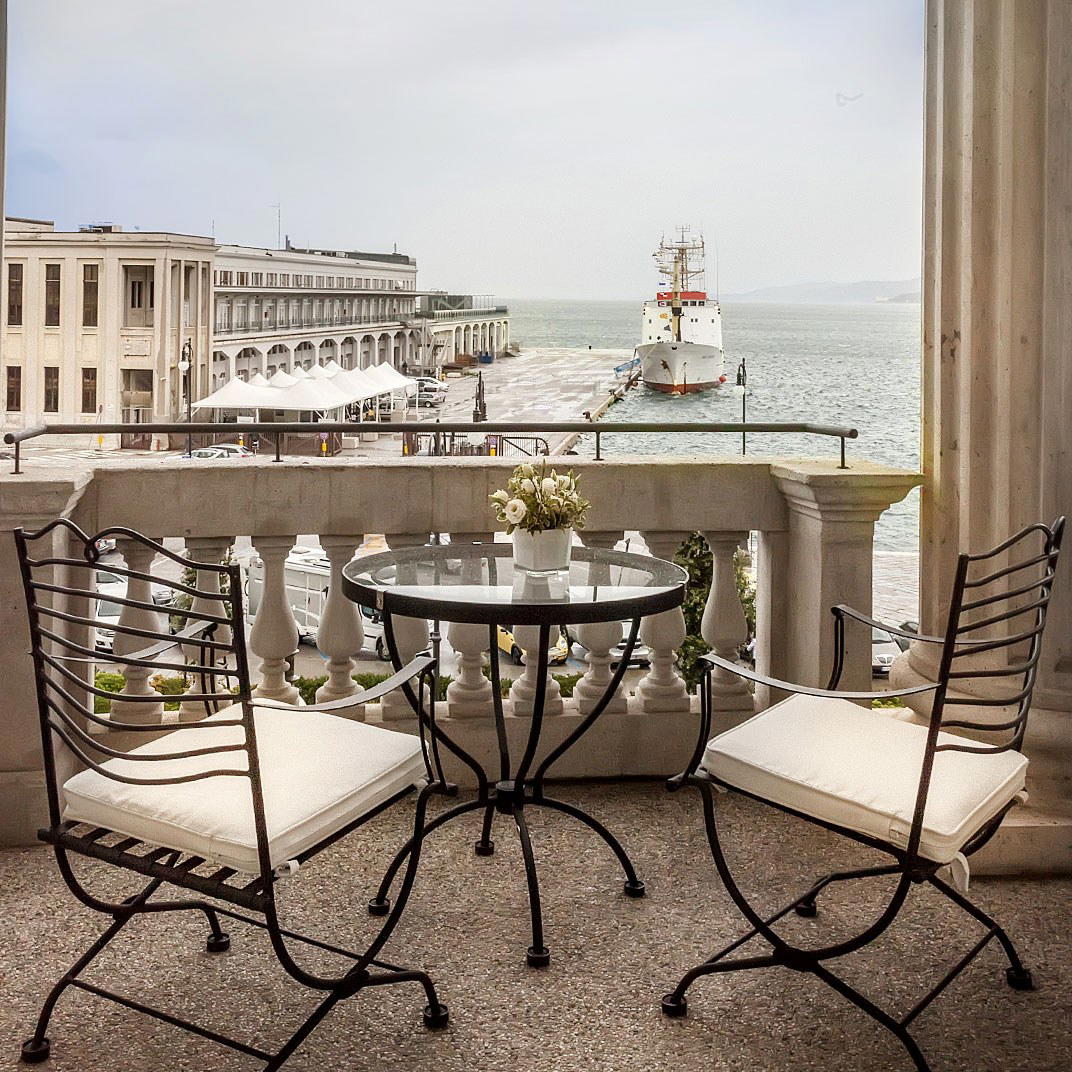
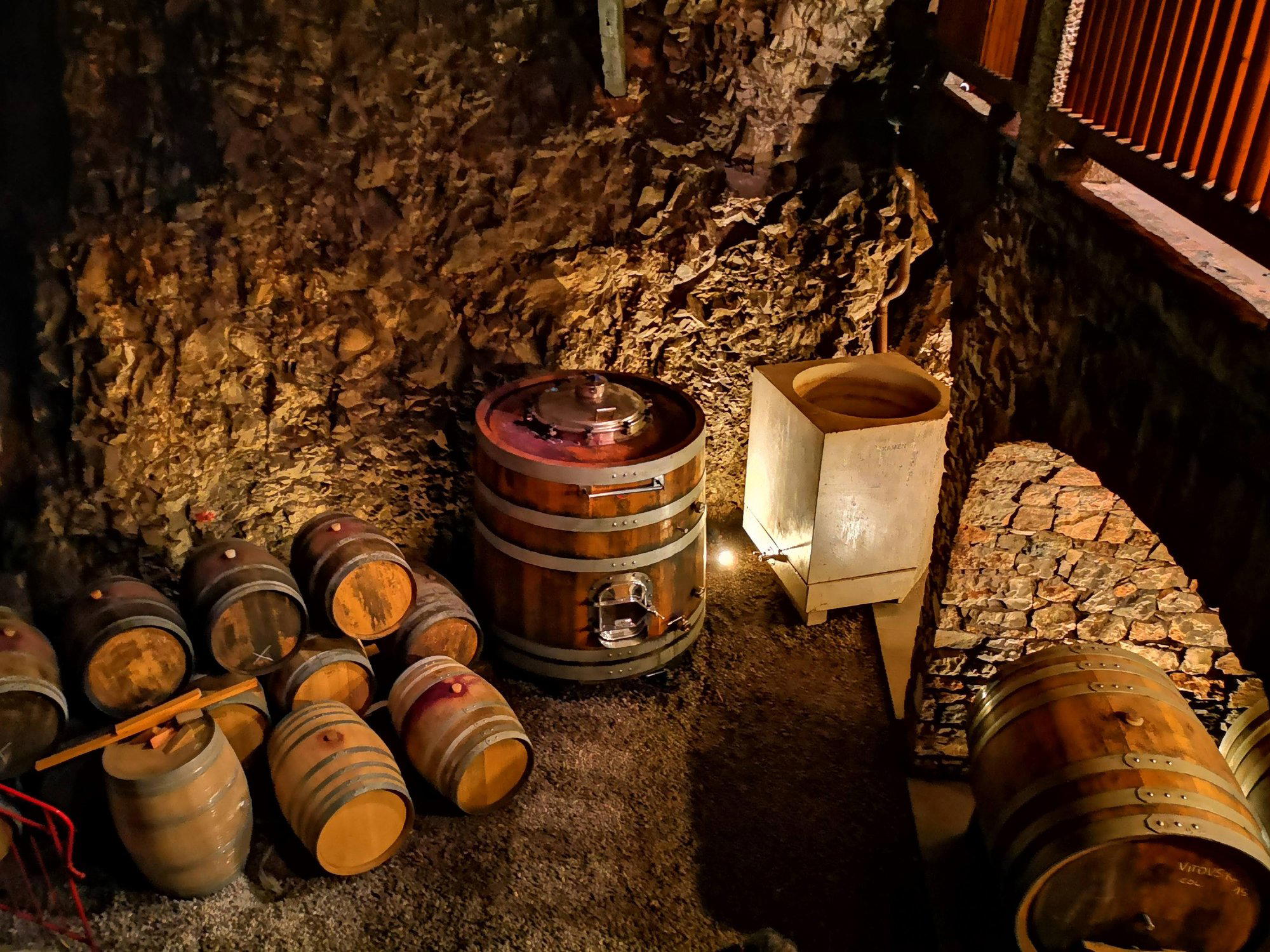
Cozy and inviting with rough stone walls, winter garden, and multiple dining rooms evoking a rustic homestead atmosphere.