Gostilna Karjola sits in the Marezige hills above Koper, in the heart of Slovenian Istria's agricultural interior. The kitchen draws on the produce and pastoral traditions of this quietly serious wine and olive-oil country, placing it within a broader regional gostilna tradition that values proximity to the source over culinary spectacle. It is the kind of address that rewards the traveller willing to leave the coastal strip behind.
Pearl is the En Primeur Club membership app — saves, bookings, and concierge access live there. Same editors, same standards.
- Address
- Marezige 24, 6273 Marezige, Slovenia
- Phone
- +38656550168
- Website
- karjola.si
- Directions
- Get directions
 Saves & bookings on Pearl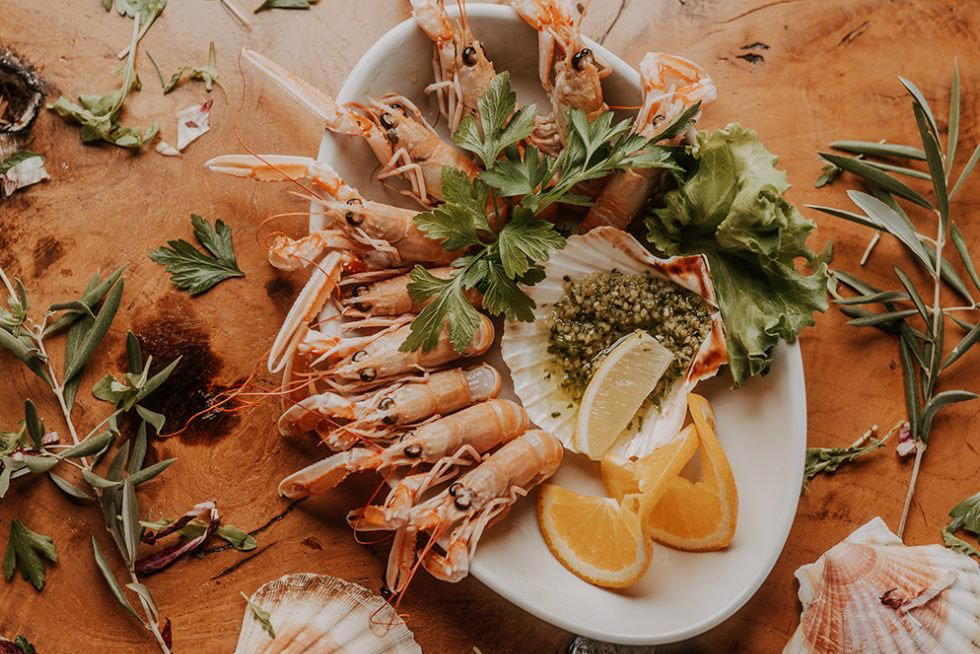
Where the Karst Meets the Coast: Dining in Slovenian Istria's Interior
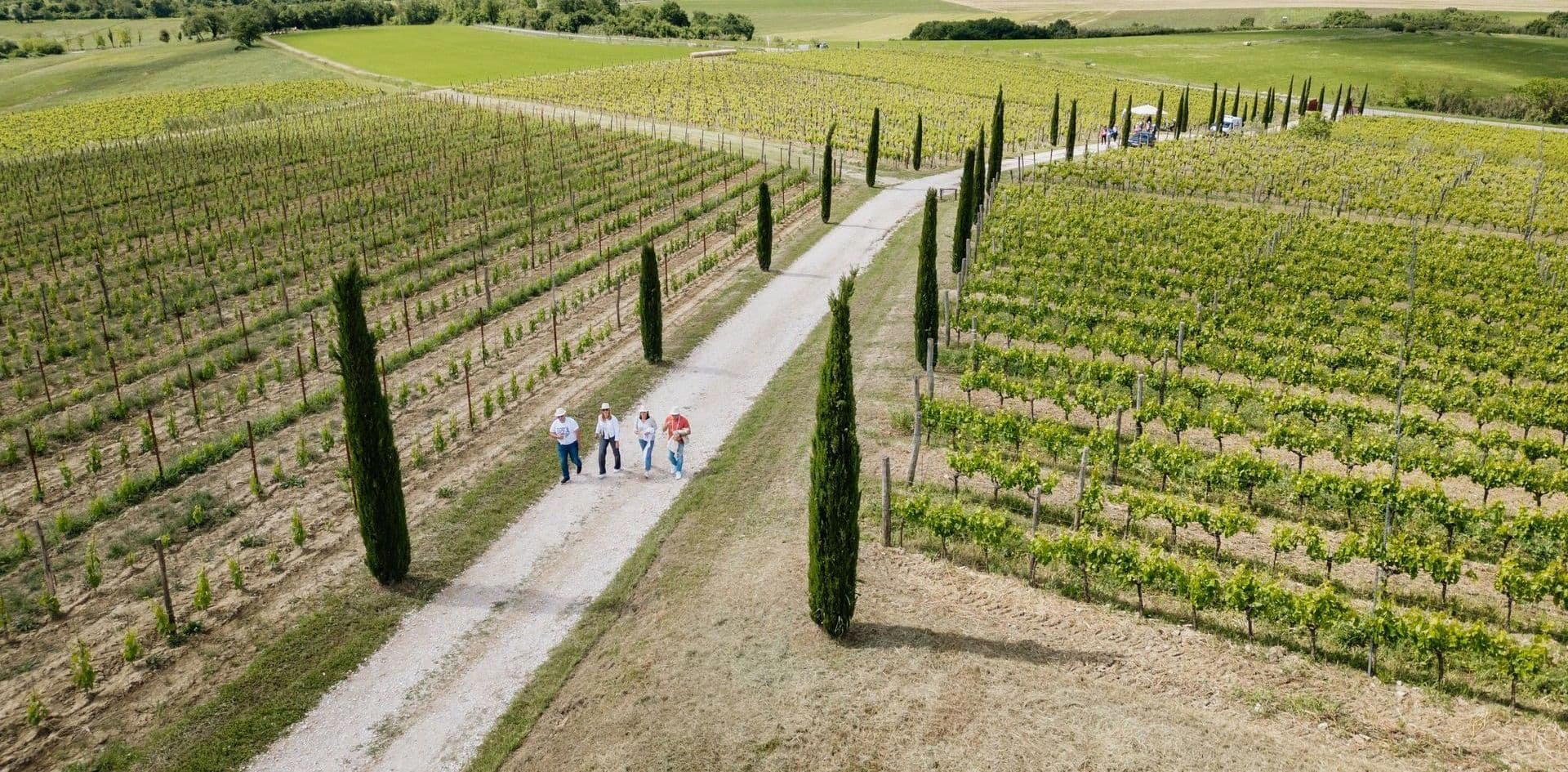
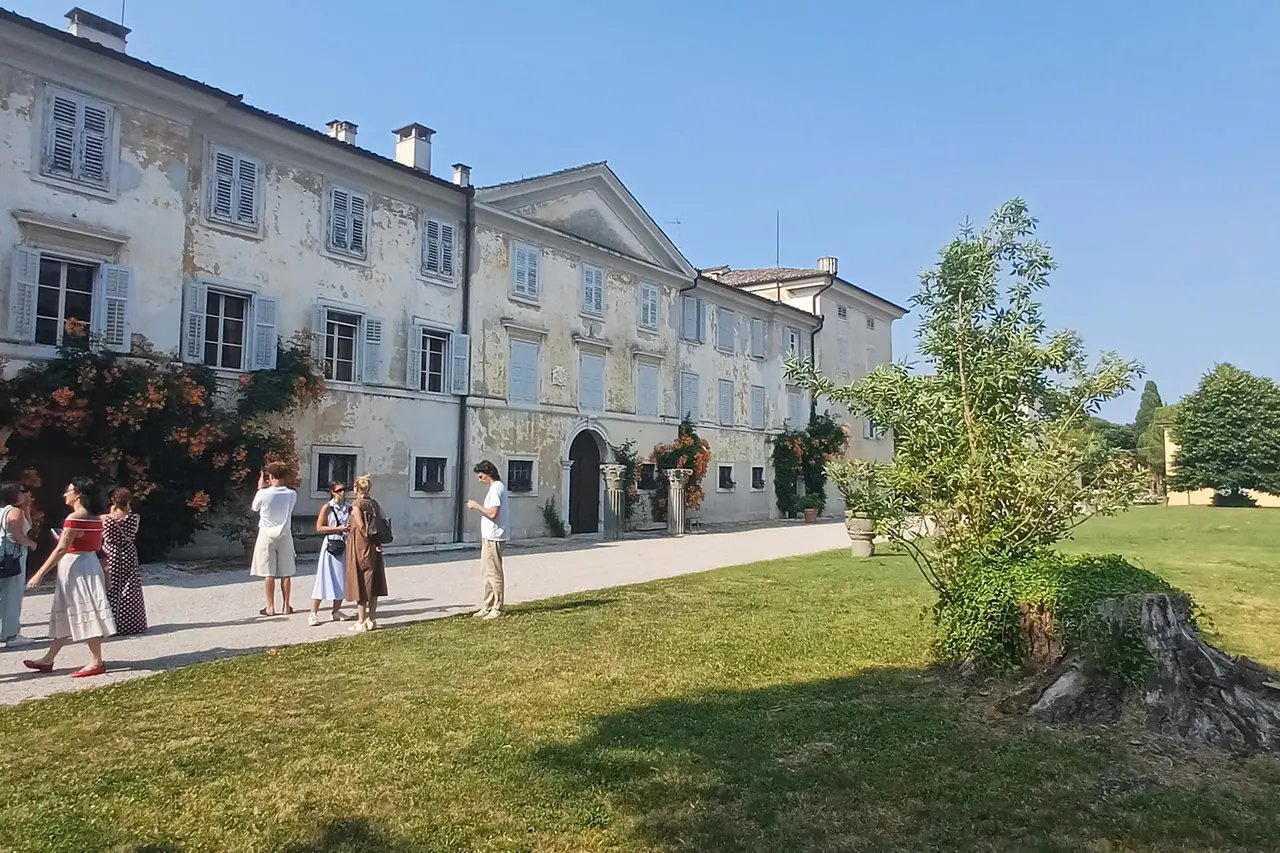
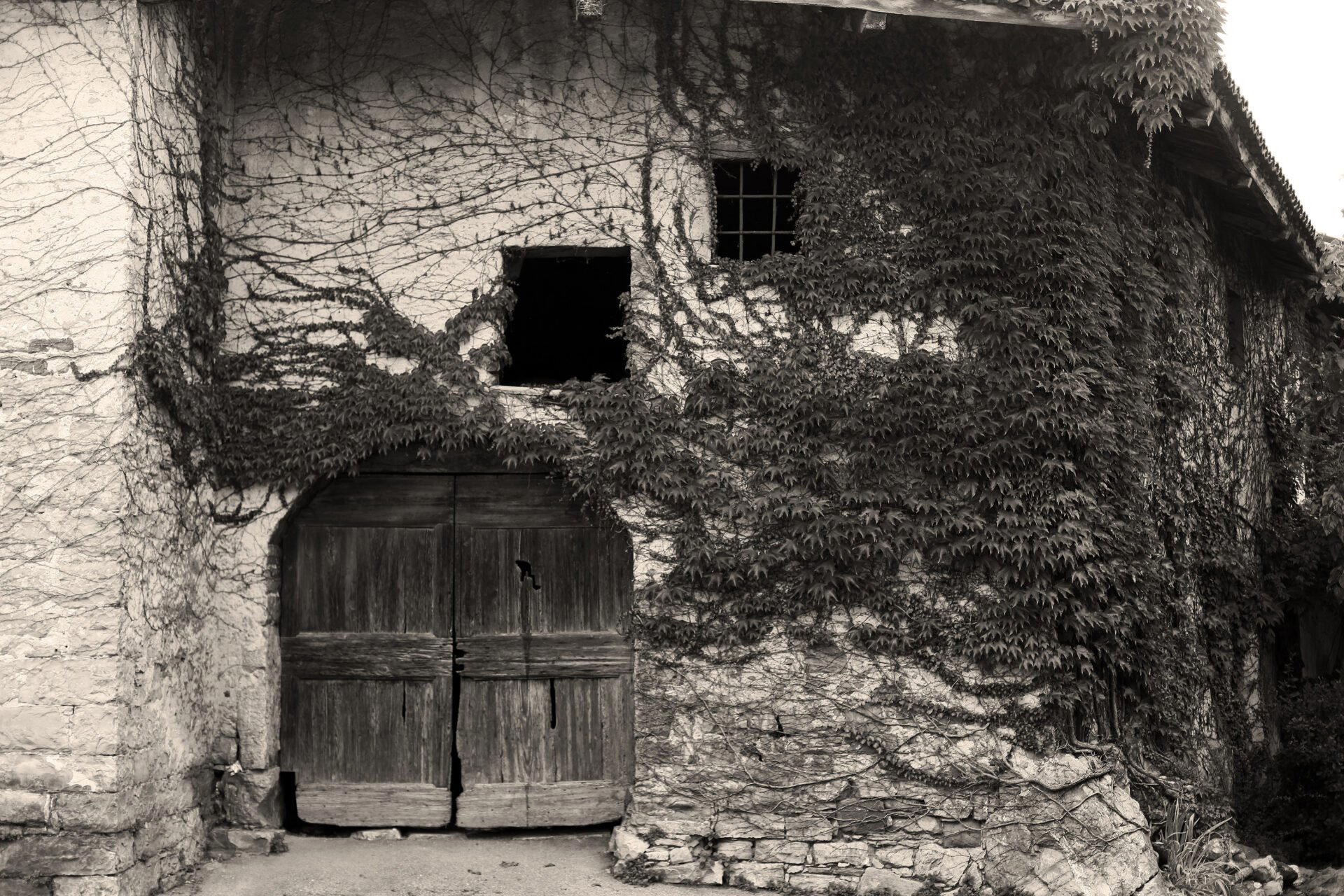
The road from Koper into the Marezige hills climbs quickly, shedding the Adriatic light and the noise of the port city within minutes. By the time you reach the village of Marezige, the landscape has shifted into something older and quieter: terraced olive groves, stone farmhouses, and the kind of stillness that belongs to agricultural Slovenia rather than to its tourist-facing coastline. Gostilna Karjola sits in this setting, at Marezige 24, occupying a position that is as much a geographic argument as it is a restaurant address. The location is central to the experience.
The Slovenian gostilna tradition is rooted in village hospitality, seasonal produce, and a fixed relationship to local land. On one side, international chain formats and coastal tourism menus have pulled dining toward the generic. On the other, the country's celebrated fine-dining tier, represented by addresses like Hiša Franko in Kobarid and Hiša Denk in Zgornja Kungota, has appropriated the gostilna vocabulary for elaborate tasting-menu formats. The gostilna that takes its produce seriously without performing fine dining is the more revealing model here.
Istrian Ingredients as the Editorial Point
Slovenian Istria is a compact strip of territory with a disproportionate concentration of quality agricultural output. The Karst plateau to the north and the red Istrian soil to the south together produce olive oil, wine, cured meats, and wild forage that have sustained a distinct culinary identity for centuries. The oil from this region carries Protected Designation of Origin status, and the local Refošk grape is integral to the table here. Any kitchen in Marezige that takes sourcing seriously operates within this supply geography almost by default: the producers are close, the relationships are generational, and the seasonal calendar is specific.
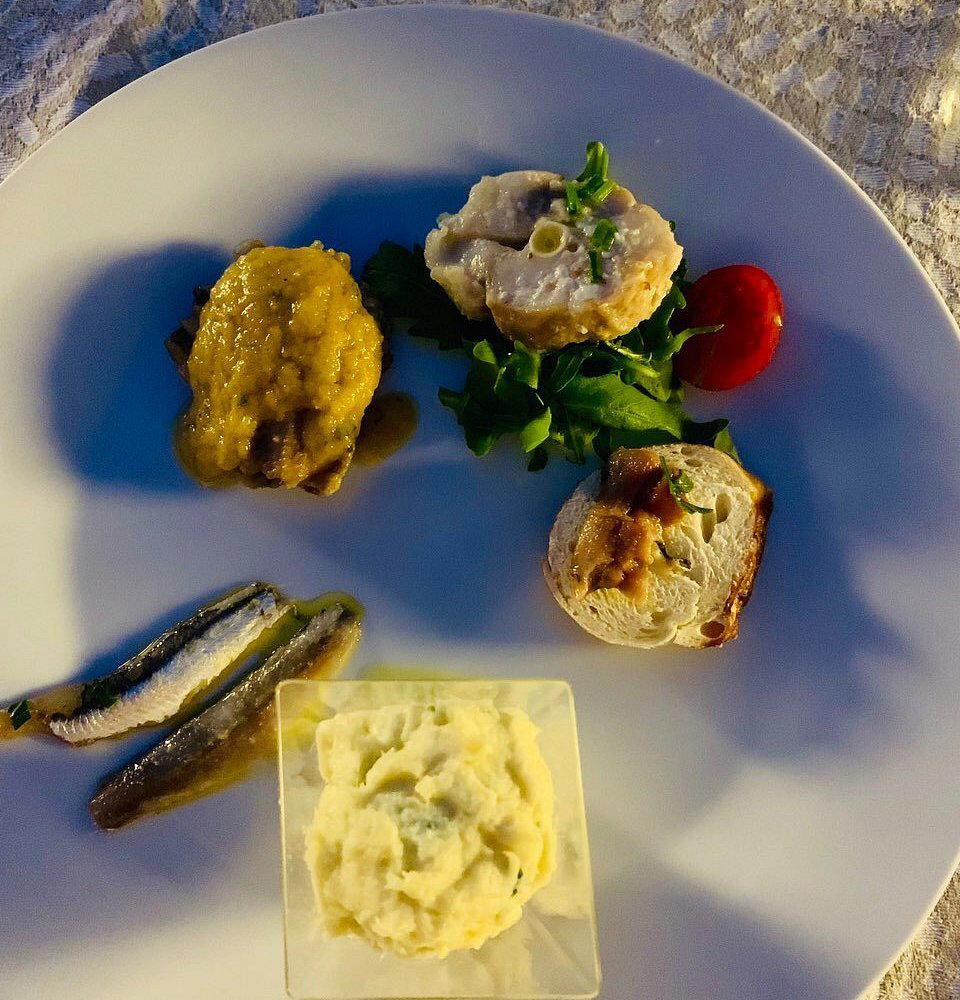
This is the frame within which Gostilna Karjola should be understood. The gostilna format is an expression of what the land immediately around it produces at a given time of year. That means dried figs, truffles from the Motovun forest just across the Croatian border, game from the Karst, and seafood sourced at a distance measured in kilometres rather than supply-chain abstractions. In the broader Koper dining scene, where addresses like Avokado and Capra orient themselves toward the Mediterranean coast, the Marezige hilltop position represents a deliberate turn inland, toward a different pantry entirely.
Comparable gostilna addresses elsewhere in Slovenia underscore how location-specific this approach can be. Gostilna Pri Lojzetu in Vipava operates within the Vipava Valley wine tradition; Gostilna Mlinar in Idrija draws on the mining town's distinct food culture, particularly its žlikrofi dumplings. Each is legible primarily through its sourcing geography rather than through any individual chef's biography. The pattern holds in Marezige.
The Koper Dining Context
Koper is Slovenia's only sea port and its most Italianate city, a legacy of centuries under Venetian administration. The dining culture reflects this layered history: pasta formats, seafood preparations, and wine service habits that feel more Triestine than Slovenian in some quarters. The city's restaurant tier skews toward the Mediterranean, with venues like Al Mulin and Grad Socerb representing different points on the range from casual to destination dining. Domačija Ražman similarly works the farmhouse-dining format that has become a credible category in this part of Slovenia.
Against that backdrop, the drive to Marezige functions as a sorting mechanism. Visitors who make it tend to be self-selected: they are interested in what the Istrian interior actually tastes like rather than in a seaside terrace with a view. The Adriatic-facing dining in Slovenian Istria has its own integrity, but it does describe two different reader profiles. Our full Koper restaurants guide maps both orientations across the city and its surrounding villages.
How Gostilna Karjola Fits the Regional Tier
Slovenia's most decorated restaurants have established a credibility abroad that the country's mid-tier dining has not always shared. The recognition that flows to addresses like Restavracija Strelec in Ljubljana, Milka in Kranjska Gora, Pavus in Lasko, Grič in Šentjošt nad Horjulom, Hiša Linhart in Radovljica, and Dam in Nova Gorica has raised the profile of Slovenian cooking internationally. These are tasting-menu operations with serious wine programs and reservation lead times that rival any European capital. The restaurant occupies a different register: it belongs to the category of honest regional eating house rather than to the fine-dining tier, and should be assessed on those terms.
For international visitors oriented toward the kind of technically intricate long-menu cooking represented by Le Bernardin in New York City or Atomix in New York City, the restaurant offers a deliberate counterpoint: it is a reminder that one direct expression of a place's agriculture is not always one elaborately constructed one. The gostilna category, at its most functional, serves food whose interest is inseparable from its sourcing geography.
Planning Your Visit
Marezige sits in the hills above Koper, accessible by car in under fifteen minutes from the city centre. For visitors based on the coast, it works well as a lunch destination when the heat of the Adriatic afternoon makes a hillside setting preferable to a seafront terrace. Reservations are recommended. Calling ahead remains standard practice.
Comparable Spots, Quickly
Comparable venues nearby, for context on price, style, and recognition.
| Venue | Cuisine | Price | Notes |
|---|---|---|---|
| Gostilna KarjolaThis venue — the venue you are viewing | Traditional Istrian Mediterranean with Refosco | $$ | Not listed |
| Domačija Ražman | Authentic Istrian | $$ | Gračišče |
| Capra | Mediterranean Seafood | $$$ | Koper |
| Al Mulin | Istrian Mediterranean Seafood | $$ | Sermin |
| Restavracija Brič | Mediterranean Seafood & Local Wines | $$ | Dekani |
| Kavarna Kapitanija | Artisan Cafe with Desserts & Ice Cream | $$ | Koper |
Continue exploring
More in Koper
Restaurants in Koper
Browse all →
Bars in Koper
Browse all →
Hotels in Koper
Browse all →
At a Glance
- Rustic
- Cozy
- Scenic
- Family
- Group Dining
- Casual Hangout
- Terrace
- Extensive Wine List
- Local Sourcing
- Waterfront
- Mountain
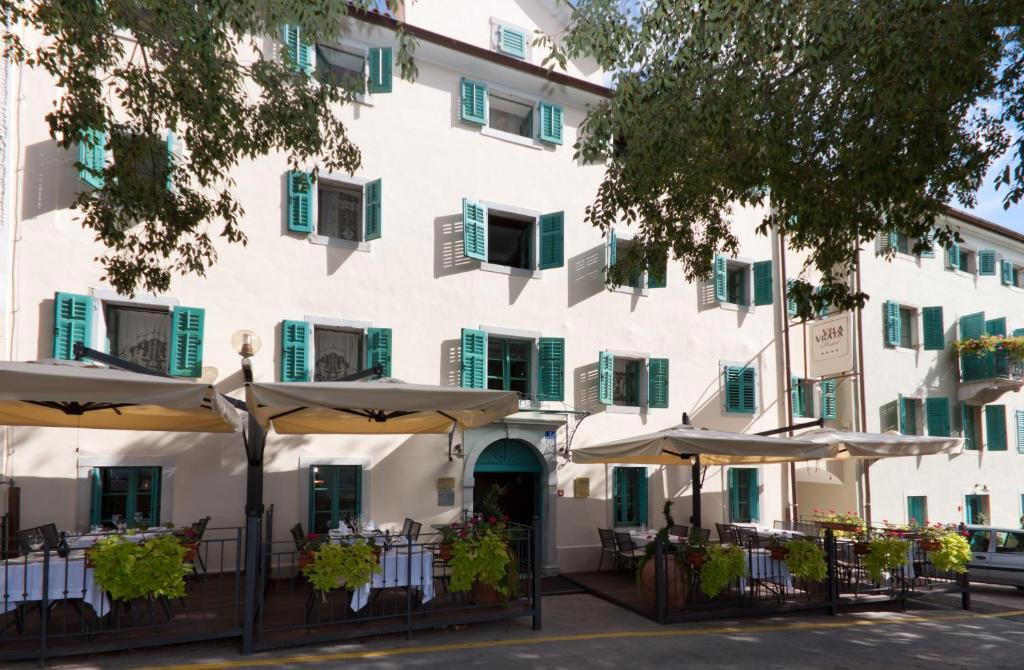
Cozy village atmosphere with terrace seating offering inspiring scenic views on sunny days.