
Probka na Cvetnom sits on Tsvetnoy Boulevard in central Moscow, operating at the intersection of Russian and European cooking traditions.
Pearl is the En Primeur Club membership app — saves, bookings, and concierge access live there. Same editors, same standards.
- Address
- Tsvetnoy Blvd, 2, Moscow, Russia, 127051
- Phone
- +7 495 995-90-45
- Website
- probka.org
- Directions
- Get directions
 Saves & bookings on Pearl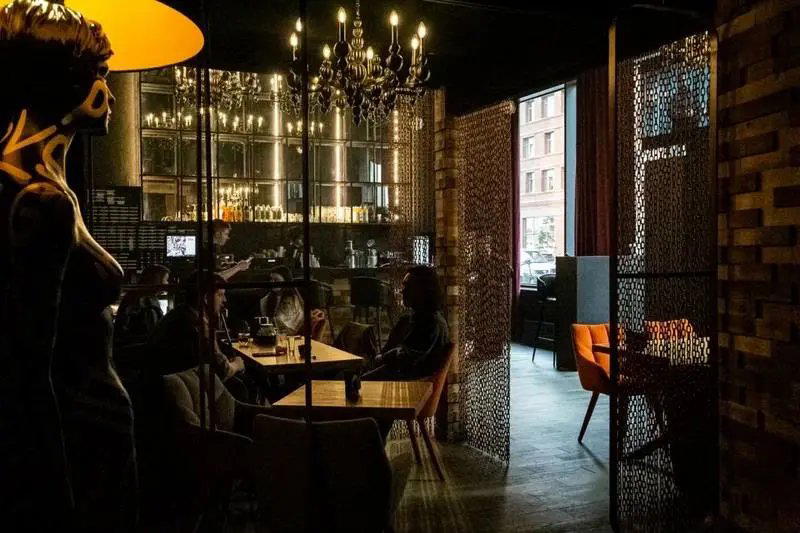
Tsvetnoy Boulevard and the Logic of the Long-Running Restaurant
Moscow's central dining corridor has seen considerable churn since the early 2010s. Concepts open aggressively, burn through their novelty, and quietly close or reformat. Against that backdrop, a restaurant that has maintained both critical recognition and a large, engaged local audience is worth examining on its own terms. Probka na Cvetnom, positioned on Tsvetnoy Boulevard at address number 2, sits in that rarer category: a place the city keeps returning to rather than merely discovering.
Tsvetnoy Boulevard occupies a stretch of inner Moscow that blends old residential character with newer retail and cultural infrastructure. The Tsvetnoy Central Market is nearby, and the area functions as a transition zone between the tourist-facing historic core and the more resident-oriented neighbourhoods further north. Restaurants here tend to address a local audience first, which imposes a different kind of pressure than venues built primarily around occasion dining or hotel guests. Regulars notice when standards slip.
Russian-European as a Category, Not a Compromise
The Russian-European designation covers a wide spectrum of Moscow dining. At one end, it describes restaurants that apply European technique to Russian ingredients, treating fermented dairy, cold-water fish, forest mushrooms, and game as raw material for French-influenced preparation. At the other end, it describes something more hybrid: menus where borsch and beef tartare coexist without either apologising for the presence of the other.
Moscow's strongest entries in this category tend to resolve the tension through a clear point of view. White Rabbit (Modern Russian) has made theatricality and indigenous ingredient sourcing its organising principle. Twins Garden (Modern European) grounds its menu in farm-to-table discipline with zero-waste methodology. САВВА - Savva - Hotel Metropol operates in the formal register of grand hotel dining. Probka na Cvetnom occupies a different position: the neighbourhood anchor that treats Russian-European not as a curatorial statement but as a working framework for daily cooking.
That positioning has become more significant as Moscow's dining scene has matured. The city now has enough high-concept destination restaurants that there is genuine demand for the counterpart: a place that executes within a familiar tradition with care and consistency, where the ambition is quality of execution rather than novelty of concept. La Liste's recognition of Probka na Cvetnom with 78 points in its 2025 ranking of leading global restaurants confirms that this kind of sustained execution registers in the international critical framework, not just locally.
La Liste and What 78 Points Signals
La Liste aggregates and weights restaurant ratings from guides, publications, and digital platforms across more than 180 countries. Its scoring methodology means that 78 points represents a genuine composite of critical and popular opinion rather than a single organisation's judgement. For a Moscow restaurant in the Russian-European category, appearing in that ranking places Probka na Cvetnom in a comparable set that includes recognised names across the city's competitive dining tier.
Moscow's La Liste-ranked restaurants span a range of styles. SAGE and Varvary (Russian Cuisine) represent adjacent positions in the scene's upper mid-tier. The distribution of these scores reflects how Moscow has developed a broader bench of serious restaurants rather than concentrating all critical recognition in a handful of destination addresses.
How the Concept Has Shifted
The Probka brand in Russia has gone through distinct phases. What began as a wine-bar and Italian-leaning format in its earlier iterations has, at the Tsvetnoy Boulevard address, moved toward a more grounded Russian-European identity. This is consistent with a broader shift in Moscow dining over the past decade, during which restaurants that initially positioned themselves around imported European concepts gradually found their footing by incorporating Russian ingredients, preserved traditions, and local seasonal rhythms.
That evolution is not distinctive to Probka. Across Moscow's established restaurant cohort, particularly durable venues have tended to be those that started with European reference points and progressively anchored themselves in Russian culinary material. The restaurants that resisted this shift, maintaining a purely European identity, have generally struggled with audience relevance as Russian cooking developed its own critical credibility. Probka na Cvetnom's current Russian-European positioning is, in this light, a marker of adaptation rather than indecision.
For a comparison across the broader Russian dining scene, the same dynamic plays out differently in other cities. Birch in St. Petersburg and Сад - Sad in Sankt-Peterburg represent how St. Petersburg restaurants have navigated the same Russian-European territory, while Il Lago dei Cigni in Sankt-Peterburg holds to a more European register. Outside the major cities, Leo Wine & Kitchen in Rostov and SEASONS in Kaliningrad show how regional Russian cities are developing their own versions of this hybrid identity.
Planning a Visit: Seasonal Timing and Practical Notes
Moscow dining has a pronounced seasonal rhythm. Late autumn and winter, roughly October through February, represent peak engagement with the city's restaurant scene: the outdoor terraces close, the city moves indoors, and restaurant reservations in the mid-to-upper tier fill quickly on weekends. A venue with Probka na Cvetnom's profile and review volume is likely to require advance booking during these months, particularly Thursday through Saturday. Summer brings lighter demand at many central Moscow restaurants as residents migrate to dachas, which can make June and July the easiest periods for walk-in or short-notice reservations.
Tsvetnoy Boulevard is served by the Tsvetnoy Bulvar metro station on the grey line, making it accessible from most of central Moscow without requiring a taxi or car. The boulevard itself is pleasant in warmer months, and the surrounding area has enough character to support a longer evening in the neighbourhood before or after dinner.
For a broader picture of where Probka na Cvetnom sits in Moscow's dining options, see our full Moscow restaurants guide. Those planning a longer visit can consult our full Moscow hotels guide, our full Moscow bars guide, our full Moscow wineries guide, and our full Moscow experiences guide for a complete picture of the city. For those interested in the broader Russian dining scene beyond Moscow, Bourgeois Bohemians in Sankt-Peterburg, La Colline in Bolshoye Sareyevo, and Царская Охота - Tsarskaya Okhota in Zhukovka offer relevant points of comparison.
City Peers
Comparable venues nearby, for context on price, style, and recognition.
| Venue | Cuisine | Price | Notes |
|---|---|---|---|
| Пробка на Цветном - Probka na Cvetnom | Итальянская кухня с домашней пастой и пиццей | $$$ | Цветной бульвар |
| Semifreddo | Authentic Sicilian-Italian Fine Dining | $$$$ | District Central (TsAO) |
| Pinzeria by Bontempi | Italian Pinsa Romana | $$ | Boulevard Ring |
| Accenti | Italian Seafood Trattoria | $$$ | Ostozhenka-Golden Mile |
| LOONA | Modern Italian | $$$ | Tverskoy |
| Balzi Rossi | Modern Italian Mediterranean | $$$ | Presnensky |
Recognition history
Dated appearances from independent guides and award organizations, with the underlying list record or original source where available.
La Liste Top Restaurants
La Liste
At a Glance
- Elegant
- Cozy
- Sophisticated
- Modern
- Date Night
- Business Dinner
- Group Dining
- Family
- Open Kitchen
- Terrace
- Live Music
- Extensive Wine List
- Street Scene
Current opening hours
- Monday
- 9 AM–12:30 AM
- Tuesday
- 9 AM–12:30 AM
- Wednesday
- 9 AM–12:30 AM
- Thursday
- 9 AM–12:30 AM
- Friday
- 9 AM–12:30 AM
- Saturday
- 10 AM–12:30 AM
- Sunday
- 10 AM–12:30 AM
Hours can change for holidays and private events. Last verified .
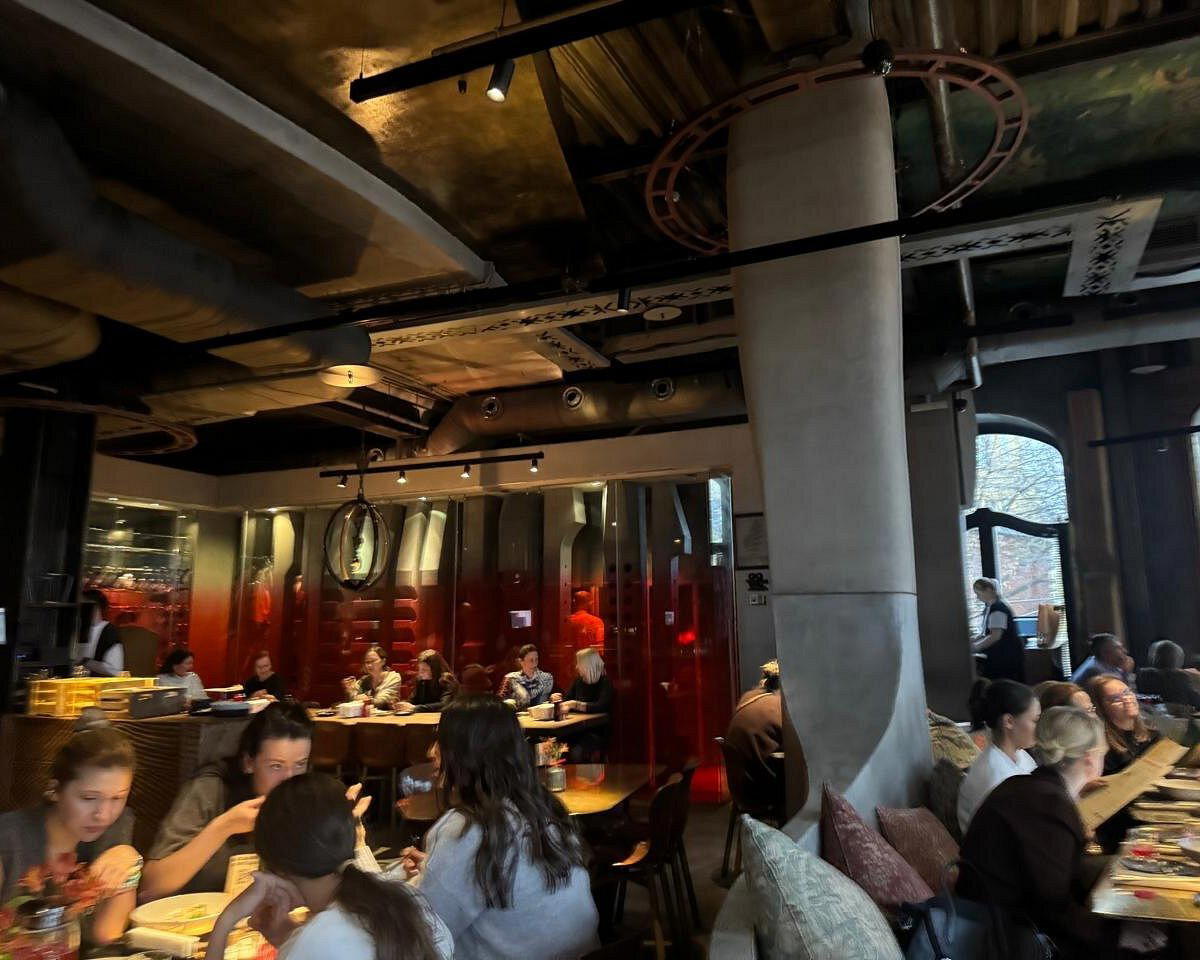
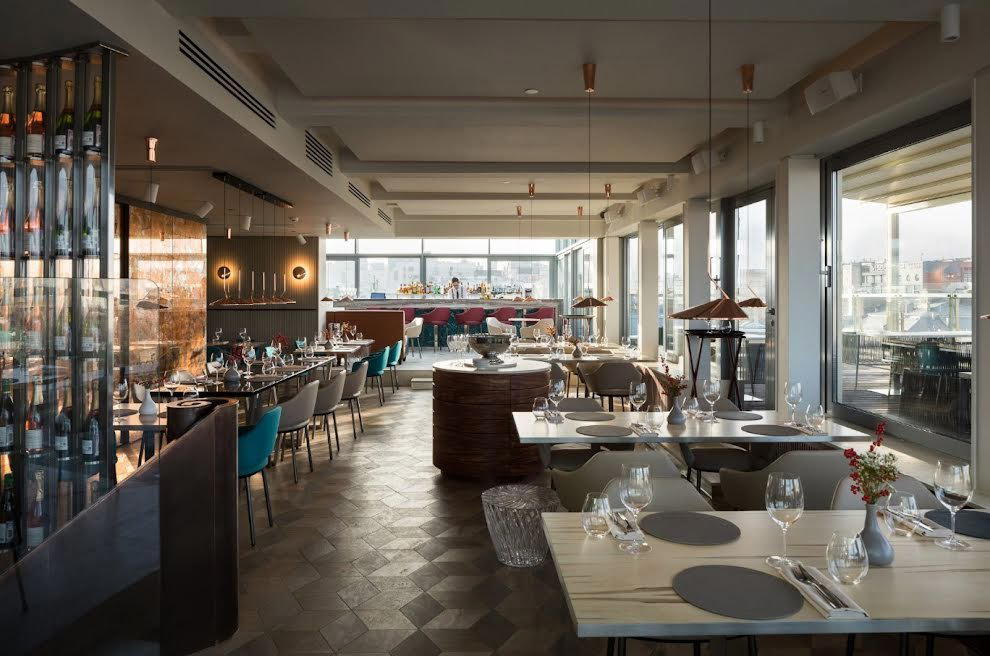
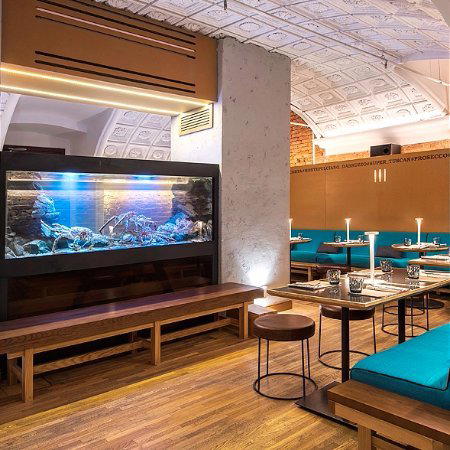
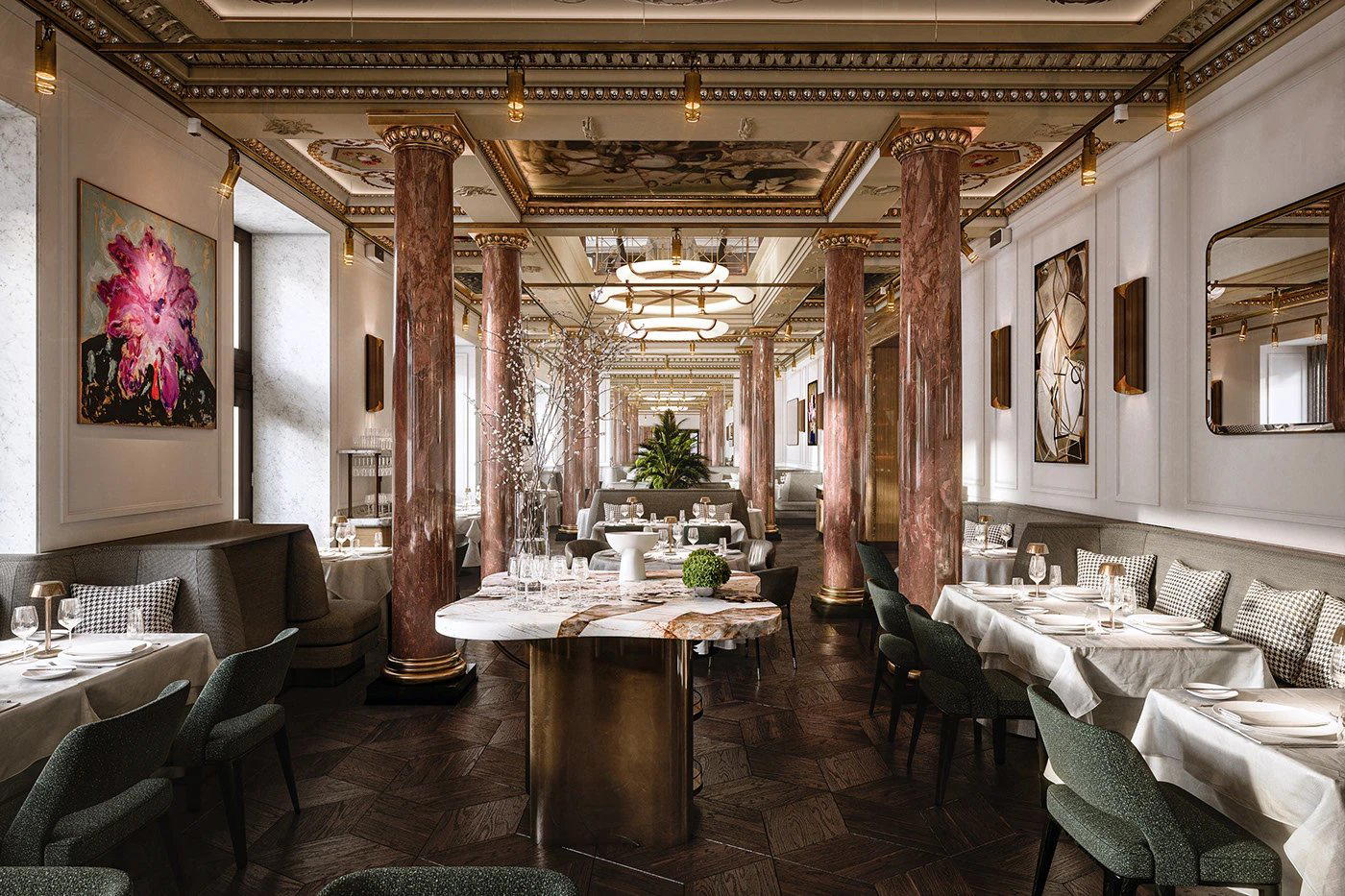
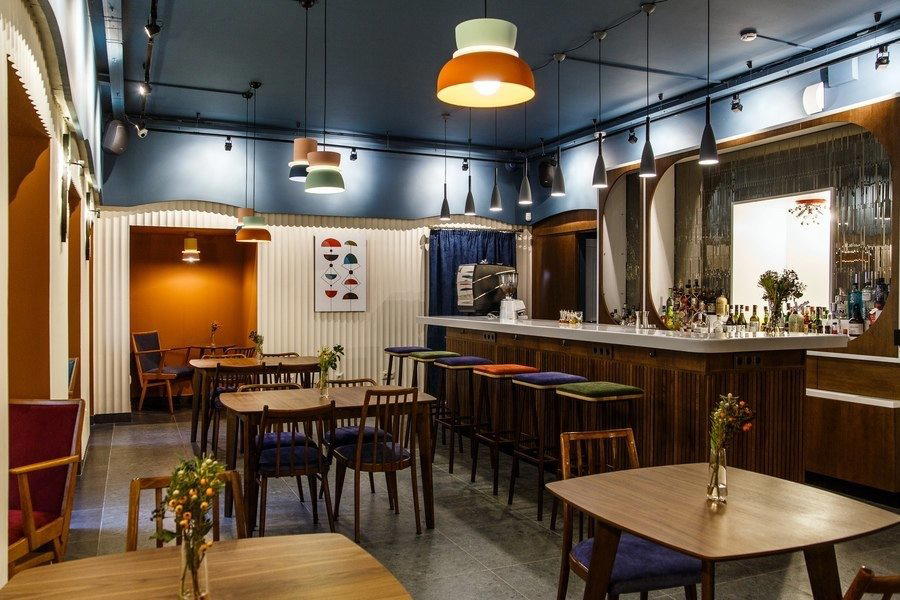
Простой и элегантный интерьер в пастельных тонах с открытой кухней, бархатными диванами, мягкими креслами и декоративными тарелками с автографами знаменитостей.