
Гусятникоff sits on Ulitsa Aleksandra Solzhenitsyna in Moscow's Tagansky district, making a case for Russian cuisine as something worth serious attention. Consecutive La Liste recognition, 82 points in 2025, 79 in 2026, places it in a comparable set that includes the city's most closely watched Russian-focused tables..
Pearl is the En Primeur Club membership app — saves, bookings, and concierge access live there. Same editors, same standards.
- Address
- Ulitsa Aleksandra Solzhenitsyna, 2Ас2, Moscow, Russia, 109004
- Phone
- +7 926 533-44-56
- Website
- gusyatnikoff.ru
- Directions
- Get directions
 Saves & bookings on Pearl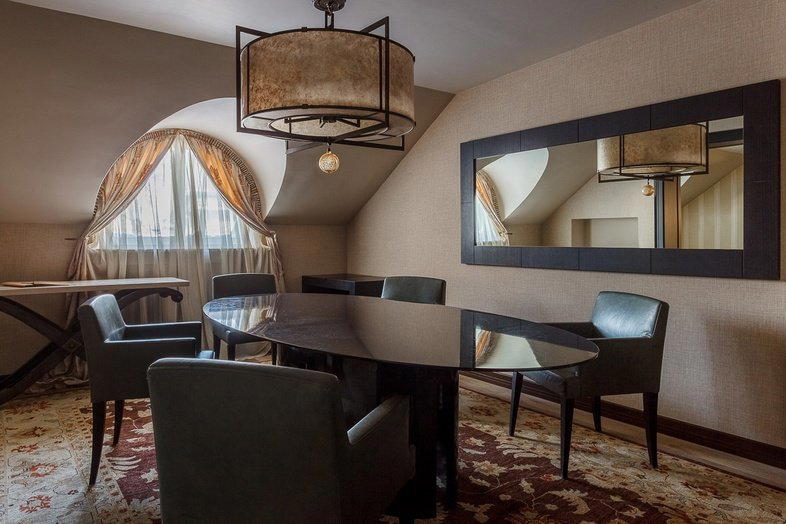
Tagansky's Russian Table
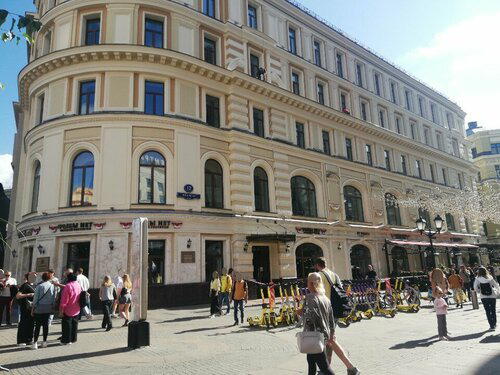
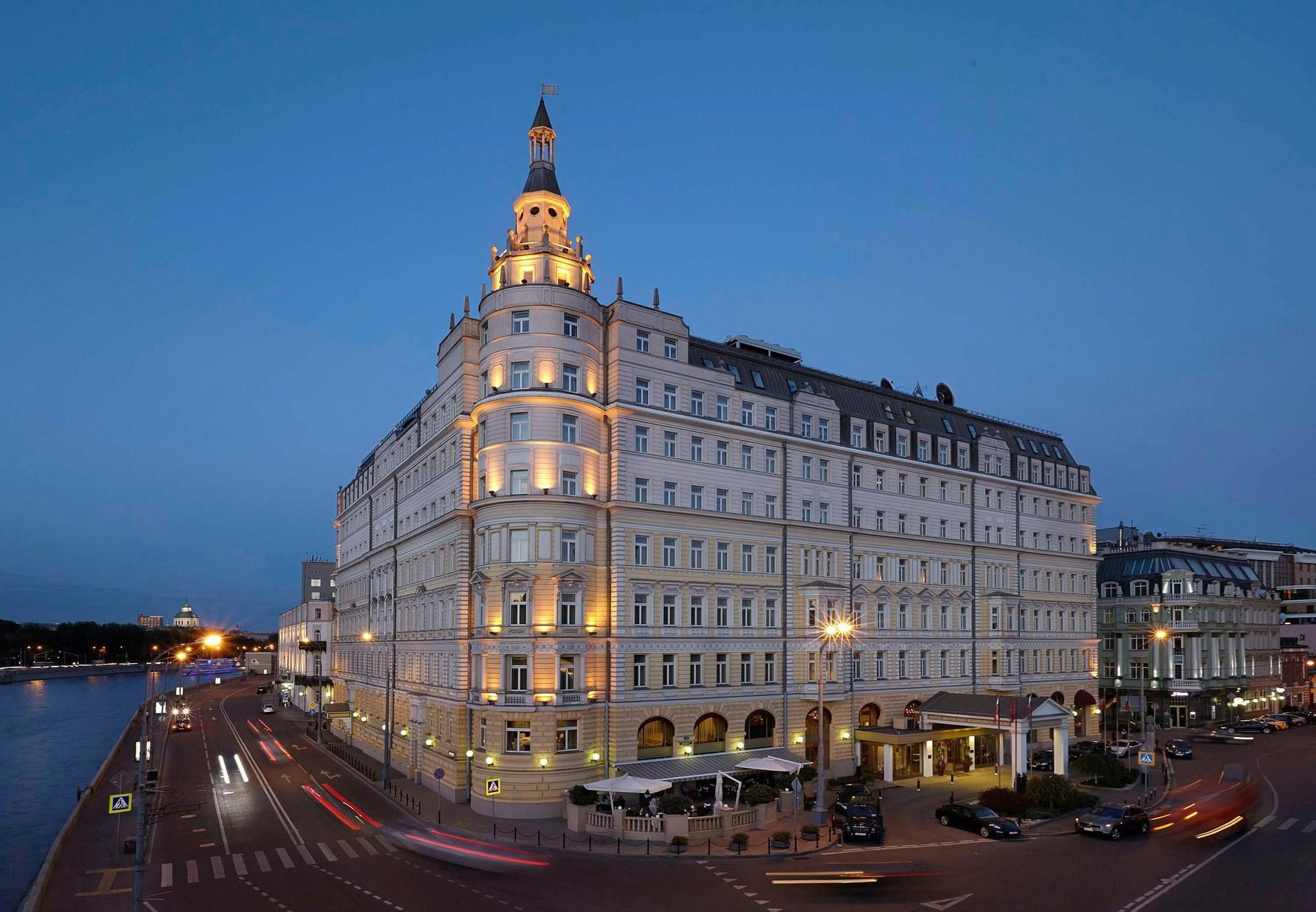
Moscow's serious Russian-cuisine restaurants have spent the past decade dividing into two camps: the modernist houses that treat buckwheat and salo as conceptual raw material, and the more classically anchored rooms that argue the original canon needs refinement, not reinvention. Гусятникоff, on Ulitsa Aleksandra Solzhenitsyna in the Tagansky district, sits in the second camp. The address itself signals something. Tagansky sits east of the Kremlin tourist corridor, a neighbourhood of Soviet-era housing blocks and pre-revolutionary merchant architecture that has attracted restaurants less interested in footfall from passing visitors than in building a local following. Arriving on this street, the contrast with the curated gloss of the Garden Ring or Patriarch's Ponds dining strips is immediate.
For Russian-cuisine specialists in Moscow, that comparable set also includes Artest, which approaches the Russian table from a different angle, and Varvary, which has long operated as one of the reference points for the category.
How Lunch and Dinner Differ Here
In Moscow's upper-mid tier of Russian cuisine, the lunch-dinner divide tends to be more pronounced than in comparable European cities. Lunch service at addresses like this one typically draws business diners and neighbourhood regulars who want composed, recognisable cooking in a room that isn't performing for the evening crowd. The pace is faster, the ordering more instinctive, guests who have been before and know what they want. Dinner shifts the register: longer tables, more exploratory ordering, the kind of occasion where the wine list becomes part of the conversation rather than an afterthought.
For a restaurant in Tagansky, rather than in a central hotel or a high-visibility strip, that lunch trade carries real weight. The neighbourhood draws workers from the light-industrial and administrative offices nearby, and a table at Гусятникоff at midday is likely to feel more local and less staged than dinner, when the room may attract guests making a specific trip from further afield. If the La Liste scores reflect critical visits, those visits are likely evening ones, which means lunch may represent a slightly different, and in some ways more unguarded, version of the kitchen's output.
This is a pattern visible at other Russian-focused addresses around the city. Ikra and LOONA both operate in zones where the daytime and evening audiences have distinct characters, and the menu architecture at each reflects that split. At fish-forward addresses like Rybtorg, lunch often represents the more confident service, given the proximity to supply chains and the logic of serving fresh product at midday. The dynamics at Гусятникоff, a Russian-cuisine house drawing on tradition rather than concept, likely follow a similar internal logic.
The Russian Cuisine Context
What distinguishes the more serious Russian-cuisine restaurants from the broader field is a willingness to treat the canon as a live document rather than a fixed heritage display. Dishes rooted in pre-Soviet bourgeois cooking, the merchant-class tables of the nineteenth century that gave Moscow much of its culinary identity, have been revisited by a generation of chefs trained partly abroad and partly in the revival kitchens of the 2000s and 2010s. The result is a cuisine that can move between classical structure and modern technique without announcing the shift.
Gusiatnikoff's name carries its own signal in this context. The word evokes geese, a staple protein of old Russian feasting tables, rich with the connotations of pre-revolutionary hospitality. Whether or not the menu leans heavily on poultry, the naming choice positions the restaurant within a tradition of resurrecting what Soviet institutional cooking erased. That same recovery project runs through comparable work elsewhere in Russia: Birch in St. Petersburg and Bourgeois Bohemians in Sankt-Peterburg both engage with Russian culinary identity from different geographic and aesthetic positions. Further afield, SEASONS in Kaliningrad and Leo Wine & Kitchen in Rostov represent the spread of serious Russian-focused cooking beyond the two capitals. The country-house tradition gets its own treatment at Царская Охота in Zhukovka, while the Franco-Russian crossover that shaped so much of imperial-era cooking surfaces at Frantsuza Bistrot in Sankt-Peterburg and in the wine-bar idiom of Probka in Sankt-Peterburg. The estate-scale version of the Russian table, sourcing, land, and cooking under one roof, appears at La Colline in Bolshoye Sareyevo.
Within Moscow itself, the competitive set is deep. White Rabbit and Selfie occupy the modernist end of the Russian-cuisine spectrum; Twins Garden folds ecological sourcing into a European framework. Гусятникоff's La Liste positioning suggests it holds its own against that field without adopting those venues' more theatrical presentation codes.
Planning a Visit
The restaurant sits at Ulitsa Aleksandra Solzhenitsyna, 2Ас2, in the 109004 postal district of Tagansky. Reservation planning is best handled through third-party booking platforms that cover Moscow's dining scene. Reservation is essential, and booking ahead for dinner is advisable; walk-in availability on evenings is unlikely to be reliable. Lunch, particularly on weekdays, may offer more flexibility. Expect a price tier of 4, at about $60 per person.
A Tight Comparison
Comparable venues nearby, for context on price, style, and recognition.
| Venue | Cuisine | Price | Notes |
|---|---|---|---|
| Гусятникоff - GusiatnikoffThis venue — the venue you are viewing | Traditional Russian Fine Dining | $$$$ | Not listed |
| Savva | Tverskoy, Modern Russian Fine Dining | $$$$ | Not listed |
| Turandot | Boulevard Ring, Pan-Asian Fine Dining | $$$$ | Not listed |
| Уголек - Ugolek | Not listed | $$$ | Tverskoy District, Modern Mediterranean Grill |
| Kazbek (Казбек) | Пресненский, Georgian | $$$ | Not listed |
| Wine and Crab | Boulevard Ring, Crab and Wine Specialist | $$$ | Not listed |
Recognition history
Dated appearances from independent guides and award organizations, with the underlying list record or original source where available.
La Liste Top Restaurants
La Liste
La Liste Top Restaurants
La Liste
At a Glance
- Elegant
- Romantic
- Classic
- Sophisticated
- Cozy
- Date Night
- Business Dinner
- Celebration
- Special Occasion
- Group Dining
- Private Dining
- Historic Building
- Courtyard
- Extensive Wine List
- Beer Program
Current opening hours
- Monday
- 12 PM–12 AM
- Tuesday
- 12 PM–12 AM
- Wednesday
- 12 PM–12 AM
- Thursday
- 12 PM–12 AM
- Friday
- 12 PM–12 AM
- Saturday
- 12 PM–12 AM
- Sunday
- 12 PM–12 AM
Hours can change for holidays and private events. Last verified .
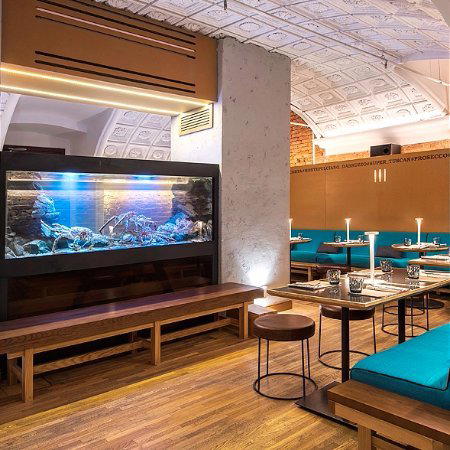
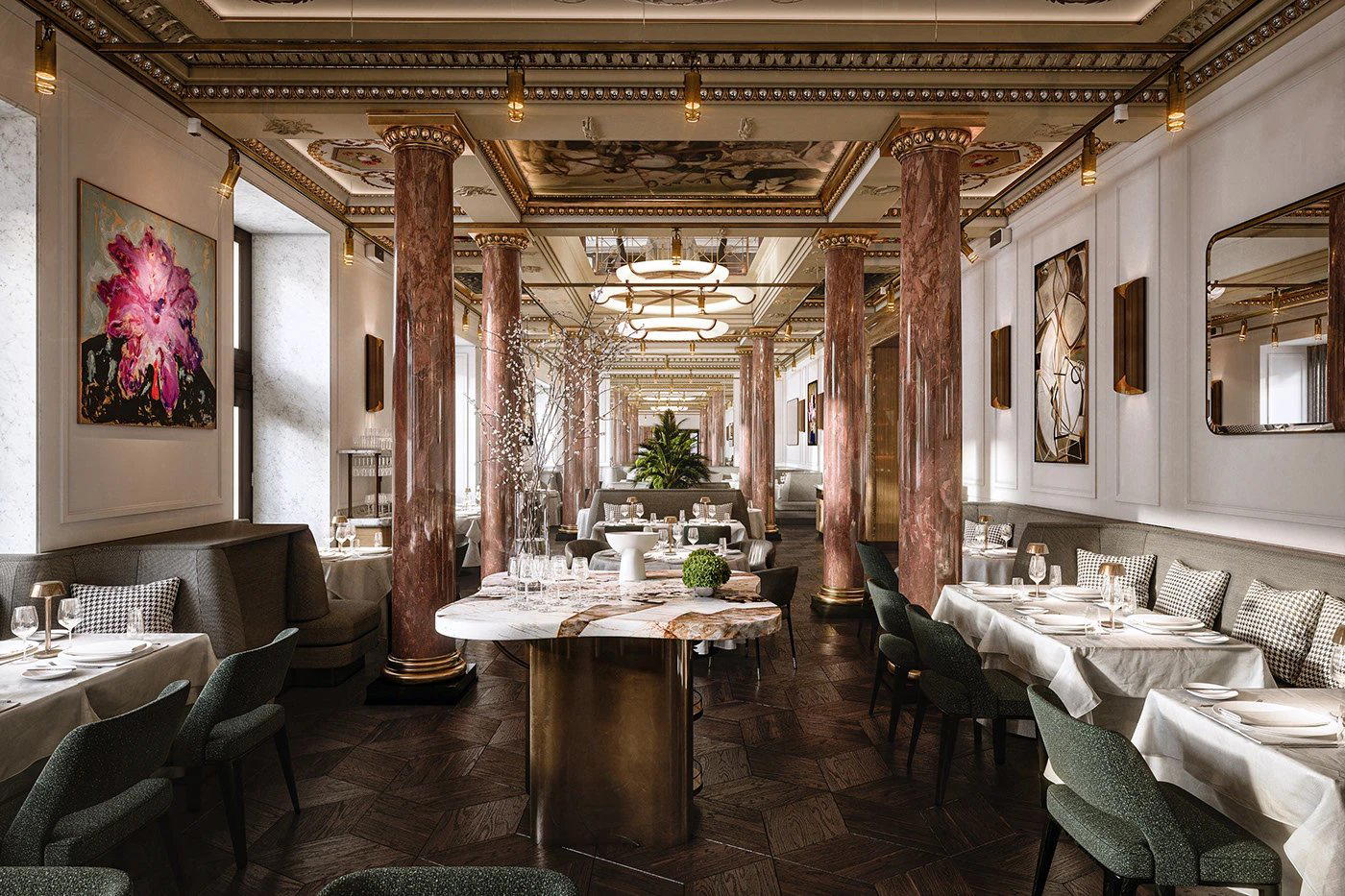
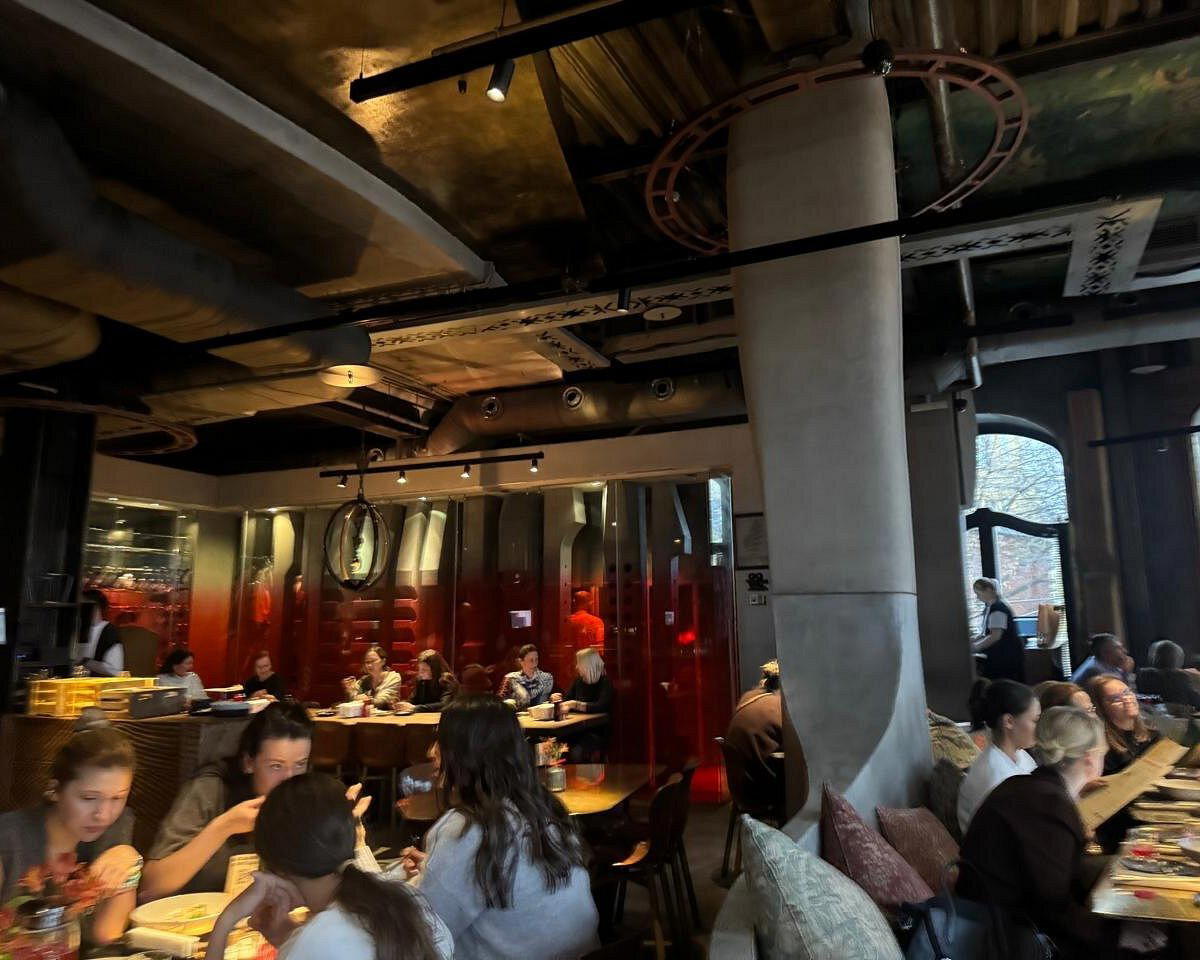
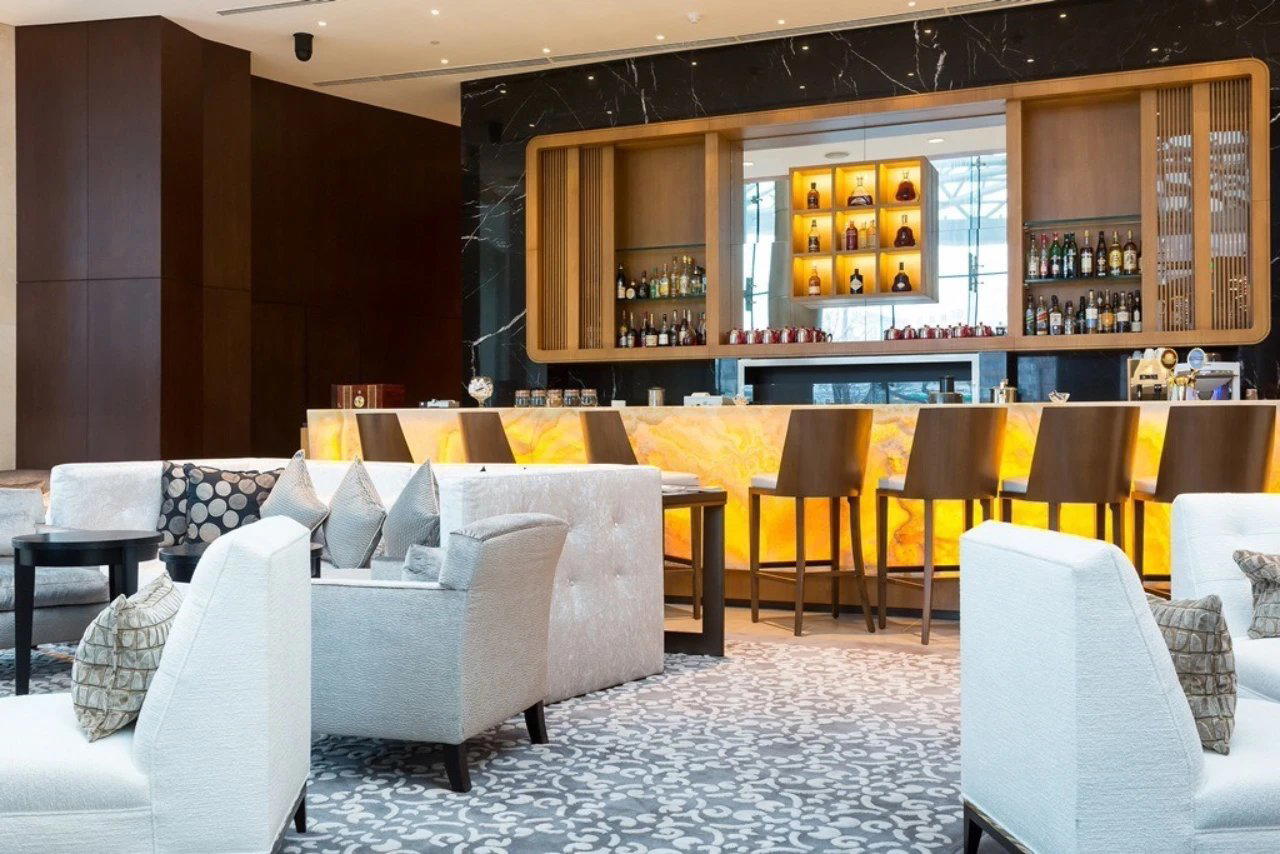
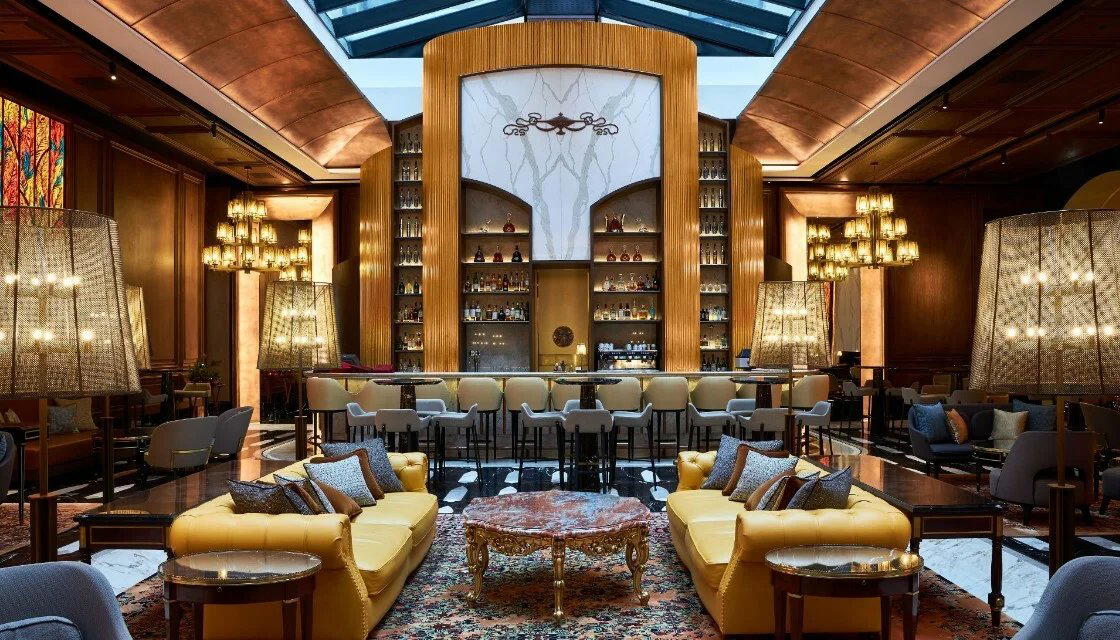
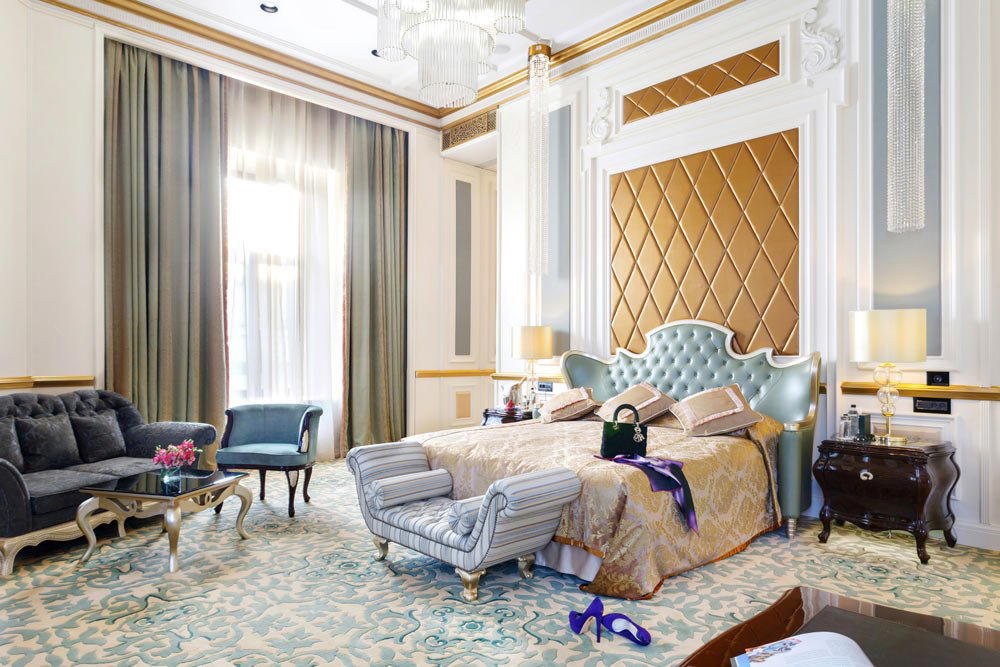
Elegant and refined with period decor evoking 19th-century Russian nobility; crystal chandeliers, Louis XIV chairs, white tablecloths, and warm lighting create a sophisticated yet welcoming atmosphere that transports diners to imperial-era Russia.