Pizza Mari occupies a quiet address on Leopoldsgasse in Vienna's second district, operating in a city where serious pizza has only recently carved out meaningful standing alongside the fine-dining establishment. The pizzeria represents a particular strand of Viennese dining evolution: casual in format, considered in craft, and positioned well outside the €€€€ bracket that dominates the city's critical conversation.
Pearl is the En Primeur Club membership app — saves, bookings, and concierge access live there. Same editors, same standards.
- Address
- Leopoldsgasse 23A, 1020 Wien, Austria
- Phone
- +436766874994
- Website
- pizzamari.at
- Directions
- Get directions
 Saves & bookings on Pearl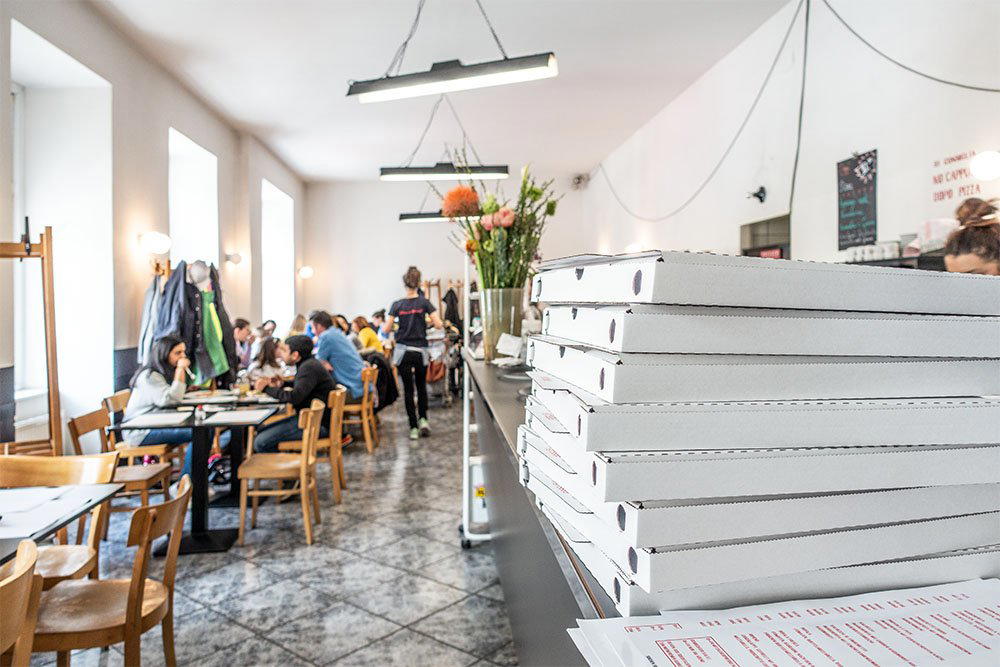
Pizza in Vienna's Second District: A Different Kind of Seriousness
Vienna's dining conversation has long been anchored by the kind of formality that produces Michelin stars and tasting menus. Operations like Steirereck im Stadtpark, Amador, and Konstantin Filippou set a tone of serious investment and elaborate format. Against that backdrop, the city's casual dining tier has been catching up, and pizza, specifically Neapolitan-influenced pizza executed with the same sourcing discipline applied to fine dining, has become one of the cleaner signals of that shift. Pizza Mari on Leopoldsgasse is a Neapolitan pizza restaurant in Vienna's Leopoldstadt, with casual dress and recommended reservations.
Leopoldstadt has become a lively residential and dining district in Vienna. That shift mirrors patterns seen across European cities where formerly peripheral districts absorb the operators priced out of more central neighbourhoods, and then develop their own character distinct from it. Pizza Mari's address on Leopoldsgasse 23A places it within that broader arc.
The Evolution of the Format
One useful frame for understanding Pizza Mari is not what it serves but how the category it represents has changed. A decade ago, pizza in Vienna occupied one of two positions: tourist-facing trattorias in the first district, or neighbourhood staples with no particular claim to craft. The middle tier, operators taking dough fermentation, flour sourcing, and oven temperature as seriously as a fine-dining kitchen takes its mise en place, was thin. That tier has since expanded considerably, driven partly by Austrian exposure to the Neapolitan revival that swept through London, Berlin, and Copenhagen in the early 2010s, and partly by a domestic shift in what Viennese diners consider worth paying attention to at the casual end of the market.
The restaurant represents a later chapter in that evolution rather than its opening move. By the time a pizzeria commits to a Leopoldstadt address in the current market, the format has already been validated in Vienna by earlier operators who absorbed the initial risk of educating a sceptical audience. What that means in practice is that restaurant enters a scene where the category has credibility, where diners already understand the difference between a wood-fired cornicione developed over a 24-hour ferment and a fast-baked supermarket approximation, and where the competitive pressure from peer operators is real. That pressure tends to produce sharper kitchens.
The evolutionary story of serious pizza in Vienna also connects to a broader Austrian fine-dining context that continues to push outward from the capital. Destinations such as Döllerer in Golling an der Salzach, Obauer in Werfen, and Ikarus in Salzburg demonstrate how far Austrian dining ambition extends beyond the capital, but Vienna's own mid-market evolution is the more consequential shift for daily eating habits. When casual formats in a major city start applying fine-dining discipline to accessible price points, the effect on the overall dining standard is significant.
Leopoldstadt as Context
Leopoldstadt runs along the Danube Canal on its western edge and extends toward the Prater on its eastern side, giving it a geography that feels less compressed than the first district and more open to the kind of ground-floor retail and food operations that define neighbourhood dining. The Karmelitermarkt, a few blocks from Leopoldsgasse, functions as one of Vienna's better weekly markets and has been a consistent anchor for food-oriented independent businesses in the surrounding streets. Operators choosing Leopoldstadt over the more expensive first and seventh districts are making a deliberate calculation about rent, neighbourhood fit, and the kind of diner they want to attract, regulars over tourists, repeat visits over one-time destination dining.
That calculation has produced a cluster of independents in the district that operate with a local-first logic. The restaurant's address fits that pattern. For context on Vienna's broader dining range across districts, including formal operations like Mraz and Sohn and Doubek that represent different points on the city's range.
Where It Sits in the comparable set
Pricing and format are the clearest indicators of where the restaurant competes. Vienna's dining scene includes higher-priced restaurants, but the restaurant sits firmly in a casual price tier. The restaurant's competitive set is the mid-market casual tier where per-head spend is determined by how many pizzas a table orders rather than by a fixed tasting menu price. In that tier, the differentiation comes from dough quality, ingredient sourcing, and consistency of execution rather than from service theatre or wine programme depth.
Internationally, the standard for what serious casual pizza can achieve has been set by operators in Naples itself, but also by the generation of European pizzerias that followed. The comparison isn't with Le Bernardin or Atomix, those operate in a category defined by technical ambition and price, but with the growing cohort of European neighbourhood pizzerias that treat their product as a craft output rather than a commodity. Austrian alpine fine dining at addresses like Griggeler Stuba in Lech, Gourmetrestaurant Tannenhof in Sankt Anton am Arlberg, Schwarzer Adler in Hall in Tirol, Kräuterreich by Vitus Winkler, Ois in Neufelden, Landhaus Bacher in Mautern an der Donau, and Restaurant 141 by Joachim Jaud in Mieming represent the formal end of Austrian eating. The restaurant operates at the opposite end of that register, where the stakes are lower and the barrier to entry for the diner is close to zero.
Planning Your Visit
The restaurant is located at Address: Leopoldsgasse 23A, 1020 Wien, in Vienna's second district. Getting there: Leopoldstadt is well served by U-Bahn lines U1 and U2, and the address is walkable from Schwedenplatz and the Karmelitermarkt area. Reservations are recommended. Budget: Pricing is about $15 per person. Timing: Leopoldstadt independents tend to draw heavier weekend evening traffic; weekday visits typically offer a calmer room.
Quick Comparison
Comparable venues nearby, for context on price, style, and recognition.
| Venue | Cuisine | Price | Notes |
|---|---|---|---|
| Pizza MariThis venue — the venue you are viewing | Neapolitan Pizza | $$ | Not listed |
| Margareta | Italian Trattoria & Pizzeria | $$ | Margareten |
| Mama Leone | Italian Pizza with Cloudy Crust | $$ | Staatsoper |
| La Pausa | Neapolitan Pizza | $$ | Neubau |
| Forno | Italian Focaccia and Pizza | $$ | Josefstadt |
| Dal Toscano | Authentic Tuscan Trattoria | $$ | Josefstadt |
At a Glance
- Cozy
- Rustic
- Classic
- Casual Hangout
- Family
- Open Kitchen
Current opening hours
- Monday
- Closed
- Tuesday
- 12–3 PM, 5:30–10 PM
- Wednesday
- 12–3 PM, 5:30–10 PM
- Thursday
- 12–3 PM, 5:30–10 PM
- Friday
- 12–3 PM, 5:30–10 PM
- Saturday
- 12–10 PM
- Sunday
- 12–10 PM
Hours can change for holidays and private events. Last verified .
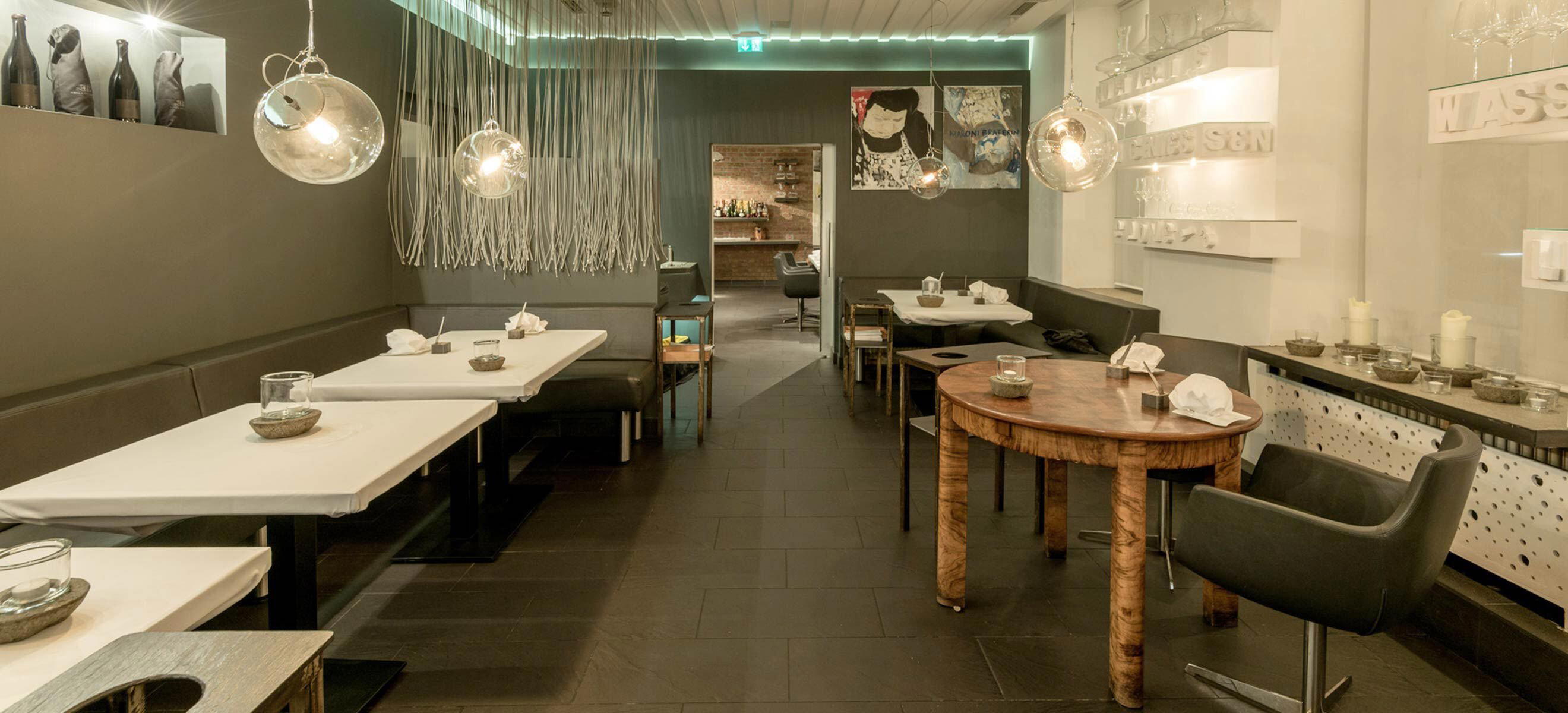
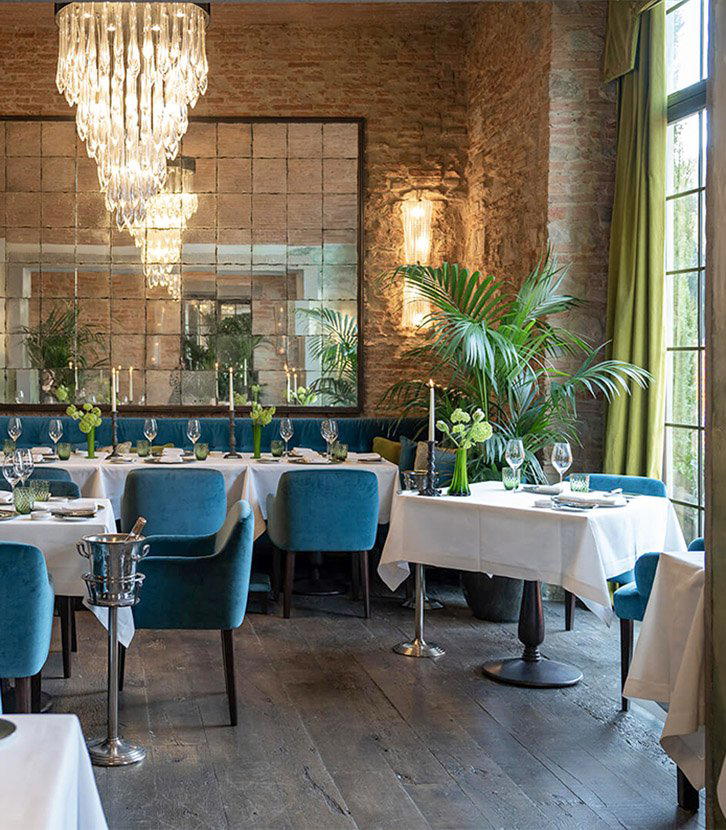
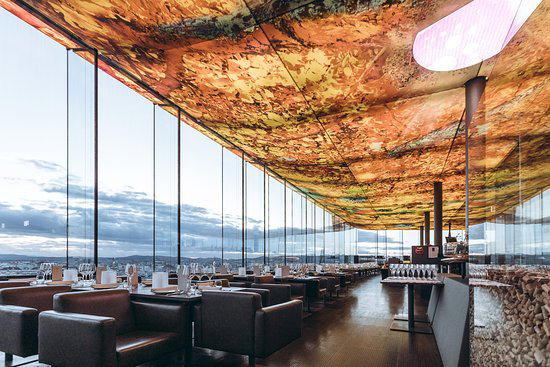
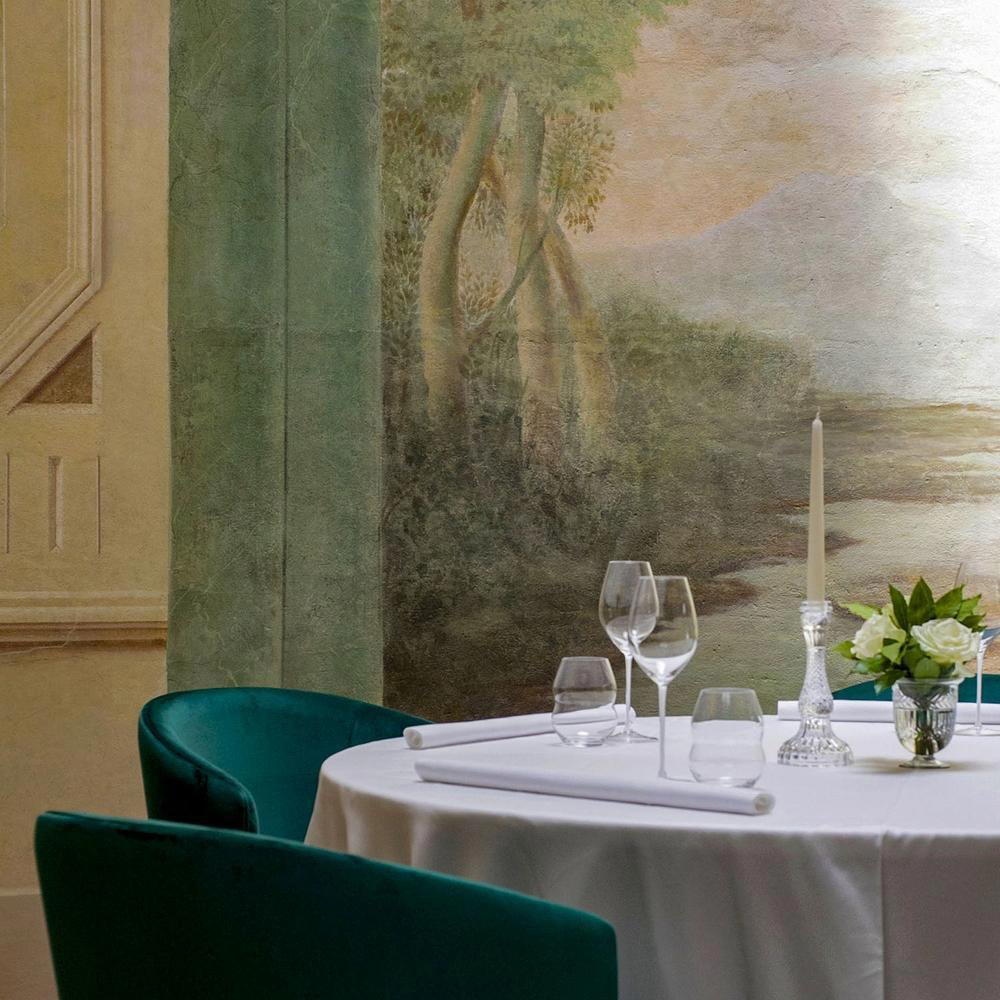
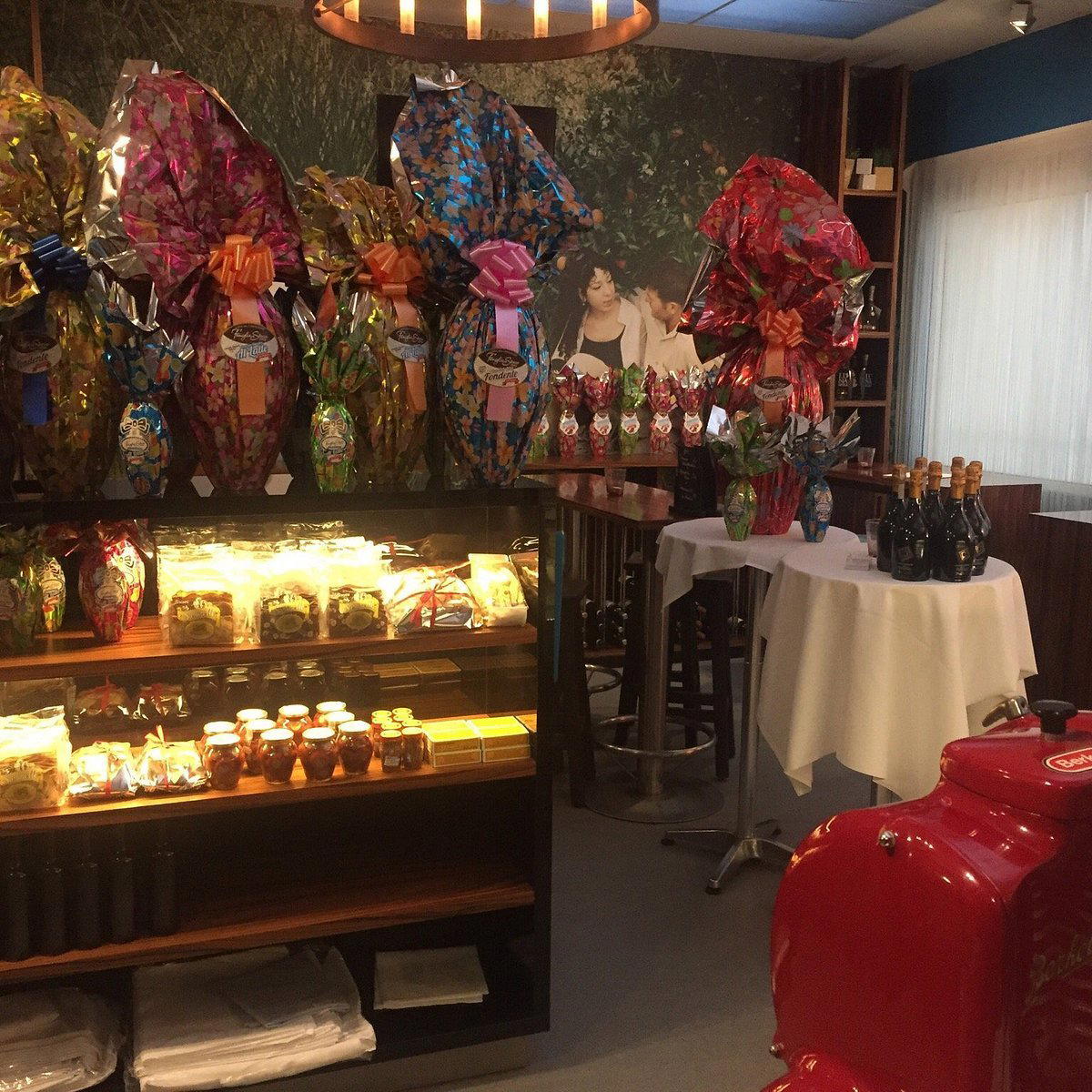
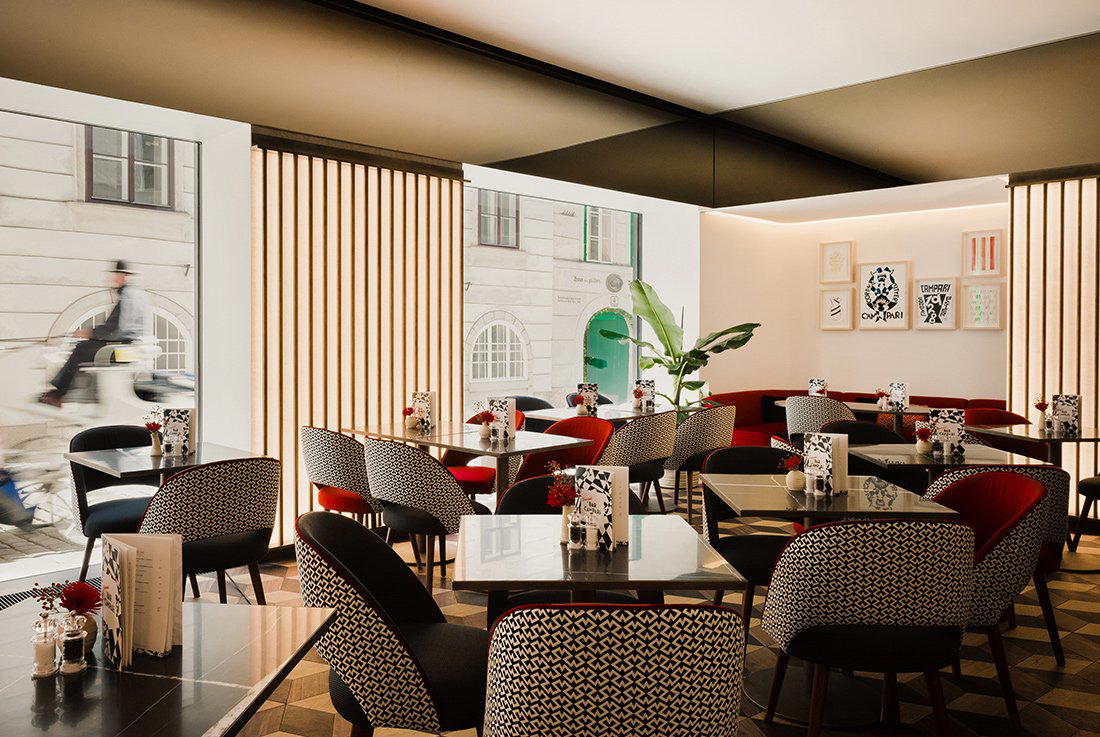
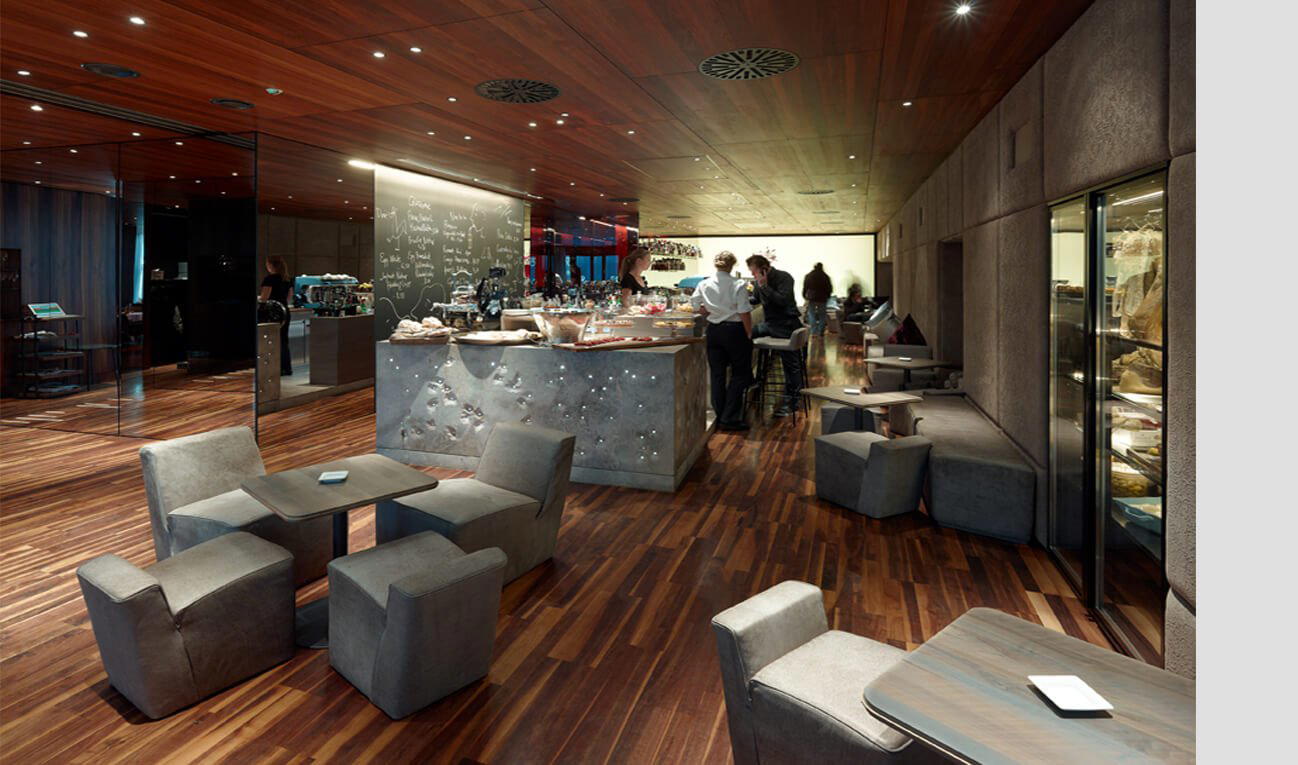
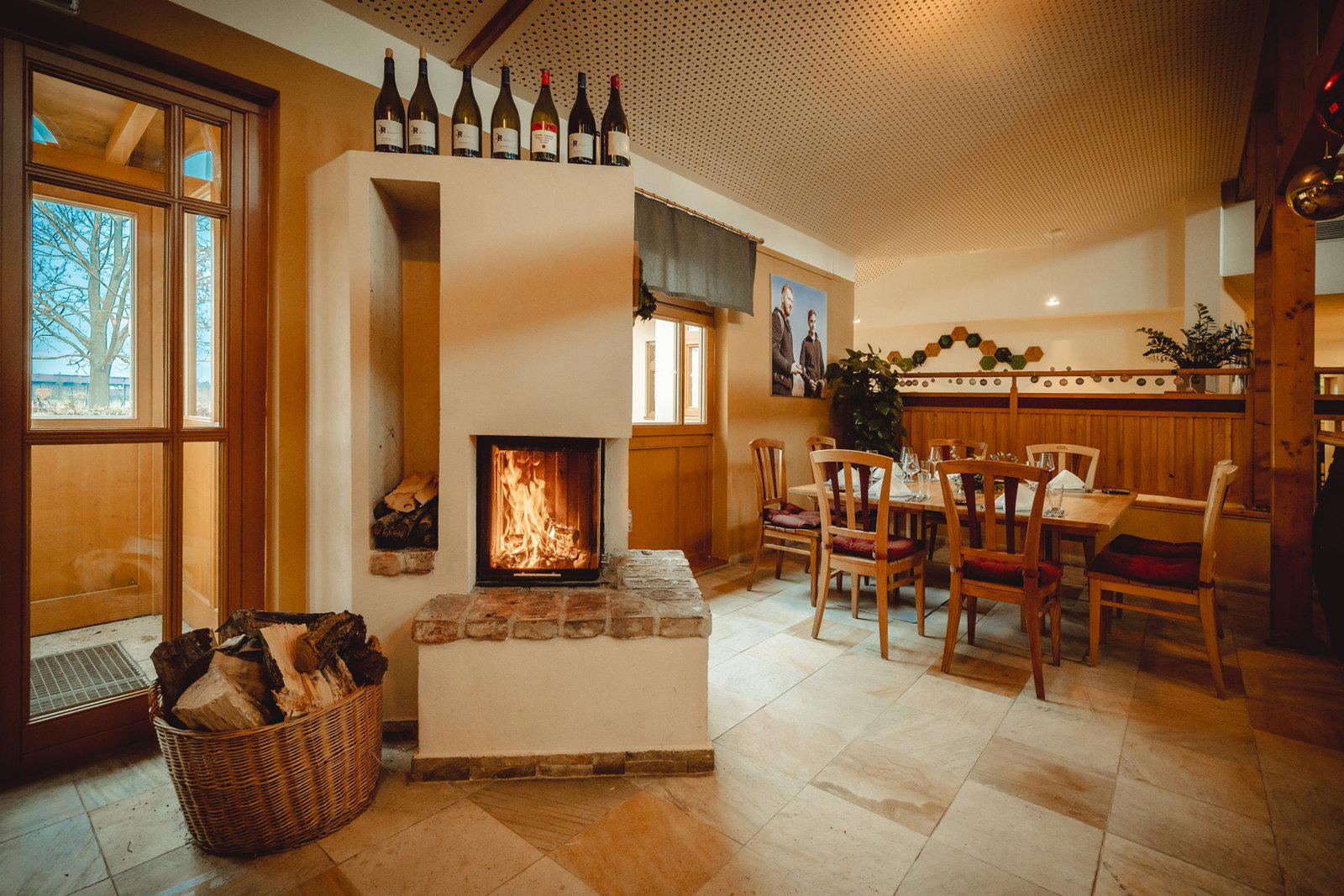
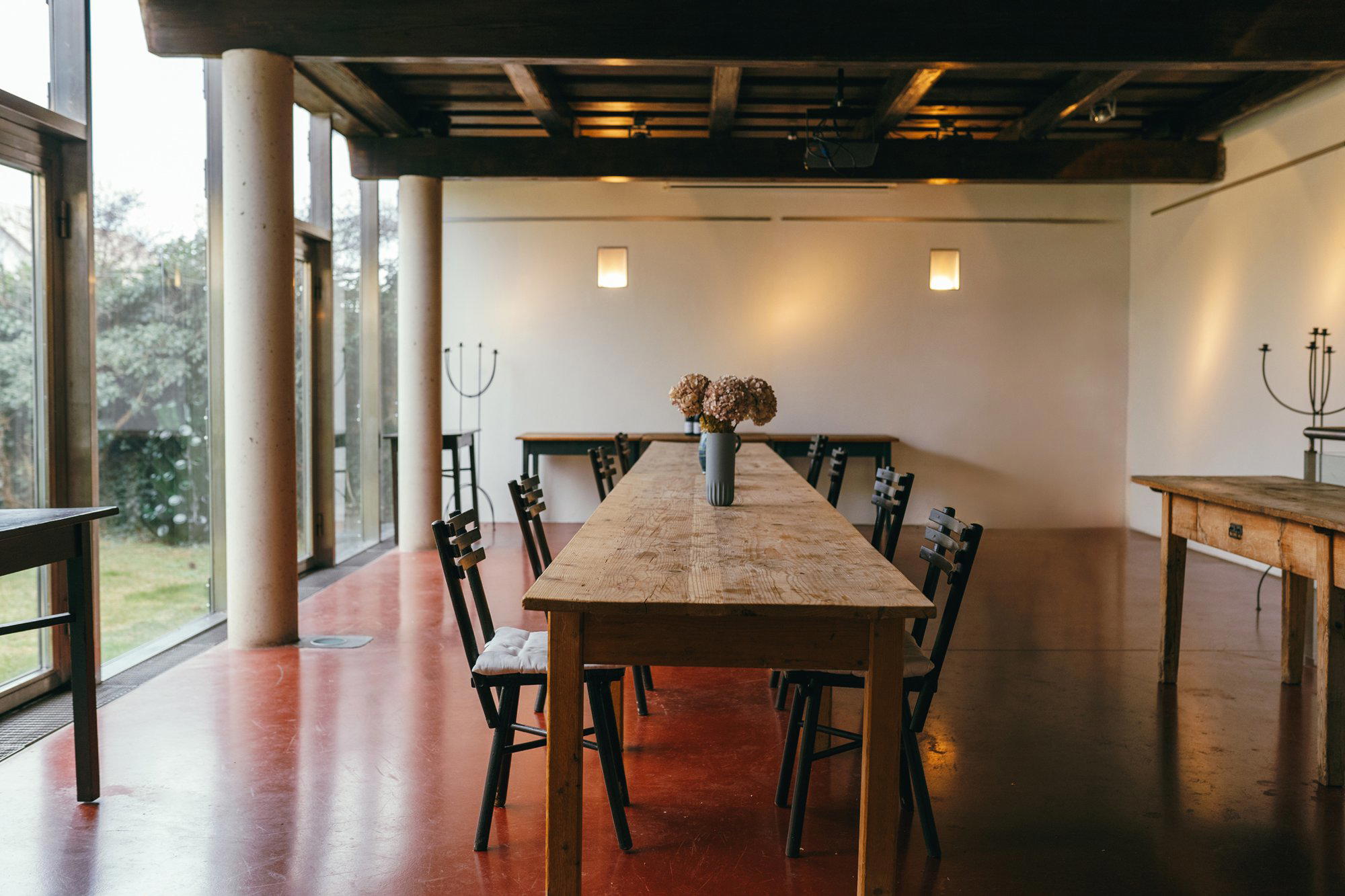
Simple, authentic 50s retro interior with white walls, brightly lit, centered around a blue-tiled pizza oven, unpretentious and relaxed.