Dal Toscano on Alser Strasse sits within Vienna's 8th district, a neighbourhood where Italian trattorias compete quietly against the city's dominant Austrian-cuisine identity. The wine list and kitchen together represent the kind of regional Italian focus that distinguishes a serious operator from a generic pasta house. For visitors planning a meal in the Josefstadt quarter, it belongs on the shortlist alongside the broader Viennese dining scene.
Pearl is the En Primeur Club membership app — saves, bookings, and concierge access live there. Same editors, same standards.
- Address
- Alser Str. 65, 1080 Wien, Austria
- Phone
- +4369911304371
- Website
- daltoscano.at
- Directions
- Get directions
 Saves & bookings on Pearl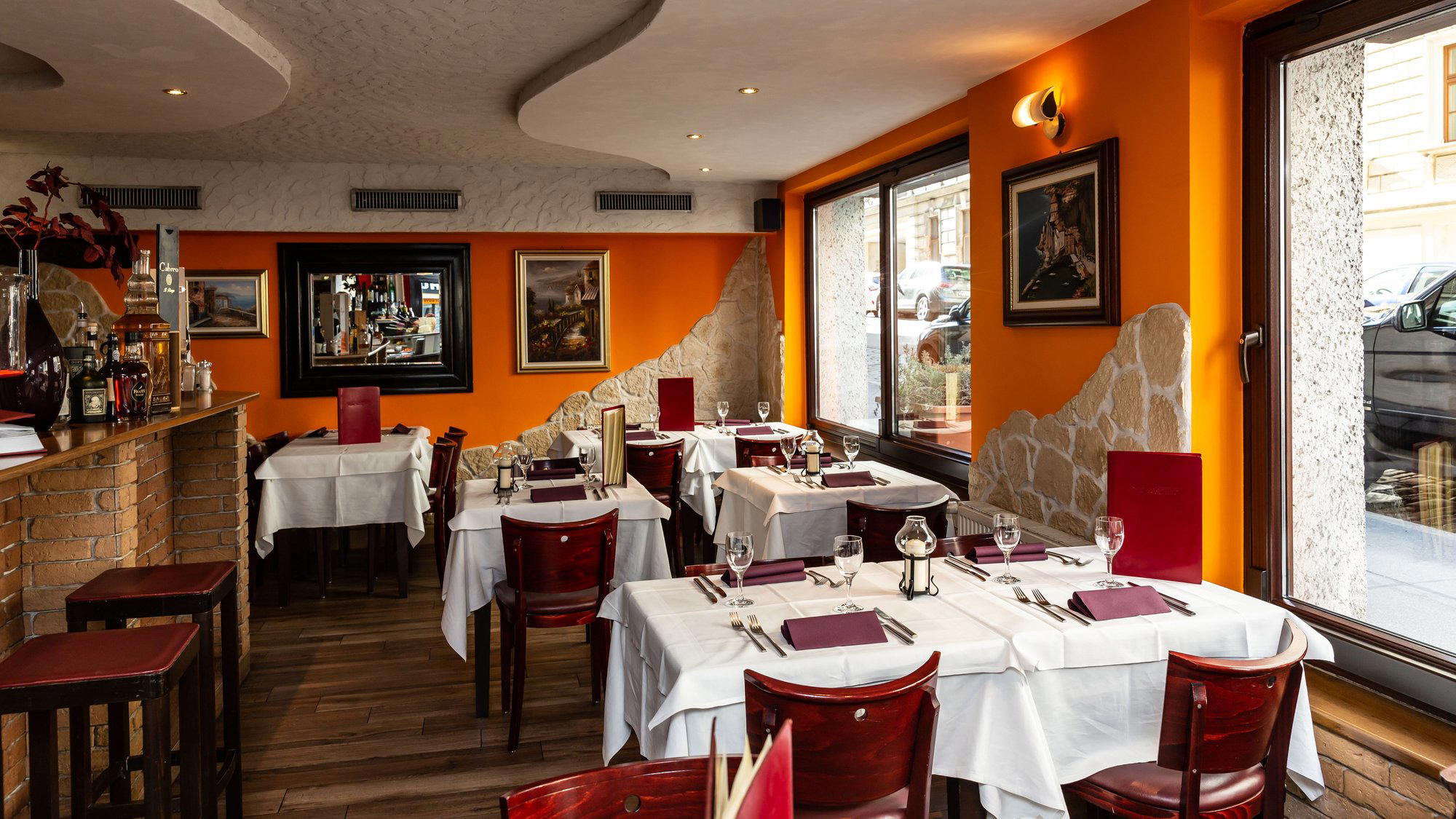
Josefstadt's Italian Corner, in Context
Vienna's relationship with Italian cooking is older and more complicated than most visitors assume. The Habsburg Empire's long entanglement with northern Italy left culinary traces across the city, and today that inheritance plays out in a spectrum running from tourist-facing pasta houses near the Ringstrasse to quiet neighbourhood trattorias that operate more like local institutions. Dal Toscano, on Alser Strasse in the 8th district, sits in the latter category. The address alone signals something: Josefstadt is a residential, low-footfall quarter favoured by long-term locals, academics from the nearby university buildings, and the kind of diner who is actively avoiding the more theatrical dining rooms clustered around the 1st.
The approach to Alser Strasse 65 reads less like a destination restaurant and more like a place that has earned its regulars over time. Dal Toscano is an Authentic Tuscan Trattoria in Vienna's 8th district, with a smart casual dress code, reservations recommended, and an average spend of about $39 per person. That is not a criticism. In a city where the upper tier of serious dining is occupied by rooms such as Steirereck im Stadtpark, Amador, and Konstantin Filippou, there is real value in a venue that does not position itself against that bracket. Dal Toscano operates at a different register: neighbourhood-anchored, cuisine-specific, and likely more dependent on repeat custom than on first-time visitors working through a list.
The Wine Argument: Why It Matters Here
The editorial angle that most rewards attention at the restaurant is the wine dimension. Tuscan restaurants outside Italy face an immediate credibility test: the Chianti Classico corridor, Brunello di Montalcino, Vino Nobile di Montepulciano, and the so-called Super Tuscans occupy particularly discussed wine territory in Europe, and a kitchen calling itself Toscano without a wine list that reflects that depth reads as marketing rather than identity.
What distinguishes serious Italian regional operators from the general category is usually the depth of their cellar relative to their kitchen ambition. At the upper end of the Vienna Italian scene, wine curation functions as a parallel form of editorial commitment: a list built around estate-level Sangiovese producers, aged Riserva releases, and producers outside the obvious Antinori-Frescobaldi axis tells a different story than a list assembled around label recognition. The Tuscan framing of the name creates a clear expectation, and it is the framing by which a knowledgeable visitor will judge the room.
For context on what serious wine programming looks like elsewhere in Austria, Landhaus Bacher in Mautern an der Donau and Taubenkobel in Schützen am Gebirge both demonstrate how seriously regional Austrian operators treat cellar curation. The comparison is instructive: Italian-focused restaurants in Vienna that want to be taken seriously on wine are competing against a local Austrian wine culture that is itself sophisticated and self-aware.
The Tuscan Kitchen in Vienna: A Structural Note
Tuscan cooking in its home region is characterised by restraint rather than complexity. The cuisine is not baroque: it relies on quality of primary ingredients, correct technique with meat and game, honest legume cookery, and bread that is deliberately unsalted. When that kitchen logic travels to central Europe, the ingredients question becomes the central challenge. Genuine Chianina beef, wild boar from the Maremma, the specific mineral register of Colonnata lard, fresh porcini from Mugello, these are either sourced at real cost or substituted. The substitution question separates a trattoria that takes the cuisine seriously from one that uses the regional label as atmosphere.
Vienna's broader creative dining scene, represented by restaurants like Mraz and Sohn and Doubek, has moved sharply toward Austrian produce sourcing and contemporary technique. The restaurant operates against that trend rather than with it, which is itself a positioning choice. Staying true to a specific regional Italian identity in a city where the prestige culinary conversation is largely domestic requires a certain confidence in the core offer.
Where It Sits Among Austrian Fine Dining More Broadly
Austria's serious restaurant geography extends well beyond Vienna. Properties such as Döllerer in Golling an der Salzach, Obauer in Werfen, and Gourmetrestaurant Tannenhof in Sankt Anton am Arlberg anchor regional Austrian cuisine with strong cellar programs tied to local and neighbouring wine regions. Further afield, Stüva in Ischgl, Ois in Neufelden, Kräuterreich by Vitus Winkler in Sankt Veit im Pongau, and Schwarzer Adler in Hall in Tirol all represent the ambition of the Austrian regional scene. Restaurant 141 by Joachim Jaud in Mieming adds a further data point for the Tyrolean end of the spectrum.
The restaurant is not competing in that tier. Its comparable set is the neighbourhood Italian in Vienna: a more modest category, but one that serves a genuine function in a city where not every meal needs to be a multi-course production. The comparison that matters is not against Le Bernardin in New York City or Lazy Bear in San Francisco but against the other Tuscan and Italian addresses that Viennese regulars rotate through across a year.
Nearby-ish Comparables
Comparable venues nearby, for context on price, style, and recognition.
| Venue | Cuisine | Price | Notes |
|---|---|---|---|
| Dal ToscanoThis venue — the venue you are viewing | Authentic Tuscan Trattoria | $$ | Not listed |
| Wetter | Ligurian Italian | $$ | Hernals |
| La Signorina | Authentic Neapolitan Pizza | $$ | Wahring |
| Francesco | Authentic Italian Pizza and Pasta | $$ | Alsergrund |
| Pizzis and Cream | Vegan Pizza | $$ | Hofburg |
| cucinaCipriano | Modern Italian Seafood | $$ | Gumpendonf |
Continue exploring
More in Vienna
Restaurants in Vienna
Browse all →
Bars in Vienna
Browse all →

Hotels in Vienna
Browse all →
At a Glance
- Cozy
- Rustic
- Intimate
- Classic
- Date Night
- Special Occasion
- Family
- Terrace
- Extensive Wine List
Current opening hours
- Monday
- 11 AM–2 PM, 6–10 PM
- Tuesday
- 11 AM–2 PM, 6–10 PM
- Wednesday
- 11 AM–2 PM, 6–10 PM
- Thursday
- 11 AM–2 PM, 6–10 PM
- Friday
- 11 AM–2 PM, 6–10 PM
- Saturday
- Closed
- Sunday
- Closed
Hours can change for holidays and private events. Last verified .
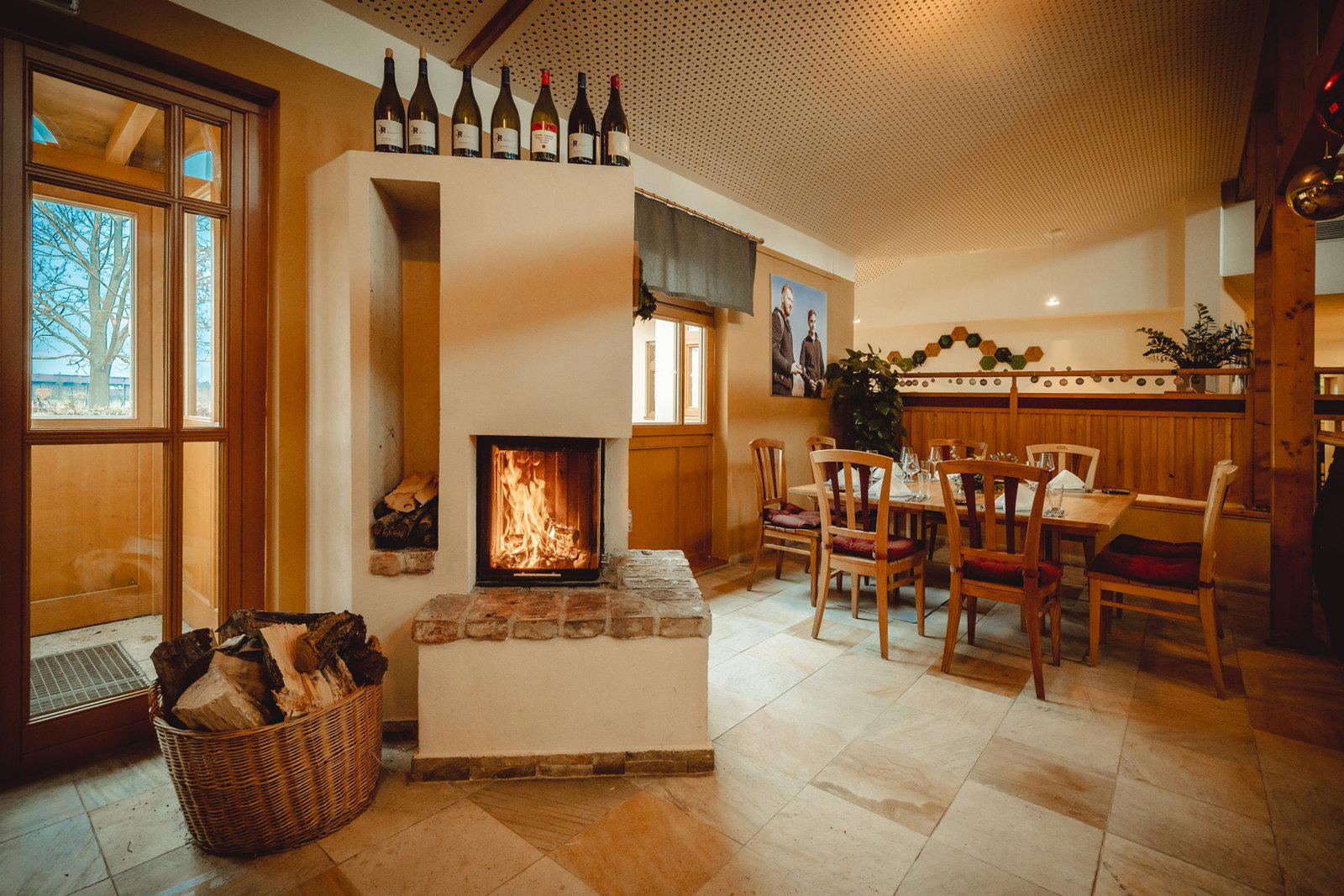
Cozy, homely atmosphere with welcoming family hospitality evoking a piece of Tuscany in Vienna.