Piri Piri al Carbón brings the Portuguese-African tradition of flame-grilled piri piri chicken to Chamartín, one of Madrid's more residential northern districts. The format is straightforward: charcoal heat, assertive spicing, and the kind of unfussy cooking that Madrid's casual dining scene has historically done well. It sits in a different register entirely from the city's creative tasting-menu circuit, but serves a clear and specific purpose.
Pearl is the En Primeur Club membership app — saves, bookings, and concierge access live there. Same editors, same standards.
- Address
- C. de López de Hoyos, 127, Chamartín, 28002 Madrid, Spain
- Phone
- +34912629421
- Website
- somospiripiri.com
- Directions
- Get directions
 Saves & bookings on Pearl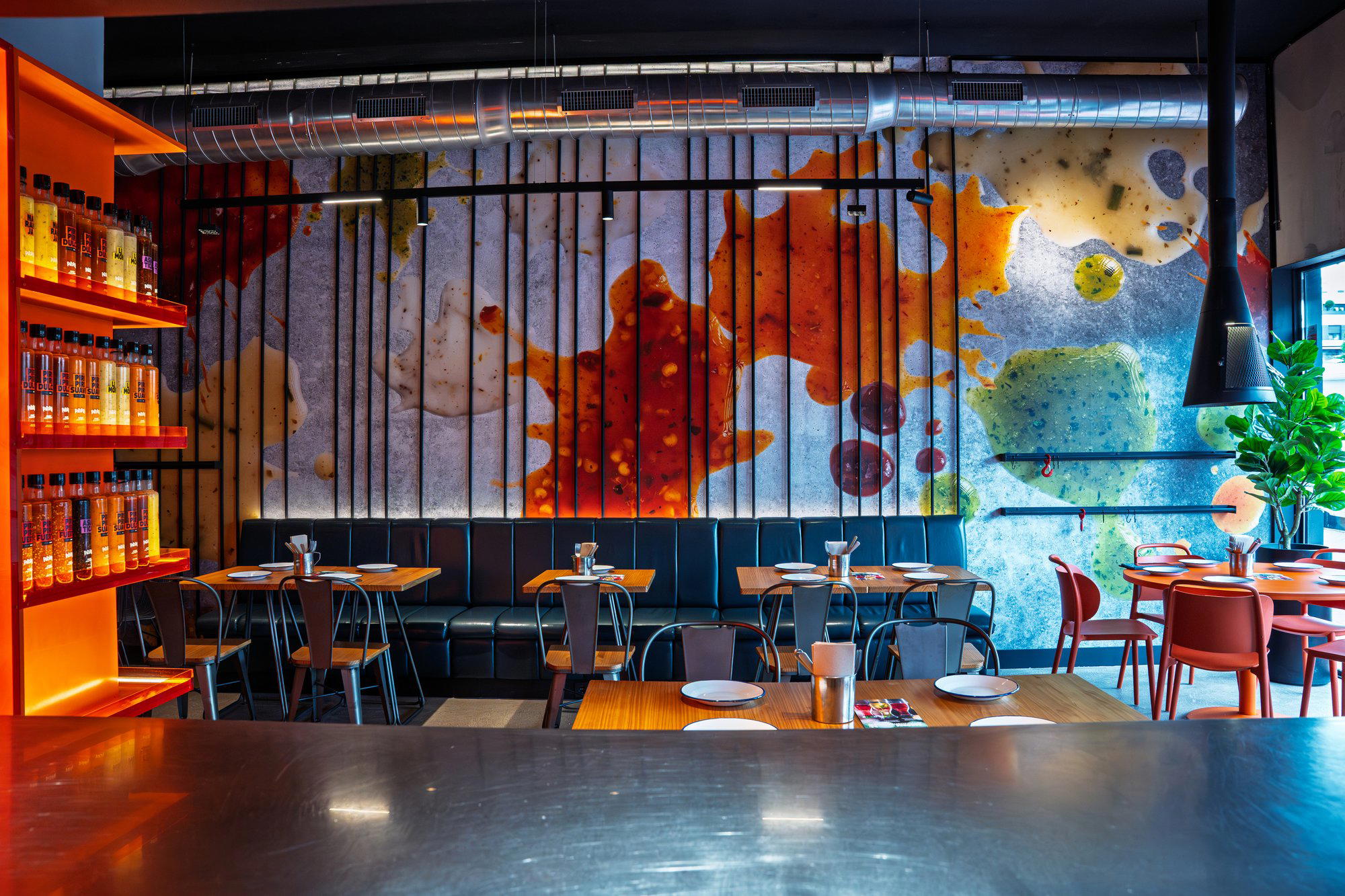
Charcoal, Spice, and the Chamartín Dining Register
Madrid's northern districts have a different relationship with restaurants than the tourist-dense centro. Chamartín, built around business infrastructure and long-term residential life, runs on neighbourhood loyalty rather than destination traffic. The dining rooms here tend toward the practical: places that fill at lunch on weekdays, quieter at dinner, and judged primarily by whether the food is consistent and the price makes sense for a Tuesday. Piri Piri al Carbón, on Calle de López de Hoyos, fits that register. Its format, charcoal-grilled chicken with the piri piri spice profile that crosses Portuguese and Angolan culinary tradition, is one that Madrid's casual dining scene has absorbed selectively but never overcrowded.
The piri piri tradition itself deserves context. The chilli, Capsicum frutescens, arrived in southern Africa via Portuguese trade routes in the 15th and 16th centuries, took root in Mozambique and Angola, and returned to Portugal as a cooking ingredient with particular force. The method that defines the dish, spatchcocked chicken marinated in the chilli compound and cooked over direct charcoal heat, is less about fire as theatre and more about the compression of time and temperature that charcoal enforces. You cannot rush a properly grilled bird, and the charcoal surface demands attention in a way that oven roasting does not. That discipline is the format's real argument.
The Lunch and Dinner Divide
In a neighbourhood like Chamartín, the lunch versus dinner divide shapes almost everything about how a casual grill operates. Midday service here draws the office population from the surrounding business park cluster, people eating efficiently between 14:00 and 16:00 in the Spanish fashion, and the kitchen's output is measured against that clock. Charcoal grills have a specific advantage in this context: the cooking time is fixed, the product is familiar, and the pace of service can be calibrated tightly once the grill is at temperature.
Evening service in residential northern Madrid tends to run later and slower. The dynamic shifts from transactional to social, with tables lingering longer and the ordering pattern expanding. For a piri piri operation, this means dinner becomes the occasion to move through accompaniments, sauces, and the full supporting cast of sides that lunch crowds often compress into a single plate. The same chicken, arriving at a table at 21:30 rather than 14:30, occupies a different role in the meal architecture. That flexibility, the ability to read as either a working lunch or a relaxed evening, is part of what makes the charcoal grill format durable in residential Madrid.
Madrid's wider dining spectrum at the upper end sits with operators like DiverXO, Coque, Deessa, DSTAgE, and Paco Roncero, all of whom operate in the €€€€ tasting-menu bracket with Michelin recognition. Piri Piri al Carbón occupies an entirely different competitive tier, one defined by product specificity and neighbourhood function rather than culinary ambition scores. These are not competing categories; they answer different questions about what a meal should do.
Spain's Broader Grill Tradition and Where Piri Piri Sits
Spain's relationship with live-fire cooking is long and regional. The Basque txoko culture, Castilian roast lamb and suckling pig, Galician octopus over wood: the country's most durable restaurant formats are frequently the simplest ones, built around a single technique applied with consistency. The piri piri charcoal chicken model fits inside that broader tradition while arriving from a different geographic origin. It is not a Spanish dish, but it functions through the same logic: one primary cooking method, one defining ingredient compound, repeated until the kitchen's execution becomes reliable enough to be the product's own argument.
Spain's top-end restaurant scene, represented nationally by addresses like El Celler de Can Roca in Girona, Martin Berasategui in Lasarte-Oria, Arzak in San Sebastián, Mugaritz in Errenteria, Azurmendi in Larrabetzu, Quique Dacosta in Dénia, Aponiente in El Puerto de Santa María, Cocina Hermanos Torres in Barcelona, Ricard Camarena in València, and Atrio in Cáceres, depends on a functioning base layer of everyday dining to anchor the broader food culture. Neighbourhood grills are part of that base layer. They are where Madrileños eat most often, and the standards they maintain reflect something about the city's daily relationship with food, separate from its celebrated tasting-menu circuit.
For international reference, the contrast is sharper still. New York's serious dining rooms, including Le Bernardin and Atomix, operate in an environment where the casual and the serious rarely overlap on the same block. Madrid remains a city where a €12 lunch and a €200 tasting menu coexist within the same neighbourhood's dining identity.
Planning Your Visit
Chamartín is accessible via the Line 9 metro, with López de Hoyos itself a workable walk from several northern stations. The address at number 127 places the restaurant in the residential-commercial middle section of the street rather than its more commercial southern end. For contact, booking, and current hours, the venue should be confirmed directly, as this information is not publicly verified at time of writing. Walk-in availability at lunch is more likely than at dinner on weekends, consistent with neighbourhood casual grill patterns across Madrid.
| Venue | Format | Price tier | Booking lead time |
|---|---|---|---|
| Piri Piri al Carbón | Charcoal grill, casual | Not published | Not verified |
| DiverXO | Progressive tasting menu | €€€€ | Weeks to months ahead |
| Coque | Spanish creative tasting menu | €€€€ | Several weeks ahead |
| Smoked Room | Progressive asador | €€€€ | Several weeks ahead |
See our full Madrid restaurants guide for the wider context across price tiers and neighbourhoods.
How Piri Piri al Carbón Madrid compares with similar nearby venues.
| Venue | Cuisine | Price |
|---|---|---|
| Ovillo | Contemporary | €€€ |
Continue exploring
More in Madrid
Restaurants in Madrid
Browse all →
Bars in Madrid
Browse all →
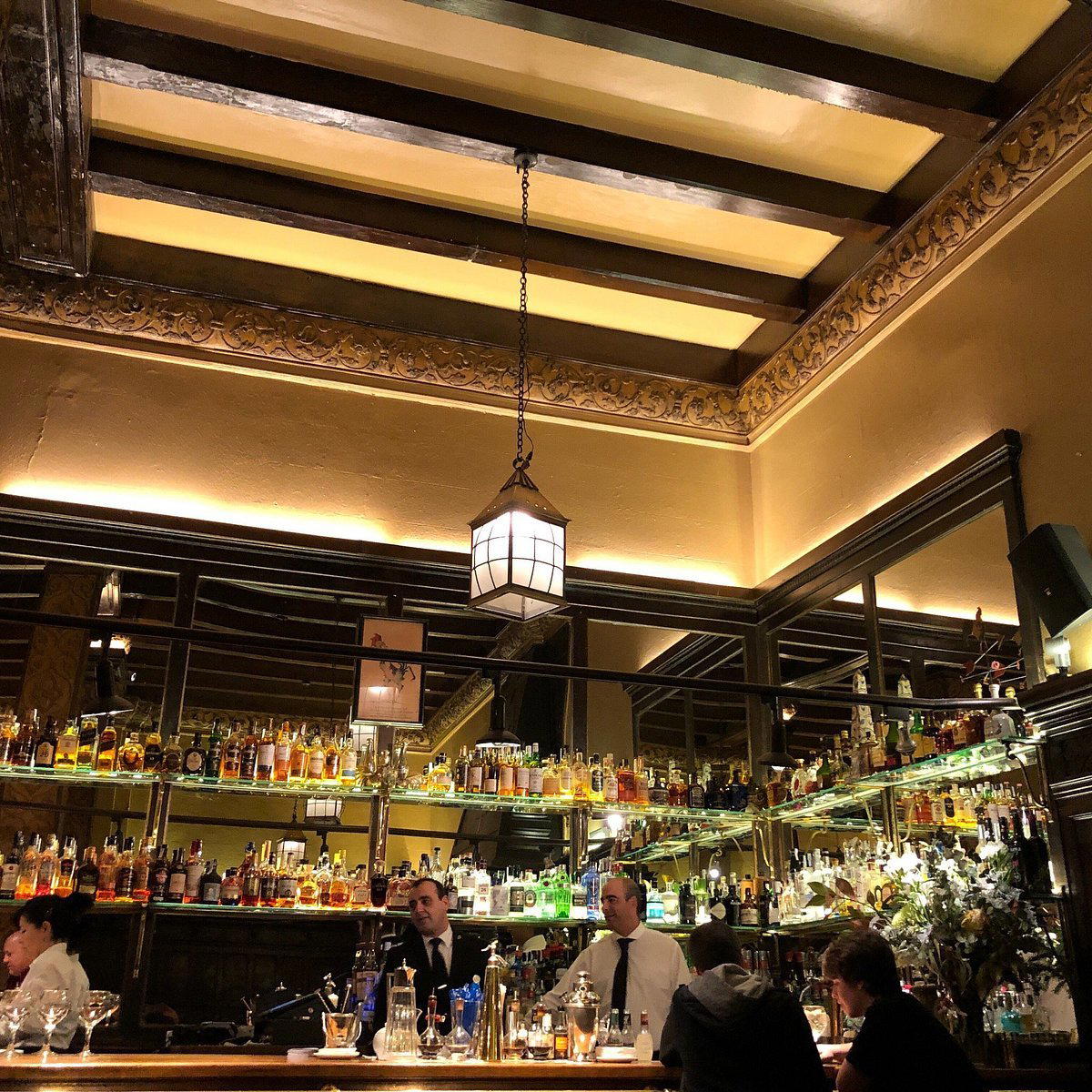
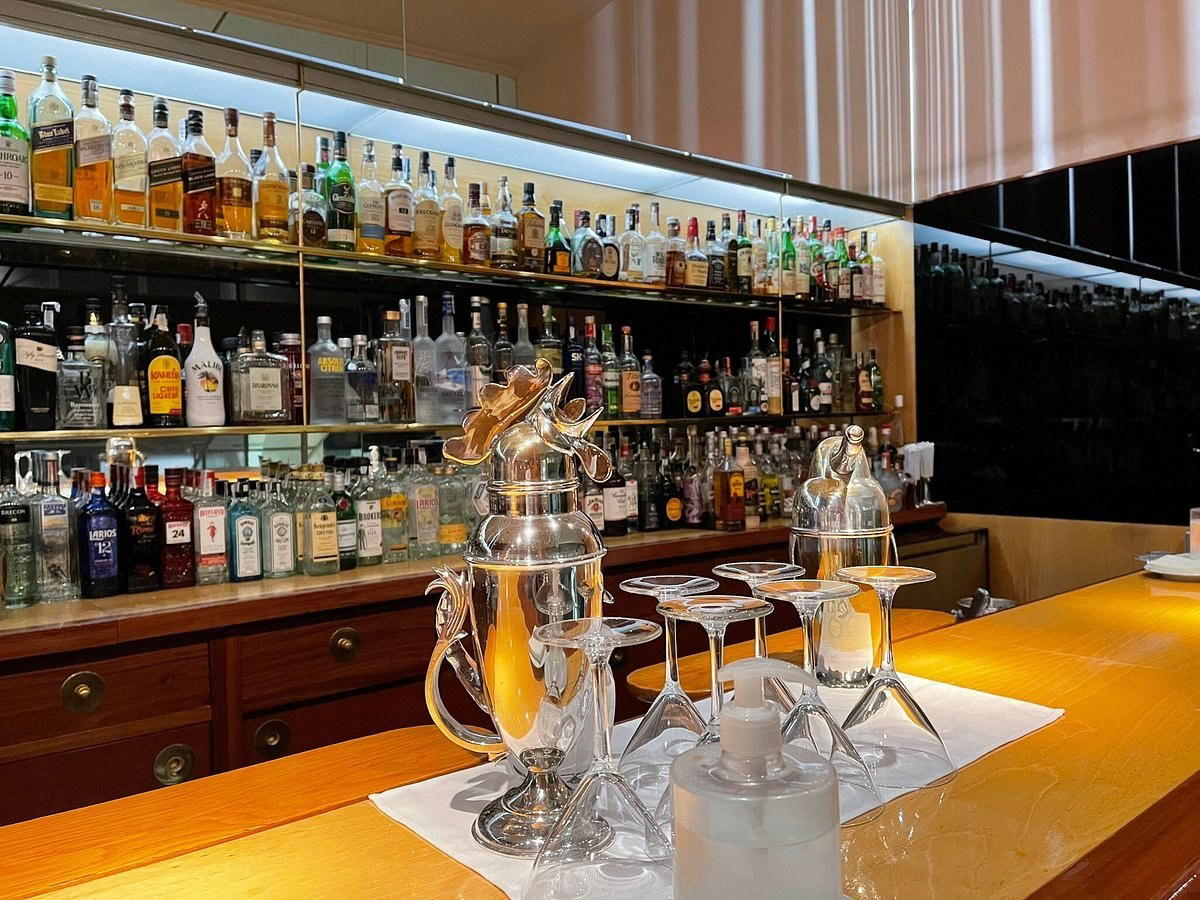
Hotels in Madrid
Browse all →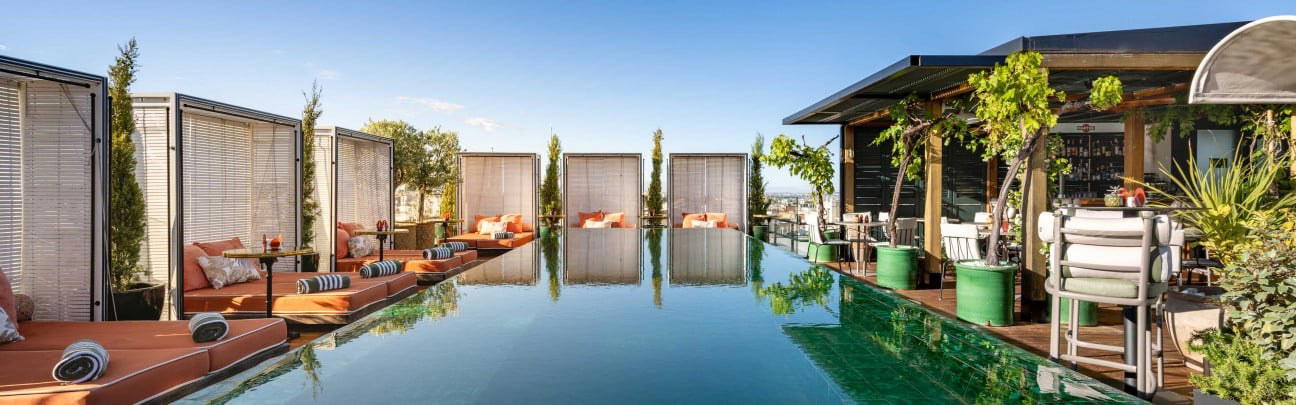



At a Glance
- Lively
- Rustic
- Casual Hangout
- Group Dining
- Open Kitchen
Current opening hours
- Monday
- 12:30–4 PM, 7–11 PM
- Tuesday
- 12:30–4 PM, 7–11 PM
- Wednesday
- 12:30–4 PM, 7–11 PM
- Thursday
- 12:30–4 PM, 7–11 PM
- Friday
- 12:30–4:30 PM, 7–11:30 PM
- Saturday
- 12:30–4:30 PM, 7–11:30 PM
- Sunday
- 12:30–4:30 PM, 7–11 PM
Hours can change for holidays and private events. Last verified .
Casual and inviting atmosphere centered around the fiery charcoal grill with a focus on grilled meats.
Know Before You Go
- Getting there
- C. de López de Hoyos, 127, Chamartín, 28002 Madrid, Spain