On a narrow street in Vienna's first district, Piotrowski occupies a position in the city's serious dining tier, where technique imported from broader European kitchens meets the precision-driven produce culture of Austria. The address at Schwertgasse 2 places it within easy reach of the Innere Stadt's established culinary corridors, making it a practical target for anyone working through Vienna's upper register of restaurants.
Pearl is the En Primeur Club membership app — saves, bookings, and concierge access live there. Same editors, same standards.
- Address
- Schwertgasse 2, 1010 Wien, Austria
- Phone
- +434315358558
- Website
- piotrowski.at
- Directions
- Get directions
 Saves & bookings on Pearl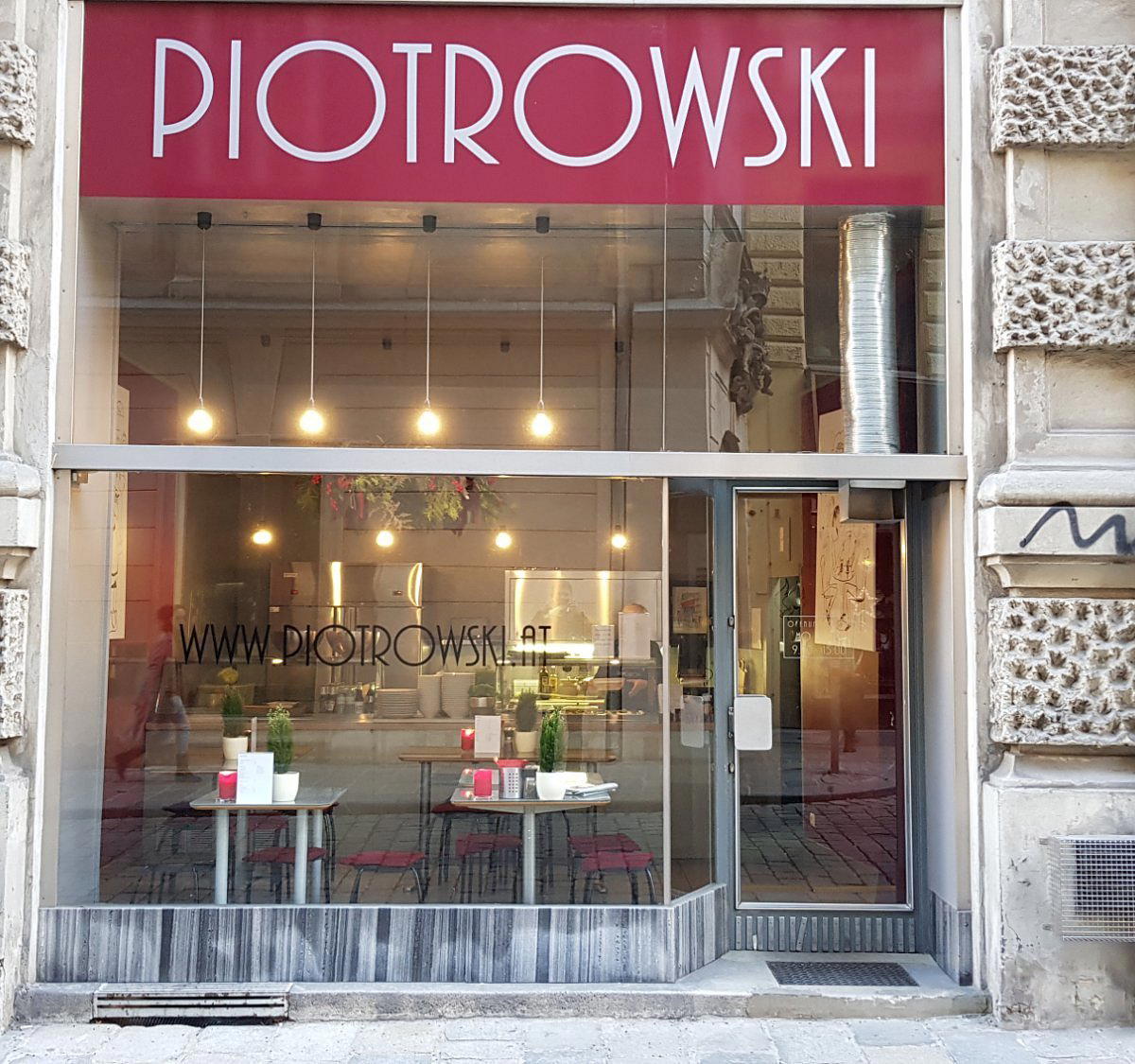
Where the First District Concentrates Its Ambitions
Vienna's first district has a way of compressing centuries into a single block. Schwertgasse 2 sits within that compression, a short walk from the Hoher Markt and the dense cluster of serious restaurants that occupy the Innere Stadt's quieter lanes. This part of the city is not where you go for casual dining; the real estate alone enforces a certain seriousness of purpose. Restaurants that survive here do so by placing themselves credibly within Vienna's upper dining conversation, which is currently one of the more interesting in Central Europe.
Piotrowski is a Polish Pierogi restaurant at Schwertgasse 2, 1010 Wien, Austria. The name itself signals something outside the Viennese vernacular, a deliberate positioning that mirrors a broader pattern across the city's progressive dining tier, where kitchens drawing on non-Austrian lineages increasingly set the terms for what technical ambition looks like in 2024.
Vienna's Upper Tier and Where Technique Comes From
To understand where Piotrowski sits, it helps to map the wider field. Vienna's leading end is anchored by a handful of restaurants that have earned sustained critical attention: Steirereck im Stadtpark defines the creative-Austrian pole, built around hyper-local foraging and a larder philosophy that runs deeper than most kitchens in the German-speaking world. Amador brings a Spanish-German lineage to the table, while Konstantin Filippou operates in a Modern European register shaped by Greek-Austrian biography. Mraz and Sohn has spent years at the creative edge of Modern Austrian cooking. Doubek contributes another strand to the city's evolving creative scene.
What unites the serious operators across this tier is a willingness to apply technique developed elsewhere, in French kitchens, in Nordic labs, in Japanese service traditions, to ingredients that are emphatically local. Austria's produce culture is not incidental to this story. The country's alpine and sub-alpine growing regions, its network of small-scale farmers, and its strong tradition of fermentation and preservation give kitchens a larder that rewards technical attention. The intersection of imported method and indigenous product is where Vienna's most considered cooking happens, and Piotrowski's position on Schwertgasse places it within reach of that dynamic.
The Logic of Local Ingredients and Borrowed Methods
Across Europe's serious dining tier, particularly durable kitchens are those that resist the temptation to import both technique and ingredient. The kitchens that have aged well, Le Bernardin in New York being a useful cross-Atlantic reference for longevity built on disciplined restraint, or Atomix for the way Korean formal tradition reshapes a contemporary tasting format, tend to anchor their identity in a specific product culture even as their methods travel freely.
Austria offers a particular version of this dynamic. The country's wine regions, Wachau, Kamptal, Kremstal, the Steiermark, produce bottles that pair with precision-led cooking in ways that bulk-import supply chains cannot replicate. The dairy, the game, the river fish, and the orchard fruit that Austrian kitchens access are arguments for rootedness even when the knife work or the sauce architecture derives from somewhere further west or north. Restaurants in the Austrian countryside that have built on this premise include Landhaus Bacher in Mautern an der Donau, Obauer in Werfen, and Döllerer in Golling an der Salzach, all of them operating from a conviction that the region's larder is a competitive advantage rather than a constraint.
In Salzburg, Ikarus has taken a different approach, rotating guest chefs through a format that explicitly imports global perspective. Alpine kitchens like Griggeler Stuba in Lech, Gourmetrestaurant Tannenhof in Sankt Anton am Arlberg, Schwarzer Adler in Hall in Tirol, and Restaurant 141 by Joachim Jaud in Mieming demonstrate how far the local-technique equation extends beyond the capital. Kräuterreich by Vitus Winkler in Sankt Veit im Pongau makes the herb garden its central argument, and Ois in Neufelden applies a similar localist logic in Upper Austria. Piotrowski operates in the capital version of this conversation, where the competition is denser and the sourcing logistics are more complex, but the appetite for this kind of cooking is correspondingly larger.
The First District as a Dining Address
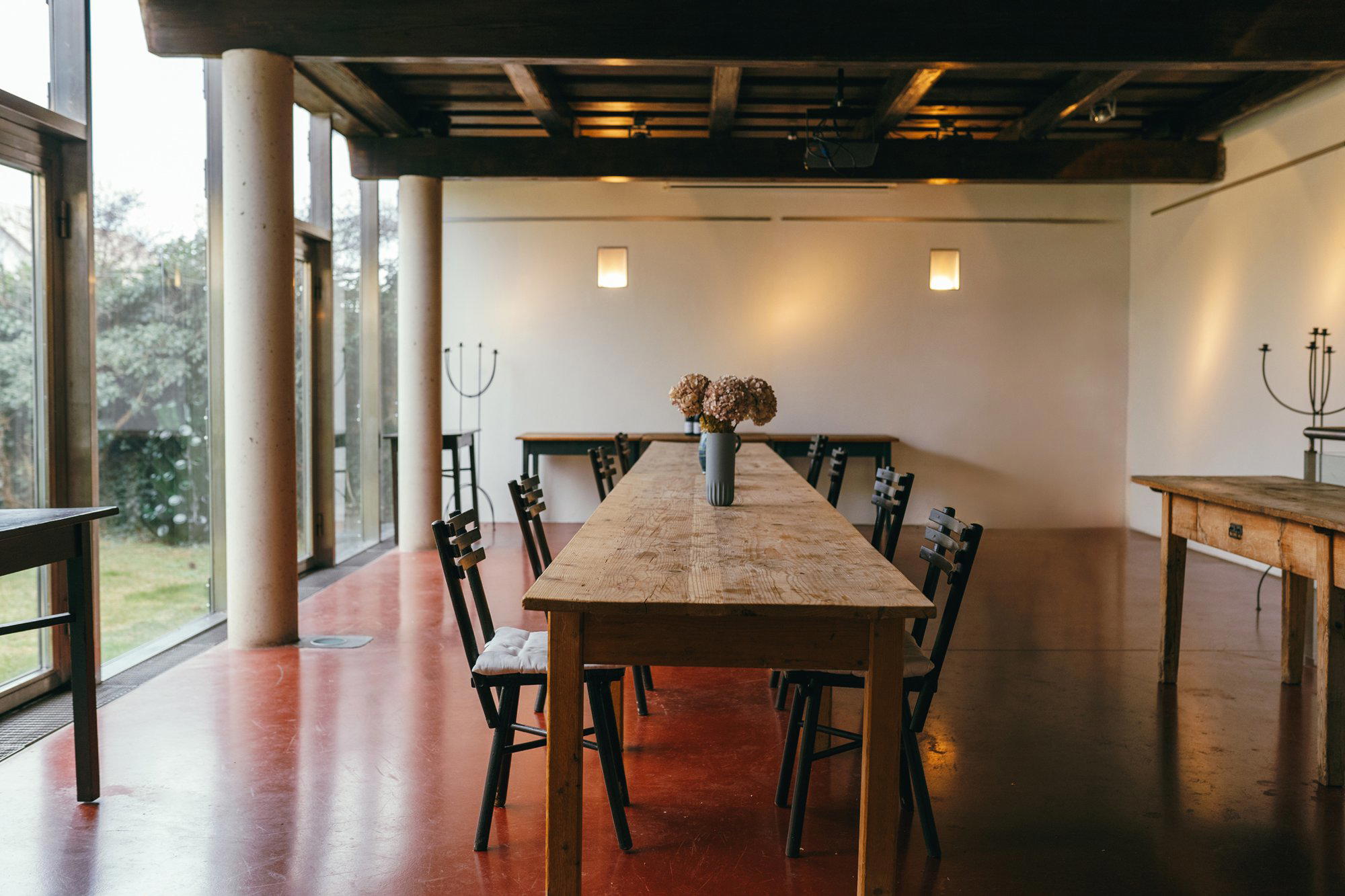
Schwertgasse is a quiet street by first-district standards, which is to say it carries less foot traffic than the Graben or the Kohlmarkt but remains within the dense pedestrian core of the Innere Stadt. The practical effect for a restaurant is a degree of self-selection in the clientele: guests who arrive at an address this specific have generally made a considered choice rather than walked in on impulse. That context shapes the dining room dynamic at serious restaurants across this neighbourhood, where the pace tends toward the deliberate and the room noise stays low enough for conversation.
For visitors building a Vienna itinerary around its upper dining tier, the first district concentration means that several serious meals can be constructed within a small geographic radius.
A Pricing-First Comparison
Comparable venues nearby, for context on price, style, and recognition.
| Venue | Cuisine | Price | Notes |
|---|---|---|---|
| PiotrowskiThis venue — the venue you are viewing | Stephansdom, Polish Pierogi | $$ | Not listed |
| Pepper & Ginny | Innere Stadt, Vegan Deli | $$ | Not listed |
| Zov Homolja | Brigittenau, Serbian Balkan Grill | $$ | Not listed |
| das weinberg | Gersthof, Modern Austrian Brasserie | $$ | Not listed |
| Der schöne Ernst | Not listed | $$ | Praterstern Wien Nord, Viennese Café & Aperitivo Bar |
| Chelsea | Josefstadt, Pub & Bar | $$ | Not listed |
Continue exploring
More in Vienna
Restaurants in Vienna
Browse all →
Bars in Vienna
Browse all →
Hotels in Vienna
Browse all →
At a Glance
- Cozy
- Casual Hangout
- Standalone
Current opening hours
- Monday
- 9 AM–3 PM
- Tuesday
- 9 AM–3 PM
- Wednesday
- 9 AM–3 PM
- Thursday
- 9 AM–3 PM
- Friday
- 9 AM–3 PM
- Saturday
- Closed
- Sunday
- Closed
Hours can change for holidays and private events. Last verified .
Casual takeaway spot with simple, welcoming atmosphere focused on quick, flavorful meals.