Our verdict
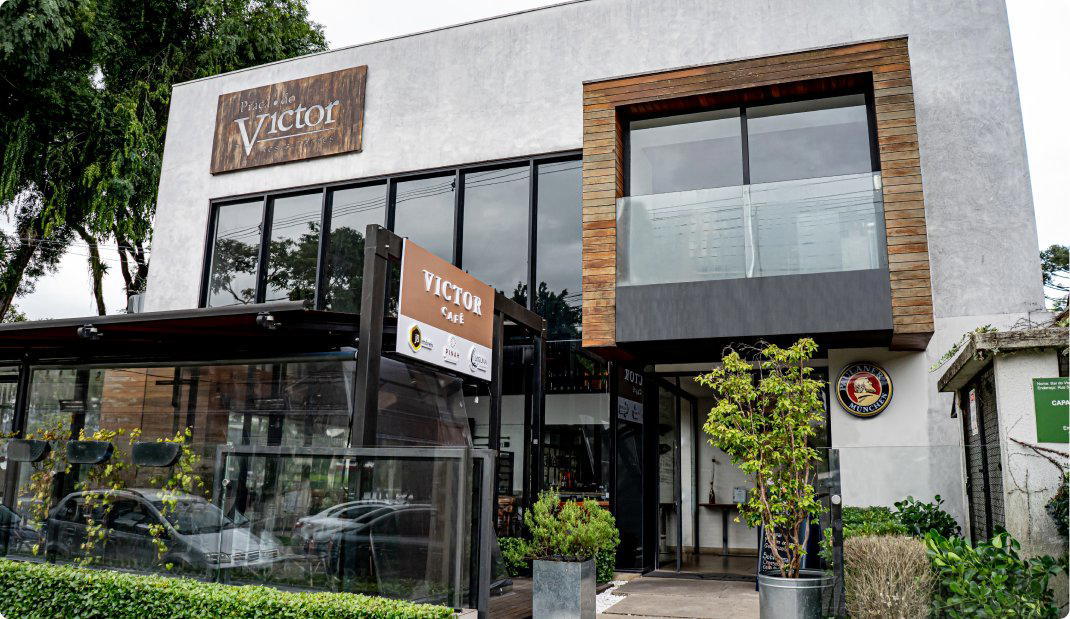
Petiscaria do Victor serves traditional Brazilian seafood and petiscos in Santa Felicidade, with local sourcing, sustainable seafood, and a beer program.

Pearl is the En Primeur Club membership app — saves, bookings, and concierge access live there. Same editors, same standards.
- Address
- Av. Manoel Ribas, 6995 - Santa Felicidade, Curitiba - PR, 82400-000, Brazil
- Phone
- +554132734444
- Hours
- Mon ClosedTue–Fri 11:30 AM–2:30 PM, 6:30–10:30 PMSat 11:30 AM–3 PM, 7–10:30 PMSun 11:30 AM–3 PM
- Website
- restaurantesvictor.com.br
- Directions
- Get directions
The menu
What to order
- Bolinho de Bacalhau
- Moqueca Mista
- Risoto de Camarão
- Ostras Naturais
- Pastéis de Camarão
Santa Felicidade and the Petisco Tradition
The drive along Avenida Manoel Ribas into the Santa Felicidade district tells you something about Curitiba that the city centre does not. The neighbourhood was settled by Italian and Polish immigrants in the late nineteenth century, and the restaurants lining this corridor have long operated as the city's most concentrated expression of European-inflected southern Brazilian cooking. Petiscaria do Victor sits at number 6995 on that avenue, in a part of the city where the casual, sharing-plate format known as the petisco has been refined over decades into something closer to an institution than a trend.
The petisco tradition in southern Brazil functions differently from the Spanish tapa or the Portuguese petisco from which it partly derives. Portions tend toward generosity rather than restraint, and the social contract at the table is one of extended, unhurried eating rather than quick succession. Establishments that carry the petiscaria designation are positioning themselves within that specific cultural register: neighbourhood gathering points, mid-afternoon anchors, places where a table of four can stretch two hours of food and drink into four. Along Santa Felicidade's main drag, that format has been reinforced by decades of family dining culture tied to the district's Italian heritage.
The Address and What It Signals
Avenida Manoel Ribas is not a destination street in the way that Curitiba's Batel district or the area around Largo da Ordem draw visitors. Santa Felicidade is a residential neighbourhood, and its dining culture developed for residents rather than tourists. That context shapes what a petiscaria here is expected to deliver: consistency over spectacle, familiar flavours executed with care, and a room calibrated for repeat visitors rather than first-timers making their way through a city guide. The contrast with Curitiba's more image-conscious dining tier, which includes addresses like Aizu and Barolo Curitiba, is deliberate and functional rather than a shortcoming.
In Curitiba's broader dining conversation, the neighbourhood petiscaria occupies a structural role that upscale restaurants cannot fill. It is the category that sustains local food culture between the occasions when residents seek out a formal tasting menu or a Michelin-adjacent experience. The city's Italian-origin neighbourhoods, Santa Felicidade chief among them, have preserved that category with more consistency than most Brazilian cities of comparable size. Within that tradition, Petiscaria do Victor holds a location with significant contextual weight.
Atmosphere and the Sensory Register
The petiscaria format generates a particular kind of room noise: the clink of ceramic dishes being passed across a table, the particular percussion of cold bottles arriving in quick succession, the compressed murmur of multiple overlapping conversations in a space sized for community rather than intimacy. These are not incidental qualities but defining ones. A petiscaria that is quiet has failed at its primary function, which is the facilitation of extended social eating.
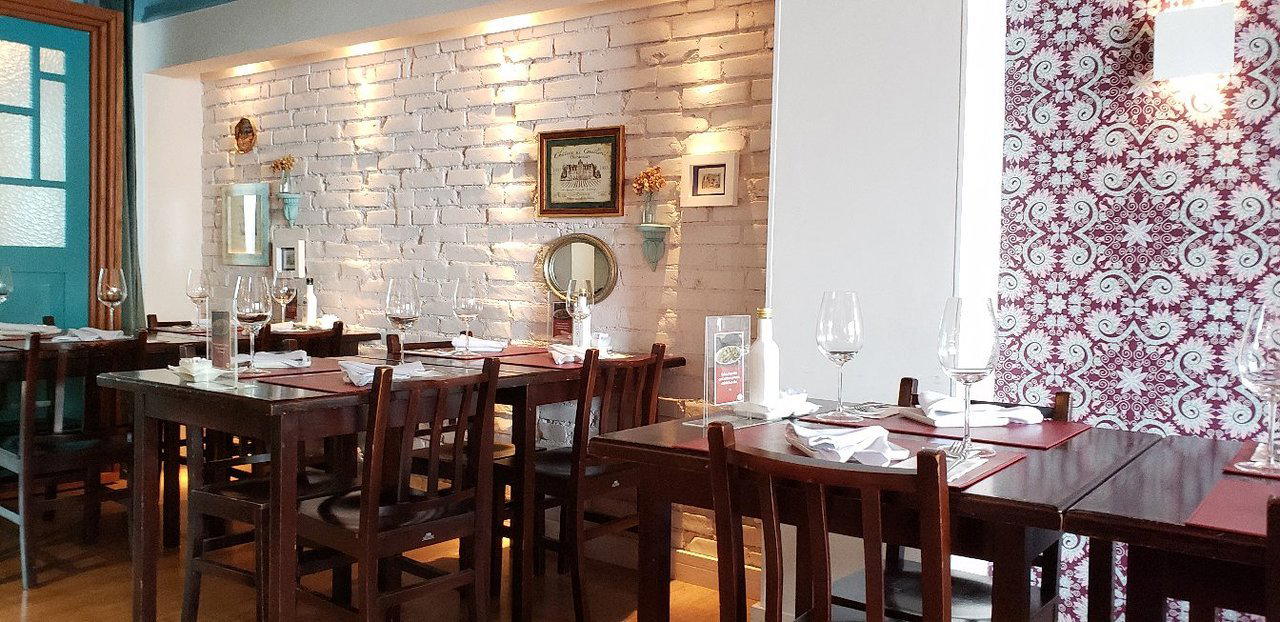
Santa Felicidade's restaurants have historically leaned into this sensory register. The visual language of the neighbourhood's dining rooms tends toward warmth and informality: tiled surfaces, wooden furniture, rooms that are full rather than airy. The smell of grilled meats, fried snacks, and slow-cooked preparations is not a side effect of the kitchen but part of the atmospheric contract the format makes with its guests. At an address like Petiscaria do Victor, the expectation a visitor brings should be calibrated accordingly. This is not a space to enter seeking hushed precision. The reward on offer is immersion in a specific, durable expression of southern Brazilian social eating.
Brazil's broader petisco culture sits in an interesting comparative position relative to the global sharing-plate trend. Where restaurants in cities like New York, as seen at venues such as Atomix, have turned the small-plate format into a vehicle for technical expression, and where fine dining destinations like Le Bernardin in New York or D.O.M. in São Paulo place precision at the centre of the proposition, the petiscaria tradition positions itself differently: food as social infrastructure rather than as the primary event.
Curitiba's Dining Structure and Where This Fits
Curitiba's restaurant scene is more internally differentiated than its profile outside Brazil suggests. The city has a functioning fine-dining tier, a strong churrascaria culture represented by addresses such as Batel Grill, a neighbourhood Italian tradition centred in Santa Felicidade, and a mid-market casual sector that includes petiscarias, pizzerias like Calabouço Restaurante e Pizzaria, and contemporary Brazilian addresses such as Badida Sete. Petiscaria do Victor operates in the casual, neighbourhood-anchored segment of that structure, in a district where that segment is most deeply rooted.
For visitors who have spent time at destination restaurants in Brazil's larger cities, including Lasai in Rio de Janeiro, the shift in register required for a Santa Felicidade petiscaria is substantial. The comparison is not invidious. These are different formats serving different functions, and both are expressions of Brazilian food culture at specific points of the spectrum. The petiscaria tradition that Petiscaria do Victor represents is, in its own category, as structurally embedded in Curitiba's food identity as the fine-dining tier is in São Paulo's. Readers who want to understand Curitiba's food culture fully, rather than sample only its aspirational tier, will find Santa Felicidade a necessary part of the itinerary. Our full Curitiba restaurants guide maps the city's dining tiers in detail.
Across Brazil's regional dining scenes, the neighbourhood casual category often carries the most durable local identity. The churrasco houses of Santa Cruz do Sul, represented by addresses like Aero Burguer e Grill, the Italian-origin cantinas of the south like Cantina Pozzobon in Santa Maria, and the informal neighbourhood restaurants of Amazonian cities such as Bistro Fitz Carraldo in Manaus all occupy this structural role in their respective cities. Santa Felicidade's petiscarias are Curitiba's version of that pattern.
Planning Your Visit
Petiscaria do Victor is located at Av. Manoel Ribas, 6995 in the Santa Felicidade neighbourhood of Curitiba, Paraná. Santa Felicidade sits in the city's northwest, removed from the central hotel district, so arriving by rideshare is the most practical approach for visitors staying downtown. The neighbourhood rewards visits on weekend afternoons, when the long-lunch format that defines petiscaria culture is at its most socially active, and when the street's full dining ecosystem is operating.
For visitors building a Curitiba itinerary around the city's full dining range, Santa Felicidade functions as a complement to, rather than a substitute for, the city's other dining tiers. Pairing an evening at one of Curitiba's more formally structured restaurants with a weekend afternoon in Santa Felicidade gives a more complete picture of what the city actually eats than either district alone can provide. Other Brazilian restaurants worth comparing for regional casual dining context include Casa da Flor Restaurante in Dourados, Casa da Dika Restô e Eventos in Braganca, Arte e Café Imperial in Angra dos Reis, Famosa Pizza in Ribeirão Preto, and Casa da Picanha Penedo in Itatiaia.
Frequently asked questions
What's Petiscaria do Victor's location?
Petiscaria do Victor is located at Av. Manoel Ribas, 6995 - Santa Felicidade, Curitiba - PR, 82400-000, Brazil, Curitiba.
How does dining at Petiscaria do Victor in Santa Felicidade differ from eating in Curitiba's city centre?
Santa Felicidade, where Petiscaria do Victor sits at Av. Manoel Ribas, 6995, developed as a distinct dining corridor shaped by Italian immigrant communities rather than by urban restaurant trends. The neighbourhood operates on a different register from Curitiba's Batel district or the historic centre: the format is communal, the pace is unhurried, and the clientele skews local rather than visitor-facing.
What's the must-try dish at Petiscaria do Victor?
The petiscaria format in Santa Felicidade typically centres on shared small plates, so arriving with a group and ordering broadly across the menu is the standard approach rather than relying on a single signature item.
Is Petiscaria do Victor reservation-only?
Manoel Ribas, 6995. Santa Felicidade venues in this format often fill quickly on weekend evenings, so contacting the venue directly before visiting is advisable.
What is Petiscaria do Victor known for?
Petiscaria do Victor is positioned within Santa Felicidade, the Curitiba district with the highest concentration of traditional dining along Avenida Manoel Ribas. The petiscaria format it operates in is built around casual shared plates, cold drinks, and a pace that favours long tables and extended visits rather than quick-turn dining.
What if I have allergies at Petiscaria do Victor?
No allergen menu or dietary accommodation policy is published for Petiscaria do Victor. Given the shared-plate format common to petiscarias, cross-contact between dishes is a practical consideration. Contacting the venue at Av. Manoel Ribas, 6995 directly before arrival is the safest course for anyone with serious dietary restrictions.
Is Petiscaria do Victor good value for money?
Pricing details for Petiscaria do Victor are not publicly listed. The petiscaria category in Curitiba generally sits at the informal, accessible end of the city's dining spectrum, where shared plates and drinks for a table rarely approach the cost of a sit-down restaurant meal in Batel or the city centre.
Comparable Options
Comparable venues nearby, for context on price, style, and recognition.
| Venue | Cuisine | Price | Notes |
|---|---|---|---|
| Petiscaria do VictorThis venue — the venue you are viewing | Traditional Brazilian Seafood & Petiscos | $20–30 | Not listed |
| Taisho Yakiniku Água Verde | Japanese Yakiniku | $30–50 | Água Verde |
| Mestre Sushi Fazendinha | Japanese Sushi | $20–30 | Cidade Industrial de Curitiba |
| Essen Biergarden | Authentic German Biergarten | Not listed | Centro Cívico |
| Swadisht Traditional Indian Cuisine | Traditional Indian Cuisine | $30–50 | Batel |
| Tahine Gourmet | Middle Eastern Gourmet Burgers & Shawarma | $10–20 | Santa Felicidade |
Continue exploring
More in Curitiba
Details
- Cozy
- Rustic
- Classic
- Casual Hangout
- Group Dining
- Family
- After Work
- Standalone
- Beer Program
- Local Sourcing
- Sustainable Seafood
- A La Carte
- Small Plates
- Craft Beer
- Pescatarian Friendly
Current opening hours
- Monday
- Closed
- Tuesday
- 11:30 AM–2:30 PM, 6:30–10:30 PM
- Wednesday
- 11:30 AM–2:30 PM, 6:30–10:30 PM
- Thursday
- 11:30 AM–2:30 PM, 6:30–10:30 PM
- Friday
- 11:30 AM–2:30 PM, 6:30–10:30 PM
- Saturday
- 11:30 AM–3 PM, 7–10:30 PM
- Sunday
- 11:30 AM–3 PM
Hours can change for holidays and private events. Last verified .
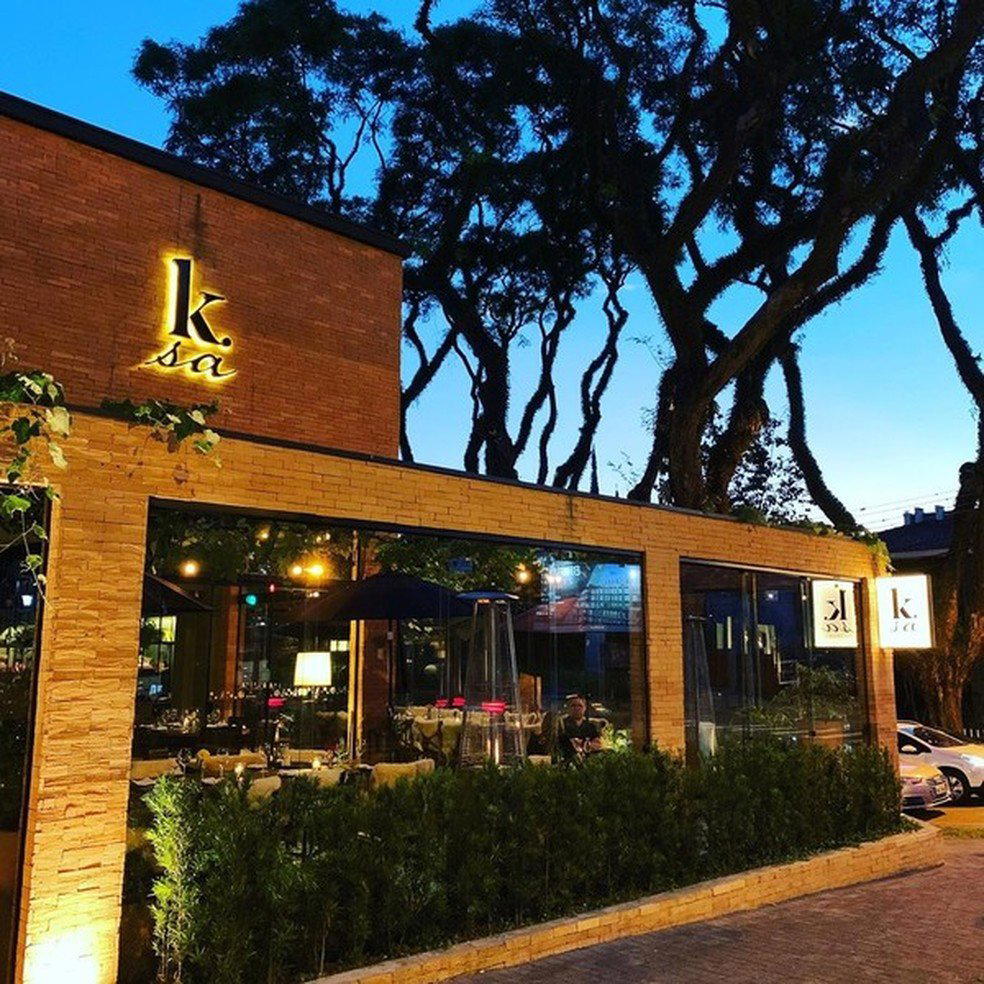
Warm and inviting with rustic décor, cozy atmosphere, and traditional Brazilian charm that creates an intimate dining experience.