Our verdict
Nuu Nikkei brings the Nikkei culinary tradition, the Japanese-Peruvian fusion born from Japanese immigration to South America, to Curitiba's Bigorrilho neighbourhood, one of the city's most active dining corridors.

Pearl is the En Primeur Club membership app, where members save venues, book tables and use the concierge.
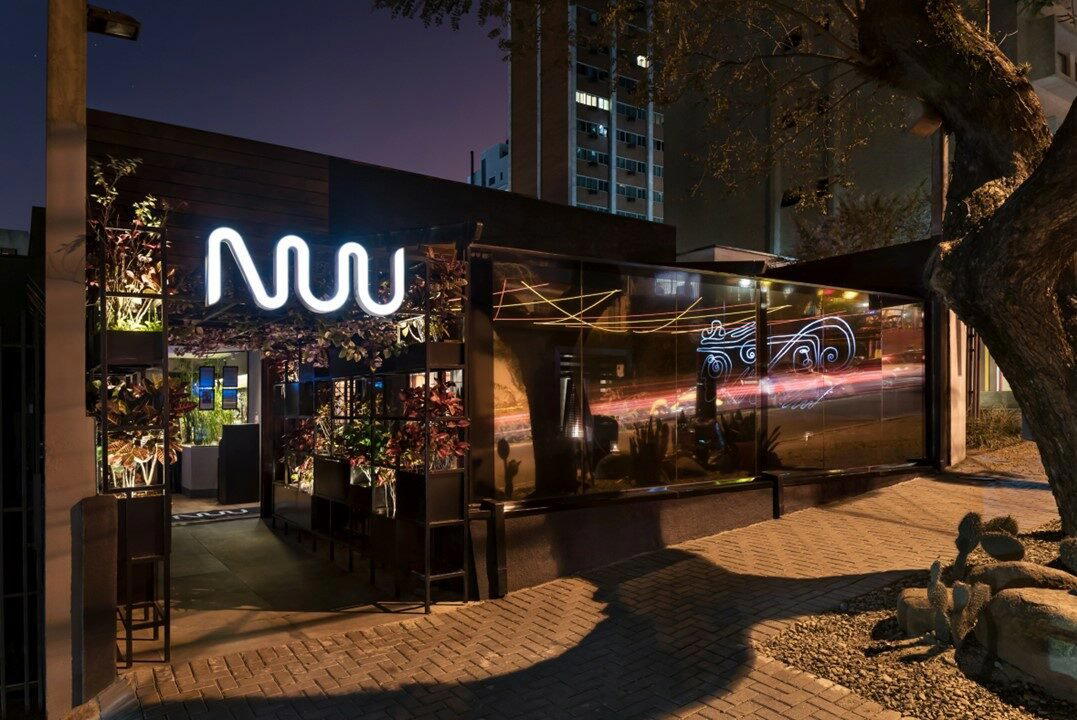
Bigorrilho and the Corridor That Defines Curitiba's Contemporary Dining
The Batel-Bigorrilho axis in Curitiba has, over the past decade, assembled one of the most concentrated dining corridors in southern Brazil. Rua Fernando Simas and its immediate surrounds are where the city's appetite for format-forward, ingredient-led restaurants tends to surface first. This is not the tourist circuit, it is where Curitibanos themselves eat when the occasion calls for something considered. Nuu Nikkei sits on this street, at number 333, and its address is itself an editorial statement about where the city's more ambitious dining conversation is happening.
The neighbourhood's character matters because Nikkei cuisine, the Japanese-Peruvian tradition that developed through waves of Japanese immigration to Peru beginning in the late nineteenth century, is a format that depends heavily on context. In Lima, where the tradition has its deepest roots, restaurants like Central and Maido have brought Nikkei thinking to international attention. In São Paulo, the cuisine found a natural home in the Liberdade district, where Brazil's own Japanese-immigrant communities shaped food culture for generations. Curitiba's positioning is different: the city has a strong European-immigrant culinary identity, particularly Italian and German, and the emergence of Nikkei as a category here represents a genuine expansion of what the local dining scene is willing to absorb and support.
The Nikkei Tradition in a Brazilian Context
Nikkei cuisine is, at its core, a product of cultural layering rather than fusion in the superficial sense. Japanese technique, precision knife work, restraint in seasoning, attention to texture, meets the acidic brightness, chilli heat, and structural informality of Peruvian cooking. The result is a culinary grammar that prizes freshness and contrast: tiradito rather than ceviche, but sharing ceviche's citrus logic; sushi formats inflected with aji amarillo and leche de tigre; robata preparations that lean on Peruvian spicing. This is a cuisine with documented lineage, not a trend imposed from outside.
Brazil's relationship with Nikkei is layered further by the presence of the largest Japanese diaspora outside Japan, concentrated in São Paulo but with tendrils across the country, including in Paraná. Curitiba's food culture has long absorbed Japanese influence through conventional Japanese restaurants, but Nikkei as a distinct category, with its Peruvian dimension, represents a more recent and more specific arrival.
For comparative reference, the Nikkei format has reached its most scrutinised expression in Brazil through São Paulo's dining scene, D.O.M. in São Paulo and Lasai in Rio de Janeiro represent how Brazil's fine dining conversation absorbs international culinary traditions through a local lens. Curitiba's version of this conversation is quieter but consistent, and the Bigorrilho corridor is where it plays out most clearly.
The Rua Fernando Simas stretch places Nuu Nikkei in direct proximity to some of Curitiba's more closely watched addresses. Aizu represents the city's Japanese dining tradition in a more conventional register, while Barolo Curitiba anchors the Italian-European strand that runs deep through the city's culinary identity. Batel Grill and Badida Sete cover different ground, the former in the churrascaria tradition, the latter in a more contemporary format. Calabouço Restaurante e Pizzaria rounds out a neighbourhood picture that is genuinely diverse in format and origin.
That specificity is an asset in a dining scene where differentiation is increasingly how restaurants build sustained audiences. The Nikkei format, with its reliance on quality seafood, precise preparation, and tasting-oriented presentation, tends to attract a diner who approaches a meal as an exercise in comparison and attention rather than simple satisfaction.
Across Brazil more broadly, the restaurant landscape has fragmented into increasingly specific format niches. Internationally oriented addresses like Atomix in New York City, Korean fine dining built around tasting-counter precision, and Le Bernardin in New York City illustrate the global appetite for single-cuisine depth over generalist menus. Nuu Nikkei's format argument is similar in ambition, if different in scale: commit to a specific culinary tradition and execute it with enough rigour to justify the category.
Planning a Visit: What to Know Before You Go
Nuu Nikkei's address, Rua Fernando Simas, 333, Bigorrilho, places it in a neighbourhood that is walkable from the Batel district and accessible by ride-share from central Curitiba. The Bigorrilho area tends to be most active in the evening and on weekends, consistent with the pattern across the Batel-Bigorrilho corridor where dinner-led formats dominate. For broader orientation across Curitiba's dining options, our full Curitiba restaurants guide maps the city's dining geography by neighbourhood and format.
Curitiba's better-regarded restaurants in this corridor do attract advance booking, particularly on Friday and Saturday evenings, so planning ahead by at least a week is advisable for popular service times.
For readers building a broader Brazil itinerary, the country's regional dining scene extends well beyond its two largest cities. From Bistro Fitz Carraldo in Manaus in the Amazon region to Cantina Pozzobon in Santa Maria in Rio Grande do Sul, the country's immigrant-influenced dining traditions surface in unexpected places. Aero Burguer e Grill in Santa Cruz Do Sul, Arte e café Imperial in Angra Dos Reis, Casa da Dika Restô e Eventos in Bragança, Casa da Flor Restaurante in Dourados, Casa da Picanha Penedo in Itatiaia, and Famosa Pizza in Ribeirão Preto each illustrate how Brazil's dining identity is assembled from dozens of regional and immigrant threads rather than a single national culinary narrative.
Frequently asked questions
What's Nuu Nikkei's location?
Nuu Nikkei is located at R. Fernando Simas, 333 - Bigorrilho, Curitiba - PR, 80430-190, Brazil, Curitiba.
How does Nuu Nikkei fit into Curitiba's broader Nikkei dining scene?
Curitiba has one of the larger Japanese-Brazilian communities in southern Brazil, which gives Nikkei cooking here a deeper local context than in cities where it reads primarily as a trend. Nuu Nikkei's address on Rua Fernando Simas places it alongside some of the city's more closely watched dining addresses, including Aizu, making the Bigorrilho corridor a useful starting point for anyone mapping Curitiba's Japanese-inflected restaurants. The Nikkei approach at venues in this neighbourhood typically goes beyond superficial fusion, drawing on generational familiarity with both culinary traditions.
What's the signature dish at Nuu Nikkei?
What the Nikkei format typically foregrounds, though, is raw fish preparation informed by Japanese knife discipline and seasoned with Brazilian citrus and chilli, so expect ceviches and tiraditos built on that framework. For the current menu, check the venue's official channels or check their social media channels, as Bigorrilho venues on Rua Fernando Simas often update offerings seasonally.
How far ahead should I plan for Nuu Nikkei?
Nuu Nikkei sits on Rua Fernando Simas, 333 in Bigorrilho, one of the most active dining stretches in Curitiba, where demand at well-regarded addresses tends to outpace walk-in availability on weekends. Booking at least one to two weeks ahead is a reasonable baseline for Friday and Saturday seatings.
Compact Comparison
Comparable venues nearby, for context on price, style, and recognition.
| Venue | Cuisine | Price | Notes |
|---|---|---|---|
| Nuu NikkeiThis venue (the venue you are viewing) | Nikkei Fusion (Japanese-Peruvian) | Not listed | Not listed |
| Restaurante Ibérico | Portuguese & Spanish Iberian Cuisine | $30–50 | Água Verde, Portuguese & Spanish Iberian Cuisine |
| Oidē | Japanese Izakaya | Not listed | Centro, Japanese Izakaya |
| Swadisht Traditional Indian Cuisine | Traditional Indian Cuisine | $30–50 | Batel, Traditional Indian Cuisine |
| Mestre Sushi Fazendinha | Japanese Sushi | $20–30 | Cidade Industrial de Curitiba, Japanese Sushi |
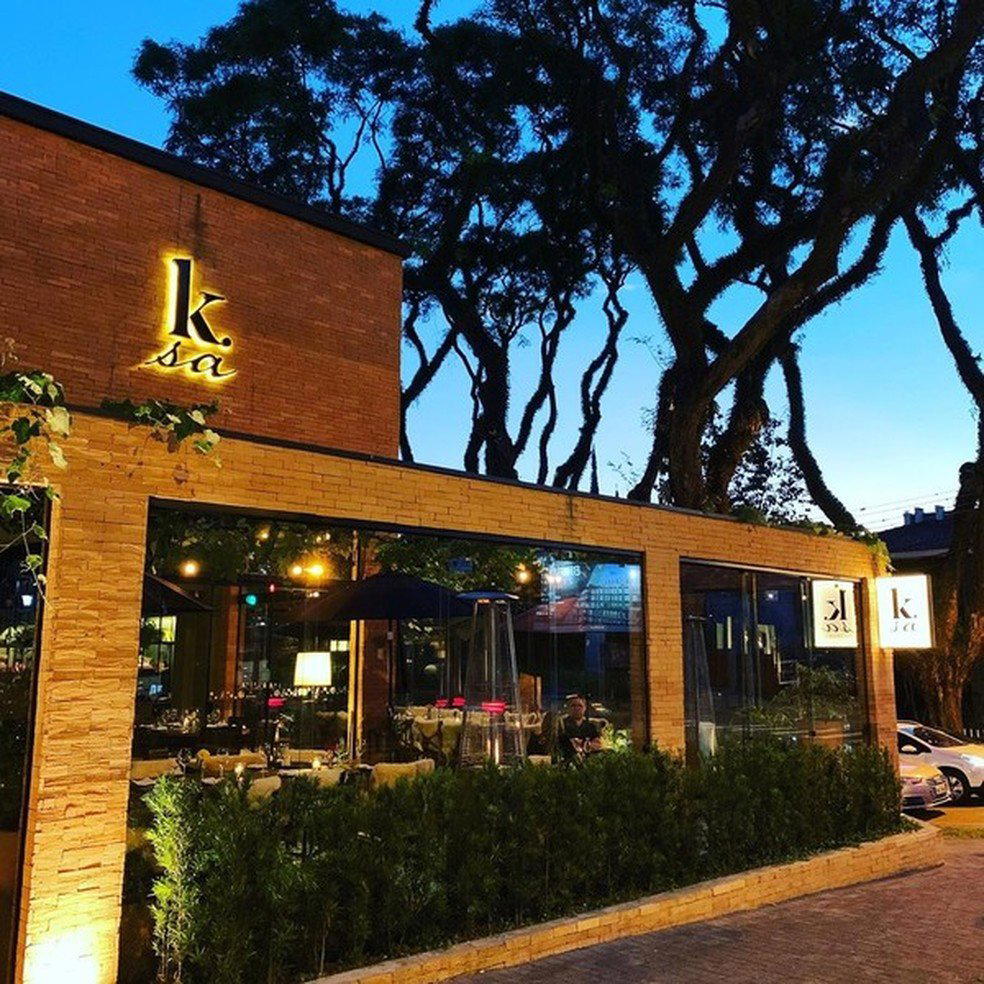
| K.sa Restaurante | Contemporary Fusion | Not listed | Bigorrilho, Contemporary Fusion |
Continue exploring
More in Curitiba
Details
- Modern
- Sophisticated
- Elegant
- Trendy
- Date Night
- Special Occasion
- Group Dining
- Open Kitchen
- Craft Cocktails
- A La Carte
- Small Plates
- Craft Cocktails
- Vegetarian Friendly
- Vegan Options
Current opening hours
- Monday
- Closed
- Tuesday
- 6–11 PM
- Wednesday
- 6–11 PM
- Thursday
- 6–11 PM
- Friday
- 6–11:30 PM
- Saturday
- 6–11:30 PM
- Sunday
- 6–11 PM
Hours can change for holidays and private events. Hours as of .
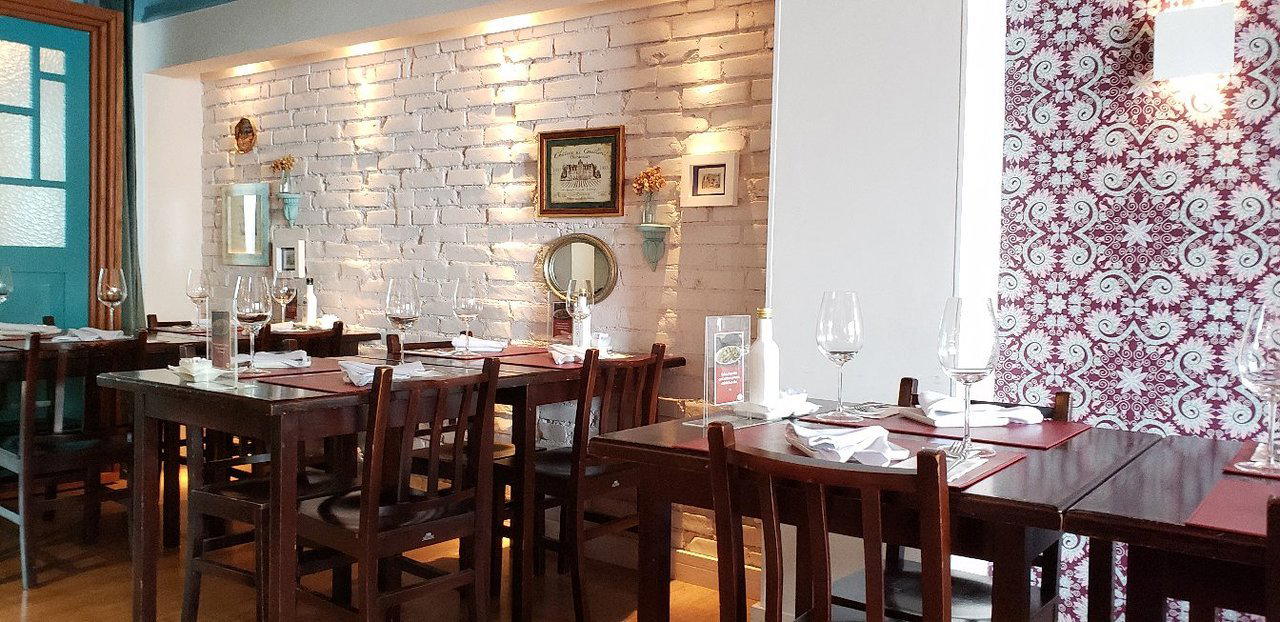
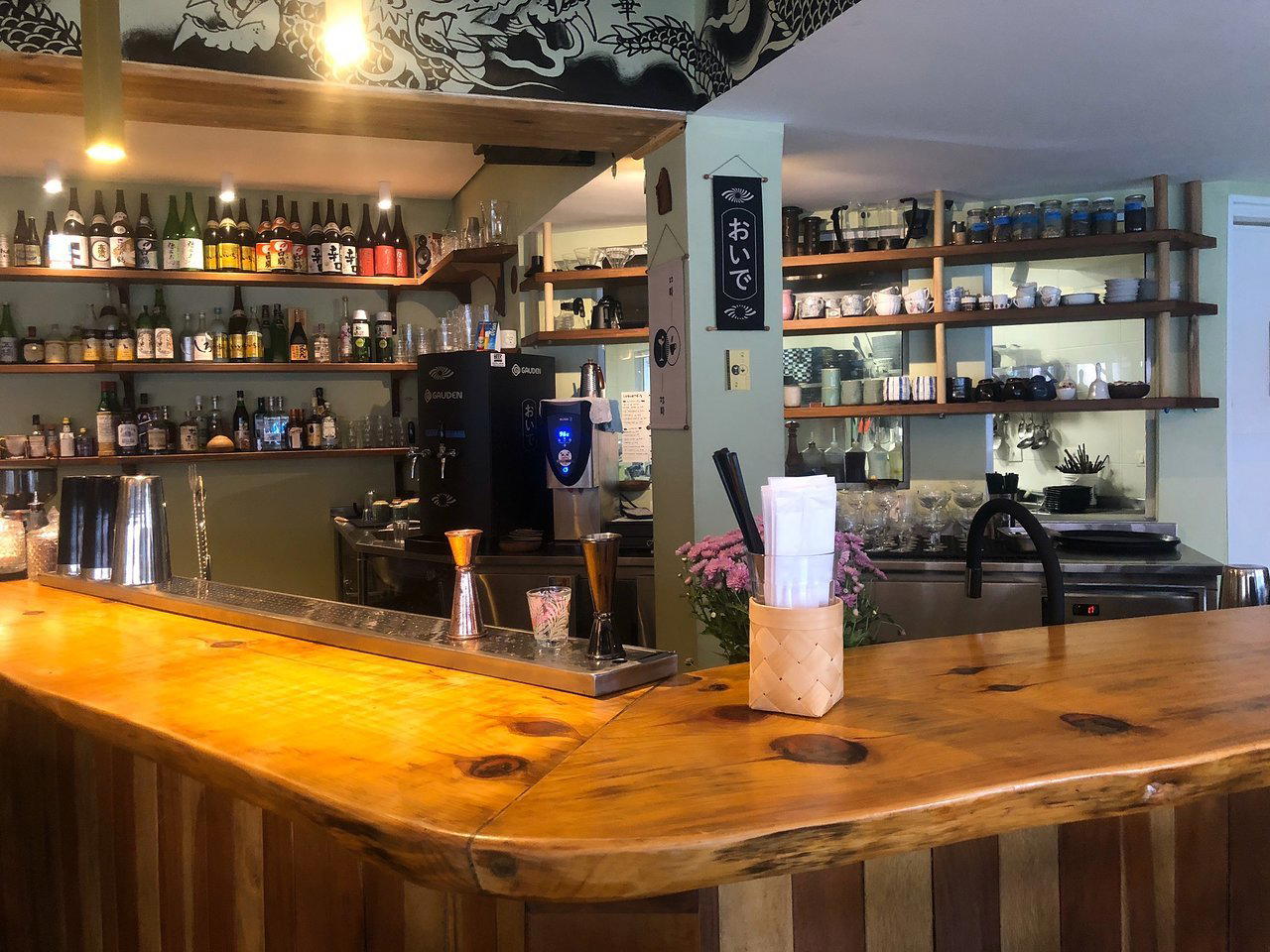
Cozy, modern, and sophisticated atmosphere with beautiful plating and attentive service praised in reviews.